Li Auto makes a U-turn, Xiaomi goes against the tide: The extended-range EV says goodbye to its "golden age"
Recently, Xiaomi Auto officially announced its new product series SkyNomad, positioned as an extended-range large-space SUV. However, Xiaomi's entry into the extended-range market at this moment comes at a rather delicate timing.
Almost simultaneously, the China Passenger Car Association released data showing that in the first half of 2026, the domestic wholesale sales of extended-range models reached only 504,000 units, a year-on-year decline of 13.1%; the June wholesale volume even recorded the largest single-month drop in nearly five years.
Once upon a time, "the extended-range formula is great" was the loudest rallying cry in the new energy vehicle market. From 2021 to 2024, the year-on-year sales growth rates of extended-range models were 218%, 130%, 181%, and 78.7% respectively, maintaining a year-on-year increase of over 70% for four consecutive years and surging forward all the way.
However, starting from the second half of 2025, the sales growth rate of extended-range models began to slow down significantly.
Li Auto, as the benchmark of the extended-range route, delivered 193,500 units in the first half of this year, a year-on-year decrease of 5.1%, completing only 39.7% of its annual target. This slowdown of the leading benchmark has become the most direct basis for the market to bearish on the extended-range route.
On one hand, sales are shrinking; on the other hand, new players are entering with fanfare. The real situation of the extended-range track may not be a simple "ice and fire" scenario, but a new contest over product logic and technical routes.
To see where the extended-range technology is heading next, we need to understand the hidden cards of each automaker — this is the part worth savoring in detail.
01 Why is the extended-range route losing its appeal?
The debate between critics and defenders of the extended-range route has been going on for years.
In 2015, Li Xiang founded Li Auto and chose the extended-range technology route. In Li Xiang's view, the range anxiety of pure electric vehicles was an insurmountable pain point, which was why he firmly stuck to the extended-range path.
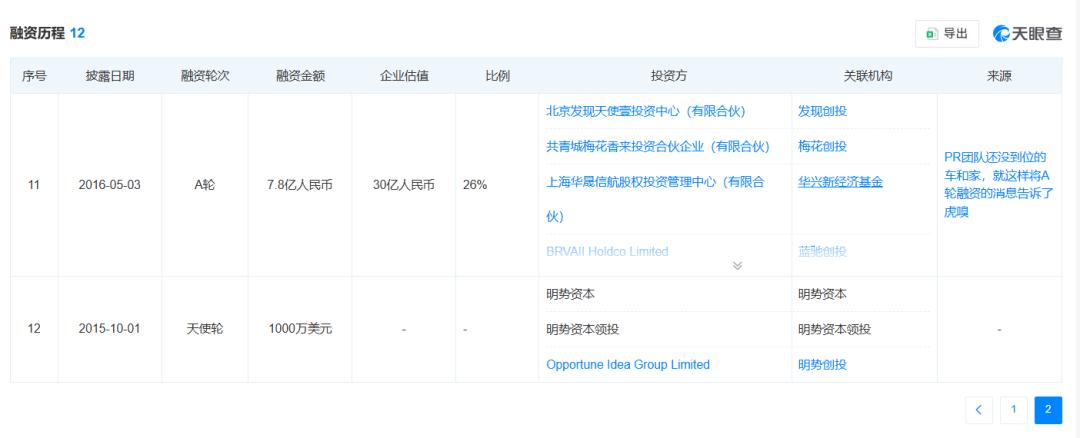
*Image source: Tianyancha
In 2019, Li Auto ONE was launched with the industry's first large extended-range battery, turning "eliminating energy replenishment anxiety" into a tangible product. In 2020, Li Auto ONE delivered 33,000 units; in 2021, the figure jumped to 90,000 units, making it a phenomenal product.
However, as Li Auto was pioneering the extended-range market, skeptical voices also emerged.
In 2020, Stephan Wöllenstein, CEO of Volkswagen China, publicly criticized extended-range technology as "the worst solution", arguing that using an internal combustion engine to generate electricity to drive the electric motor was unnecessary. At that time, many in the industry echoed this view, claiming that extended-range technology was just a redundant transitional solution.
Yet the market's choice proved all the critics wrong. Following Li Auto, more than 20 brands including AITO, Leapmotor, and Deepal joined in, turning extended-range technology from a ridiculed "oddity" into a "hot favorite" on the new energy track.
In 2020, the total annual sales of extended-range models were just over 30,000 units; by 2025, the annual sales had exceeded 1.23 million units, once accounting for more than 10% of the new energy vehicle market share.
But the situation reversed in the second half of 2025. In July 2025, extended-range models saw an 11.4% year-on-year decline, while the overall new energy vehicle market still maintained a rapid 12% year-on-year growth.
Entering 2026, the downward trend of domestic extended-range model sales expanded fully, with the cumulative sales in the first half of the year dropping 13.1% year-on-year.
Why did extended-range models suddenly lose their charm? The market has offered different answers.
First of all, range and energy replenishment anxiety are gradually disappearing.
Nowadays, fast energy replenishment technologies are becoming increasingly mature. 800V high-voltage fast charging and 4C/5C high-rate batteries have been widely deployed. BYD's megawatt-level fast charging can even add 400 kilometers of range in 5 minutes, making energy replenishment efficiency comparable to that of fuel vehicles.
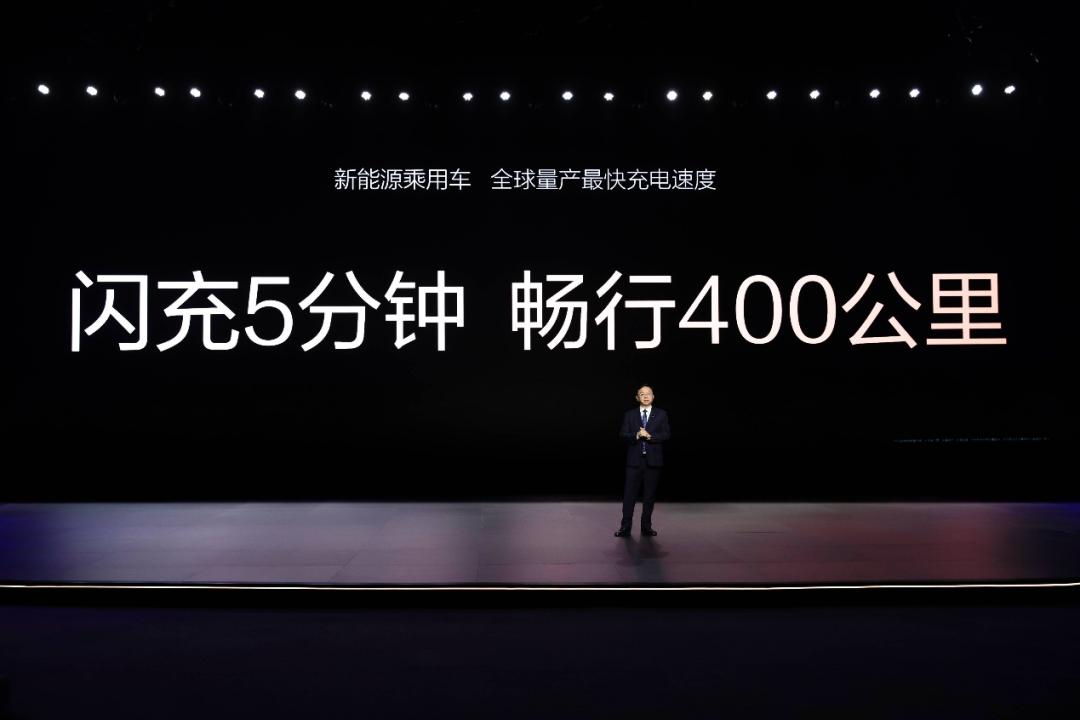
*Image source: the Internet
In addition, according to statistics from the National Charging Infrastructure Monitoring and Service Platform, by the end of May 2026, the total number of charging infrastructure units across the country had reached 22.497 million, a year-on-year increase of 44.9%, and the coverage rate of charging piles on highway service areas had exceeded 98%.
With charging stations everywhere and charging speed nearly as fast as refueling, the "energy replenishment anxiety" moat of extended-range models is rapidly thinning.
Secondly, the once-existing cost advantage of extended-range models is being continuously eroded.
In the past, since extended-range models generally carried smaller-capacity batteries, and battery costs accounted for 30%-50% of electric vehicle prices, the pricing of extended-range vehicles was generally lower than that of pure electric vehicles in the same class.
However, in the past two years, the prices of raw materials such as lithium carbonate have dropped significantly, and the average price of power batteries has continued to decline. In the mainstream price range around 300,000 yuan, the price gap between pure electric and extended-range models has narrowed noticeably, meaning extended-range vehicles are no longer necessarily the "cheaper" option.
Besides, extended-range vehicle owners have to face additional usage costs: maintaining both the fuel and electrical systems results in higher maintenance expenses; the continuous rise in oil prices has also increased the cost of using the fuel engine for power generation.
More critically, major automakers are ramping up R&D on pure electric architectures to further reduce component space. Without the range extender and fuel tank, more cabin space can be freed up — users are naturally calculating the cost trade-offs.
Finally, policy regulations are tightening.
Starting from 2026, for extended-range models to enjoy the vehicle purchase tax preference, the pure electric range threshold has been significantly raised from the previous 43 kilometers to 100 kilometers. For those extended-range products equipped with small batteries, their cost-performance advantage has been further weakened.
In simple terms, it's not that extended-range technology is no longer useful, but that consumers no longer have such a strong demand for it.
02 Veteran players are transforming one after another
As a result, the "identity dividend" of extended-range technology is disappearing. It is no longer the "universal solution" that "works for both fuel and electric scenarios". Players on this track must re-prove themselves in the fierce head-to-head competition.
Li Auto is a classic early entrant, followed by new power players like AITO and Leapmotor. They were the first to feel the market chill and the first to adjust their strategies.
As the former "king of extended-range vehicles", Li Auto delivered 406,300 units in 2025, a year-on-year decline of 18.81%, making it the only new power automaker with a year-on-year sales drop.
It did try to fight back. As early as March 2024, Li Auto launched its first pure electric product, Li Auto MEGA. But as we all know, Li Auto MEGA failed to achieve instant success due to its controversial appearance, disrupting Li Auto's layout rhythm in the pure electric market.
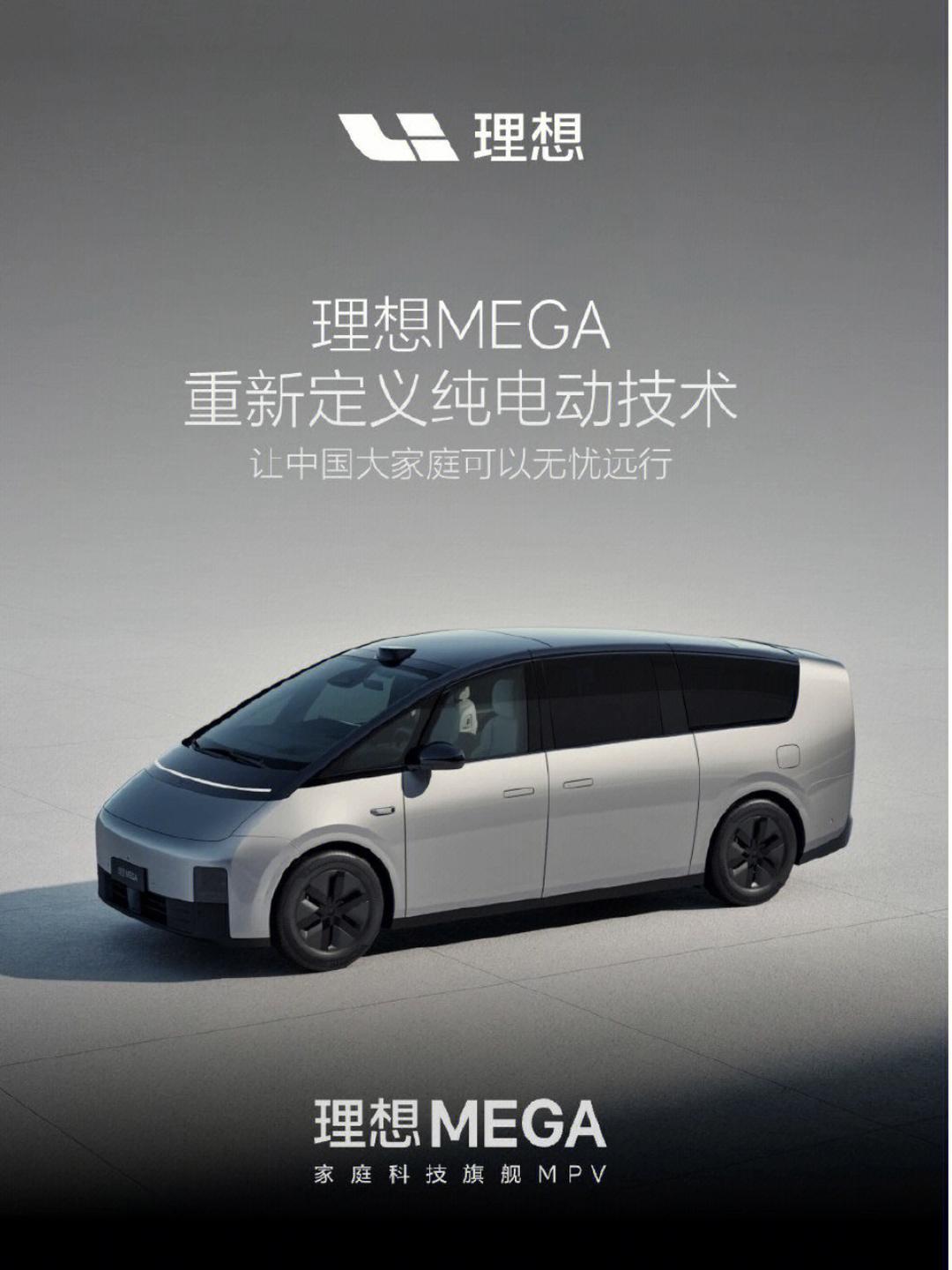
*Image source: the Internet
After a one-year gap, Li Auto launched the Li Auto i8 and Li Auto i6 in the middle of last year. The Li Auto i8 was positioned as a combination of "off-roader, sedan, and MPV", but consumers have gradually grown tired of this "all-in-one" product strategy.
The Li Auto i8 didn't become a hit, but the Li Auto i6 did. With its more competitive cost-performance ratio than similar models, it quickly opened up the market. Since March 2026, the Li Auto i6 has recorded monthly deliveries exceeding 20,000 units for three consecutive months, accounting for about 2/3 of Li Auto's total deliveries.
However, the victory of the more cost-effective i6 over the more Li Auto-characteristic i6 shows that "converting extended-range to pure electric" is not simply about removing the fuel tank. How Li Auto will adjust its subsequent product strategy has become a daunting problem.
As a comparison case to Li Auto, Leapmotor shifted to the "pure electric + extended-range" dual-power strategy in 2023, targeting Li Auto's "extended-range + family" positioning, and quickly penetrated the 150,000-200,000 yuan market with its cost-performance advantage.
But a detailed breakdown reveals that while Leapmotor used extended-range technology to open up the market, it consolidated its foothold with pure electric vehicles.
In the 50,000-150,000 yuan A and B series, Leapmotor focuses on pure electric products; the extended-range option is only added in the C series, which targets mainstream family use, and the D series, its high-end flagship line.
Leapmotor has always been very clear that extended-range and hybrid technologies are transitional products. Its founder Zhu Jiangming believes that extended-range vehicles will gradually be replaced by pure electric vehicles in the future, and the proportion of pure electric models will continue to rise.
In 2025, Leapmotor Auto became the top-selling new power automaker with nearly 600,000 units sold. Zhu Jiangming mentioned in November last year that extended-range products only accounted for 20% of total sales, and pure electric vehicles were the main sales force for Leapmotor.
AITO, which rose later, proved in another way that the title of "king of extended-range" is never permanent.
In the first quarter of 2026, according to the extended-range and hybrid vehicle sales rankings from China Automotive Data Research, AITO took the 1st, 3rd, and 4th positions. The total sales of its four models reached about 40,000 units, capturing 30% of the entire extended-range market (with total Q1 sales of 204,000 units).
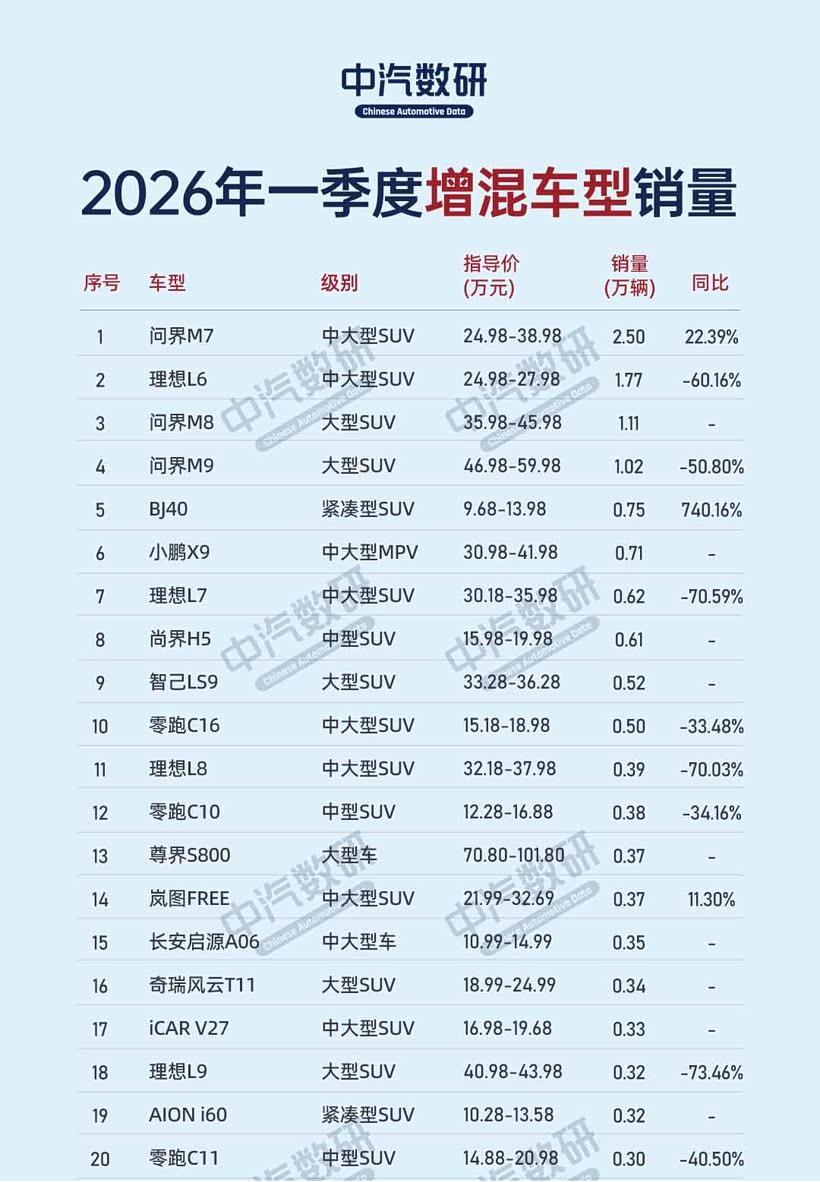
*Image source: the Internet
Huawei's brand endorsement and user ecosystem provide AITO with irreplicable systematic support, enabling it to achieve higher brand recognition — this is the main reason why AITO has become the "new king of extended-range".
Even so, He Li, President of Seres Auto, previously stated that the proportion of AITO's pure electric users has increased significantly this year, with pure electric driving mileage accounting for over 70%. AITO, which started on the extended-range track, has long shifted its focus to the pure electric market.
Once, extended-range models were the "first pot of gold" for many automakers to gain a foothold. But now, this "shortcut" is turning into a "narrow path". The fact that extended-range winners are unanimously shifting their bets to the pure electric table is an honest reflection of how much value remains in the extended-range track.
03 New players' "new strategies"
However, while veteran players are looking for transformation opportunities, a group of new players have chosen to enter the market at this very moment.
Xiaomi recently officially announced its new brand "SkyNomad", positioned as an extended-range mid-to-large SUV; Xpeng launched its first extended-range hybrid MPV, the Xpeng X9 Super Extended-Range version, last year.
*Image source: Weibo
In addition, joint-venture brands such as SAIC Volkswagen, Dongfeng Nissan, and Changan Mazda are also actively making efforts. Among them, SAIC Volkswagen ID. ERA 9X sold 5,004 units in May this year, topping the sales ranking of extended-range large SUVs.
But the question is: on this beach where the tide is receding, is extended-range technology still a shortcut for new players to enter the market? The answer may not be a simple "yes or no", but rather how to do it properly.
First of all, the next stop for extended-range technology is the next-generation extended-range technology.
He Xiaopeng, Chairman of Xpeng Motors, once said that the biggest pain points of the previous generation of extended-range models were small battery capacity, short range, and the need for frequent charging.
To address this, Xpeng launched its next-generation extended-range technology, the "Kunpeng Super Extended-Range", with the core hardware combination of "high-efficiency range extender + large battery + large fuel tank", rethinking extended-range technology by integrating 5C, fast charging, energy consumption management, thermal management, and other technologies.
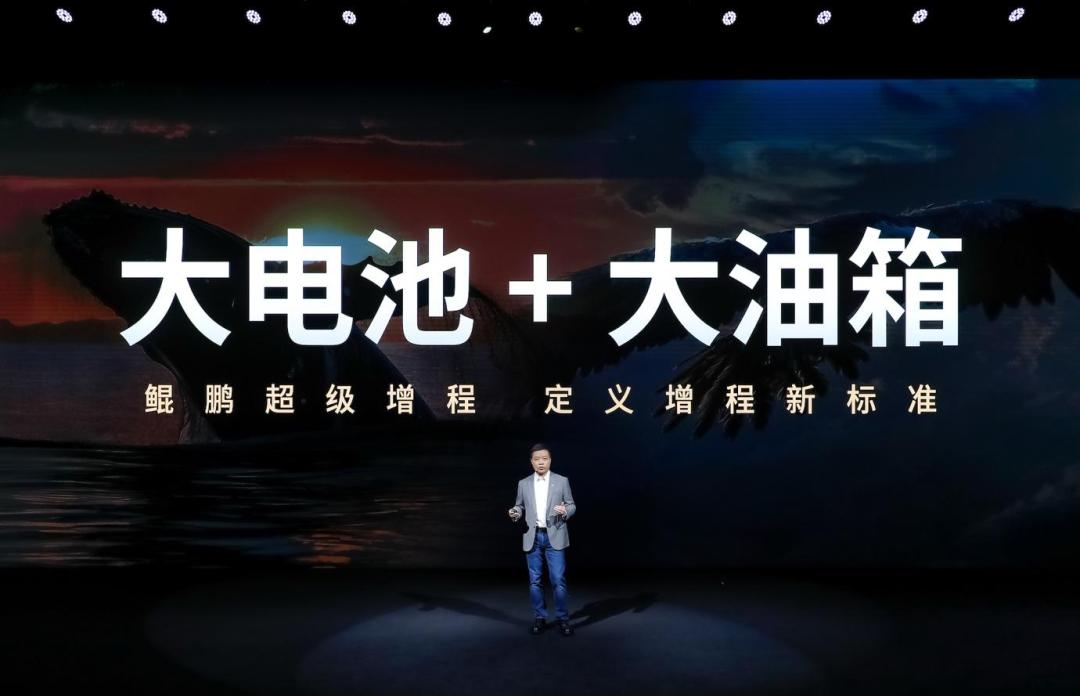
*Image source: the Internet
Li Auto also offered its own answer: the ultimate form of extended-range technology is 5C extended-range, which refers to a large-battery extended-range system with 5C ultra-fast charging capability, enabling extended-range vehicles to match the pure electric driving experience of similar pure electric vehicles.
In addition, Li Auto has iterated to Range Extender 3.0, which suppresses noise and vibration at the source through technologies such as low-acoustic-sensitivity cylinder blocks and optimized combustion systems, achieving "