The newly viral lemon milk is taking the tea drink industry by storm?
Lemon Milk Born in a Small Huzhou Town Has Gone Viral This Summer
A niche local beverage originating from Huzhou, Zhejiang, has unexpectedly emerged as a dark horse breakout product in the 2026 tea drink industry?
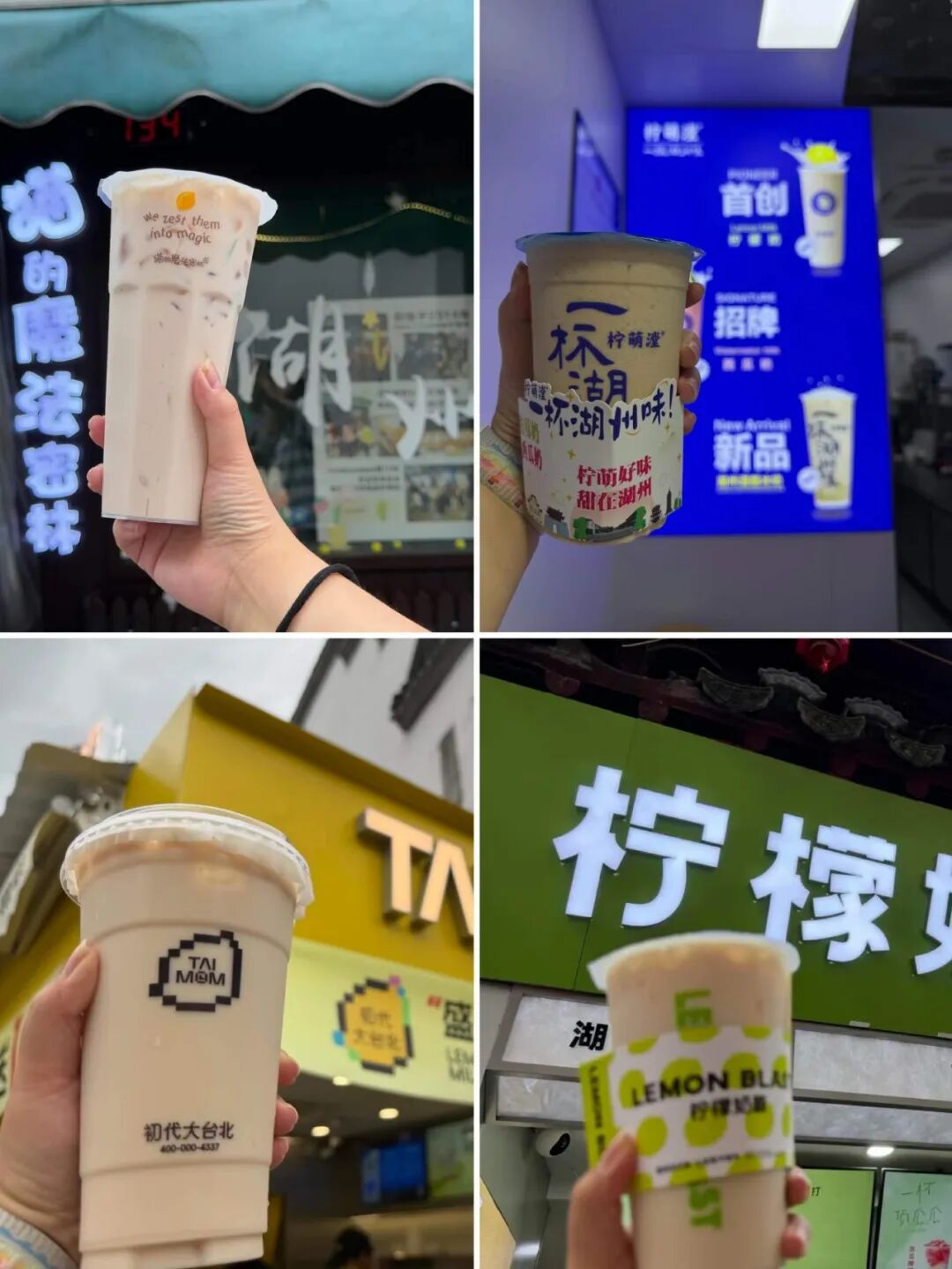
On social platforms, people are sharing their visits to local Huzhou lemon milk brands such as "Big Taipei" and "Cat's Magic Forest" — well-established stores that have operated locally for years. Data from Douyin shows that the #LemonMilk topic has accumulated over 110 million views.
Last year, Grandpa Doesn't Brew Tea launched a "Orchid Aroma Lime" lemon milk drink. The brand announced in early July this year that the product had exceeded 10 million cumulative sales, followed by a new "Sea Salt Lemon Milk" release in May that sparked widespread discussion across social platforms.
This year, numerous leading tea drink brands have followed suit.
Bawangchaji introduced two products: "Glutinous Green Mountain Lemon Milk" and "Misty Red Dust Lemon Milk", both categorized as "light-ingredient" offerings. The brand It's Lime reported that its lemon-blended milk drinks have maintained a consistent 10% order rate, firmly ranking among the top three best-selling items. Ningji launched iced lemon milk across 21 Shanghai locations, while Oriental Ink Orchid lemon milk reportedly sold over 80,000 cups in three days. Additional brands including LeLeCha, Hushang Ayi, Heytea, ChaBaDao, and Miyo Yogurt have all entered the market, with most lemon milk products currently priced between 15 and 20 yuan.
The entry of these major tea drink players has rapidly elevated lemon milk's popularity, cementing its status as a breakout trendsetter.
Furthermore, specialized lemon milk brands are expanding their store networks, leveraging the product's viral momentum to amplify brand influence and strategically diversify their product portfolios.
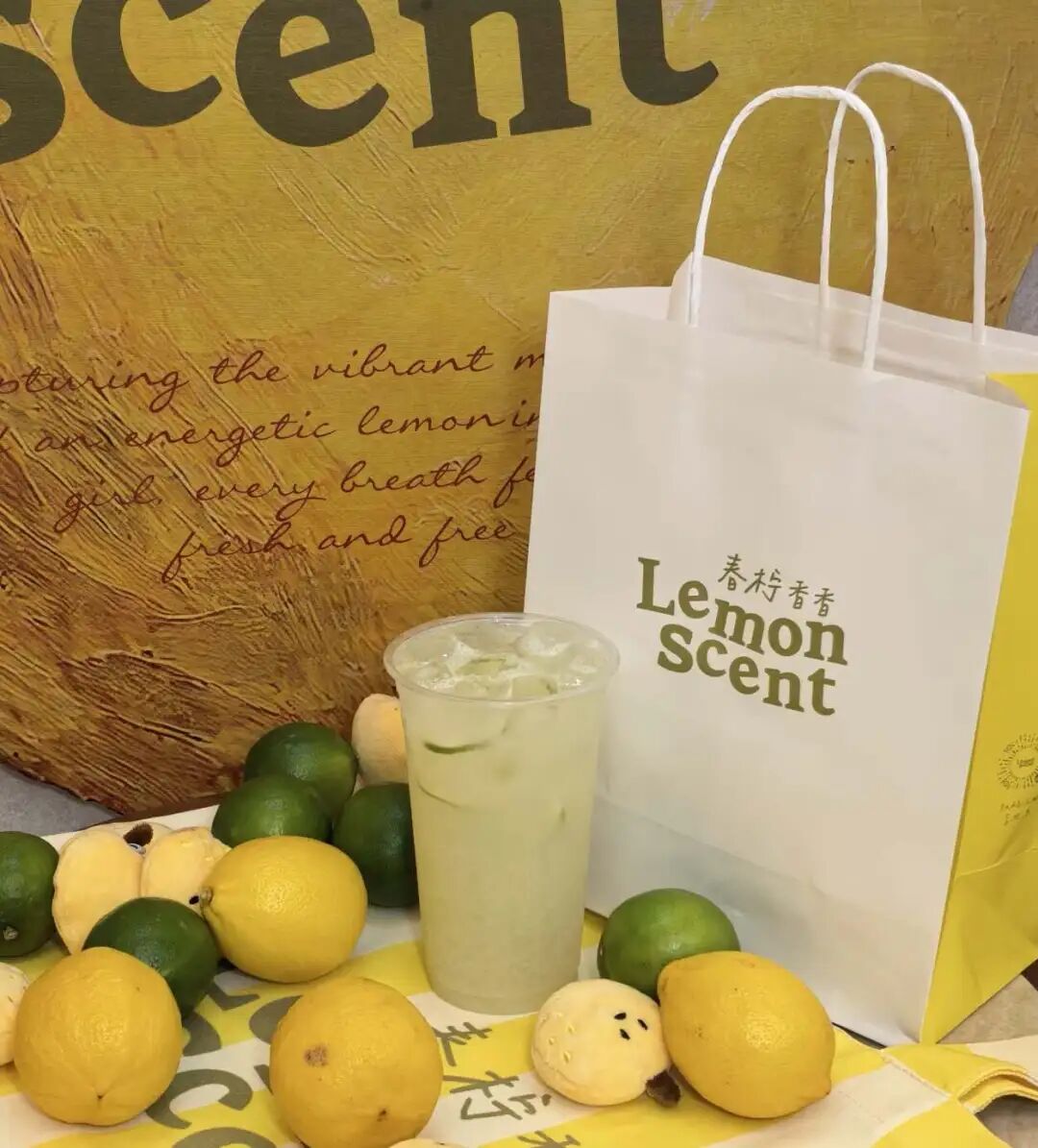
Ahead of the May 1 holiday, Chun Ning Xiang Xiang — a brand focused exclusively on lemon milk — opened three locations in Shanghai at Jing'an Joy City, Xintiandi, and Dapuqiu Yuecheng. Public reports indicate that during its trial operation phase, each store averaged 500 to 850 daily servings. According to Dianping, the brand currently has approximately 13 stores either operational or in preparation, with its first Beijing outlet newly opened at Banana Market on B2 floor of Chaoyang Hopson One.
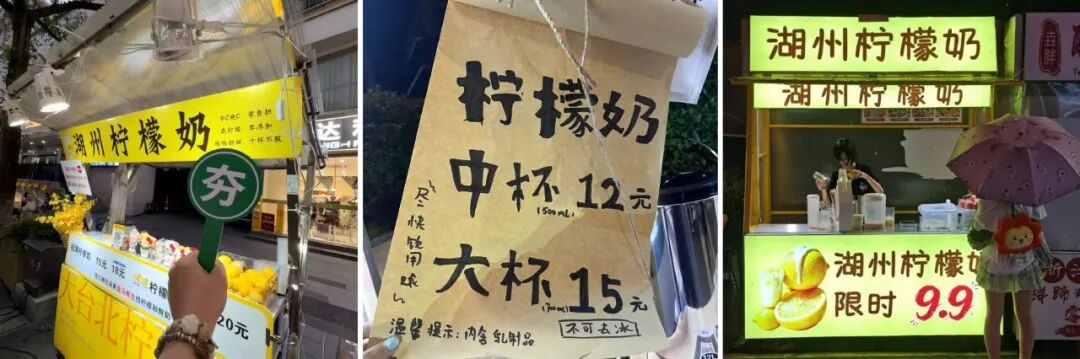
Beyond brick-and-mortar stores, night markets have seen a surge in stalls offering freshly hand-crushed lemon drinks, igniting entrepreneurial enthusiasm around lemon milk. Many stalls now prominently feature the "Huzhou Lemon Milk" branding, with some pricing their products as low as 9.9 yuan.
Why Has Lemon Milk Exploded in Popularity?
Lemon milk's rise to fame is rooted in lemon being one of the most widely accepted flavors among consumers.
Lemon-flavored beverages already have a strong foundation of public recognition in China. Data from the China Industry Research Network shows that the 2023 market size for lemon-related drinks surpassed 20 billion yuan, with projections exceeding 50 billion yuan by 2029.
Moreover, ready-made lemon tea has already completed mature market education for lemon milk, allowing consumers to adapt quickly to new lemon-flavored dairy beverages. Over the past few years, the fresh lemon tea category and its associated brands have experienced rapid growth — consumers equally embrace the affordable 4-yuan lemon water from Mixue Bingcheng and are willing to pay over 10 yuan for premium hand-crushed lemon tea. This means lemon milk does not create demand from scratch, but rather innovates upon existing consumer familiarity, where the distinct "lemon + milk" flavor combination sparks curiosity and trial.
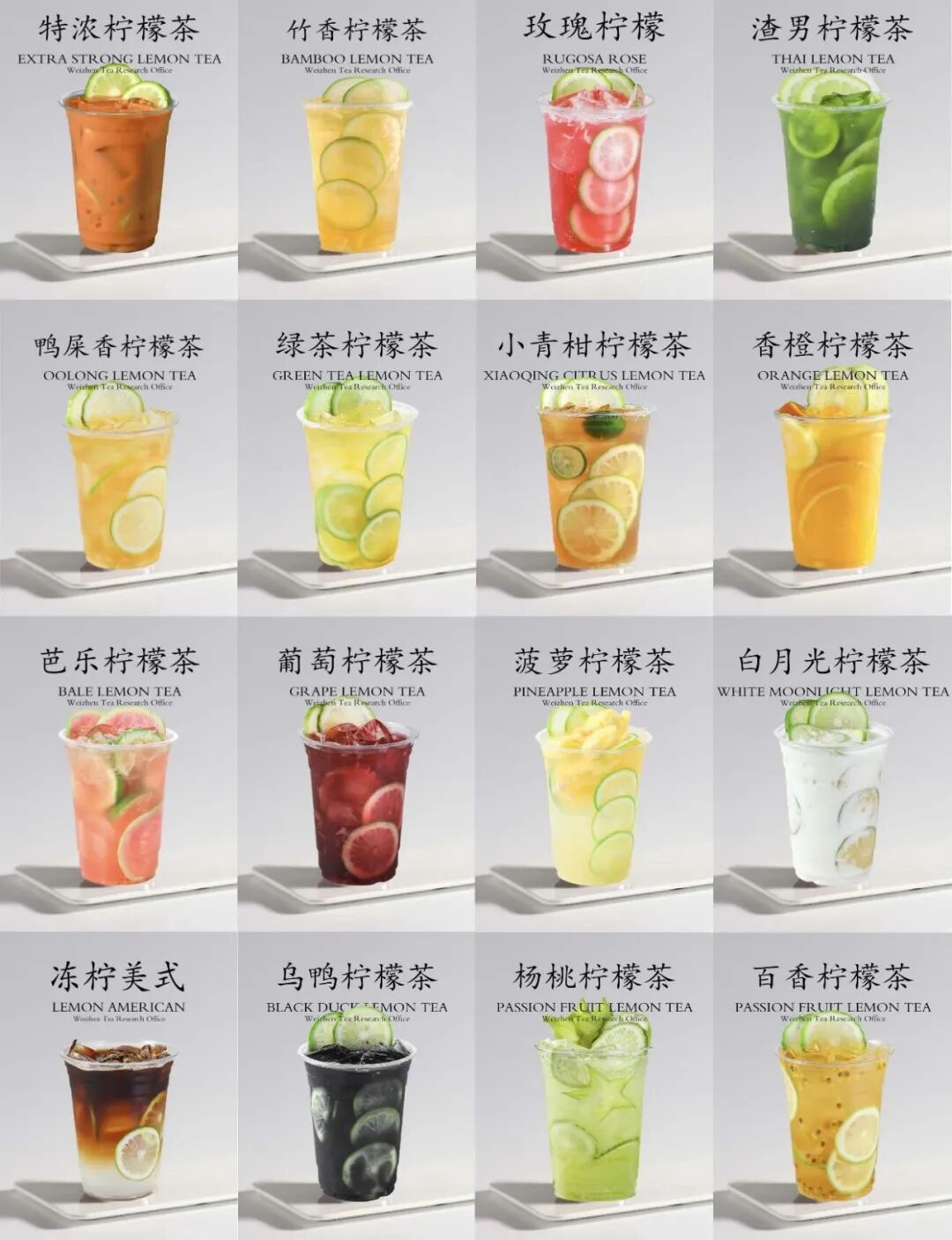
According to reports from KaiMen, among new product launches by tea brands in 2025, 379 items featured lemon — accounting for 20.4% of all documented new releases. Lemon has maintained its top position as the most frequently used fruit for consecutive years. Notably, products combining lemon without tea represented 19.8% of offerings, a significant increase from 10.1% in 2024, as categories like lemon milk, probiotic drinks, and sparkling water continuously expand and diversify the lemon product ecosystem.
As the tea drink industry enters a phase of saturated competition, brands face intense pressure to develop viral hit products. In this landscape, new offerings become critical to standing out against competitors and satisfying consumers' desire for novel flavors. When price competition no longer delivers maximum marketing value, brands increasingly shift their focus toward product quality excellence.
Lemon milk has relatively low production barriers and is easy to replicate quickly. Numerous internet users have shared homemade lemon milk recipes, making it an accessible traffic-driving product that both major brands and small street vendors can capitalize on.
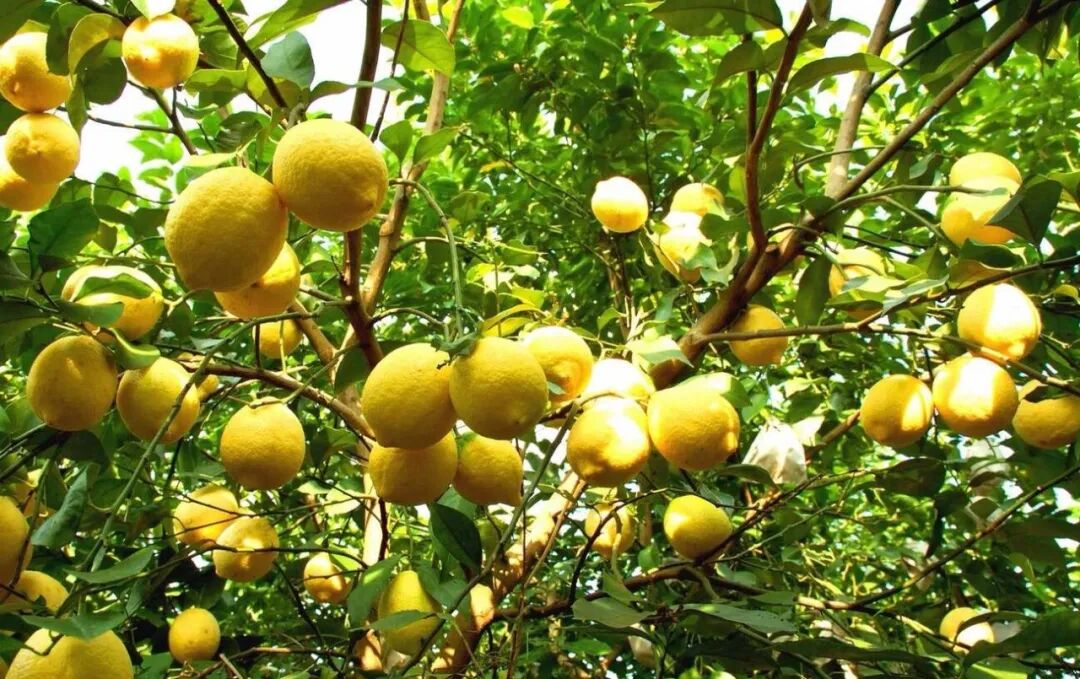
Ingredients like lemon, milk, and tea bases have long been staples for tea drink brands. In recent years, beyond traditional milk tea, consumers have gravitated toward refreshing, nutritious beverages such as fruit teas and fruit milk blends. Lemon is not a scarce fruit — cultivation, yield, transportation, and in-store application of varieties like perfume lemon and lime have become increasingly sophisticated. High-quality lemon ingredients bring tremendous innovation value to products, with well-established systems already in place for sourcing and cold-chain distribution.
From a consumer demand perspective, people are no longer satisfied with just lemon tea or lemon water; they are eager for more "lemon +" hybrid flavor products. Lemon milk's light, non-greasy profile perfectly aligns with summer consumption preferences.
Can It Become the Next Lemon Tea?
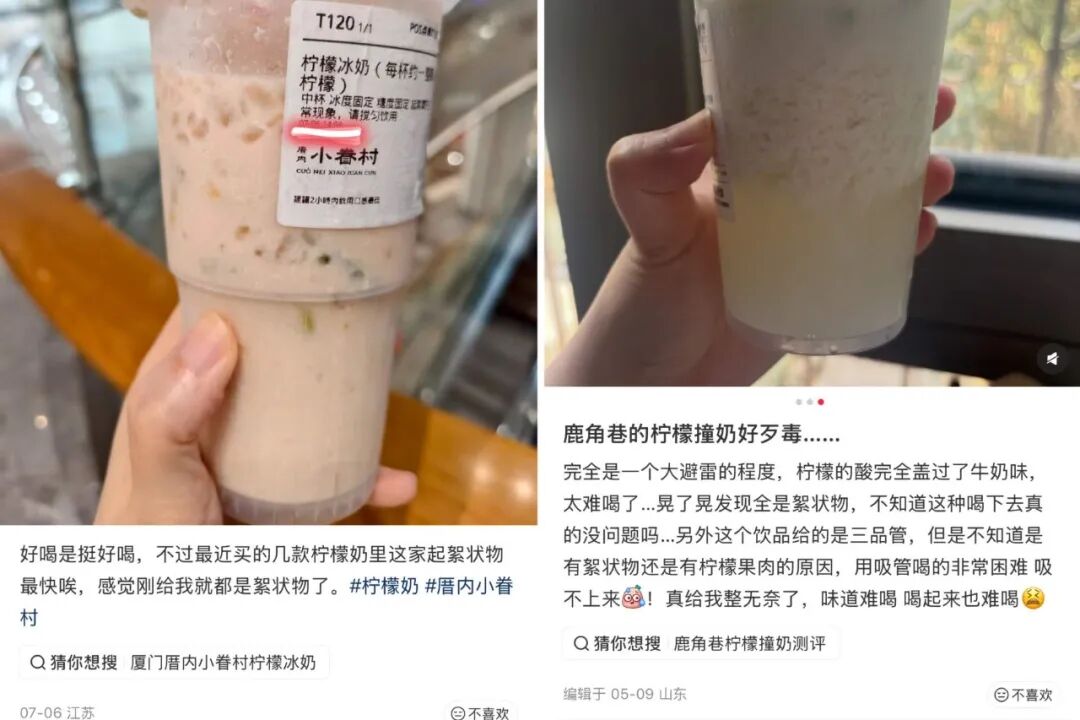
Compared to lemon tea, lemon milk faces a core technical challenge: "curdling when exposed to acid, souring when heated". This occurs when organic acids in lemon interact with fresh milk, forming flocculent precipitates that not only harm the product's appearance but also lead consumers to mistakenly believe the drink has spoiled. Some users shared photos of Mixue Bingcheng lemon milk purchased last year, showing excessive flocculation after several hours, raising concerns about product safety. In reality, these precipitates are harmless and do not affect nutritional absorption. However, staff typically advise customers to consume the drink promptly, as prolonged storage will trigger this reaction.
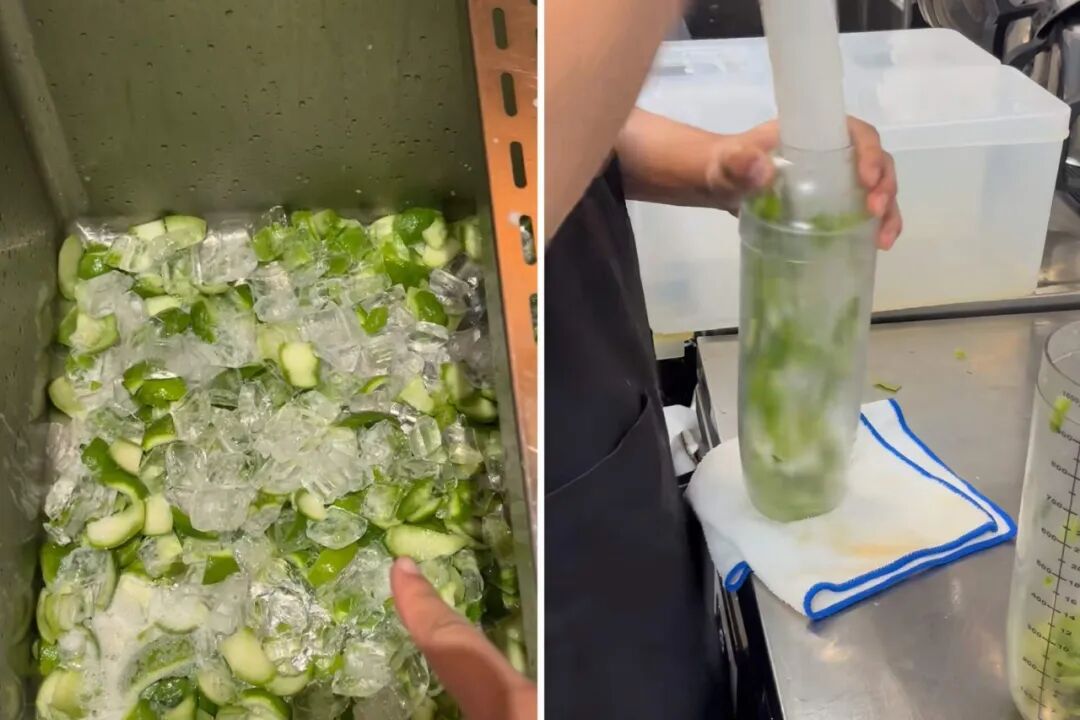
As lemon milk gains popularity, brands have gradually developed solutions in their production processes. Most tea drink brands now only crush and use the perfume lemon peel to release natural aroma, avoiding direct contact between milk and the high citric acid content in lemon pulp and juice, which significantly reduces curdling. Other locations replace dairy milk entirely with alternative liquids that modify protein structures to prevent coagulation, such as coconut milk, soy milk, oat milk, probiotic beverages, or non-dairy creamer.
While lemon milk has achieved remarkable viral success this year as a defining summer phenomenon, transforming it into an enduring, staple category like lemon tea remains challenging. For one, the low production barriers mean that once the trend caught on, tea shops and street vendors across the country perfectly replicated the product. Even with minor variations in taste and quality, widespread homogenization quickly followed.
For tea shop operators, if lemon milk is to become a permanent menu item, they must prioritize standardized production, operational efficiency, and controlled innovation rhythms. Brands must either develop a uniquely signature lemon milk flavor, or risk losing repeat customers amid market uniformity.
Especially when countless locations use nearly identical lemons, tea bases, and milk, consumer novelty will rapidly fade. At that point, purchasing decisions will reduce to factors like "which is closer" or "which is cheaper". The easier a product is to replicate, the faster the first-mover advantage dissipates.
A more realistic outcome may see leading brands establish lemon milk as a permanent summer staple, while a handful of specialized lemon milk stores build competitive moats through differentiated products and in-store experiences. The remaining undifferentiated copycat offerings and outlets will gradually disappear once the novelty-seeking phase concludes.
This article originates from the WeChat public account "Restaurant Owner Internal Reference", authored by Nei Can Jun, and is republished with authorization from 36Kr.