Peak showdown: Both Huawei and Xiaomi have set their sights on vehicle roof systems.
Not long ago, Old Fox gave everyone a preview of Xiaomi's first range-extended SUV — Xiaomi Cars Ditches the "Sofa and Color TV" Gimmicks, Jumps Straight to In-Car Camping.
The biggest highlight of this new vehicle is the offered variant with a rooftop tent, a rather unique feature among mass-produced models.
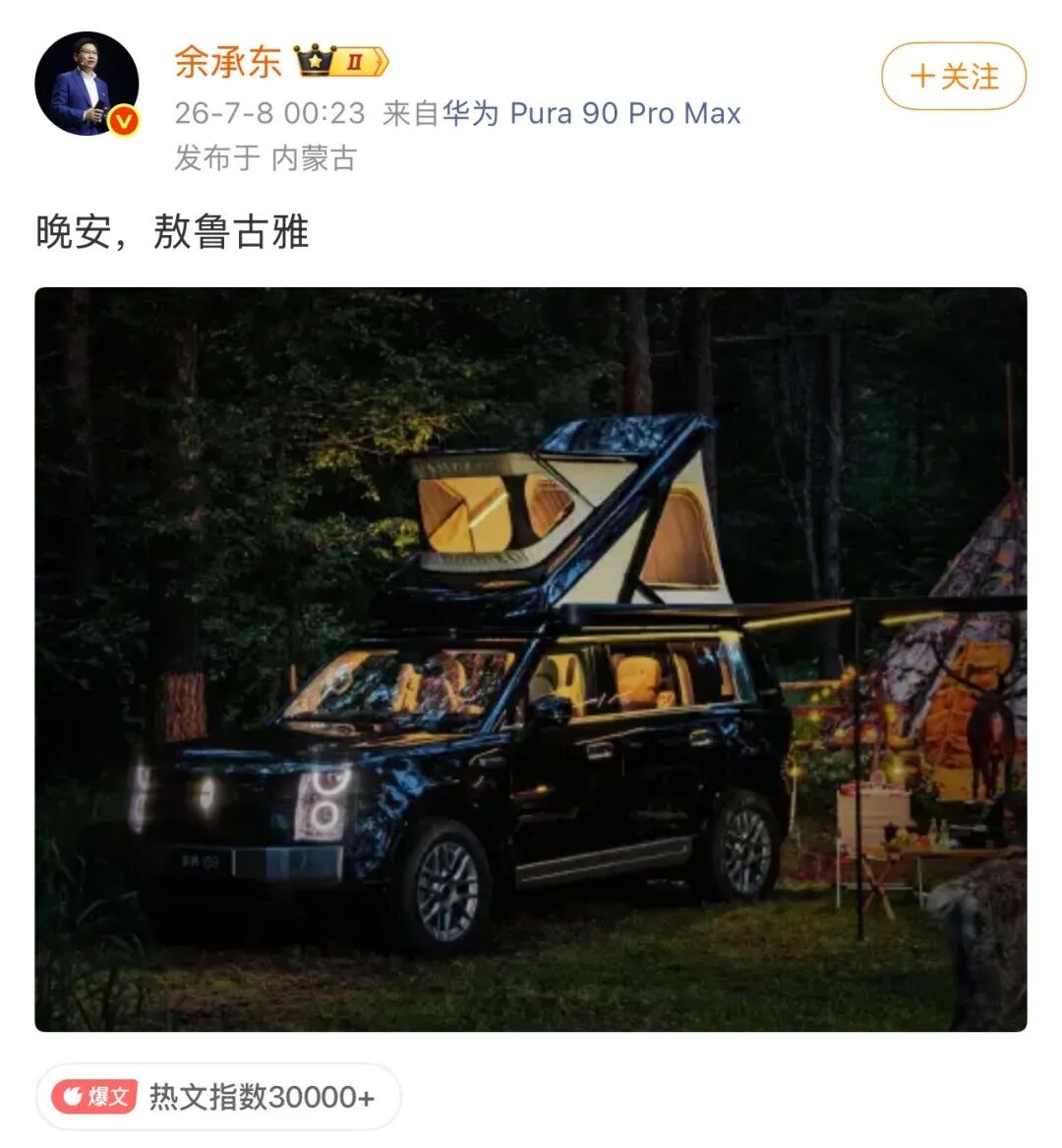
But even more surprisingly, right before the official images of Xiaomi's new SUV were released, Yu Chengdong suddenly leaked the "roof-top tent edition" of the Xjie G9, which also features a prominent rooftop tent.
As long-time rivals and traffic leaders in both the tech and automotive industries, Xiaomi and Huawei have shown remarkable tacit understanding, both choosing to roll out creative new features on vehicle roofs at the same time.
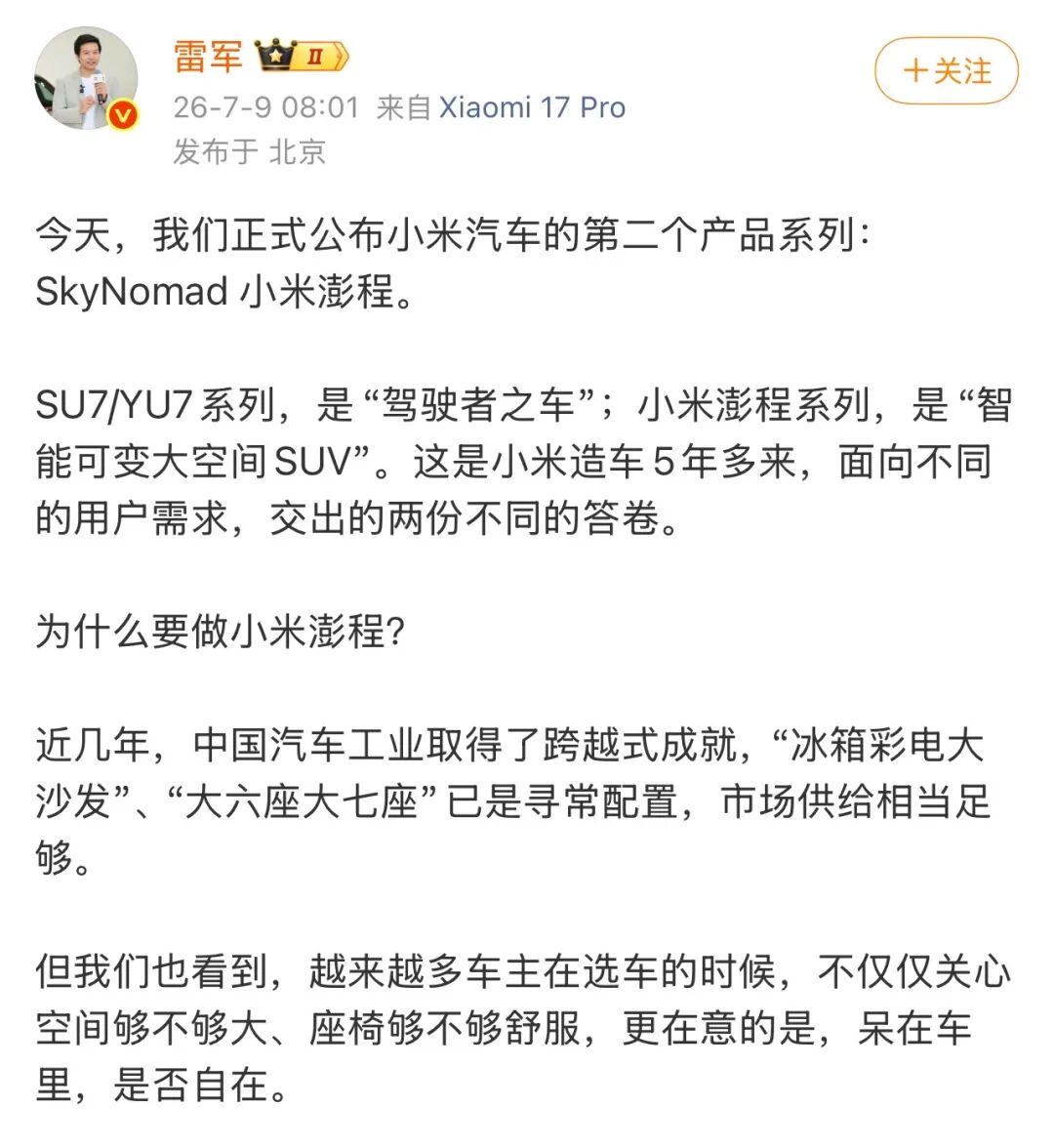
As for the reason behind this move, Lei Jun gave a very straightforward explanation.
For its first range-extended SUV, Xiaomi has launched an all-new product brand called SkyNomad. While the SU7 and YU7 focus on driving performance, SkyNomad is positioned as a smart, space-adaptable large SUV, delivering distinct solutions to meet diverse user needs.
The key point is that the "refrigerator, big-screen TV, and plush sofa" setup, along with 6-seater and 7-seater layouts, have already become common configurations. SkyNomad aims to let users stay inside the vehicle more comfortably than ever.
Much like what Old Fox previously guessed, the core goal is still to find a differentiated market positioning. Simply put: we offer features that no one else has.
In our previous article, we also reached a conclusion: rooftop tents are not a new configuration or feature, but very few car manufacturers offer them as a factory-installed option. Compared with conventional camping tents or sleeping inside the car, rooftop tents have greater advantages in convenience, though they impose higher requirements on body rigidity, shock absorbers, and other vehicle components.
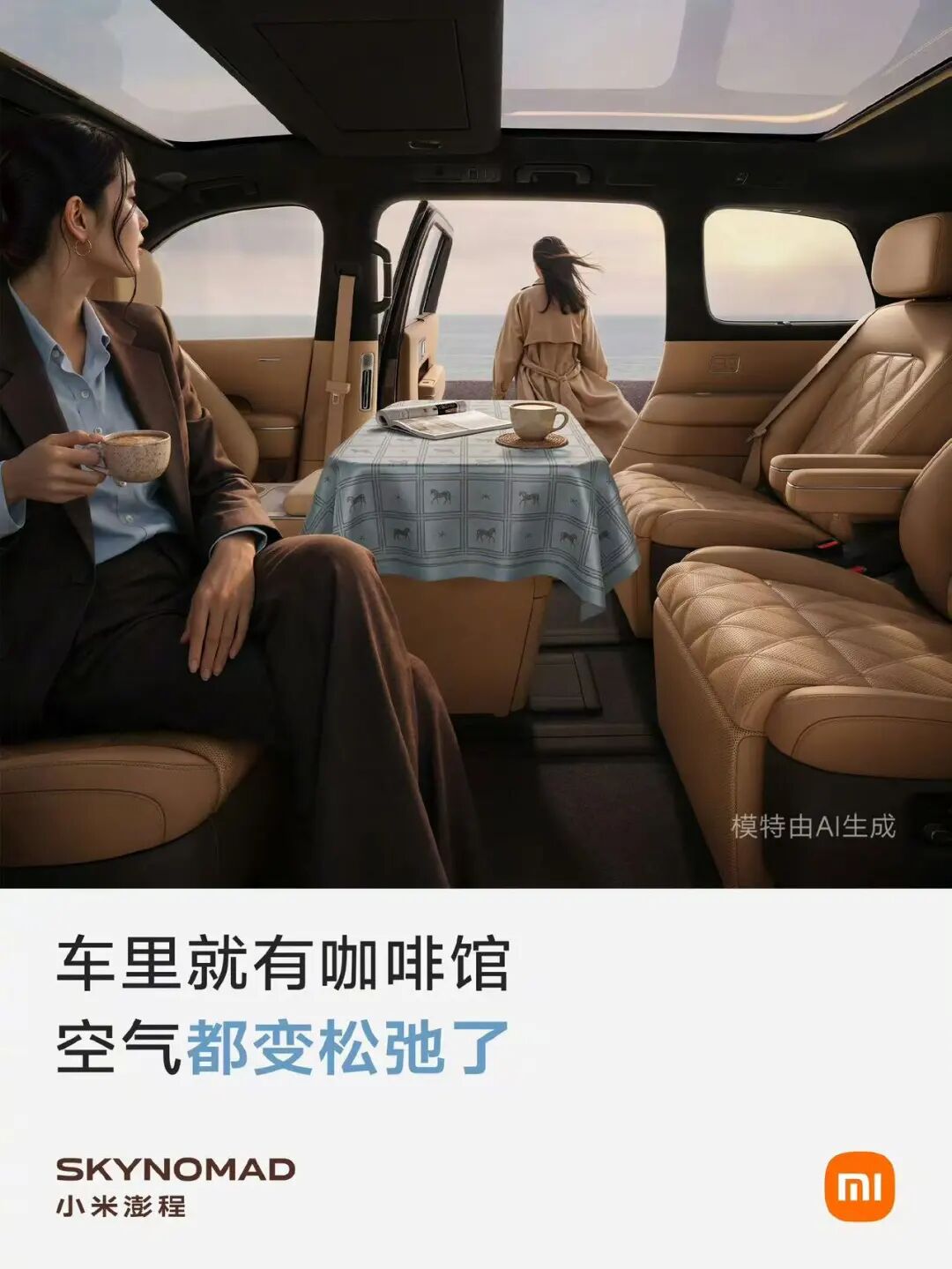
Furthermore, the 7-seater variant of the SkyNomad N90 comes with full-length rails running through the entire cabin. The two front seats can rotate 180 degrees, the second row is equipped with zero-gravity seats, and an expandable table can be added inside the car, delivering extremely high flexibility in space and seating layout.
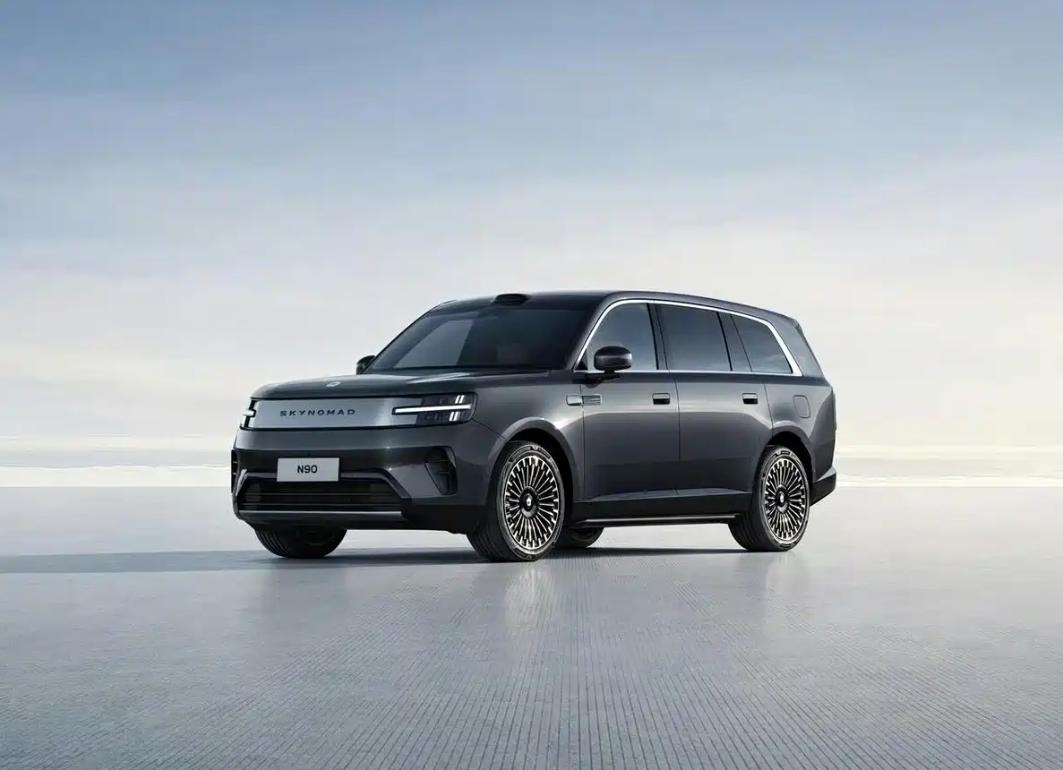
The vehicle measures 5285*1993*1825mm in length, width, and height, with a wheelbase of 3080mm. For reference, the AITO M9 has dimensions of 5285*2026*1845mm and a wheelbase of 3125mm. The two vehicles are roughly the same size, meaning the space-focused SkyNomad N90 does not have an overly bulky body.
However, popular vehicles always attract extra controversy, and the SkyNomad N90 has sparked a great number of disputes recently.
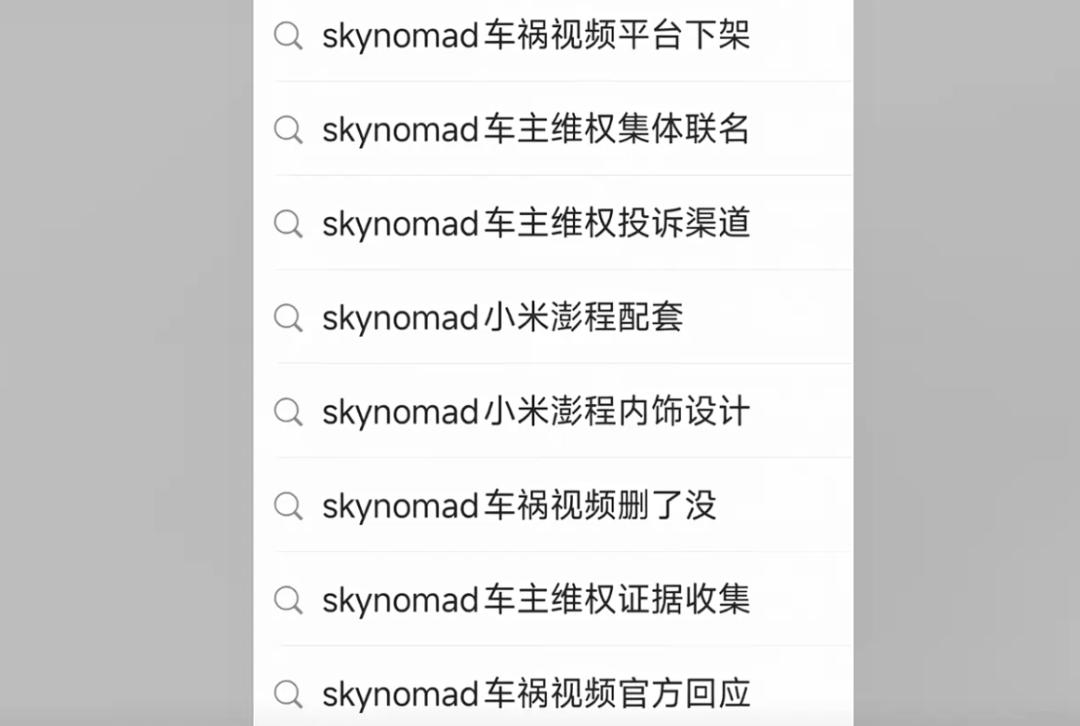
Before the new SUV even goes on sale, keywords and search terms such as "SkyNomad car crash", "SkyNomad spontaneous combustion", and "SkyNomad owner rights protest" have appeared on many media platforms, which can basically be identified as deliberate malicious operations. It seems the SkyNomad N90 has already put considerable pressure on some other car manufacturers.
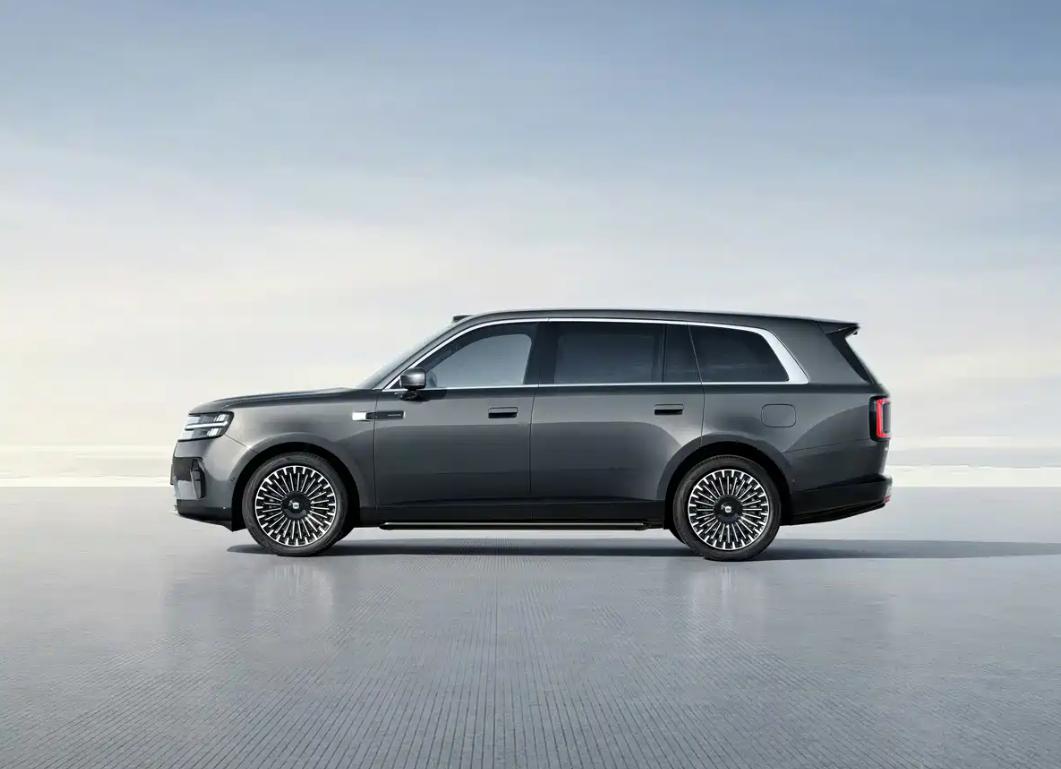
It is worth noting that the SkyNomad N90 has a highly original exterior design, with no trace of copying or imitating other models this time. Its most brilliant detail is the body posture, with a front-high, rear-low proportion that happens to align with the styling of the Range Rover.
Online rumors suggest the SkyNomad N90 will be priced at around 300,000 yuan, while Xiaomi has not yet given an official response to this claim.
In addition, Xiaomi Auto's Weibo account also released testing data of the new SUV: since 2024, the brand has deployed 566 test vehicles, which have accumulated a total driving distance of 4.28 million kilometers and covered 31 provincial-level administrative regions. This move indirectly responded to the accusations that the model was a "rush-to-market product with insufficient development".
What is more interesting is that some netizens have dug up Xiaomi's contradictory statements. When asked why Xiaomi decided to make range-extended vehicles, the latest official response was: to meet diverse user needs, and the SkyNomad series was officially planned and launched in early 2023.

But in a 2024 Q&A session with netizens, Xiaomi Auto explicitly stated that it had no plans to launch range-extended models in the coming years. Sure enough, the internet never forgets.
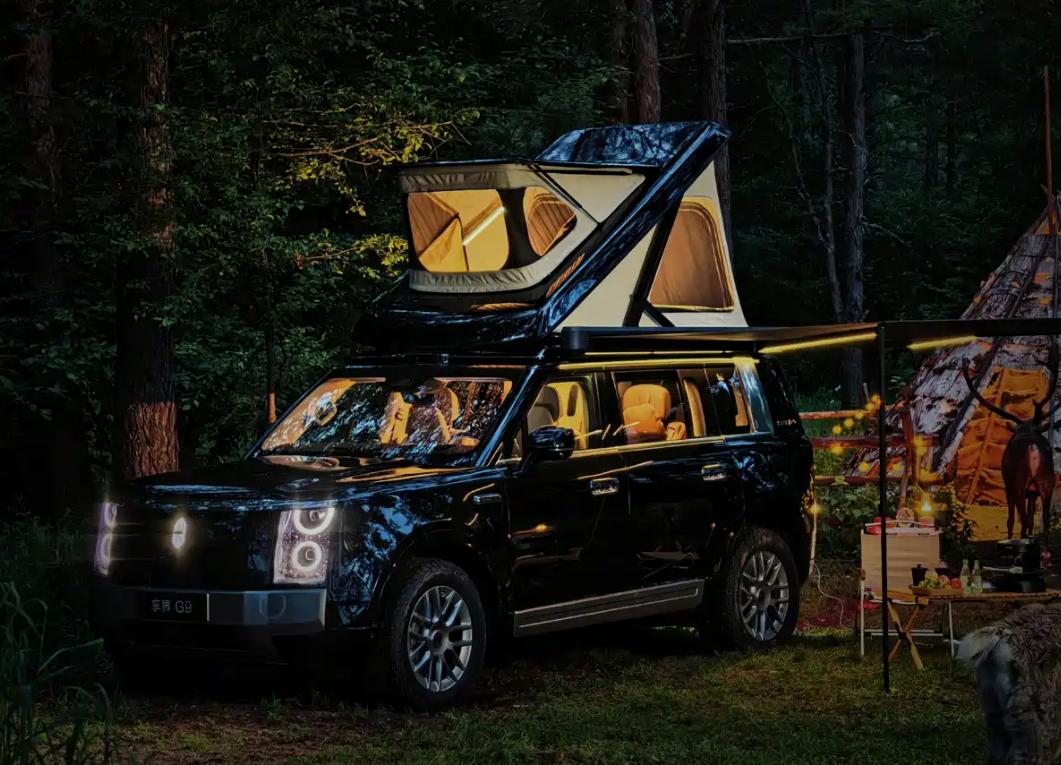
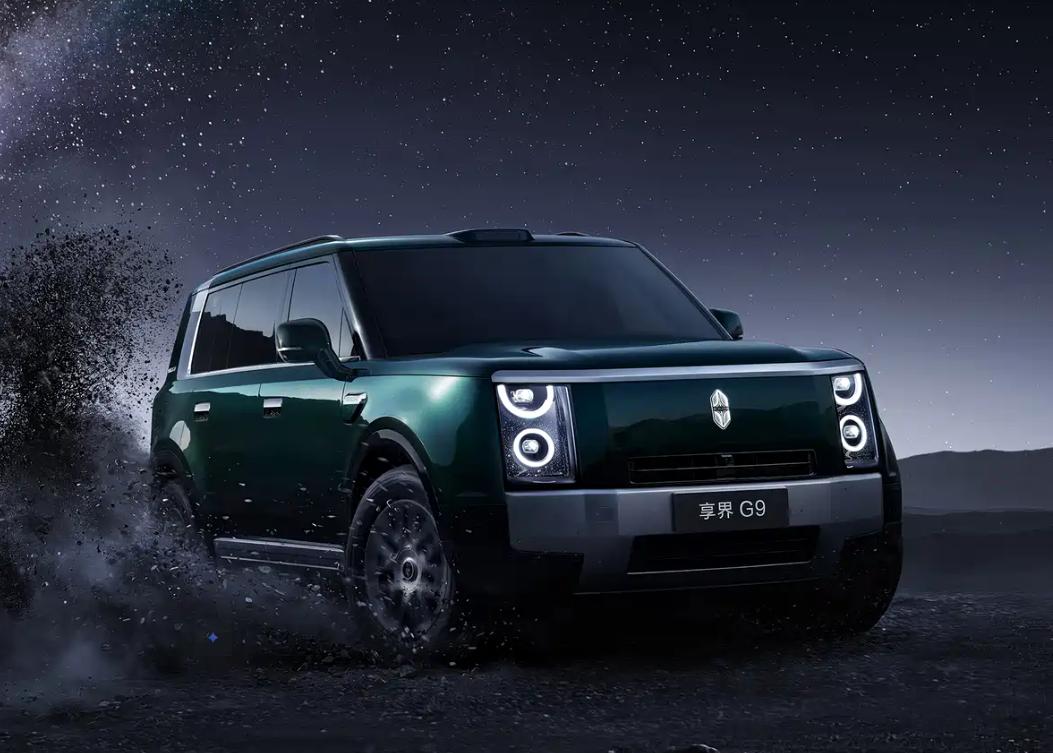
On the other side, the Xjie G9 is also a model developed to tap into a niche market segment.
Put simply, it is another flagship SUV under the Harmony Intelligent Mobility Alliance, positioned as a high-end SUV in the 500,000-yuan price range. While the AITO M9 focuses on tech-focused luxury, the Xjie G9 is positioned as a tech-savvy hardcore off-road SUV, creating a complementary positioning dynamic similar to that between the Range Rover and the Land Rover Defender.
Meanwhile, as a veteran domestic automaker, BAIC has solid technical reserves in the hardcore off-road field. It is highly anticipated that with Huawei's intelligent technology integrated, the Xjie G9 will bring new breakthroughs in off-road capabilities and outdoor scenario experiences that classic models like the Mercedes-Benz G-Class and Jeep Wrangler have never offered before.
Recently in Hulunbuir, Yu Chengdong personally conducted road tests on the Xjie G9. One cannot help but admire Yu's outstanding product promotion skills: in the comment section, netizens have been tagging AI assistants one after another, asking them to create custom travel itineraries for their trips to Hulunbuir.
For its hardcore positioning, the Xjie G9 even fits the rooftop tent style more perfectly. Its rooftop tent supports electric lifting, with a deployed height of over 1.2 meters. Users can control the tent's lighting and air conditioning from inside the car, and can directly access the tent through the vehicle's interior.
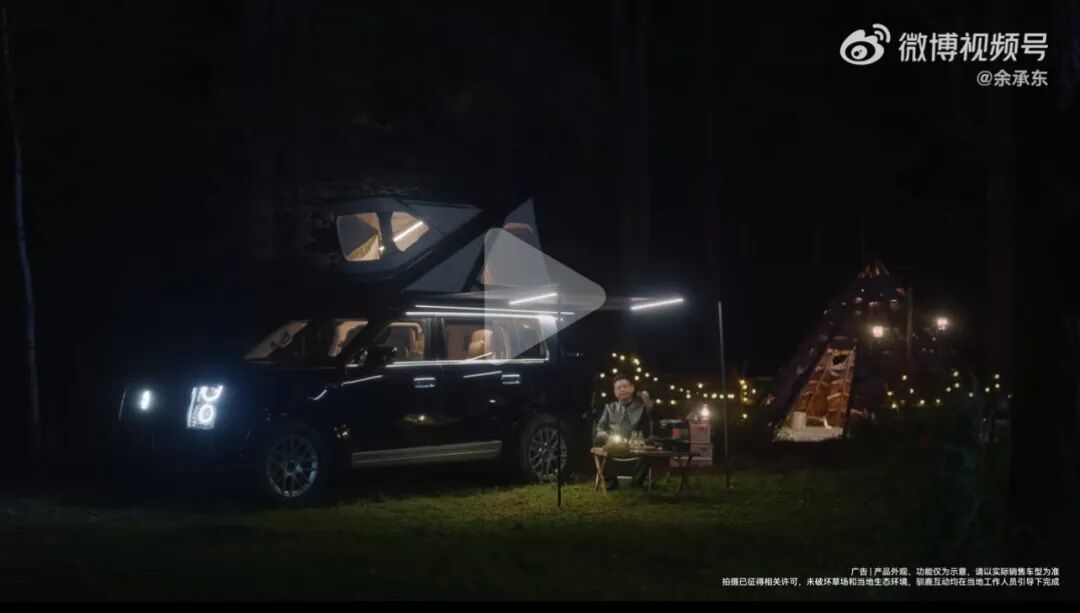
This detail is crucial, as it proves that Xjie had already planned the rooftop tent variant from the very beginning of the vehicle's design, rather than just haphazardly adding a tent accessory on the roof to chase clout, as many outsiders had speculated to beat the SkyNomad N90 to market.
In addition, the rear of the Xjie G9 can be equipped with an optional kitchen kit, which integrates an induction cooker, a foldable sink, and dedicated slots for knives and tableware. It also supports 220V vehicle-to-load discharge, allowing users to start cooking immediately after opening the tailgate.
One cannot help but marvel at how the user-centric mindset of new EV brands has brought completely new gameplay and experiences to the automotive industry. The simple competition over power, configurations, and body sizes has long become outdated. Both the SkyNomad N90 and Xjie G9 have entered a phase of in-depth scenario-based customization, delivering more targeted solutions that greatly improve real-world usability and convenience.
More importantly, from a market perspective, the SkyNomad N90 and Xjie G9 may very well be the "final dance" of the range-extended vehicle market.
We previously shared relevant data showing that sales in China's range-extended vehicle market have declined significantly recently. Even the monthly sales of the AITO M6, the former sales champion, failed to break the 10,000-unit mark. Once a red-hot track, the range-extended segment has quickly shrunk into a niche market. There is little point in analyzing the specific reasons for this decline, but the trend clearly demonstrates how rapidly the new energy vehicle market and consumer demands are evolving.
Therefore, it is particularly worth observing whether the SkyNomad N90 and Xjie G9 can reignite the range-extended market. If these two traffic-leading, hit-making brands cannot achieve success, other automakers will have no reason to stubbornly continue exploring this path.
Of course, there is another potential hit in the range-extended market: the all-new Li Auto L6. As a former sales champion, it used to regularly achieve monthly sales of over 15,000 units at its peak. Moreover, positioned in the 200,000-yuan midsize SUV segment, it targets a much broader consumer base.
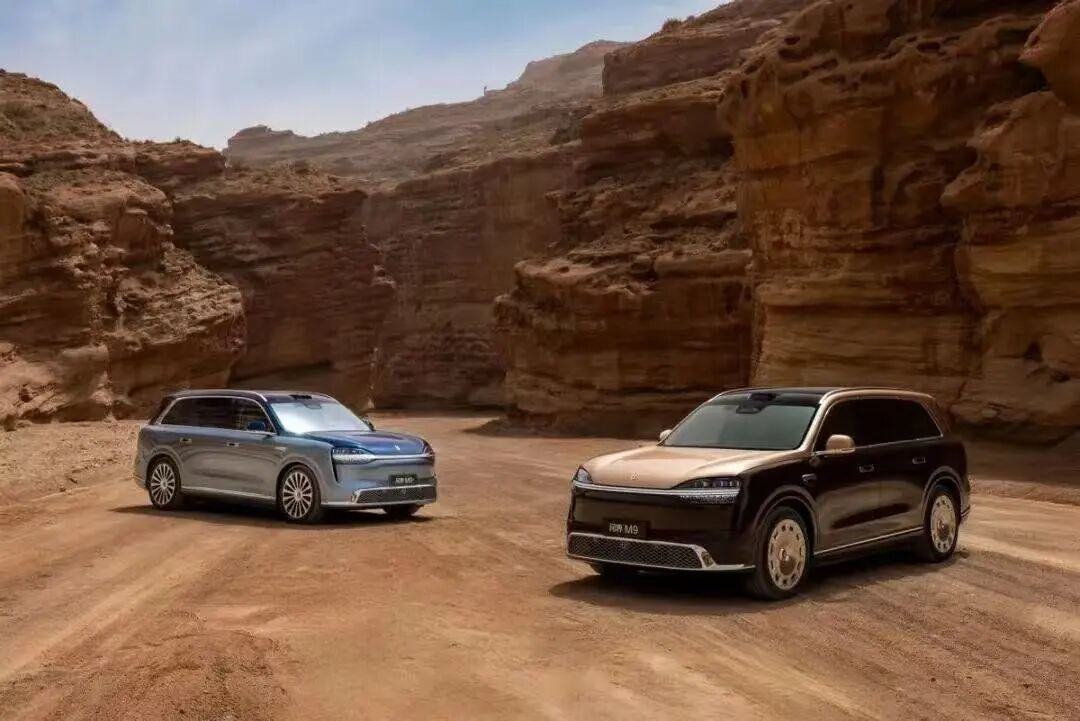
On the other hand, the performance of the new AITO M9 also follows a predictable positive trajectory: in its first full natural month after launch, it regained the top spot in the large SUV sales ranking, and was the only model in its segment to sell over 10,000 units.
It is really hard to say whether the range-extended segment still has a bright future. At the very least, we cannot currently conclude that it will become a barrier to the sales growth of the SkyNomad N90 and Xjie G9. In scenarios involving frequent outdoor activities and long-distance travel, range-extended vehicles that can run on both fuel and electricity are obviously more convenient and stable than pure EVs.
It is foreseeable that with the strong brand influence of Xiaomi and Huawei, a new competition focused on rooftop tent features is about to kick off. The technical threshold for this feature is not high either: as long as a vehicle has a sufficiently large body size, it can basically be upgraded to support a rooftop tent.
This article is from the WeChat public account "Tech Fox" (ID: kejihutv), written by Old Fox, and published with authorization from 36Kr.