After live-streaming rooms lost their buzz, have celebrities found a new lease of life in lifestyle content?
A notable industry phenomenon is unfolding: a cohort of celebrities has begun consistently updating lifestyle-focused content on their personal accounts in the style of independent content creators.
This hardly sounds like a novel development—celebrities sharing daily moments and producing Vlogs have been common practice for years. A closer look, however, reveals this latest wave of experimentation differs fundamentally from all previous phases: it is neither the "curated pseudo-daily life" filtered through polished aesthetics, nor the "loud sales pitches" typical of live-stream marketing. Instead, it represents a structured, serialized production model far closer to the creative logic of ordinary independent creators.
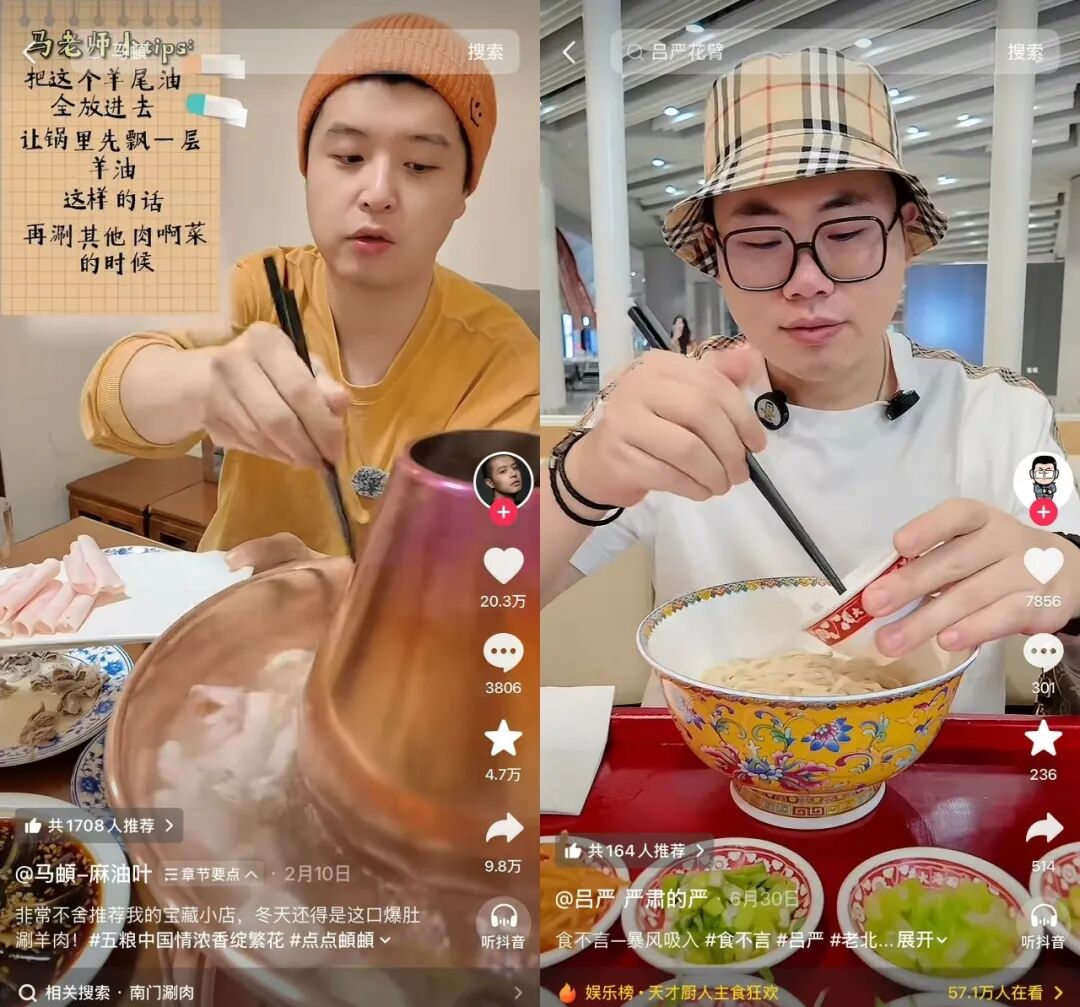
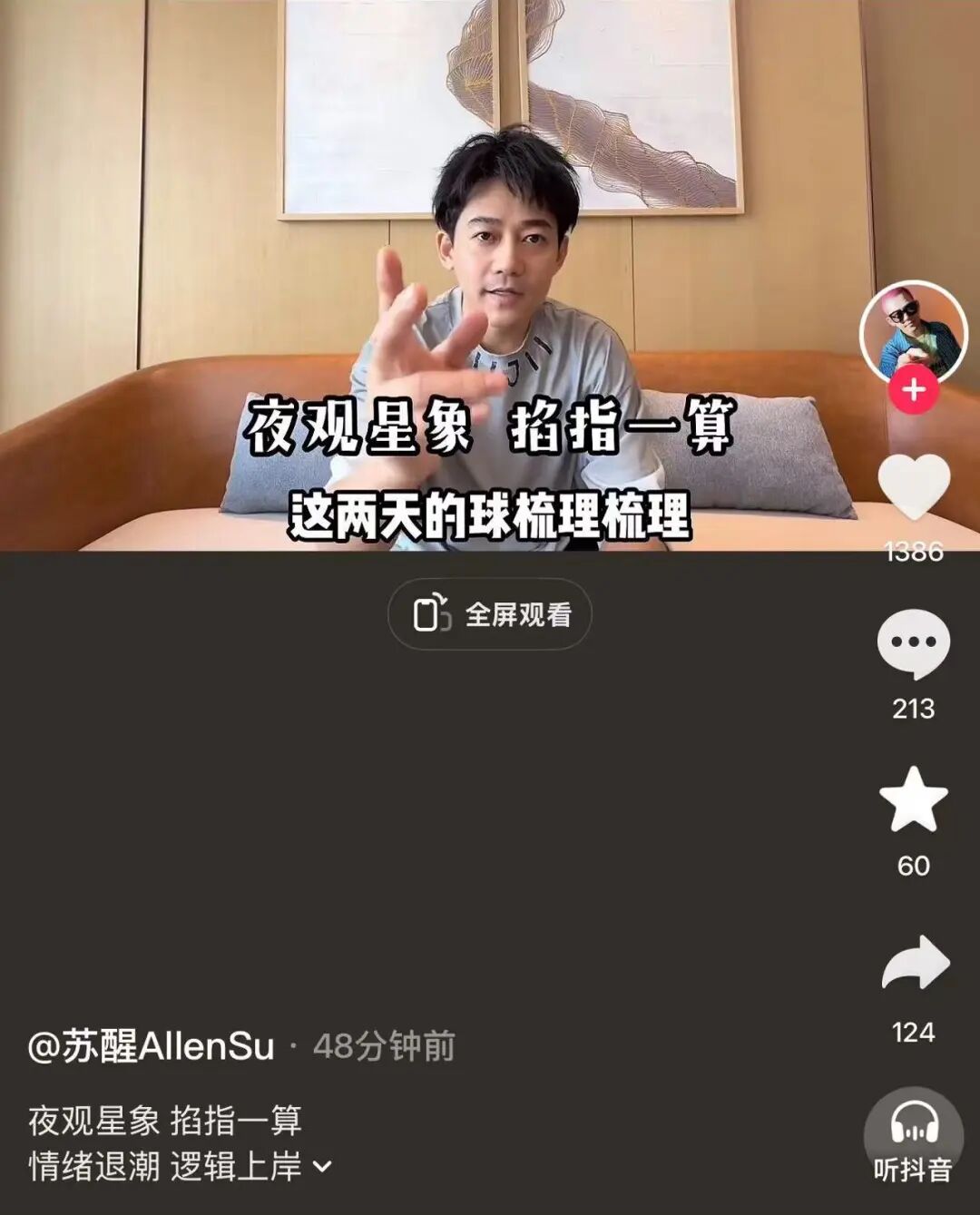
Allen Su's "Night Stargazing & Match Predictions" delivers World Cup forecasts, Ma Di's "Food Diaries" explores hidden local eateries across cities, Lü Yan's "Silent Meals" documents him eating takeout without a single word, and Ming Dao shares cooking routines and casual outings on Bilibili. The common thread across these offerings is their rejection of performativity, focus on the creator's authentic personal traits, and disinterest in immediate commercial conversions. While none have become viral national sensations, they are steadily accumulating genuine goodwill within their respective audience circles.
This shift is no coincidence. From an industry perspective, it emerges from the gradual convergence of three major trends: the ebb of live-stream e-commerce, the transformation of platform traffic algorithms, and celebrities' renewed search for connection methods unbound to formal works. Piecing these clues together reveals a noteworthy evolution in how Chinese entertainment celebrities are rebuilding their bond with the public.
Beyond Their Works: How Else Can Celebrities Stay Visible?
To understand why this wave of content is emerging right now, we must first address a more fundamental question: when a celebrity has no new releases, no variety show appearances, and no live sales commitments, what legitimate means remain for them to maintain public visibility?
In the past few years, answers to this question have undergone multiple iterations, each quickly losing effectiveness.
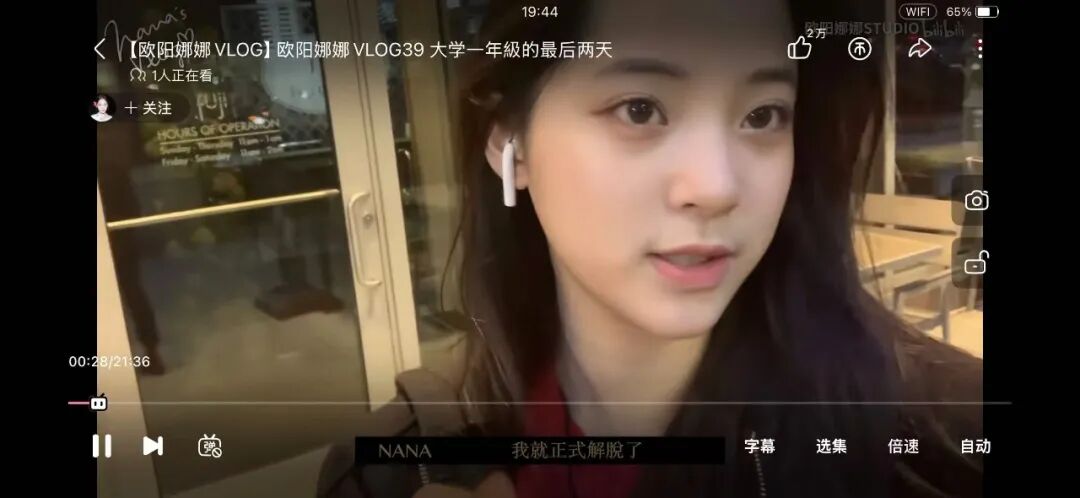
Polished Vlogs were the first widely attempted solution. Around 2018, the trend of documenting overseas student life popularized by Ouyang Nana sparked a frenzy. Soft-glow filtered clips of disciplined morning routines and fashion unboxing videos created an illusion of "accessible celebrity daily life." Stars like Lin Yun and Guan Xiaotong quickly followed suit, with platforms allocating massive traffic support. But this model soon exposed its flaws: overly polished visuals and obvious scripting made it essentially a miniaturized reality show. As audiences grew weary of uniform, artificial perfection, this "fantasy-building" form of connection lost its allure.
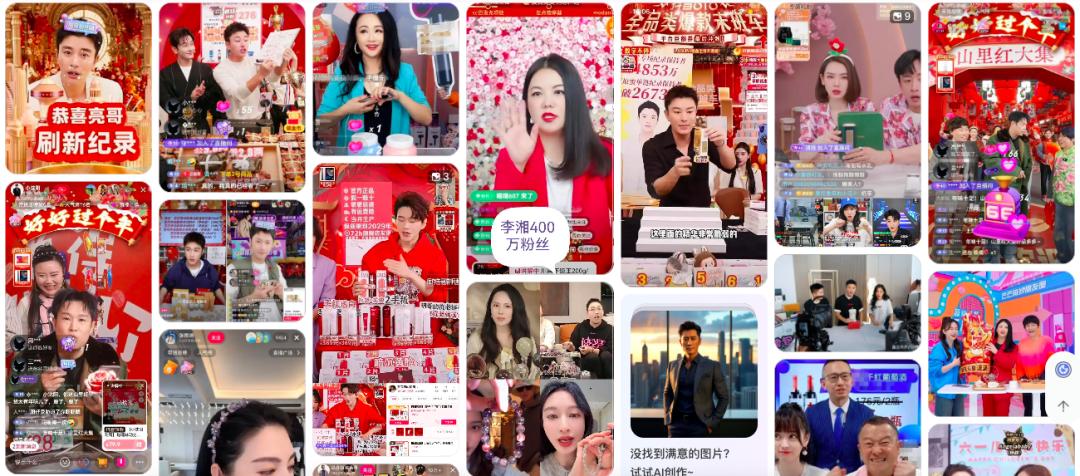
Live-stream e-commerce was the second answer, and by far the most high-profile. Starting in 2020, half of the Chinese entertainment industry flooded into live-stream rooms, as platforms painted a trillion-yuan vision of "entertainment talent + e-commerce." But public trust eroded faster than anticipated—scripted bargaining, false advertising, and inadequate after-sales service were exposed one after another, making audiences increasingly immune to the phrase "celebrity-endorsed selections." After 2023, numerous entertainers quietly exited the space, uniformly citing in their public statements a decision to "return to their core profession."
Yet the "core profession" is not always reliably available. Film and television project cycles have lengthened, variety shows are cutting budgets and streamlining operations, and exposure opportunities for mid-tier and lesser-known entertainers have visibly dwindled. After going full circle, celebrities found that the path to maintaining stable public connection outside of formal works seemed to have disappeared once again.
It is precisely at this juncture that this new type of content began to emerge. Unlike polished Vlogs that chase visual perfection, or live streams that prioritize immediate sales, it returns to a far simpler starting point: celebrities stopped asking "what image should I project?" and started asking "who am I, truly?"
When Celebrities Start "Strategizing Like Content Creators"
Content developed along this new line of thinking looks entirely different from all previous formats.
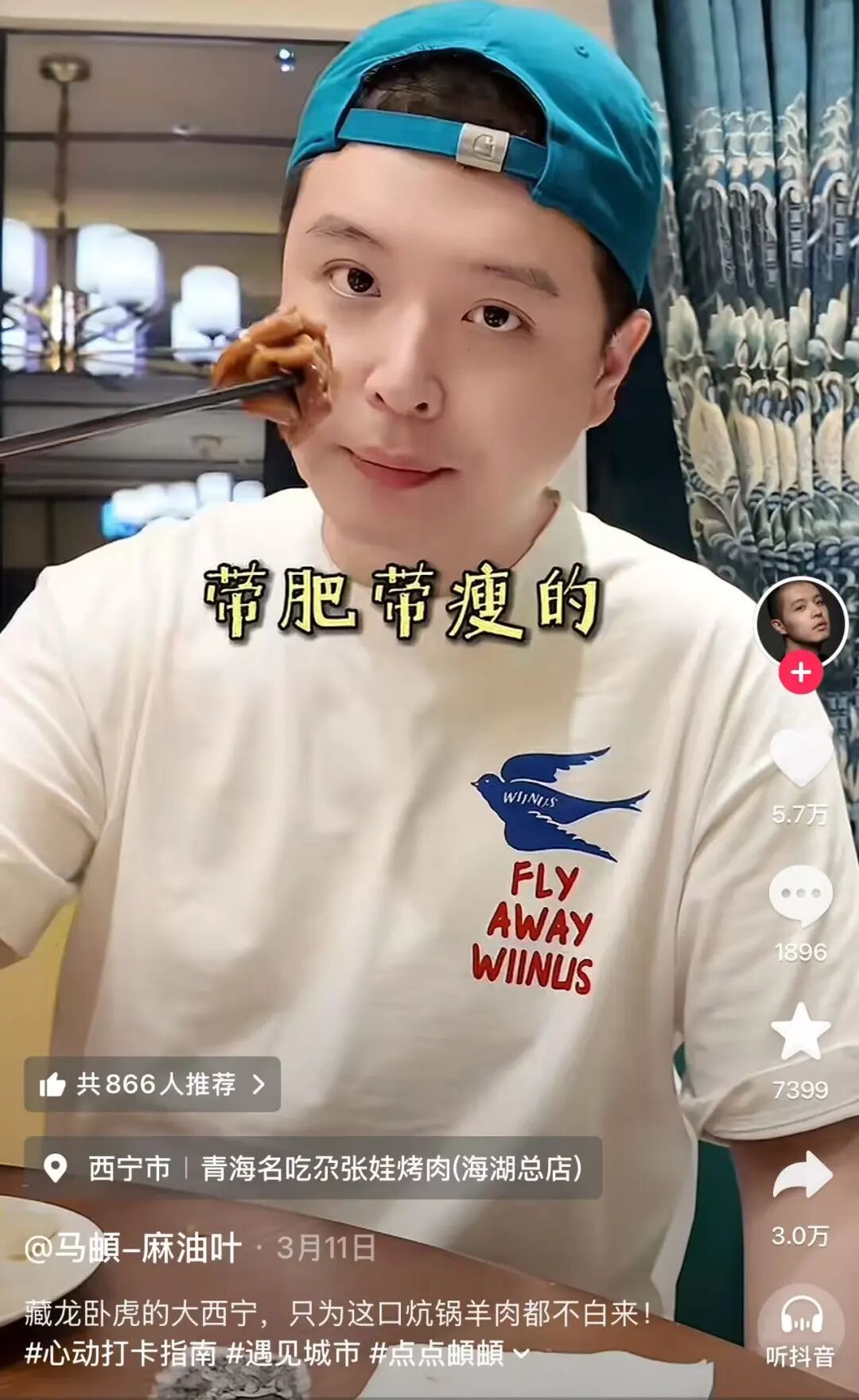
Ma Di's "Food Diaries" is essentially a food-focused exploration series: he visits small local restaurants, orders a few dishes, and shares unvarnished, genuine feedback. One video featuring Mongolian hot pot earned over 200,000 likes on Douyin—far from top-tier viral status, but the most frequent comments were "so real" and "I trust his recommendations." Lü Yan's "Silent Meals" is even more radical: a fixed camera angle, him eating takeout, no dialogue. Occasionally a guest joins to eat in silence. This series has cultivated a loyal audience base on Xiaohongshu, who project onto the content the comfort or quiet loneliness of eating alone.
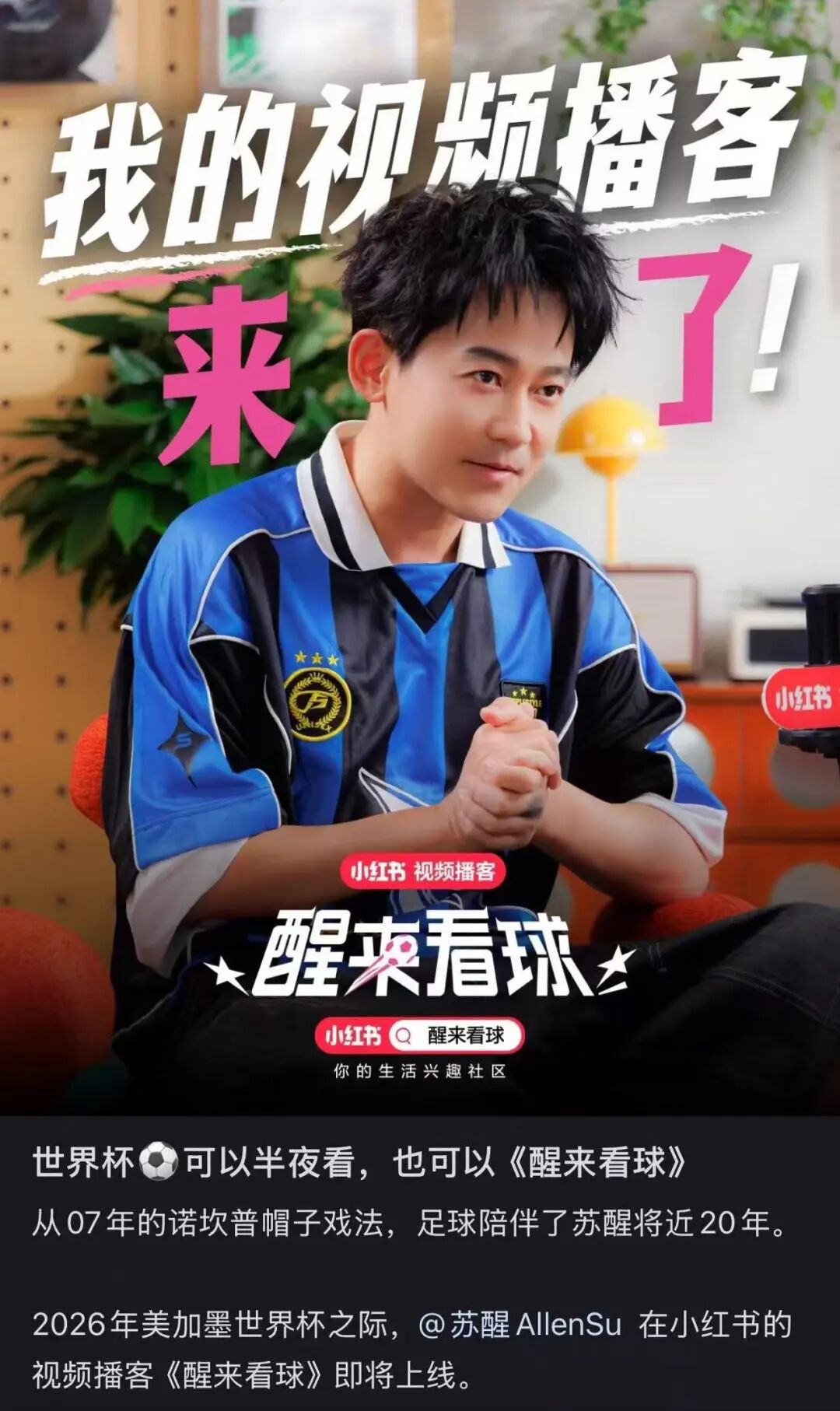
Ming Dao's lifestyle videos on Bilibili reject idol-style filters, showing him cooking, strolling, and chatting casually. The most common feedback in bullet comments is "I never knew he was this kind of person." Allen Su's World Cup predictions follow another path: drawing on his well-known identity as a passionate football fan, he delivers informative match analysis, earning audience trust through his genuine expertise rather than mere celebrity status.
These cases collectively highlight several clear shifts in approach.
Content is no longer random snippets of celebrity daily life, but structured programming centered on the creator's unique personal traits. Ma Di loves food, Lü Yan shares that same passion, Allen Su is a genuine football enthusiast, and Ming Dao enjoys cooking and everyday life. These series are built around "what this person is good at and passionate about," rather than the vague, generic label of "celebrity"—an operational logic nearly identical to that of professional independent creators: identify a vertical niche, produce content consistently, and build distinct personal branding.
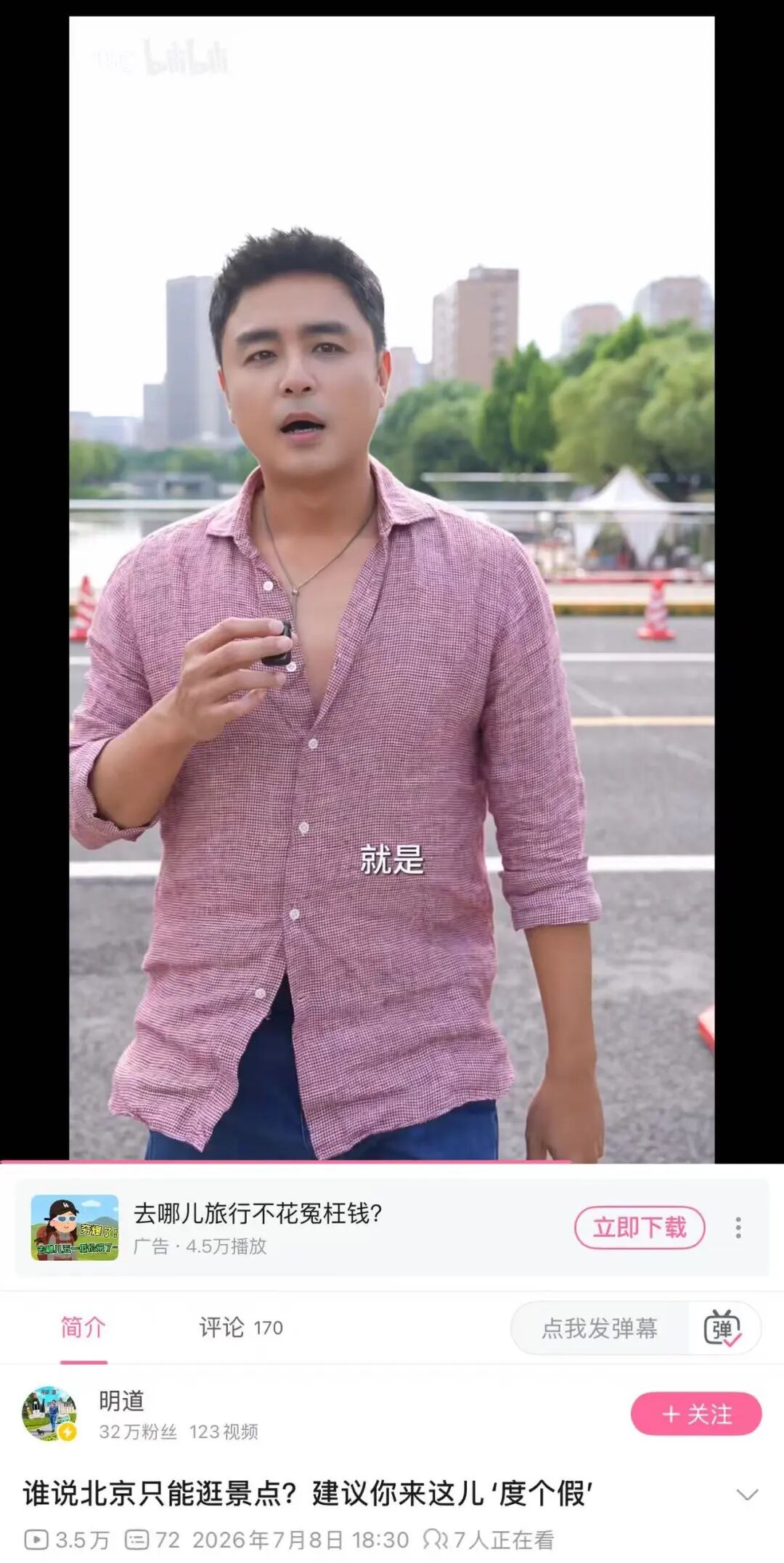
At the same time, this content actively "cuts through noise." No variety show punchlines, no scripted conflicts, not even a traditional "program feel." Audiences see themselves in the satisfied expression on Ma Di's face as he eats hot pot, and recognize the quiet comfort of eating alone in Lü Yan's silent, relaxed demeanor. This connection does not rely on "performance," but on "recognition"—the shared, unspoken ordinary moments that bind creator and viewer.
Few of these videos have gone viral across the entire internet, and most will never top Weibo's trending search lists. But they deliver a different kind of value: stable, long-lasting goodwill accumulation. A single comment saying "I never knew he was this kind of person" has a far longer half-life than any gossip-driven trending topic.
Interestingly, these videos are also functioning as a kind of "dynamic resume." The recently launched culinary variety show *Genius Chefs* features both Ma Di and Lü Yan as core guests, undoubtedly because producers noticed the new personal labels they cultivated through their independent lifestyle content. As this path from self-produced content to formal variety appearances takes shape, more celebrities will likely join this trend of creating personal, authentic video content.
Entry Point Value, Platform Pivots, and Market Choices
The emergence of these experiments is not the impulsive decision of a single artist's team. Behind it lies the gradual convergence of three forces: the market environment, platform strategic shifts, and evolving artist needs.
From the artist's perspective, this type of content solves a very practical problem: expanding their core fan base. For non-A-list entertainers, the traditional content entry path has high barriers, long cycles, and is largely uncontrollable—an actor might wait an entire year for a role that introduces them to new audiences.
Personalized lifestyle content, by contrast, essentially serves as an alternative entry point. Someone who has no interest in Ma Di's music might follow him for a noodle shop recommendation; a viewer unfamiliar with Lü Yan's comedy work might develop curiosity about him after watching one of his silent eating episodes. When Allen Su posts World Cup analysis, he reaches sports content consumers; when Ming Dao shares cooking videos on Bilibili, he taps into the platform's massive lifestyle content traffic pool. Activities like "eating" and "watching football" have almost no demographic barriers, making them far more accessible to casual audiences than a TV drama or music album.
Of course, entertainers are only willing to attempt this because they recognize broader shifts in the market landscape.
According to data released at Xiaohongshu's 2025 Creator Conference, platform posts related to "lifestyle" surged over 120% year-on-year, driving total daily community interactions past 4 billion. Bilibili's Q3 2025 financial report showed that the lifestyle section became the platform's first single content category to exceed 30 billion monthly views, with unscripted posts tagged "daily life," "food," and "solo living vlog" serving as the primary growth drivers. Douyin has also repeatedly emphasized at recent creator conferences that its algorithm will allocate higher traffic weighting to "authentic life documentation" content.
With this data clearly visible, celebrities and their teams are quick to recognize the signal: audience demand for "de-performative" content is rising rapidly. Stars soon realized that the parts of their lives not covered by variety show cameras or film scripts are ready-made lifestyle content material. Some love food, some love football, some enjoy solitude—these elements already exist in their real lives, requiring no "acting" but simply honest documentation.
As a group of celebrities began generating measurable engagement, platforms shifted from "riding the wave" to "actively investing." During the World Cup, for example, Xiaohongshu invited Allen Su to host the video podcast *Wake Up to Watch Football*, while Bilibili previously collaborated with entertainers like Yu Qian and Cai Ming to produce their own vlog series.
These partnerships represent platforms' innovative new strategies to leverage celebrity value in the current era. Platforms capitalize on stars' existing name recognition and initial fan traffic, inviting them to become content creators who consistently produce personal-branded lifestyle content, thereby expanding their reach to new user segments.
Ultimately, the market remains the final arbiter. The trust eroded by live-stream e-commerce has never been fully restored, leaving audiences highly alert to any celebrity content that smacks of "sales intent." In this context, "not selling anything" itself becomes a powerful statement: audiences do not want to be pandered to, they want to be left unharassed. When this sentiment becomes widespread, genuine "presence" proves far more penetrating than any carefully choreographed promotional effort.
Conclusion
Looking back over the past few years, the relationship between celebrities and the public has undergone a dramatic breakdown, followed by a slow reconstruction. Live-stream e-commerce pushed trust to its lowest point, polished Vlogs made authenticity feel suspicious, and when all those "overly calculated" approaches failed, some entertainers discovered an alternative possibility: effortless, unpretentious presence.
Eating a bowl of noodles, watching a football match, finishing a takeout meal in silence—these are ordinary acts that everyone does, but when celebrities do them too, the signal is not "I am as ordinary as you," but "I am willing to share this real moment with you."
This sense of shared experience is something the entertainment industry has long lost, and it represents an inevitable outcome of industrial logic evolving under specific conditions. Naturally, this shift will also bring new challenges. Once a content niche proves viable, imitators will flood in. If large numbers of entertainers pile into lifestyle content in the future, homogenization will be nearly unavoidable. Whether "authenticity" can remain a scarce commodity, or whether "authenticity" itself will devolve into a competition to see who can appear more ordinary, more relaxed, and less like a celebrity—these are all variables that deserve ongoing observation.
This article originates from the WeChat Official Account "Du Yu" (ID: yiqiduyu), authored by Xiao Duyu'er, and republished with authorization from 36Kr.