For the first time, Chinese vehicle sales overtook Japanese ones, reshuffling the European auto market?
At the end of 2024, when the European Union wielded a tariff hammer of up to 45.3% on Chinese imported electric vehicles, the established European automotive giants probably breathed a sigh of relief, thinking that Chinese brands would no longer be able to sell well. Japanese automakers, which have taken root in Europe for many years, also smiled, believing they could finally hold onto a huge market share.
But more than a year later, they suddenly realized that they seemed to have picked up the wrong script...
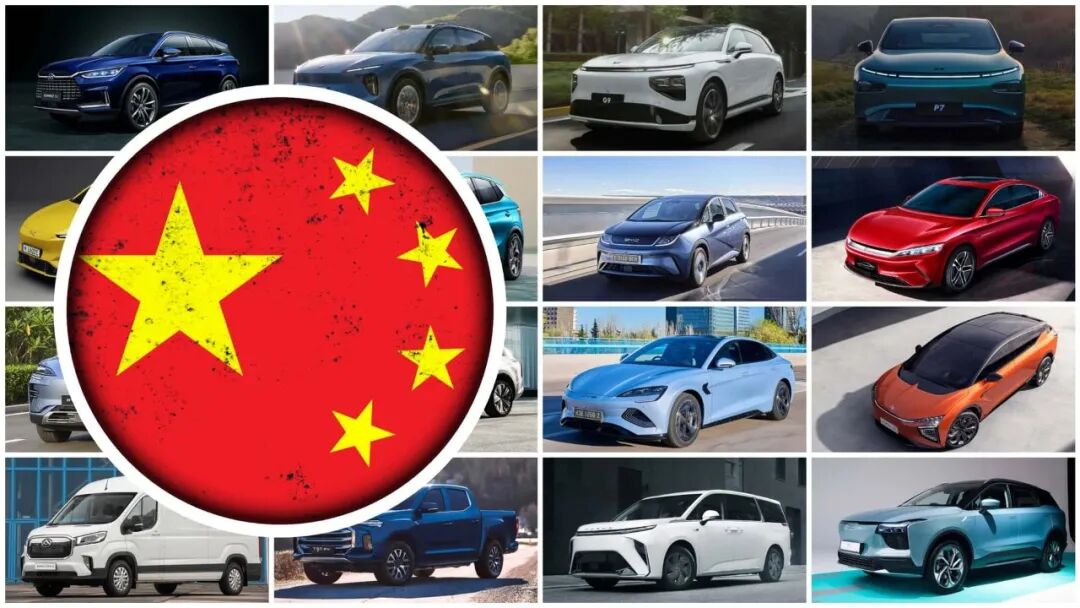
01: Chinese Automakers Make History Once Again
Statistics from the European Automobile Manufacturers' Association on new car sales in May show that among 31 major European countries, five Chinese automakers — BYD, SAIC, Geely, Chery, and Leapmotor — collectively sold 138,400 new vehicles, representing a 65% year-on-year increase. Among them, the three giants Geely, SAIC, and BYD had the highest sales, with monthly sales reaching 38,146, 30,527, and 32,380 units respectively.
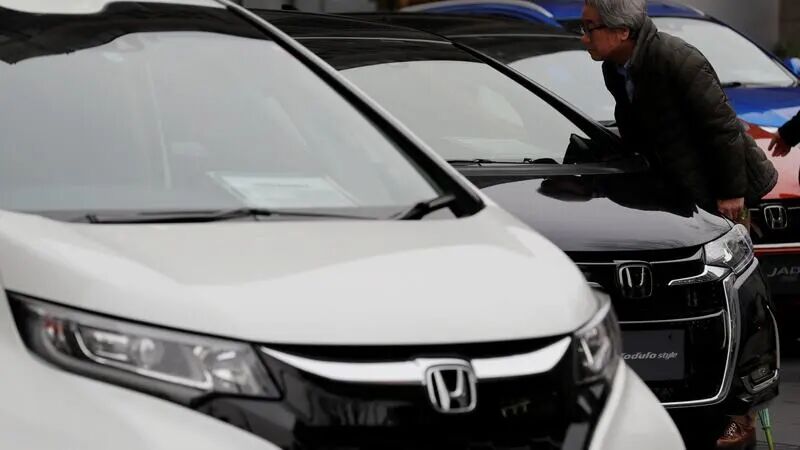
During the same period, six Japanese automakers — Toyota, Honda, Nissan, Suzuki, Mazda, and Mitsubishi — recorded combined sales of 130,000 units in the aforementioned European countries, a 3% year-on-year decline. By this calculation, the Chinese camp has surpassed Japanese brands by about 6%, marking the first time in recorded history that Chinese passenger vehicles have outperformed Japanese brands in monthly sales in the European market.
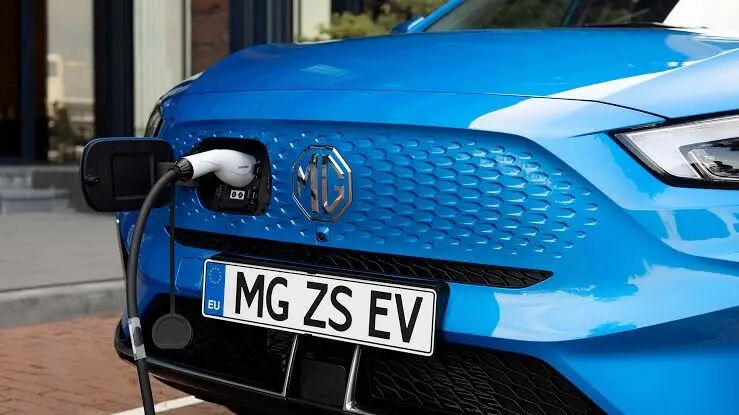
This outcome caught many by surprise, as the EU's anti-subsidy measures targeting Chinese pure electric vehicles, implemented at the end of October 2024, were quite harsh. On top of a 10% base tariff, additional anti-subsidy duties were imposed on specific automakers: SAIC Group faced a final tariff rate of 45.3%, Geely Auto 28.8%, and BYD 27.0%...
The environment for Japanese automakers is far more lenient. Exporting complete vehicles from Japan to Europe typically only requires a 10% basic import tariff, which will be reduced to zero this year under the Japan-EU Trade Agreement. Moreover, Japanese brands entered Europe early and have established 8 major full-vehicle manufacturing plants there (not counting those that have already closed). Toyota alone has an annual production capacity of 700,000 units, with many models already produced locally, saving on transportation costs.
Even with these advantages, they still couldn't outsell Chinese automakers.

The reason is that Chinese automakers, leveraging their cost advantages in the domestic industrial chain, have directly withstood the impact of high tariffs. The cost-performance ratio of their pure electric vehicles remains far superior to that of other brands: cars that can outperform them are priced much higher, while those at similar prices are far outmatched in performance and quality.
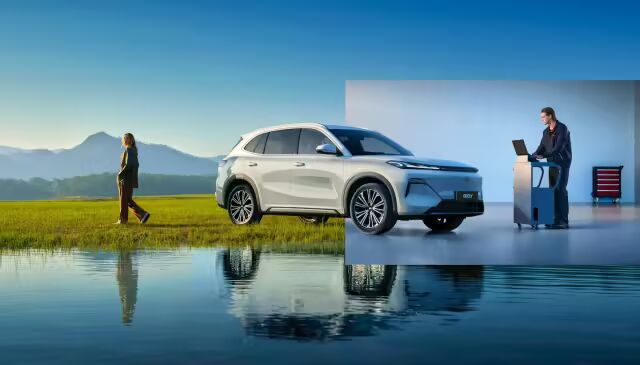
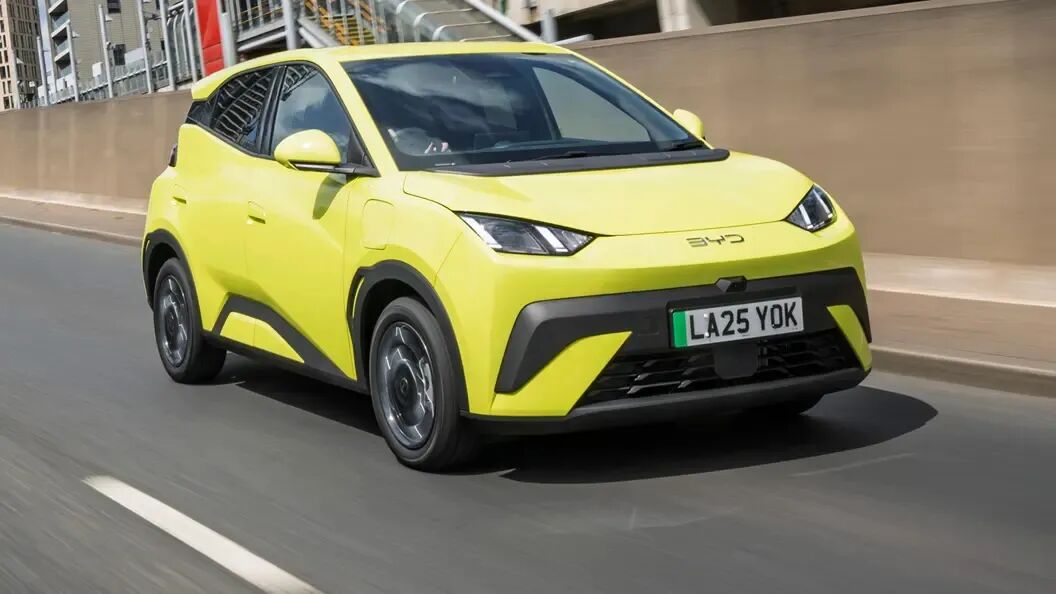
Take entry-level small cars as an example. The BYD Seagull (marketed as Dolphin Surf in Europe) has a starting price of 19,990 euros, with the top trim priced at 24,990 euros. European media generally agree that this car drives smoothly, offers unexpectedly spacious interior space for its size, and comes with high-end configurations and solid build quality.
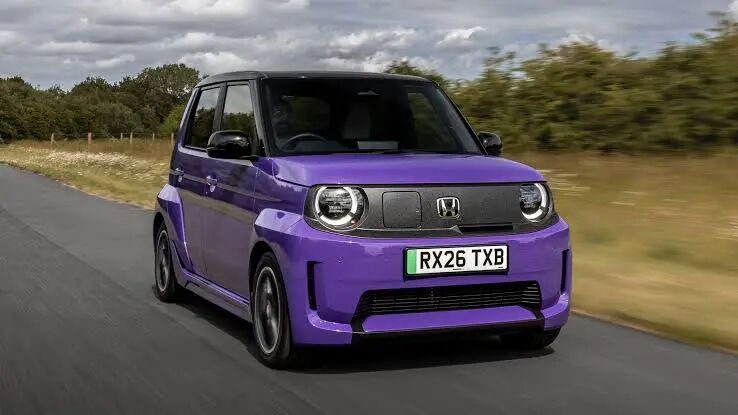
Japanese models in the same price range only include Honda's Super N, which is essentially a microcar designed to K-car standards. It is noticeably smaller than the Seagull, with a more basic interior, lower cost-performance ratio, and a lower crash safety rating.
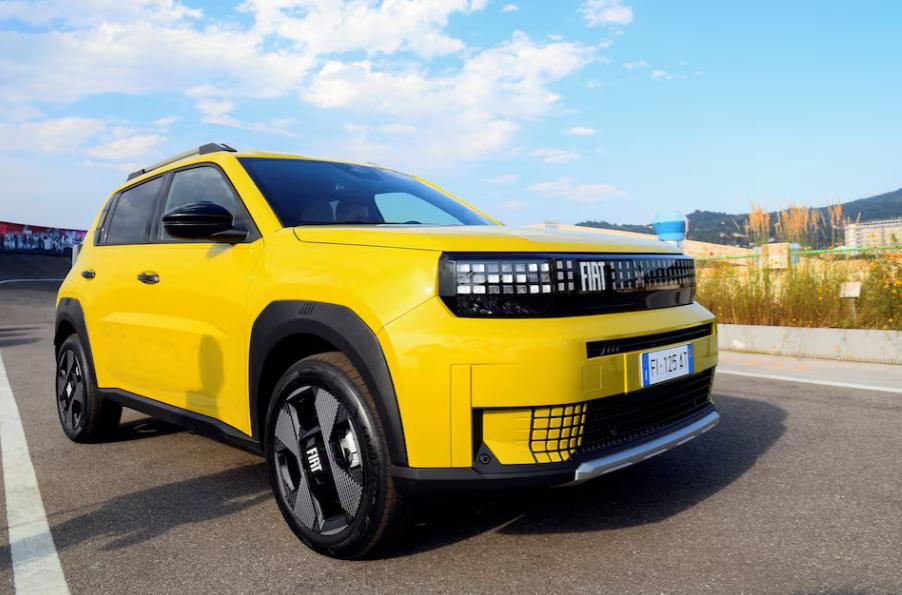
European cars with performance comparable to the Dolphin are generally 2,000 to 5,000 euros more expensive. For instance, the Fiat Grande Panda has a starting price of 24,900 euros, while the Renault 5 E-Tech starts at 25,000 euros.
Ironically, the few models that can compete with Chinese brands on cost-performance are all produced in China and then re-exported to Europe. Since they carry foreign brand names, they are exempt from punitive tariffs while benefiting from China's industrial chain advantages. A typical example is the Dacia Spring, a direct competitor to the Dolphin with a starting price of 16,900 euros. It is essentially a rebadged version of the Dongfeng Nano Box, a genuine product of Hubei, China.

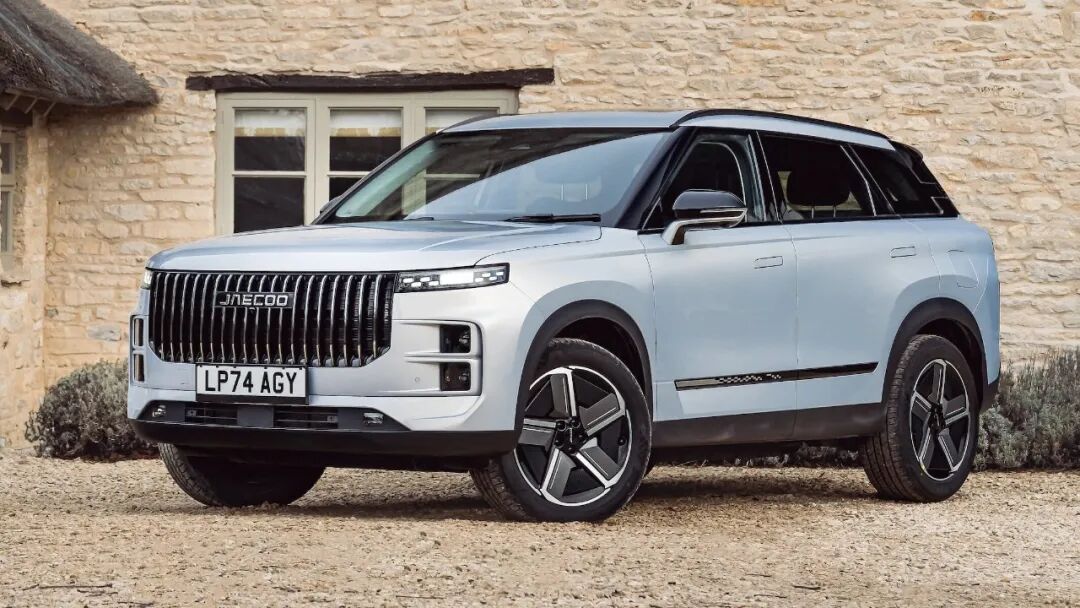
Beyond directly competing with pure electric vehicles, Chinese automakers have also quickly adjusted their strategies by increasing the deployment of plug-in hybrid models — which are not subject to additional tariffs — to offset tariff cost pressures. In BYD's sales for May, plug-in hybrids accounted for as much as 60% of total volume. The Song PLUS DM-i (marketed as Seal U PHEV in Europe) has become the best-selling plug-in hybrid in Europe this year, followed closely by the Chery Jaecoo 7 PHEV, which sells 6,000 to 7,000 units per month.
Moreover, this overtake of Japanese brands is far from the end for Chinese automakers — it is very likely just the beginning. Chinese brands are evolving from simple "product export" to "ecological localization". To completely break down trade barriers and establish a more robust local supply chain, they are directly moving production lines to the doorstep of Europe: BYD's Hungarian vehicle manufacturing plant is scheduled to start production in the fourth quarter, while Leapmotor, Chery, and Geely are acquiring idle production capacity from other automakers. Chinese suppliers represented by CATL, Gotion High-Tech, and EVE Energy are also ramping up construction in Europe, with total investment amounting to tens of billions of yuan.
While Chinese automakers still have plenty of strategies to deploy, Japanese brands have exhausted most of their available moves. The gap between Chinese and Japanese automakers is likely to widen further in the future.
This also signals that Japanese automakers, who once dominated the global market, have entered a state of being besieged on all sides.
After the outbreak of the Russia-Ukraine conflict in 2022, Japanese brands followed international sanctions and fully suspended production and sales in Russia, leaving a huge market gap. Before the war, Japanese brands held nearly 40% of the Russian auto market share, with many of their core models topping sales charts for years. After their withdrawal, Chinese automakers quickly filled the void, with their market share climbing from single digits to over 50%. Last year, they sold 680,000 units in Russia, completely reshaping the original landscape of the Russian auto market.
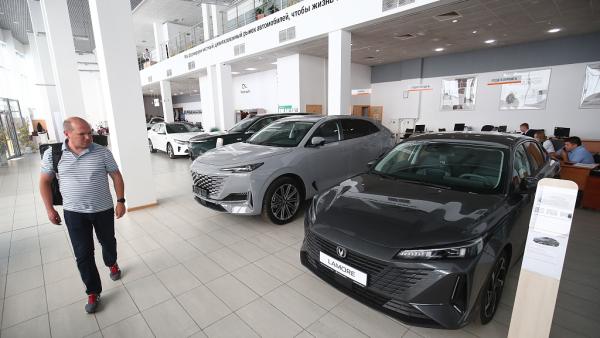
In February this year, Chinese cars outsold Japanese cars in Australia for the first time in a single month, ending Japanese brands' 28-year reign as the top imported vehicle brand that began in 1998. The Australian market was long dominated by Japanese fuel-powered SUVs and pickup trucks. Chinese brands broke through by launching pure electric vehicles with advanced intelligent configurations, boosted by local emission reduction policies and purchase subsidies, rapidly penetrating the market. The gap between the two sides continued to widen afterwards: from January to May, total Chinese vehicle imports to Australia reached 142,800 units, capturing a 35.5% market share, while Japanese imports only stood at 116,100 units during the same period.
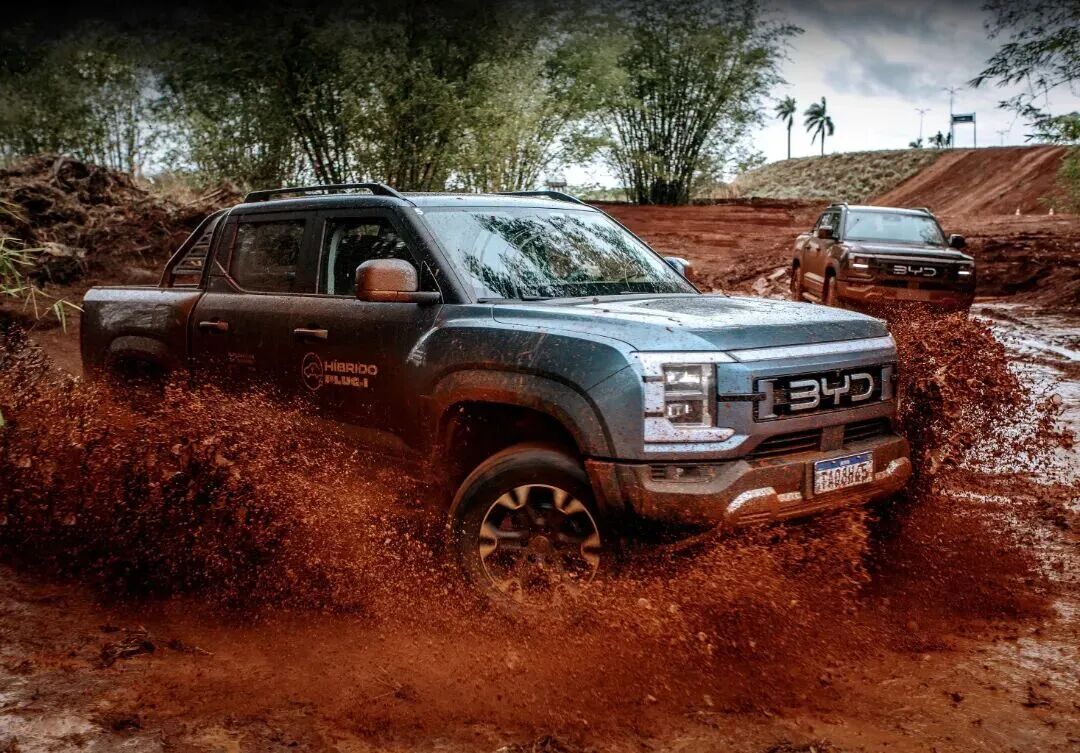
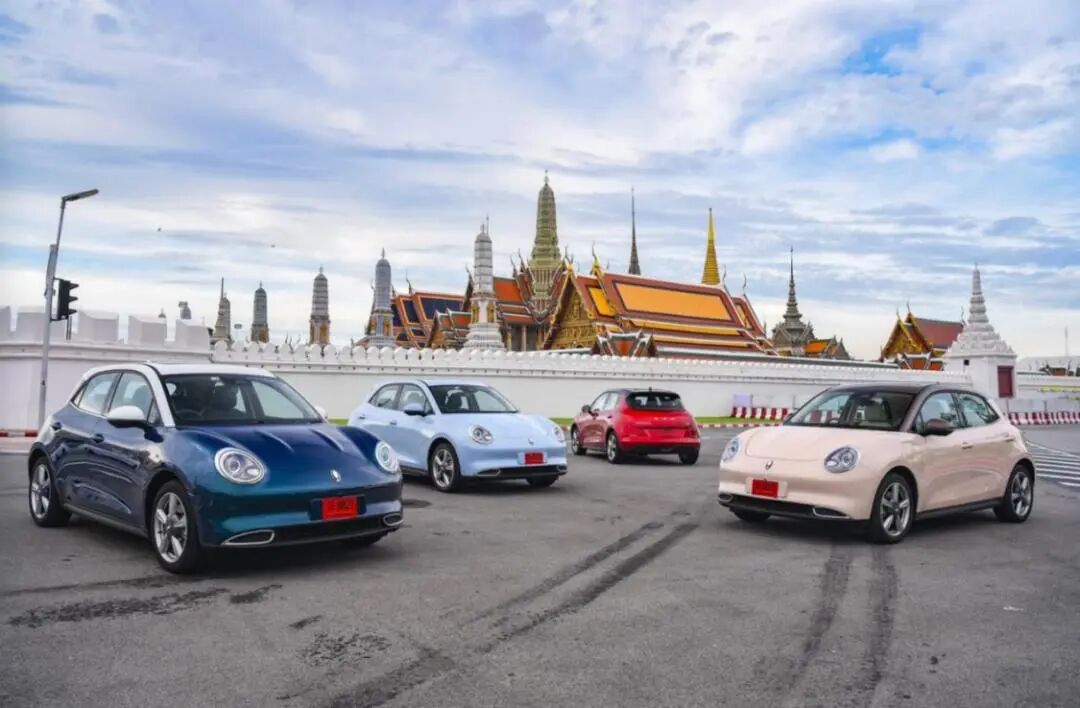
In Latin America and Southeast Asia — two traditional strongholds where Japanese brands have deep roots — their fuel vehicle base still holds advantages, but the new energy vehicle track has been completely dominated by Chinese brands, with their market share steadily maintained between 70% and 80%. Especially in Southeast Asia, Chinese automakers have not only launched a large number of advanced models but also reduced costs through local factory construction, establishing a clear technological generation gap in pure electric and plug-in hybrid sectors. Japanese automakers, lagging in their electrification transformation pace and product iteration, can only rely on their long-accumulated distribution network reputation to hold onto the stock fuel vehicle market.
02: Unfiltered Evaluations from Overseas Consumers
Consumers around the world have different demands for automobiles. As Chinese automakers advance rapidly on the global stage, they are not only gaining sales volume but also obtaining a mirror to clearly see the strengths and weaknesses of their products.
Europe, in particular, is home to veteran auto enthusiasts who have seen all types of vehicles and maintain strict standards. It would be impossible for Chinese cars to sell so many units by following the old "low quality, low price" strategy.
There are several reasons why overseas consumers favor Chinese cars. First, they come with extensive intelligent features and a full range of comfort configurations. Not to mention the popular "refrigerator, large screen, and comfortable seats" setup, intelligent driving packages are often offered for free — unlike European automakers who force customers to pay thousands of euros for optional features. Many European brands even cut corners on basic configurations, omitting heat pump air conditioners and installing only two window control buttons on the driver's side.
