"Budget Popsicles" Are Dominating the Middle Class's Summer
This summer, the pecking order inside freezer cabinets has completely flipped.
Just a couple of years ago, the middle class would queue under the scorching sun just to get a luxurious scoop of "Sicilian pistachio, freshly handmade" gelato;
This year, the first items to be completely sold out were the old-fashioned ice pops priced at just one yuan each.
For a very long time, the middle class was remarkably insensitive to the "price gouging" nature of premium ice cream, as "eating well and buying expensive" had long been an unshakable pillar of their upscale lifestyle. But no one expected that those pricey ice creams would all turn out to be calorie bombs:
A casually picked up serving of DQ while shopping can easily hit 1000 calories.
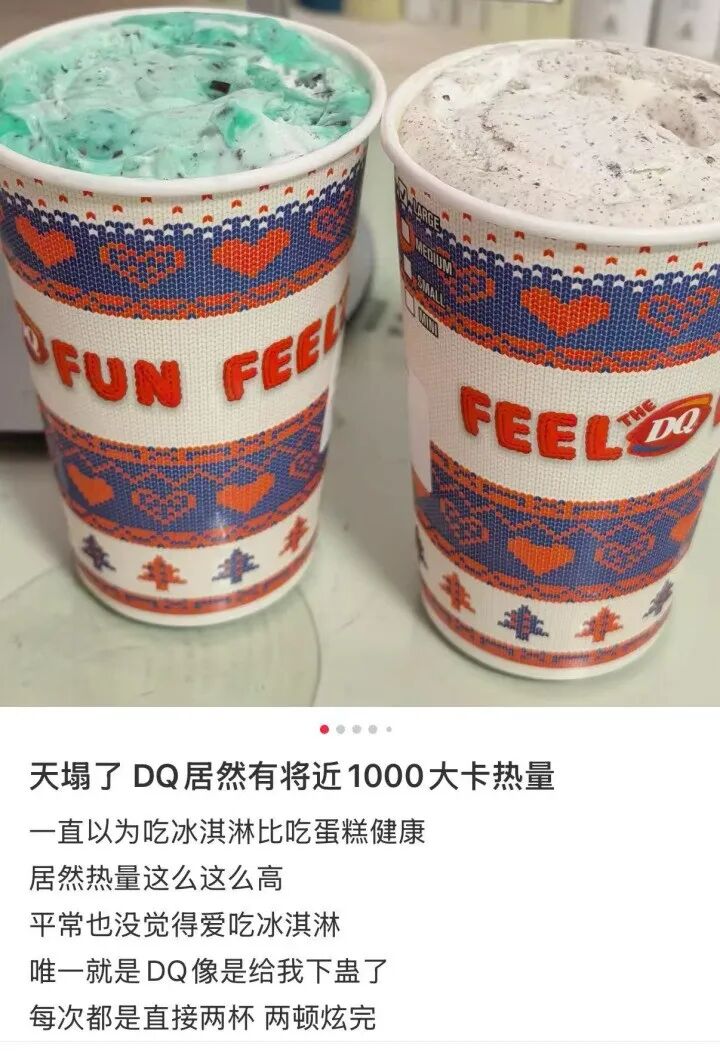
Image source: Xiaohongshu @Don't Feel Like Working
Finishing a small serving of pistachio gelato is equivalent to chugging down a huge bowl of plain rice noodles.
In their search for low-calorie cold treats, the middle class has fallen back in love with classic ice pops.
After all, the average calorie count of an old-fashioned ice pop is only 70 calories, roughly the same as a single egg.
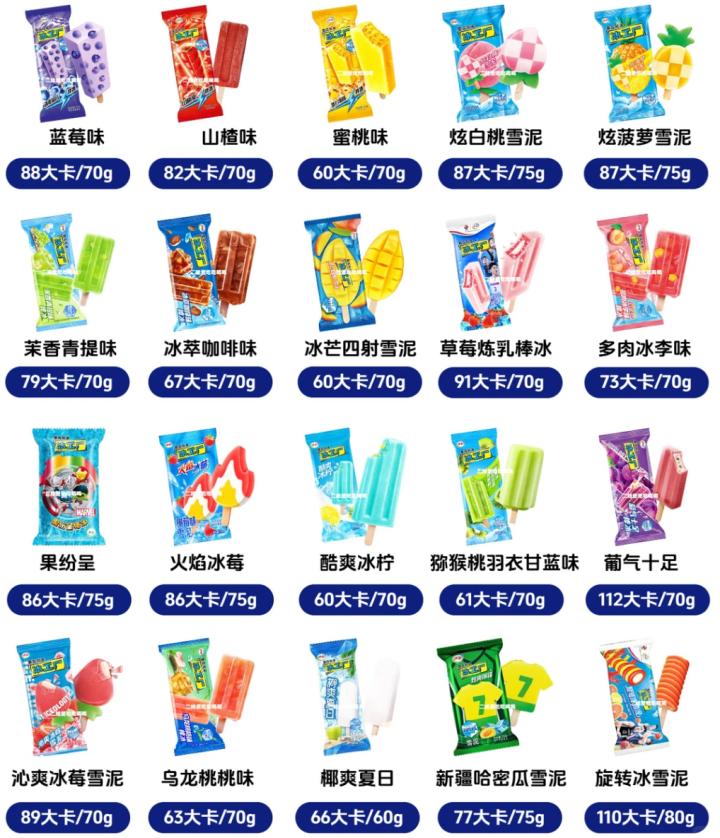
As a result, this summer's cold drink scene is playing out like a middle-aged romance drama plot of "reuniting after a breakup":
The old-fashioned ice pops that the middle class once looked down on are now taking over their refrigerators in bulk, hailed as low-calorie "white moonlight" favorites.
Have low-calorie ice pops become the hard currency of the middle-class summer?
In this season where calorie counting feels especially necessary, modern people have developed a shared obsessive-compulsive habit:
Automatically "translating" everything they put in their mouths into calorie counts.
Every "kilojoule" printed on the back of food packaging is instantly converted into kilocalories by their calorie anxiety. After repeated "calorie shocks" caused by overpriced viral ice creams, everyone has shifted their attention to the very bottom of the freezer.
When they dug out those humble old-fashioned ice pops and checked their nutrition labels, something remarkable happened:
A single classic ice pop contains only 31 calories, even less than half an apple.
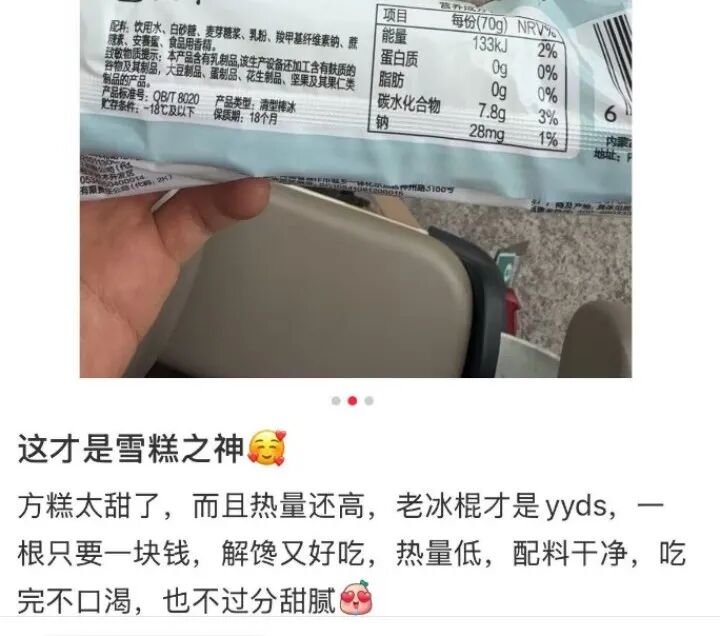
Image source: Xiaohongshu @momo
Moreover, the more retro, familiar, and "unpretentious" the packaging looks, the lower the calorie count usually is.
Many traditional ice pops are so low in calories that people suspect the labels are misprinted:
The "Xuelian" ice pop that looks just like a bag of Sprite has reached an absurdly low 4 calories;
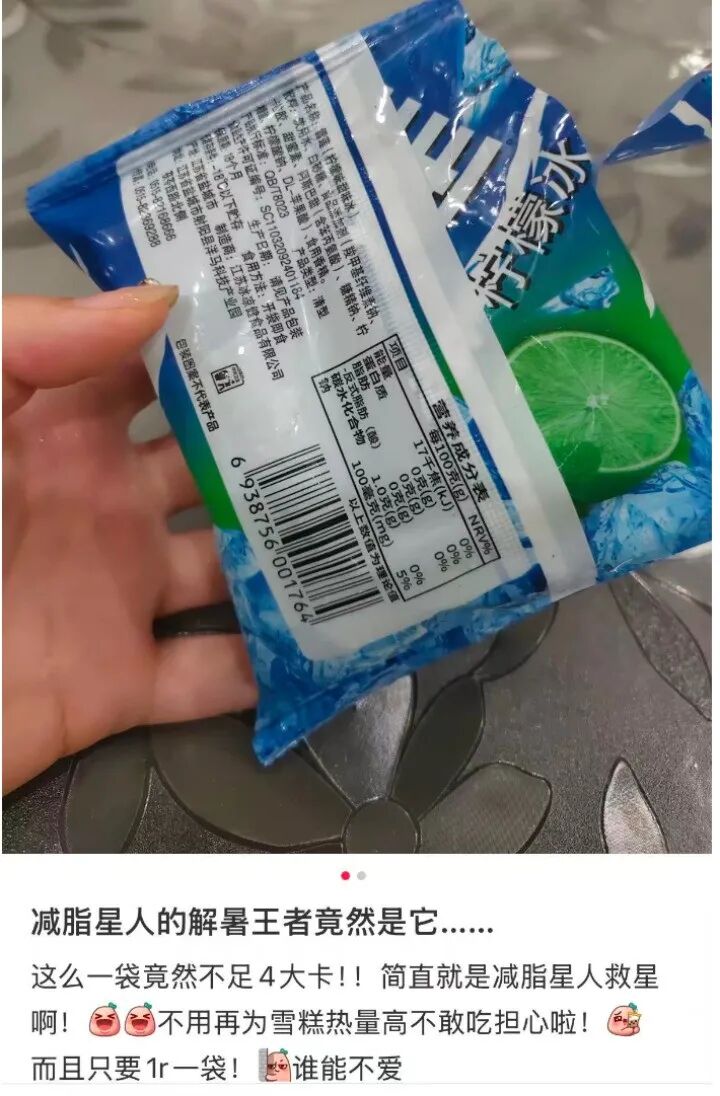
Image source: Xiaohongshu @Zhien-
The "Green Tongue" ice pop that used to leave a green stain on your tongue contains only 50 calories;
The tiny pudding ice cream everyone ate as a kid only has 85 calories thanks to its small size;
The entire series of Want Want Ice Pop is around 60 calories.
Classic red bean and mung bean ice pops also perform exceptionally well at low-calorie heat relief.
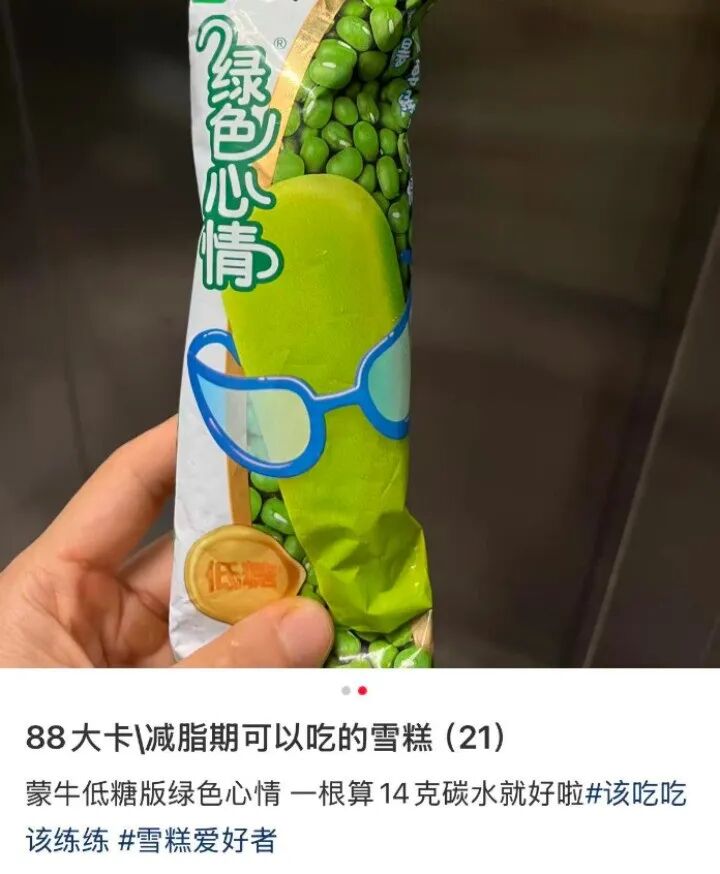
Image source: Xiaohongshu @Give Me a Bite of Your Carbs
Many classic ice cream brands such as Aoxue, Deshi, Hongbaolai, and Walls offer products that clock in under 100 calories.
Some items are so old that just a glance at their packaging evokes the nostalgic Chinese "dreamcore" feeling of being held in your childhood.
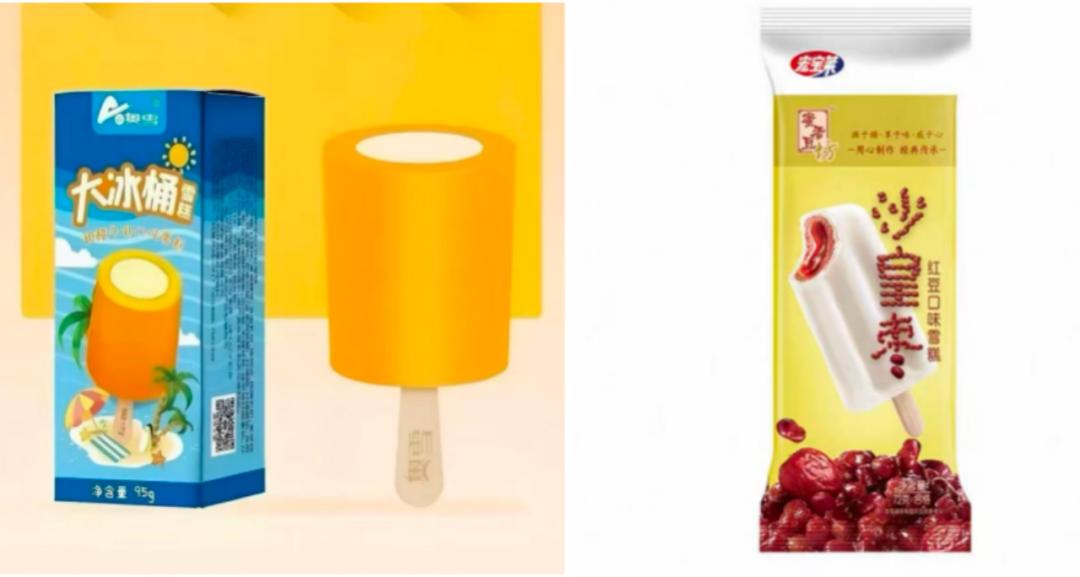
Even fruity ice pops like Binggongchang usually sit between 50-70 calories.
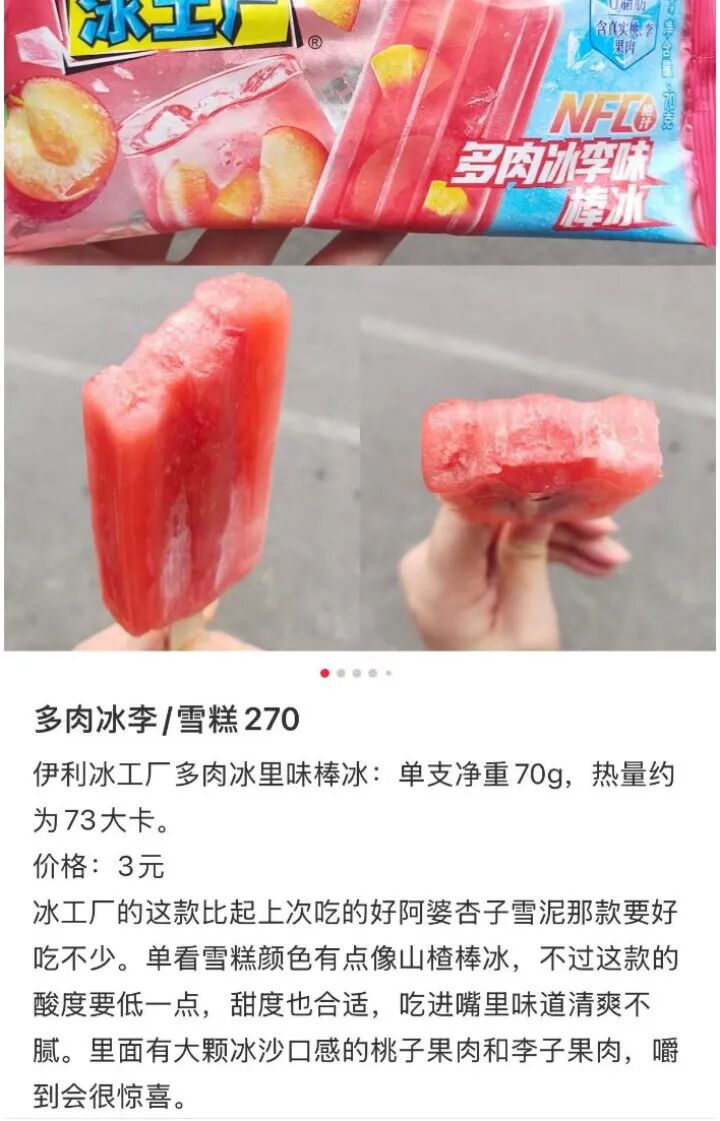
Image source: Xiaohongshu @Eat Less, You Still Have Weight to Lose
There are also budget alternatives to premium brands in the low-calorie category.
According to online reviews, the 3-yuan mango sorbet is nearly identical to Haagen-Dazs' 47-yuan per scoop mango sherbet.
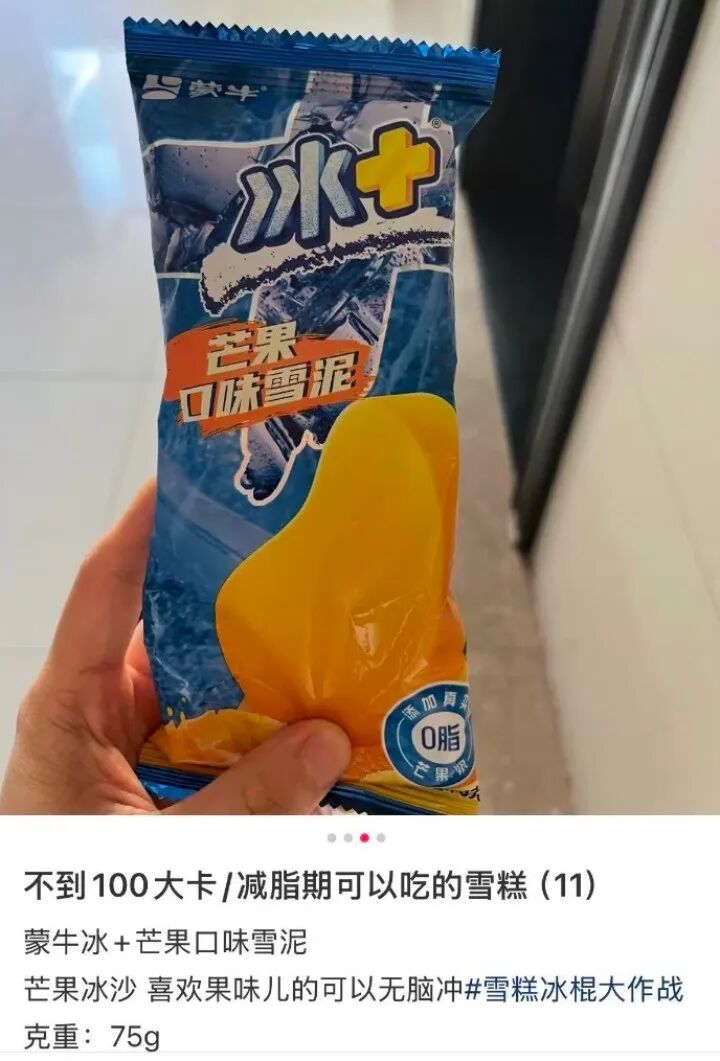
Image source: Xiaohongshu @Give Me a Bite of Your Carbs
You can replace expensive products with cheap ones, while cutting more than half the calories in the process.
After years of exploration, amateur cold drink experts have even come up with a "cold drink no-mistake formula". Sorted by calorie count from lowest to highest:
Jelly-containing < sorbet < yogurt flavor < milk ice cream.
Even chocolate, once seen as a "weight loss forbidden zone", now has a solution here:
Binggongchang has developed the lowest-calorie chocolate ice pop in the low-calorie category, giving chocolate lovers a way out.
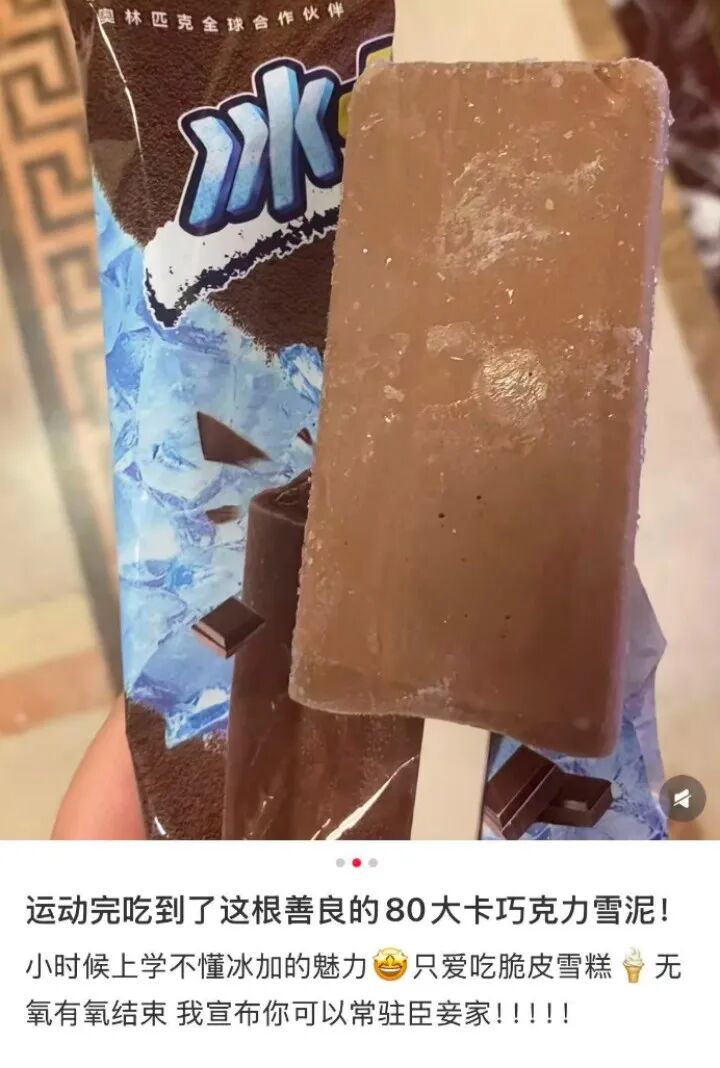
Image source: Xiaohongshu @What Did Yaya Eat Today
It's not hard to understand why the middle class is falling back in love with old-fashioned ice pops, even if it sounds like a break from their usual consumer class identity at first glance.
After all, before this, "specialty coffee, fancy meals, and handmade gelato" were the unshakable three pillars of middle-class dining. Their core preference for cold treats used to be: new brands, new flavors, and whatever is trending. For the emotional value brought by high-quality ingredients, queuing for half an hour was normal, and calories were automatically placed at the bottom of their consumption considerations.
Old-fashioned ice pops long stood as the opposite of middle-class consumption.
Until the middle class's body anxiety made them change their criteria for judging ice cream.
In the past, a good ice cream was defined by "rich ingredients", adding layers of cream, nuts, and chocolate; but now the baseline for a qualified ice cream is that it can be enjoyed without calorie worries. No need to exercise deliberately after eating, no need to skip half a serving of staple food at lunch to save up a calorie deficit.
An ice cream like that is truly a "kind" ice cream.
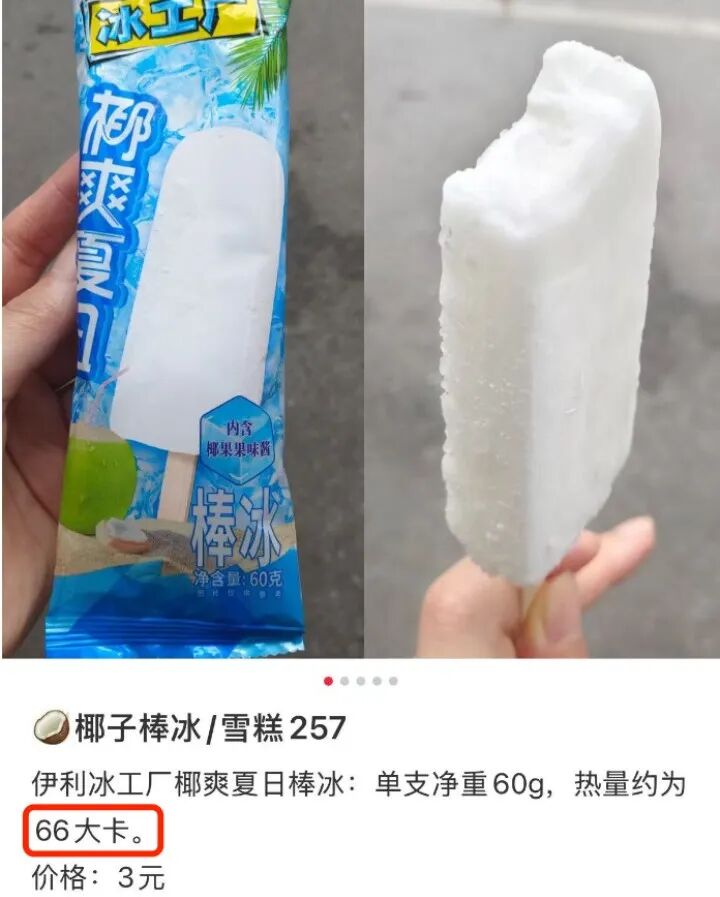
Image source: Xiaohongshu @Eat Less, You Still Have Weight to Lose
Are premium ice creams all "calorie assassins"?
To be honest, for a very long time in the past, the middle class looked down on these tiny old-fashioned ice pops.
From the early days of Haagen-Dazs to today's gelato shops with a starting price of 30 yuan per serving, often claiming "ingredients imported from Sicily", the essence of middle-class cold treats has always been "rich ingredients".

With the infinite stacking of elements like chocolate, pistachio, rum, and nuts, the calorie pool of ice cream also keeps growing infinitely.
Simply put, "rich ingredients" often equals "sky-high calories".
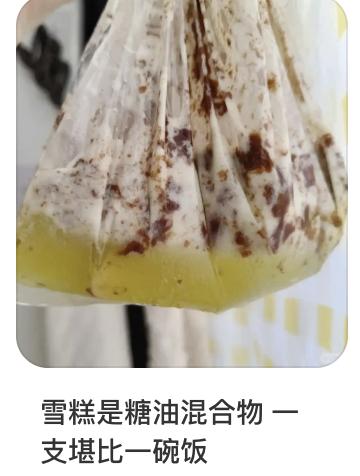
Not to mention that ice cream is essentially a pure "sugar-fat mixture", and the price of its smooth texture is heavy cream and high sugar content.
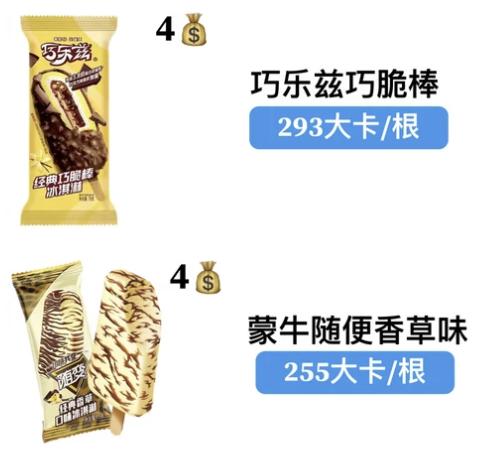
A single Qiaolezi ice cream contains nearly 300 calories;
A casual ice cream bar easily exceeds 250 calories;
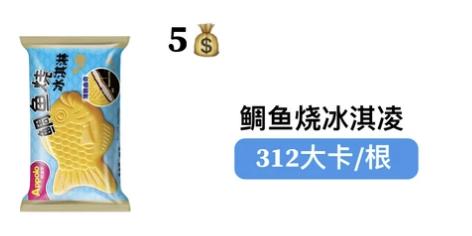
A serving of taiyaki ice cream also reaches 312 calories;
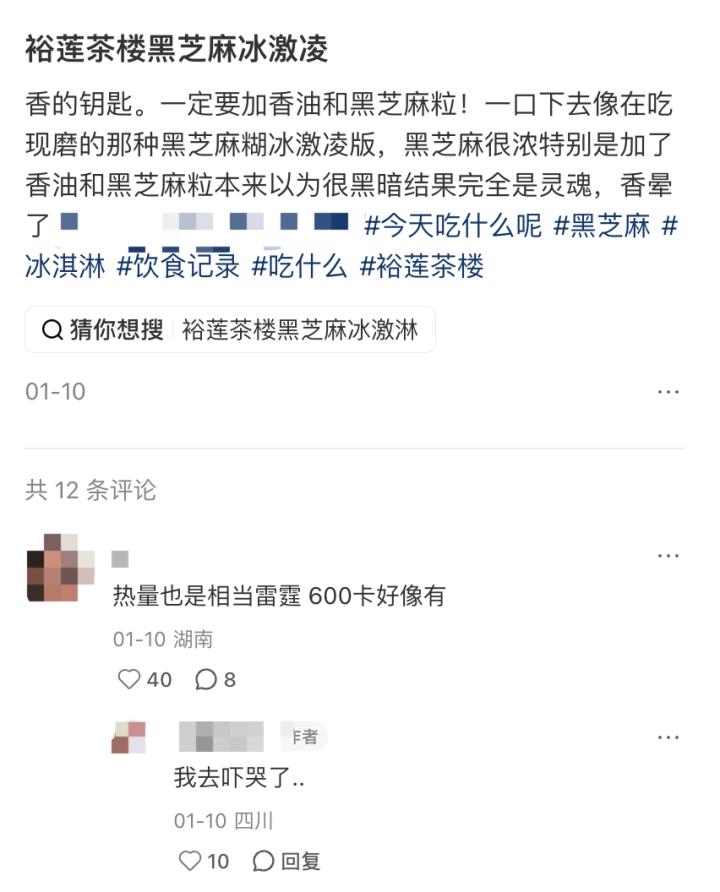
The wildly popular black sesame ice cream from Yulian Teahouse clocks in at nearly 600 calories, meaning you'd need to ride a stationary bike for an extra 40 minutes just to burn it all off.
The advantage of old-fashioned ice pops, however, is that they replace "sugar and fat" with "sugar water".
While sugar is also a major source of anxiety for the middle class, when sugar content is equal, water is far more acceptable than oil.
Right now, the trend in middle-class eating is shifting from light food and high-protein to low-GI, and more and more cold drinks are repositioning themselves around the concept of "healthiness".
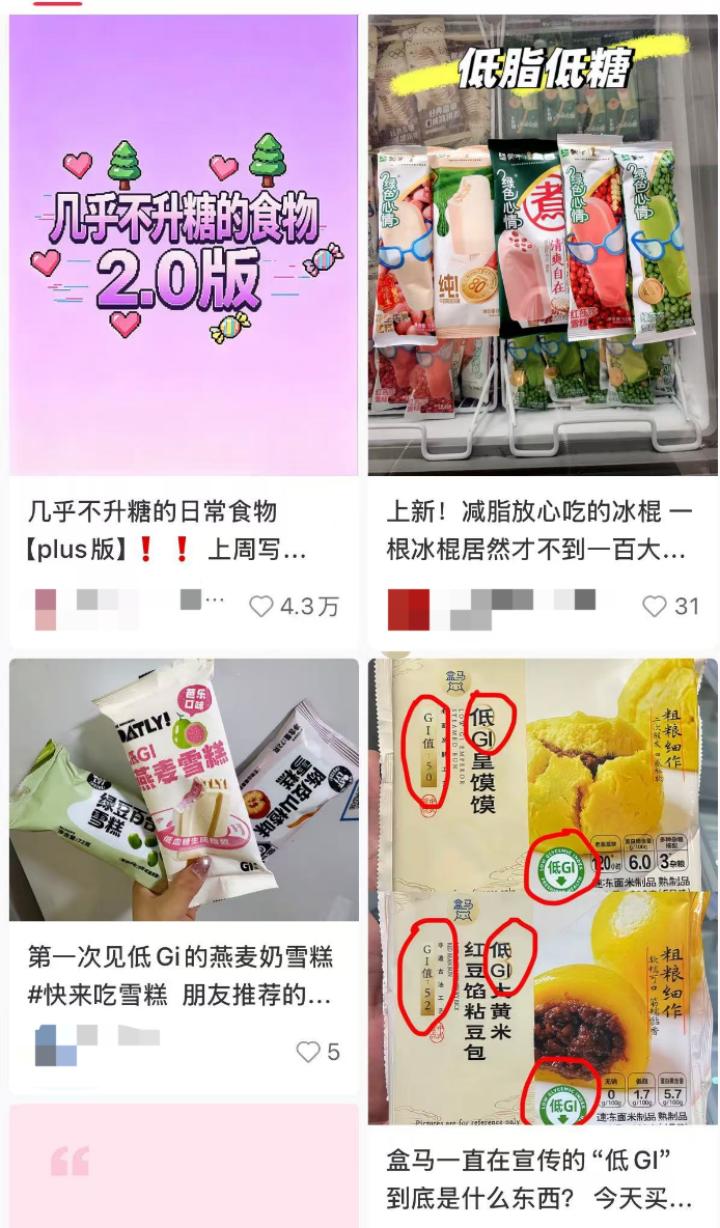
Supermarket private labels that precisely target the middle class's daily consumption have long sensed this business opportunity.
Budget supermarket ALDI became popular earlier this summer with a line of ice creams packaged to look like prescription medicine boxes.
All the classic ice pop flavors favored by people in the Jiangsu-Zhejiang-Shanghai region can be found there, including many low-calorie options. The saltwater ice pop is guaranteed to be under 100 calories even