In the era of stock competition, all brands are forced back to their true form.
Warren Buffett has a famously overused quote: "Only when the tide goes out do you discover who's been swimming naked." Many automotive industry professionals can surely sense that in the first half of 2026, the tide has receded even more thoroughly.
Five or ten years ago, China's auto market was still enjoying the dividends of incremental growth, and everyone was talking about "corner overtaking". Especially in the pre-dawn era right before the explosive rise of new energy vehicles, every automotive market participant was brimming with morale and gearing up for action. Tesla and BYD kicked off their rapid expansion spree, while the "NIO-Xpeng-Li Auto" trio became the defining symbol of that era.
It was a period where every brand could survive easily: the core market share of fuel vehicles remained rock-solid, while new energy vehicles carved out their own slices of the growing incremental pie. Joint-venture brands hadn't yet felt the real chill, and domestic independent brands were just starting to gain a firm foothold. No one foresaw that five years later, more than half of the names on the sales leaderboard would be completely replaced.
To this day, the overall market has shifted from incremental growth to stock competition, and further from stock competition to shrinking volume. Many of the brands that once rode the industry trend to great heights have now crashed face-first onto the ground. The Tesla myth has faded, the era dominated by joint-venture brands has officially come to an end, the "Leapmotor-Huawei-Serès" camp has risen rapidly, and BYD, Geely, Changan, Chery and Great Wall have firmly secured their top-tier positions...
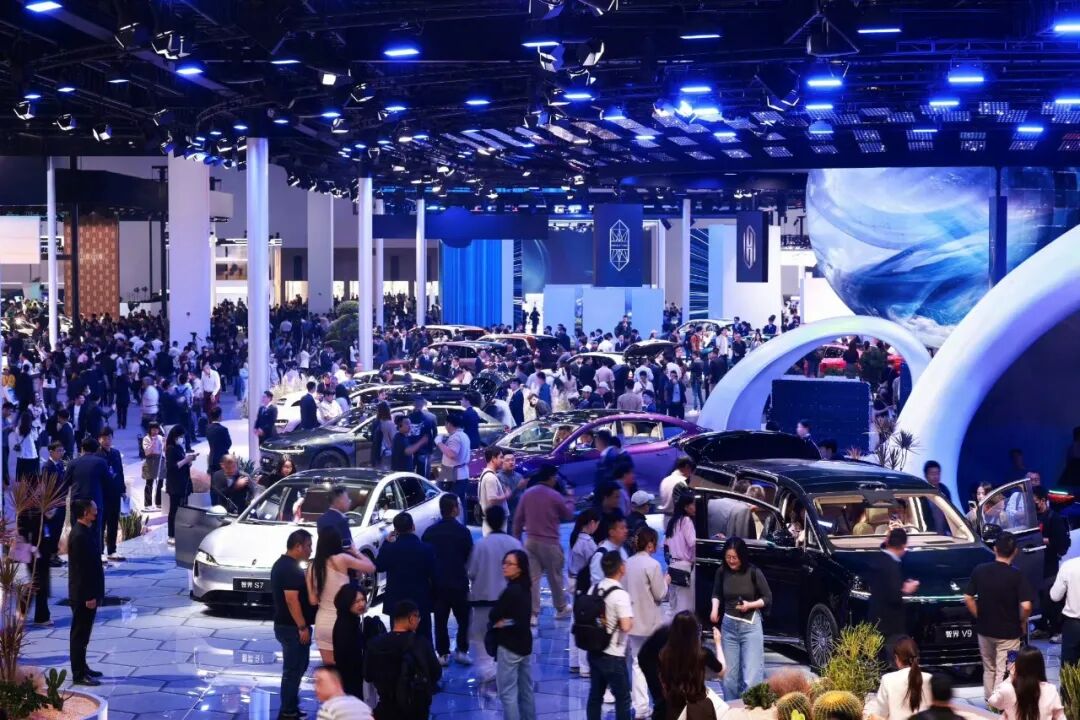
The sales trajectory of major automakers over the past few years outlines a clear curve: from a landscape of hundreds of brands thriving simultaneously, to a reshuffled market structure, and finally to a state where top players capture the vast majority of market share. Every phase eliminates some participants, and the elimination speed keeps accelerating. In the first half of 2026, this knockout competition has entered its most brutal stage.
The Knockout Round in the Era of Industry Shuffling
China's auto market in the first half of 2026 can be summed up in just eight words: total volume under pressure, structural fragmentation. Data from the China Association of Automobile Manufacturers (CAAM) shows that domestic auto sales in the first half of the year reached 9.921 million units, a 21.1% year-on-year decline. Data from the China Passenger Car Association (CPCA) is even more straightforward: cumulative retail sales of passenger cars hit 8.701 million units, down 20.2% year-on-year.
The gap created by the loss of more than 2 million domestic vehicle sales was entirely filled by exports. Exports in the first half of the year reached 5.096 million units, surging 65.3% year-on-year. That's why Chen Shihua, Deputy Secretary-General of CAAM, put it bluntly: "In the first half of this year, auto market sales were mainly driven by exports." The phrase "domestically sluggish, internationally booming" perfectly captures the overall landscape of this period.
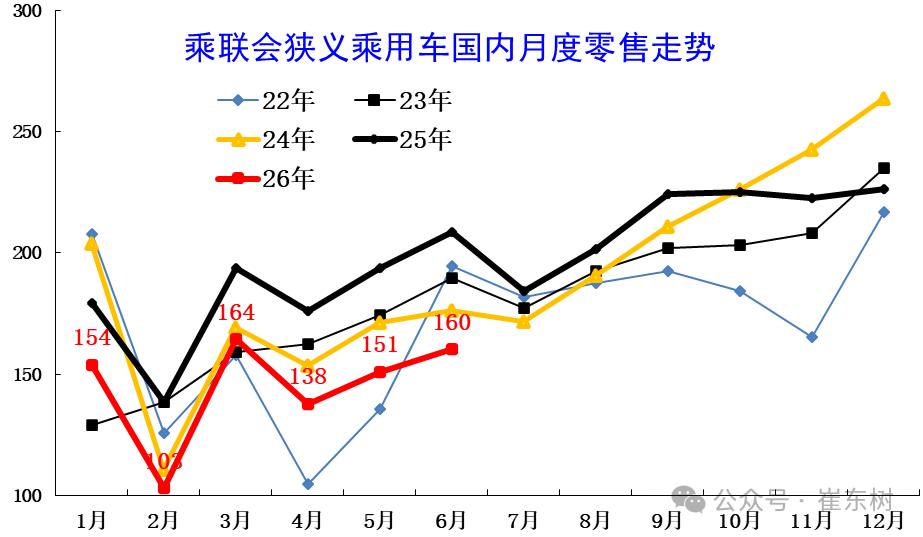
Furthermore, the fuel vehicle market has experienced an almost cliff-like collapse, with domestic retail sales of traditional fuel-powered passenger cars nearly halving in June. The penetration rate of the new energy vehicle market remains at a high level, but its growth rate has slowed down significantly. In other words, the expanding market share of new energy vehicles is achieved entirely by the even faster decline of fuel vehicle sales.
As a result, joint-venture brands are having the hardest time in this stock competition. In June, mainstream joint-venture brands recorded 330,000 retail sales units, down 34% year-on-year. Those once-mighty joint-venture giants that used to sell over a million units annually now find it an insurmountable threshold to hit 50,000 units in monthly sales. The decline of joint-venture brands stems from two sides: their core fuel vehicle market is shrinking far too quickly, while they have failed to build a competitive presence in the new energy sector, leaving them caught in a pincer attack.
In contrast, domestic independent brands have become the biggest winners. In June, the market share of Chinese-brand passenger cars reached 75.5%, hitting the highest record in nearly three years. Against the backdrop of the overall market shrinking by more than 20%, the four major automakers — BYD, Geely, Chery and Changan — have managed to maintain their annual sales scale of over one million units. This also indirectly reflects that the tier gap within domestic independent brands is continuing to widen.
In reality, the divergence among new energy startup automakers is even more drastic. The long-standing "NIO-Xpeng-Li Auto-Leapmotor" landscape has been completely overturned. It is worth noting that none of the new energy startups have achieved over 50% of their annual sales targets. On the contrary, new energy brands incubated by traditional automakers are catching up rapidly: Zeekr, Changan Qiyuan, and Deepal are now operating at the same performance level as the "NIO-Xpeng-Li Auto" trio and Xiaomi Auto.
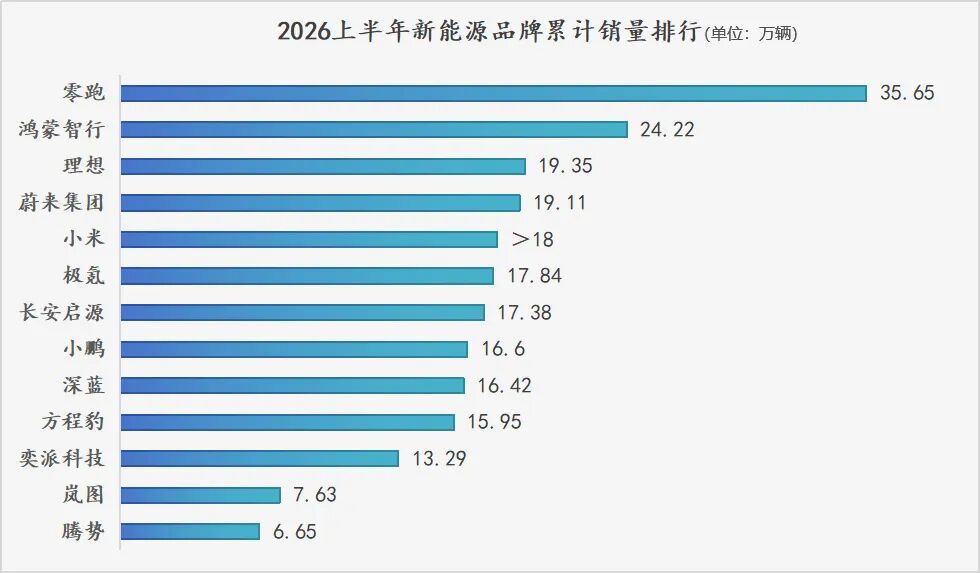
In fact, not just new energy startups, most automakers have completed less than 50% of their annual sales targets in the first half of the year, including BYD, Geely, Changan and Chery. If even the top players are in this situation, there is no need to mention the mid-tier and bottom-tier brands. This also raises a critical question for the entire industry: should they continue to chase sales volume at all costs, or slow down to ensure high-quality development?
It is worth noting that Cui Dongshu, Secretary-General of the CPCA, predicts that July will become a watershed for the restructuring of auto market rules. The mandatory national safety standards for new energy vehicles will officially take effect, coupled with the expiration of the vehicle and vessel tax exemption policy for hybrid vehicles in 2027. Mandatory requirements such as crash safety standards and the rule that vehicle batteries must not catch fire during thermal runaway will come into force, adding thousands of yuan in cost per vehicle while significantly raising the industry's technical threshold.
To put it in plain terms: production costs will rise, and the technical barrier will be lifted. The living space for small and medium-sized brands that rely on low prices for volume sales and lack sufficient R&D investment will be further compressed. Li Bin, Chairman of NIO, made a remark that fits this context perfectly: "China's automotive industry has fully entered a stock replacement cycle, which is a normal sign of industry maturity."
It is a normal sign, but not every brand will survive to witness it. The essence of stock replacement is a zero-sum game: if one brand sells one more unit, another brand sells one less, with no third option available. Those brands that are still counting on a market rebound to pull them out of trouble are likely to be disappointed, because any incremental growth from a market recovery will not be evenly distributed to all players.
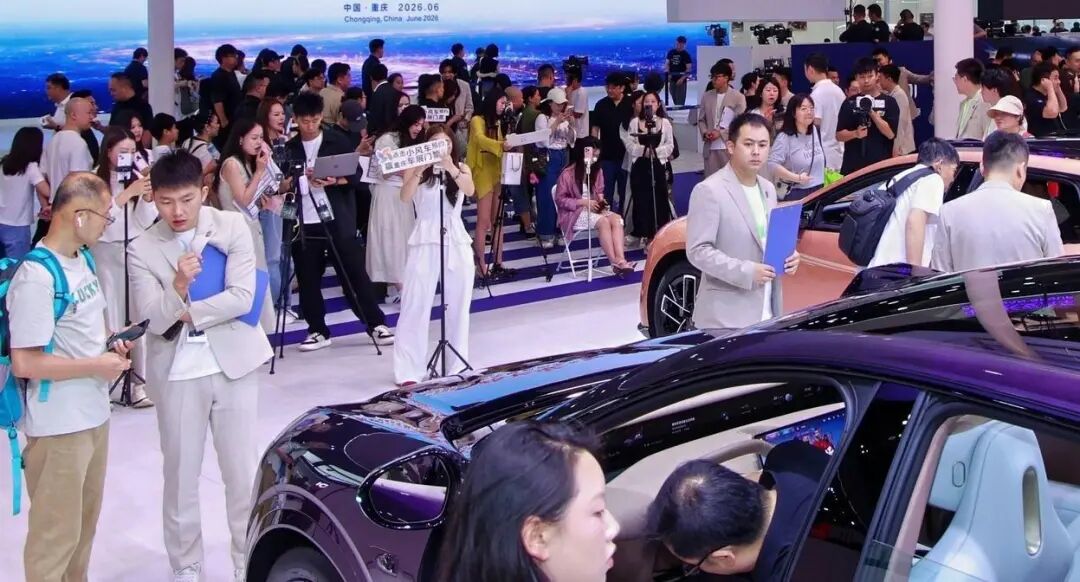
The data from the first half of 2026 proves one thing: after the tide recedes, there are far more people swimming naked than anyone previously imagined. Competition in the second half of the year will only become more brutal. How much deeper will the price war go, and who can survive this round of elimination? These questions will have clear answers in half a year. But one thing is already certain: the era where brands could survive purely by riding market trends and luck is completely over.
Anti-Downturn Strategies That Ride the Tide
It is not hard to see that the auto market performance in the first half of 2026 points to a clear conclusion: the overall market is shrinking, and only a small number of automakers can maintain relatively healthy operations. The dividends of the industry-wide price war are gradually fading, and simple price cuts and promotions can no longer deliver sustainable growth. So what exactly did the resilient brands do right? Different automakers have come up with completely different solutions.
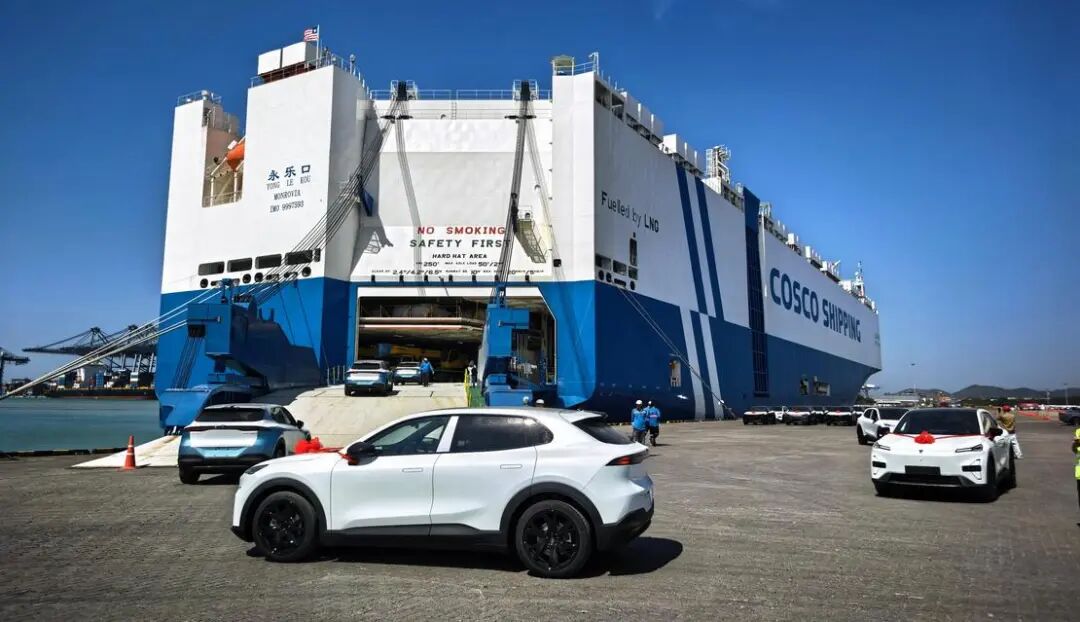
The first strategy is to go all-in on globalization. Top domestic independent brands including BYD, Chery, Geely and Changan have all treated overseas markets as the core means to offset the shrinking domestic market. The collective sharp growth in export data in the first half of the year has already proven this point: for example, Changan's overseas business now accounts for around 33.6% of its total sales volume, with its Rayong plant in Thailand and its manufacturing facility in Brazil having started production one after another. This is not an accidental boom for a single company, but an inevitable trend of the entire Chinese automotive industrial chain expanding outward.
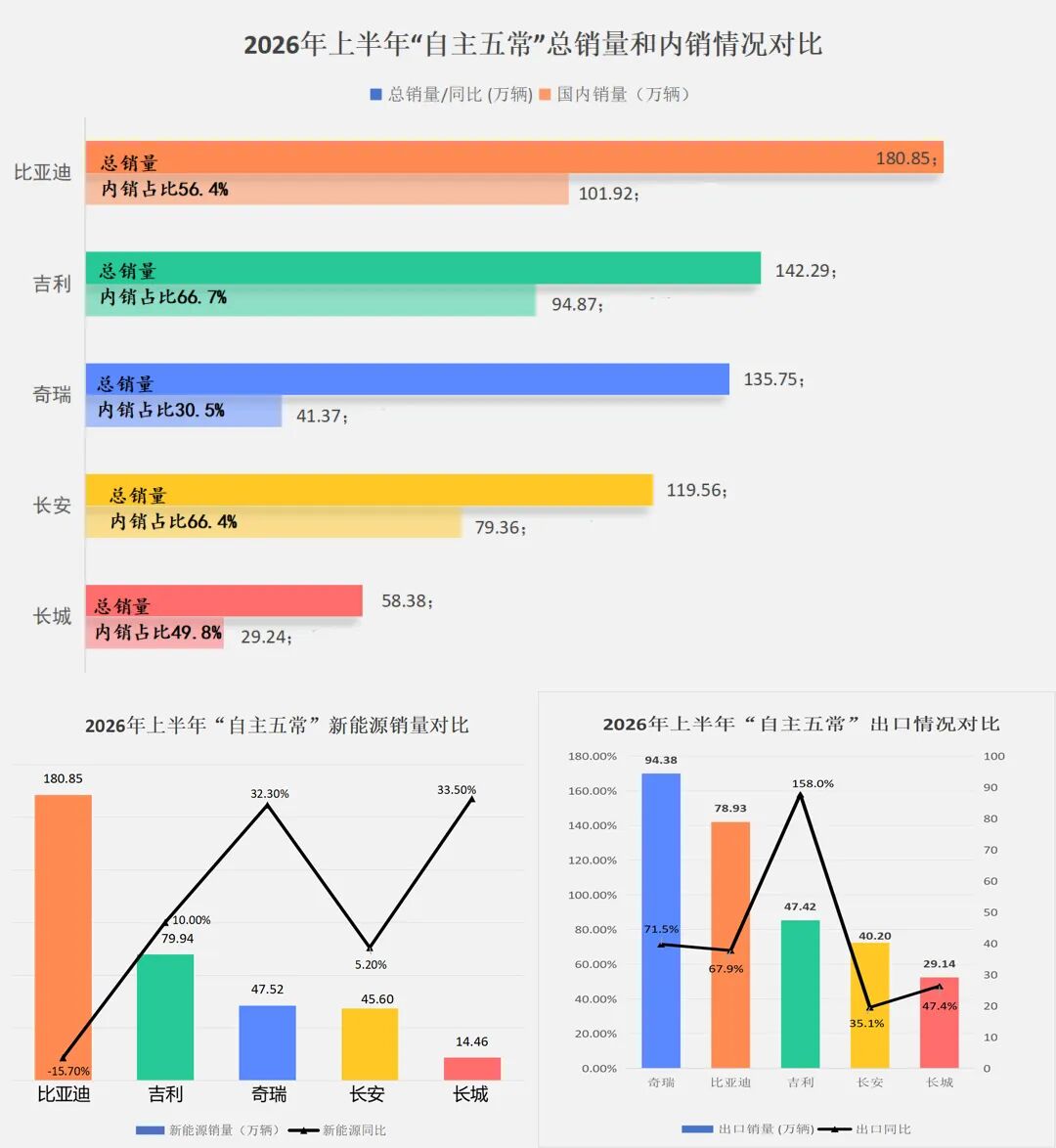
The second strategy is to deepen structural optimization in the domestic market, with some brands choosing to focus their efforts on adjusting their domestic product portfolios. For instance, Changan, Geely and Chery have all ramped up their efforts in the HEV field this year. Great Wall Motors has remained focused on the niche SUV and pickup truck segments, while NIO has expanded its customer base coverage through its sub-brands ALPS and Firefly.
The third strategy is to continuously make breakthroughs in cutting-edge technologies. BYD's "Shenzhen's Eye" intelligent driving system, Geely's "Qianli Haohan" intelligent architecture, and Changan's "Tianshu Intelligent" system are all concentrated efforts to catch up in the intelligent vehicle field; players including Huawei Harmony Intelligent Mobility, Xiaomi, NIO, Li Auto and Xpeng are continuously deepening their self-developed technology systems. These investments do not generate direct returns in the short term, but once technical barriers are established, they become the most formidable competitive moat.
There is also a fourth strategy: accelerating new product iteration speed, using frequent new launches to stimulate consumer desire. New energy startups and new energy brands incubated by traditional automakers have moved the fastest in this regard. For example, Leapmotor updates its product line on a half-year cycle, with over 65% of its core components self-developed and self-manufactured, building a cost-performance barrier in the 60,000 to 200,000 RMB price range and using extreme cost control to withstand industry cycles. Brands including Zeekr, Qiyuan and Deepal also maintain a high-frequency new launch rhythm, using product freshness to counteract consumer market fatigue.
There is no one-size-fits-all correct answer behind these strategies. One analyst put it very sharply: automakers that are pushing forward on both new energy and overseas expansion can still find room for growth even in a downward cycle; while brands that are slow to transform and overly reliant on a single market are seeing their operational pressure build up at a visible pace.
The real test for automakers is not their judgment ability, but their strategic resolve. At the most pessimistic point of market sentiment, they need to stick to their established long-term development rhythm, instead of being led around by short-term sales pressure. Those companies that keep wavering on technical routes and frequently revise their product plans are the most likely to lose their way amid industry cycle fluctuations.
At the end of the day, every industry cycle will eventually pass — but the prerequisite is that you do not lose your composure at the bottom of the cycle. By choosing a development path that matches their own inherent strengths, automakers can successfully navigate the cycle and move toward sound growth in the next phase. That explains why most of the successful cases we mentioned earlier are concentrated among top-tier players, including traditional automakers like BYD, Geely, Changan and Chery, as well as new energy leaders like Leapmotor and Huawei Harmony Intelligent Mobility.
In fact, in the short term, none of these strategies can guarantee explosive growth, but every effort is accumulating momentum for the next industry cycle. When the tide rises again, the players that can surface the fastest will undoubtedly be those that kept moving forward even when the tide was receding. That's why at the bottom of an industry cycle, development rhythm and strategic direction matter far more than pure speed.
This article is sourced from the WeChat Official Account "Auto Community" (ID: iAUTO2010), written by Yang Jing, and published with authorization from 36Kr.