The most profitable track in the summer of 2026: Gelato
A Gelato war fully broke out this summer.
As of June this year, the number of Mr. Wild outlets has exceeded 1,400, marking a 14-fold increase compared to when the brand opened franchising in 2023. According to the founder's unilateral statement, the brand's single-store monthly revenue can reach 200,000 to 300,000 yuan, with a gross profit margin of over 60% and a store closure rate close to zero.
The "Lado" products launched by Cha Ba Dao and Heytea immediately became bestsellers, with queues often lasting an hour; high-end brand Venchi frequently sells out, while budget-friendly Romanlin sees double-digit daily performance growth... The Gelato craze is so intense that even Muji has been tempted to cross over into selling ice cream.
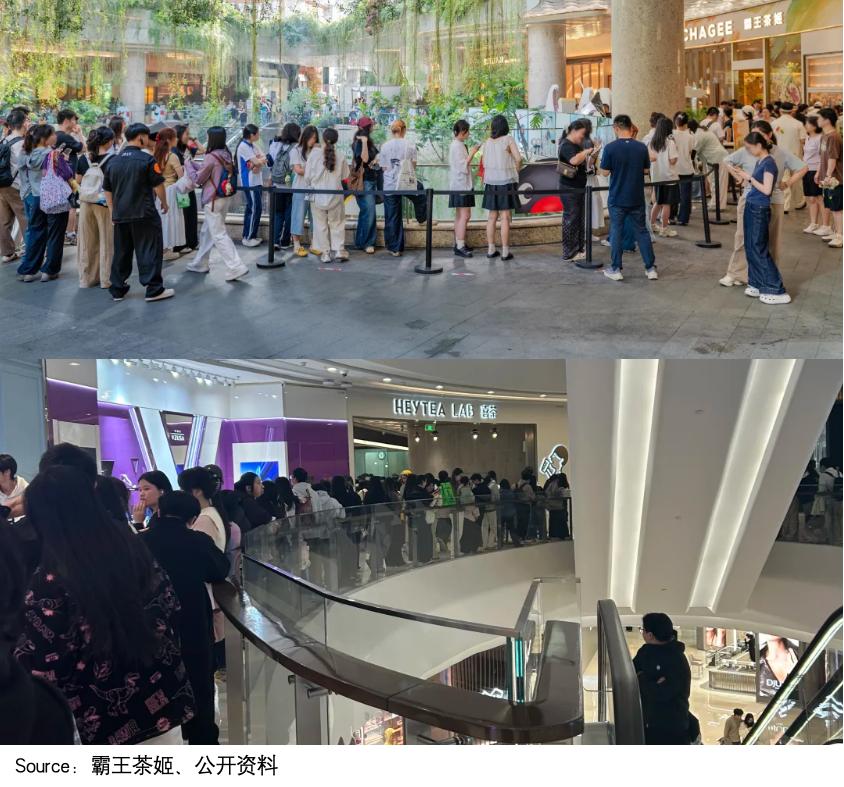
Lao Yuan also caught the trend of this "explosive first year of Gelato". His shop focuses on "waffle + Gelato", selling each portion for 28 yuan, with daily sales exceeding 10,000 yuan on holidays. With this confidence, he plans to open 5 more new stores this year.
Hu Wending, CEO of Global Food Travel who re-entered the Gelato track at the start of the year, saw his capsule ice cream products recover costs within 3 months of launch and expanded his business footprint comprehensively within half a year. Today, his office has become a popular internet-famous check-in spot, where he has to receive seven or eight groups of visitors on his busiest days.
While Gelato takes over the streets and alleys, the former "Hermès of ice cream" Haagen-Dazs now faces deserted stores, with its China business packaged and sold to new tea beverage brand Ningji. Even DQ has seen rumors emerge that it may be integrated and sold off.
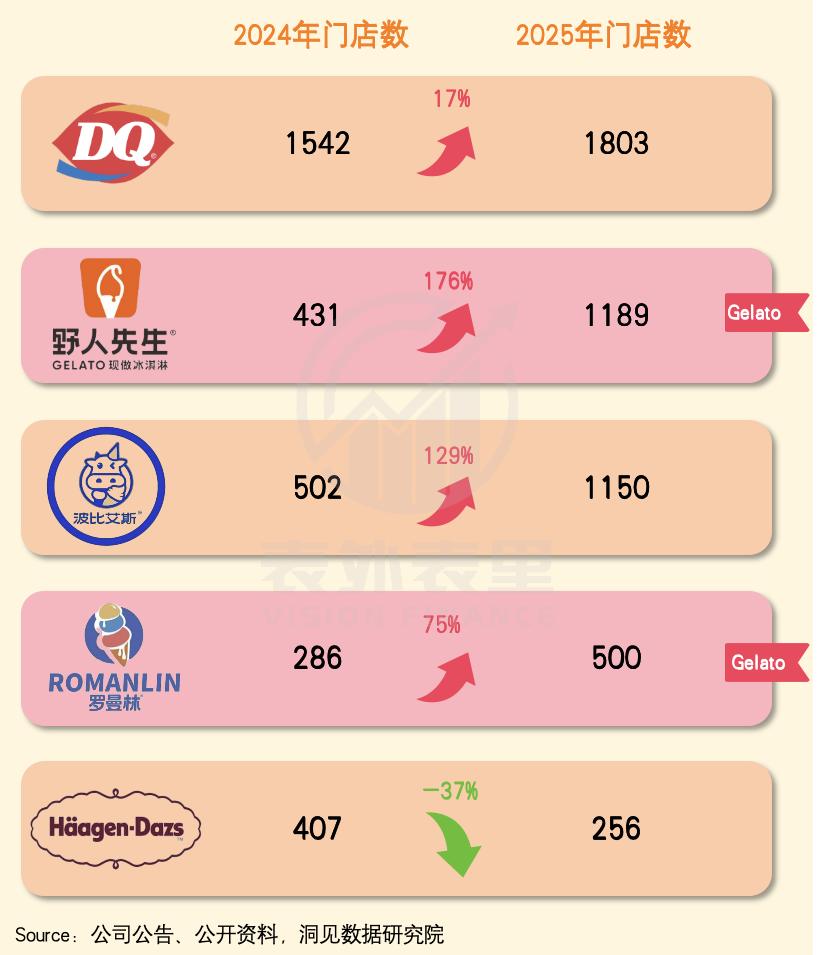
A single small serving of ice cream has not only become a path to wealth but also turned a new page in China's catering consumption landscape.
Gelato could become the "next tea beverage track"
The evolution of a single pushrod has pushed Gelato from the "60-yuan era" into the "20-yuan era".
Gently press the handle, the pushrod rises, and the dense milk slurry flows out at a constant speed; the pushrod falls back, the discharge port seals tightly, and no drips occur throughout the process... This common scene in an ice cream shop hides more than a decade of hard work for Hu Wending: when he first entered the industry, the ice cream extruded from machines varied in thickness and hardness, with every store producing different results.
"In the past, ice cream was canned in small, poorly sealed capsules and pushed to form using noisy air pumps as power," he explained. With the continuous improvement of domestic electric pushrod technology and iterative upgrades of sealed capsule cups, ice cream machines have now entered the fully electric stage.
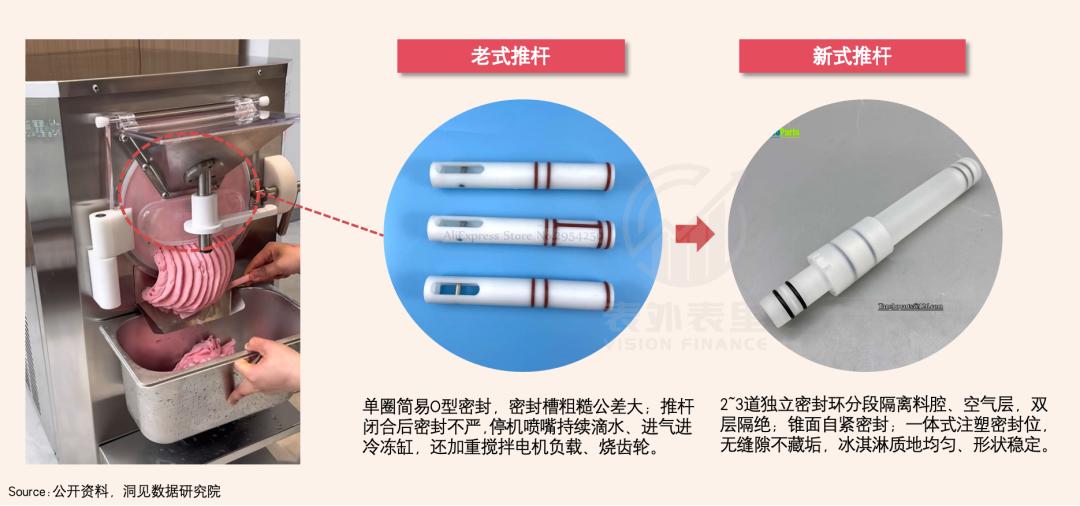
This not only accelerated the shift from American-style ice cream to Gelato but also ushered in a "golden age" where entry tickets to the industry truly became accessible to all.
In the past, domestic freezing machines were underdeveloped, requiring imports from Italy that typically cost a minimum of 150,000 yuan. "Freezers cost the same amount, as they need to maintain precise temperature control even with frequent door openings, while each compartment operates on an independent circulation system to prevent ice crystals and flavor mixing in the ice cream," Hu Wending said frankly. Together with other equipment and renovation costs, opening a dedicated Gelato shop once cost as much as 600,000 to 800,000 yuan.
Back then, a single scoop of ice cream cost 60 to 70 yuan, a price that created a market with high prices but no real demand in an era when consumers had not yet grown affluent. Lao Yuan recalls that as early as around 2010, a group of overseas students and wealthy second-generation individuals sparked a Gelato shop-opening boom in China, but it quickly fizzled out collectively.
"Conditions are different now," he notes, pointing to the constant-temperature freezer in his shop. "With technological breakthroughs, domestic equipment finally performs reliably, and its unit price has dropped to 30,000 yuan. By opting for cost-effective solutions, you can own a full shop for just 200,000 to 300,000 yuan."
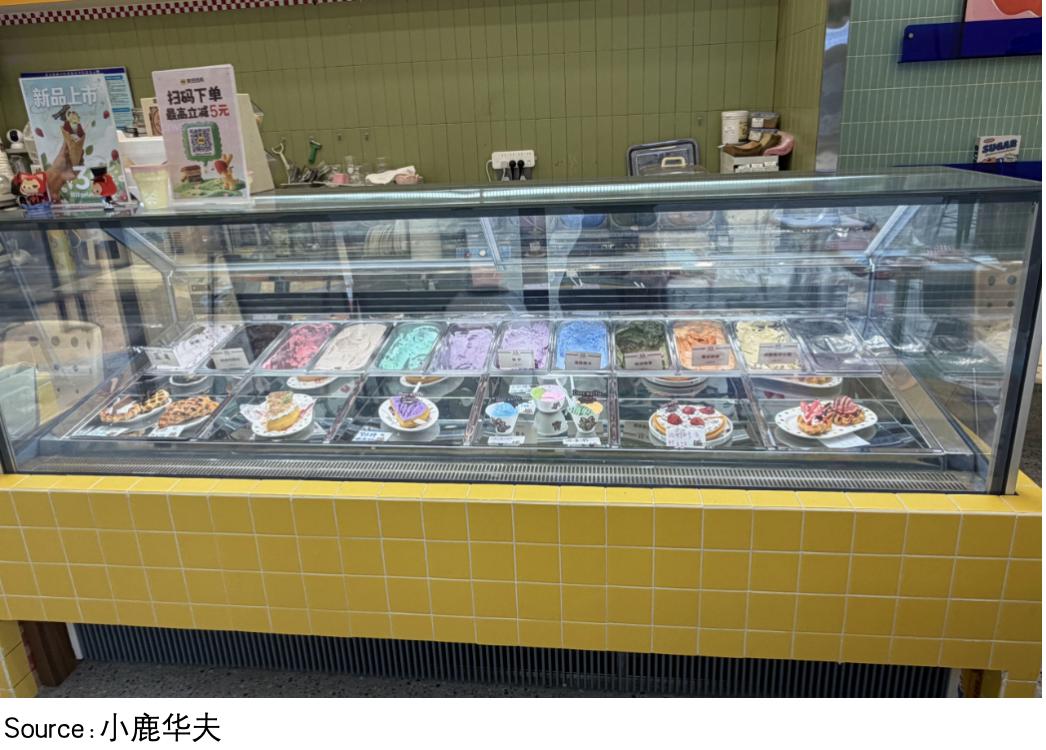
The entry threshold has dropped significantly. Lao Yuan thoroughly studied Gelato store operation guides and flavor manuals, purchased an ice cream machine, and opened his first shop. That tiny 20-square-meter store achieved daily sales exceeding 20,000 yuan, with long lines stretching far from the entrance regardless of rain or shine. He would arrive at five or six in the morning to prepare ice cream and sell out completely by 1 p.m.
More and more people are willing to pay 20 to 30 yuan for ice cream. According to Lao Yuan, "The coffee and tea beverage industries have educated consumers for over a decade, while high-end brands like Haagen-Dazs and DQ have set a benchmark. Gelato was only a matter of time before it gained widespread recognition."
Foodie Zhu Zhu fell in love with Gelato the first time she tried it. "The first bite isn't cloyingly sweet, and as you keep eating, you can taste rice grains that are chewy and carry a rice aroma," she says, unable to explain why, but feeling it tastes better than Haagen-Dazs.
Later she learned that Haagen-Dazs and DQ, as American-style ice creams, need added sugar and cream to mask their high air expansion rates, resulting in a rich but overly sweet taste. Gelato, by contrast, uses over 80% natural fresh ingredients, delivering a dense texture with lower sugar content, making it the freshest and healthiest type of ice cream available.
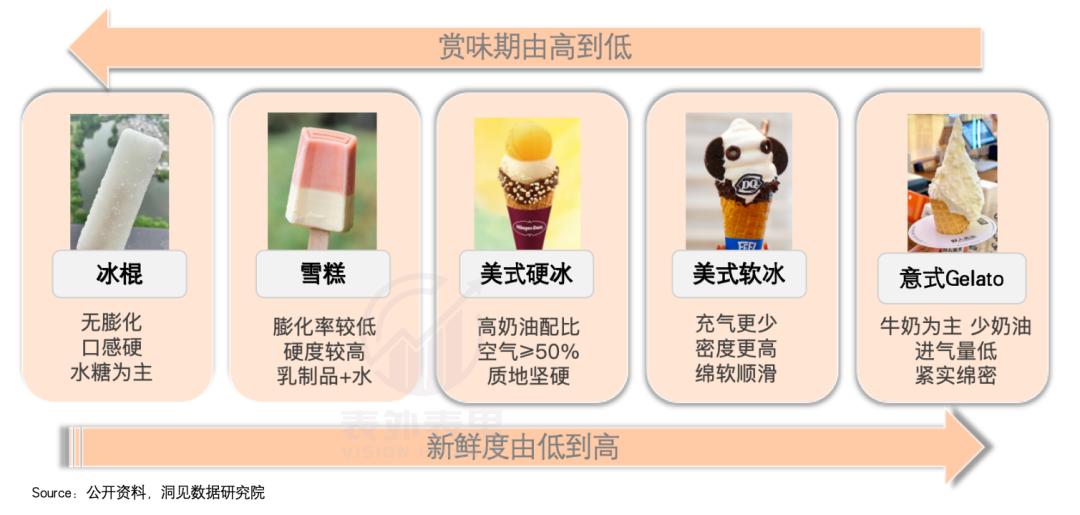
After learning this, Zhu Zhu's ice cream list now exclusively features Gelato. She buys a serving at the mall downstairs every few days, treating herself to a sweet reward after hard work without feeling guilty. She even keeps this habit in winter: "It won't melt in the cold, so I can savor it slowly."
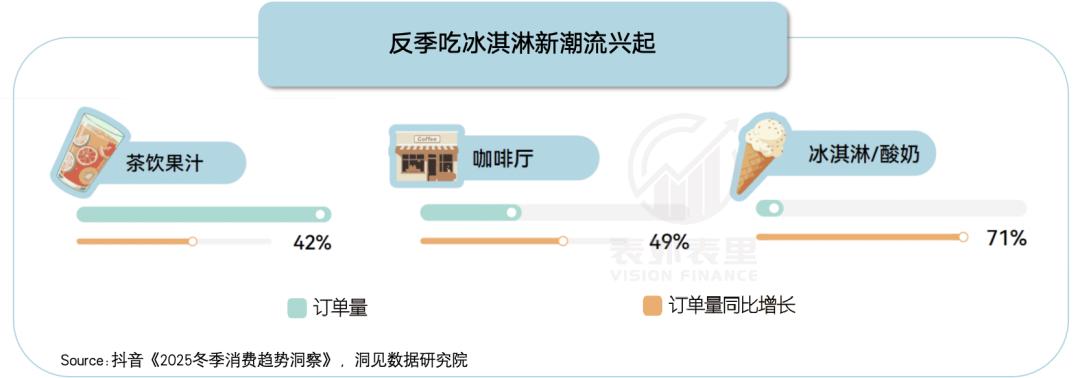
This isn't just Zhu Zhu's hobby. Ice cream and yogurt orders saw a year-on-year growth of 71% in the winter of 2025, outpacing tea beverages and coffee. "Eating something cold in winter" is becoming a ritual for young people seeking "contrasting joy".
In Hu Wending's eyes, ice cream is essentially an "emotional fast-moving consumer good". "You won't buy ice cream right at your doorstep, but when you're at a scenic spot or shopping mall for leisure and entertainment, you're willing to pay a slightly higher price." One of his clients deployed 5 food carts selling Gelato at a scenic area and sold over 2,000 servings on May Day alone.
With emotional consumption currently booming, he believes the ice cream industry has huge potential and may even become the "next coffee and tea beverage track". The industry still lacks a super giant that can "lift the entire Gelato category just like Starbucks did for coffee".
At present, all industry players are moving toward that goal.
1-yuan sampling cost drives 15-yuan sales
Qinghuan found that when she walks near a Mr. Wild store, she could easily get "trapped" if she's not careful.
From a distance, seeing the crowd gathered at the door made her curious about what the store sold; approaching it, she saw a "free sampling" sign, and her feet automatically moved to join the queue. She only intended to try one flavor, but the clerk cheerfully handed her three, and in the end, she willingly paid for a purchase.
Qinghuan's experience plays out every day. According to the brand founder, around 30% of consumers convert to paying customers through sampling — a conversion rate that places Mr. Wild in the same tier as Sam's Club, the global benchmark for sampling conversion.
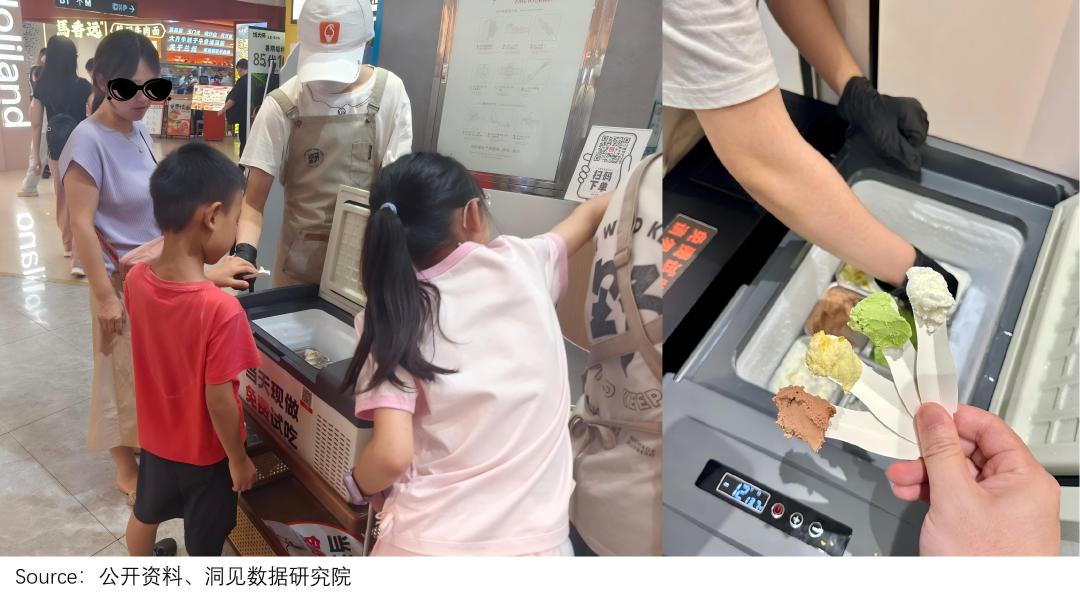
Even the tiny sampling link has been optimized to the extreme, reflecting that Gelato's path to breaking into the mainstream is far more difficult than imagined.
Lao Yuan once operated a remote store where eight out of every ten customers who walked in turned around and left upon hearing the price of over 20 yuan. "In most consumers' eyes, an ice cream should only cost five or six yuan," he said helplessly. He tried to explain Gelato's superior craftsmanship and ingredients, but to no avail — "People can't tell the difference between Italian-style and American-style ice cream."
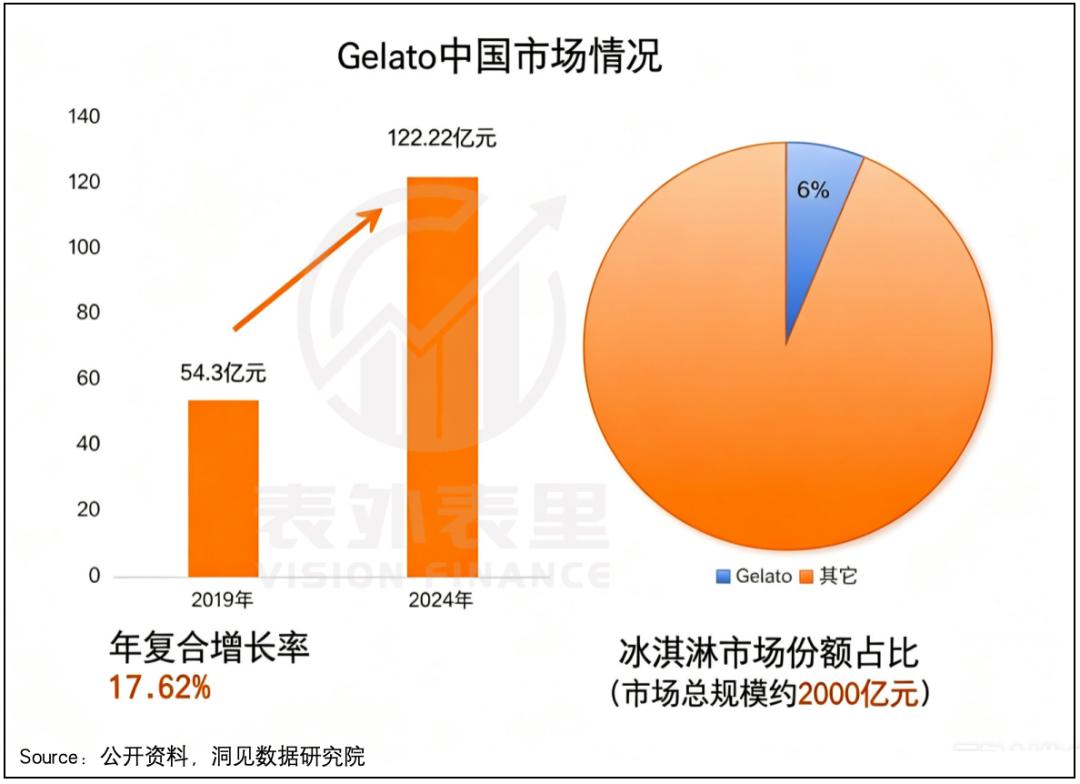
Currently, Gelato's core audience consists of middle-class consumers and novelty-seeking young people. Even among regulars at Lao Yuan's shop, those who come every two or three days count as high-frequency customers. Thus, while Gelato is the fastest-growing category in the broader ice cream market with a compound annual growth rate exceeding 17%, its market share remains only around 6%. "Simply put, Gelato is still a niche product."
However, in Hu Wending's eyes, the very definition of "niche" contains its opposite: opportunity.
He still remembers the excitement he felt when he discovered capsule ice cream machines in Japan over a decade ago. The capsule design is more portable and avoids the pain point of bacterial overgrowth at the soft-serve machine outlet, making it an ideal solution for widespread Gelato promotion. Back then, such equipment already covered 20,000 locations in Japan; replicating this model in China would create "a market of astronomical scale".
Gelato's potential is vast, and the key lies in letting more people see, understand, and taste it. Just like Mr. Wild's sampling strategy, which seems generous but is actually carefully calculated: rough estimates show that every 1 yuan spent on sampling costs can drive around 15.4 yuan in sales.
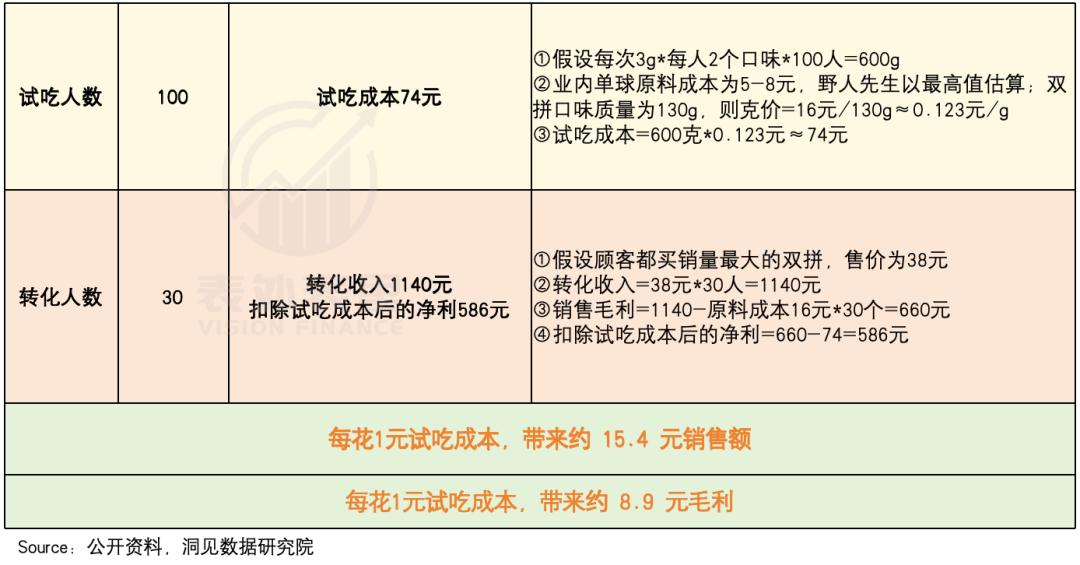
Behind this high conversion rate, ice cream taste is also critical. Hu Wending admits that Mr. Wild's smart move is to promote the concept of "freshly made same-day, no overnight stock". While its milk slurry and other raw materials aren't 100% freshly made on-site, the fact that products are produced in-store already puts it ahead of many competitors.
Tao Tao, a former Mr. Wild clerk, can speak to this firsthand. Every morning when he arrived at the store, he needed to steam rice, wash fruits, crush them, and mix them into the milk slurry. "There are store cameras to ensure that all inventory is either sold or discarded by the end of each day," he says. But there's almost never leftover stock, thanks to a "buy one get one free" promotion after 9 p.m.
After working there for a while, Tao Tao gradually figured out the brand's "operational art": maintaining an 85-point taste level, using sampling to attract customers, and implementing a "time-based sales" mechanism that eliminates inventory, reduces waste, and reinforces the perception of freshness.
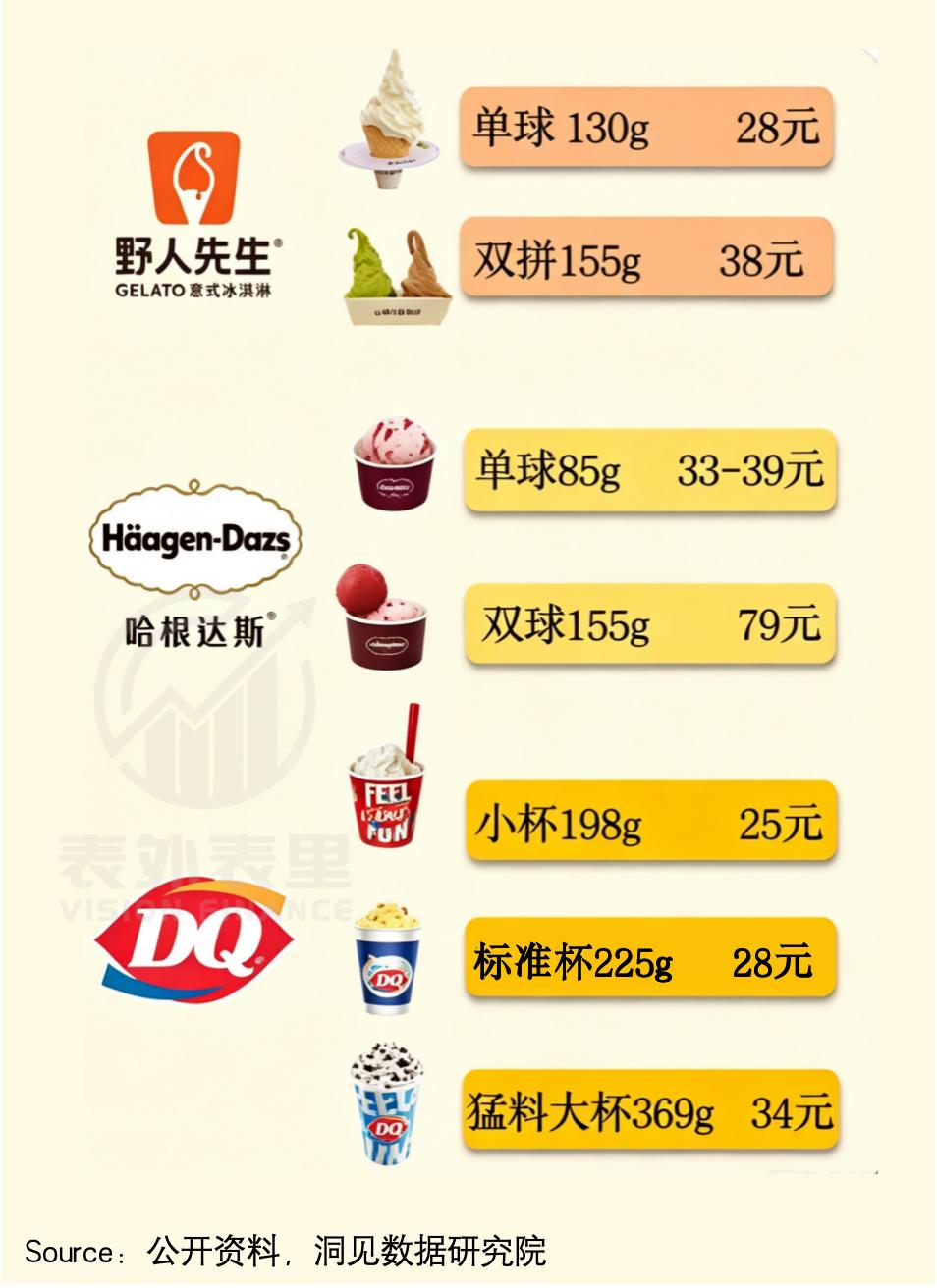
Such meticulous design permeates every aspect of the brand. Its best-selling dual-flavor offering matches Haagen-Dazs' single scoop in weight and price, but provides an extra flavor choice; it's slightly more expensive than DQ's products, yet avoids the guilt and anxiety of finishing a large portion, precisely catering to young people's desire for "indulgence with controlled calories".
Even the clerk's technique of serving ice cream is deliberately practiced. "You have to make the ice cream rise above the cup as much as possible, so it looks substantial — customers feel it's good value, and it photographs well," Tao Tao says.
However, in Lao Yuan's view, the real "survival skill" in the ice cream industry isn't product improvement or detailed operations. "Choosing a good store location matters more."
Gross profit margins start at 60%, with cost recovery within a year
All three brands sell high-end ice cream, yet they've taken completely divergent paths.
Bright, spacious, and stylishly decorated to the point where you might unconsciously ask yourself "Am I worthy of entering this store?" — that's Haagen-Dazs. DQ's stores are also decorated like fancy cake shops. Only Mr. Wild is the most unpolished, sometimes