Hefei's "Battle for Talent and Industry": Why Are Retail Giants Flocking to This Low-Key Provincial Capital?
A Single Business License That Stirred Up Half the Retail Industry
At the end of June 2026, a screenshot of business registration information circulated across several WeChat groups for retail industry practitioners.
The image itself was unremarkable: the enterprise name was ALDI Commercial Management (Hefei) Co., Ltd., with only a few lines of text covering its establishment date, registered capital, and business scope.
There was no press conference, no investment promotion event, and no high-profile publicity at all, yet the news rippled through the retail sector like a stone tossed into a calm lake.
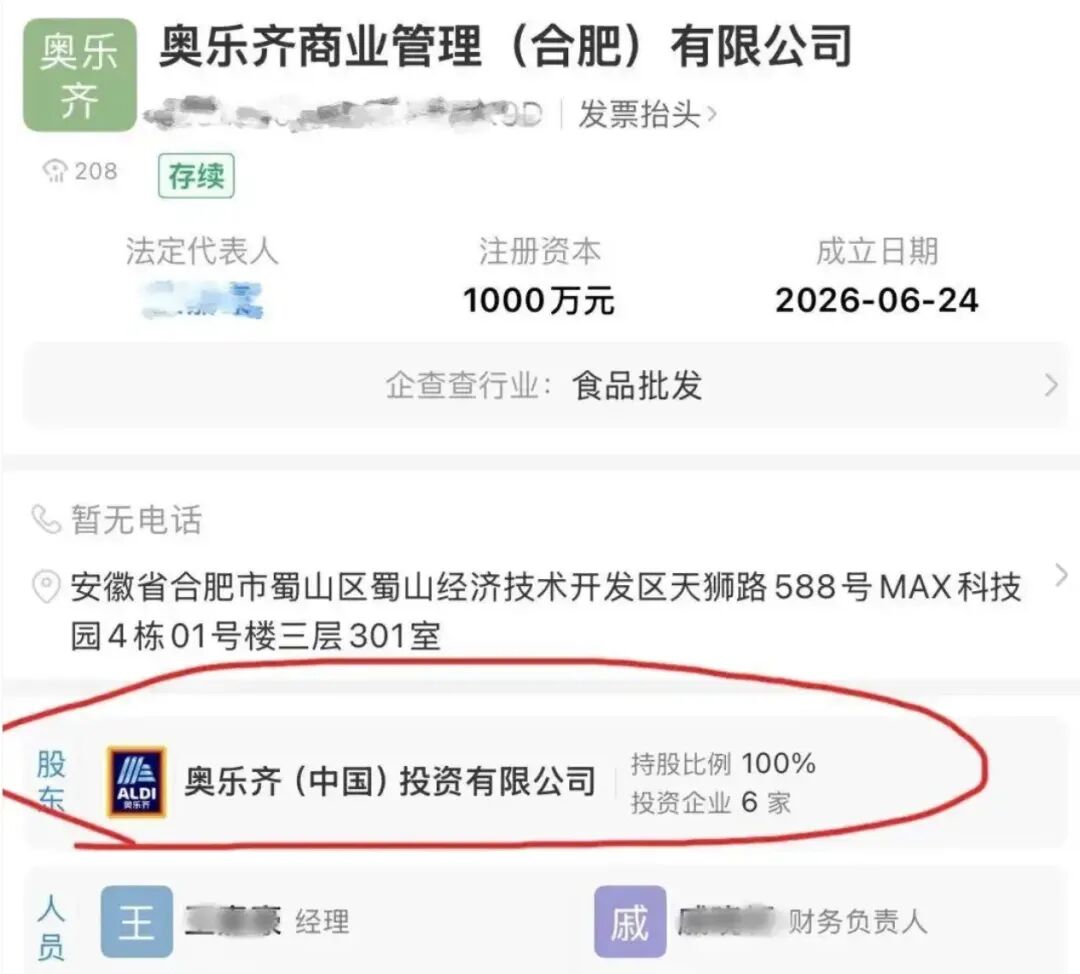
Management teams of numerous retail enterprises began discussing the same question: Why is Hefei ALDI's next stop?
A head of a regional supermarket chain in East China stated that he had visited Hefei multiple times and inspected many local businesses, including Fresh Legend, Sam's Club, Hejiafu Supermarket, Lianjia Supermarket, and Superbox NB. Once, after returning to Shanghai at 9 PM, he posted only a single moment on social media: "I didn't come here just to visit a specific store — I came to see the future."
Because ALDI is far from the only new arrival in Hefei. Over the past three years, this city has gathered nearly all the most critical forces shaping China's retail landscape.
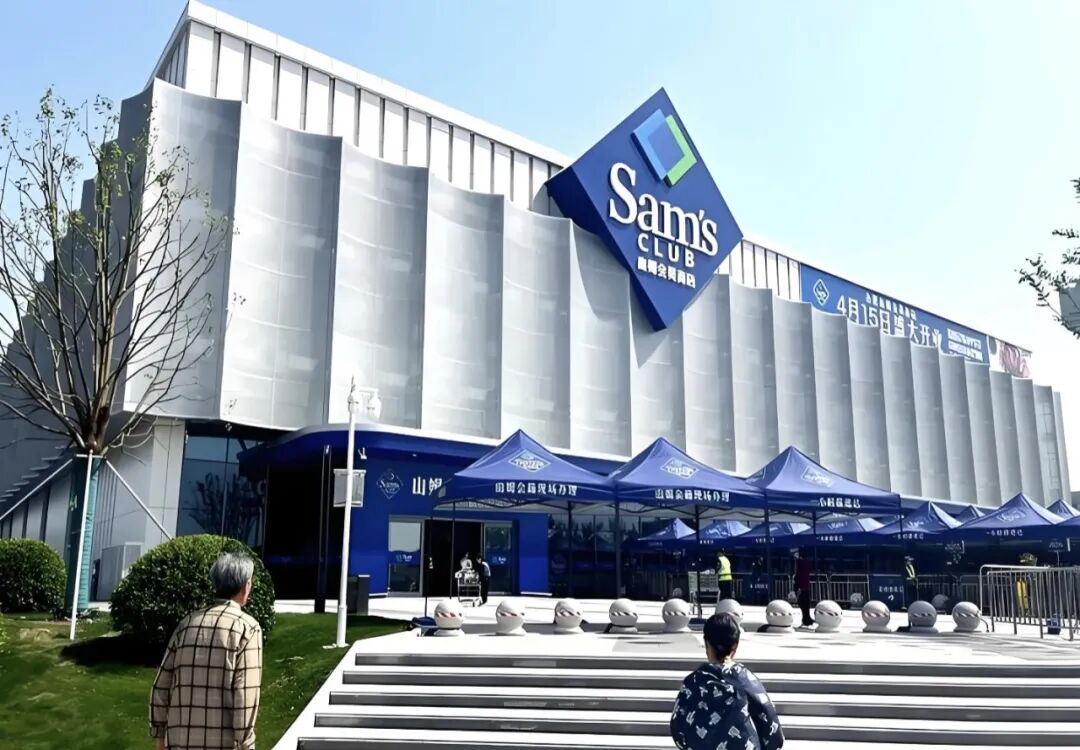
At the end of 2023, Sam's Club officially launched its first location in Hefei, marking its first store in Anhui province and a major step in expanding into the Yangtze River Delta hinterland.
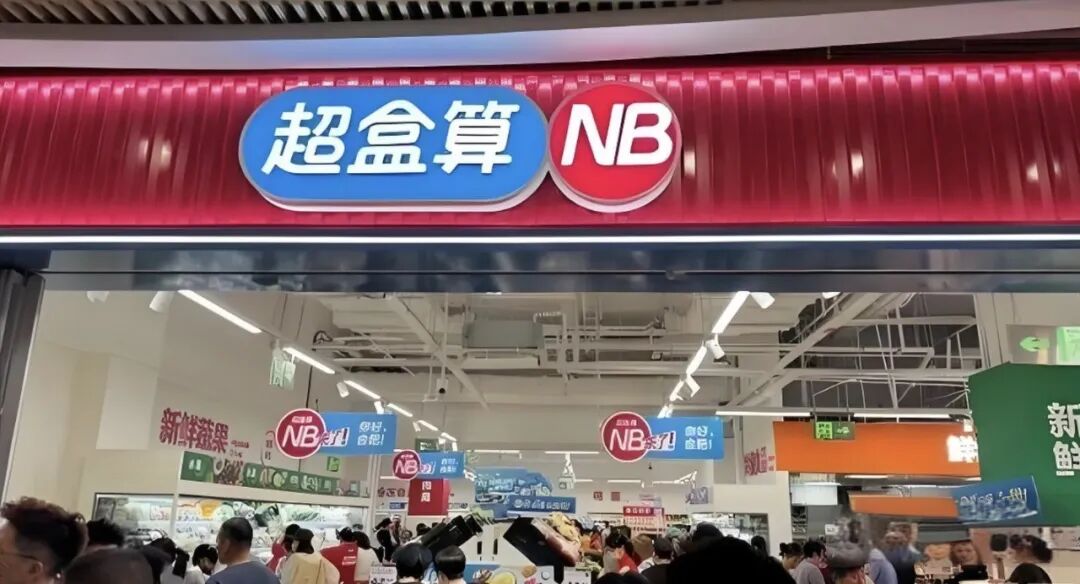
In May 2025, Superbox NB, the hard-discount format under Hema, entered the Hefei market with 3 stores opening simultaneously. By the end of June that year, Superbox NB operated more than 500 stores across 24 cities nationwide, accelerating its expansion from East China into core regions of North China, South China, and Southwest China.
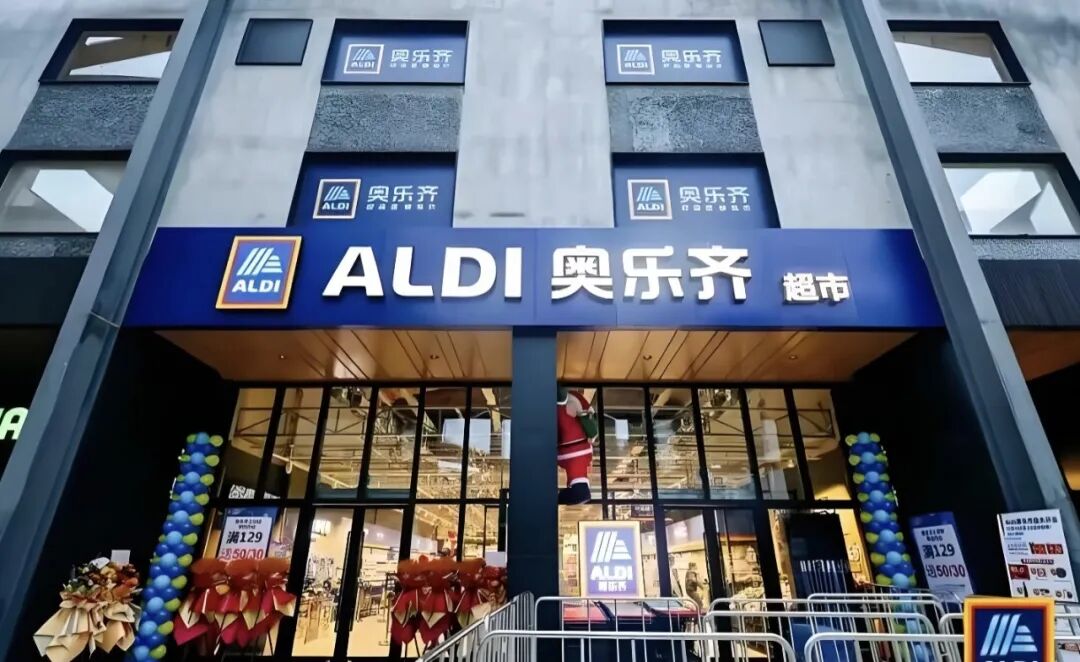
In June 2026, ALDI registered its Hefei subsidiary to prepare for official store openings. As the global pioneer of the hard-discount model, ALDI launched two stores in Shanghai back in June 2019, entered Suzhou, Wuxi, and Changzhou in Jiangsu province in 2025, and recorded total annual sales of 4 billion RMB. In 2026, ALDI expanded into Nanjing and Zhenjiang, reaching 100 stores across China by March that year.
Meanwhile, local retail leader Fresh Legend maintained its steady operational rhythm, while long-established supermarkets like Hejiafu, Lianjia, and Hongfu continued upgrading their stores to compete in the new market landscape.
If China's retail competition were a martial arts tournament, Hefei today would have gathered nearly every faction: membership stores, community fresh food shops, hard-discount outlets, traditional supermarkets, instant retail platforms, and warehouse-style stores — no format is missing.
Of course, no retail enterprise is willing to admit defeat, yet their core business logics are completely different.
Sam's Club believes its membership system cultivates highly loyal household consumption; ALDI argues that minimal SKUs and private labels represent the future; Superbox NB prioritizes building a hard-discount model tailored to the Chinese market; Fresh Legend insists supply chain capabilities define competitive strength; while Hejiafu, Lianjia, and Hongfu are convinced local enterprises hold irreplaceable advantages in community penetration.
In the past, China's retail industry often debated who would be the next Pangdonglai. Today, the real question has shifted to: Who will redefine how families buy groceries in the next era? The answer might very well lie in Hefei.
Many first-time visitors to Hefei describe it as a very "low-key" city. It lacks Shanghai's bustling glamour, Shenzhen's rapid pace, or Hangzhou's internet industry prestige. Even many Anhui natives remember that a decade ago, the most popular saying for new college graduates was: "Head to the Yangtze River Delta."
Back then, Hefei functioned more as a talent exporter. No one expected that in just over a decade, the city would achieve an astonishing turnaround.
This transformation didn't start in shopping malls — it began in factories.
Why Hefei, of All Places?
In 2008, when BOE Technology settled in Hefei, many people failed to understand the move.
Why would a display panel manufacturer choose a city in central China? Later, ChangXin Memory Technologies arrived, followed by Visionox, NIO, Volkswagen Anhui, and BYD. These companies either established their headquarters or production bases in Hefei, or set up local subsidiaries here.
Strategic emerging industries including new energy vehicles, integrated circuits, advanced displays, biomedicine, and artificial intelligence began to cluster, gradually forming complete industrial chains.
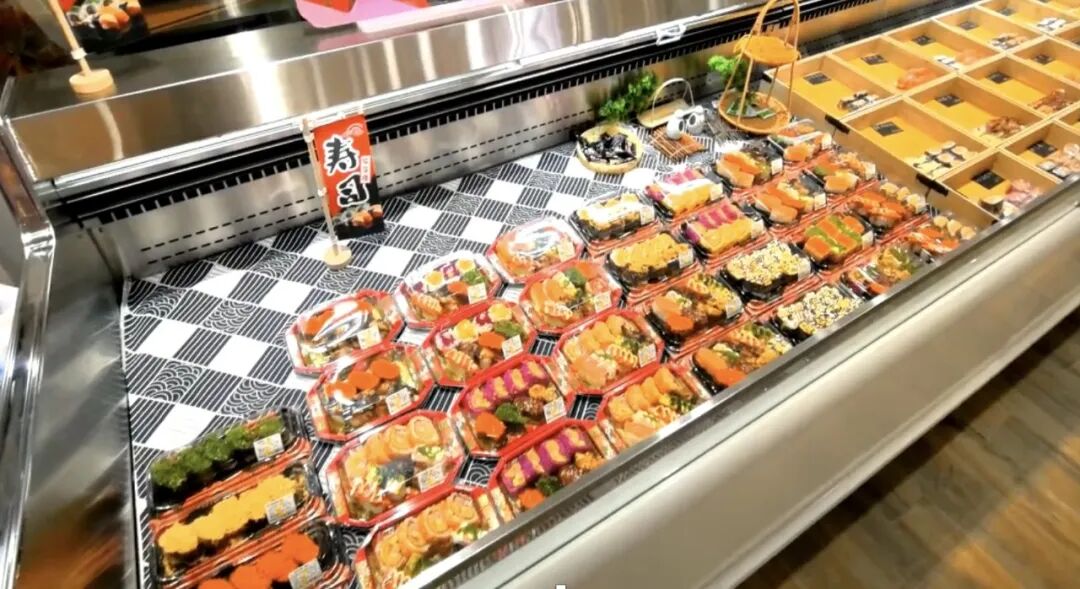
By 2025, Hefei's GDP exceeded 1.5 trillion RMB, its permanent resident population surpassed 10 million, and total retail sales of consumer goods broke through 600 billion RMB. More importantly, the city's per capita disposable income reached 58,930 RMB, representing a 5.5% year-on-year increase.
Additionally, the proportion of value added from strategic emerging industries continued to rise, with high-tech manufacturing becoming a key driver of economic growth.
If Hefei was once known as a "science and education city," it now resembles a "advanced manufacturing city." Industrial upgrading has brought far more than just factories — it has attracted a new generation of residents.
What retail enterprises truly chase is not GDP, but young people. This is one of the core reasons so many retailers are flocking to Hefei.
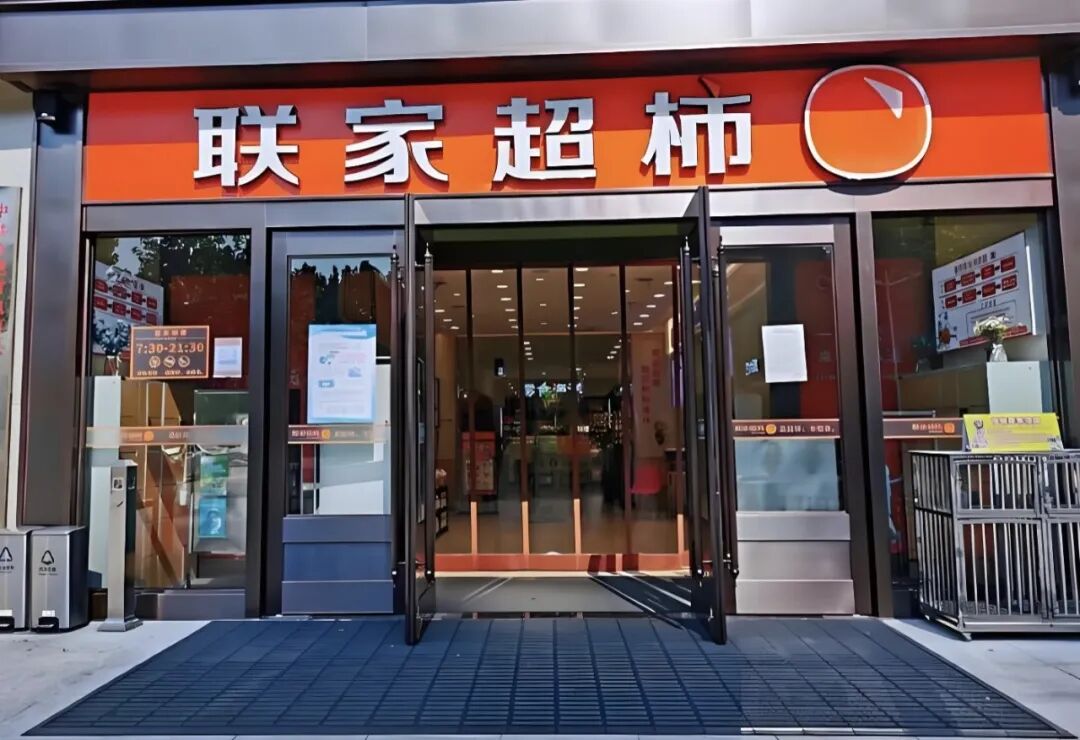
A senior executive in charge of national site selection for a retail chain stated that the top metric in their location model is the growth rate of the young population, rather than commercial floor space, number of shopping malls, or total consumption volume.
In other words, for many retailers, population growth ranks first when evaluating a new market, followed by industrial development, with consumption power coming in third.
"A company doesn't chase today's consumers — it chases the consumers of the next 10 years," he explained directly. "People in this age group will get married, have children, buy homes, renovate, and upgrade their lifestyles, representing consumption demand for the next two decades."
This statement nearly perfectly explains why more retailers are targeting Hefei: it represents one of China's fastest-growing cities, with ongoing industrial upgrading, continuous population inflow, rising household incomes, and evolving consumption patterns.
Many retailers are now expanding into Hefei's new urban districts — Binhu New Area, High-Tech Zone, Economic Development Zone, and Administrative District. These areas are not the most commercially bustling, but they are home to large numbers of young families, many of whom work at new energy vehicle factories, semiconductor firms, or research institutes.
These are exactly the consumers retailers are competing for.
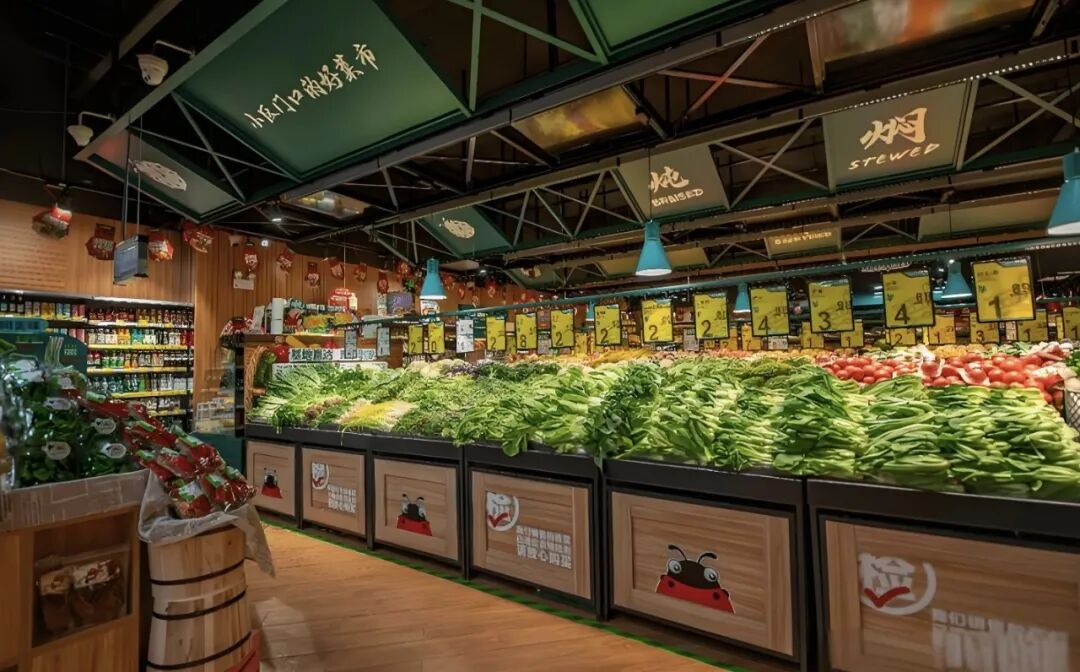
A regional manager at Fresh Legend noted that while their stores once sold mostly bulk fresh vegetables, sales of pre-prepared ingredients, cleaned produce, and small-packaged fruits have skyrocketed. Why? Because the consumer base has changed.
In the past, many households were multi-generational, with someone dedicated to cooking full-time. Today, more families are dual-income households with limited time for meal preparation, creating demand for more convenient food options.
When consumption patterns shift, retailers must adapt. Many out-of-town retailers initially made a wrong assumption about Hefei, believing local consumers were overly price-sensitive.
They later realized this was only half true. Hefei consumers actually have two defining traits: first, they love comparing options; second, they are willing to pay for quality.
A Sam's Club member shared a small anecdote: she used to shop for steaks at imported supermarkets, then switched to Sam's. Now, she buys daily fruits and vegetables from Fresh Legend, and makes a monthly trip to Sam's to stock up on milk and steaks. She laughed and said, "It's not about which store is the best — it's about which one fits my needs best."
In other words, modern consumers no longer stick to a single supermarket. They prioritize a convenient lifestyle, choosing different channels based on specific scenarios.
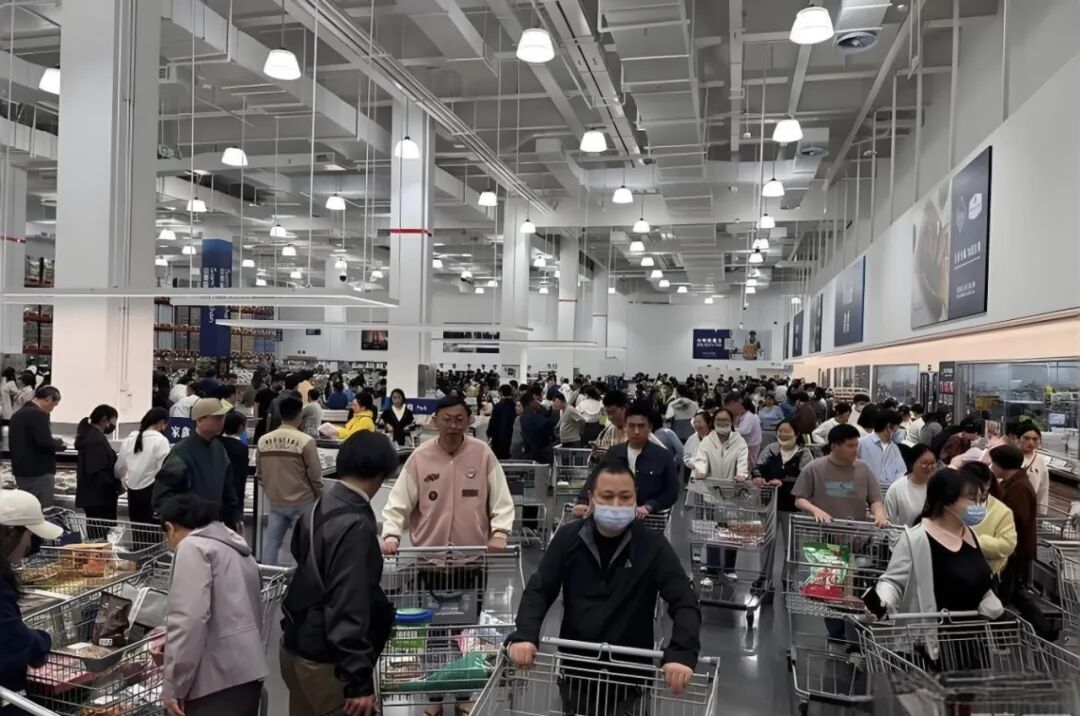
They buy hot pot ingredients from Sam's, then run downstairs to their neighborhood store when they realize they forgot eggs at 9 PM, and use instant delivery apps to place orders for unexpected guests.
Retailers used to compete for individual customers, but now they compete for daily life scenarios. The more scenarios a brand occupies, the closer it is to consumers, and the stronger its competitive advantage becomes.
Why is Hefei more valuable than many other provincial capitals? Beijing and Shanghai have extremely high consumption power, but their market profiles are unique. Shenzhen has a strong internet industry ecosystem, which is also atypical. Hefei, by contrast, embodies nearly all the characteristics of a new first-tier Chinese city: advanced manufacturing upgrading, steady population inflow, growing young families, and rational consumers.
Of course, Hefei's retail ecosystem integrates diverse formats and shopping experiences to meet the needs of different consumer groups.
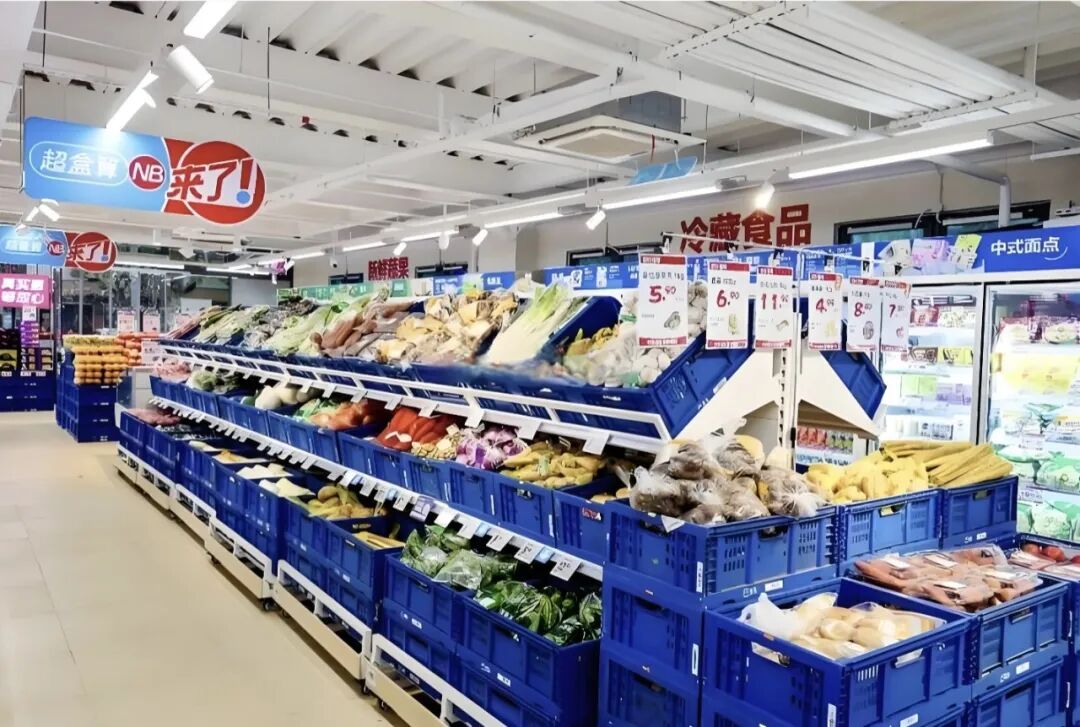
For retailers, cities like Hefei offer exceptional research value. If a business model proves successful here, it will likely be replicable in many other cities including Nanchang, Changsha, Zhengzhou, Fuzhou, and Jinan.
From another perspective, retailers come to Hefei not just to make profits — they come to validate their future strategies. What truly attracts enterprises is the city's upward momentum. A local Anhui entrepreneur once said, "Cities, like companies, fear nothing more than stagnant growth."
Looking at Hefei today, its industries, population, and household incomes are all growing. For retailers, this is far more appealing than any preferential investment policy.
There's an old saying in the retail industry: "Chasing trends is less effective than chasing population growth; chasing population growth is less effective than chasing industrial development." Industries create jobs, jobs attract people, and people drive consumption.
Consumption ultimately determines whether a supermarket can survive, which explains why Sam's entering Hefei and ALDI registering its local subsidiary are no coincidences.
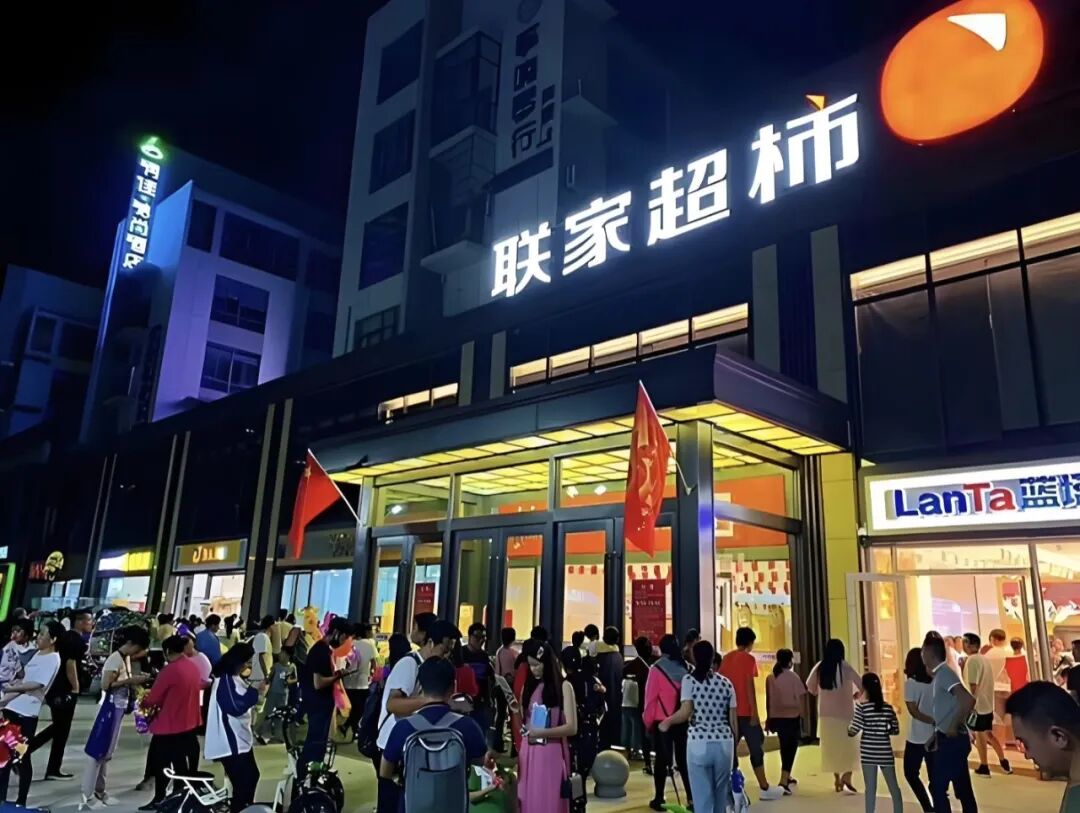
The simultaneous competition between Superbox NB, Fresh Legend, Hejiafu, Lianjia, and Hongfu is also no accident. They are all doing the same thing: placing early bets on a rapidly growing city.
What will ultimately determine their fate is how many new households form in Hefei over the next decade, and what new consumption habits these families develop.
This is Hefei's true allure.
Competing for the Same Dinner Table
Industrial transformation has reshaped the city and changed people's lives. More young people are choosing to stay in Hefei, and more outsiders are moving here.
A city's real transformation is not measured by how many skyscrapers it builds, but by how many young families it attracts. For retailers, this kind of city may not be the most profitable today, but it will likely be the most worthy of investment in the future.
One of the best representatives of Hefei's retail transformation is the Zhougudun Daxing Agricultural Products International Logistics Park, one of Anhui's largest agricultural distribution hubs.
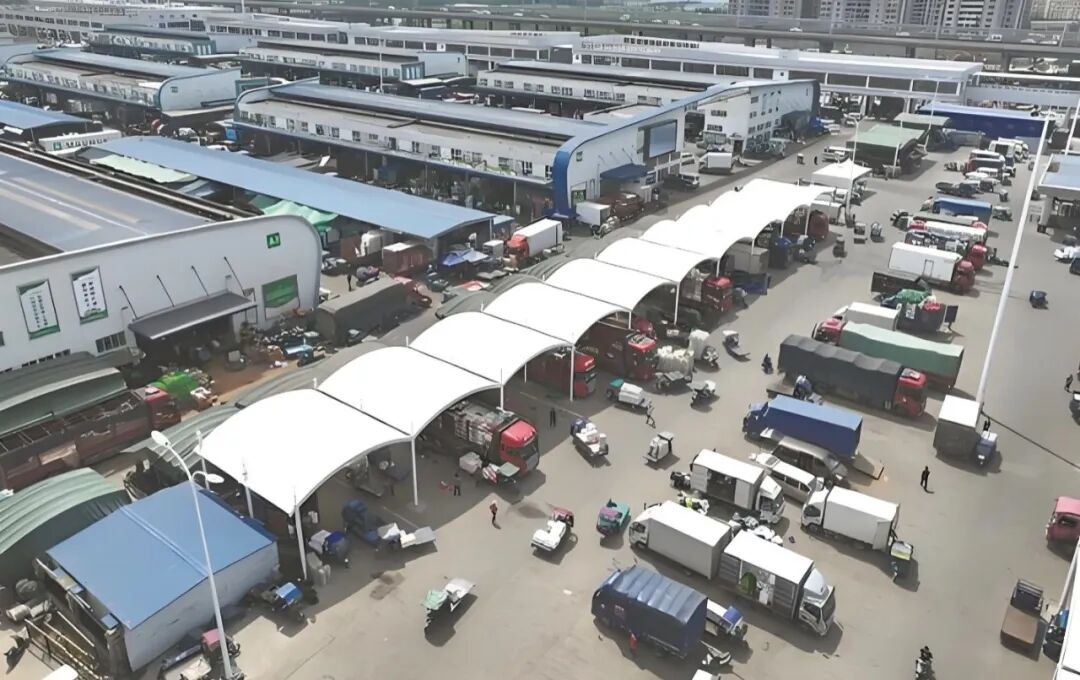
At 4 AM, the entire logistics park is brightly lit. Tomatoes from Shouguang in Shandong, blueberries from Mengzi in Yunnan, lychees from Hainan, aquatic products from Jiangsu, and Hami melons from Xinjiang — fresh produce from all across China is sorted here, then dispatched in different directions.
These retailers compete fiercely with each other during the day, but in the early morning, they