Investors are all buying air tickets to Hong Kong
The Hong Kong SAR Government is engaging in innovation investment with unprecedented intensity, and has become an important LP that cannot be ignored in the market.
This year, on flights to Hong Kong, it's easy to put together a "gathering of acquaintances".
"There are so many events, so many people, and the atmosphere is extremely vibrant," Cliff Chau, Managing Partner of EDA Capital, described the Hong Kong primary market through his eyes. He said that almost every week, forums, roadshows, and closed-door exchange meetings with different themes are held in Central, with participants ranging from bankers, investment institutions, buyers and sellers, to entrepreneurs and heads of industrial capital. "Looking at the investment and financing activities over the past year or so, they are significantly more intensive than before, and especially after entering 2026, the momentum continues to heat up."
This is not a feeling exclusive to Cliff. Since the beginning of this year, a series of large-scale international financial events have been held intensively in Hong Kong, including the Annual Meeting of the Asian and Oceanian Stock Exchanges Federation and the HSBC Global Investment Summit. The conference venues in core business districts such as Central, Admiralty, and Wan Chai are almost fully booked for every event, with global capital, projects, and talents continuously converging here.
This scene can't help but remind people of Singapore two or three years ago. Back in 2022, we reported the article "Heard That Hotels in Singapore Are Fully Booked in September". At that time, the global public health events had just come to an end, and the primary market was still in a cold winter. In particular, many institutions represented by US dollar funds faced fundraising pressure. Relying on its relatively loose policy environment, internationalized financial system, and geographical advantages connecting Southeast Asia, Singapore became a new foothold for capital. More and more funds and startups set up offices there, hoping to radiate to the Southeast Asian market and access new sources of capital from the Middle East, Europe, Australia, and local Southeast Asia.
Today's warming up of Hong Kong follows a similar logic to some extent, but the driving forces behind it are distinctly different.
In addition to the long-active capital forces such as traditional overseas LPs and family offices, the Hong Kong SAR Government is engaging in innovation investment with unprecedented intensity, and has become an important LP that cannot be ignored in the market.
In February 2026, the Hong Kong SAR Government announced the 2026-2027 Financial Budget, declaring the establishment of a HK$10 billion "Innovation and Technology Industry Guiding Fund" to further increase support for the innovation and technology industry. At the same time, the new Capital Investment Entrant Scheme portfolio managed by New Frontier Capital Investment Co., Ltd. has a capital group size of no less than HK$3 billion; the second is the Innovation and Technology Accelerator Pilot Scheme, which provides up to HK$30 million in funding for professional startup service institutions through a 1:2 matching method, with a total size of about HK$180 million.
However, the rush of GPs to Hong Kong does not mean that capital is within easy reach.
In April this year, Hong Kong announced a new batch of co-investment arrangements, with only 9 fund management institutions obtaining government capital injection qualifications and becoming the first batch of selected GPs under the Optimized Innovation and Technology Venture Fund Scheme, most of which are from the Chinese mainland. A head of a successfully selected institution told us that the Hong Kong government's inspection focus on managers is not simply the AUM, but their investment capabilities in the field of technology innovation, industrial understanding, and professional experience in accompanying the long-term growth of enterprises.
Precisely because of this, more and more GPs are starting to set their sights on Hong Kong. In the view of many institutions, this not only means a sum of capital, but also an opportunity to enter Hong Kong's innovation capital system. Of course, this is not an easy task.
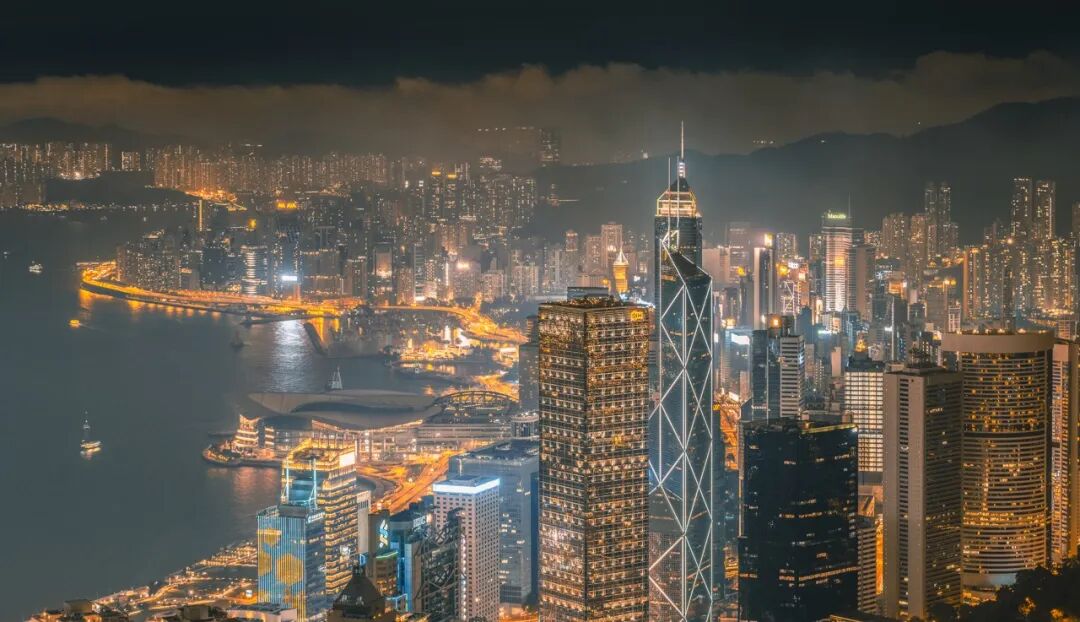
An Unmissable Stop
If you are engaged in US dollar fund fundraising, Hong Kong is definitely an unmissable stop.
As an international financial center, Hong Kong's importance goes without saying. But if we turn back the clock two or three years, we can understand the deeper meaning behind this statement. "After ten years away from Hong Kong, what I see is a somewhat faded city," a friend from a dual-currency fund expressed this feeling. "In the past, I felt that opportunities were everywhere here, and the city was full of vitality; when I came back later, I felt that the pace had slowed down a bit, and the sense of prosperity was not as strong."
This change is not just an individual feeling. SuperReturn Asia, the long-standing international private equity conference that was once permanently based in Hong Kong, once moved its venue to Singapore; many investment institutions also adjusted their Asia-Pacific layouts. The annual meeting of this institution itself was mainly held in Shanghai in the past, and moved to Singapore during the pandemic.
But now, the trend is quietly changing.
"Now many institutions' Asia-Pacific teams have returned to Hong Kong," the partner said. Judging from public actions, this trend is already traceable: Chenyi Investment set up an office in Hong Kong and launched a new US dollar fund, CAS Investment Development jointly with the University of Hong Kong initiated a venture capital fund that completed its first close, Shanghai SDIC's Futeng Capital landed in Hong Kong, and China Renaissance positioned Hong Kong as its third core node after Shanghai and Beijing, even defining it as a kind of "re-entrepreneurship".
EDA Capital officially opened its Hong Kong office last year. Due to matters such as project applications and fund establishment, Managing Partner Cliff Chau travels between the two places almost every month. "I often run into many mainland teams coming to Hong Kong to source projects, seek capital, and meet government departments," he said. Whether at Invest Hong Kong or relevant institutions responsible for promoting innovation and technology investment, figures of mainland entrepreneurs and investors can be seen everywhere.
What's even more intensive are the startup events, industrial forums, and project roadshows that almost fill up the schedule. From artificial intelligence, embodied intelligence to life sciences and advanced manufacturing, more and more technology enterprises are taking Hong Kong as an important stop to connect with international capital, carry out cross-border exchanges, and launch global layouts.
As the most sensitive barometer of capital sentiment, transactions in the art market have already delivered their answers. On the eve of the Spring Festival, when I visited the Hong Kong Palace Museum, I could clearly feel the re-gathering of people and vitality in this city. After the start of the new year, the data from the auction market further confirmed this perception.
Art Basel Hong Kong 2026 attracted about 91,500 visitors in total, setting a record for the number of visitors in recent years; the spring auctions held concurrently by Sotheby's, Christie's, and others refreshed more than 28 auction records, with active market transactions. Among them, the work *Grand Canyon (No. 7)* by Joan Mitchell, the American master of abstract expressionism, was sold for HK$137 million at Sotheby's Hong Kong, far exceeding the estimated price, also setting a new auction record for this artist in the Asian market, and becoming one of the highest-priced works by a female artist in Asian auction history.
"Capital itself is fluid. You can open an account in Singapore today, and transfer it back to Hong Kong tomorrow. There is no need to mechanically classify capital as belonging to a certain city."
Over the past few years, some institutions focusing on Greater China investment have also tried to place their teams in Singapore, but eventually found the effect limited. Cliff believes that Singapore is more suitable as a regional headquarters covering the Southeast Asian and Indian markets, while if the core business remains China-focused, Hong Kong still has more advantages in terms of geographical location, talent pool, information access, and travel efficiency.
"If you want to cover the Chinese market, Hong Kong is always the most convenient foothold," he said.
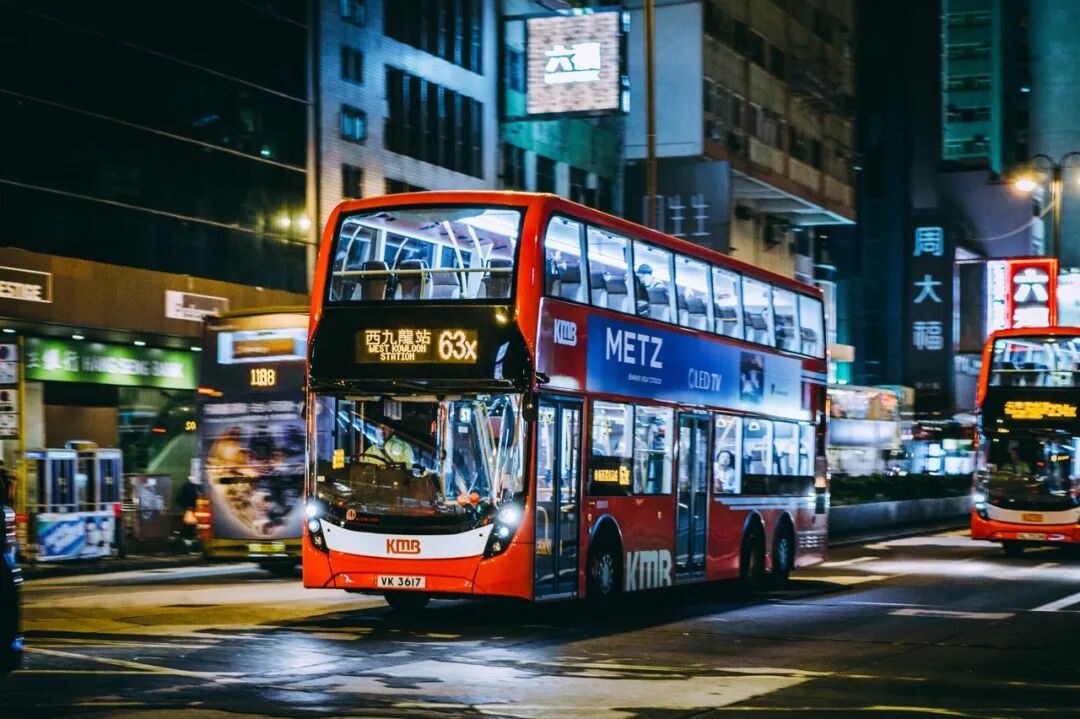
Mainland GPs Are All Here
The re-activation of Hong Kong's primary market is inseparable from the Hong Kong government's continuous increasing efforts in layout in recent years.
Over the past few years, the Hong Kong SAR Government has taken frequent actions in the field of innovation and technology investment. In 2022, the Hong Kong government allocated HK$30 billion to set up the "Co-Investment Fund" for introducing and investing in enterprises that settle in Hong Kong; later, it launched the HK$10 billion "Innovation and Technology Industry Guiding Fund", focusing on supporting strategic emerging industries such as life health technology, artificial intelligence and robotics, and advanced manufacturing.
It is worth noting that in this round of opportunities, it is not traditional PE institutions or US dollar funds that have the upper hand, but GPs who have long been deeply engaged in technology investment and are familiar with the mainland's innovation ecosystem.
In April this year, the Innovation and Technology Commission of Hong Kong announced the list of the first batch of 9 fund management institutions selected in principle under the Optimized Innovation and Technology Venture Fund Scheme. Standing out from 65 applicants, they will become the Hong Kong government's key partners in the first round.
This list covers platform-type managers with both industrial resources and institutional backgrounds such as CMB International and SSI Capital, as well as market-oriented venture capital institutions such as Cowin Investment, DT Capital, and Gobi Partners, and multiple teams with cross-border resource integration capabilities. Among them, more than half of the selected institutions have mainland backgrounds.
Several interviewed GPs told 36Kr that from the perspective of operational logic, this system is quite similar to the mainland's government guiding funds. By leveraging financial capital to play a leveraging role, guiding social capital to participate together, and ultimately realizing industrial agglomeration and innovation ecosystem construction, rather than just pursuing financial returns.
Reflected in this round of GP list, it is not difficult to understand the Hong Kong government's considerations. On the one hand, large institutions are needed to provide stable fundraising capabilities, industrial resources, and international networks; on the other hand, professional VCs are needed to give full play to the advantages of market-oriented investment, contributing experience in technology project screening, post-investment empowerment, and entrepreneurial services. Leveraging the capabilities of different types of GPs to connect Hong Kong's scientific research system, mainland innovation resources, and global capital networks has become an important goal of the policy.
A head of a mainland GP that was finally selected revealed to us that during the review process, what the Hong Kong government values most is not the fund's AUM, but whether the institution truly has professional capabilities in technology investment.
"First, we look at whether the team has been doing technology investment for a long time. If they have been engaged in traditional finance or general PE and lack continuous accumulation in hard technology, it will be difficult to gain recognition," he said. Which projects the institution has invested in in the past, whether it has long been deeply engaged in the technology innovation track, and whether it has formed a stable methodology will all become important evaluation criteria.
Compared with simply pursuing financial returns, the Hong Kong government is more concerned about what GPs can bring to Hong Kong's innovation ecosystem.
"It's not just about investing out the capital and calling it done; we hope you can bring projects, talents, and industrial resources to Hong Kong," the aforementioned person introduced. During the review process, whether the institution can attract high-quality technology enterprises to settle in, promote the transformation of scientific research achievements, and connect local universities and industrial resources are all important considerations.
At the same time, the government also attaches great importance to GPs' understanding of Hong Kong's local innovation system, including whether they have a stable project pipeline, whether they have established long-term cooperation with local universities and scientific research institutions, and whether they can continuously discover Hong Kong's original scientific and technological achievements.
"We have long-term cooperation with many professors from the Hong Kong University of Science and Technology and the University of Hong Kong, and we are quite familiar with local scientific research projects. This may also be one of our advantages," the GP admitted frankly. In terms of AUM, they may not be the largest institution, but what really impressed the reviewers is likely to be the technology investment capabilities formed through years of accumulation, as well as the resource integration capabilities that connect Hong Kong, the mainland, and the international market.
Easy to Buy a Plane Ticket, Hard to Get an Opportunity
Although more and more mainland GPs have changed their destinations to Hong Kong, only a few people can actually raise capital successfully.
"Opportunities do exist, but they are not as large as everyone imagines," a partner who has long managed dual-currency funds told me. In his view, the attitude of market-oriented US dollar LPs towards Chinese assets has indeed picked up in the past few years, but there is still a certain distance before large-scale reallocation. Canada Pension Plan, European and American institutions, Middle Eastern capital, and large family offices have always been in Hong Kong; they have not left, but their allocation logic has not fundamentally changed. "The ones who can really get this capital are still the leading institutions that have been doing US dollar funds for a long time and have built international reputations," he said.
There are at least three factors behind this:
First, the challenges from regulatory rules. Many mainland GPs mentioned that their first impression when fundraising in Hong Kong is not that "there is a lot of capital", but that "there are a lot of rules". Different from the operating model familiar to RMB funds, carrying out asset management business in Hong Kong requires adapting to a more mature international regulatory system. From license management to anti-money laundering (AML), customer due diligence (KYC), information disclosure, to internal control and continuous compliance, there is a complete and strict set of requirements. Up to now, the number of active institutions holding Type 9 (Asset Management) licenses in Hong Kong has reached thousands, and the competition itself is extremely fierce.
Second, there are also differences in the decision-making logic of LPs. Whether for international institutions or family offices, their due diligence cycles are usually longer than those in the mainland, and they have mature standards for fund governance, cross-border structures, historical performance, and risk control. The old way of building connections through a few rounds of roadshows that worked in the RMB market often doesn't work in Hong Kong. GPs need to spend more time building trust before they can enter the real investment process.
In addition, operating costs are also a practical threshold. Office rents and labor costs in Hong Kong have long been at high levels, and the supply of compound talents who not only understand hard technology but also are familiar with cross-border capital operations is limited. For many small and medium-sized GPs, maintaining a complete Hong Kong team for a long time just to raise a fund is not a cost-effective business.
This demand has even spawned a new service industry. Some Hong Kong GPs that were originally active in the local market no longer insist on raising their own funds and making investments, but transform into "Hong Kong butlers" for mainland institutions, providing one-stop services such as office setup, administrative operations, licensed support, compliance management, and local liaison, helping the latter complete their Hong Kong layout at lower costs.
The heat is definitely there, but only a few people can truly get the "admission ticket".
This article is from WeChat Official Account "36Kr China" , author: Xianghui Wei, published with authorization from 36Kr.