The implementation of the new national standard for power batteries: Behind the strict "no fire" threshold, the "tug-of-war" over costs has become the key
On July 1, 2026, two mandatory national standards for electric vehicles, "Safety Requirements for Traction Batteries for Electric Vehicles" (GB 38031—2025) and "Electric Vehicle Safety Requirements" (GB 18384—2025), were officially implemented simultaneously. These two standards, hailed by the industry as "the strictest battery safety regulation in history," directly upgrade the thermal runaway safety requirements for traction batteries from the old version's "5-minute warning before fire" to "no fire or explosion for at least 2 hours after thermal runaway," and add multiple rigorous assessment items including underbody impact tests and safety tests after 300 fast-charging cycles.
With the implementation of the new regulation, the focus of industry discussions is no longer limited to technical safety aspects, but extends to exploring how automakers can share the newly added compliance costs, whether price fluctuations will occur in the entry-level mobility vehicle market, and whether consumers are willing to accept price increases for higher safety performance. Leading enterprises rely on large-scale production capacity to buffer cost pressures, while brands focusing on the low-price market lack bargaining power and face survival crises.
The Compliance Exam Accelerates Industry Shuffling
Following the launch of the new national standards, a clear differentiation trend has emerged in the industry. CATL and BYD took the lead in announcing that all their product lines have passed the new national standard tests, with BYD's Blade Battery and Fast-Charging Blade Battery completing all test items as early as May 2025. By the end of June, 16 automakers had officially announced their batteries meet the standards, covering brands such as Xpeng's full lineup, Zeekr, Voyah, Geely, BYD, Great Wall, GAC Toyota's bZ series, Dongfeng Nissan N7, Exeed Sterra ET, and Leapmotor. China Central Television also named GAC Toyota's bZ3X and bZ7 as the first batch of compliant models.
Compared to the composure of leading enterprises, small and medium-sized battery manufacturers and some automakers producing low-end models are facing severe challenges. Industry calculations show that after enterprises modify their traction batteries to adapt to the new standards, the comprehensive cost per unit of electricity will increase by 15%-20%. Transmitted to the vehicle manufacturing end, the manufacturing cost per vehicle will rise by 4,000 to 6,500 yuan. This cost includes not only the redesign and verification expenses for components such as battery pack structural parts, thermal insulation materials, BMS (Battery Management System), and high-voltage relays, but also the fixed investments in production line transformation, laboratory construction, and full-chain traceability system development. The additional cost pressure can hardly be transferred through terminal pricing.
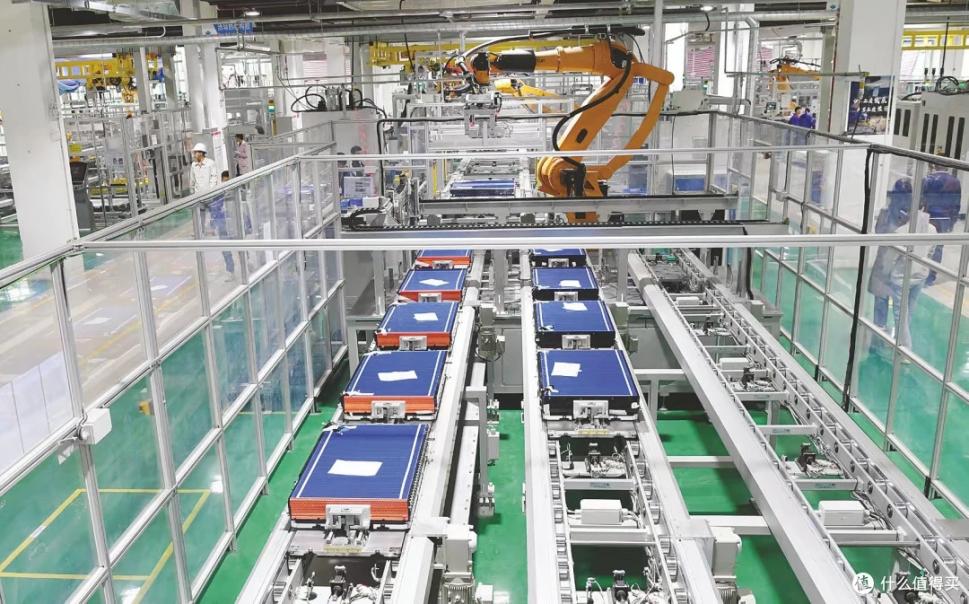
The industry generally expects that the new national standards will accelerate the exit of 30% to 40% of small and medium-sized cell factories. Many automakers have begun adjusting their supply chain strategies after the implementation of the new standards, with mainstream automakers (such as Harmony Intelligent Mobility, Li Auto, Xpeng, etc.) building a "diversified decentralized" supply system. That is, on the premise of ensuring all suppliers meet the new national standards, they introduce second and third suppliers such as Gotion High-Tech, CALB, and Sunwoda to form a strategy of "primary supplier for main supply + secondary supplier for auxiliary supply", which not only avoids the risk of supply disruption from a single supplier but also controls costs through internal price comparison.
The issue of who will ultimately bear the rising costs has become another focus: some automakers choose to absorb part of the costs themselves to maintain market competitiveness. Brands including BYD and Geely have explicitly stated that they will not raise prices, but offset the cost increments through scale effects and technical optimization. Other automakers have adopted phased adjustment strategies, selling both old and new national standard models during the transition period to leave consumers with choices while gaining time for their own technical transformation.
At present, compliance cost pressure is being transmitted layer by layer along the chain of "materials - traction battery enterprises - automakers". Against the background of the new national standards' implementation, small and medium-sized battery enterprises are facing increased compliance costs, and industrial reshuffling will significantly accelerate. However, equating second- and third-tier enterprises with "about to exit" overestimates the speed of market clearing. Some small and medium-sized battery factories can avoid direct competition in the passenger vehicle market and turn to tracks such as energy storage, two-wheeled vehicles, and special vehicles, so market clearing will not happen overnight.
Nevertheless, the industry consensus is that in the long run, reasonable transmission of compliance costs is an inevitable trend. Consumers will pay a certain premium for higher safety standards, though the premium range will be controlled within a reasonable scope through market competition.
Safety Bottom Line Raised, But Can Concerns Truly Disappear?
The implementation of the new national standards has made the comparison of advantages and disadvantages between different technical routes more concrete.
The LFP (Lithium Iron Phosphate) route demonstrates natural thermal stability advantages under the framework of the new national standards. BYD's Blade Battery, a representative of this route, took the lead in passing the industry benchmark 5mm steel nail penetration test, showing no open flame or smoke after puncture, with the temperature only rising to 30 to 60 degrees Celsius — far lower than the over 500 degrees Celsius high temperature of ternary lithium batteries after puncture. BYD's second-generation Blade Battery further extends the thermal runaway protection time from the 2-hour requirement of the national standard to more than 24 hours. In terms of underbody impact tests, BYD claims that the second-generation Blade Battery has passed tests with impact force 10 times the national standard requirement. With the same 100kWh capacity, the Blade Battery is about 12% lighter than ternary lithium batteries.
CATL has taken a different technical path. Its Qilin Battery achieves thermal runaway protection through structural innovation and material system optimization. Zeekr became one of the first new energy automakers whose traction batteries meet the new national standards, with its vehicles equipped with Qilin Batteries. Wu Kai, chief scientist of CATL, stated that after the implementation of the new national standards, "the spontaneous combustion rate of Chinese new energy vehicles will be an order of magnitude lower than that of fuel vehicles."
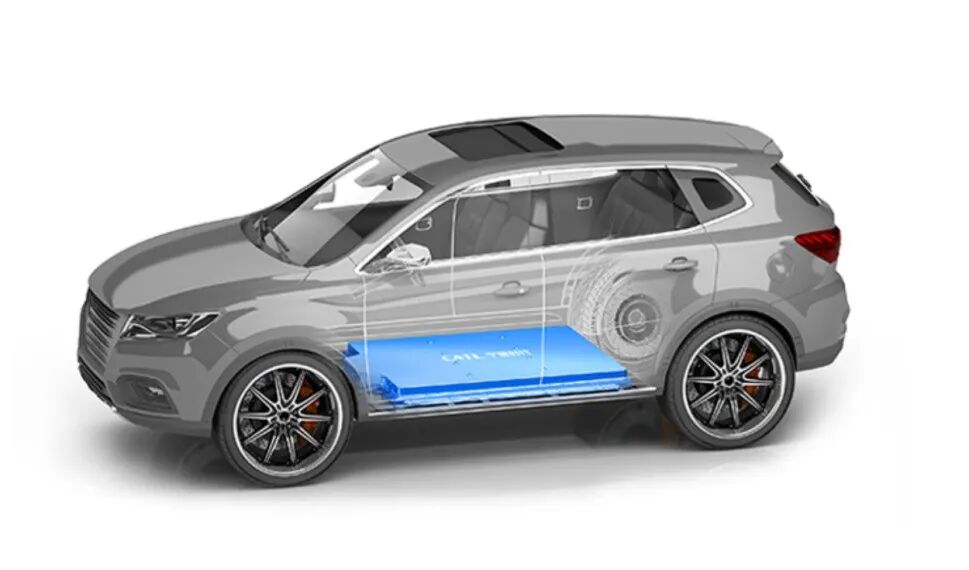
From the perspective of industrial trends, the new national standards are pushing the R&D focus from simply pursuing energy density to prioritizing safety performance. The iteration of liquid batteries focuses on thermal insulation, heat dissipation, and explosion-proof technologies, while the industrialization process of semi-solid and all-solid-state batteries is also accelerating. New technologies such as solid-state batteries and sodium-ion batteries have ushered in a window for market implementation.
For consumers, the most direct impact of the new national standards is raising the overall battery safety bottom line of the market. In the past, spontaneous combustion, undercarriage collision fires, and deflagration after long-term fast charging were core concerns for car buyers. After the implementation of the mandatory standards, three levels of active protection are established from the cell, separator, and thermal management system to the vehicle end, which can theoretically significantly reduce accident probabilities.
It should be noted that the new national standards mainly target newly produced and newly qualified electric vehicle products, and do not require retrospective rectification of existing vehicles on the road. This means consumers can take the new national standards as a safety reference when purchasing new cars, but existing vehicles already in use are not constrained by these standards.
However, whether the improvement of safety standards can truly reverse consumers' concerns about electric vehicle spontaneous combustion remains a question that requires time to verify. The verification cycle for battery quality is very long, and potential defects often emerge only after vehicles have been used for three to five years. If those small-market-share second- and third-tier battery brands go bankrupt, who will take responsibility for car owners? Performance degradation issues such as range attenuation, slower charging, and capacity shrinkage are not yet classified as legal "defects".
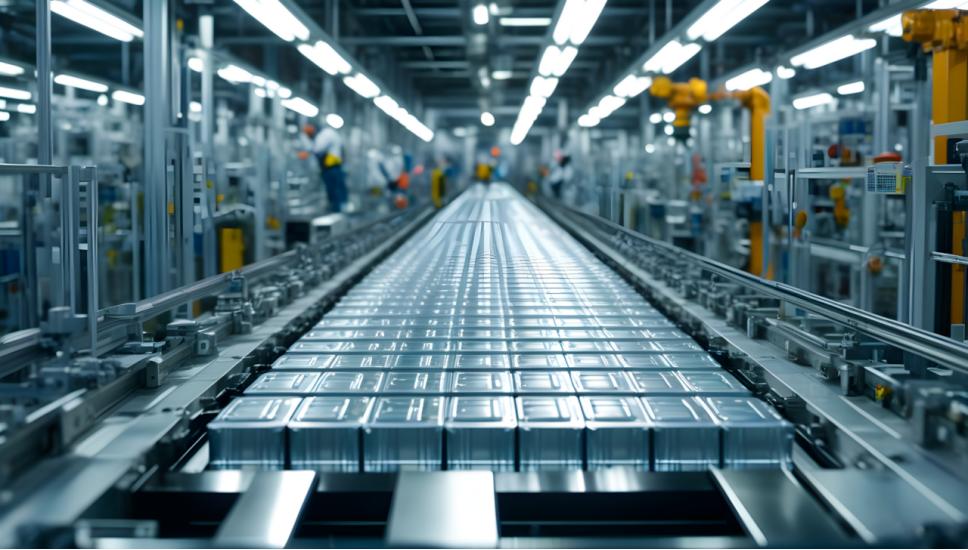
According to Auto Market Insight, most brands have completed technical upgrades for their models in advance, and all brand-new vehicles on sale meet the new national standards. Data from the Passenger Car Market Information Joint Committee of the China Automobile Dealers Association shows that the retail sales of new energy passenger vehicles in June 2026 are expected to reach 1.05 million units, a month-on-month increase of 10.5%, with a penetration rate of about 63.6%. From the market data, the new national standards have not yet produced a significant short-term inhibitory effect on terminal consumption.
From "5-minute escape window" to "2-hour no-fire guarantee", the new national standards not only upgrade technical indicators but also impose strict requirements starting from the product design stage. This strict threshold has shown its impact in the first week of implementation: leading enterprises have turned it into a competitive moat, mid-tier enterprises are weighing between profits and compliance, and trailing enterprises are facing choices of transformation or exit. In the short term, the new national standards are a major industry compliance exam, while in the long term, they act as an accelerator for industrial upgrading. However, the direction and pace of this "acceleration" depend on the specific choices of each enterprise among technology, cost, and market.