Ice cream is no longer selling well? That's ice pops.
In the summer of 2026, the traditional frozen dessert market is facing an unusually harsh downturn.
Is ice cream really failing to sell? The summer heat relief market maintains steady rigid demand: affordable ice pops still see stable sales volume, and freshly made ice cream is experiencing rapid growth, forming a new emerging consumption trend in the market.
What is truly losing momentum is traditional ice pops, especially those so-called "ice cream assassins" that catch consumers off guard with unexpectedly high prices.
Peak Season Fails to Thrive, Ice Pop Market Cools Down
June and July each year are traditionally the peak sales season for frozen desserts. In previous years, distributors would have stocked up in advance by this time, and retail terminals would maintain strong sales. However, this year, the topic of "ice cream not selling well" has repeatedly hit social media trending lists.
According to on-site investigations by authoritative media, feedback from distribution channels in Wuhan, Chongqing, Xi'an and many other regions shows that sales of traditional packaged ice pops have plummeted by 40% to 50% year-on-year, with even steeper declines recorded in neighborhood convenience stores.
Some offline retailers report that this year's ice pop business has hit its worst performance in nearly five years, and the monthly profit from ice pop sales at some stores cannot even cover the electricity cost for their freezers.
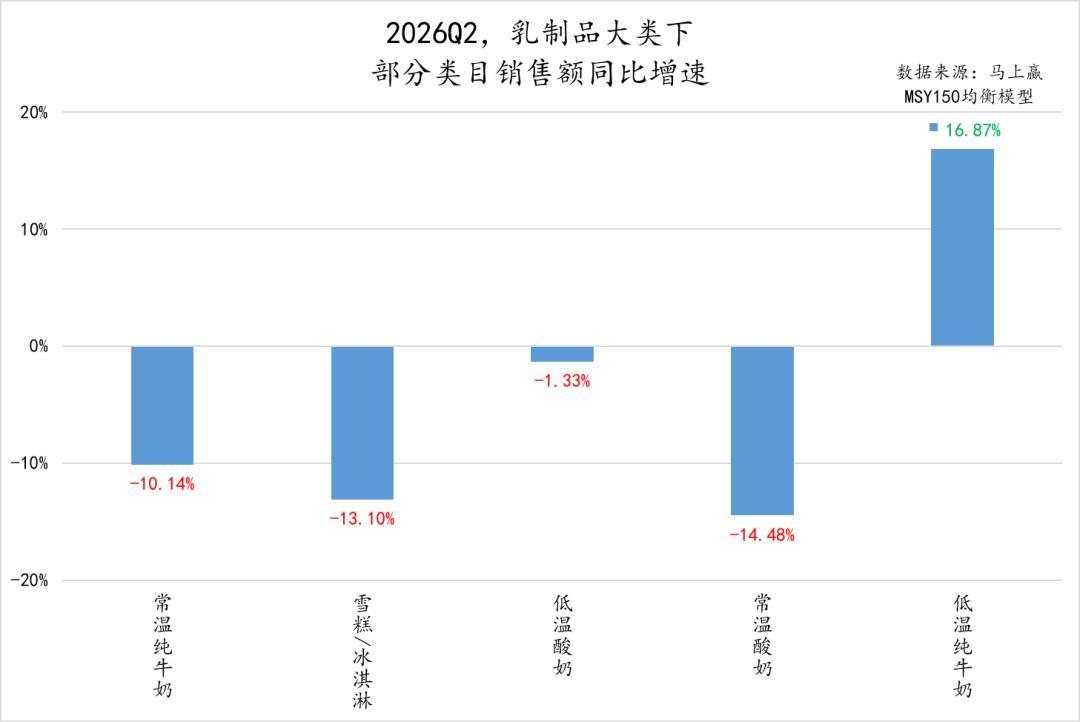
Retail market monitoring data from industry institutions confirms retailers' observations. Data from Instant Win shows that in Q2 this year, the total sales of ice pops and ice cream categories dropped by more than 10% year-on-year, with shipment volumes declining simultaneously, marking a rare scenario where both volume and price fall during the peak sales season.
In fact, the sluggish sales of traditional ice pops are not a temporary market condition exclusive to this summer. Since June 2024, the pre-packaged ice cream market has continued to weaken, and the industry landscape of low demand and cutthroat competition among existing players has persisted for two consecutive years.
This exact market trend has dampened upstream manufacturers' enthusiasm for investing in product development and marketing promotion.
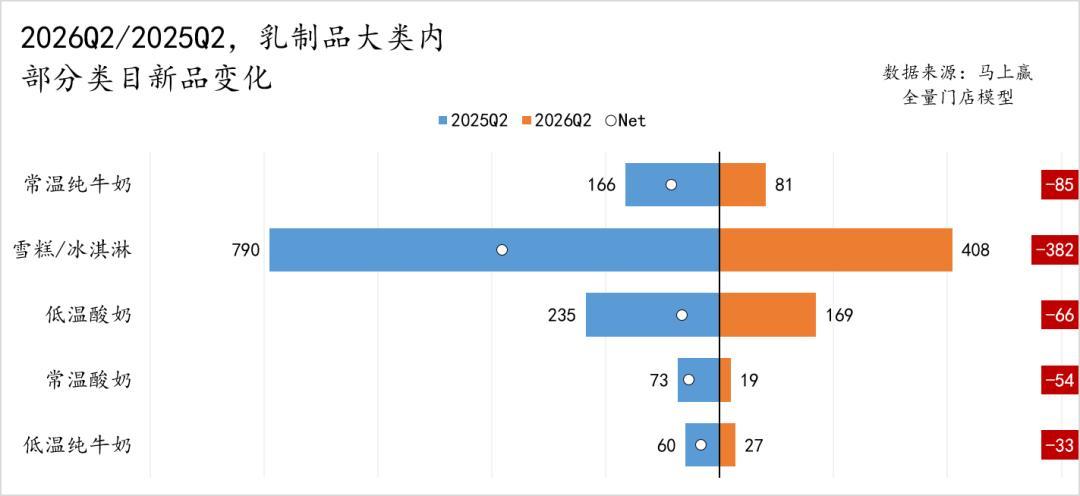
Instant Win explicitly stated in an industry report that only 408 new ice pop/ice cream products were launched in Q2 this year, nearly a 50% drop from the 790 new products released in the same period of 2025.
Even leading brands have voluntarily slowed down the pace of new product launches, adopting a more cautious attitude toward internet-famous, concept-driven, and high-premium SKU products.
In the traditional ice pop/ice cream market, products priced above 10 yuan are categorized as premium offerings, and this segment has been hit hardest by the sales decline. In recent years, consumers have become increasingly rational, prioritizing cost-effectiveness and value for money in daily consumption, and gradually losing their fascination with high-premium products. Consumer demand has fully shifted toward affordable, necessity-driven categories, and internet-famous ice pops have essentially exited the mainstream mass consumption market.
Weather Is Just a Convenient Excuse
When analyzing this year's sluggish ice cream market, some media outlets attribute the main cause to weather conditions. Is that really the case?
It cannot be denied that ice cream, as a heat-relief product, is strongly correlated with weather patterns. In the summer of 2026, rising temperatures were delayed and rainfall was frequent, drastically reducing the number of valid high-temperature days that drive ice cream consumption, which directly undermined consumers' willingness to purchase ice cream.
However, we must make it clear that the traditional ice cream market has been weakening for two consecutive years, and the weather obviously cannot be the scapegoat for this prolonged downturn.
This summer, the ice cream market presents a clear scenario where the peak season fails to perform as expected, and we must first look for root causes within the industry itself.
From 2021 to 2023, China's ice cream market underwent a round of industry upgrading, with the most prominent manifestation being a substantial surge in product prices.
Brands such as Zhong Xue Gao continuously created internet-famous hype around ice pops, driving up prices through ingredient and packaging upgrades, IP collaborations, and conceptual marketing. For a period of time, "ice cream assassins" filled the freezers of convenience stores, forming a price bubble in the ice pop market.
After years of market exposure to these overpriced products, consumers' price awareness has gradually matured, and they have even developed a natural aversion to high-premium ice cream products.

At the same time, Chinese consumers' demand for healthy consumption is growing increasingly strong. Traditional ice cream, characterized by high sugar content, high fat content, and excessive food additives, deviates from current market demands, further dragging down its market performance.
During this period, the young demographic, who make up the core consumer group for ice cream, has been continuously diverted by cross-industry players.
The new-style tea beverage industry's foray into frozen desserts has reshaped young people's heat-relief consumption habits. Leading brands such as Mixue Ice City, Guming, and HeyTea all position ice cream and slushies as core foot-traffic-driving categories in their stores. Freshly made products offer better freshness and a more immersive in-store experience, which better caters to consumers' immediate consumption needs.
As uncertainty in the consumer market intensifies, the inventory turnover efficiency of ice pops at retail terminals has dropped significantly, naturally weakening distributors' and offline stores' willingness to stock up on products.
No Overall Market Cooling, Only Iteration Between Old and New Segments
Compared with the narrative of "ice cream not selling well", what deserves more attention is the obvious structural differentiation in the frozen dessert track.
In the traditional ice cream market, the most notable trend is that once viral high-priced internet-famous products are exiting the market at an accelerated pace, demand in the mid-to-premium price range is shrinking, and the industry's fundamental market base is firmly anchored in the 3-6 yuan affordable price segment, which accounts for over half of the total market share and demonstrates extremely strong resilience against market fluctuations. Classic necessity-driven products priced below 3 yuan continue to expand their market presence, with time-honored items like old-fashioned ice pops and mini milk ice pops maintaining steady sales, serving as the most reliable profit-generating categories for offline retail terminals.

Here, we need to clarify a key concept: ice cream and ice pops are not the same product, as they are subject to two distinct industry standards that set different requirements for their nutritional composition.
In reality, it is not the entire ice cream category that is facing a downturn this summer, but traditional ice pops and pre-packaged traditional ice cream.
While the traditional ice pop and ice cream market weakens, the freshly made frozen dessert track is delivering independent growth performance. Industry data shows that China's freshly made ice cream market size is expected to exceed 420 billion yuan in 2026, with a year-on-year growth rate surpassing 5%, making it one of the few reliable growth drivers in the overall frozen dessert market.
In this fast-growing track, the lower-tier market is firmly dominated by affordable tea beverage brands. Mixue Ice City and Tianlala focus on 3-9 yuan affordable sundaes and flavored frozen desserts, locking in mass consumer traffic in lower-tier markets through the business logic of low prices and high purchase frequency.
The mid-range quality-focused market is being upgraded by leading new-style tea brands. This year, HeyTea launched its independent Gelato brand HeyLato, specializing in premium artisanal ice cream priced at 18-24 yuan, and has rapidly expanded its store network across multiple cities. Ba Wang Cha Ji has set up dedicated ice cream zones in its flagship stores across five cities including Beijing, Shanghai, and Shenzhen, launching custom Gelato products infused with tea flavors, and has announced a clear annual store expansion plan to continuously capture the mid-range experience-driven consumer market.
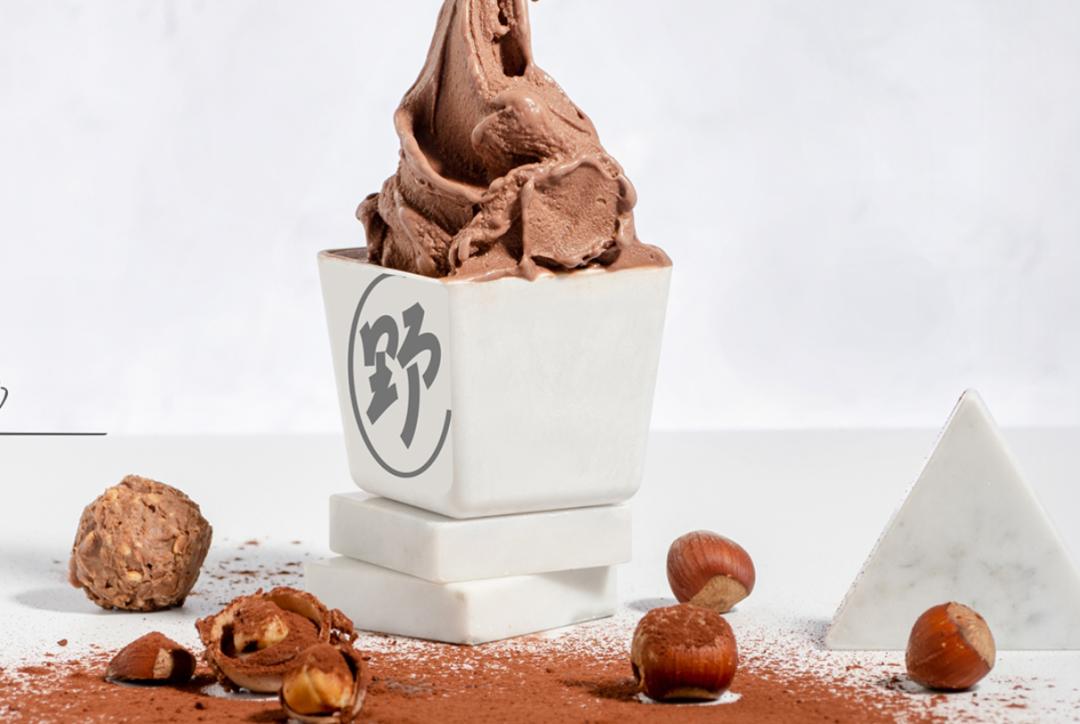
The premium experience-focused segment has completed a new round of brand and channel reshuffling. Local artisanal ice cream brand Mr. Wild Man has achieved explosive expansion: as of April 2026, it has over 1,372 stores nationwide, adding more than 1,000 new stores within a single year, securing its position in the first tier of China's freshly made artisanal ice cream market. Last month, Häagen-Dazs announced that it would license its mainland China store operations to an investor group that includes Ningji Tea, attempting to leverage the refined operational capabilities of the tea beverage team to revitalize its premium offline presence and bid farewell to its previous inefficient direct-store expansion model.
The trend toward more nutritious and healthier products in China's ice pop/ice cream market has become irreversible. Consumers have long moved past the stage of paying extra premiums for fancy packaging, empty concepts, and overhyped marketing. Cost-effectiveness, scenario suitability, and refined operations are now the core drivers of competition.
This coldest summer for the traditional frozen dessert industry does not represent an overall cooling of the entire track, but rather the elimination of extensive and outdated business models. By squeezing out the industry's price bubbles, this downturn may help reshape a more stable, healthier long-term development landscape for the sector.
This article originates from the WeChat Official Account "Zebra Consumption" (ID: banmaxiaofei), authored by Chen Xiaojing, and published on 36Kr with authorized permission.