The next chapter in running apparel: after perfecting fabrics, what's the next frontier?
The running apparel industry is undergoing a subtle shift. Over the past few years, brands have competed primarily on fabric technology—racing to create lighter, more breathable, faster-wicking garments. But this competitive logic is loosening, as design evolves from a supporting element into an independent selling point.
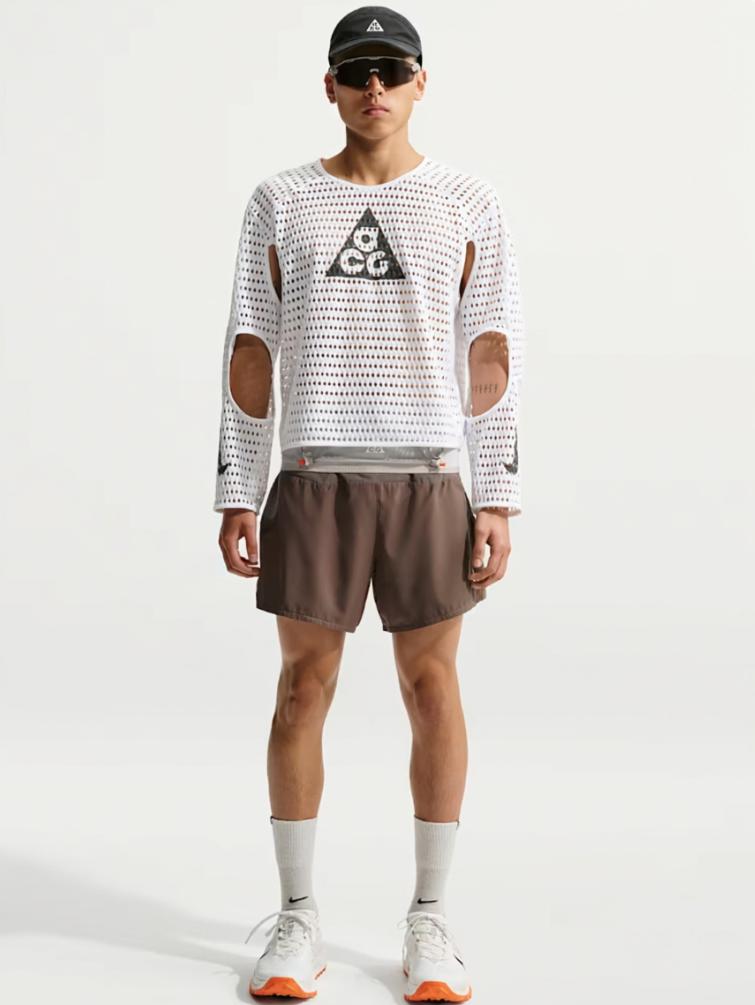
This past June, Nike ACG launched its white long-sleeve trail running top called the Radical AirFlow NXT, covered entirely in conical perforations. Sneaker culture publication Sole Retriever summed it up in its coverage: "More holes than fabric." On domestic social media platforms, some users compared it to a "fruit protection mesh sleeve."
Those perforations are functional design features built for ventilation and heat dissipation. Yet the garment went viral on social media not for its cooling performance, but for how it looked. Tech and outdoor publication Gear Patrol headlined its coverage with the word "coolest"—a double entendre referencing both temperature regulation and stylish appeal.
For a very long time, running apparel operated under a function-first design logic. Today, performance is no longer the sole judging criterion.
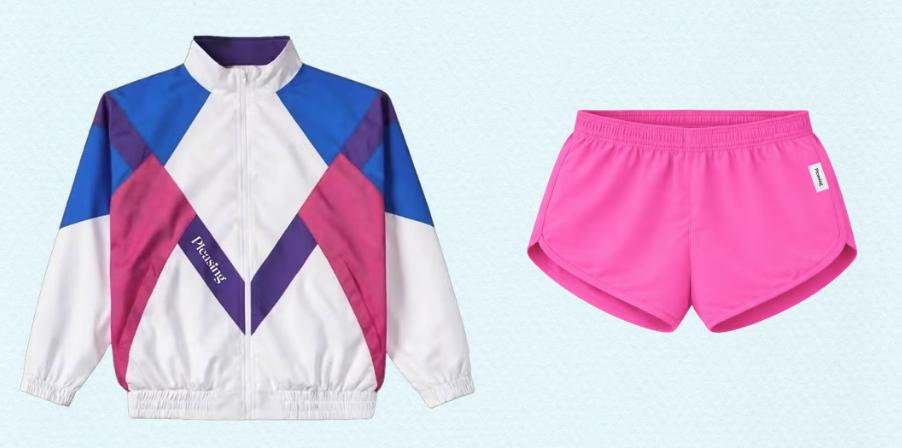
In March, Harry Styles' personal brand Pleasing released a pair of running shorts. UK fashion outlet Esquire noted in its review that the shorts weren't just built for comfortable running—they were made to look effortlessly cool mid-stride.
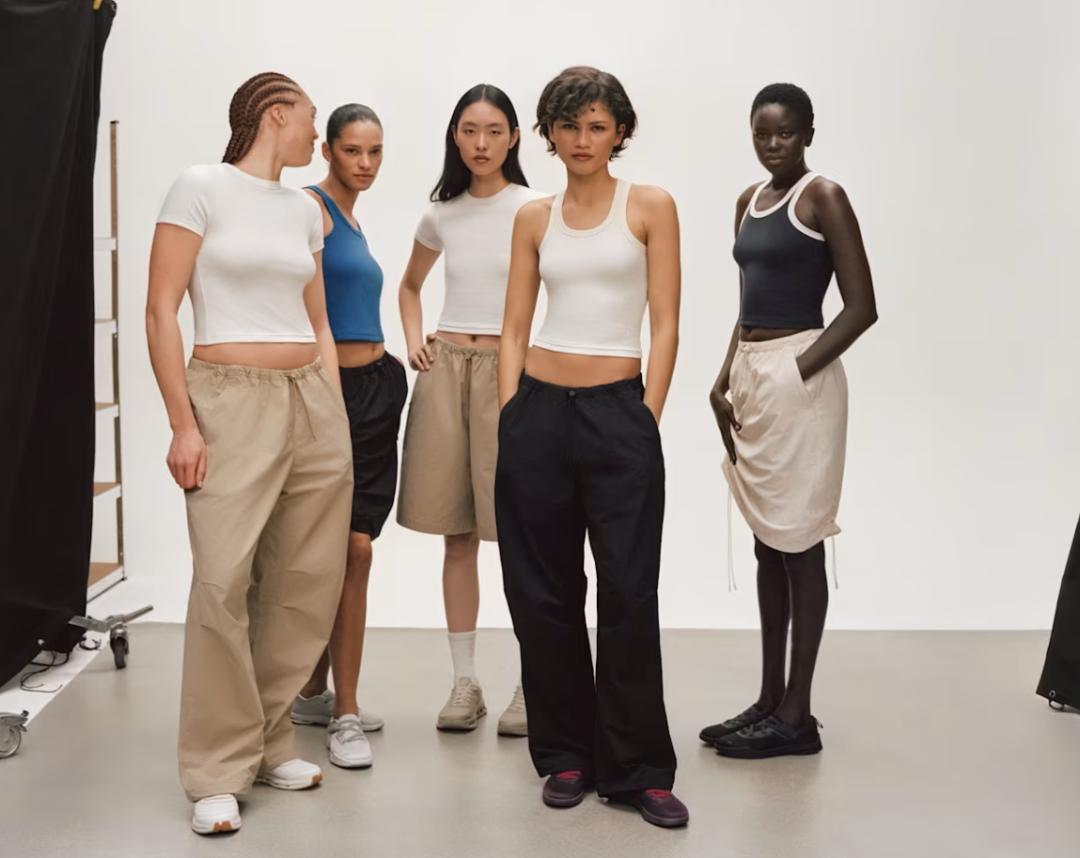
In April, On Running and Zendaya launched their co-created collaborative collection, with Zendaya's long-time stylist Law Roach involved in the design process. Roach is one of Hollywood's most influential image architects, having created iconic red carpet looks for A-listers including Zendaya and Celine Dion.
On May 31, Bai Jingting's brand 30C debuted exclusively on Xiaohongshu, positioning itself officially as a trail running streetwear fashion brand—four out of seven characters in its positioning have nothing to do with running performance itself. The brand's co-founder stated directly that most athletic gear has already reached near-perfect performance levels, but all of it still makes wearers look too much like professional athletes.
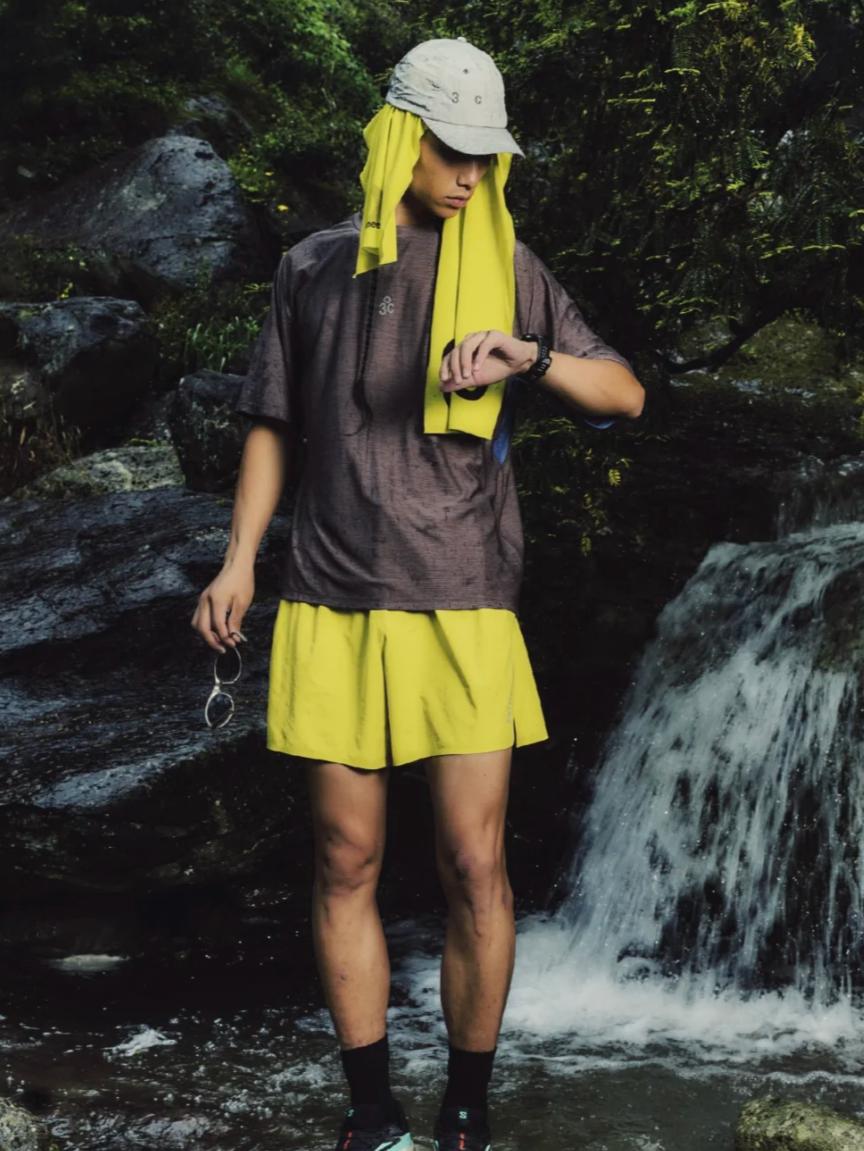
Whether originating from music, film, or professional sports circles, all these brands are redefining running wear: transforming it from purely functional athletic equipment into an integrated part of everyday outfits and personal fashion expression.
A report from industry analysis firm FourWeekMBA divides the competition in athletic apparel into two distinct phases. From 2005 to 2020, it was a performance arms race, where technological innovation drove purchasing decisions. After 2020, the industry entered an era of identity signaling, where community belonging began to outweigh raw technical specifications. The report points out that performance is no longer the only consideration in consumers' buying choices—they care far more about "what group I belong to when I wear this garment."
This does not mean fabric technology has stopped advancing. But it is far more difficult for brands to differentiate themselves through textile innovation than it was a decade ago. When technical specifications no longer create clear competitive gaps, brands have to seek differentiation beyond pure performance. The apparel industry has limited room for price wars, since fabric costs set a hard baseline. Channel innovation requires long-term, sustained investment. In an era where the marginal returns on technological competition keep shrinking, visual design has emerged as a breakthrough—it does not require consumers to decode technical spec sheets, since visual appeal is experienced immediately and intuitively.
An even more critical shift is happening among consumers. Running has evolved from a solitary individual sport into a thriving community culture. MR PORTER's fashion editorial platform The Journal published an article noting that running has become an extraordinary cultural phenomenon, far beyond just exercise—it is quietly reshaping people's everyday wardrobes. Oliver Hooson, co-founder of running community Your Friendly Runners, explains that when you run alongside other people, you start thinking about how the sport fits into your broader lifestyle. Style becomes part of that expression—not to look fast, but to look like yourself.
Visual design has always been part of running apparel, but it has played very different roles across different eras. In the past, visual elements existed purely as an extension of function. Fluorescent colors made runners more visible on roads, while reflective strips boosted safety under car headlights. Wearing a bright neon yellow vest signaled to others that you were a runner—and nothing more. The value of those visual features was entirely tied to practicality; they were a means to an end, not the end itself. The visual design we see today operates on a completely different level.
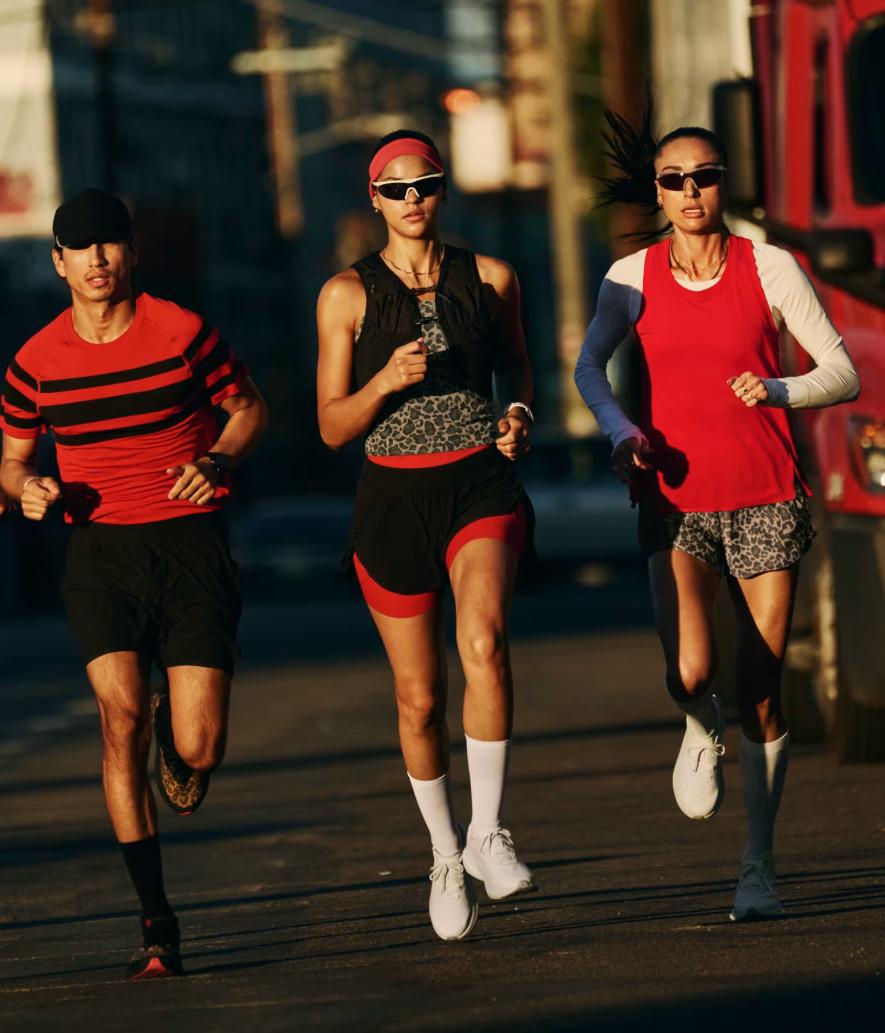
Fashion publication Complex observed in its coverage of lululemon's 2026 running collection that the line's signature design elements this season are preppy stripes, leopard prints, Oxford red, and club blue. Complex commented that the line between performance and fashion has become more than blurred this year—these pieces work equally well during a run and for everyday errands. In an era where running culture is just as visible on city streets as it is on race tracks, lululemon is designing for both realities simultaneously. GQ also noted in its review that the collection reads more like a full fashion line, with the goal not of abandoning performance, but of demonstrating how athletic wear can seamlessly integrate into daily life. Referring back to Nike ACG's perforated top, Gear Patrol wrote that the garment quite literally wears its technology on the outside. The holes are not just ventilation structures—they are the entire reason the piece is memorable. Gear Patrol also highlighted that while the top is designed for trail running, it fits perfectly into everyday casual wear, and can be styled by anyone.
Where old designs prioritized performance exclusively, modern running apparel increasingly must balance technical function with how it performs in non-athletic contexts. Consumers want a single running garment that they can wear after their workout for commuting, for casual shopping trips, and for weekend outings. This means that how appropriate a piece looks for everyday wear has become just as important a judging criterion as how quickly it wicks away sweat.
Smaller, niche running brands are pursuing the exact same direction. Soar Running incorporates 1980s and 90s retro aesthetics into its high-performance technical gear. Satisfy Running draws far more design inspiration from high-fashion couturiers than from traditional athletic brands. District Vision's core design ethos is to help wearers maintain peak athletic performance while looking polished and put-together. Australian GQ wrote in its roundup of the most noteworthy running brands of 2026 that the cool crowd has fully embraced running, and technical athletic gear has now become the most coveted item in fashion circles. The common thread across all these brands is that their wearers are not just working out—they are signaling membership in a distinct cultural group. And now, mainstream mass-market brands are catching up.
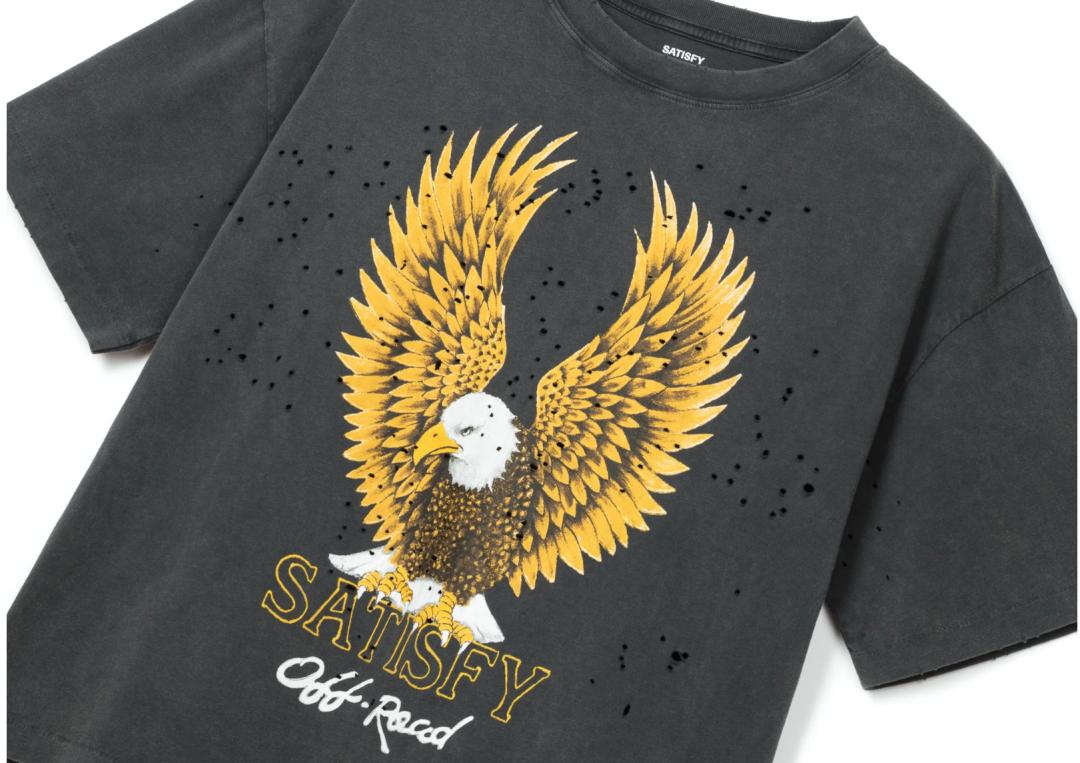
None of this means performance no longer matters. The seemingly moth-eaten holes on Satisfy's MothTech T-shirt are actually precision-engineered ventilation zones targeted at areas of maximum heat buildup. Running culture platform OneTrack Club noted in its analysis that the shirt is fully performance-capable gear, but it carries a rebellious, countercultural aesthetic. It sends a clear signal: you are not just a runner, you are deeply immersed in running culture. Function has not been discarded—it has been wrapped into visual design, transformed into a conversation piece that consumers actively want to talk about.
What kind of design drives strong sales? FourWeekMBA's assessment remains the most convincing today—designs that communicate "wearing this makes me part of a distinct community" are undoubtedly the new engine of consumer spending. For example, Satisfy's MothTech T-shirt signals that its wearer is a connoisseur of running culture. These designs do not promise "I will make you run faster"—they tell consumers "put me on, and you are welcomed into an exclusive circle." It is not raw visual appeal alone that makes people open their wallets—it is the meaning that aesthetic carries: belonging, shared identity, and aligned taste.
This raises a new question: who gets to define what looks good? As Vogue has already observed, the top running brands today often place designers with high-fashion backgrounds in charge of their creative direction.
It is not just professional designers calling the shots anymore. Running group communities debate styles among themselves, running enthusiasts share their fits on social media, and fashion content creators showcase how to style running wear for daily life. In the past, athletic brands alone decided whether a running garment was well-designed. Today, all these new stakeholders are collaborating with brands to shape public judgment of what great running apparel looks like.
This article originates from WeChat Official Account "Lanxiong Sports" (ID: lanxiongsports), written by Wang Shan, and republished with authorization from 36Kr.