In the AI era, smartphones are packed with an increasing number of "decorative" features that are rarely used. Why are manufacturers reluctant to remove them?
The other day, while clearing his phone's storage during some free time, Xiao Lei discovered that his device was packed with a huge number of apps and features he had never once opened. After tallying them up carefully, he found that the truly frequently used ones were few and far between, while most fell into the category of "I know this exists, but I've never actually used it."
Here comes the question: If users never use these features, why do manufacturers keep cramming them into phones? Today, Lei Tech (ID: leitech) is going to get to the bottom of this issue.
Phones Are Full of Ornamental Features: They Sound Great but Are Unnecessary
Xiao Lei did a full "inventory check" on his own phone, going through every single feature he had barely opened since buying the device.
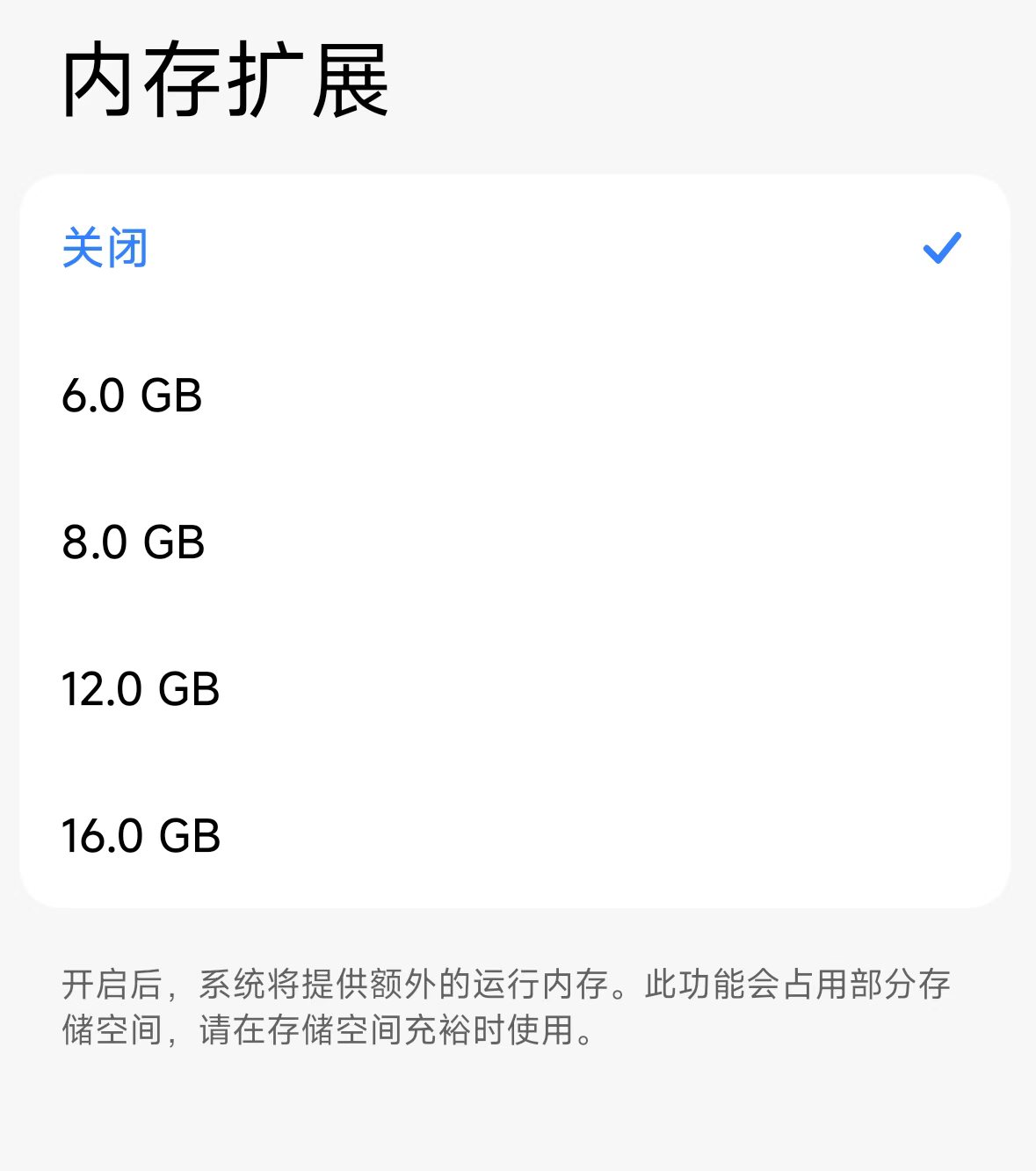
First up is memory expansion. This feature was once heavily hyped by manufacturers, with slogans like "16GB+8GB=24GB" making it sound as if users were getting 8GB of extra RAM for free. But in real-world use, the difference in daily experience between a 16GB RAM phone with memory fusion enabled and one with it disabled is barely noticeable. This is because memory expansion essentially borrows space from the flash storage to use as virtual memory, and its read-write speed is far slower than that of actual RAM. It can never be treated as real RAM, and manufacturers packaging it as "memory expansion" is more than a little wordplay.
(Image source: Lei Tech graphic)
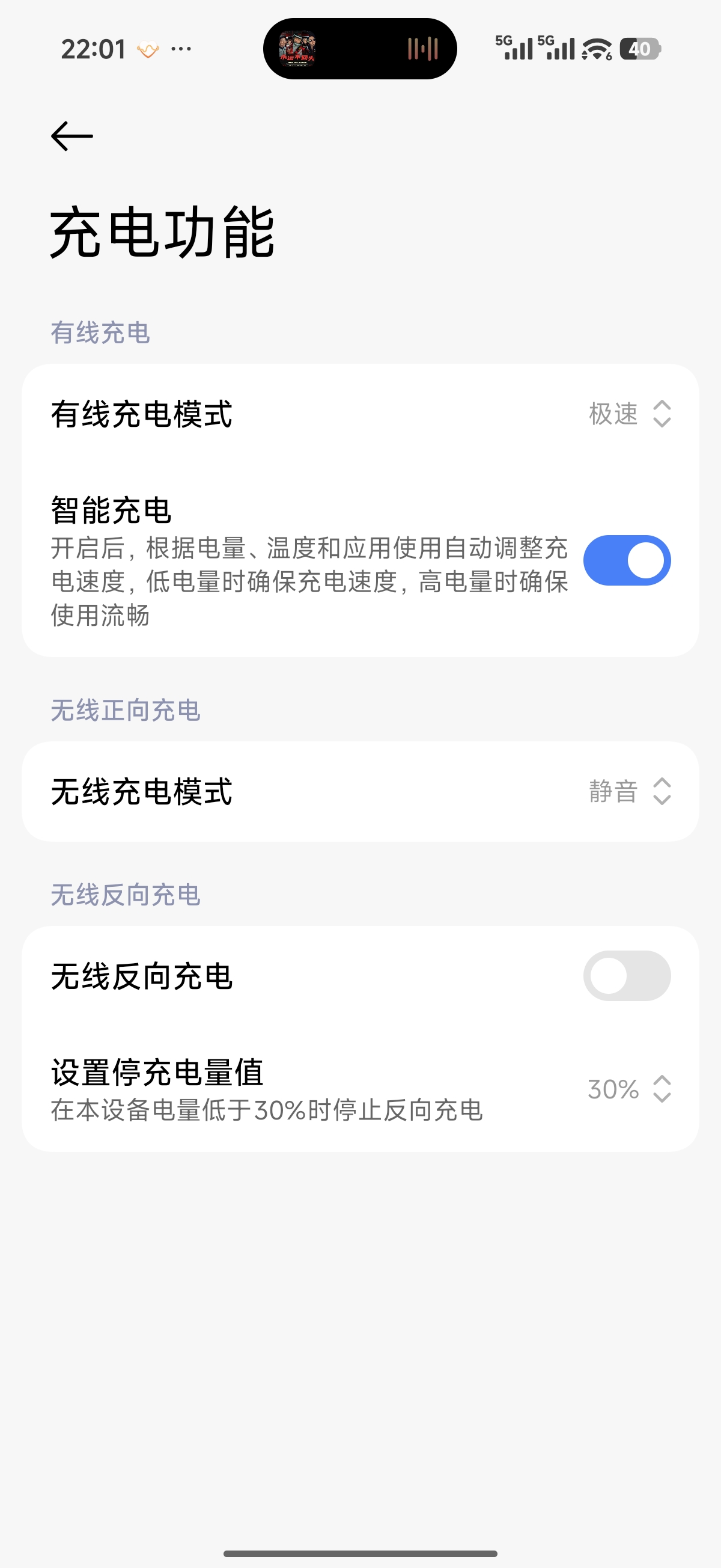
Next is reverse wireless charging. When this feature was first released, many digital enthusiasts hailed it as a "magic tool," imagining scenarios like "My earbuds are dead? I can just use my phone to top them up right away" or "My friend's phone ran out of battery, let me give it a quick boost." In reality, its power output is so low that it takes hours to fully charge a pair of earbuds, while draining a large chunk of your own phone's battery in the process — not to mention you can't use your phone while it's charging other devices.
(Image source: Lei Tech graphic)
It's fair to say this feature is too slow for emergency use, and no one will actively choose to use it in daily life, resulting in extremely limited practical application scenarios.
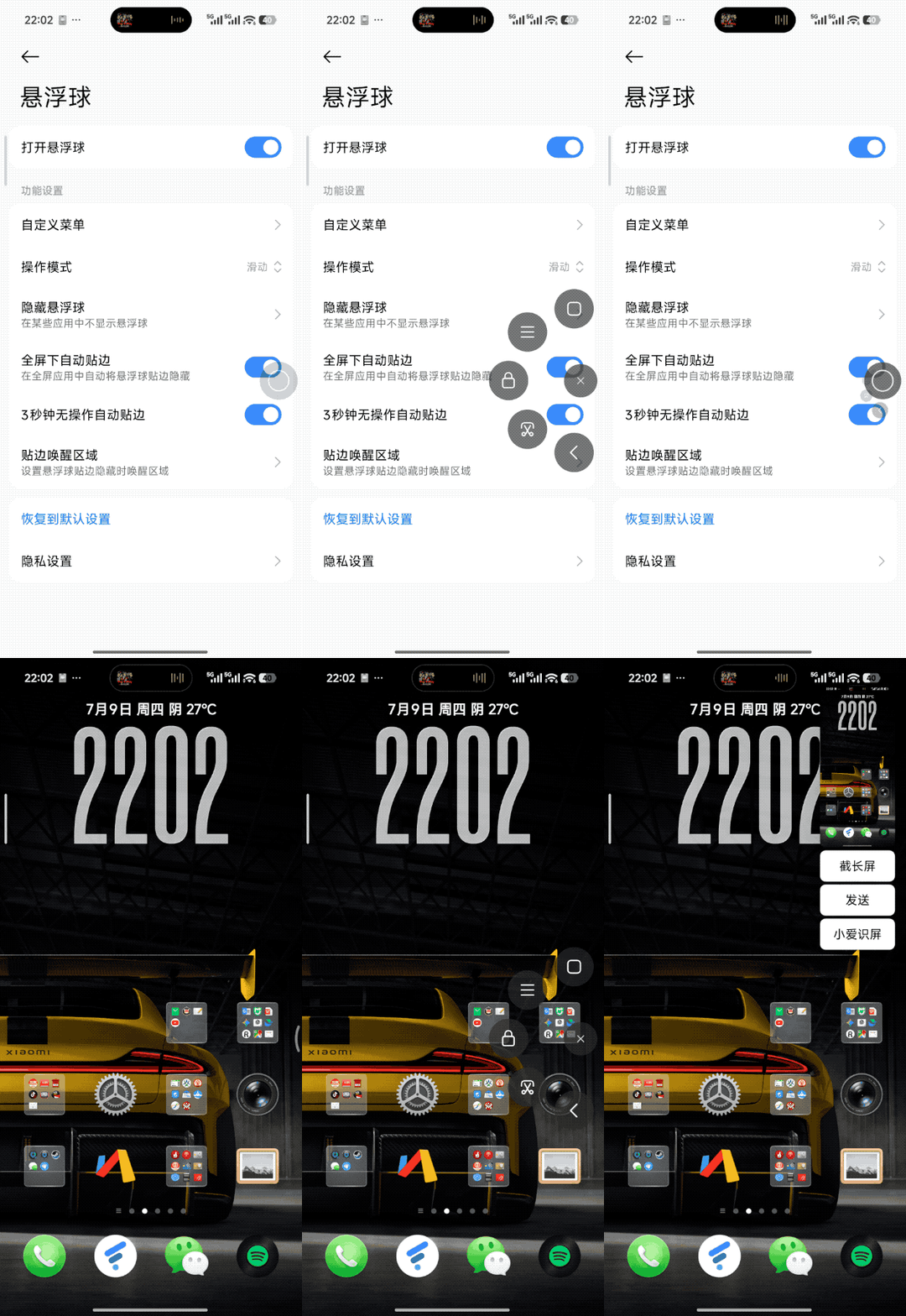
Then there's the floating ball. Before full-screen gestures became widespread, the floating ball did improve user operation efficiency and was especially suitable for users with smaller hands. But nowadays, any phone lets you swipe up from the bottom to return to the home screen and swipe sideways to go back to the previous level — gesture operations cover 99% of use cases, making the floating ball a redundant presence. While Xiao Lei acknowledges that some users still prefer to use it, from both a practical and aesthetic perspective, it has already fallen behind the times.
(Image source: Lei Tech graphic)
Then there's air gestures. Xiao Lei admits that when he first saw this feature, he thought it was really cool — wave your hand in front of the phone to flip pages or answer calls. But for all its flair, the actual user experience is terrible: the gesture won't be recognized if you're a little too far away, and you'll trigger accidental actions if you get too close. After using it two or three times, Xiao Lei never touched it again.
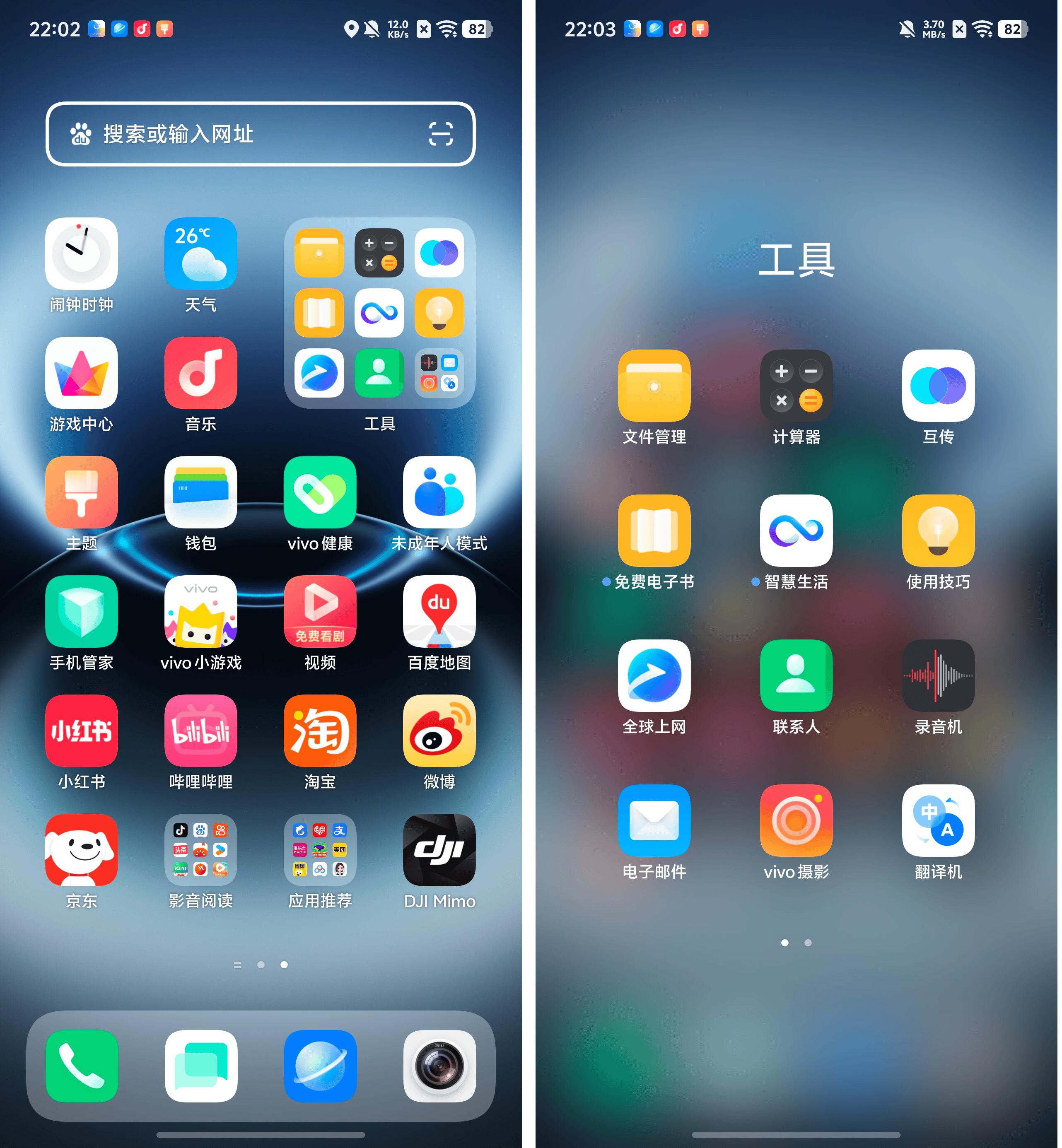
Last, and the part Xiao Lei finds most incomprehensible, is preloaded apps. Especially native apps for music, video, wallet, and e-reading — it's safe to say the vast majority of users' first step after getting a new phone is to download their go-to apps and relegate all these manufacturer preloaded apps to a forgotten corner. Their purpose is less about serving users and more about promoting the manufacturer's own content ecosystem: open their music app, and they can sell you a subscription; use their wallet, and they can push loan services and other offerings.
(Image source: Lei Tech graphic)
Xiao Lei did a quick count of the apps on a new phone he has, and it came with 39 factory-preinstalled apps, 70% of which can be uninstalled without affecting daily use at all.
The AI Era Has Brought Even More Ornamental Features to Phones
If the features mentioned above are considered "longstanding problems," the arrival of the AI era has further amplified this issue.
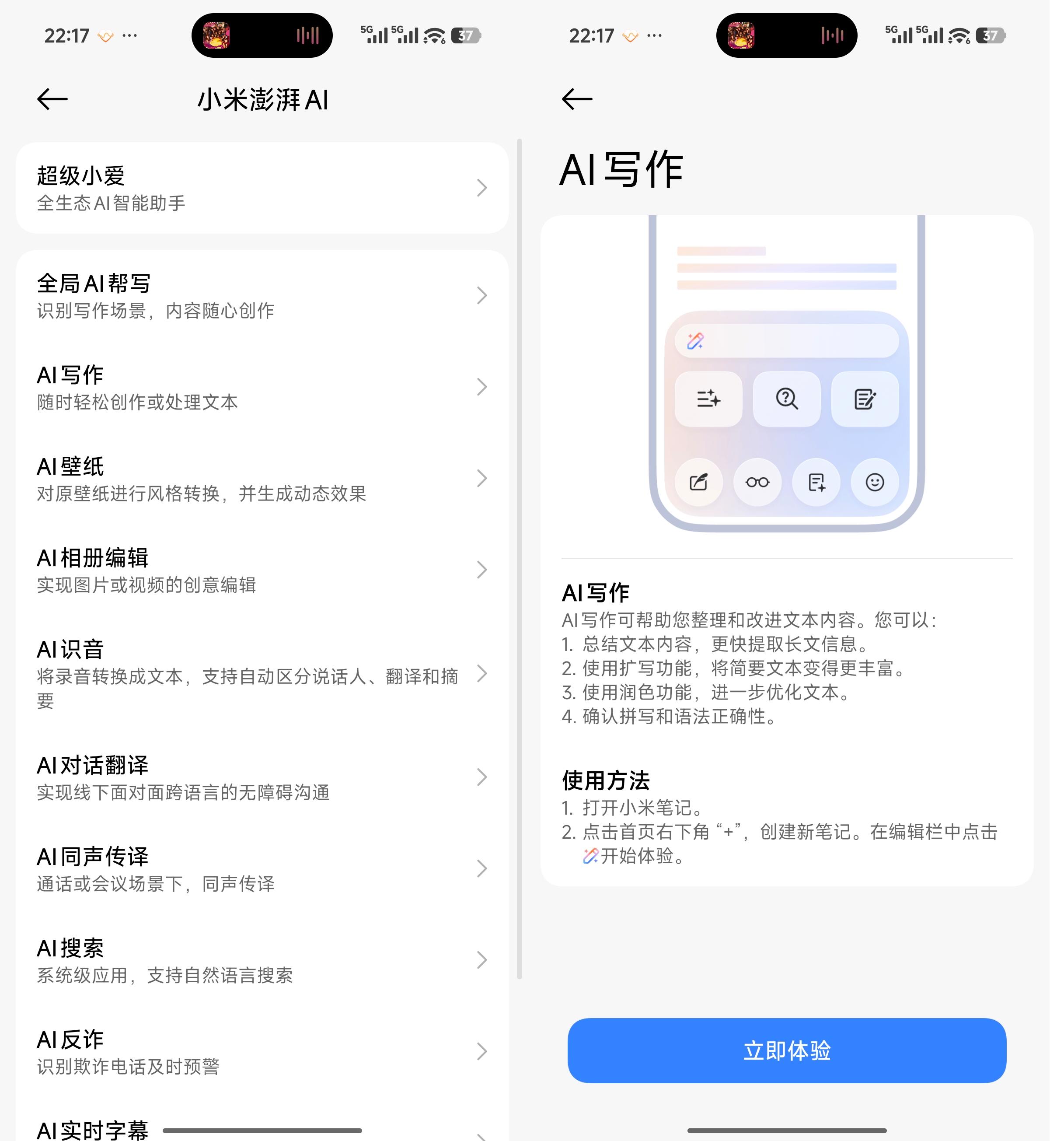
Nowadays, no manufacturer dares to hold a new product launch event without mentioning AI. AI object removal for photos, AI call summarization, AI wallpaper generation, AI real-time translation, AI document summarization — the list of features goes on and on. But what about their actual usage rates? Data from QuestMobile shows that as of December 2025, the monthly active user base of phone manufacturers' AI assistants reached 559 million, yet the average user's usage time did not see a significant increase. In other words: Everyone is trying AI, but most people only give it a quick test, and very few use it in depth.
A media survey found that over 70% of users turned off most AI features half a year after buying an "AI phone." It's not that the features themselves are broken, but that the vast majority of them have little practical value. For example, 73% of users have never enabled AI call summarization — which is understandable, since no one wants their private call content to be recorded and uploaded to the cloud. And AI wallpaper generation? No one opens it again once the novelty wears off.
The AI features that actually retain users can be counted on one hand: offline speech-to-text, object removal in photography, and real-time translation. All the rest are "impressive at the launch event, but forgotten as soon as you get the phone home."
Knowing You Won't Use Them, Why Do Phone Manufacturers Still Cram Features In?
Xiao Lei has summed up several key reasons.
First, the age-old problem of severe hardware homogenization. If you cover up the logo on most phones these days, they look almost identical, and their specs are barely different: the same Snapdragon 8 Gen 5 / Dimensity 9500 chip, the same 16GB RAM, the same 7000mAh battery, the same 120Hz screen. Since there's no way to stand out via hardware, manufacturers have to make a big deal out of software features. Every extra feature they mention at a launch event is one more reason to convince users to pay. Even if 99% of people will never use the feature, an extra line on the spec sheet means one more selling point.
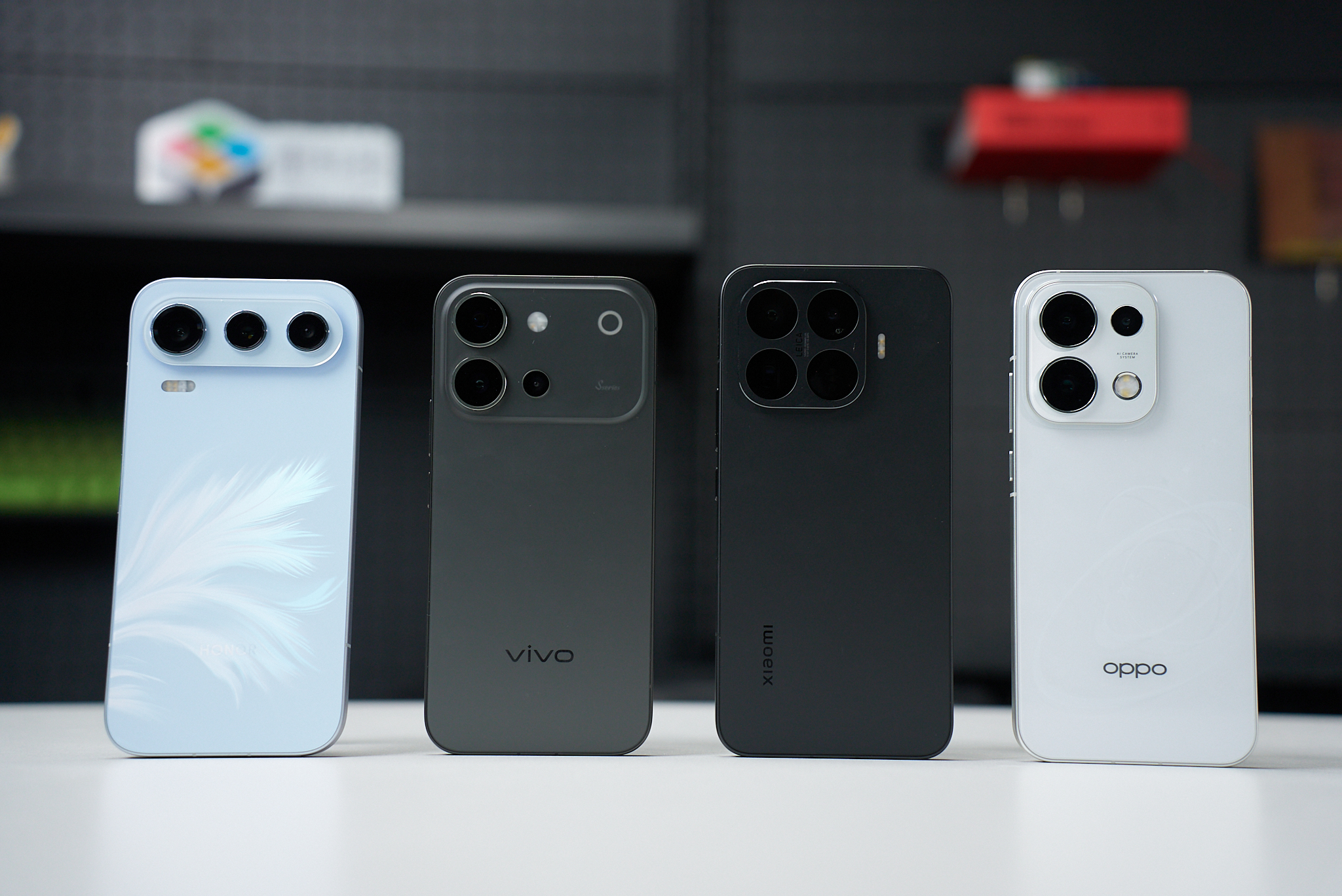
(Image source: Lei Tech photography)
Second, a feature doesn't have to be used, but it can't be missing. Xiao Lei has observed that many people around him, while claiming "these features are useless," still tend to pick phone Model A (which has reverse wireless charging) over Model B (which doesn't) when buying a new device. It's not that they plan to use it, but simply that they think "what if I need it someday?" In other words, the risk of removing a feature is far greater than the cost of adding one, so manufacturers would never shoot themselves in the foot.
Third, preloaded apps are the most profitable business for manufacturers. Xiaomi's 2025 financial report shows that its full-year internet service revenue reached 37.4 billion yuan, with a gross profit margin of 76.5% — by comparison, the gross profit margin of Xiaomi's phone business is only 11.1%. Ad revenue alone accounts for 28.5 billion yuan of that internet service total, up 15.2% year over year.
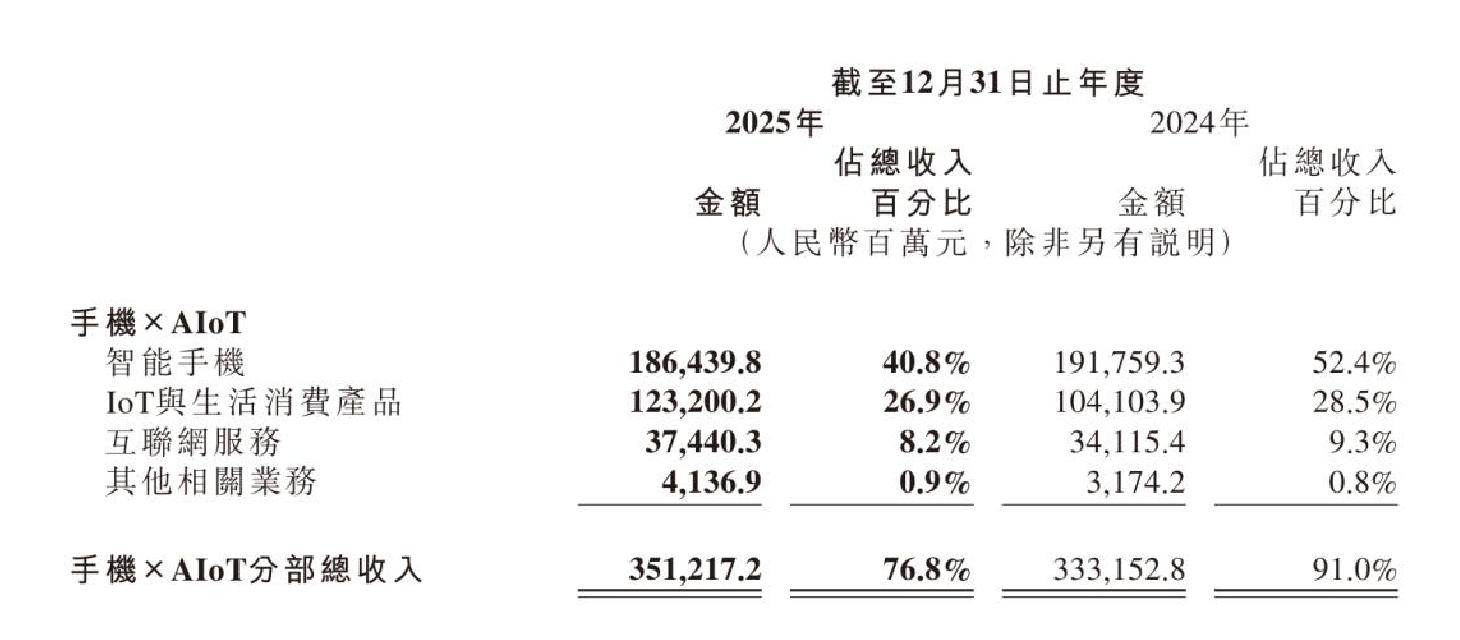
(Image source: Xiaomi official)
Where do these profits come from? A large part is tied to preloaded apps. China ships over 300 million phones a year — even if each phone only has 10 preloaded apps and each app charges manufacturers 1 yuan, that's a multi-billion-yuan market every year with almost zero cost.
This is a surefire moneymaker, so manufacturers have no reason to cut it.
Fourth, there are internal reasons from the software teams. It's common knowledge that manufacturers' in-house software teams and internet service teams need to keep rolling out new features to prove they're not slacking off. Launching a feature is easy, but taking one down requires going through approval processes, writing post-mortem reports, and explaining why the feature is being removed — not to mention that cutting features generates no performance credits, while adding features does. Over time, phones just keep piling on more and more features.
Fifth, it's about planning ahead for the future. While most AI features on current phones are not very practical, the industry trend is clear: falling behind means getting left behind. Manufacturers choose to ship half-finished features first, and iterate on them when the market matures — which is far better than starting development from scratch later. Take NFC for example: when it first came out, it was also a "useless" feature, but now it powers the transit cards, access cards, and payment functions we use every day.
(Image source: Lei Tech graphic)
Therefore, phone manufacturers don't add features on a whim — every single one of them has a reason to exist, but that reason is almost never "the user needs this."
Buy a Phone Based on Your Needs: More Features Don't Always Mean a Better Experience
Going back to the initial question: Do these features have a reason to exist? Xiao Lei thinks we can't dismiss them all out of hand. For manufacturers, these features are great material and selling points for launch events, and there's a complete business logic behind each one.
And for a small number of users, these features are actually essential. Reverse wireless charging, for instance, may not be used daily, but it can be a lifesaver when your earbuds or smartwatch run out of battery while you're out and about. Memory expansion, on the other hand, does help reduce background app refresh kills on low-end phones with less than 8GB of RAM.
But for most ordinary users, the actual value of these features is nowhere near as high as manufacturers hype them up to be. They bloat the system, take up storage space, and some even run hidden background processes that drain battery and waste mobile data.

(Image source: AI generated)
So the next time you buy a new phone, don't get intimidated by that long list of fancy features. Let's be real: The things that determine your daily user experience are no more than screen quality, battery life, camera performance, and system smoothness, all other features are just nice extras — you won't be missing out on much if they're not there.
As for those underused features gathering dust? Don't overthink it. Maybe one day, after manufacturers iterate and polish them, they'll finally become useful — just like NFC, which went through its awkward "useless" phase before becoming something no one can live without today.