July "Ministry of Industry and Information Technology Auto Show" big reveal: BYD Shark pickup is coming, Xiaomi's Peng Cheng shows his ID photo
It's that time of the month again for new vehicle regulatory submissions. Unlike previous months, 2026 has entered its second half, meaning automakers must plan ahead for the peak sales seasons of the "Golden September, Silver October" period and the pre-Spring Festival rush.
That's why major brands have all put forward their full sincerity—every new car approved for submission this month is more exciting than the last. Even our long-awaited Xiaomi range-extender SUV and BYD pickup truck have arrived side by side.
Anyone planning to buy a car should take a close look at these upcoming new models.
Xiaomi: Sticking to Fundamentals Without Gimmicks—Can the Pengcheng Recreate the Myth?
If we had to pick a star of this month's submissions, it would undoubtedly be Xiaomi's new Pengcheng (SKYNOMAD) vehicle. Xiaomi has filed for four models in total: the Pengcheng N90 Max, N90 Max Camping Edition, N70, and N70 Max, all equipped with a 1.5T range extender.
Among them, the N90 Max and N90 Max Camping Edition are large SUVs measuring 5285/1998/1925mm in length/width/height with a 3080mm wheelbase, fitted with dual 210kW+100kW motors. The N70 and N70 Max are mid-to-large SUVs at 4960/1998/1785mm with a 2950mm wheelbase; their dual-motor version matches the N90 Max, while the single-motor variant uses a 210kW motor.
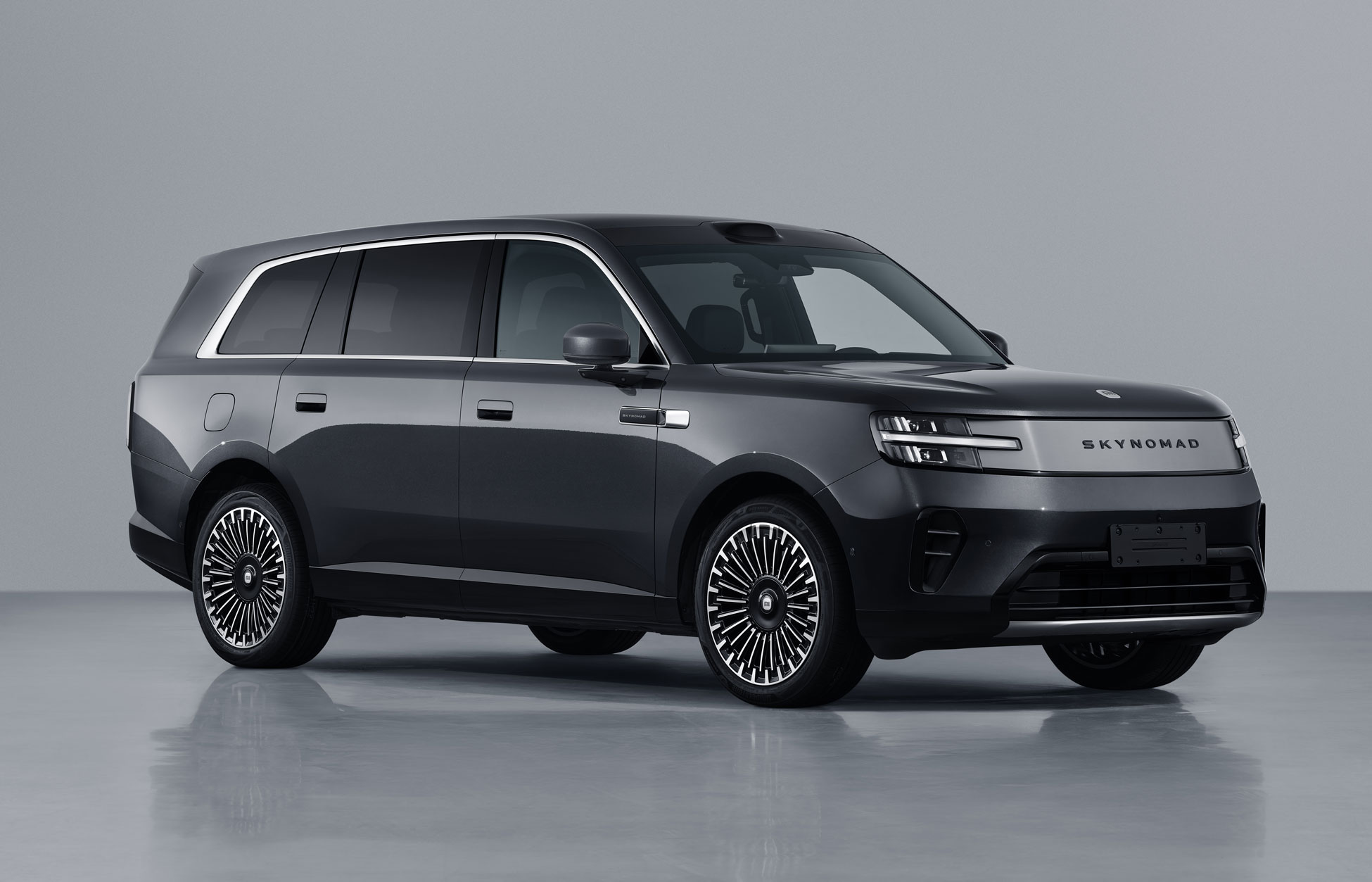
(Image source: Ministry of Industry and Information Technology)
Xiaomi's SU7 and YU7 series, backed by large batteries and leading electronic control technology, deliver CLTC-rated pure electric ranges exceeding 600km, with long-range variants breaking 800km. However, environmental factors like weather and road conditions affect real-world driving range, so Xiaomi fans have long been expecting the brand to launch hybrid models.
The arrival of the Pengcheng N90 and N70 series meets that user demand. But whether these two cars can replicate the runaway success of the SU7 and YU7 remains uncertain for now.
Many attribute Xiaomi Auto's success to Lei Jun's popularity and the brand's marketing prowess. But in the view of EV Insight (ID: dianchetong233), Xiaomi Auto's striking exterior design is also a key factor. After the Xiaomi SU7 debuted, several sedans from other automakers clearly showed traces of the SU7's design language.
Yet the bold, boxy styling of the Pengcheng N90 and N70 is drastically different from the SU7 and YU7, and may not align with Xiaomi fans' preferences. It's worth noting that Pengcheng is not a sub-brand of Xiaomi Auto—it occupies a positioning similar to XPENG's MONA, as a new series under the Xiaomi brand umbrella.
Considering that many Xiaomi fans have now started families and prioritize space and comfort features over sportiness, EV Insight is bullish on the Pengcheng N90 and N70. With their traditional SUV spacious design and range-extender powertrain, these two models stand a good chance of repeating the YU7's sales miracle.
BYD: Using a "Shark" to Bite Into the Pickup Truck Market
As the world's top-selling new energy vehicle manufacturer, BYD boasts a vast lineup across its five brands, with multiple new models submitted for approval every month. This year, the Tang EV, Song Pro, Seagull, Denza N8L, Denza Z9S, Formula Leopard Titanium 7, and Yuan UP all completed their regulatory filings—but what EV Insight (ID: dianchetong233) is most excited about isn't these iterative updates, but the domestic arrival of the Formula Leopard Shark pickup.
This model was already launched in overseas markets earlier, where its low energy consumption, 5.7-second 0-100km/h acceleration, strong intelligence, and high practicality drove sales of roughly 40,000 units in 2025.
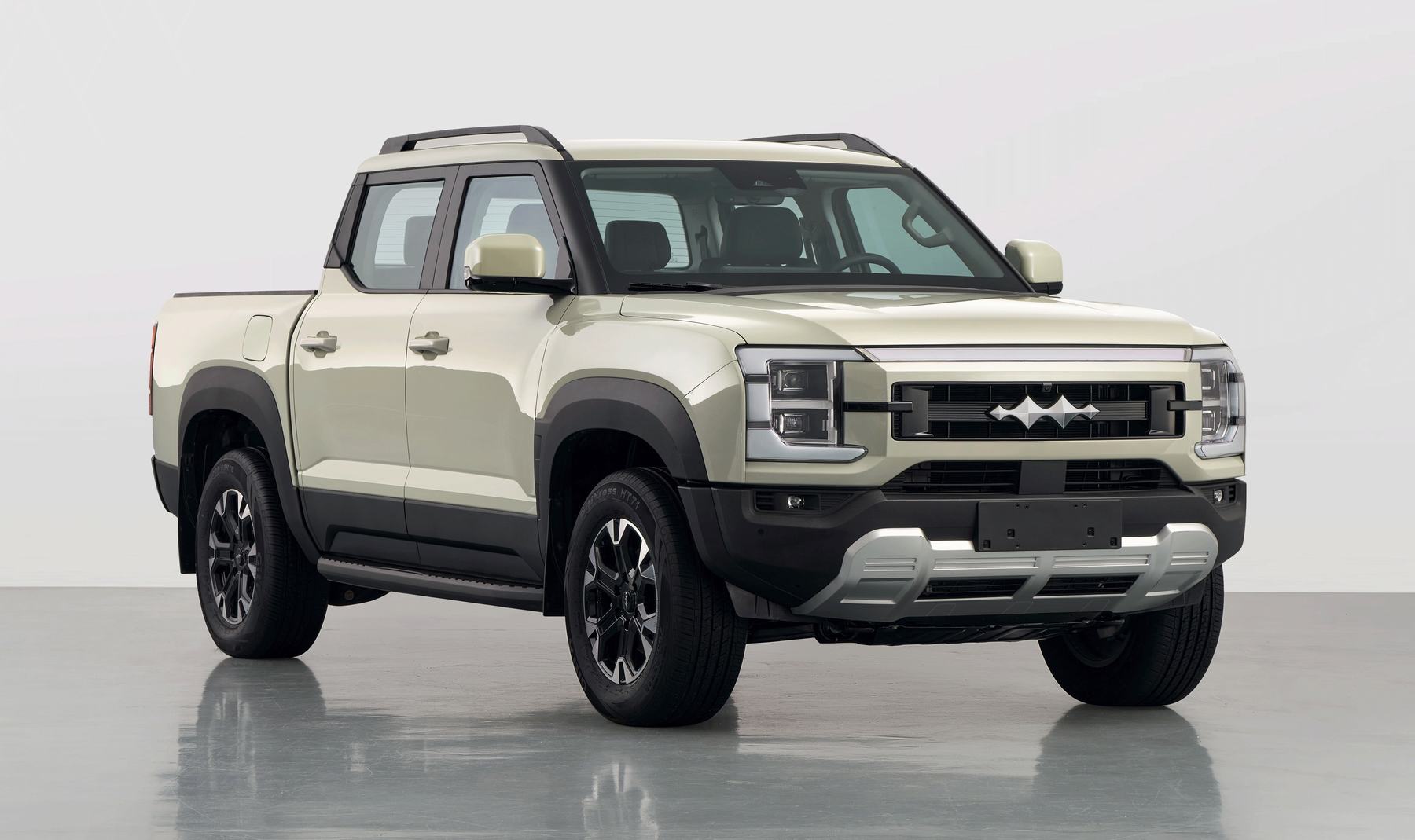
(Image source: Ministry of Industry and Information Technology)
In the first half of this year, BYD delivered 1,808,511 new vehicles, a 15.72% year-on-year decline. It's not just about growing sales this year—even maintaining last year's volume will be a challenge. Routine updates to models under the Dynasty, Ocean, Formula Leopard, and Denza banners are unlikely to reverse the trend; BYD needs the Formula Leopard Shark to open up a whole new market.
According to data from the China Passenger Car Association, total domestic pickup truck sales reached 589,000 units in 2025, up 11.8% year-on-year, with Great Wall Motors leading the market, and brands like JAC, Changan, SAIC Maxus, Jiangling Motors, and Nissan also ranking prominently. Once BYD's Formula Leopard Shark enters the domestic market, it is poised to leverage its brand strength and new energy technology advantages to capture a market share close to that of Great Wall in the pickup segment.
In this not-so-oversized market, there aren't many truly capable players, so BYD has a strong opportunity to snatch market share from competitors and boost its full-year new vehicle sales figures.
Additionally, in recent years, domestic regions have been piloting relaxed pickup truck scrappage policies. Provinces including Henan, Hebei, Yunnan, Hubei, Liaoning, and Shandong have gradually lifted the mandatory 15-year scrappage rule, which bodes well for the pickup industry's development. If mandatory scrappage based on age or mileage is fully eliminated, pickup trucks—with their greater practicality than passenger cars—are expected to maintain robust sales growth.
Li Auto: Going All-In on Pure Electric
Li Auto, which built its reputation on range-extender powertrains, is pinning its profit hopes this year entirely on pure electric vehicles. In recent months, sales of Li Auto's L-series models have fallen far short of their peak, while its pure electric i6 sedan has exceeded 20,000 monthly sales.
The reason for this is that as pure electric vehicles deliver longer ranges and charging infrastructure improves, the "no range anxiety" advantage of range-extender vehicles has diminished, while pure EVs' low operating cost advantage has become increasingly pronounced.
Now, the pure electric flagship i9—positioned as a counterpart to the L9—has finally completed its regulatory submission and is expected to launch in the third quarter. Measuring 5225/1970/1752mm with a 3168mm wheelbase, it features dual 150kW+250kW motors and adopts the same design language as the Li Auto i6 and i8: a short front overhang, low-slung wedge-shaped body, steeply raked D-pillar with a roof spoiler, delivering strong practicality and aerodynamic performance.
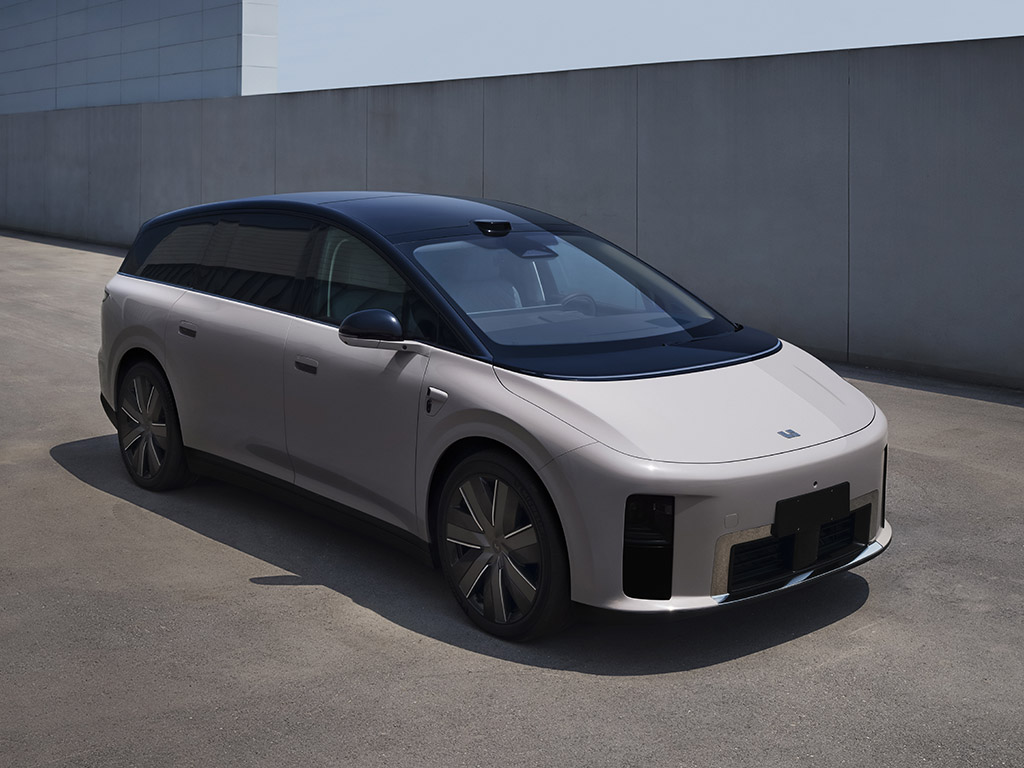
(Image source: Ministry of Industry and Information Technology)
However, EV Insight remains skeptical about this model's sales prospects. The i6's strong sales don't guarantee success for all Li Auto EVs—in reality, the i8's monthly deliveries hover around just 2,000 units. Whether the more expensive i9 can outperform the i8's sales remains to be proven by the market. That said, no matter how the i9 sells, Li Auto's strategy of expanding its pure electric lineup to improve product coverage is the right call.
Xiangjie: Entering the MPV Market
In the first half of this year, Xiangjie Auto sold 21,000 vehicles, marking a 119.58% year-on-year increase. While there's still a gap compared to top-tier brands, the marque has firmly established itself in the luxury market. BAIC is striking while the iron is hot by filing for the luxury MPV Xiangjie V8 this month.
This vehicle measures 5335/2005/1805 (1825) mm with a 3250mm wheelbase, offering both a 1.5T range-extender version and a pure electric variant. Each powertrain option comes in two configurations: a 227kW rear-wheel-drive model and a 160kW+227kW dual-motor all-wheel-drive model.
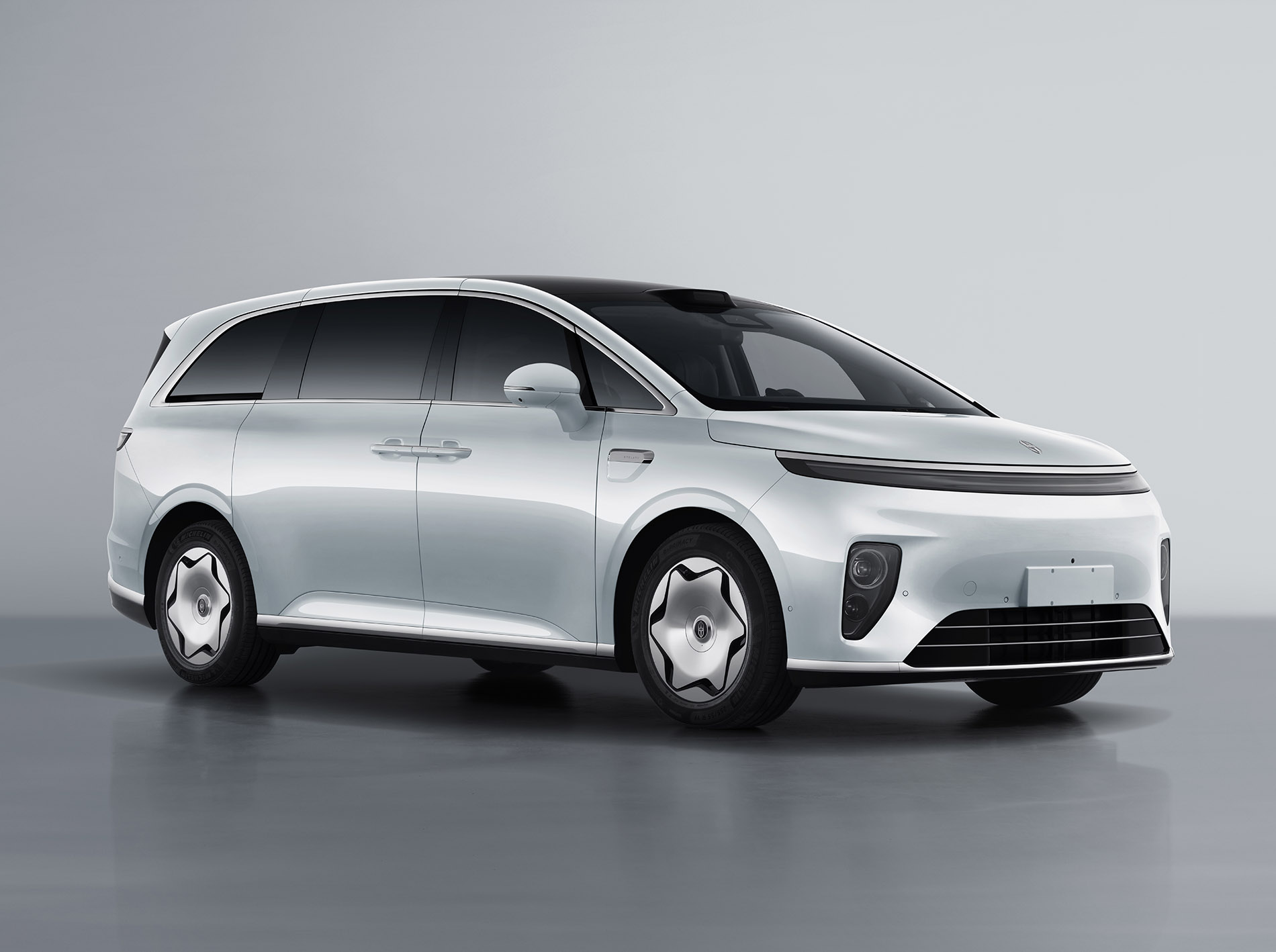
(Image source: Ministry of Industry and Information Technology)
More details about the vehicle's specifications are yet to be revealed, but judging by its naming, the Xiangjie V8 is positioned below the Zhijie V9, and its price tag is likely 50,000 to 100,000 yuan lower.
EV Insight (ID: dianchetong233) believes that the Xiangjie V9's streamlined family-friendly styling, 5.3-meter seven-seater body, rear-wheel steering, and Huawei ADS 5.0 advanced autonomous driving directly address three traditional MPV pain points: bulky handling, weak intelligence, and limited powertrain options.
Yet constrained by its body shape and hardware costs, it has shortcomings in cargo capacity, pricing, and exterior distinctiveness. After launch, it will siphon family-oriented customers away from the Denza D9 and Li Auto MEGA, and is poised to become a key competitor in the 300,000 to 400,000-yuan segment—though it's unlikely to become a cross-price-range blockbuster hit.
Volkswagen: Making a Final Push With XPENG's Support
Chinese automakers have been expanding aggressively across global markets, prompting many overseas brands to recognize the prowess of Chinese enterprises and choose to partner with them to enhance product competitiveness. Volkswagen previously collaborated with Chinese automaker XPENG to co-develop the Zhongyu 08, and now the two brands' jointly built Zhongyu 09 has also completed regulatory submission.
The Zhongyu 09 measures 5018/1980/1509 (1526) mm with a 3030mm wheelbase, offering two configurations: a 230kW single-motor rear-wheel-drive version and a 140kW+230kW dual-motor all-wheel-drive version.
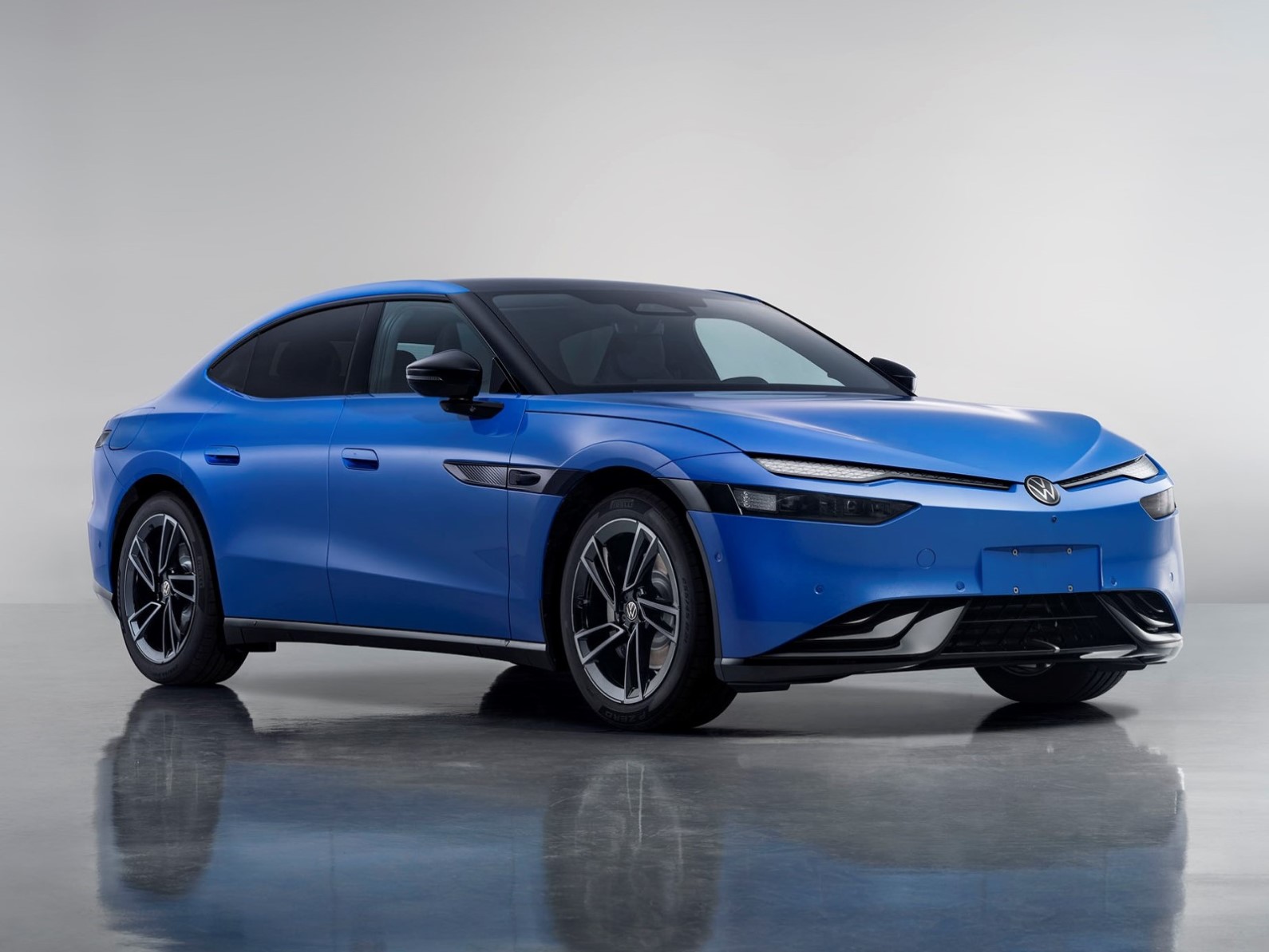
(Image source: Ministry of Industry and Information Technology)
Built on Volkswagen's German-engineered chassis and overall quality control, the Zhongyu 09 incorporates XPENG's electrical and electronic architecture and end-to-end autonomous driving technology. Its 3030mm ultra-long wheelbase solves the space shortfall of typical coupes, making it a critical model for Volkswagen's new energy intelligent transformation. Its core drawbacks include reduced headroom due to the fastback design, higher vehicle weight, a full lineup of LFP batteries, and fierce competition in its pricing range—making it best suited for consumers who value driving quality and brand reputation, while balancing family practicality and intelligent features.
Considering the lackluster sales of the Zhongyu 06 and 07, and the underwhelming performance of the XPENG-backed Zhongyu 08, the Zhongyu 09 must nail its pricing strategy to stand any chance of becoming a hit. EV Insight (ID: dianchetong233) argues that this model's price should not exceed that of the XPENG P7—otherwise, consumers will almost certainly prefer the authentic XPENG P7 over the XPENG-derived Zhongyu 09.
Industry Competition Continues to Escalate—Automakers Seek Their Own Paths
With the "Golden September, Silver October" peak sales season fast approaching, the domestic new energy market's stock competition is intensifying, and growth dividends are narrowing. These factors mean that no automaker can afford to stick to a single track—they must identify their unique advantages to carve out differentiated paths forward. The new vehicles submitted this month are precisely the symbols of each automaker's next-phase development.
Li Auto is moving away from over-reliance on range-extender technology to fully focus on pure electric vehicles, launching the flagship i9 to complete its EV product matrix and meet family users' demand for low-cost pure electric travel amid improved charging infrastructure. Xiaomi is seizing the moment to roll out the Pengcheng series of range-extender SUVs, filling the gap in its hybrid lineup, and using large-space vehicles to address long-distance travel pain points for family users, in an attempt to replicate the sedan market's hot sales success.
Facing first-half sales declines, BYD is pinning its hopes on the Formula Leopard Shark pickup to unlock new incremental market space, leveraging its new energy technology advantages to enter the expanding pickup segment and grabbing market share from traditional brands like Great Wall as pickup policies loosen up. Xiangjie, meanwhile, is targeting the 300,000 to 400,000-yuan family MPV market with the V8, combining range-extender and pure electric powertrains with Huawei's full suite of intelligent systems to establish a family-focused niche outside the mainstream commercial MPV space.
Joint-venture brands are opting for technical partnerships to address their weaknesses. The Volkswagen-XPENG co-developed Zhongyu 09 has completed its filings, blending German chassis tuning with XPENG's 800V platform and end-to-end autonomous driving to solve the longstanding problem of outdated intelligence in joint-venture vehicles. But weighed down by poor sales of earlier models, pricing will be the key to whether it can break through.
Overall, the era of extensive industry growth is over. Simply relying on model iterations and price cuts will no longer sustain sales. Domestic Chinese automakers are either diving into underserved niche markets or enriching their powertrain lineups, while overseas brands are leveraging local Chinese technology to complete their transformations. Securing track positioning, mastering core technologies, and precise market targeting will become the decisive factors for automakers vying for market share in the second half of the year.