Midterm Exam for China's New EV Makers: Scores Up Across the Board, But No One Passes
The first half of the year has wrapped up, and the new EV makers are still facing a scenario where some celebrate while others struggle.
As each brand gradually releases its delivery figures, the mid-term report cards for these new automakers have officially been unveiled. In just half a year, the long-standing stable ranking of "NIO, Li Auto, Xpeng" that persisted for years continues to be overturned.
In the first half of this year, the most notable feature among the new EV maker camp is that the divergence among top-tier brands has intensified, creating a severe gap between different market tiers. Once a relatively under-the-radar player, Leapmotor Auto has once again seen surging sales and claimed the top spot with its cost-performance strategy; while Li Auto, which led the way in the extended-range EV era and was the first among new automakers to achieve stable profitability, has fallen into a declining predicament amid its strategic transition.
Judging solely by this mid-term performance, it is still hard to say who the true top performer is. Because, with more than half of the year gone, none of the mainstream new EV makers have hit 50% of their annual targets, leaving them facing immense pressure in the second half of the year.
As the growth rate of China's passenger vehicle market slows down, and the new energy vehicle penetration rate exceeds 60%, the market has gradually entered a stock competition phase, making industry-wide reshuffling inevitable.
At this point, both the industrial sector and the capital market will no longer evaluate brands solely based on sales volume. Profit quality and sustainability have become the new standards for measuring brand value.
Foundational Mandatory Question: Industry rankings reshuffled again
Sales data is the most intuitive assessment of each new EV maker's operational performance, equivalent to a mandatory question in an exam.
Based on the delivery figures disclosed by each brand, the new EV maker camp has formed clear market tiers in the first half of the year, with the industry's Matthew effect becoming increasingly prominent.
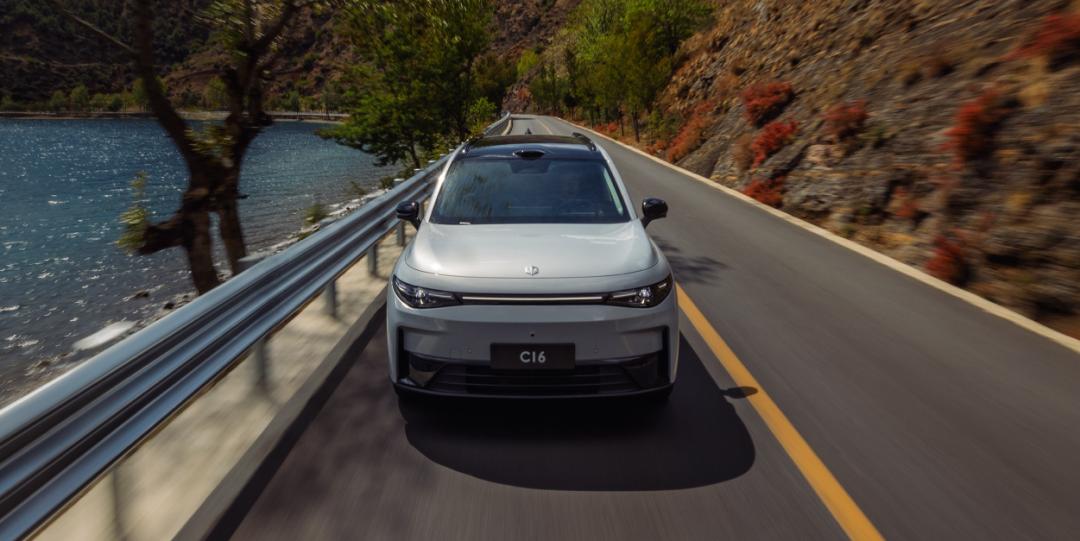
In 2025, Leapmotor Auto claimed the new EV maker sales crown with doubled year-over-year growth, and its dark horse momentum has continued this year. In the first half of the year, the brand delivered a total of 356,487 units, up 61.2% year-over-year; in June alone, it delivered 93,376 units, surging 95% year-over-year and setting a new all-time monthly sales record.
Leapmotor's sales figures are overwhelmingly leading among new EV makers, outperforming the second-place brand in the camp by 110,000 units. It is also the only enterprise among new EV makers whose monthly sales are approaching the 100,000-unit mark.
The half-year delivery volumes of the second-tier brands in the camp are concentrated in the 190,000 to 240,000 unit range, with clear shifts in their rankings.
Harmony Intelligent Mobility Alliance (HIMA) delivered 240,000 units in the first half of the year, up 18.6% year-over-year. Backed by Huawei and leveraging its multiple "Jie" series models, HIMA secured the second-place sales position with steady output from its high-end vehicle lines.
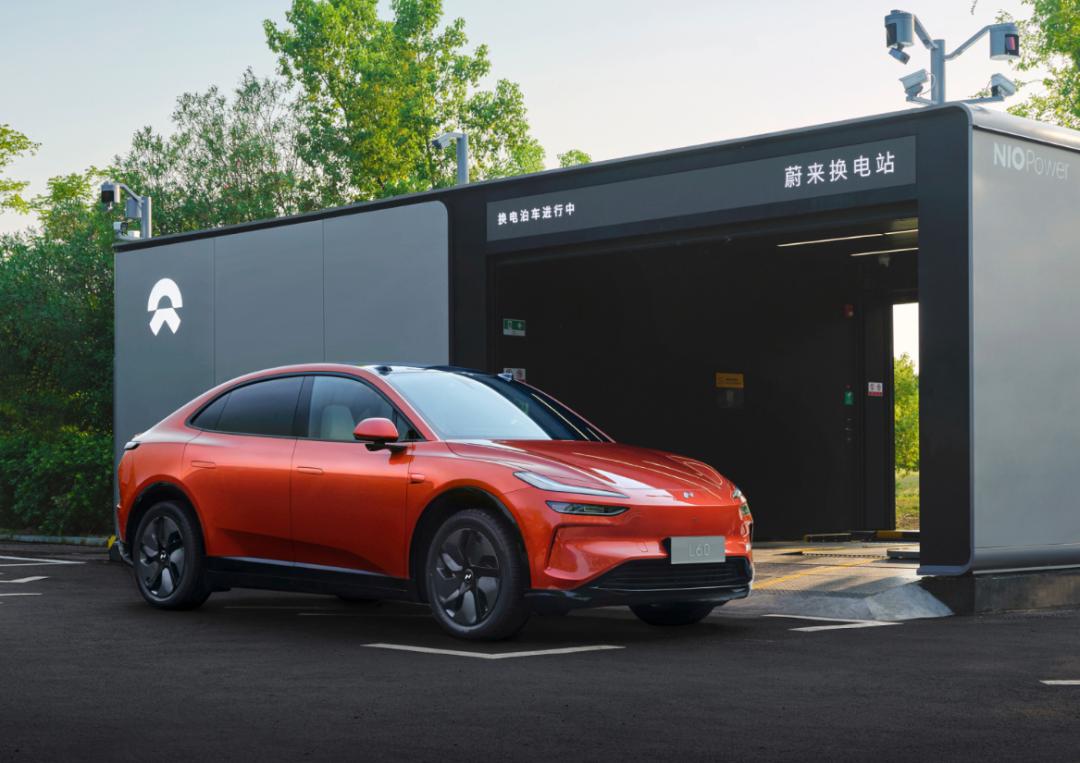
Over the past few years, NIO, which had underperformed in the market, has finally reaped rewards from its multi-brand and battery-swapping layout, seeing a strong rebound. In the first half of this year, it delivered a total of 191,123 units, up 67.4% year-over-year.
Xpeng Motors has faced weak performance from many of its long-time core models, squeezed in the mid-range market, and its pace of model upgrades and new vehicle launches lags behind peers. It delivered a total of 165,977 units in the first half of the year, with only a 15.9% year-over-year increase.
Among new EV makers, Xiaomi Auto is undoubtedly the most high-profile player. With just two models, it has stably achieved an average monthly sales volume of 30,000 units, delivering over 180,000 units in total in the first half of the year. However, hidden risks such as a thin product matrix and limited room for incremental growth have also gradually emerged.
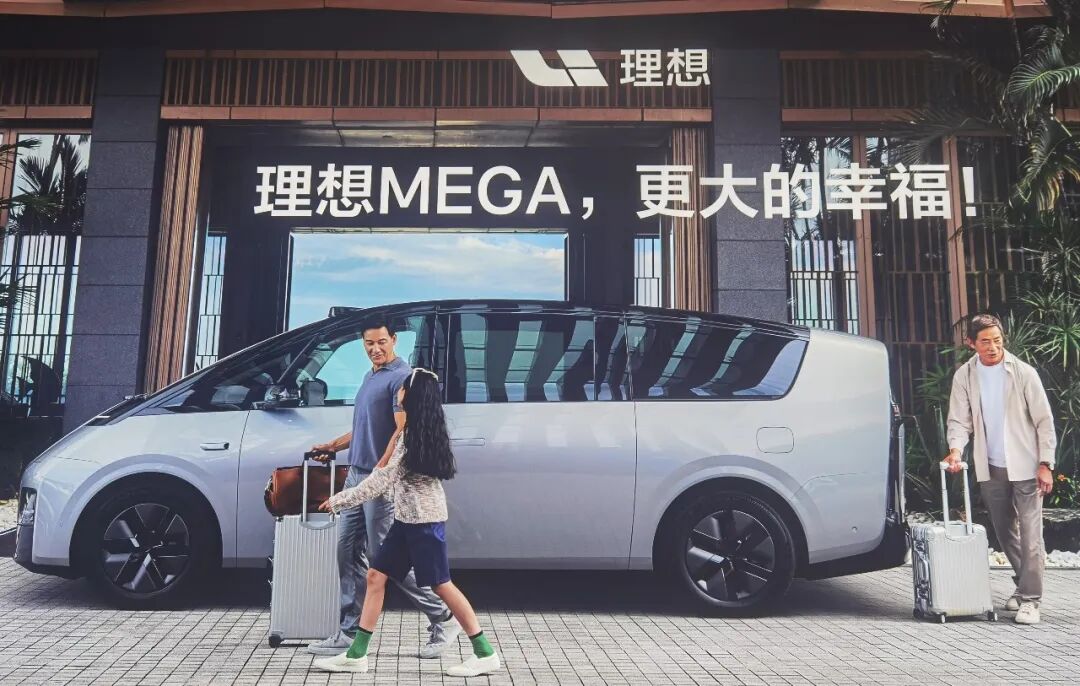
Where there are successful players, there are inevitably those facing setbacks. Li Auto, which had been advancing rapidly in previous years, delivered a total of 193,500 units in the first half of this year, down 5.1% year-over-year. It is the only enterprise among mainstream new EV makers with negative sales growth, and in June, it saw declines both year-over-year and month-over-month. Its once-solid core market in high-end family SUVs is continuously weakening, and its long-accumulated market advantages are at risk of eroding.
Core Calculation Question: Severe imbalance between volume and profit
According to data from the China Passenger Car Association (CPCA), retail sales of domestic passenger vehicles reached 10.318 million units in the first half of this year, down 6.2% year-over-year. The new energy vehicle sector propped up the market alone, with a 16.7% year-over-year increase and total sales of 5.923 million units. Currently, the new energy vehicle penetration rate has reached 57.4%, and it even exceeded 63% in June alone.
Against the backdrop of an overall weakening market, the industry has already entered a stock competition phase.
As the era of widespread industry growth comes to an end, the market no longer evaluates automakers solely by sales volume. Instead, it focuses more on whether enterprises can achieve sustainable development through profitability while maintaining their market advantages.
In the first half of this year, although Xpeng Motors' sales performance was not particularly outstanding, its overall group gross margin reached 20.6% in Q1, leading the pack among top-tier new EV makers. Of course, this was mainly driven by high-margin service businesses.
NIO followed closely, with an overall group gross margin of 19.0% in Q1, of which the gross margin for automotive sales was 18.8%, seeing varying degrees of improvement both year-over-year and month-over-month.
Even so, due to high investments in sales, R&D, and other links, neither of the two companies has achieved stable profitability yet. However, both currently hold over 40 billion RMB in cash, providing a relatively solid financial safety cushion.
In comparison, Leapmotor and Li Auto have relatively prominent "unbalanced performance" issues.
Leapmotor relied on low-price strategies and self-developed cost reduction measures to drive scale growth. Despite rising sales in Q1, its gross margin dropped from 14.9% in the same period last year to 9.4%, resulting in a loss of 390 million RMB for the quarter.
Current Li Auto is going through growing pains amid transition: on one hand, it faces competition from rivals in the extended-range EV market, and on the other hand, it needs to push hard into the pure electric vehicle market. Fighting on two fronts has severely impacted the company's profitability. Its vehicle gross margin in the first quarter dropped from 19.8% in the same period last year to 6.1%, swinging from profit to loss, with a net loss of approximately 2.3 billion RMB.
Given the performance of the top-tier new EV makers, the survival situation of mid-to-lower tier brands can easily be imagined.
Progress Essay Question: Target expectations are collectively missed
At the start of each year, new EV makers are accustomed to announcing annual sales targets, which serve to boost confidence for both themselves and the market. The external world then uses these targets to assess the enterprises' operational performance at various time points.
In the first half of this year, although top-tier new EV makers generally saw sales growth, none of them have completed half of their annual targets despite more than half of the year having passed.
In 2025, Leapmotor Auto's sales rose 103% year-over-year to 586,600 units. This year, the company set an annual target of 1 million units for itself. Despite impressive growth in the first half of the year, its target completion rate is only 35.6%.
Based on this calculation, Leapmotor needs to achieve an average monthly sales volume of 107,000 units in the next six months to have a chance of hitting its full-year target. To catch up on progress, it will likely have to continue offering end-user discounts and trade profit for volume, which could put further pressure on its profitability.
For new EV makers including Li Auto, Xpeng, and Xiaomi, their target completion rates in the first half of this year are all around 30%, leaving them with extremely arduous tasks in the second half of the year.
Among mainstream new EV makers, HIMA has the lowest half-year target completion rate, at only around 20%. When it announced its 1 million-unit target at the start of the year, the management clearly underestimated how fierce the market would be this year, making the full-year target almost impossible to achieve.
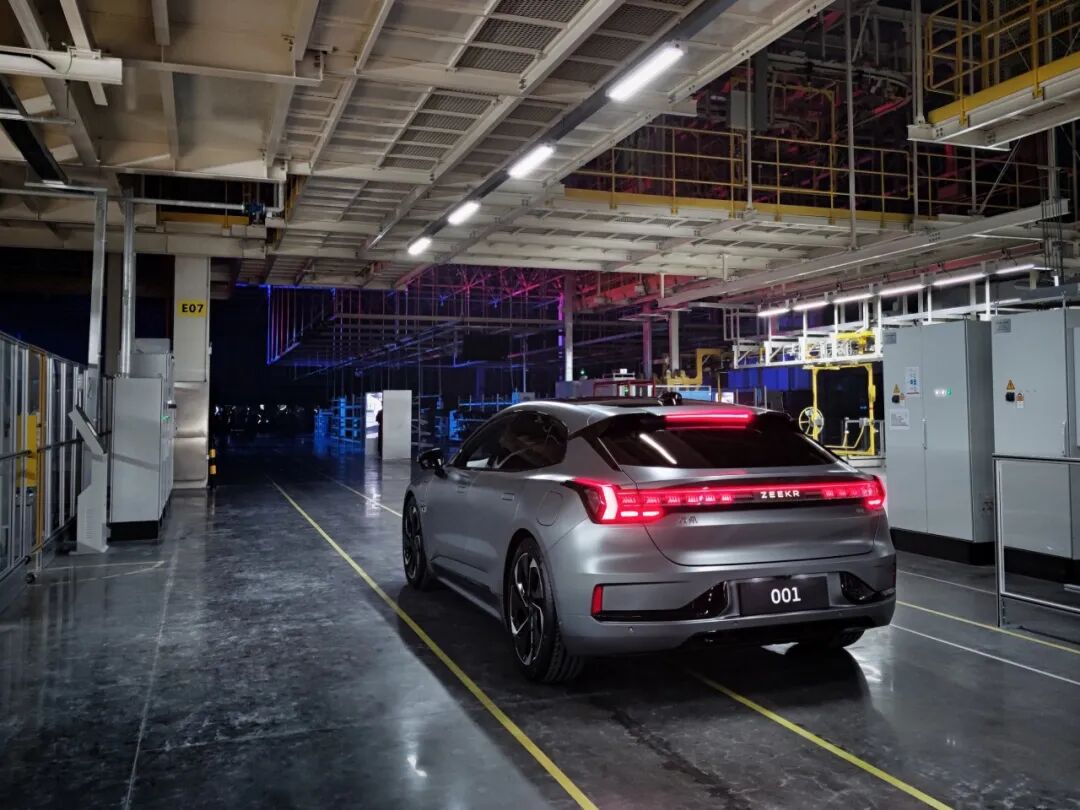
In contrast, new energy brands incubated by traditional automakers have adopted more pragmatic approaches when setting targets. Brands such as Zeekr, Deepal, and Voyah have all exceeded 50% completion of their first-half targets, with Zeekr reaching as high as 60%.
All new EV makers face immense pressure to hit their targets in the second half of the year. They either continue cutting prices to boost sales, sacrificing profits for scale; or lower their annual expectations, scale back operations, and stabilize their core market. No matter which path they take, the intense industry-wide involution will be hard to reverse.
Bonus Expansion Question: Overseas expansion will widen gaps between players
The domestic automotive market has entered a stock competition phase, with local incremental space continuously shrinking. The capability to expand overseas has become a bonus question that will widen long-term competitive gaps among new EV makers.
Among mainstream new EV makers, Leapmotor is the only enterprise that has achieved large-scale overseas operations. In the first half of the year, the brand's export volume neared 100,000 units, exceeding its total full-year exports in 2025. Overseas sales account for nearly 30% of its total sales, with 21,000 units exported in June alone. As the company's localized production capacity in Europe goes online, Leapmotor is expected to be the first to establish a viable overseas commercialization path and capture incremental dividends from overseas markets.
The overseas layouts of other top-tier new EV makers are mostly still in the trial phase, with overseas sales generally accounting for less than 10% of their total volume. Their efforts are mainly focused on channel deployment and brand testing, without forming large-scale revenue, so they cannot offset the competitive pressure in the domestic market in the short term.
This mid-term exam is only a phased assessment, and the difficulty of industry competition will only continue to rise in the future. Sustained price wars, concentrated launches of new products, continuous technological iterations, accelerated overseas layouts... Only by withstanding immense pressure and overcoming every challenge can all these "examinees" secure a spot in the top tier in the final grand exam.
This article originates from the WeChat public account "Banma Consumer" (ID: banmaxiaofei), authored by Fan Jian, and published by 36Kr with authorization.