Hybrid Encyclopedia: The Forcibly Unleashed New Cycle – A 10,000-Word Deep Dive into Today's "Range-Extender Technology"
One resource worth ten: A complete collection of range-extender technologies!
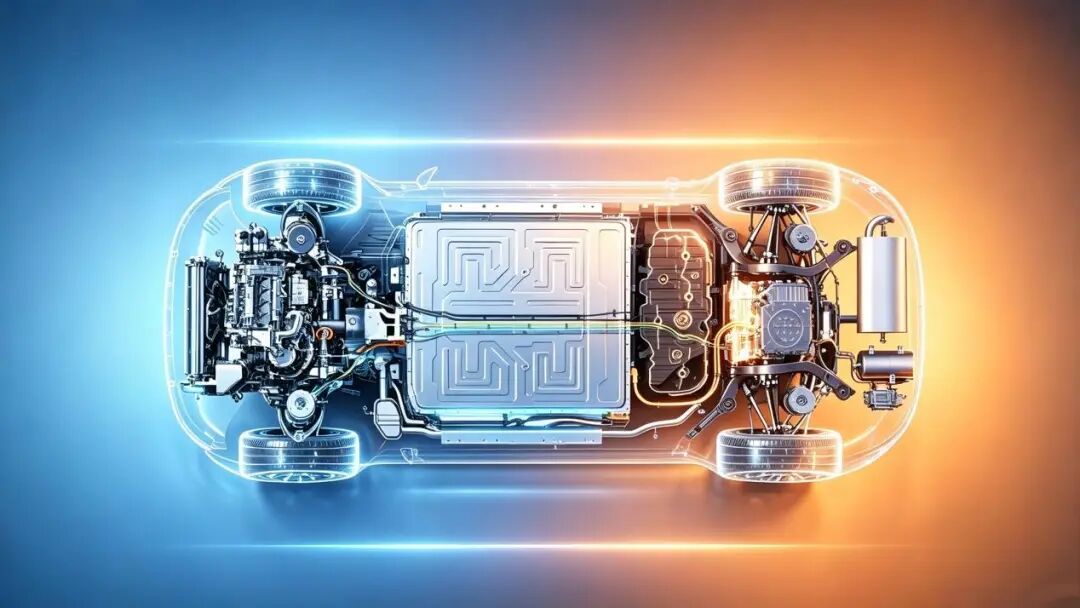
In the first quarter of 2026, China's extended-range electric vehicle market delivered a slightly underwhelming performance report. Retail sales reached 204,000 units, representing a 6.4% year-on-year decline.
Looking back at 2024, the extended-range vehicle market still maintained a 70.9% year-on-year growth rate. Just one year later, in 2025, the growth rate plummeted to 6%. The rapid cooling of market enthusiasm is no accidental phenomenon, but the result of combined effects of multiple factors.
Adjustments to the policy environment are the most direct driving force. Starting from January 1, 2026, the new energy vehicle purchase tax incentive policy has raised higher requirements for plug-in hybrid electric vehicles including extended-range models. The minimum pure electric driving range threshold has been increased from 43 km to 100 km, and models that fail to meet the standards are directly excluded from the incentive catalog. This policy change has forced all automakers to increase investment in battery capacity and accelerate the pace of technological upgrading.
The all-round squeeze from battery electric vehicles is a deeper underlying reason. Over the past five years, pure electric models have made remarkable progress in terms of driving range, charging convenience and cost control. Nowadays, the average driving range of battery electric vehicles has exceeded 500 km, and some mainstream models even surpass 700 km. The rapid popularization of the 800V high-voltage ultra-fast charging network has also greatly alleviated the problem of charging queues at highway service areas during holidays. The continuous decline in battery costs has further narrowed the price gap between extended-range vehicles and battery electric vehicles.
From these data, it is not difficult to see that the extended-range vehicle market has officially bid farewell to the high-growth phase of the past few years, fully shifting from incremental expansion to stock competition.
Welcome back to my encyclopedia of hybrid vehicles. Long time no see. In this issue, we will discuss how extended-range technologies have evolved from May 2025 to the end of May this year. The opening part today is a bit lengthy and somewhat somber, but occasionally we need to build up momentum after a low start. The full text is approximately 10,000 words, including a large detailed table for you to listen to and read~
01. The start of a new technological cycle under stock competition
Following the preface, we find that stock competition will inevitably push market competition into a white-hot stage.
In the first half of 2025, leading brands such as AITO and Li Auto took up most of the market share with their first-mover advantages, making it increasingly difficult for new entrants to grab a piece of the pie. Price wars and technology wars broke out simultaneously, significantly accelerating the industry reshuffle.
Facing market pressure, major automakers did not flinch. Instead, they increased their R&D investment in extended-range technologies. From June 2025 to the end of May 2026, many mainstream automakers including Avatr, Volkswagen, Dongfeng, GAC, Huawei, Li Auto, Buick, IM, XPeng, and Leapmotor intensively released new-generation extended-range systems.
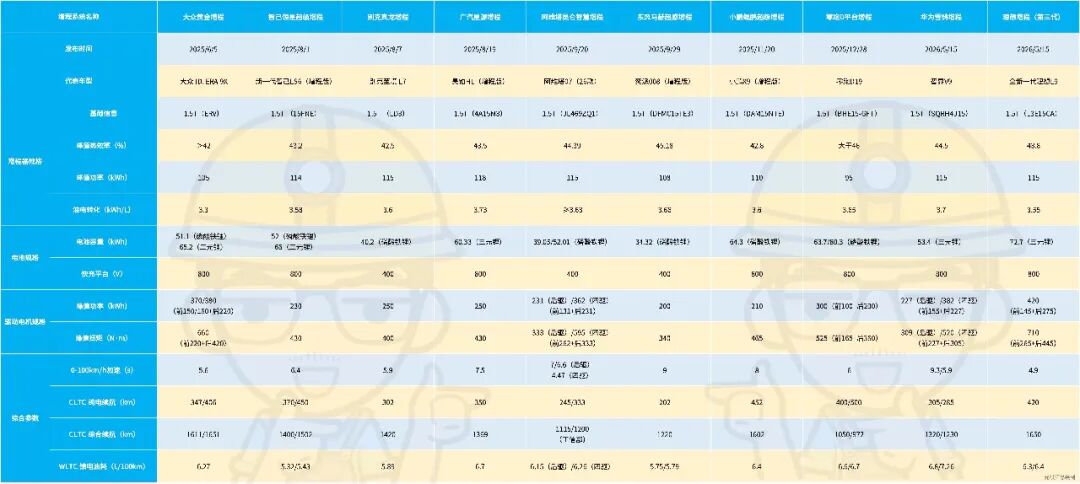
(Ultra-high-definition large image, zoom in for viewing, for reference only, do not reproduce)
These systems have achieved comprehensive breakthroughs in five core areas: pure electric driving range, thermal efficiency, charging speed, intelligent energy management and NVH performance, bringing new vitality to the extended-range market.
First of all, we found that larger battery sizes have become the most obvious trend. To meet policy requirements and users' daily pure electric travel needs, new-generation extended-range systems generally adopt batteries with larger capacity. The extended-range system on Leapmotor's D platform is equipped with the 80.3kWh exclusive extended-range battery, the largest in the industry at that time. Li Auto's third-generation extended-range system comes with a 72.7kWh 5C ultra-fast charging battery, while IM's Stellar Super Extended-Range system carries a 66kWh 800V extended-range battery. The pure electric driving range of these models generally exceeds 400 km, and some even reach 500 km, meaning daily usage can almost entirely rely on pure electric mode.
Secondly, the 800V high-voltage platform has also extended from the pure electric field to extended-range vehicles. New-generation extended-range systems such as Huawei's Snowy Owl, IM's Stellar, XPeng's Kunpeng, GAC's Xingyuan, and Leapmotor's D platform all adopt 800V or even higher high-voltage platforms. The high-voltage platform not only greatly improves charging speed, but also reduces voltage conversion losses, enhancing the overall system efficiency. Some models can achieve more than 300 km of range replenishment after 10 minutes of charging, making the energy replenishment experience close to that of fuel vehicles.
Furthermore, milestone progress has been made in the specialization and efficiency improvement of range extenders. New-generation range extenders are no longer simple modifications of traditional internal combustion engines, but dedicated engines designed specifically for power generation scenarios. Dongfeng's Mach Super Sense Extended-Range system adopts the industry's first hybrid-specific engine with thermal efficiency exceeding 45%. The thermal efficiency of the range extender on Leapmotor's D platform even reaches over 46%, and GAC's Xingyuan extended-range system achieves an industry-leading fuel-to-electricity conversion rate of 3.73kWh/L.
In addition, the rapid integration of energy management systems with AI has also become a trend. Major automakers have developed intelligent energy management systems based on AI algorithms, which can intelligently plan the optimal power generation interval according to multiple factors such as real-time road conditions, driving habits, and remaining battery level. The system enables imperceptible power generation, greatly reducing the impact of range extender startup on driving and riding experience, while lowering overall fuel consumption.
Finally, NVH performance has been comprehensively improved. By adopting active noise cancellation technology, optimizing the range extender structure, and using the engine-generator coaxial direct connection technology, the quietness of new-generation extended-range systems is almost on par with that of pure electric vehicles. For example, Avatr claims that its Kunlun Intelligent Extended-Range system produces an in-cabin noise level of only 35.7 decibels during idling power generation, reaching a library-level quietness.
Overall, under multiple pressures from policies and markets, extended-range technologies have been forced through a round of iteration, kicking off a new product cycle.
Next, from a technical perspective, we will first look at the extended-range technologies that have been released domestically from 2025 to the end of May this year.
Of course, a disclaimer first: All data is the comprehensive result of my cross-verification of official launch materials, information from automakers' official channels, and public data from the three vertical industry platforms, sorted by the chronological order of official announcements. If there are any inaccuracies, you are welcome to correct me in the comments~
Volkswagen EA211 Range Extender: Mature, Reliable, German Craftsmanship
On June 5, 2025, at the Guangdong-Hong Kong-Macao Greater Bay Area Auto Show, Volkswagen released its first extended-range system, which is built on Volkswagen's mature EA211 engine platform, and first equipped on the Volkswagen ID.ERA 9X.
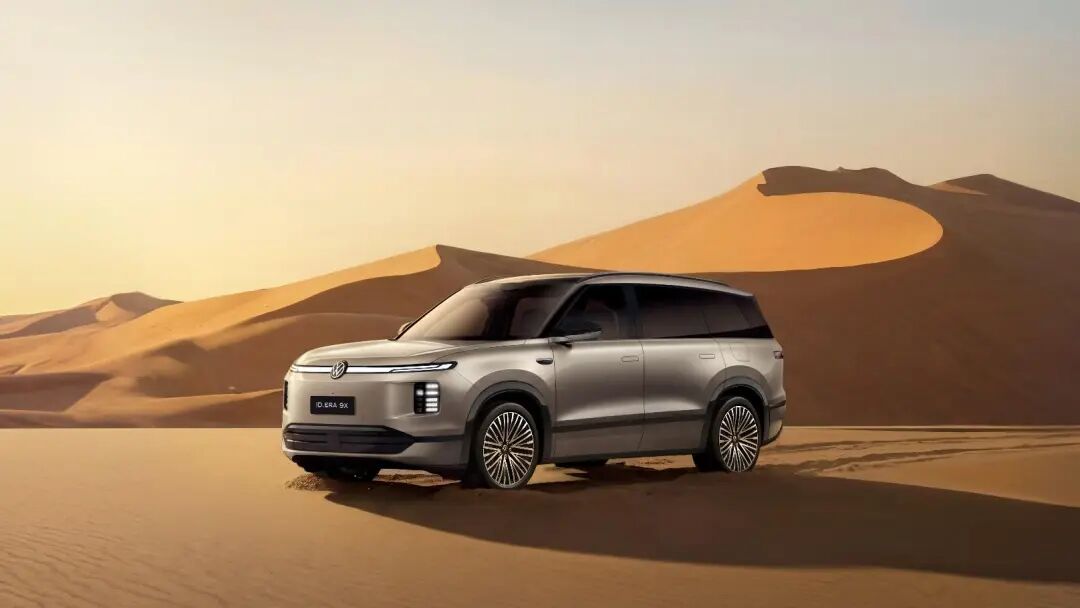
The ID.ERA 9X Gold Extended-Range system is centered on "Efficiency, Quietness, Consistent Power", building a "Golden Performance Triangle". Its CLTC pure electric range exceeds 400 km, and the overall combined range exceeds 1600 km; the four-wheel-drive version has a fuel consumption of only 6.27L per 100km under depleted battery conditions; the NVH difference when the range extender engages is less than 0.5 decibels; during tests in Lhasa at an altitude of 3650 meters, the acceleration difference between full-battery and depleted-battery states is only 0.18 seconds. All three indicators reach industry-leading levels.
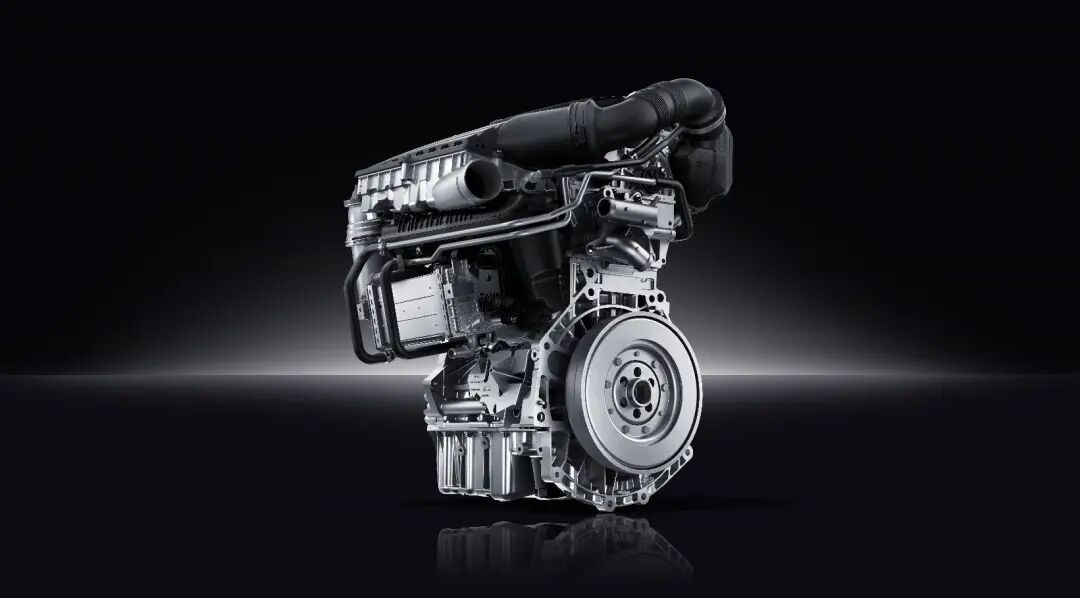
It is reported that the EA211 1.5T Range Extender (ERV), combined with APS atmospheric plasma spraying, reduces the cylinder wall thickness from 2.3mm to 0.13mm. Through core technologies such as the deep Miller cycle, 350bar high-pressure fuel injection system, and VTG variable-geometry turbocharging, it achieves more stable and efficient power output. Paired with a 65.2kWh large-capacity battery pack, the discharge power remains as high as 310kW even at a low 18% battery level, ensuring sufficient power under high-load operating conditions.
The ID.ERA 9X uses 0.2mm ultra-thin silicon steel sheets, and its electric drive achieves a maximum efficiency of 97.5%. Supported by the 800V silicon carbide platform, the front and rear dual motors can instantly deliver a maximum power of 380kW and a peak torque of 660N·m. Notably, its drag coefficient is as low as Cd 0.253, certified by China Automotive Engineering Research Institute as a "Low Drag Vehicle", ranking first among large extended-range SUVs in its class, further reducing energy consumption and extending driving range.
IM Stellar Super Extended-Range: Ultra-large Battery, Worry-Free in Extreme Cold
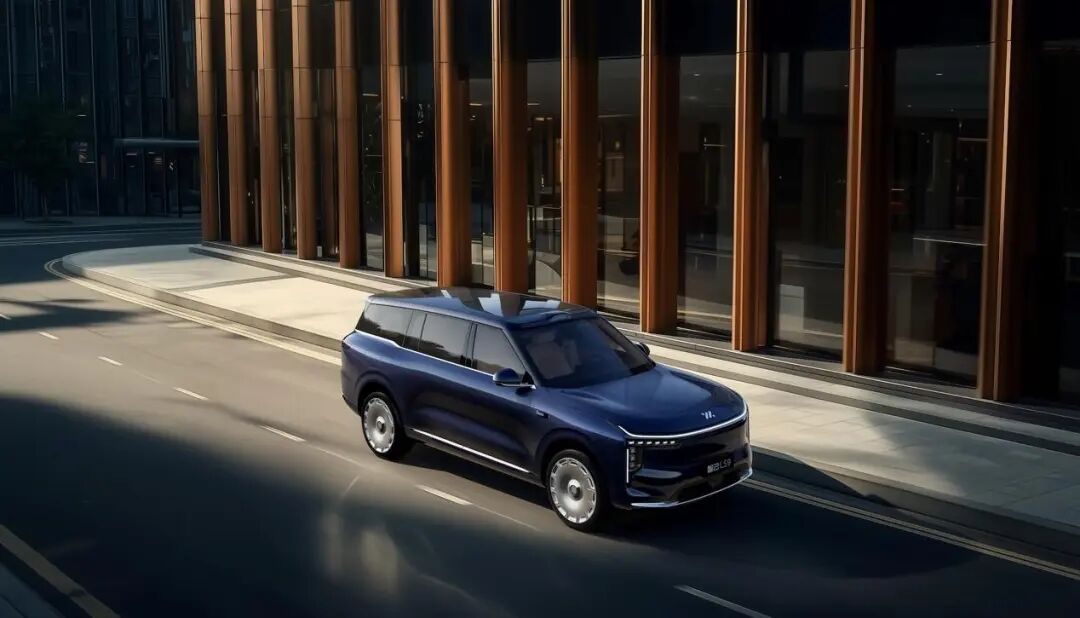
On August 1, 2025, IM Motors released the Stellar Super Extended-Range system in Shanghai. This system innovatively adopts a 66kWh 800V extended-range battery solution, putting forward the concept that "it is not just an extended-range vehicle, it is a pure electric car", with the first equipped model being the new-generation IM LS6.
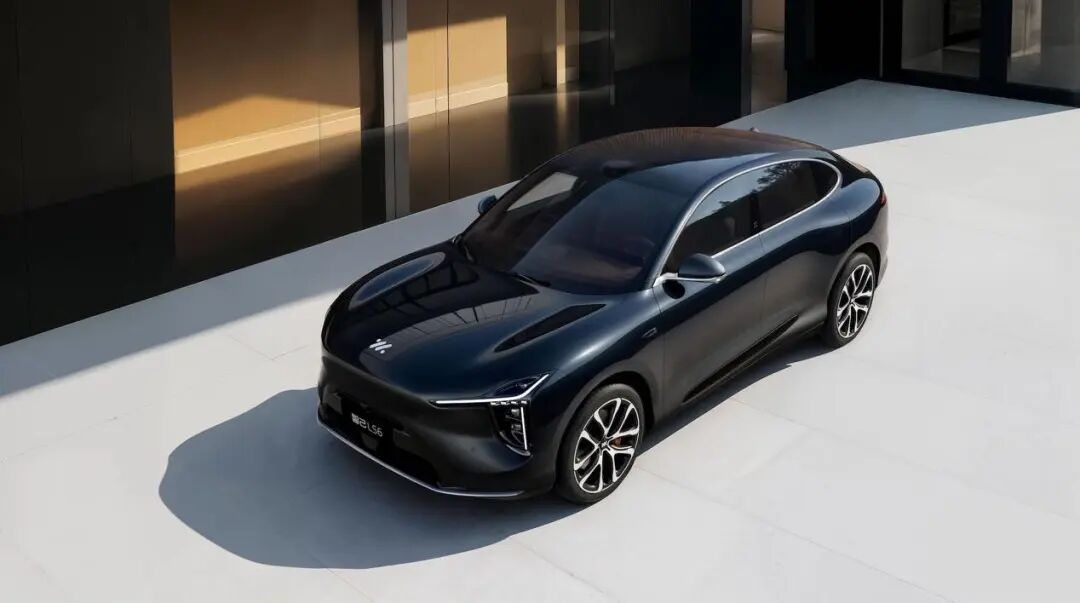
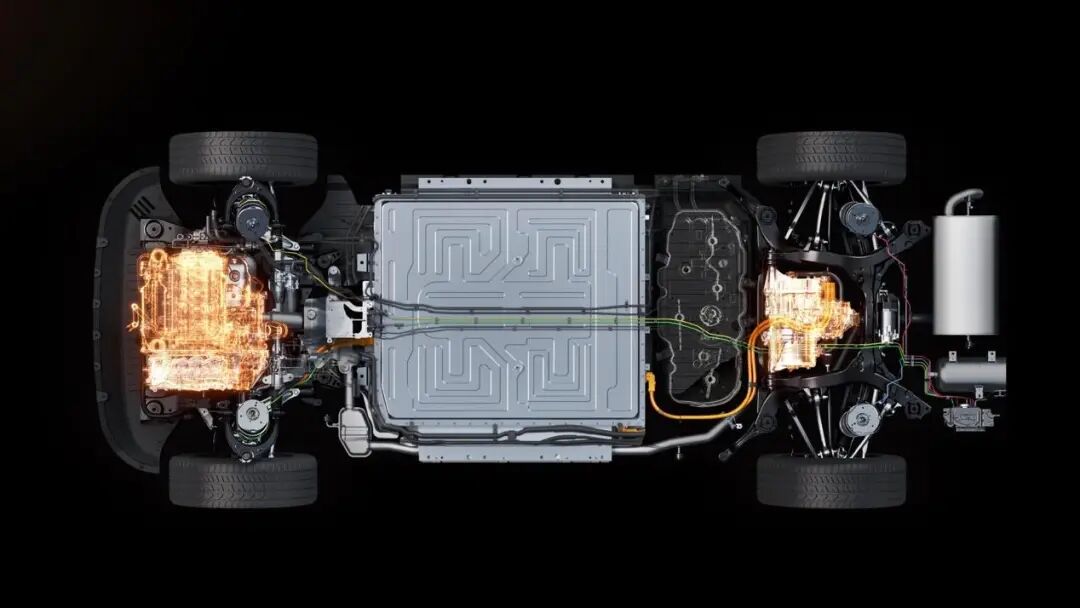
The range extender of IM's Stellar Super Extended-Range system uses the Zephyr 1.5T dedicated ultra-efficient golden engine for extended-range use. The engine adopts a VGT variable-geometry turbocharger and a high-compression-ratio deep Miller cycle design, achieving a thermal efficiency of 43.2% and a power generation efficiency of 3.58kWh/L. The system is equipped with the industry's pioneering active noise cancellation technology, making the range extender almost imperceptible when starting. The engine can run on 92-octane gasoline, supporting long-term usage scenarios where you only refuel without charging. A 60L full tank of fuel can deliver nearly 1000 km of driving range purely on fuel.
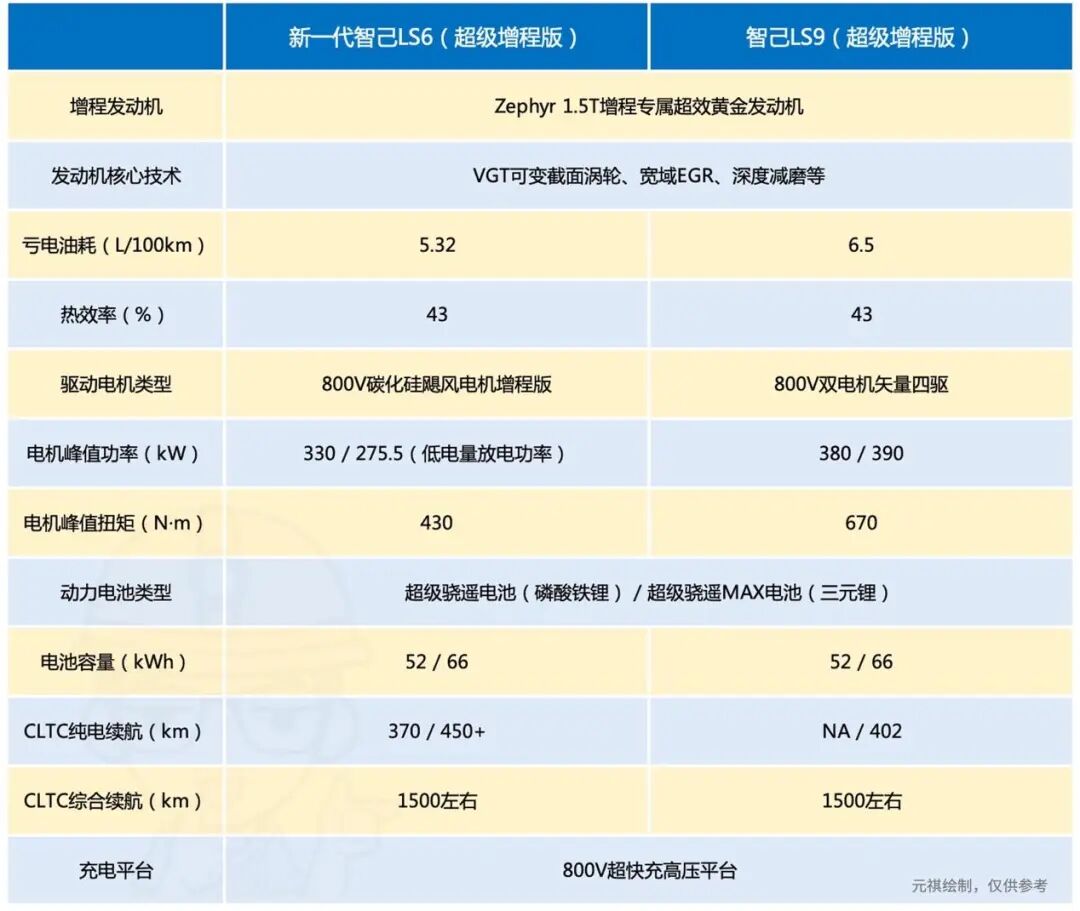
The electric drive system uses an 800V silicon carbide high-performance black-label Hurricane motor. The single-motor version has a maximum power of 250kW, while the dual-motor version delivers a total power of 390kW, achieving a 0-100km/h acceleration time of 4.7 seconds. The motor adopts 0.2mm ultra-thin silicon steel sheets and flat wire winding technology, reaching a maximum efficiency of 97.5%, with the advantages of small size, light weight, high efficiency, and excellent high-speed performance.
The battery system is the core competitiveness of the Stellar Super Extended-Range system. The system is equipped with the Super Xia Yao MAX battery, jointly developed by IM Motors and CATL, with a capacity of 66kWh. Using lithium iron phosphate material, the battery supports 800V ultra-fast charging, with a peak charging power of 268kW, and the 30%-80% charging time only takes 12 minutes. Its CLTC pure electric range reaches 430-450 km, which can meet the commuting needs of most users for a whole week.
The most praiseworthy feature is the battery's extreme cold charging performance. Through the industry-leading extended-range integrated thermal management architecture, even in extremely cold environments, the battery can reach an ultra-fast charging power of 170kW right from the start, completely solving the pain point of slow charging for users in northern China during winter.
In terms of overall performance, the new-generation IM LS6 has a CLTC combined range of over 1500 km, and the newly launched IM LS8 even reaches 1605 km. Its WLTC fuel consumption under depleted battery conditions is 5.32-5.9L/100km. The system supports three operating modes: pure electric, extended-range, and fuel emergency, which can meet the usage needs of different users in various scenarios.
Buick True Dragon Extended-Range: Consistent Performance at Full and Depleted Battery Levels
On August 7, 2025, Buick released the True Dragon Extended-Range system in Shanghai. Developed based on General Motors' three generations of extended-range technology accumulation, the system features the core design concept of "consistent performance from full to depleted battery", with the first equipped model being the Buick Electra L7.
