Haidilao, Luckin Coffee, and Little Vegetable Garden are ramping up their in-store dining services, all scrambling to do this one thing
An exploration centered on "how to draw customers back to physical stores" is quietly unfolding across the catering industry.
An increasing number of F&B brands are shifting their focus back to in-store dining.
Xiaocaoyuan launched a paid membership program that prioritizes benefits for on-site patrons; Laoxiangji adjusted its pricing system for dine-in and takeout to narrow the price gap; Heytea and Guming upgraded their store spaces; Haidilao introduced exclusive dine-in experiences... Leading brands have taken the initiative, all revolving around the question of "how to attract customers back to physical stores."
This does not mean brands are abandoning takeout, but more and more restaurant owners are realizing that a restaurant's true competitiveness cannot rely solely on online channels.
Thus, a new question arises for all catering operators: in an era where takeout is increasingly affordable and convenient, why would consumers make a special trip to eat at a physical store?
Create store-exclusive products to offer the allure of "dishes you can only get in person"
If dine-in and takeout serve identical products, why would consumers go out of their way to visit the store?
Recognizing this, more brands are redesigning their product offerings, positioning "food and experiences only available on-site" as the core competitive edge of dine-in services.
The most common approach is developing store-exclusive products. Since the start of this year, many brands have intentionally reserved some new products for offline channels to entice customers to visit and try them out.
For example, Luckin Coffee launched two alcohol-infused specialty drinks in May this year, explicitly stating they are only available for in-store pickup with no takeout delivery, to attract young customers to check in at locations; Bawangchaji's new Geelato tea ice cream is also limited to dine-in only, becoming a major foot-traffic driver for stores. Public information shows that after its Geelato line launched at 9 stores across 5 cities (Beijing, Shanghai, Shenzhen, Chengdu, and Wuhan), many popular flavors sold out within 3 hours of release, with wait times exceeding 2 hours at some locations.
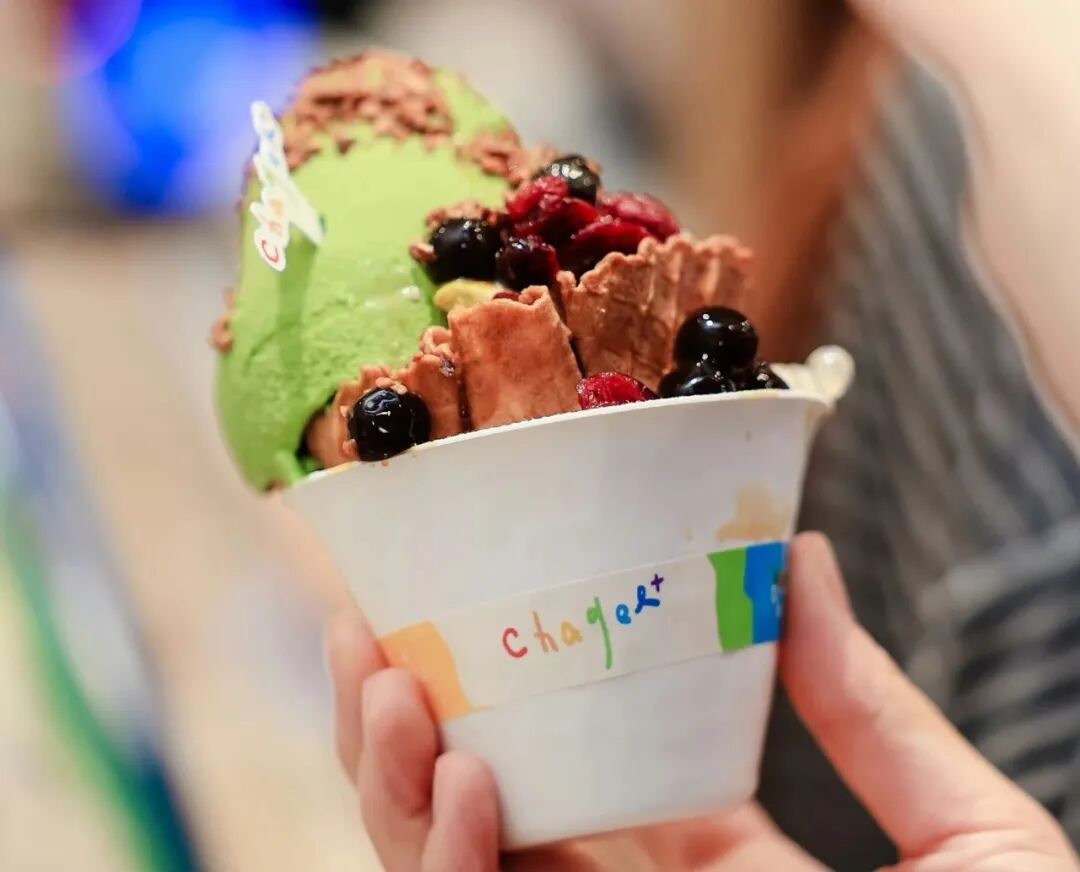
△ Image source: Bawangchaji official Weibo account
Beyond selling exclusive limited-edition products in stores, the "freshly cooked and made on-site" experience itself has become a differentiating factor for dine-in.
Takeout can deliver prepared meals to your doorstep, but it cannot transport the signature "wok hei" (seared aroma) of a dish fresh off the stove. More and more brands are consciously amplifying this distinction.
Brands including Xiaocaoyuan, Laoxiangji, and Xiangjichong have fully upgraded their open-kitchen designs, making food prep and cooking processes visible in the front dining area, where customers can directly watch chefs stir-fry hot dishes, staff hand-prepare ingredients, and fresh meat being sliced in real time. For consumers, a piping-hot dish straight from the wok carrying that distinct seared aroma is something takeout simply cannot provide — which is exactly why many people are willing to make a special trip to dine in.
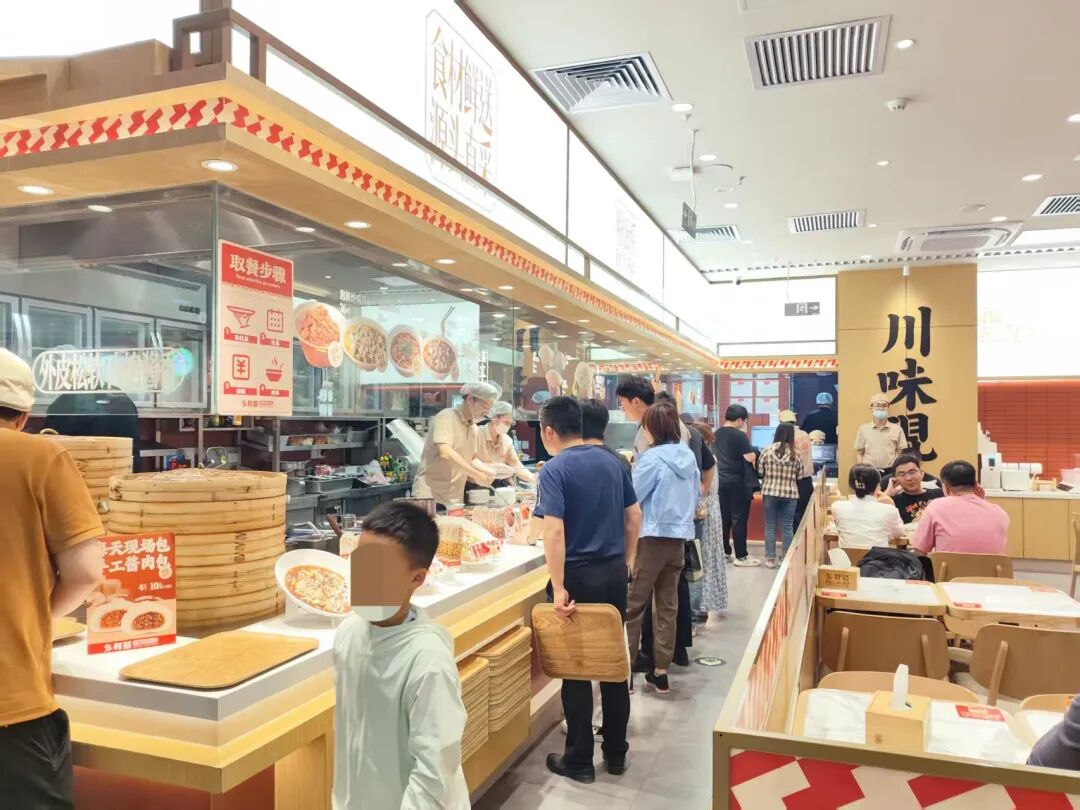
△ Image source: Hongcanwang Photography
At its core, "exclusive products" solve the problem of items unavailable via takeout, while "freshly cooked on-site" addresses what takeout cannot deliver. These two distinct paths point to the same goal: establish a unique consumer mindset for dine-in that takeout cannot replicate, giving customers a compelling reason they simply cannot skip visiting the store.
Of course, not all products are suitable for dine-in exclusivity. Brands also need to consider: which items can only showcase their best quality offline? What experiences can only be completed in a physical store? When these elements become the unique value of dine-in, consumers naturally gain one more reason to step through the door.
Launch dine-in exclusive perks to keep customers coming back repeatedly
Creating product differentiation to draw consumers to the store is only the first step. The next question is: how to make them want to return?
Many brands are placing more discounts and benefits into their membership systems, aiming to retain customers on their own channels and cultivate habits of continuous in-store consumption. From "purchasing benefits" to "depositing funds" to "maintaining ongoing contact," the intensity of customer retention strategies escalates step by step.
A typical example is introducing paid membership programs that reserve extra discounts for in-store members.
Xiaocaoyuan is a representative case. The brand launched its "88VIP" paid membership at the end of last year — customers pay 88 yuan to join, with perks including 12% off all dine-in purchases for the full year, one 50% off weekday dish coupon per week, a 68-yuan no-threshold voucher, and unlimited free rice and napkins all year.
The results were extremely immediate. As of April 30 this year, four months after the launch of Xiaocaoyuan's "88VIP," membership exceeded 793,000, with a cumulative repurchase rate of 46.48%, directly driving a year-over-year increase of 450,000 in-store visits per store, and a 23% year-over-year growth in new customers per location.
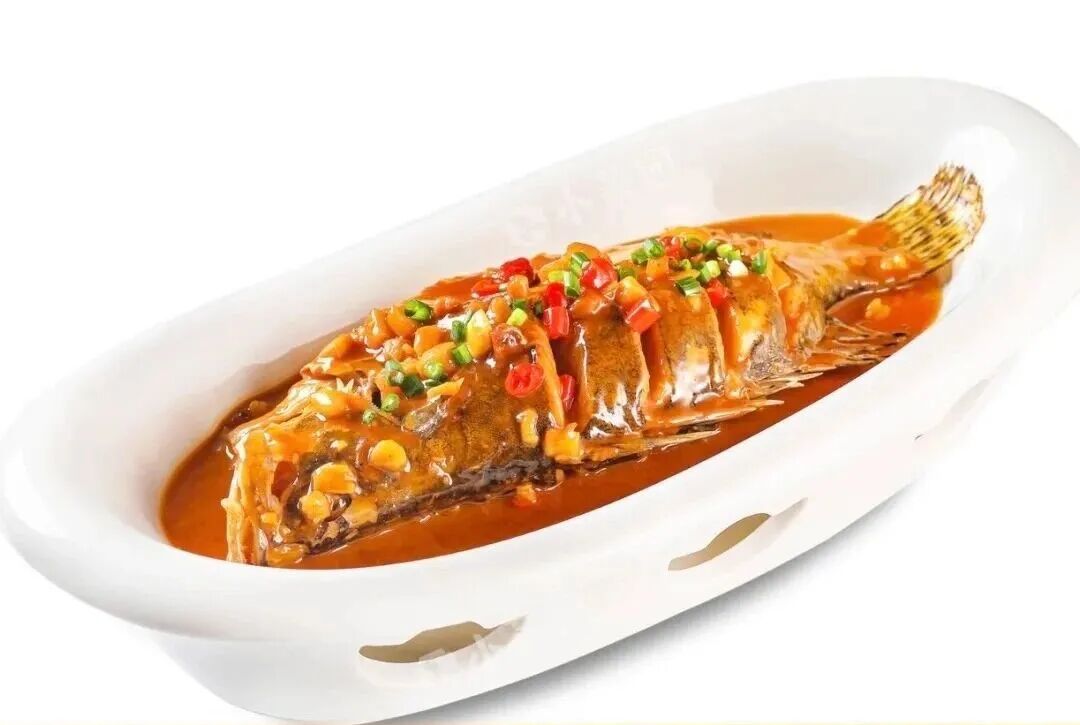
△ Image source: Xiaocaoyuan's official Xiaohongshu account
McDonald's "McGold Card," Heytea's "Golden Joy Card," Nayuki's "Little Nai Card," and Luckin Coffee's "Ru Wang Card" all follow similar strategies, using exclusive perks for members to encourage in-store dining or self-pickup.
If paid memberships represent "purchasing benefits," then stored-value plans mean "depositing money" — customers pre-load funds with the brand, making their next consumption decision nearly frictionless. With a remaining balance in their account, the brand where they already have money on deposit will naturally be top of mind when choosing where to eat out.
For example, Meet Noodle offers roughly 8% to 10% discounts for stored-value members, resulting in a stored-value member payment rate of about 36.5% and a repurchase rate of around 44.5% in 2024. By 2025, the total value of funds in Meet Noodle's stored-value member accounts and issued vouchers reached 127 million yuan.
However, benefits and stored-value plans only solve the "locking-in" problem. To keep customers consistently returning, continuous engagement is essential. Many brands use activities such as member days, in-store exclusive coupons, new product tastings, and limited-edition set menus to bring consumers back to the store time and time again.
For instance, Guming's "Neighborhood Link" program revolves around initiatives like student cards, bring-your-own-cup discounts, and community events to continuously strengthen interactions with customers.
From "purchasing benefits" to lock in a single visit, to "depositing funds" to secure the next purchase, to daily engagement that nurtures long-term habits — these three layers all serve the same purpose: turning "customers willing to visit once" into "customers who habitually return."
Transform stores into experiential spaces, not just places to eat
Products and promotions address the questions of "will they come" and "will they come back." But dine-in ultimately depends on the store itself — whether customers are willing to stay longer, largely depends on whether the space and services provide compelling reasons to linger.
Over the past few years, many F&B brands, in pursuit of cost reduction and efficiency gains, shrunk their store footprints and reduced seating capacity.
But the tide has now turned.
More brands are re-evaluating the spatial value of their stores, creating more in-store consumption opportunities through richer dining scenarios.
Haidilao is one such leading brand. By the end of last year, Haidilao had completed renovations for over 200 themed specialty locations, including late-night snack theme stores, family-friendly parent-child theme stores, and fresh-cut ingredient theme stores. Take the parent-child themed store in Shenzhen Fangda City that opened last July as an example: the location built a dedicated 200-square-meter children's play area with ball pits, interactive sand zones, projection slides, and reading nooks, plus parent-child activities like DIY fruit bowls, handcrafting wind chimes, and small science experiments.
Data shows that family with children accounted for 60% of weekend foot traffic at this store, with total table visits exceeding the same 2024 period by over 1,000 tables in the first month of operation.
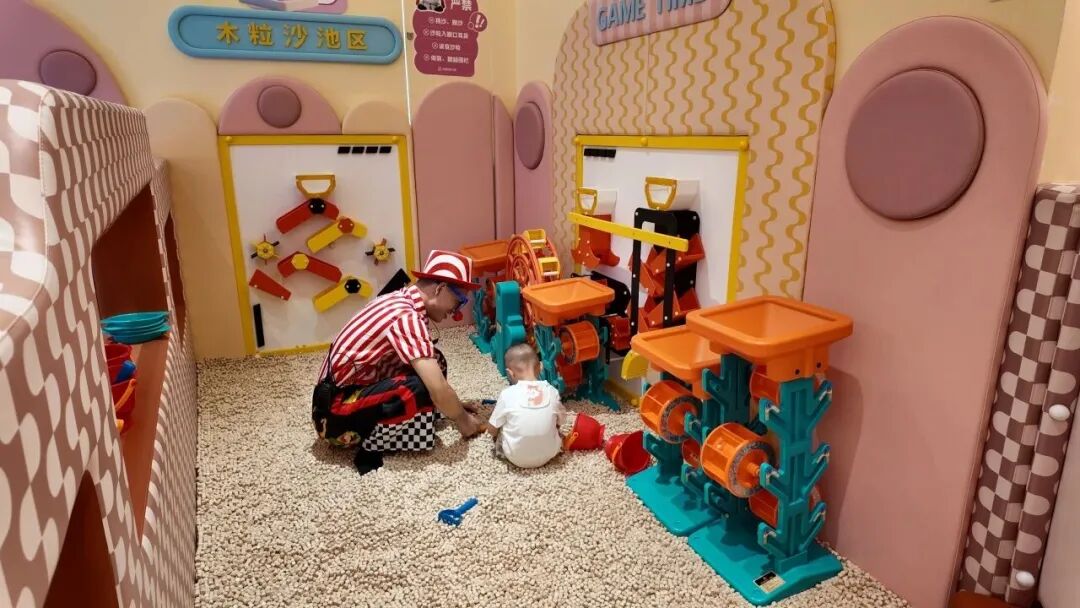
△ Image source: Haidilao Zhishiju official WeChat public account
Similar spatial upgrade concepts can be seen in Starbucks' "Thousand Stores, Thousand Faces" strategy, Mixue Ice City's flagship stores, and the mall locations of brands like Guming and Luckin Coffee — from various themed stores, to expanding dine-in seating, to adding photo-worthy installations, the core goal is to turn the store into a scenario that encourages customers to stay longer.
Beyond physical space, service experiences also influence whether customers are willing to stay and return.
Micun Rice published an open letter last year, introducing its "Four No's Principle" — no group-buy deals, no pushing internet-famous check-in trends, no rushing customers to leave positive reviews, no begging for 5-star ratings, redirecting more resources into the in-store dining experience itself: free rice, free side dishes, and free kelp soup are standard; regular tissue paper was upgraded to moisturizing cream paper; any customer feedback about food issues is addressed immediately, with complimentary mineral water offered as an apology when patrons leave.
These seemingly small investments continuously enhance consumers' perception of the in-store experience, becoming a key reason many customers are happy to return repeatedly.
At the end of the day, when a consumer walks into a restaurant, they are never just buying a dish — they are purchasing a complete experience, from the atmosphere upon entering, to the meal and service after being seated. For brands, what truly keeps customers offline is precisely these irreplicable experiential values.
This article originates from the WeChat public account "Hongcanwang", written by Zhou Feifei; edited by Fangyuan, republished by 36Kr with authorization.