Motorcycles that are about to be phased out in China's county towns have become a rigid demand for Egyptian workers.
It's hard to see such a landscape anywhere else:
Under the mottled ancient city walls of Egypt, the most practical survival tool is a motorcycle with the aesthetic sense of a Chinese county town.
At eight o'clock in the morning, Cairo wakes up to the sound of horns. As the cafes on the street are just opening their doors, a local named Muhammad has already straddled his Haojiang motorcycle.
He twists the throttle, and the engine roars. Carrying him, the motorcycle slides like an eel into the road clogged with old minibuses, cars, and horse-drawn carriages.
In China, this kind of fuel-powered motorcycle has long faded from sight; but in Cairo, a city of 22 million people, it is the most eye-catching and valuable means of transportation.
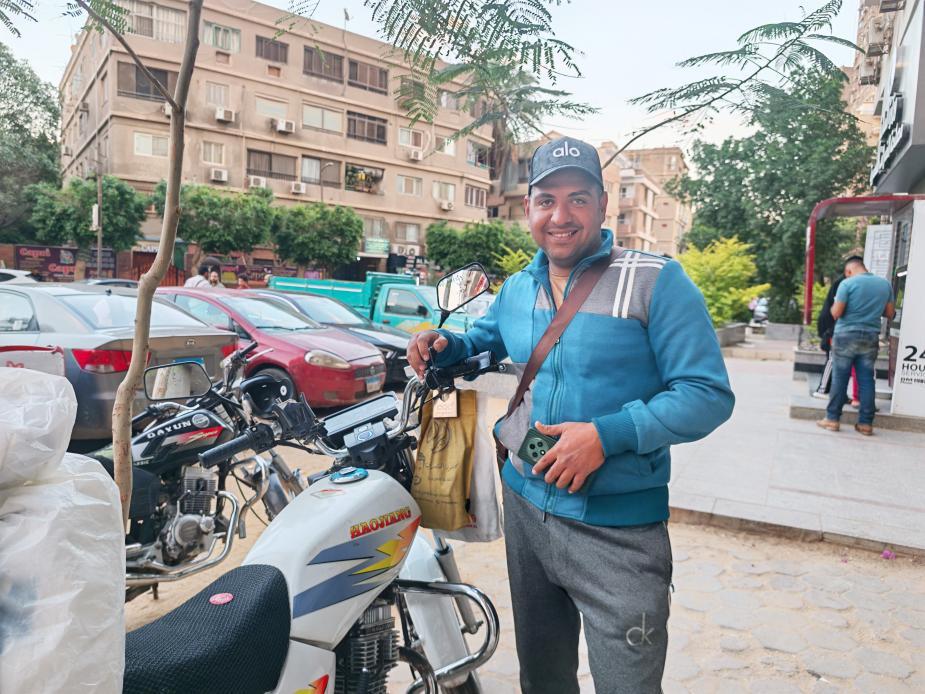
Muhammad and his Haojiang motorcycle
Three years ago, Muhammad gritted his teeth and spent about 40,000 Egyptian pounds (equivalent to about 5,400 Chinese yuan), which was several months' salary for him, to buy this motorcycle.
Just when inflation was soaring and the Egyptian pound was depreciating, as long as the engine roared, the livelihood of the whole family was secured — Muhammad rides it every day to deliver food and drive for ride-hailing services.
In Cairo, more and more young people are twisting the throttle, and the roars of Chinese-made motorcycles are pushing them forward.
The "Best Choice" within Five Kilometers
What supports the lives of these Cairo young people is a huge trade line spanning the Red Sea.
Every day, cargo ships from China dock at the Port of Suez, and their holds are filled with rows of straddle-type fuel-powered motorcycles. This type of motorcycle has faded from the mainstream market in China, but it is highly sought after in Egypt.
In the first quarter of 2026, China's motorcycle exports to Africa reached 1.753 million units, a year-on-year increase of 44.95%. Africa is the region with the fastest growth rate. The export value during the same period reached 948 million US dollars, a year-on-year increase of 48.01%.
Africa has surpassed Latin America to become China's largest overseas motorcycle market.
These motorcycles then appear on the streets and alleys of Cairo.
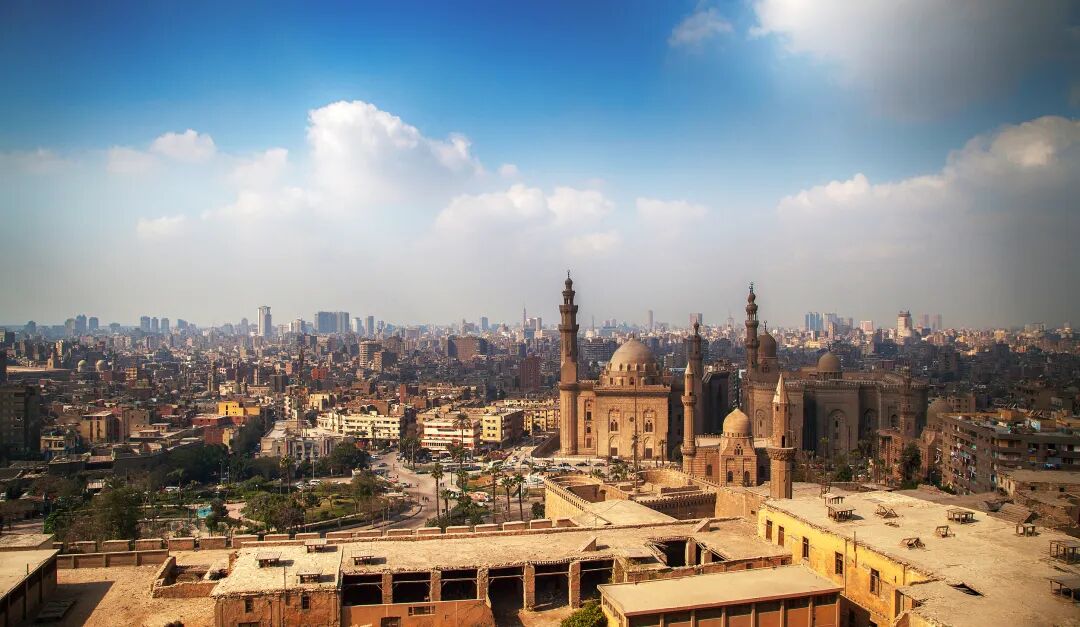
City view of Cairo (Source: Xinpianchang)
More than 22 million people live in the Cairo area, making it one of the largest urban agglomerations in Africa. The old city, the new city, and the satellite cities are connected to each other, forming a vast urban area.
Compared with the population size, Cairo's public transportation system is not very developed: the subway only covers some areas, the number of buses is limited, and minibuses have become the main means of transportation for many people to commute across regions.
Minibuses give Cairo residents the ability to cross the city, while motorcycles solve the last-mile problem.
Nour, who works in the Maadi district, likes to order a motorcycle on Uber for his commute. He has his own travel theory: within five kilometers, a motorcycle is the best choice, as it is fast, cost-effective, and avoids traffic jams; beyond five kilometers, it is not the best choice.
He said that once, the motorcycle driver took him on a wild ride on the road, "It felt like everything was out of control."
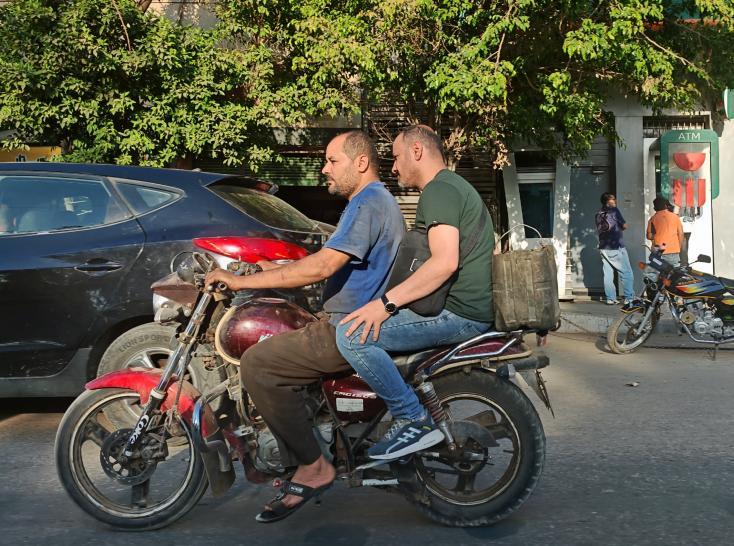
Passengers choosing motorcycles for commuting on the streets of Cairo
For most ordinary people, a motorcycle means efficiency.
In the old city, some alleys are so narrow that cars cannot enter. Where minibuses can't go, motorcycles can; where buses can't reach, motorcycles can be called at any time.
Islam lives in the Sixth of October City in the western part of Cairo, less than two kilometers away from the nearest minibus terminal. It takes 20 minutes to walk this distance, but only 5 minutes by motorcycle. Therefore, he takes a motorcycle every day.
It may seem like just saving 15 minutes, but in Cairo's long and hot summer, when the temperature easily exceeds 40 degrees Celsius, the motorcycle allows him to maintain a little dignity as a worker.
Nour and Islam are not the only ones who pursue efficiency. With high inflation, the continuous depreciation of the Egyptian pound, and the continuous growth of the urban population, more and more people are moving to new cities far from the city center. They need efficient commuting but cannot afford the cost of private cars.
Between Cairo's huge urban scale and the limited supply of public transportation, motorcycles fill this huge gap.
A Motorcycle, a Livelihood
For Muhammad, a motorcycle not only solves the problem of transportation but also determines his source of income.
He works as a food delivery rider on Talabat. Talabat is one of the largest food delivery platforms in the Middle East, offering more than 50,000 rider positions and covering 8 cities. Every day, a large number of orders are delivered by riders from restaurant kitchens to the doors of residential buildings.
To take orders on Talabat, a convenient means of transportation is required. Different from China's rapidly developing electric bicycle industry, the price of electric bicycles in Egypt is 2 - 3 times that of motorcycles, which is difficult for ordinary people to afford. Therefore, fuel-powered motorcycles have become the first choice for food delivery riders.
Among fuel-powered motorcycles, Japanese and European brands are expensive, and their maintenance costs are unpredictable. On the contrary, Chinese brands such as Dayun, Haojue, Loncin, and Lifan cost only half as much. Street mechanics are familiar with these models and can almost repair them with their eyes closed.
For food delivery riders who support their families by taking orders, choosing Chinese motorcycles is more cost-effective.
Muhammad usually goes out around eight o'clock in the morning and doesn't get home until late at night. In addition to food delivery, he also takes orders on the Uber platform, carrying passengers through the streets and alleys of Cairo.
In the past few years, services such as food delivery, ride-hailing, and errand running have been expanding in Egypt, and the platform economy has become an important channel for absorbing employment. For many people, whether they can enter this system largely depends on whether they have a motorcycle that can keep running.
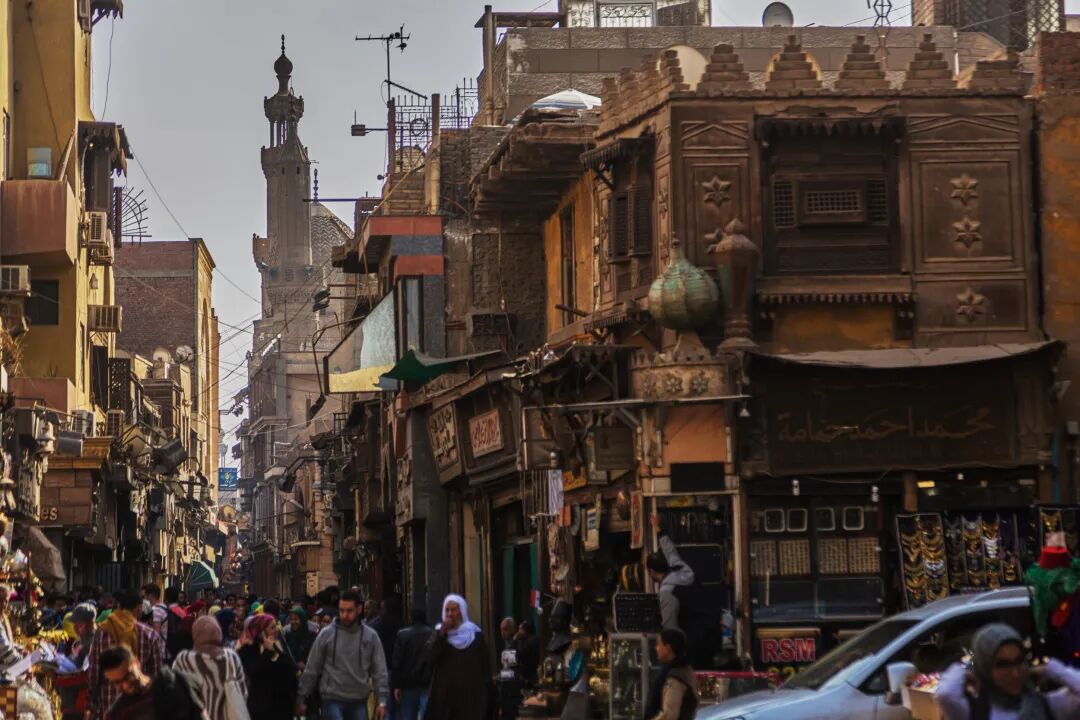
Crowded streets in Cairo (Source: Xinpianchang)
However, the cost of getting this "ticket" is also rising. Due to the soaring inflation and continuous depreciation of the currency in Egypt in recent years, the price of motorcycles has also increased several times.
In August 2024, the inflation rate in urban areas of Egypt reached 26.2%, and food prices have increased by more than 60% in the past two years. The exchange rate of the Egyptian pound against the US dollar has also dropped from 31:1 at the beginning of 2024 to over 50:1. The price of Muhammad's Haojiang motorcycle has risen from 40,000 Egyptian pounds to 50,000 - 80,000 Egyptian pounds.
In 2026, the Egyptian government raised the minimum monthly wage to 8,000 Egyptian pounds (equivalent to about 1,100 Chinese yuan). The "decent living wage" in urban areas calculated by research institutions is about 15,000 Egyptian pounds (equivalent to about 2,067 Chinese yuan), but most people's wages do not reach this figure.
For many ordinary families, buying a motorcycle is still an important investment.
Even so, many people are still willing to pay for it. After all, in Cairo, having a motorcycle means having a job that can continuously generate income.
The Long Journey of Chinese Motorcycles
Muhammad has had three traffic accidents in the past year.
One was a scrape with a car near the Maadi roundabout, one was a fall on the ring road, and another was being hit by a small truck. After each accident, he would take his motorcycle to the repair shop, replace parts, check the condition of the vehicle, and then go out to take orders again.
"The main components like the engine have never had any problems," he said with a smile.
"It's me who gets hurt, and my motorcycle is fine."
People who make a living by relying on motorcycles most need the vehicles to be durable.
Cairo spreads along both sides of the Nile River, and the main roads are in a state of high load for a long time. During peak commuting hours, cars, minibuses, motorcycles, horse-drawn carriages, and pedestrians are mixed together, and traffic congestion is the norm. Minor traffic accidents are not uncommon.
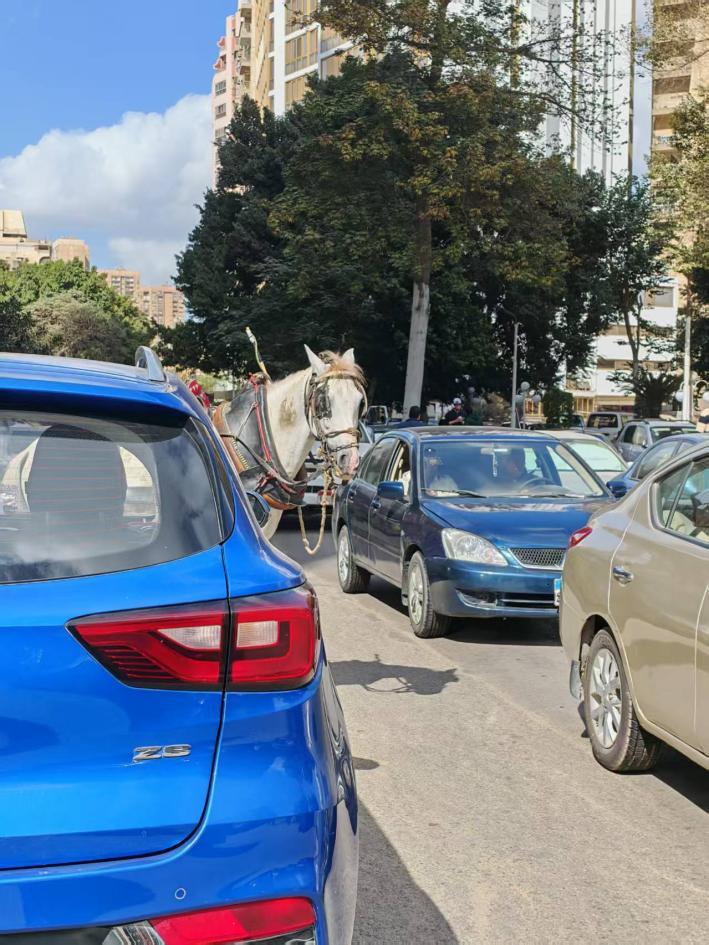
Chaotic traffic conditions on the streets of Cairo
In such an environment, whether a motorcycle can be easily repaired, whether parts can be quickly found, and whether it can withstand long-term high-intensity use are often more important than its parameters.
In this regard, Chinese brands have certain advantages.
After more than a decade in the Egyptian market, in addition to the price advantage, most Chinese brands have formed a complete maintenance and parts supply system. In repair shops, parts for Chinese brands such as handlebars, shock absorbers, rearview mirrors, and shells are all available. In most cases, as long as the engine and frame are not severely damaged, the motorcycle can still be ridden.
As a result, a Chinese-made motorcycle in Egypt has a much longer life cycle than the manufacturer expected.
On second-hand trading websites in Egypt, it is not uncommon to see Chinese motorcycles that are more than 5 years old, and people are still using motorcycles that have been resold several times.
Muhammad said that motorcycles that are discarded in the city will enter suburban and rural areas at a lower price, and these "battle-damaged" motorcycles can still play their value on rural roads.
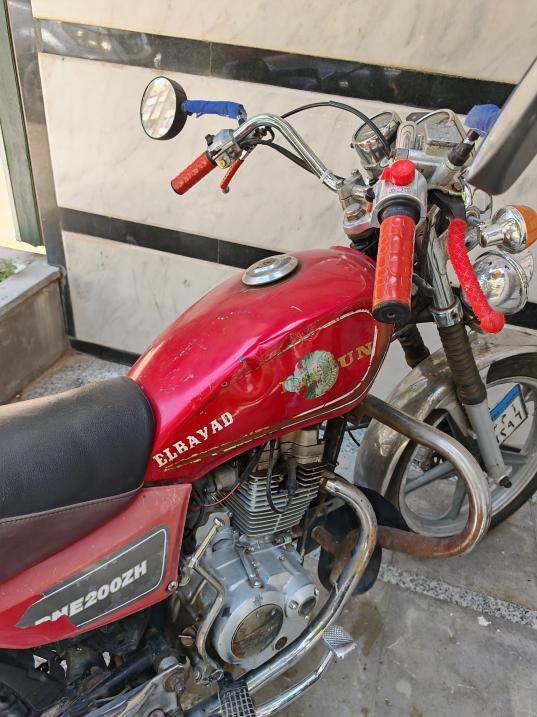
A "battle-damaged" motorcycle on the streets of Cairo
Muhammad's Haojiang motorcycle has had many parts replaced, and he said it can still be ridden for a few more years.
It has delivered food, carried passengers, taken people to and from work, and also carried a family into the city for shopping.
When it was unloaded from the cargo ship at the Port of Suez, it was a product made in a Chinese factory; after entering Cairo, it became a tool for a family to make a living, the first step for many young people to enter the urban economic system, and continued its value through repeated repairs and resales.
They ride Chinese-made motorcycles through the congested streets and also try to get through life itself.
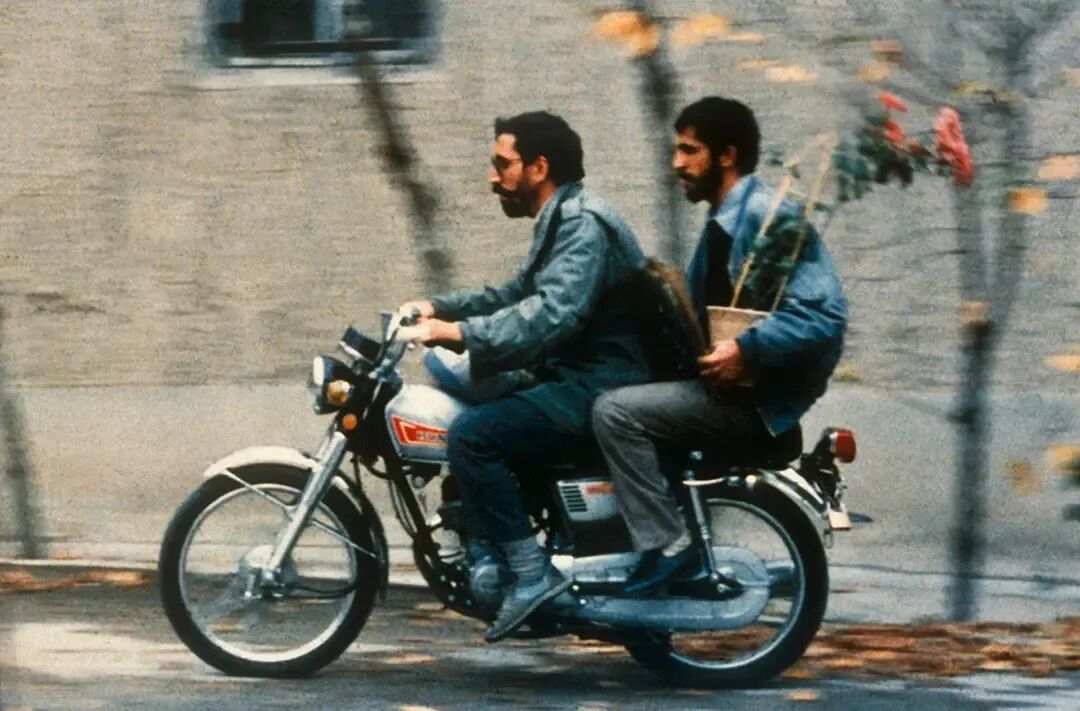
Still from the movie "Close-Up"
This article is from the WeChat official account "Reading the City Studio". Author: Lin Yang. Editors: Liang Li, Wang Chenting. Republished by 36Kr with permission.