Luxury goods are no longer selling well, and high-end department stores are closing down: rational upgrading is killing vanity consumption
Pay for What's Worthwhile
In the convenience store industry in 2025, the data was quite confusing. In 2026, a new consumption characteristic has become increasingly obvious. Consumers are not not consuming; they are just reluctant to pay for unworthy products, which is the so - called "rational upgrade".
From the perspective of value logic, this is neither consumption upgrade nor consumption downgrade, but value upgrade.
Currently, many people still like to use the term "consumption downgrade" to explain the current Chinese consumer market. The reasons are not complicated:
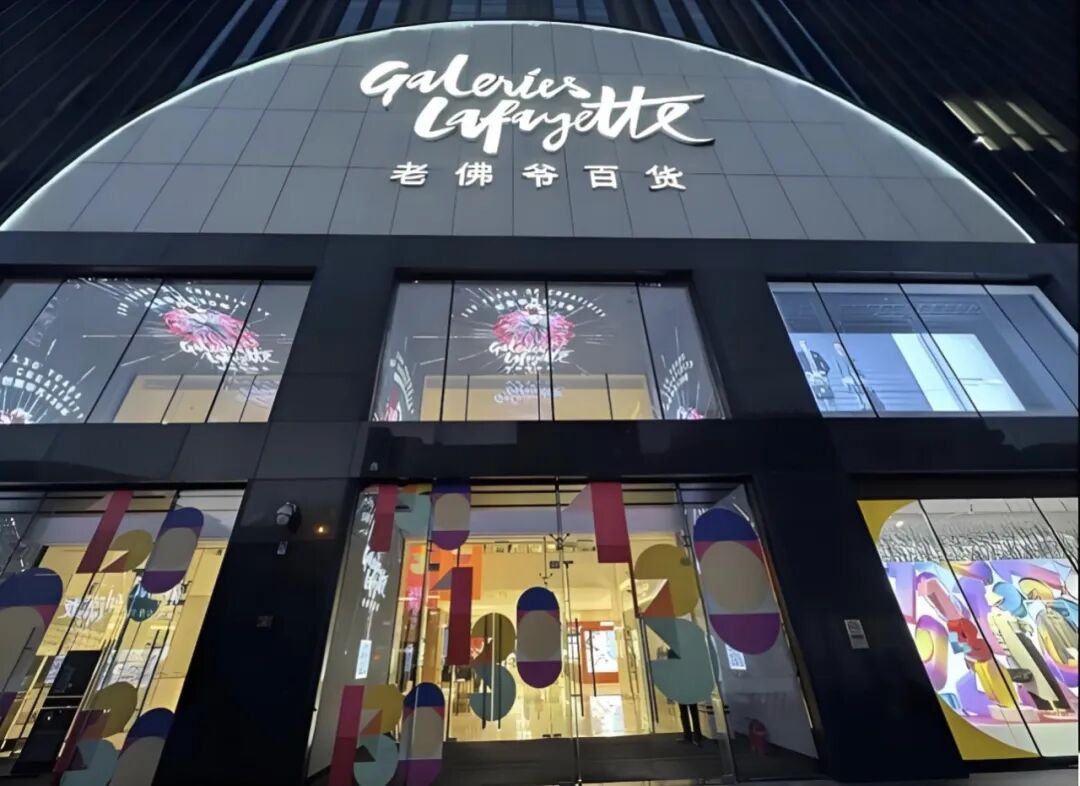
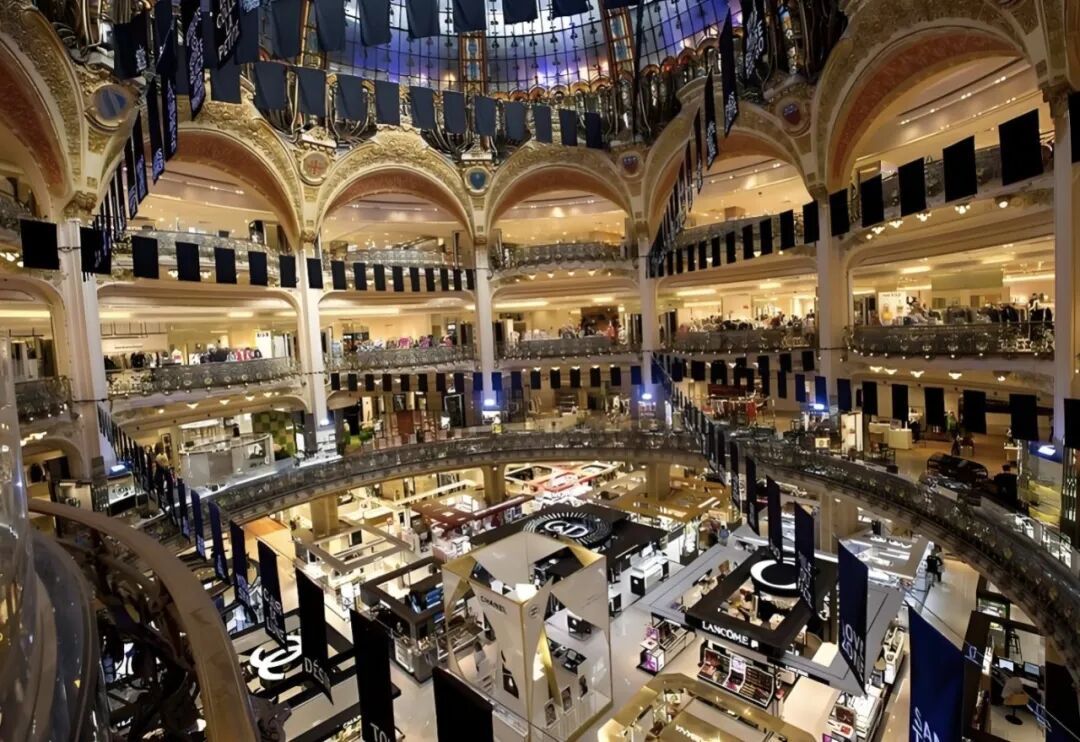
Firstly, high - end shopping malls are having a harder time. Both the number of customers and the average spending per customer are decreasing, and many stores have closed. At the end of May, Galeries Lafayette in Beijing's Xidan officially closed. In March before that, two high - end discount stores in Beijing closed successively, and in February, Beijing LanDao Building started renovation for closure... In just half a year, more than 20 high - end department stores across the country have pressed the pause button.
In addition, many international brands are also readjusting their store layouts in the Chinese market.
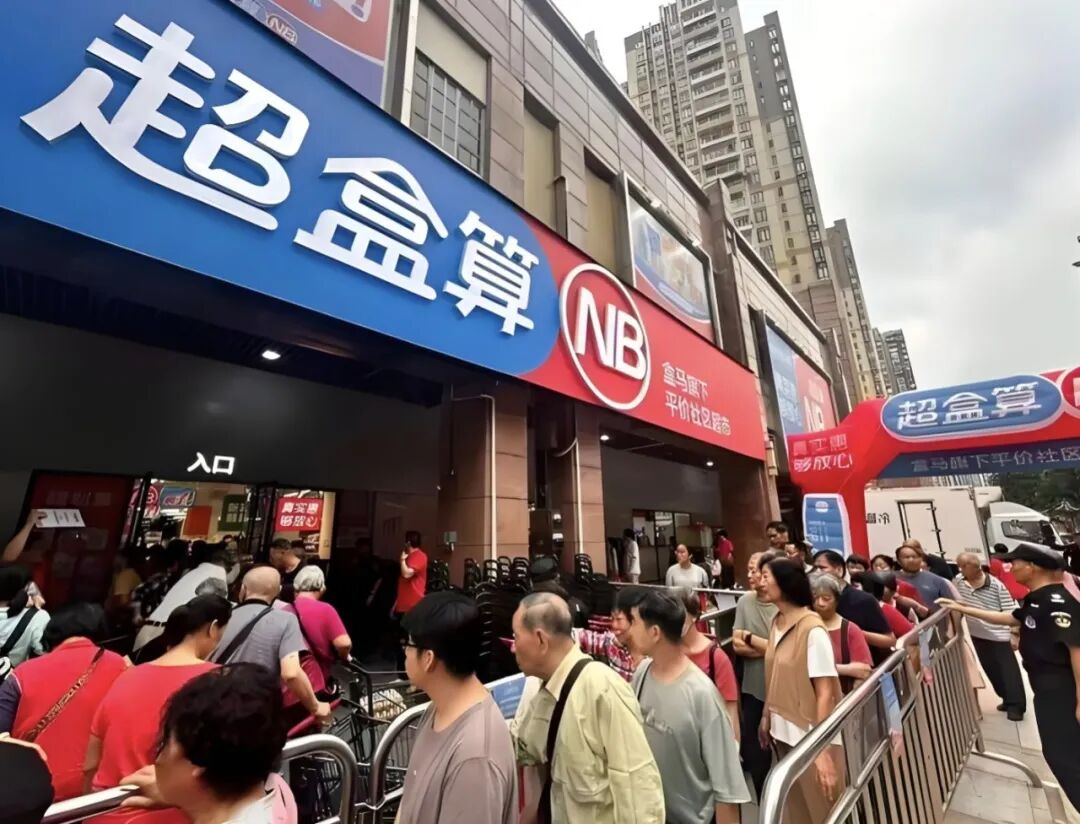
Secondly, the sales of luxury goods are slowing down, and more and more people are starting to buy discounted products. Correspondingly, membership stores are getting busier, and discount supermarkets are on the rise. A direct manifestation is that Sam's Club is still crowded with people, and shoppers pushing carts are extremely congested. He Ma's Super Value NB, ALDI, and Happy Monkey are still constantly opening new stores.
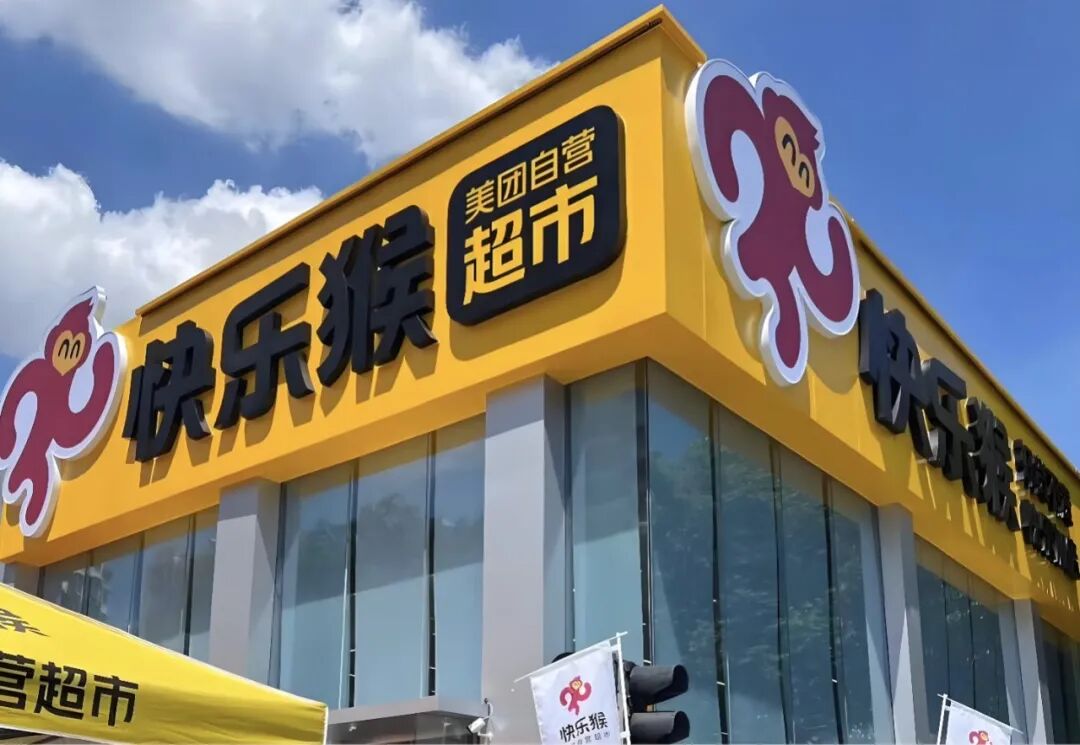
If these phenomena are viewed in isolation, it is indeed easy to interpret them as consumption downgrade. However, if observed in the context of the overall consumption structure change, it will be found that consumers are reducing ineffective premium and increasing effective value.
On the surface, consumers seem to be more "stingy". However, if these seemingly contradictory phenomena are put together, it will be found that they actually point to the same answer. Chinese consumers are not simply becoming more thrifty; they are becoming better at spending money.
Excluding the premium of brand, channel, and marketing, consumers care more about the product itself and whether it is truly worth the money after purchase. Chinese consumption is moving from the binary opposition of upgrade and downgrade to a new stage, that is, rational upgrade.
If the macro - environment is not good and there is consumption downgrade, why can many enterprises still maintain continuous growth? There is only one answer: consumers have not stopped consuming; they are redefining what "worthwhile consumption" means.
In the past, people were willing to pay several times the premium for an international brand. Today, with the same amount of money, consumers are more willing to buy better - quality beef, safer fruits, healthier food, and more efficient services.
This change is particularly obvious in the retail industry.
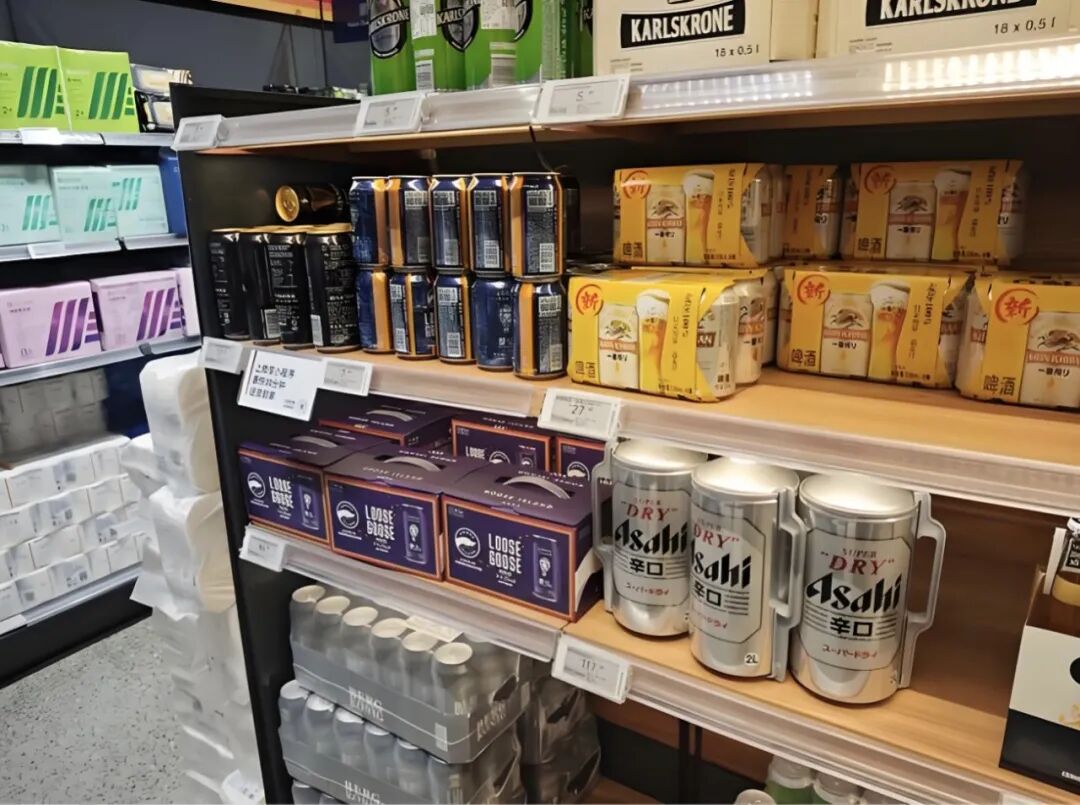
In the past few years, almost all popular formats in the Chinese retail industry have a common feature: they may not be the cheapest, but they must make consumers feel "worth it".
Sam's Club is the most typical example. Many people will find a contradictory phenomenon when they first enter Sam's Club. The prices of the products here are not cheap. A steak, a box of nuts, a box of streaky pork, and a bag of coffee beans often cost more than in ordinary supermarkets. However, consumers are still willing to buy. The reason is simple: consumers believe that Sam's Club truly offers more stable quality, stricter product selection, and a better shopping experience.
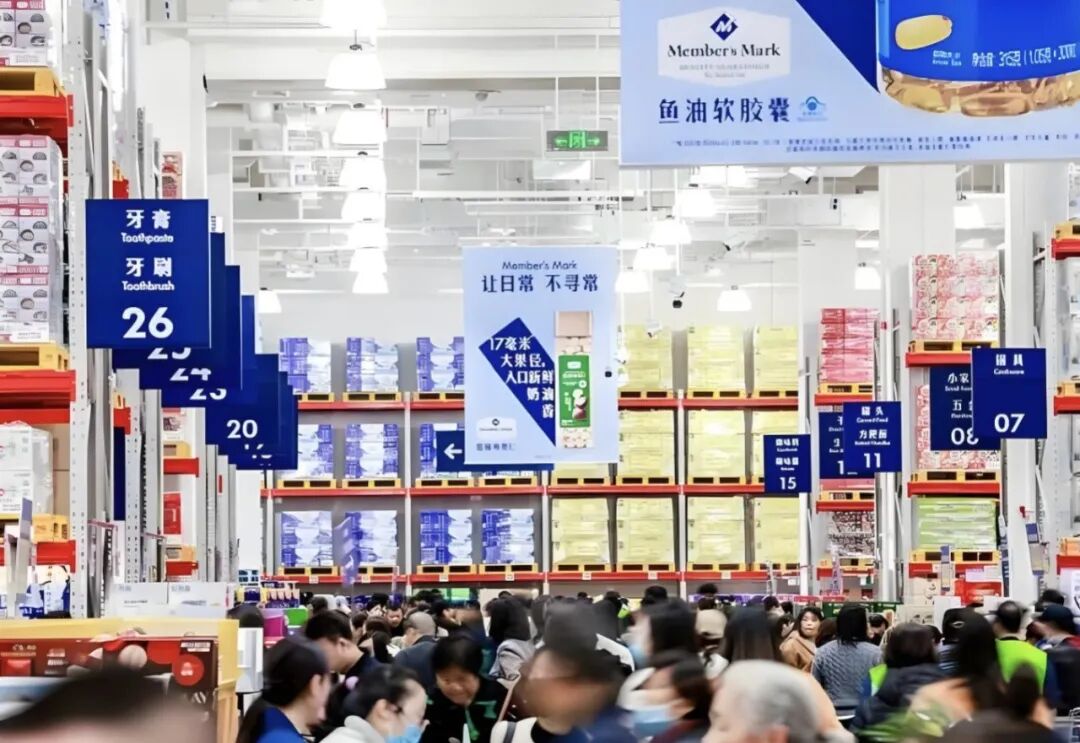
What really attracts consumers at Sam's Club has never been low prices, but "low decision - making cost". Consumers don't need to compare repeatedly and don't have to worry about making a bad purchase because they believe the platform has completed the screening. This is also one of the functions of Sam's Club charging membership fees.
The same is true for Fat Donglai. Many of its products are not the cheapest in the market, but consumers are still willing to wait in line to buy. Because they think that the products at Fat Donglai won't disappoint them, and this trust itself is of very high value.
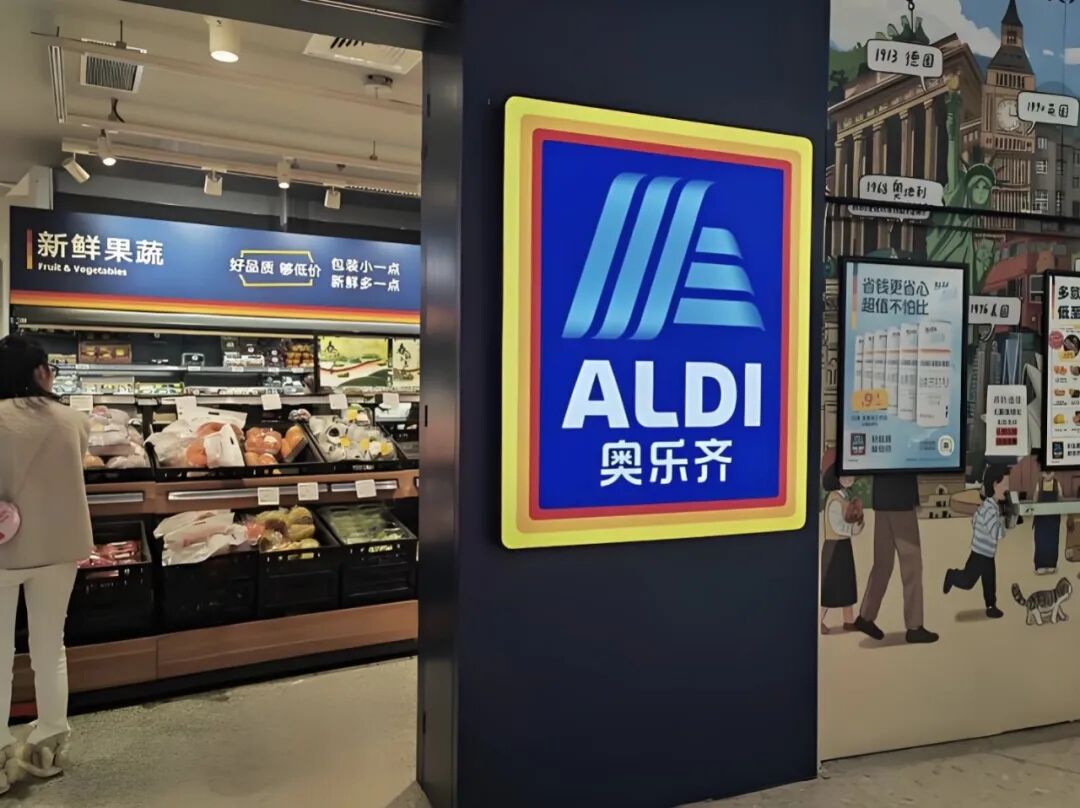
The same logic also applies to ALDI.
ALDI has made real cost savings for consumers by extremely streamlining SKUs, having a large number of private - label brands, and optimizing the supply chain.
What consumers are buying is not cheap products, but high - cost - performance products. Therefore, we can see an increasingly obvious trend: consumers can accept high prices but cannot accept "high prices" without a reason. Of course, consumers also like low prices, but not "low prices" accompanied by a decline in quality.
What Drives the "Rational Upgrade"?
Consumer behavior is a comprehensive projection of society, economy, and cultural psychology. The entry of Chinese consumption into the era of "rational upgrade" has its inevitable underlying driving force.
Firstly, prudence in macro - economy and income expectations.
This makes consumers more conservative in consumption, returning from "over - consumption" to "living within one's means". More rational consumption also forces brands and retailers to cut off the "story premium" and provide real - value products. Only in this way can retail stores have business.
Secondly, the information asymmetry is disappearing, and consumers are awakening.
With the development of the Internet, social media, product reviewers, and price - comparison software have eliminated the information gap. Consumers have learned to read ingredient lists and compare prices and supply chains. This makes it impossible for brands to make huge profits through information asymmetry, and "IQ - tax" products are quickly becoming obsolete.
Thirdly, the rise of self - indulgence and the ebb of face - saving culture. In the past, consumption was to some extent "face - saving consumption", "done for others to see". Now it has shifted to self - pleasing and experience - based consumption.
Therefore, the ostentatious attribute of some products, especially luxury goods, has weakened. Instead, fresh produce and healthy food that can improve the quality of life are in high demand.
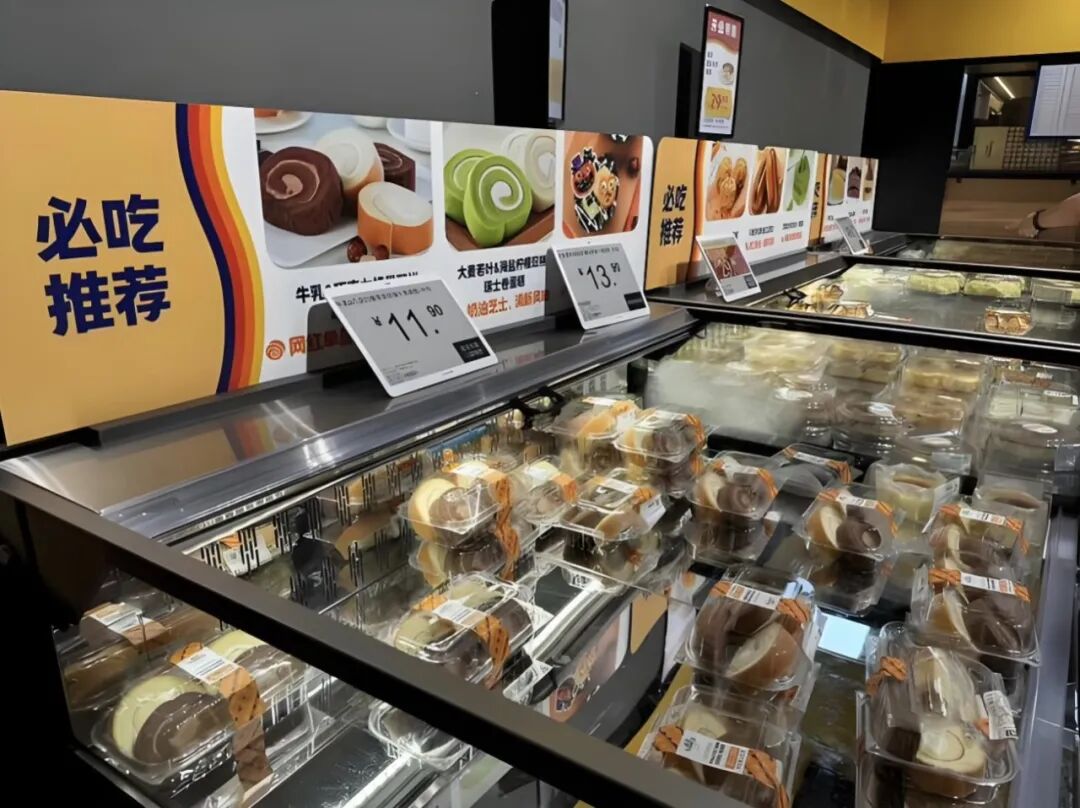
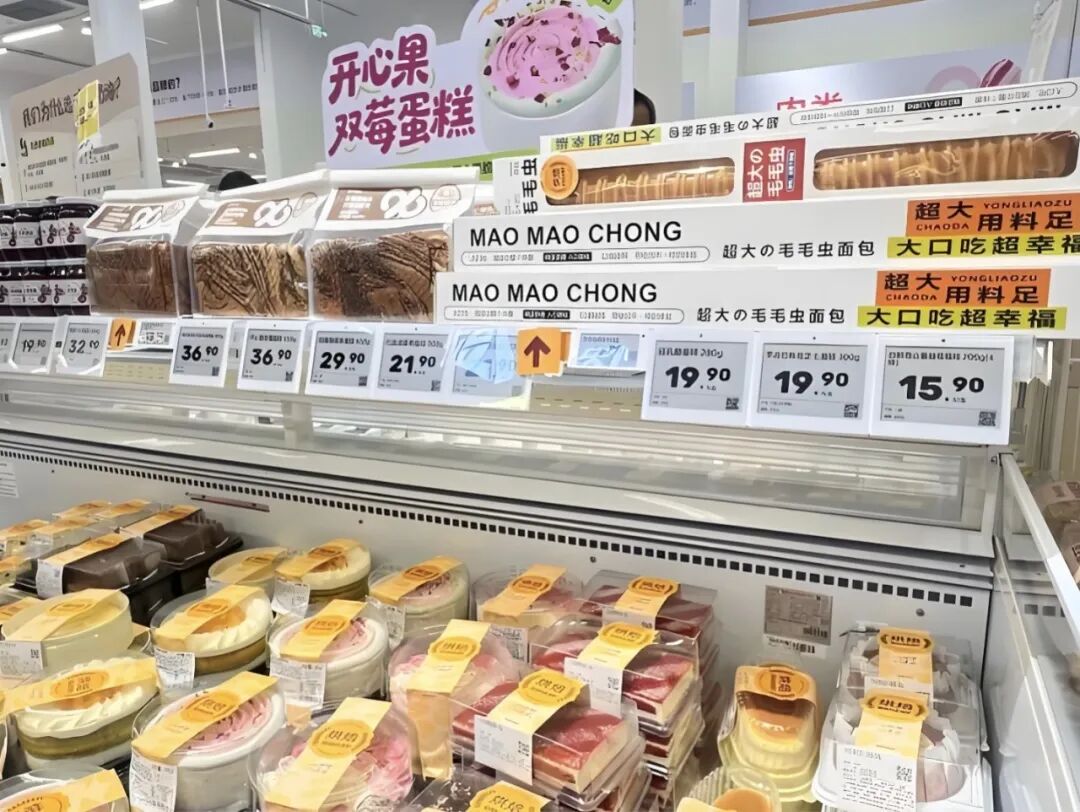
Fourthly, the supply chain is becoming increasingly mature. China has formed a globally leading manufacturing supply - chain system, making "same - factory" alternative products of well - known brands easily accessible. Therefore, private - label and white - label brands are on the rise, and many retailers have long started to control the pricing power of products and continuously develop private - label products.
In other words, consumers are becoming more rational, which is also forcing the entire retail industry to change.
He Ma has been continuously strengthening the construction of daily - fresh products, private - label brands, and the supply chain. JD 7 - Fresh has also been continuously optimizing the product structure. Convenience stores are starting to add fresh food, coffee, and freshly - made meals, aiming to become a place that consumers will visit every day.
Behind these changes, there is actually one goal: to enhance the product value rather than relying on marketing gimmicks. At the same time, the rapid rise of private - label brands also reflects this trend. In the past, consumers bought brands; now, more and more people buy products themselves.
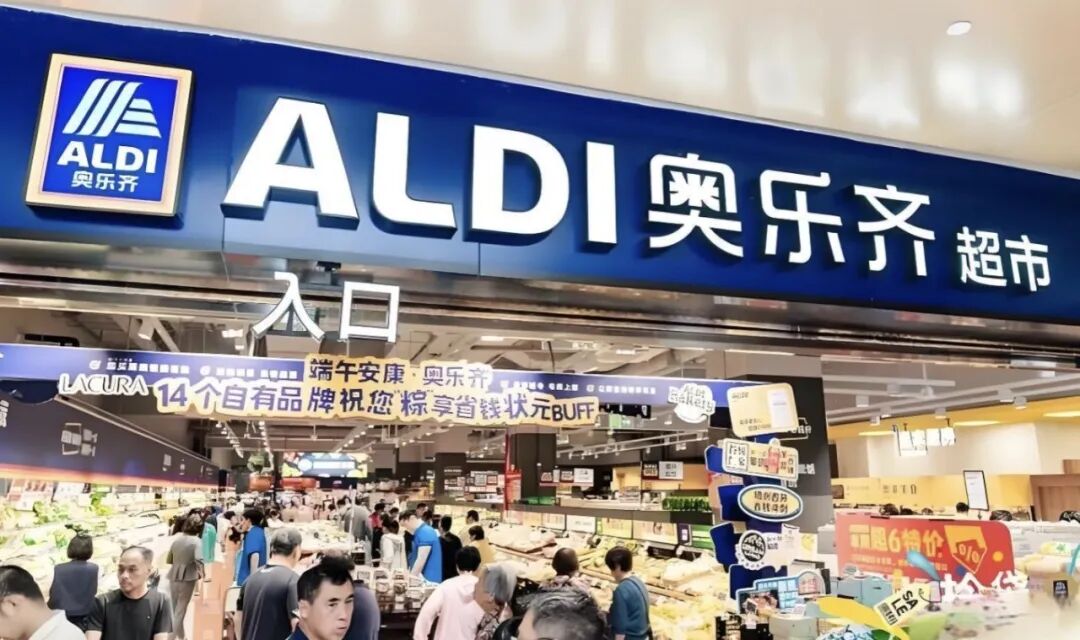
Sam's Club's Member's Mark, He Ma MAX, ALDI's large number of private - label brands, and Fat Donglai's private products are all proving one thing: consumers are willing to abandon well - known big brands as long as the new products are good enough.
This means that in the future, the focus of competition among retail enterprises will no longer be who has more stores, but who has more products that can make consumers buy repeatedly.
Rational Upgrade Will Redefine Chinese Retail in the Next Decade
This rational upgrade has also changed consumers' purchasing paths.
In the past, people mainly relied on advertisements, celebrity endorsements, and brand popularity to buy things. However, nowadays, consumers value their own personal feelings and experiences more.
A review on social media, a real sharing from an ordinary consumer, or a real demonstration in a live - streaming room can all potentially influence consumers' final choices.
Before making a purchase, consumers will search, compare prices, check reviews, read ingredient lists, and study the origin. A consumption decision that used to be made in one minute may now take ten minutes or even longer. Some people call this change "an increase in decision - making cost".
In fact, it is more like the maturation of consumers' consumption ability. Consumers are starting to actively acquire information instead of being unilaterally influenced by brands. This maturation also means that it is becoming more and more difficult for enterprises to create hit products through marketing.
Only the product itself can truly make consumers stay for a long time. After the rational upgrade, consumers are more willing to pay for long - term value. In the past, people might buy a large number of products at one time because of low prices. But now, more and more people are starting to pay attention to health, quality, safety, environmental protection, and usage experience.
Bain's China luxury reports for several consecutive years have shown that Chinese consumers are reducing impulse consumption and paying more attention to long - term value.
Consumers are willing to spend more money on products that can be used for a long time instead of always buying cheap but poor - experience products. This is the main reason why more and more enterprises have started to reduce SKUs, optimize the supply chain, and create private - label brands in recent years.
What consumers really need is not more products, but products with better quality - to - price and cost - to - performance ratios.
The entry of Chinese consumption into the rational upgrade stage means that the era when retail enterprises relied on brand premium, channel advantages, and information asymmetry to make money is coming to an end.
In the future, four capabilities will truly determine competitiveness.
Firstly, product capability. Do you have products that others don't? Secondly, supply - chain capability. Can you continuously provide stable - quality products? Thirdly, efficiency capability. Can you really pass on the cost savings to consumers? Fourthly, trust capability. Are consumers willing to trust you in the long term?
In the next decade, the competition in Chinese retail will not only be about price and scale but also about value. Consumers won't believe a product is the best just because an enterprise tells them so. They will vote with their wallets again and again. The one who truly creates value will win the market.
From another perspective, consumption has not downgraded, and upgrade has not stopped. Today's upgrade is no longer about buying more expensive products but about buying more worthwhile products. It is no longer about blind consumption but about rational choice.
This may be the biggest change happening in the Chinese consumer market. Rational upgrade is changing consumers and will redefine Chinese retail in the next decade.
This article is from the WeChat official account “Ling Shou Ke” (ID: lingshouke), author: Chu Wu Liu Xiang. It is published by 36Kr with authorization.