Does mosquito repellent damage smart bands? It's really not the manufacturer's fault
In recent days, relevant reports from the well - known overseas media Android Authority have caught the attention of our SanYi Life.
According to their statements, some overseas users have found that a smart bracelet under Google's brand may be corroded by mosquito repellent. After spraying mosquito repellent on the wrist, the back of the bracelet that comes into contact with the mosquito repellent will show a "dissolving" phenomenon. In particular, the window of its heart - rate sensor has become cloudy from its original transparent state and can no longer work normally.
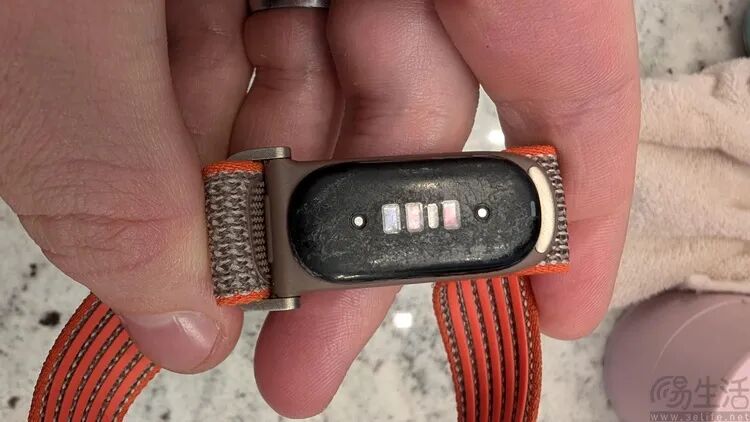
What's worse, when these users reported the malfunction to the manufacturer's customer service, the other side not only stated that the situation of "mosquito repellent dissolving the bracelet" was considered man - made damage and refused to provide warranty, but also reminded the users that the airtightness of the bracelet might have been lost, and it would be more likely to be completely damaged due to water ingress later.
I wonder what you think after reading this report. Maybe some friends will mock Google's quality control of the bracelet or think that their customer service is "shifting the blame".
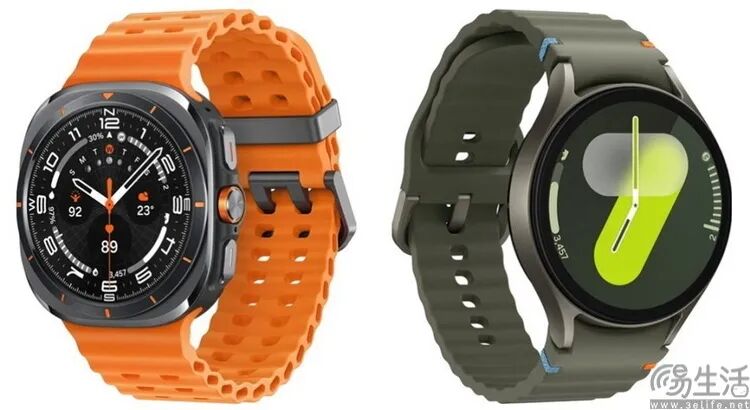
But if we tell you that actually Google and its bracelet have been wronged in this incident. And the smart bracelets and smart watches that can be damaged by mosquito repellent are far more than Google's products. Most likely, they include all brands and models that you can come into contact with.
Why is this the case? Actually, it is related to the most common active ingredient in mosquito repellent, which is DEET (N,N - Diethyl - m - toluamide).
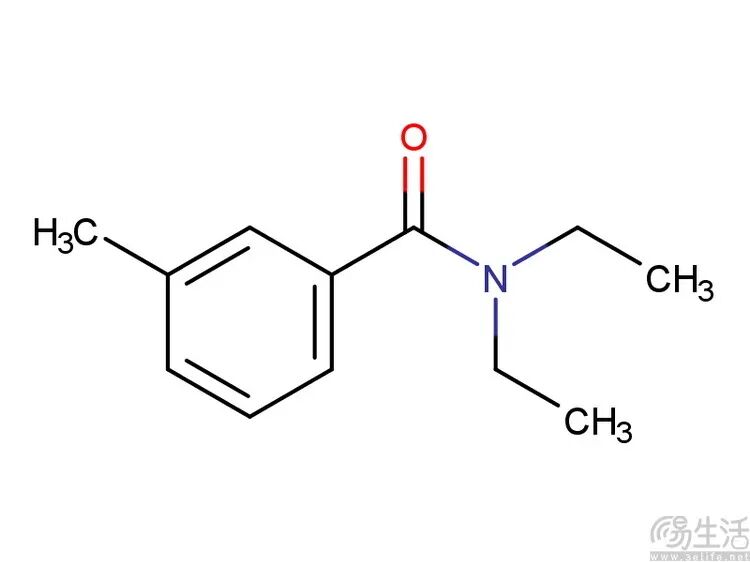
The chemical name of DEET is N,N - Diethyl - 3 - methylbenzamide. It can not only achieve the "mosquito - repelling" effect, but also this chemical component determines that it is a polar organic solvent and a plasticizer.
In plain language, this stuff can react with a large number of high - molecular plastics. It will penetrate into the interior of plastic molecules, break the polymer chains of high - molecular plastics, and cause the plastics to depolymerize. The visible effects to the naked eye are that the plastics become soft, sticky, white, cracked, and bubbly.
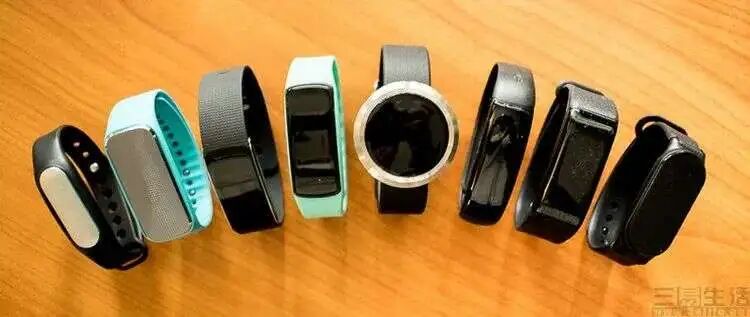
So, is it because the plastic used in Google's bracelet is "poor", so the reaction is particularly obvious? Actually, it's not. Because the corrosive effect of DEET on plastics is very strong and very "broad - spectrum". It includes PC (polycarbonate), PMMA (acrylic), PS (polystyrene), PVC (polyvinyl chloride), TPU (thermoplastic polyurethane) soft rubber, as well as various coatings, paint surfaces, rubber, and artificial leather, all of which will be corroded and depolymerized by it.
Take PC polycarbonate, which is common in the consumer electronics industry. It is resistant to both acids and alkalis, salts, and impact. So it is often used as the shell material for various durable devices. The shells of many smart bracelets, including the outer windows of sensors, are also made of polycarbonate. In most cases, this is a very reliable choice. However, DEET is the "natural enemy" of polycarbonate. Once it comes into contact, it may leave permanent corrosion marks on its surface within just a few minutes. That is, as mentioned earlier, it makes the sensor window cloudy and unable to be used normally.
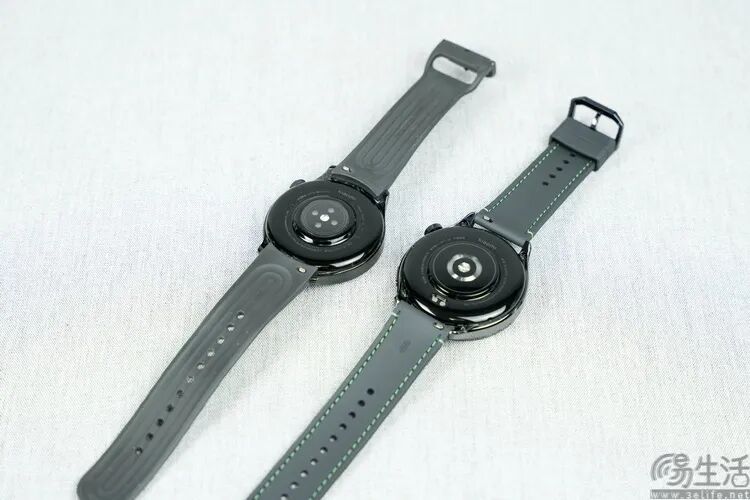
Some friends may think after reading this that although polycarbonate is good, it is still plastic after all, which is a solution used in low - cost devices. If you use a high - end smart watch made of metal and a sensor window made of sapphire glass, don't you have to worry about it?
Not really. Although DEET really can't corrode metals and glass (including ceramic glass), the surface of the sensor glass of high - end smart watches usually has a coating material used to enhance light transmittance. The coating will be corroded by DEET, leaving ugly patterns and also interfering with its function.
For this reason, on the one hand, for the "mosquito - repellent corrosion incident" that broke out concentratedly with Google's bracelet this time, it really can't be said to be the manufacturer's responsibility. Because under the current technological conditions, no one can prevent this kind of corrosion from happening.
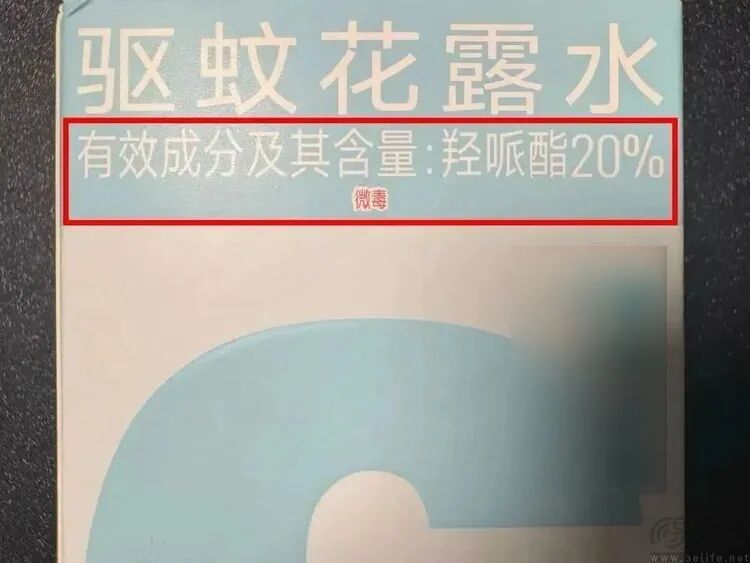
On the other hand, actually it is really the users' own "fault". Because the active ingredient of mosquito repellent is not only DEET. If these users use mosquito repellent with picaridin (2 - (2 - hydroxyethyl) - 1 - piperidinecarboxylic acid 1 - methylpropyl ester, common Chinese alias: hydroxy piperidine carboxylate) as the active ingredient, or wait for the mosquito repellent to dry completely after spraying before wearing the smart bracelet or watch, such problems will not occur.
This article is from the WeChat official account "SanYi Life" (ID: IT - 3eLife). The author is SanYi Jun. It is published by 36Kr with authorization.