Stop comparing EVs to phones – you can't launch 500 new phone models in half a year.
Let me ask you guys a question. How many new cars do you think domestic car manufacturers have launched in the first five months of this year?
Here's a hint. In 2015, when new energy vehicles were not yet popular, the number of new cars launched in the entire domestic market was 84 (only counting those with press conferences; minor facelifts in that year generally did not have press conferences).
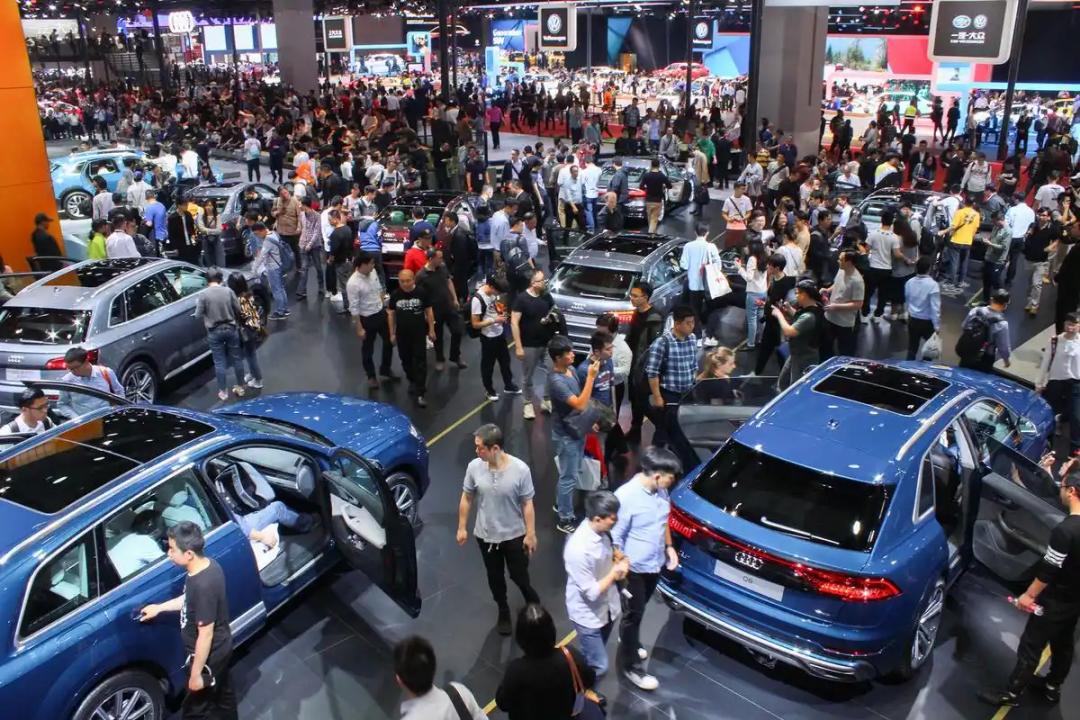
By 2026, 11 years later, in just the first five months, 544 new car models have been launched in the domestic market.
Moreover, since key models usually first announce their technologies, then reveal their pre - sale prices, and finally are officially launched, so far this year, we may have attended more than 1000 press conferences — after all, for car manufacturers, every model is a key one.

What does this mean? When people joke that new energy vehicles have become as common as mobile phones, the number of new mobile phones launched in the domestic market from January to April this year was only 43.
Of course, it's not just about the large number of cars and press conferences. Car - related exhibitions are also increasing.
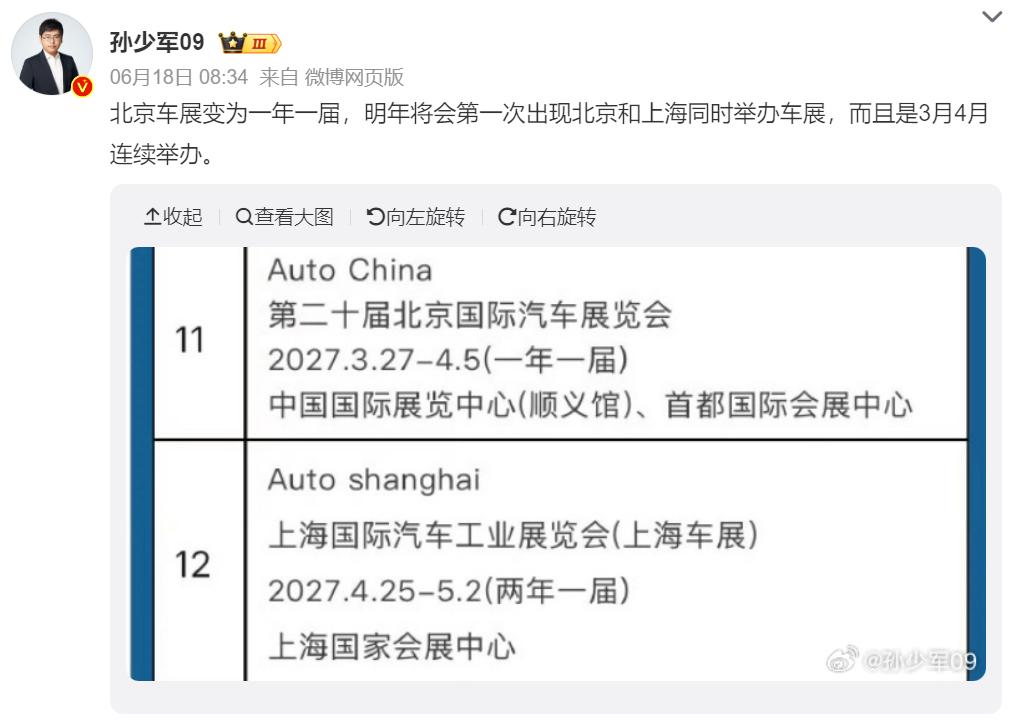
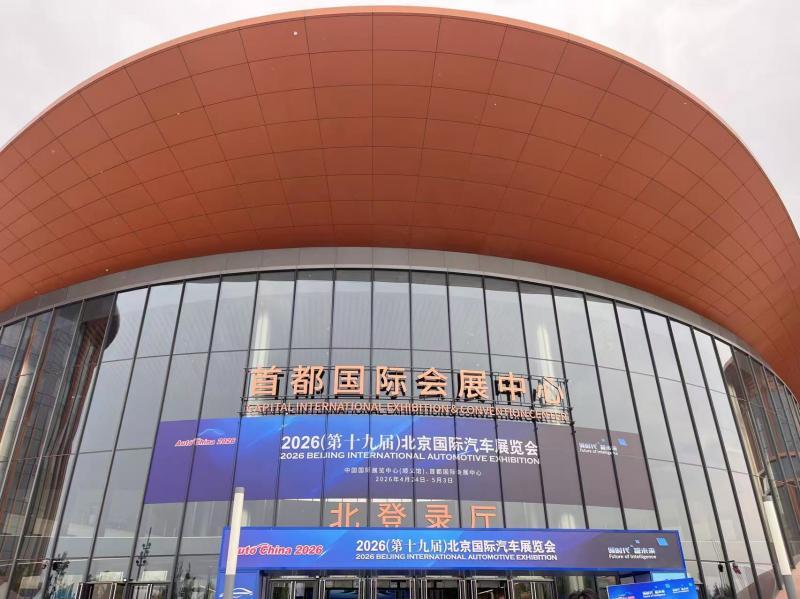
Just a few days ago, the Beijing Auto Show, one of the two major auto shows in China and usually held once every two years, officially announced that it will be held annually from now on. This means that next year, the Beijing Auto Show and the Shanghai Auto Show, which were originally staggered, will be held back - to - back in the same month.
No wonder Li Xiang, the boss of Li Auto, complained on his Weibo that press conferences have become "inflated" now.

As a media person who glances at almost all press conferences, I (Brother Neck) deeply agree with this.
Even if you haven't watched all these more than 1000 press conferences, you can clearly see that when most car manufacturers launch new cars, they all say some lines that sound novel but actually have similar meanings.
Things like cars defined by AI, intelligent driving that leads the industry, performance that outperforms fuel - powered cars, and pricing that "turns the table". Of course, there are also some brands that hold a grand press conference just for a minor facelift of a model and repeat what they've said before.
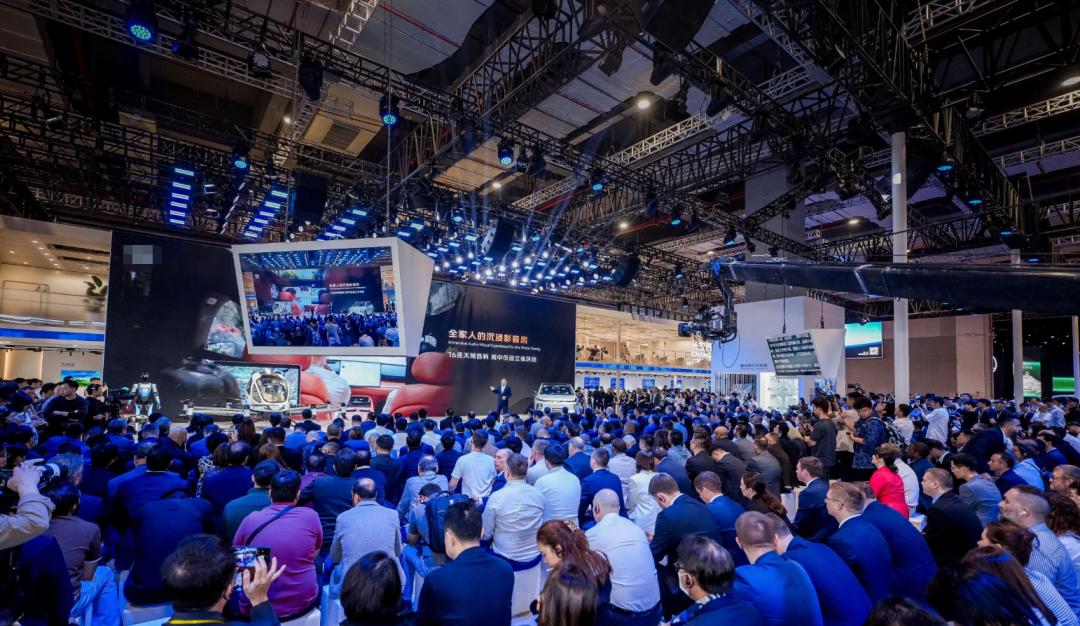
At first, we might think that car manufacturers are in a fierce competition, and car owners can benefit from it by buying good cars at low prices. But when nearly 600 new cars are launched in a short period, this feeling becomes a bit subtle.
Cars, which cost tens of thousands of yuan and are expected to last for about ten years, why are they launched faster than mobile phones?
After talking with several senior industry insiders, I understand that the reason why car manufacturers do this can be summed up in four words: too much pressure.
Wen Zhi is a senior account manager for the automotive business of a leading domestic agency company, responsible for planning daily launch and marketing activities for several car manufacturers. He said that the purpose of car manufacturers launching new cars like mobile phones is to attract traffic.
In his opinion, on the one hand, the sales curves of many new cars (explosive sales at the beginning and then a continuous decline) have proven that activities like facelifts and launches have almost become the only way for car manufacturers to gain attention from the outside world and get new orders.
On the other hand, there are indeed some models that have increased their sales through minor facelifts.
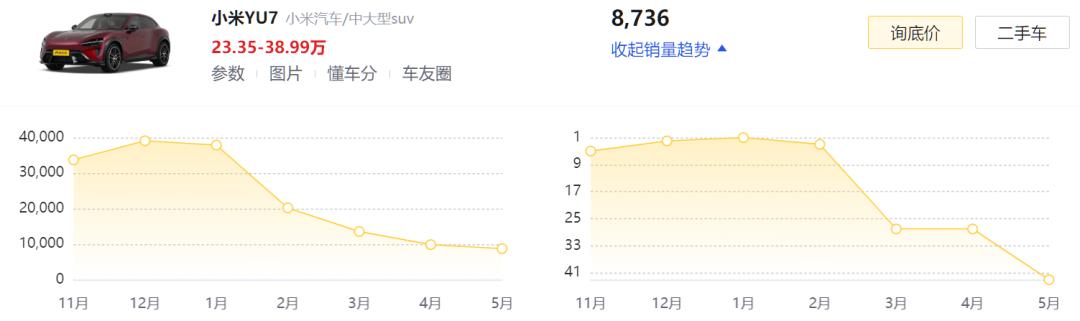
As a result, it's easy to form a path - dependence among competitors that launching new cars = getting traffic = increasing sales, and vice versa, which leads to more and more new cars being launched.
Wen Zhi said that from a marketing perspective, many press conferences are actually unnecessary. Because although many models are called facelifts, they only add a few configurations, far from reaching the level of annual facelifts in the fuel - car era when both the appearance and configurations changed. They are more like minor adjustments.
However, a press conference involves several months from planning to execution and settlement, and costs tens or even millions of yuan. It's a significant investment, but the effect is actually not good.
After all, there are too many press conferences, and models in the same price range are highly homogeneous. Except for a few popular brands, the information of car manufacturers' activities is mainly spread within the relatively closed circle of the automotive industry and the media. It hardly affects potential customers except for the final price.
But for this press conference that few people watch, Wen Zhi has to come up with a set of marketing words that are completely different from the old models and can stand out among competitors — even though the differences between them are very small.
So, in the end, Wen Zhi used two words to summarize the marketing work under this new - car trend: superficial and exhausted.
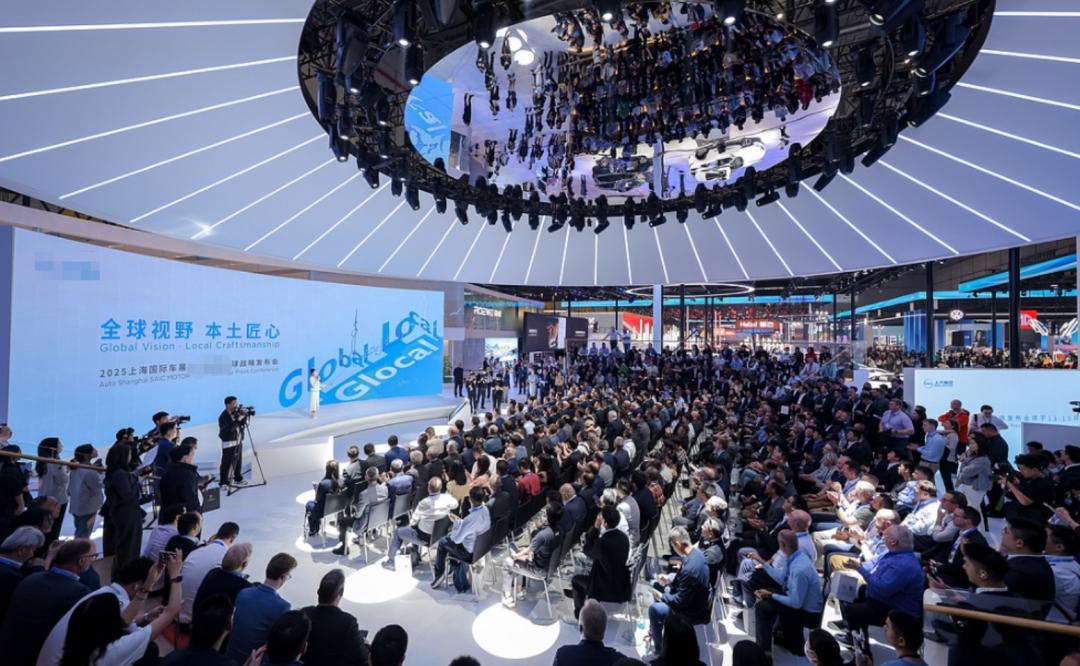
No wonder car manufacturers hold press conferences like they're writing a fantasy novel.
Behind the intensive publicity is the change that car manufacturers have made to the development process in order to speed up the launch of new cars.
Xiao Mei is a CMF (Color, Material, and Finish) designer of a large automotive group. She told me (Brother Neck) that in order to adapt to the speed of new - car launches, the development cycle for new cars given by the group has been significantly shortened.
She said that the original vehicle R & D process of her group was about 3 years, but now it has been shortened to 18 months, and it's even shorter in actual implementation.
"We started a brand - new project in the second half of last year, and it will start SOP (Start of Production) in October this year. I guess we'll see the announcement soon."
Xiao Mei introduced that this acceleration is mainly achieved in two ways. One is that the original linear development process has now become an overlapping multi - line parallel process.
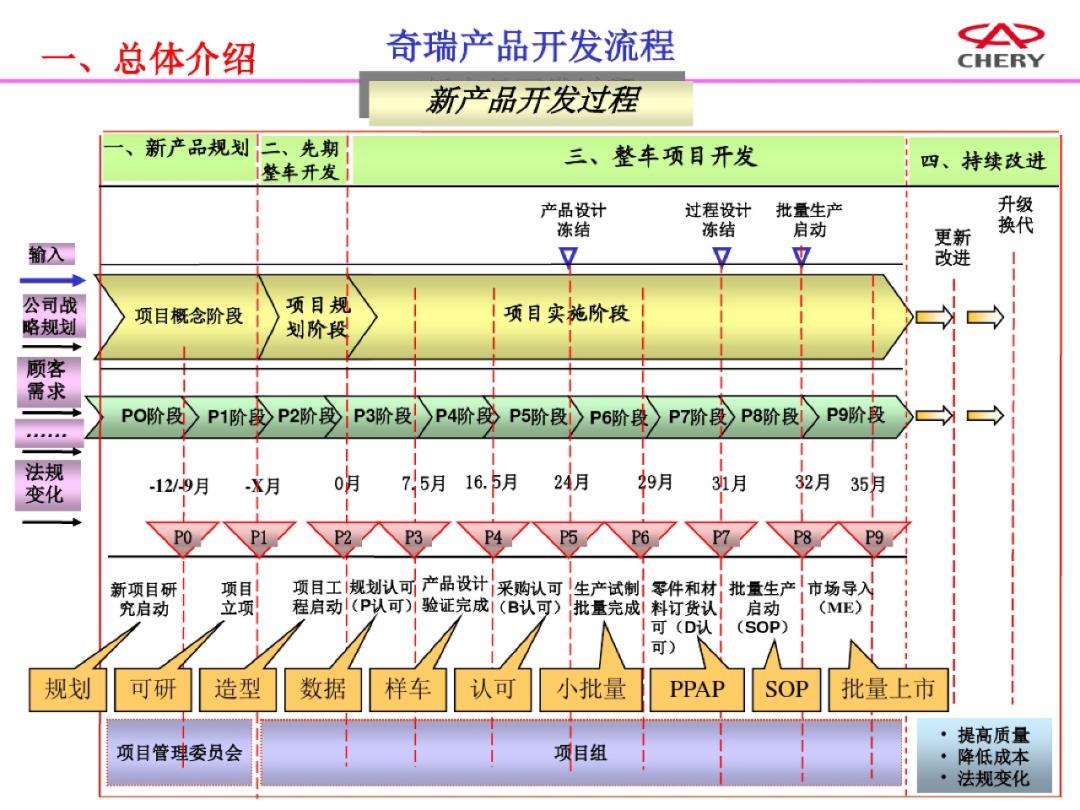
Previously, the development process of car manufacturers was to first determine the design plan, then do the engineering support, then conduct polishing and testing, and finally start mass production. But in her group, the development of new cars has become simultaneous engineering and design.
"In one project, the EP1 (Prototype Stage 1) cars were already off the production line before the node for the styling data was reached." As a result, the design has to adapt to the engineered cars that have already been molded, which greatly restricts the styling of new cars.
The second way, which is more common among car manufacturers, is to directly compress the verification time for each project.
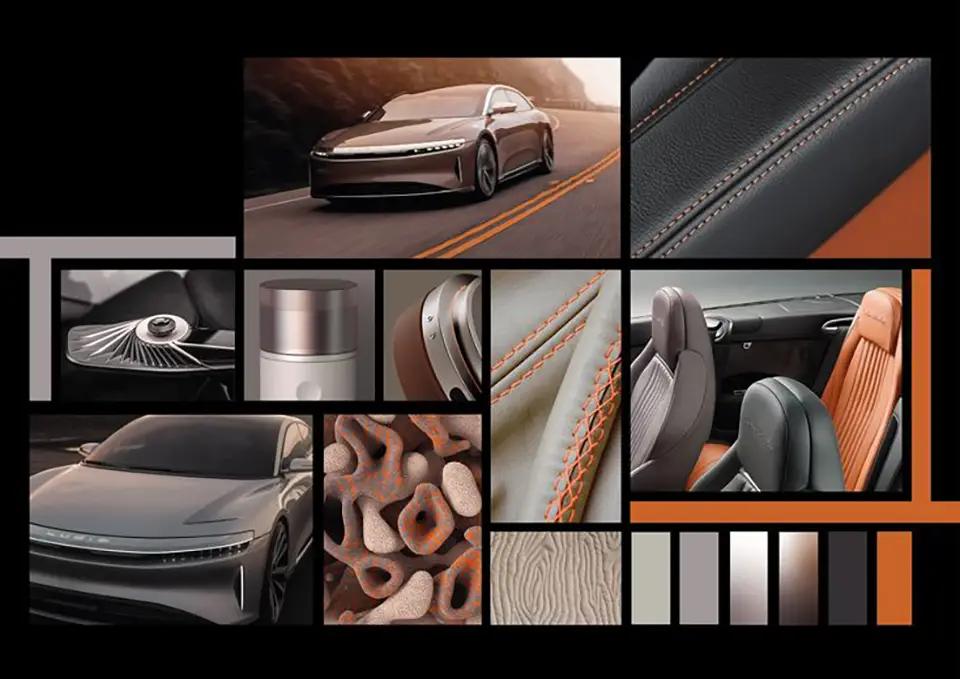
Xiao Mei said that in the past, the cycle for creating color schemes for the interior and exterior of a model was at least several months. Now, for a brand - new model project, it's directly only two weeks, otherwise, they can't meet the launch deadline.
For projects like high - temperature paint that require color - matching and spraying processes, it used to take at least a month to complete a round of operations such as color - setting, making color samples, and conducting experiments. Now, two or three rounds have to be completed in one day. Of course, there are reasons such as reusing experience and improving efficiency, but it will inevitably lead to some obvious omissions.
"After a new car was launched and arrived at the dealership, it was found that one of the rear seats didn't have ventilation. After investigation, it was found that a wire was missing in the design drawing."
Regarding the shortening of the development cycle, Kas, a senior materials engineer who has worked with several leading car manufacturers, gave another perspective.
He told me (Brother Neck) that along with the change in the development cycle, car manufacturers' understanding of VAVE (Value Analysis and Value Engineering) has also changed.
VAVE refers to car manufacturers reducing the material cost of cars and improving production efficiency by replacing the materials of parts on the car and optimizing the production and assembly processes.
This is something that almost all car manufacturers do. Assuming that people's requirements for a vehicle are 100 points, when a new car is first launched, in order to prevent some hidden problems, it often reaches 140 points, that is, there is a 30 - 40% design redundancy.
Ideally, after a long - term market test, car manufacturers find that their concerns are redundant, so they will gradually reduce the redundancy level, for example, to 110 - 120 points, ensuring the standard while reducing their costs and making more money.
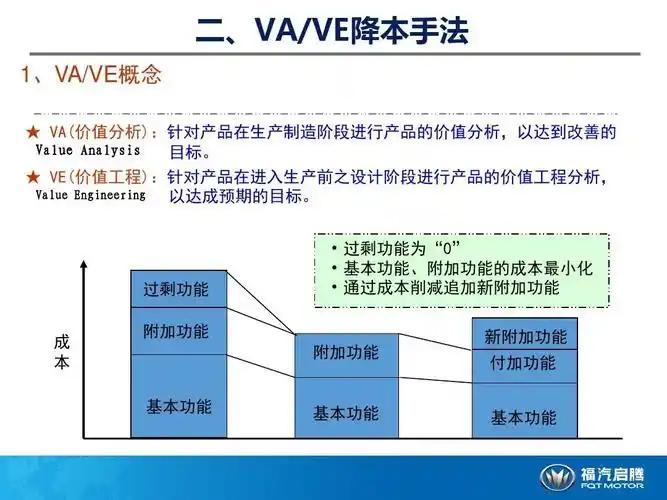
According to Kas, in the past, car manufacturers, especially joint - venture car manufacturers, were very cautious about VAVE. Only 2 - 3 years after a certain model was launched, would car manufacturers consider whether there were some parts that were over - designed and could appropriately reduce some quality and design standards.
However, in order to match the current fast development progress, car manufacturers have become more radical about VAVE. Many new cars already come with a VAVE plan during development, that is, they have already planned where to reduce costs before market testing.
Moreover, the time to switch from the 140 - point version to the 110 - point version is also faster than before.
The launch of many facelifted models is actually the node for VAVE switching. It's very common to have one or more facelifts a year. Some car manufacturers will choose not to hold a press conference, not tell the outside world about the facelift, and then directly make the change.
Users actually don't feel this very much, so it has become the choice of more and more car manufacturers. So in Kas's view, although many facelifted new cars seem to have lower prices and higher configurations, behind them is a decrease in durability and reliability brought about by VAVE.
"Although from the perspective of the automaker, as long as the car meets its own standards, it can be sold. But in the past, cars could last a long time because of over - design, and now it's hard to do so."
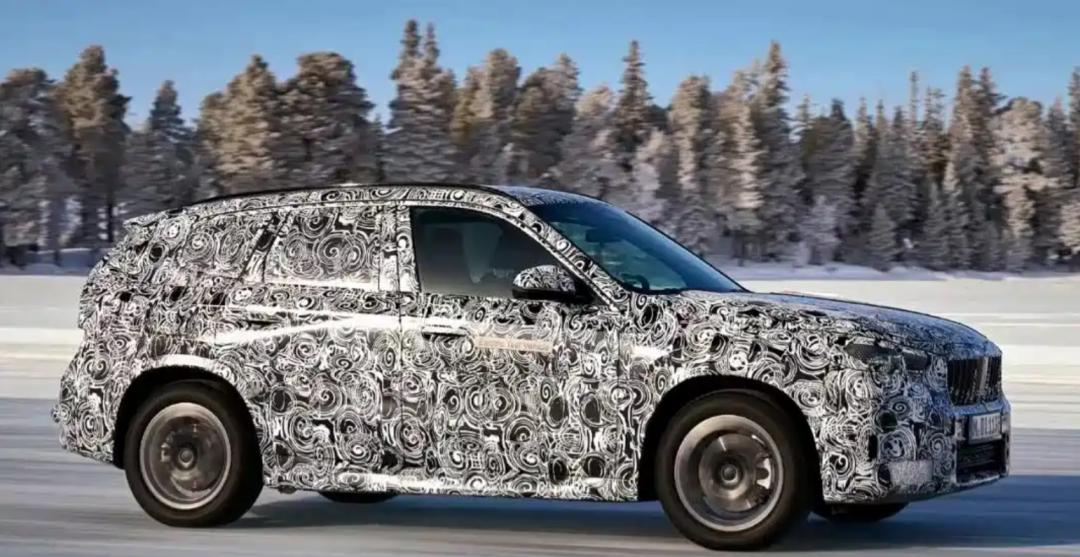
So it's obvious that a more radical VAVE strategy and a shorter development cycle, along with a faster new - car launch speed, complement each other.
The latter is used to launch newer products faster to gain attention and increase sales, while the former is responsible for quickly optimizing production costs. With the two working