630G data leak: India has failed to replace China, instead becoming a new source of risk, and Apple is being controlled by Tata
Recently, there has been a major piece of news in the dark web circle. A ransomware organization called World Leaks has put up a batch of "goods" for sale, which includes 630GB and 204,300 files. They claim that all these files come from the internal system of Tata Electronics in India.
On June 23, foreign media reported that Tata Electronics confirmed that its information system had suffered a cybersecurity incident. Files claiming to be from the company appeared on a hacker forum a few weeks ago. Tata admitted that it had indeed detected a system vulnerability a few weeks ago and had launched an emergency response.
However, it didn't say anything about what was leaked, how many customers were affected, or whether the core data of Apple and Tesla had been leaked.
Apple has already started an internal investigation. It is said that the hackers also demanded a ransom, but the specific amount was not disclosed.
Apple has been facing one problem after another in the Indian market. Previously, Apple was fined $38 billion for anti - monopoly violations in India, which shocked the world.
Foreign media reported that Apple is preparing to abandon its large - scale expansion plan in India. It can be seen that India's "slaughtering customers" tactics are too harsh, and Apple has realized the risks.
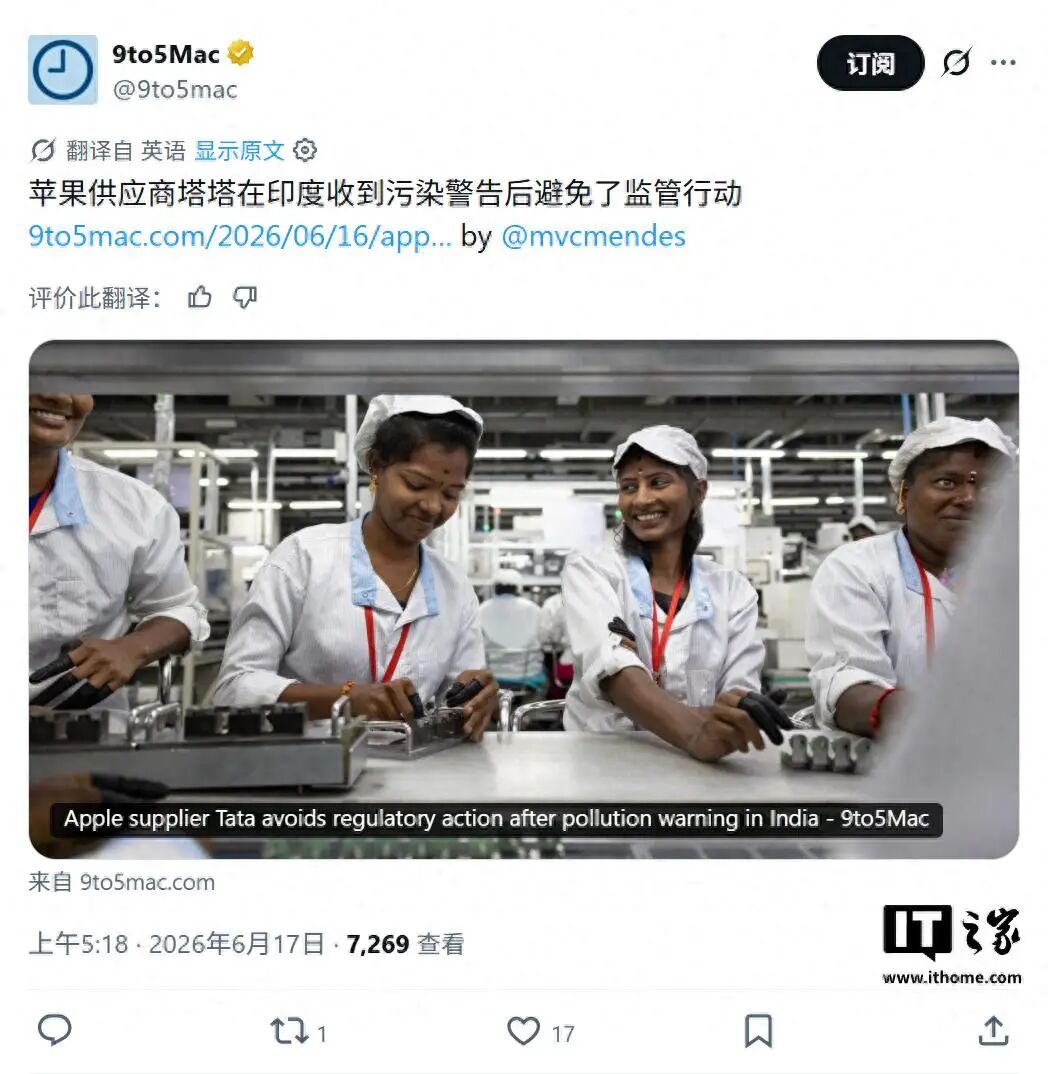
This is not the end. Not long ago, Tata's factory was exposed for polluting the groundwater of a well in an adjacent farmland through wastewater discharge. It was issued a warning to shut down and was required to explain the reasons.
Later, the sewage discharge incident finally came to an end. The Pollution Control Board of Tamil Nadu in India revoked the review of Tata's factory.
Now, Tata has been exposed for data leakage. Apple is facing more and more problems in the Indian market, and it's not due to natural disasters but man - made ones. Apple originally wanted to use the Indian supply chain to balance China, but now it has been controlled by Tata.
Wistron and Pegatron were "slaughtered" in India, and Tata took over Apple's core business in India
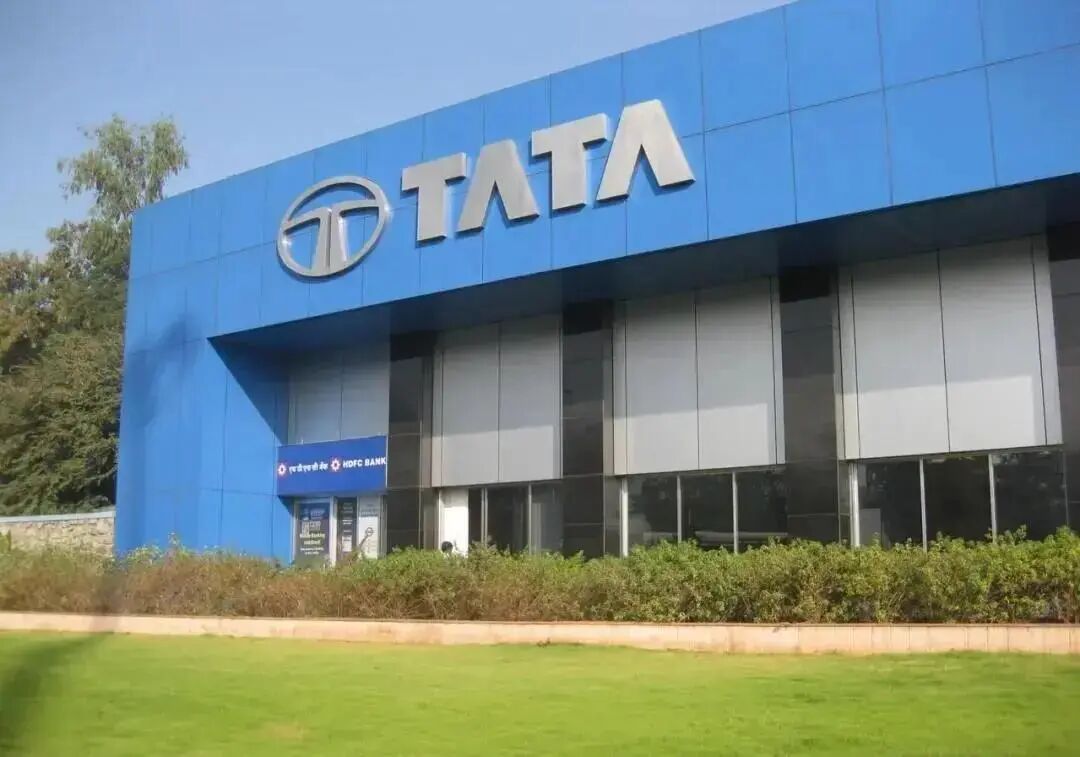
The Tata Group is a giant in the Indian economy, a century - old consortium. It has almost penetrated every corner of Indian society, from steel, automobiles to electricity, software, and from consumer goods to finance.
Tata Consultancy Services (TCS), a subsidiary of the Tata Group, is a world - class IT outsourcing giant and has long penetrated into the core systems of European and American enterprises.
However, for a long time in the past, it had never really been involved in the precision manufacturing of consumer electronics.
The turning point came when Apple's "China + 1" strategy met the Indian government's ambition for "Make in India".
India needed a local enterprise to undertake the transfer of high - end manufacturing, and Apple needed a local partner that could quickly expand production. Tata became the chosen one.
In 2020, the Tata Group officially established Tata Electronics and started from scratch.
Its expansion speed can only be described as a wild sprint.
In 2021, the factory in Hosur, Tamil Nadu, was built and put into operation in just 11 months. It started with the precision shell components of iPhones and quickly penetrated into the lower - level of Apple's supply chain.
Tata finally became the only major player for Apple in the Indian market. This was because India's "slaughtering customers" strategy successfully targeted Taiwanese enterprises Wistron and Pegatron, and their iPhone production capacity in India was handed over to Tata.
Pegatron entered the Indian market in 2020, and Wistron established an iPhone assembly plant in Karnataka in 2017.
At the beginning, the Indian government painted a big picture with PLI production subsidies and the demographic dividend. Apple continued to put pressure to promote the "China + 1" strategy, so Wistron and Pegatron invested heavily to enter the market.
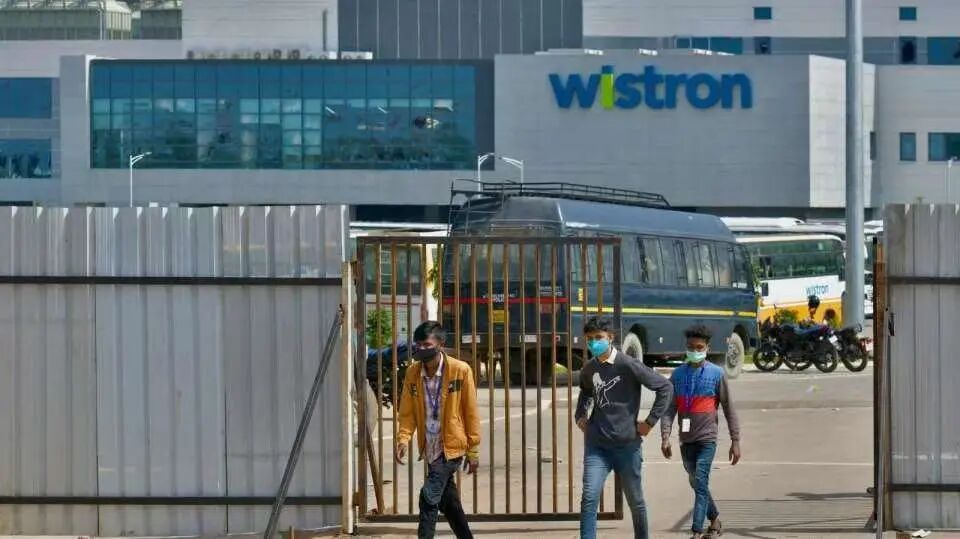
Wistron invested nearly 90 billion rupees in building factories, introducing a complete set of precision production lines, and establishing a labor system for tens of thousands of workers.
Pegatron invested heavily in establishing an assembly base in Chennai. The two Taiwanese enterprises bore the costs of cultivating local electronic supporting industries and refining the iPhone manufacturing process. They paved the way for the foundation of India's industrial chain.
Once the factories, production lines, and local labor systems were all in place, the "harvesting" phase began. Subsequently, the long - term disrepair of infrastructure, frequent power outages, and the paralysis of logistics during the rainy season became normal, which increased the operating costs. The annual turnover rate of workers exceeded 30%, and the yield rate remained low for a long time, continuously eroding profits.
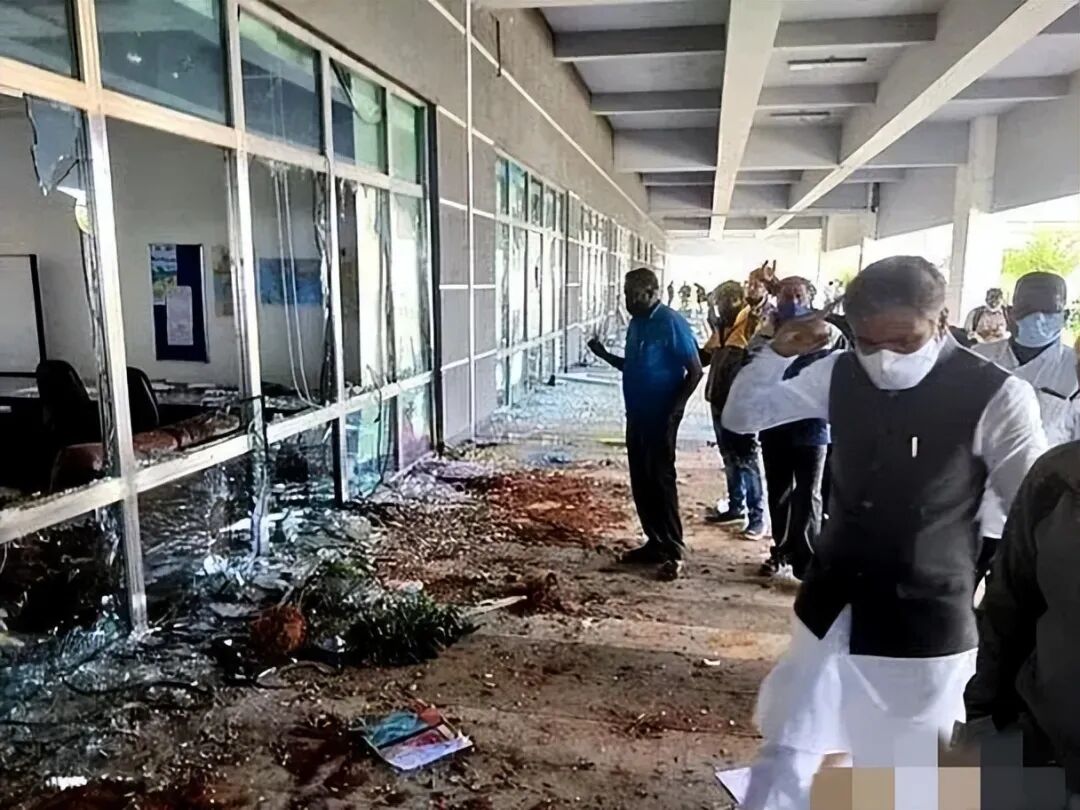
In 2020, a large - scale riot broke out at Wistron's factory. Thousands of iPhones were stolen and equipment was damaged. After the incident, the local regulatory authorities directly attributed all the responsibilities to the foreign - invested factory. High - amount fines and public stigmatization followed one after another, and Apple also cut orders to put pressure.
Coupled with the changeable tax and environmental protection regulations, and the increasing requirements for the promised subsidies, the two contract manufacturers suffered large - scale losses for a long time, and their cash flow continued to decline. In a dilemma, the local giant Tata entered the market and took over precisely.
In October 2023, Wistron sold 100% of the equity of its iPhone factory, which cost more than one billion dollars to build, to Tata for only $125 million.

Pegatron transferred 60% of its controlling stake to Tata, and the transaction was officially completed in January 2025.
This is a typical "slaughtering customers" tactic in India: Foreign investors are lured into India, make heavy - asset investments in the early stage. Once the production lines are mature, local enterprises pick all the fruits at a very low cost.
So far, of the three Taiwanese contract manufacturers that Apple originally supported, the Indian businesses of two have fallen into Tata's hands.
There is a hole in Apple's secrecy culture
In other words, the Indian supply chain that Apple spent five or six years building up has, after a round, mostly ended up in Tata's hands.

Now, Tata has three iPhone factories in India, with more than 75,000 employees. It is the second - largest Apple supplier in India after Foxconn. Moreover, it is not satisfied with just assembly and is moving upstream to produce components and engage in semiconductors.
Last year, it cooperated with Powerchip Semiconductor Manufacturing Corporation to build a $14 - billion wafer factory in Gujarat, and the Indian government directly provided a 70% subsidy. Tesla also approached it and signed a semiconductor supply agreement.
In just a few years, Tata has become the "general agent" of Indian electronic manufacturing. Anyone who wants to enter the Indian market has to go through it.
The Indian government is "slaughtering" foreign investors on one hand and supporting Tata to become a monopoly on the other, which goes against Apple's original intention of diversifying the supply chain.
Apple's "China + 1" strategy was to avoid putting all eggs in one basket. However, in the Indian "basket", almost all the eggs have been given to Tata.
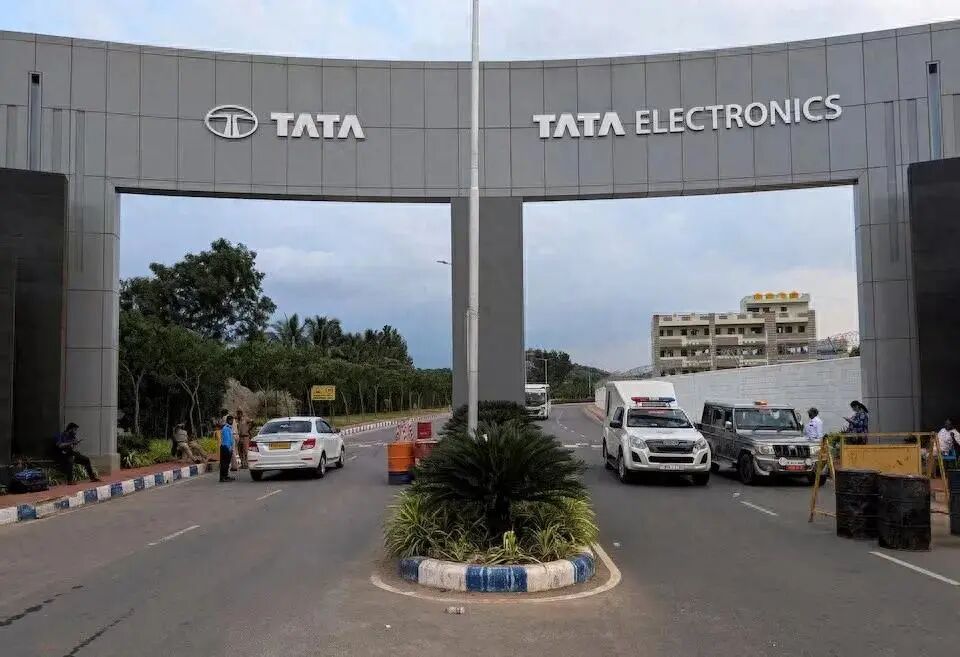
What's more troublesome is that Tata's management level is completely unworthy of the top - level secrets it holds.
This data leakage, with 630GB and more than 200,000 files being taken away at once, is not likely to be the result of top - level hackers breaking through the firewall. It is more like a sign of a thousand holes in internal management.
People in the industry know that Apple is very strict about the information security of its supply chain. In its factories in mainland China, there are multiple layers of defenses from physical access control to network isolation. It is imaginable how much the implementation of this standard has been discounted in India.
Previously, Tata's iPhone component factory was exposed for pollution problems. Local farmers complained for half a year, and the regulatory authorities inspected it five times from December last year to May this year and issued several rectification notices, but Tata didn't take it seriously.
It wasn't until it was finally ordered to stop production that it presented a third - party test report saying that it was compliant.
It can be seen that in India, environmental protection regulations and safety standards can be compromised. So can information security, production quality, and confidentiality agreements. This is not a problem of a single factory but the background of the entire business environment.
Apple wanted to balance China with the Indian supply chain but was controlled by Tata
Secrecy is deeply ingrained in Apple's culture. The specifications, design drawings, and supply - chain parameters of new products before their release are all top - level secrets. In previous years, before the release of new iPhones, there were only sporadic leaks from the supply chain, and people could only make guesses.
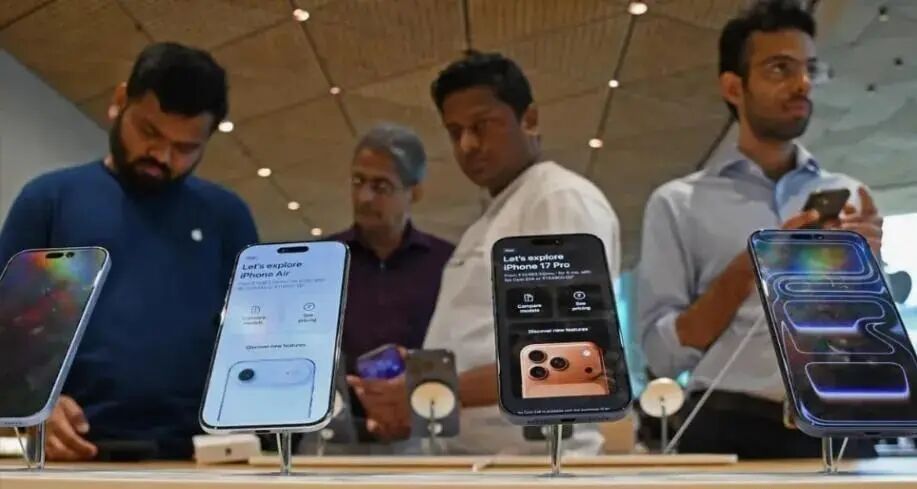
Now, more than 200,000 files are directly being sold on the dark web. If there are really complete technical specifications of the next - generation products in them and others manage to study them thoroughly, it will be a greater blow to Apple.
In other countries, Apple could directly change suppliers under its dual - supply - chain strategy, but it can't do so in India.
The Indian government "slaughtered" Wistron and Pegatron through its "slaughtering customers" strategy, which led to Tata's rise. Who else can Apple choose if it doesn't choose Tata? Does it dare not to choose Tata?
If Apple wants to strengthen supervision, no matter how many engineers it sends, it can't stop the internal leakage from top to bottom.
Back then, Foxconn was able to enforce strict discipline in mainland China after decades of running - in, through countless audits, rectifications, and eliminations.
In India, Tata hasn't even sorted out the basic environmental protection and safety issues but wants to leapfrog into high - end manufacturing. It's no wonder that problems occur.
Apple originally wanted to reduce geopolitical risks by diversifying the supply chain. However, now it has created a bunch of new risks.
There are management risks in India, bargaining risks due to Tata's monopoly, and technology - leakage risks caused by data leakage. Apple can't withdraw or replace Tata and is firmly controlled by it.
