630G-Datenleck: Indien ist nicht in der Lage, China zu ersetzen, sondern ist zu einer neuen Risikoquelle geworden – Apple wird von Tata kontrolliert
There has recently been big news in the dark web scene. An extortion organization called World Leaks has offered a batch of data, 630 GB, 204,300 files, and claims that it all comes from the internal system of Tata Electronics in India.
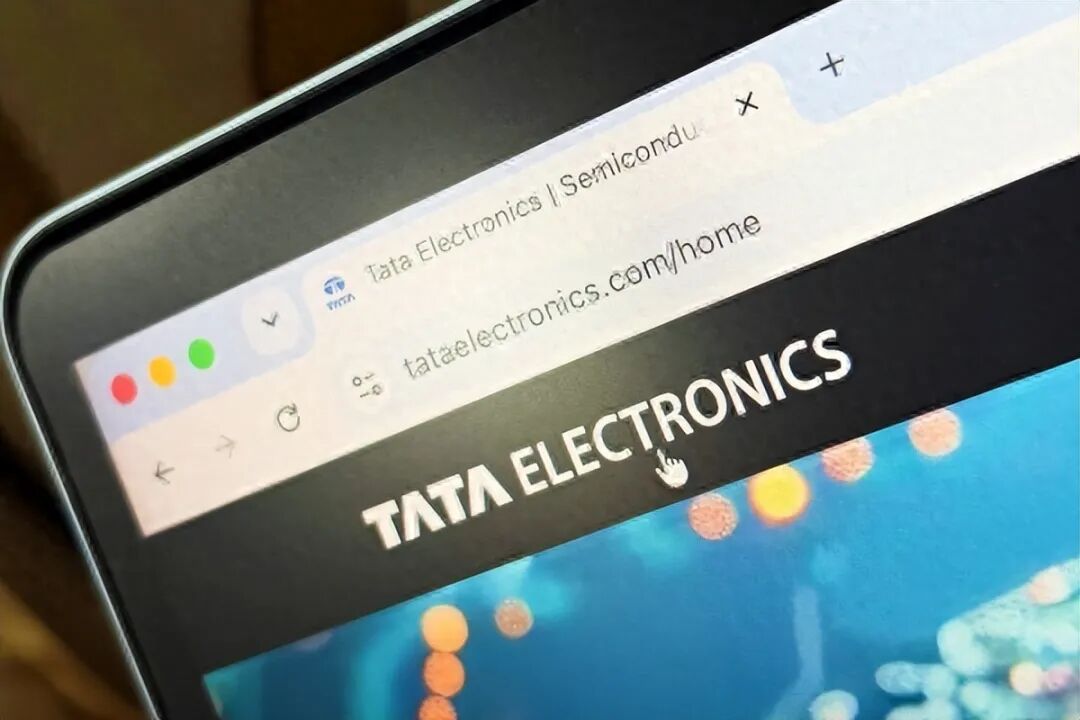
On June 23, foreign media reported that Tata Electronics has confirmed that its information system was exposed to a cybersecurity incident. A few weeks ago, files that allegedly came from the company appeared on hacker forums. Tata admitted that it had actually detected a system vulnerability a few weeks ago and had already initiated the emergency response.
However, it says nothing about what exactly was leaked, how many customers are affected, and whether the core information of Apple and Tesla was leaked.
Apple has already started an internal investigation. It is said that the hackers also demanded a ransom, but the exact amount was not disclosed.
Apple has always had problems in the Indian market. Previously, Apple received an antitrust fine of $3.8 billion in India, which shocked the world.
Foreign media reports that Apple is prepared to abandon its plan for massive expansion in India. Obviously, the Indian "pig - slaughtering trick" is too brutal, and Apple has recognized the risk.
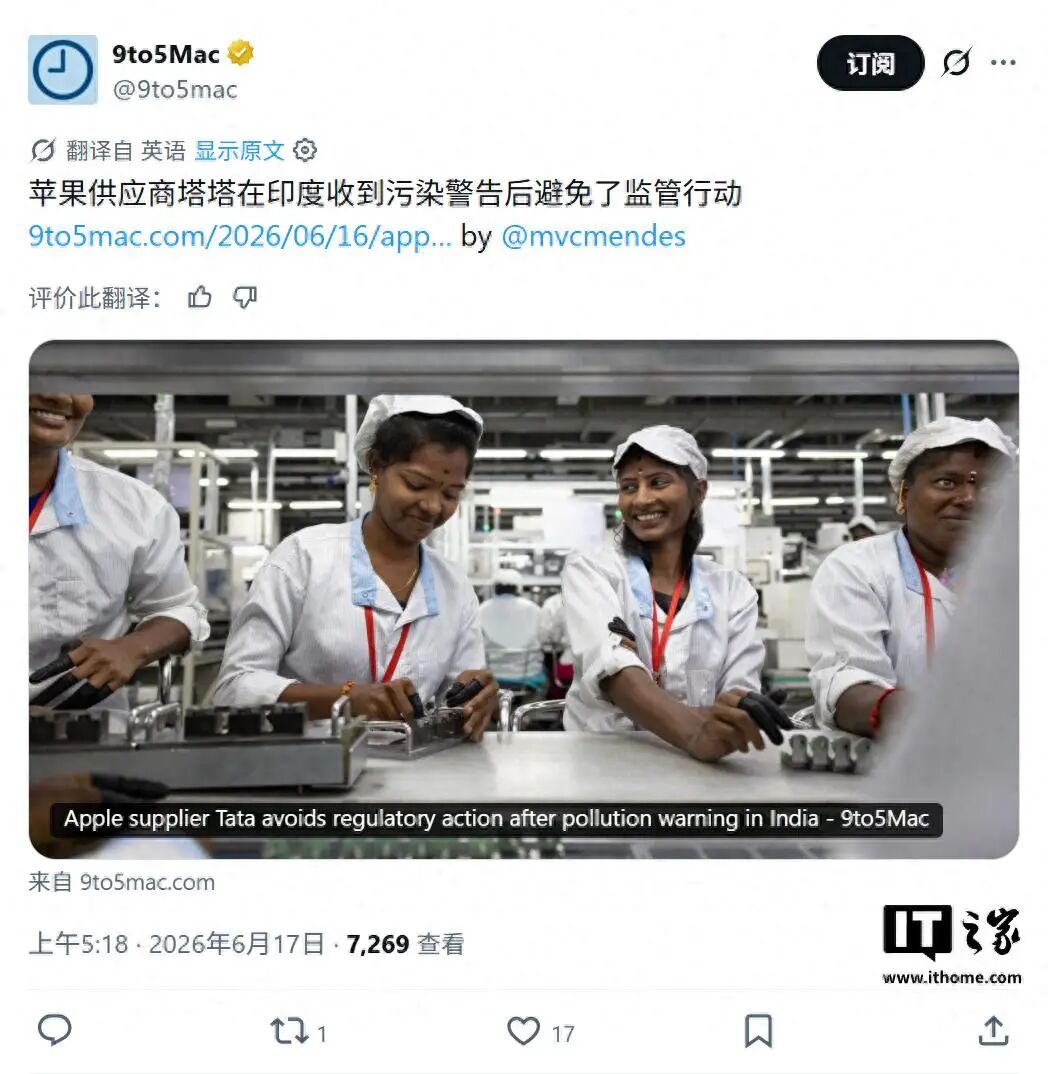
That's not all. Recently, it became known that the wastewater from the Tata factory has contaminated the groundwater in the neighboring fields. The factory received a forced - closure warning and was asked to explain the reasons.
Later, the wastewater problem was finally solved. The Indian environmental control committee of Tamil Nadu has lifted the inspection of the Tata factory.
Now there is also news that data leaks have occurred at Tata. Apple is having more and more problems in India, and it is not a natural event but a human failure. Apple originally wanted to use the Indian supply chain to balance China, but now it is in the hands of Tata.
Wistron and Pegatron were "slaughtered" in India, and Tata has taken over Apple's core businesses in India
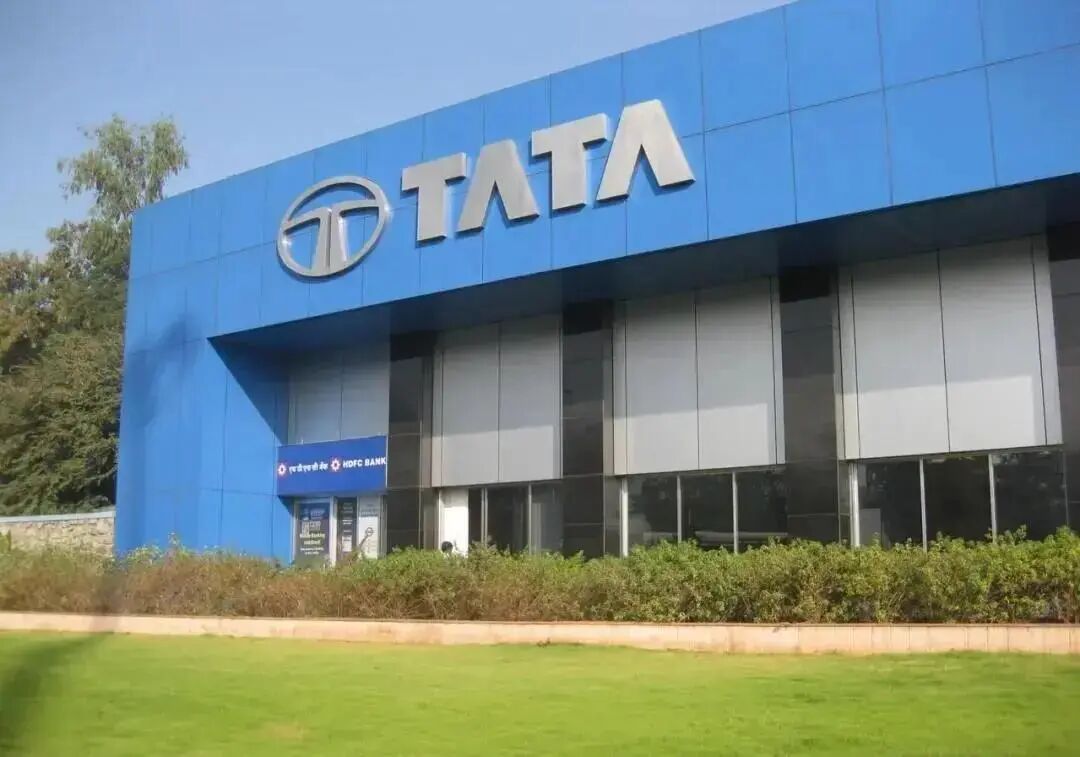
The Tata Group is a huge company in the Indian economy, a century - old conglomerate. From steel, automobiles to electricity and software, from consumer goods to financial services, it has penetrated almost every area of Indian society.
Tata Consultancy Services (TCS), a subsidiary of the Tata Group, is a world - leading IT outsourcing giant and already has access to the core systems of companies in Europe and the United States.
But such a huge company has not really been involved in the precision manufacturing of consumer electronics for a long time in the past.
The turning point was that Apple's "China + 1" strategy met the Indian manufacturing vision of the Modi government.
India needs a domestic company that can take over high - quality manufacturing, and Apple needs a local partner that can quickly expand production. Tata thus became the "chosen son".
In 2020, the Tata Group officially founded Tata Electronics and began to work on this business segment from scratch.
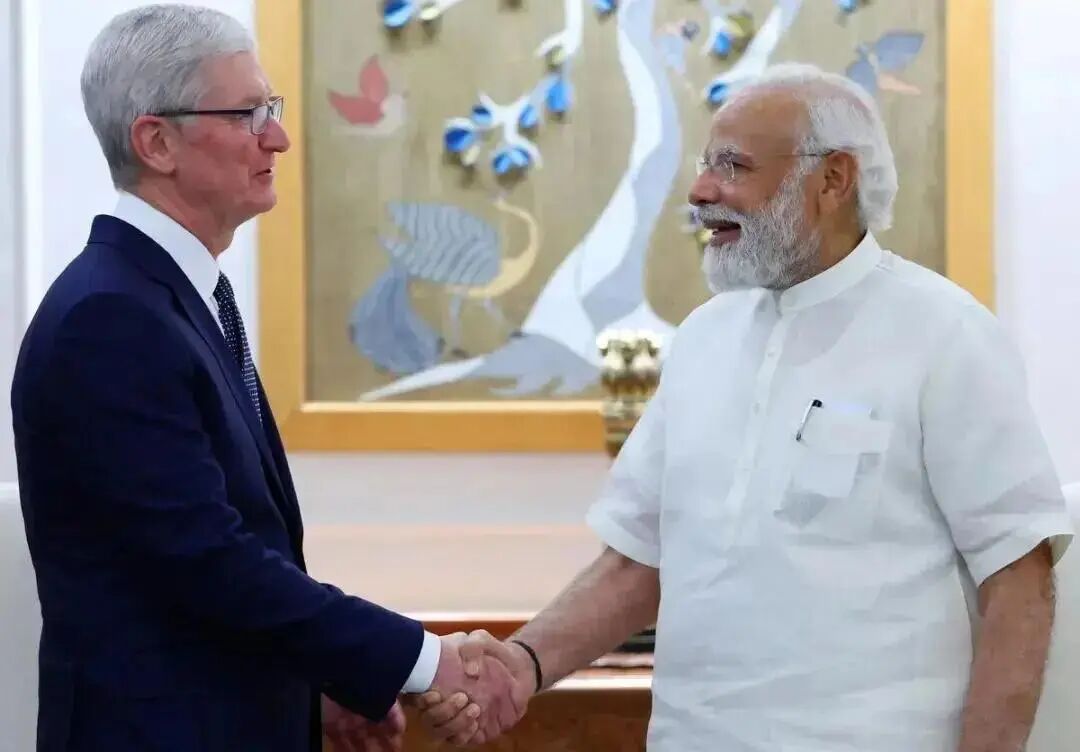
Its expansion rhythm can only be described as a "rapid drive".
In 2021, the factory in Hosur, Tamil Nadu, was built and put into operation in just 11 months. It began to manufacture precision housing parts for iPhones and quickly penetrated the lower levels of the Apple supply chain.
Tata is finally the only provider that flies the flag for Apple in India. This is because India has successfully "slaughtered" two Taiwanese companies, Wistron and Pegatron, and transferred their iPhone production capacities in India to Tata.
Pegatron entered the Indian market in 2020, and Wistron founded an iPhone assembly factory in Karnataka as early as 2017.
At the beginning, the Indian government enticed with PLI production subsidies and the demographic dividend. Apple also constantly pushed to advance its "China + 1" strategy. So Wistron and Pegatron invested a lot of money.
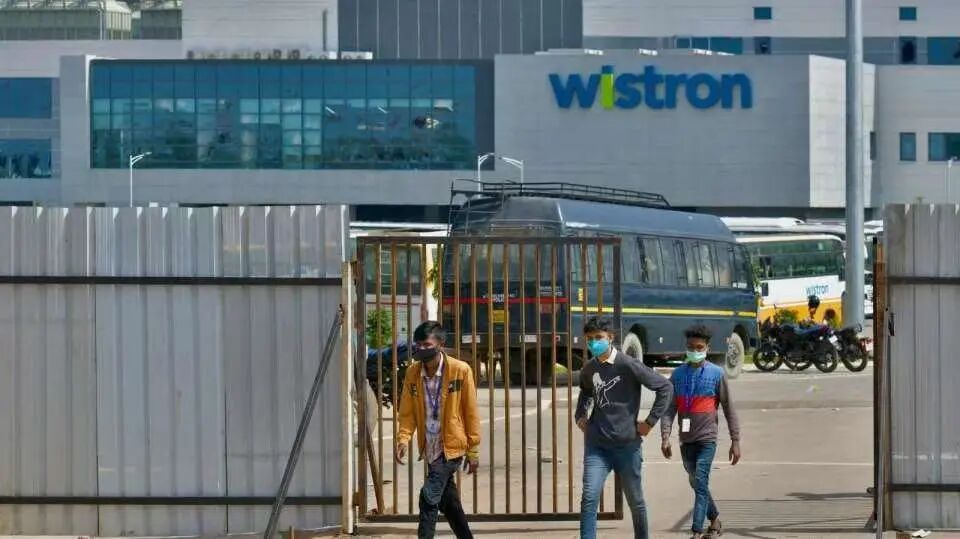
Wistron invested a total of almost 9 billion rupees in building factories, introducing a complete precision production line, and building a workforce system with tens of thousands of employees.
Pegatron invested a lot of money in establishing an assembly base in Chennai. Both Taiwanese companies bore the costs of developing the local electronics infrastructure and improving the iPhone manufacturing process. They have laid the foundation for the Indian industry.
As soon as the factories, production lines, and local workforce system were ready, the "slaughter" process began. The infrastructure was neglected for years, power outages and logistics disruptions during the rainy season increased operating costs. The annual fluctuation of workers was over 30%, and the production quality remained at a low level, which continuously eroded profits.

In 2020, there were massive looting incidents in the Wistron factory. Thousands of iPhones were stolen, and the equipment was damaged. Afterwards, the local authorities put all the blame on the foreign factory. High fines and negative media reports followed, and Apple simultaneously reduced orders.
In addition to changing taxes and environmental requirements, the conditions for subsidies became more and more stringent. Both contract manufacturers suffered large losses for years, and their liquidity was continuously restricted. In this difficult situation, the domestic giant Tata stepped in and took over the factories.
In October 2023, Wistron sold the 100% ownership of its iPhone factory, which was built with over a billion US dollars, to Tata for only $125 million.

Pegatron transferred 60% of the control rights to Tata, and the deal was officially completed in January 2025.
This is a typical Indian "pig - slaughtering trick": Foreign companies are lured to India and invest a lot in fixed assets in advance. As soon as the production lines are mature, a domestic company takes all the fruits with minimal effort.
Thus, the Indian businesses of two of the three Taiwanese contract manufacturers promoted by Apple have fallen into the hands of Tata.
Apple's secrecy culture has a loophole
This means that the Indian supply chain built by Apple in five or six years has gone in circles, and most of it has fallen into the hands of Tata.

Tata now has three iPhone factories in India and over 75,000 employees. It is the second - largest provider of Apple in India, only behind Foxconn. And it is not only limited to assembly but also strives for the production of components and semiconductors.
Last year, it cooperated with Powerchip to build a wafer factory worth $1.4 billion in Gujarat. The Indian government directly subsidized 70% of the costs. Tesla has also contacted and signed a semiconductor supply contract with it.
In just a few years, Tata has become the "general broker" of Indian electronics manufacturing. Anyone who wants to enter the Indian market cannot avoid it.
The Indian government "slaughters" foreign companies on the one hand and promotes Tata on the other hand to make it dominant. This contradicts Apple's original goal of diversifying the supply chain.
Apple developed the "China + 1" strategy to spread the risk. But in India, it has put almost all its eggs in Tata's basket.
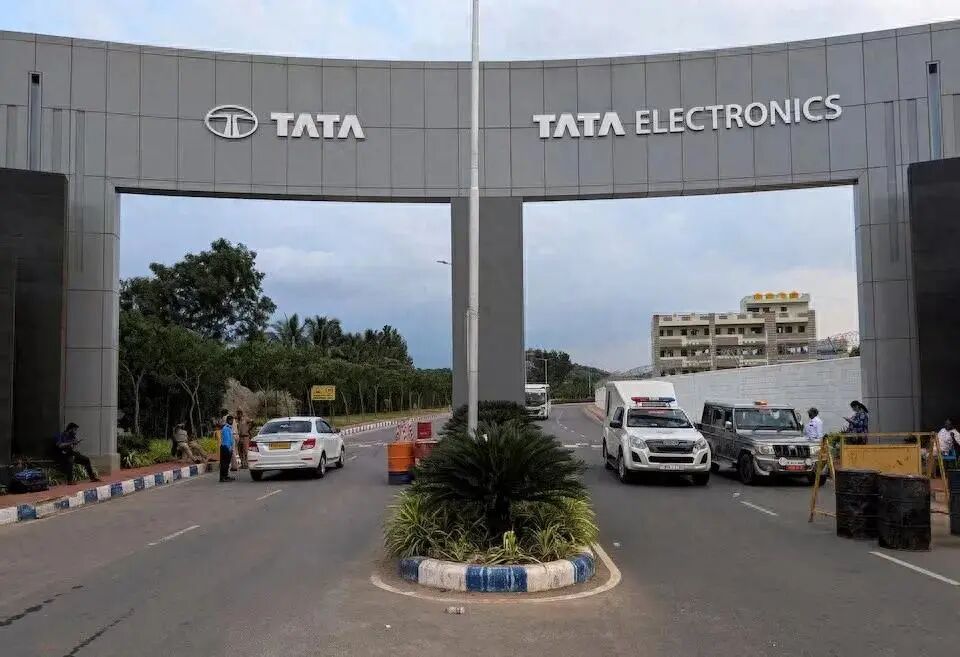
What's even worse, Tata's management level does not match the top - secret information it holds at all.
In this data leak, 630 GB and over 200,000 files were stolen at once. This is surely not the work of top hackers who overcame the firewall but rather a sign of a permeable internal management.
The industry knows that Apple is very strict about the information security of the supply chain. In its factories in China, there are numerous security measures from physical access control to network isolation. It is imaginable how strongly these standards are implemented in India.
As mentioned before, the Tata factory for iPhone components was sued for environmental pollution. The local farmers complained for six months, and the authorities investigated five times from December last year to May this year and issued improvement requirements several times. But Tata simply ignored them.
Only after it was finally forced to shut down did it submit a third - party expert report to prove that it was compliant.
It can be seen that in India, environmental protection regulations and safety regulations can be ignored. The same applies to information security, product quality, and confidentiality contracts. This is not the problem of a single factory but the foundation of the entire business environment.
Apple wanted to use the Indian supply chain to balance China, but now it is in the hands of Tata
Apple has a culture of secrecy, and the specifications, designs, and supply chain parameters before...