Only by surviving can one be qualified to talk about the future: Nothing's two-year life-and-death battle and a long-focus bet
Two years ago, when I talked about Nothing’s debut product, the Nothing Phone (1), I mentioned that Nothing rose to prominence rapidly with its mid-range a series, yet the crisis lies precisely in its product strategy that relies on price wars and differentiation. Back then, many readers from our community also questioned this business model in the comment section.
Two years later, Nothing’s growth trajectory has exceeded most people’s expectations, yet its new product launches still feel logical. Recently I got the chance to get a special edition Nothing Phone (2a) and a Nothing Phone (3a) Pro, so let me talk through the products, the updated Nothing OS after several iterations, and my reflection and expectations for this company.
▍All or Nothing: Nothing Phone (2a)
Nothing Phone (2a) launched in March 2024. Before that, Nothing only had two flagship phones: Nothing Phone 1 and 2. As flagships, even though they had various shortcomings and immaturities in specs compared to same-priced products, sales of over 100,000 and over 300,000 units proved the brand's capability and potential to the global market, and more importantly, to the capital market. At the end of 2023, Nothing secured $96 million in B1 funding led by Highland Europe, which shows how much confidence capital has in this long-awaited disruptor to the smartphone market.
But there are undercurrents beneath the rapid growth. In 2023, Nothing hit £50 million in annual revenue, but also posted a net loss of £59.4 million. Due to high operating expenses, by the end of 2023, the company only had £1.4 million in cash on its balance sheet, a 70% year-on-year plummet. Officially, the company attributes this to high R&D costs and global marketing, and appears confident in its future profitability. But in reality, the move to the mid-range segment shows they clearly understand what it takes to actually make money — after all, not every brand can be Apple.
The first two flagships already earned them buzz, now it’s time to figure out how to stay in business.
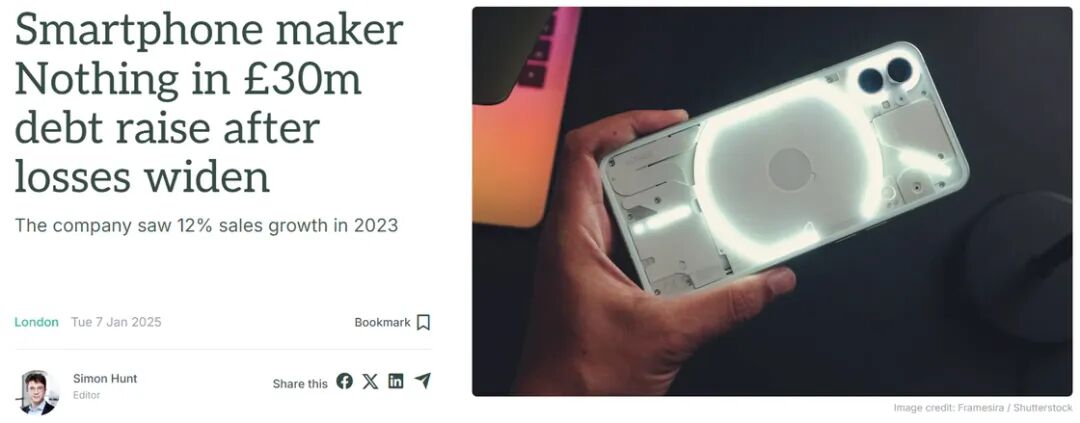
The Nothing Phone (2a) was launched at this moment. It’s the start of Nothing's best-selling a series, and the "unexpected star" that helped Nothing hit another sales miracle. Even though domestic tech forums were mostly bearish on this model when it first launched, the phone helped Nothing achieve an astonishing 557% compound annual growth rate, directly pushing the brand to become the fastest-growing smartphone brand in India.
Looking back at the phone now, maybe because we got PTSD from all kinds of obtrusive camera bumps, the back design nicknamed "pig intestine" actually looks more and more pleasing now. Nothing's industrial design team drew huge inspiration from Massimo Vignelli's 1972 New York City subway map, simplifying the crisscrossing underground transit network into orderly, minimal lines with strong geometric beauty. The official also frames this as a formal echo of the internal FPC wiring of the phone, hoping to present the abstract form of technology itself in a more approachable way. Aside from that, the Glyph Interface and exposed screws are also iconic elements of Nothing's design that are worth appreciating. The curved transparent glass back also evokes the display case of a museum, and also significantly improves grip comfort.
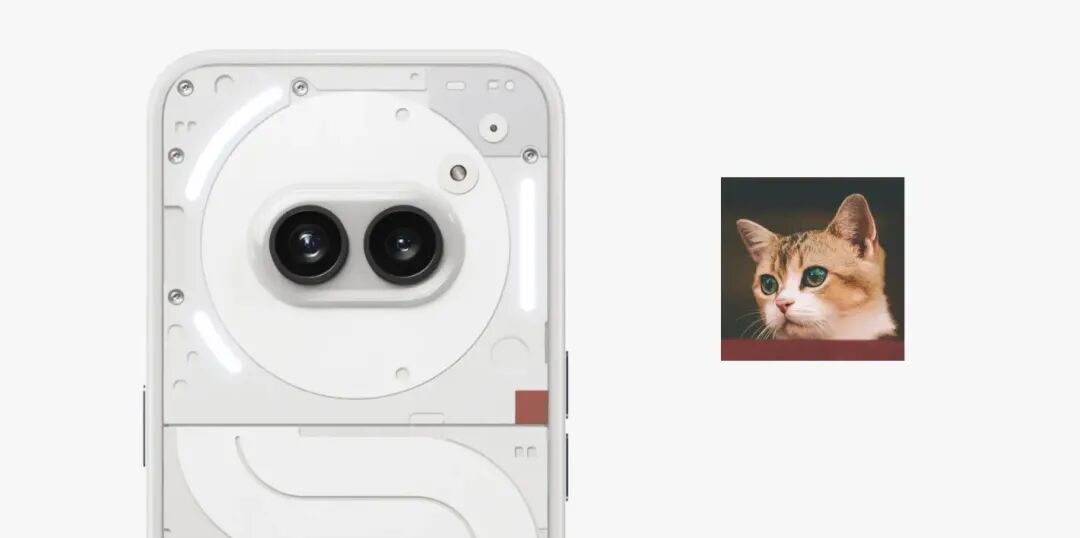
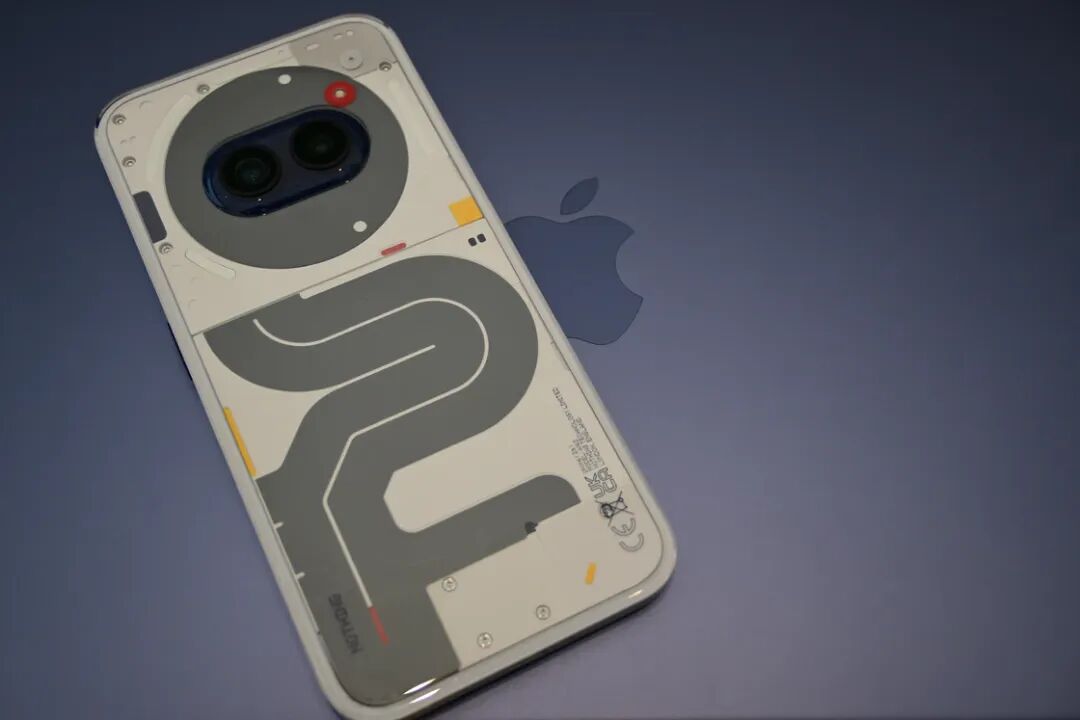
Special Edition.
The Special Edition I got has more color variations on the back, officially named A Story of Colour. The accent of primary color blocks naturally brings the Bauhaus movement to mind, which uses geometry and color itself as the core elements of design. The recolored deco and the FPC decoration wiring below it have stronger visual impact, and are more acceptable to me personally. Compared to a solid color back, the different areas covered by primary colors feel like an organic stacked composition — the exposed design elements are emphasized through color, reminiscent of assembling and disassembling Lego bricks. It brings a "playful, modular, experimental" entertainment value to the otherwise cold electronic engineering, which echoes the brand slogan "Make tech fun again".
Compared to homogeneous mainstream products that only change the overall color, this is also a rebellion against mainstream design language. Technology doesn’t have to be cold, as long as we are brave enough to show imperfection.
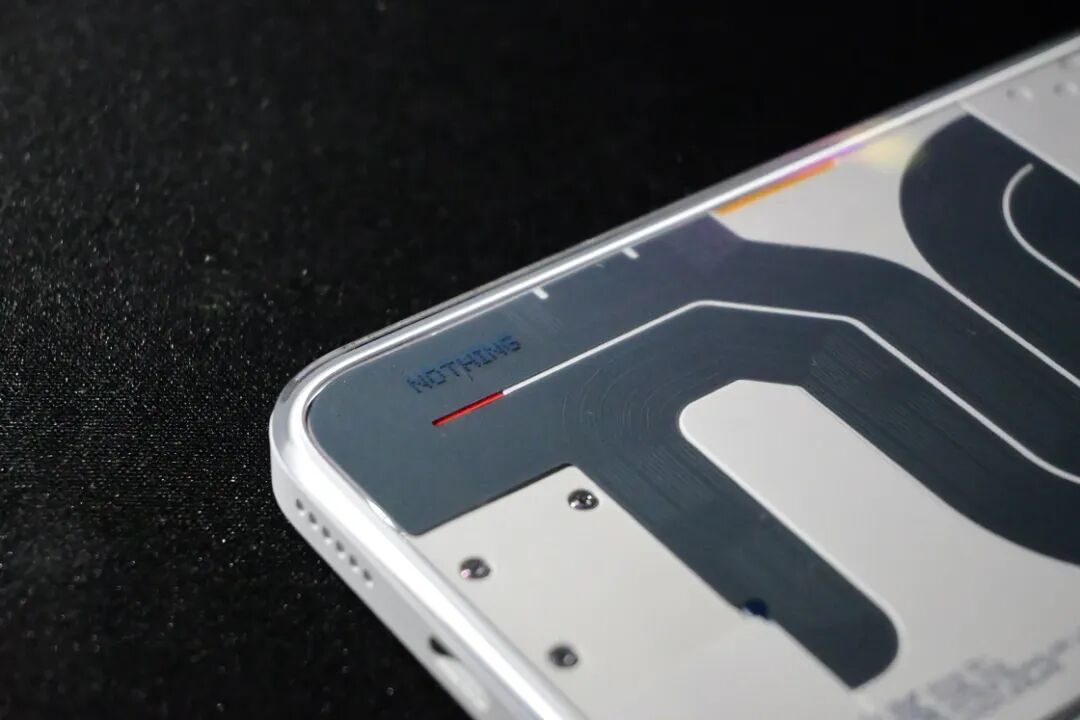
NOTHING LOGO details of the Special Edition
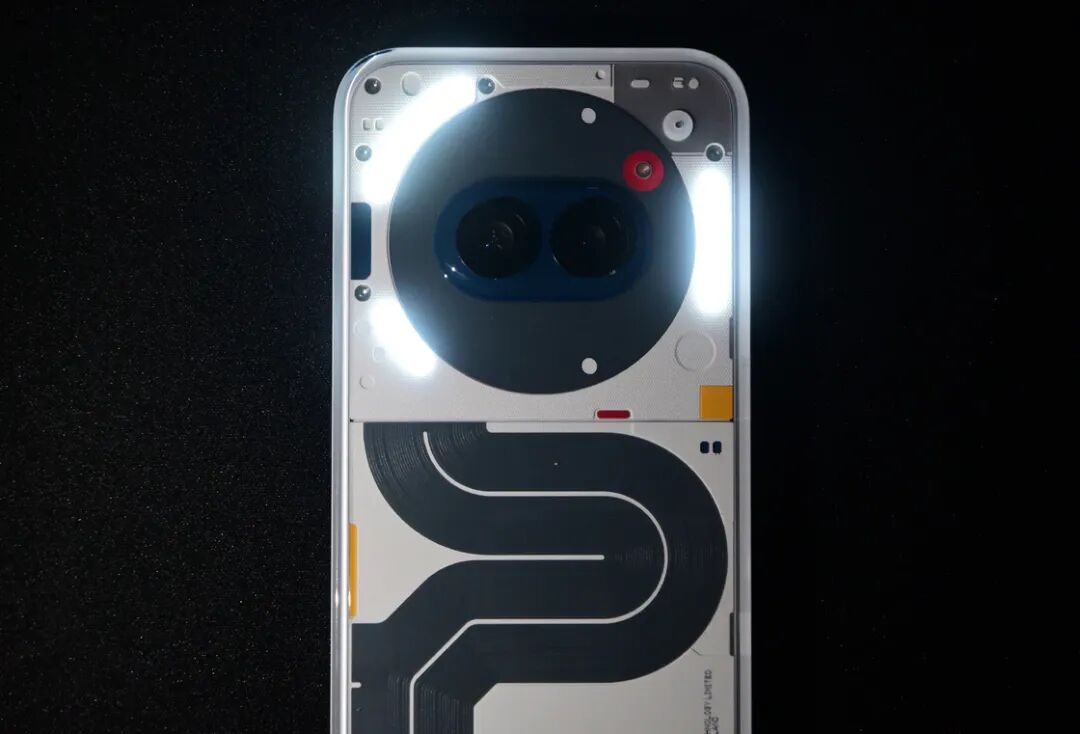
DECO and [Glyph]
Of course, behind the explosive sales, design ingenuity doesn't actually contribute that much — it's more of a talking point and way to boost exposure. What really won over the Indian market is its incredible pricing strategy: 24,000 rupees with a 1-year Perplexity Pro membership, making the overall cost of ownership much lower than competitors. At the time, among same-priced products in India's mainstream market, the Pixel 8a had a cheap all-plastic build and rigid OLED panel that felt totally uncompromising, the Samsung A55 was way more expensive, and anyone familiar with MIUI knows that mid-to-lower tier chips like the one in the Redmi Note 13 Pro+ cause constant lag, and can't compete with Nothing OS at a core level. It was actually a lucky successful gamble for Nothing to invest heavily in the supply chain when they were low on cash flow. Nothing's Indian subsidiary has seen significant gross margin growth and achieved full profitability since 2024. For the second-hand market in China right now, the Nothing Phone (2a) can be updated to the latest system, has a unique design, and costs less than 1000 RMB, so it's actually a great choice.
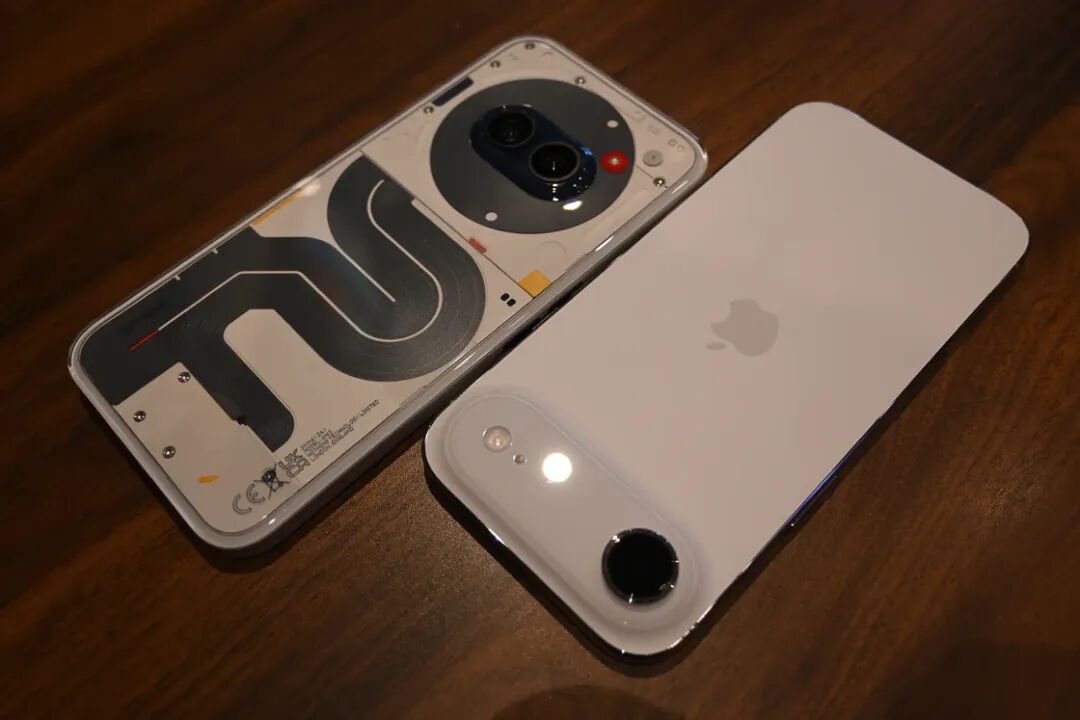
Complexity and Simplicity
▍A Failed Premium Attempt: Nothing Phone (3a) Pro
Following the success of the 2a, the Nothing Phone 3a series launched in 2025 continued to take the Indian market by storm. In Q2 2025, the first full sales quarter after the 3a series launched, Nothing hit the milestone of over 1 million units shipped in a single quarter. The (3a) and (3a) Pro combo contributed over 70% of the brand's total phone shipments that quarter. Thanks to this, Nothing's global revenue in H1 2025 increased more than 100% year-on-year.
But in reality, most of the market share still comes from the base Nothing Phone (3a). For the same SKU family, the Nothing Phone (3a) Pro adds a price difference of nearly 600 RMB only for an upgraded LYT-600 70mm telephoto lens with a 1/1.95" sensor, while the standard model uses a 1/2.76" Samsung ISOCELL JN5 50mm telephoto.
Since the previous generation a series didn't have multiple tiered models, the Nothing Phone (3a) Pro is clearly an attempt to move upmarket and push for a premium price. But at that time, Nothing didn't really figure out how to do positioning and trade-offs within the same product line. The price difference between the two models didn't translate to more noticeable upgrades in more impactful areas like battery, SoC, or screen, only that single telephoto lens. It even paid a huge price by replacing the symmetrical, neat, almost non-protruding deco with an "Oreo" bump that has cluttered element arrangement, obvious protrusion, and no smooth transitions.
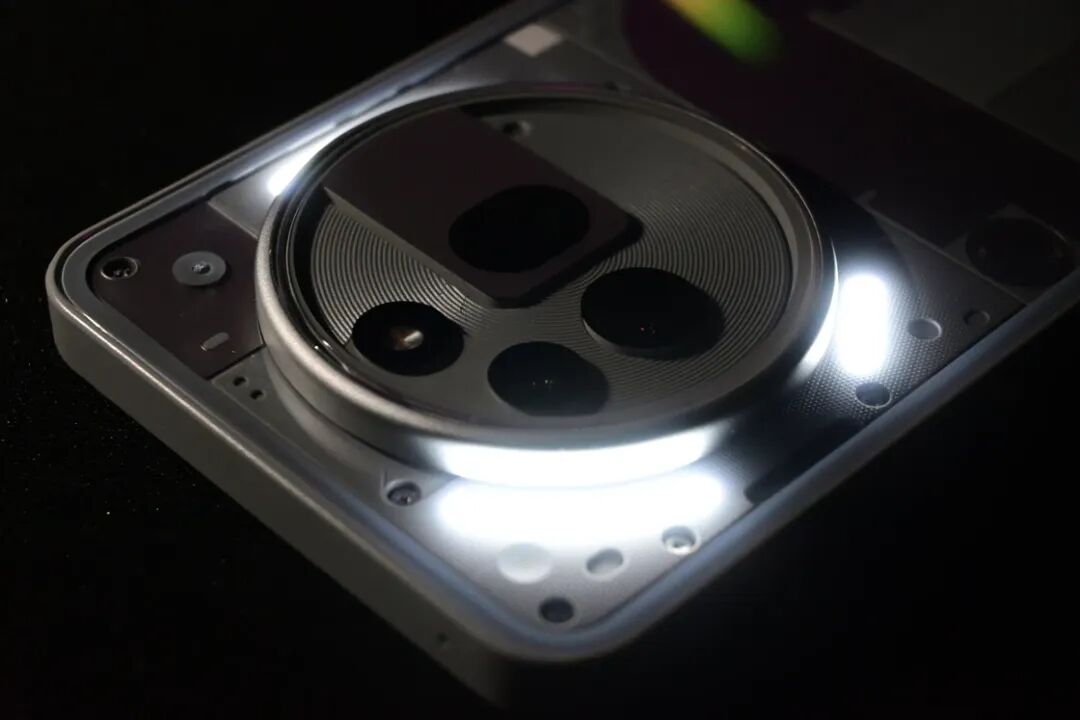
Under Glyph lighting, the thickness of the DECO is particularly noticeable
The (3a) Pro also removed the previous generation's curved transparent glass back, which reduced the overall premium feel. The lines and geometric shapes on the lower back do inherit the previous generation's design language, and their shape is actually more pleasing. In addition, the different gray tones used on different parts enhance the contrast of the back and the presence of the geometric shapes, which is a strengthening of the design language that I personally like.
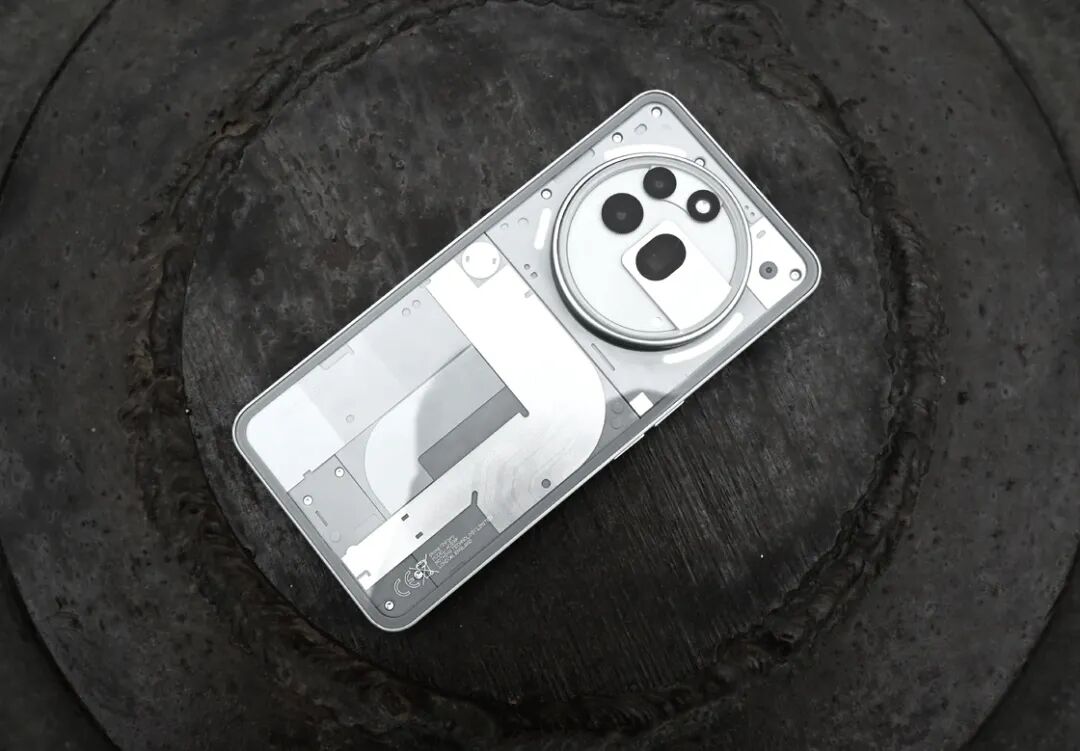
Overall back design
But I'd call this huge deco the worst design among all Nothing phones. The vertical deco has almost no transition, the lens glass is higher than the surrounding edge, it cuts your hand and has no premium texture. The telephoto module extending from a metal cover inside the deco is a decent design idea, but it's not centered, which makes the position of the centered flash above look extremely awkward. It makes me think that the sloped edge lens design on the Nothing Phone (3) was actually a planned move all along. The concentric texture inside the deco and the extra thick black decorative ring around the lenses are over-designed that makes no sense to me. The design of the lenses is completely disconnected from the overall back design, you can't help but notice these big, ugly black blocks.
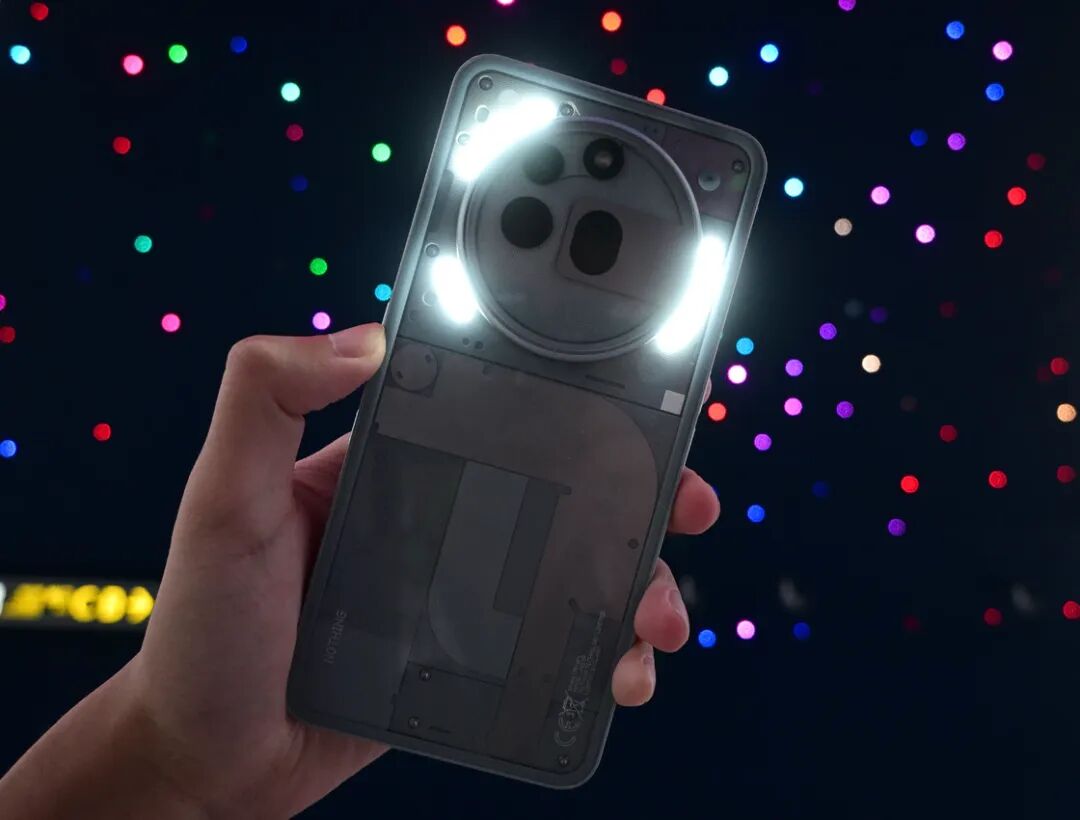
Personally, this is one of the more decent shots I got with it
The only explanation I can think of is that Nothing wanted to use this distinctive design to highlight the upgraded multi-camera system. But paying such a high price in terms of body stacking and design compromise, the final image output just doesn't live up to its price point.
Let's start with the pros. The main camera's HDR processing and color accuracy are pretty good. It performs on par with other phones in this price point for both low light and high dynamic range scenes during the day, and its highlight suppression and noise handling in night mode are also competent.
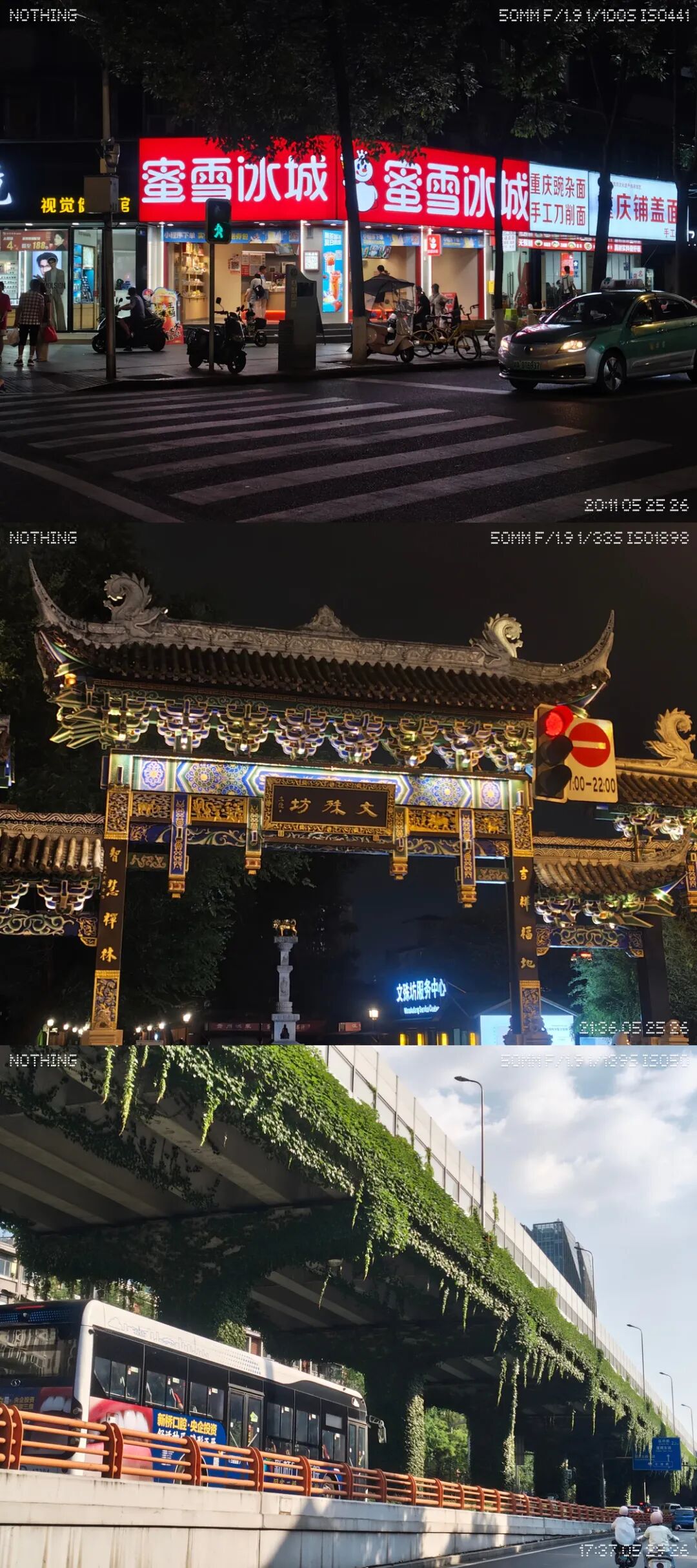
The main camera performs as expected
The expensive telephoto actually delivers very messy results, and this is after updating to the latest system. It's easily the worst large-sensor telephoto I've ever tested. In daytime high dynamic range scenes, there's often a noticeable HDR processing error that causes the photo to be overly bright and have low contrast; in normal scenes, building details have obvious smoothing, making the image look dirty; the problems are even worse at night — obvious glare that can't be ignored, and multi-frame synthesis issues that show up in low light, resulting in blurry photos and visible ghosting in some areas.
What's even more baffling is that not only does this CMOS have serious color cast and white balance drift, the white balance is also noticeably different between different focal lengths (70/140mm), and the 140mm digital zoom performance is also very unstable. That said, this sensor can still take decent photos, and the telephoto macro mode has really impressive color performance, but the extremely unstable algorithm makes getting a good shot feel like winning the lottery.
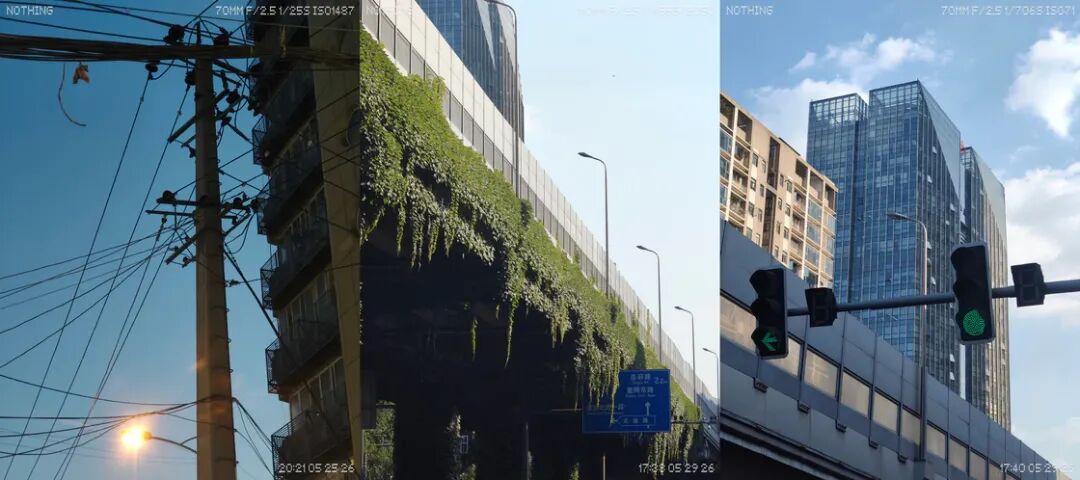
Telephoto output is inconsistent
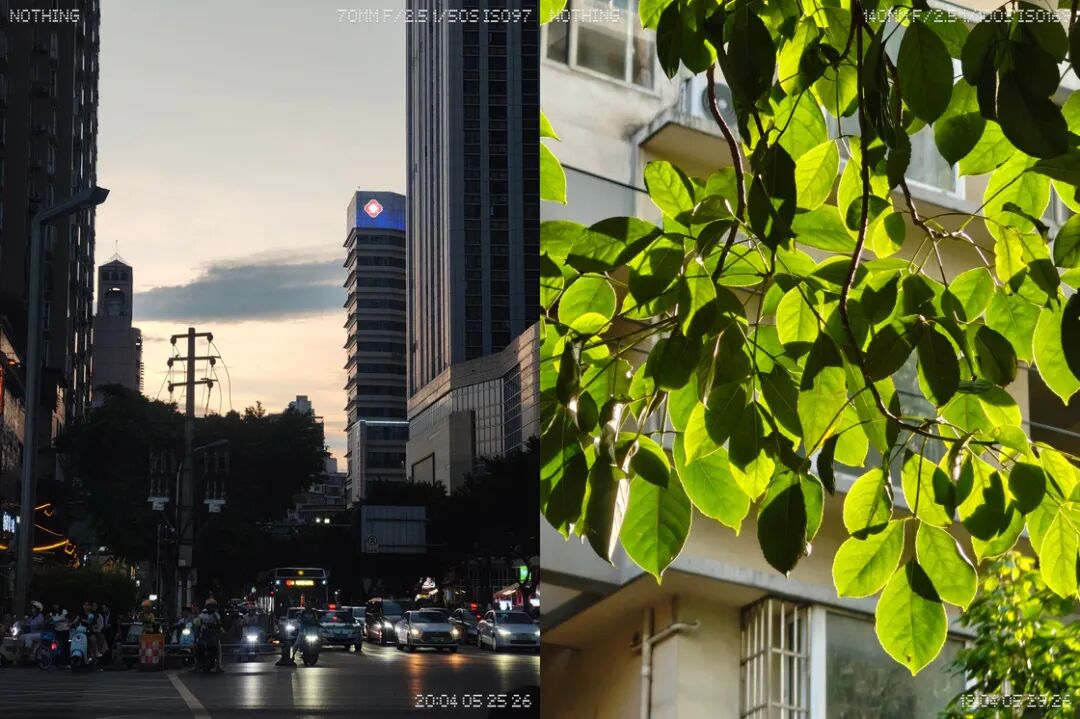
You can still get good shots by chance
