Having worked in car repair for 30 years, they were finally defeated by new energy vehicles.
"There's no cost. Earning 40,000 a day is quite good, right?"
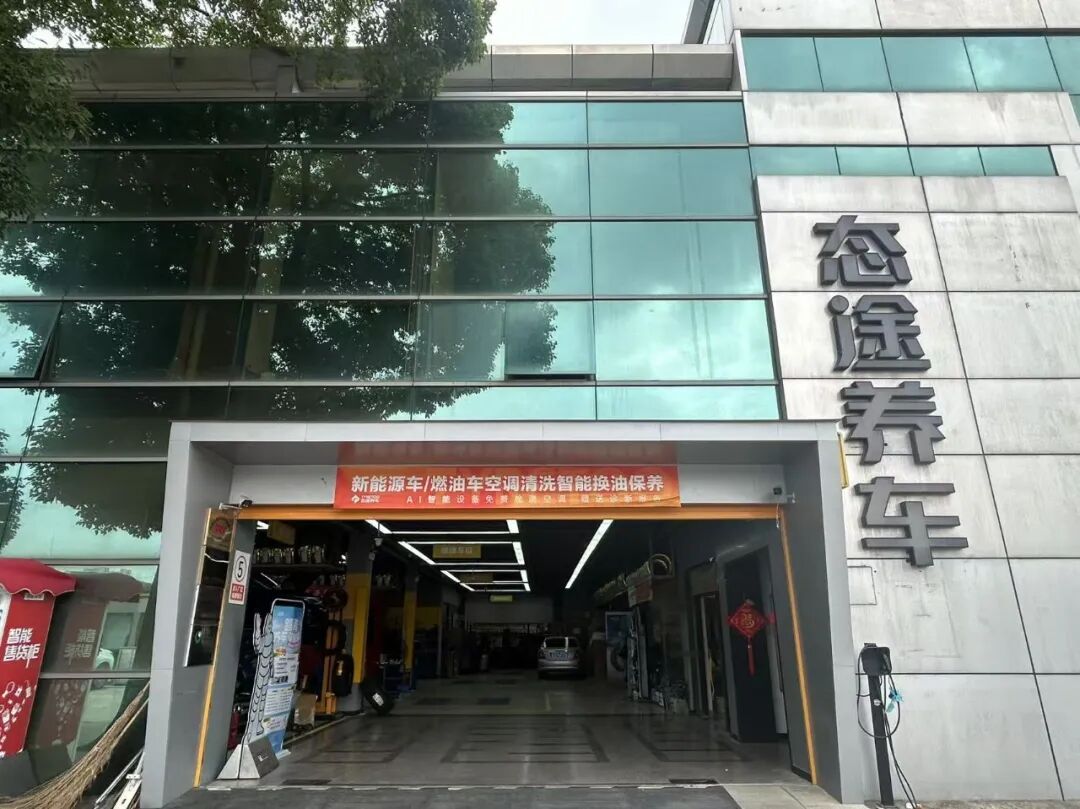
In the second - floor office of Taitu Car Maintenance located on Siemens Road in Nanjing, when the founder Lü Yanqing talked about a new business he recently found, his eyes clearly brightened -
Without any authorization from new - energy vehicle manufacturers and without complex skills, just by purchasing some not - so - expensive equipment, car owners troubled by range attenuation are willing to pay hundreds of yuan to restore battery performance.
Taitu Car Maintenance is a chain brand of auto repair shops, with nearly 10 stores in Nanjing alone. Most of Lü Yanqing's auto - repair peers can hardly believe that there is still such a good business today. They are experiencing a completely different situation.
Wang Fei has been running an auto - repair shop in Nanjing for more than 20 years. He told us, as more and more new - energy vehicles are on the road, he is getting into the dilemma of "having no cars to repair":
In the past, there used to be more than a dozen cars waiting for repair and maintenance at the shop entrance. Now, there are only three or four jobs a day, and the monthly income has shrunk by three - quarters. There are only three people left in the shop, and they still take turns lying on the sofa "idly sleeping".
Data shows that from 2023 to 2025, more than 80,000 traditional auto - repair shops across the country have closed down, nearly one - fifth of the total in the industry. But in Wang Fei's view, this figure is still too conservative.
He took the area of Chaiyuan North Road in Nanjing where he is located as an example. There used to be more than twenty auto - repair shops of different sizes here. Now, only six are still in business. Even the old masters who have persevered have to drive Didi or do delivery work in their free time to supplement their income.
"This is very common," Taitu Car Maintenance also started from traditional auto repair. Lü Yanqing, who bears the livelihood of hundreds of employees, deeply understands the difficult situation of old auto - repairmen like Wang Fei. When asked how many of the more than 400,000 auto - repair shops across the country will remain in the future, Lü Yanqing first said "half", then after a moment's pause, he retracted his statement: "Maybe even less."
In order to be among the few survivors, he can only encourage himself with the concept of "survival of the fittest" and hopes to survive the most difficult years of the new - energy era through innovation. That new business is one of the achievements.
But the problem is, no one knows how long this cold winter will last.
Even less does anyone know how much space traditional auto - repair shops that have grown relying on the experience of old masters will ultimately have in this market after new - energy vehicle manufacturers finally relax the restrictions on the repair system, software permissions, and user access.
1. When car owners no longer trust traditional auto - repair shops
Wang Fei lay on the sofa doing nothing the whole day.
He stretched out his wrinkled hand - a mark left by severe water shortage due to the long - term corrosion of the skin's protective layer by engine oil - and pointed at himself: a 49 - year - old man of medium build, with a crew cut and a helpless look, as well as his partner who was also doing nothing.
"There are only three or four cars in total a day. There are only us and a young master left in the shop, and we are still so idle that we 'sleep all day'."
Wang Fei entered the industry in 1995 and has been repairing cars for more than 30 years.
He witnessed that the number of sedans on the street increased from just a few to as dense as marching ants in the past 30 years. He also watched as they drove into the auto - repair shop that he and his partner bought by selling two apartments because of various malfunctions.
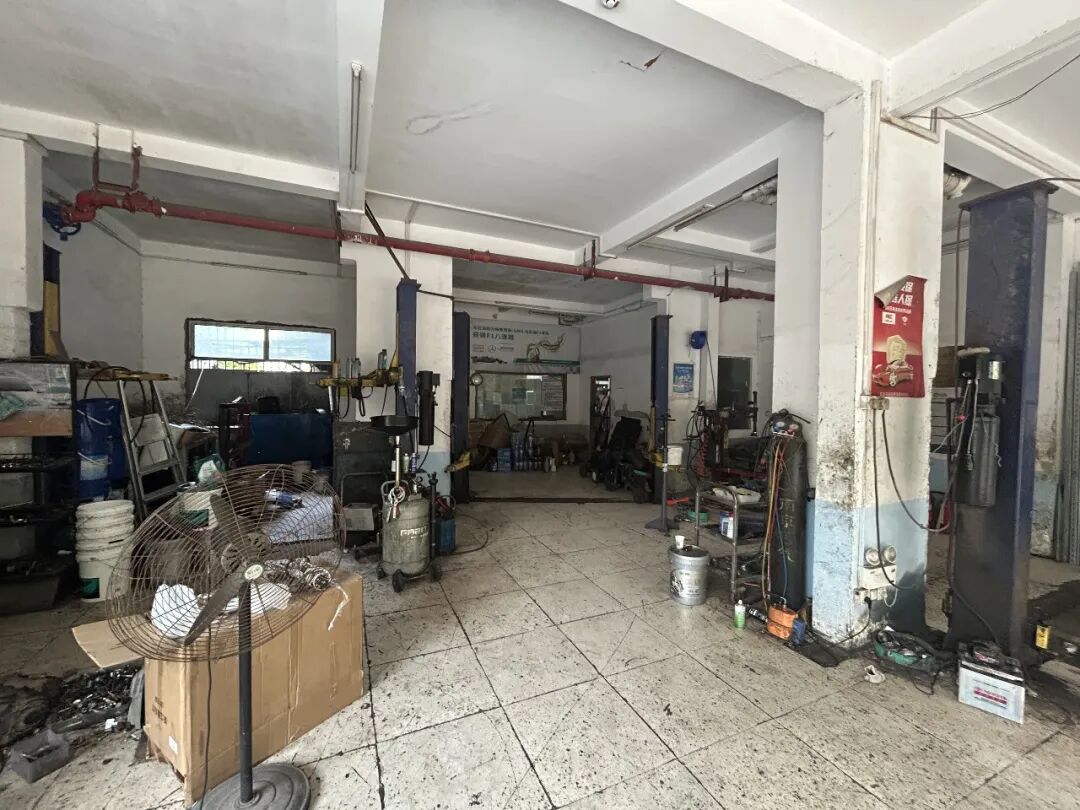
In the years when business was at its best, eight people in the shop were still too busy. Earning one million a year was a piece of cake for Wang Fei. At that time, his favorite saying was: "A skilled craftsman will never starve on a barren field."
But now, when the "barren field" has truly arrived, his thinking has changed.
"There is no hope in sight." Wang Fei got up from the sofa, tugged at the black T - shirt with the Petronas logo on it, walked through the unlit auto - repair workshop - the lift was empty, and there was only one car being repaired in the shop - and pointed to a grain and oil store not far away.
"They used to have five fuel - powered cars and came to my place for maintenance once a month, spending at least 30,000 a year. Now that they have all switched to electric cars, I feel like I haven't seen them for almost a year."
In Wang Fei's view, there are many reasons for the "lack of cars to repair", but the most direct change is that the demand is disappearing.
On the one hand, many of Wang Fei's old customers are from traditional industries such as real estate. "They can't find any business to do and don't drive on the road, so of course I don't have any business either." On the other hand, Wang Fei also agrees that new - energy vehicles are less likely to break down. The three - electric system firmly wrapped in a metal shell doesn't need frequent maintenance like engines and gearboxes.
But what really makes Wang Fei feel helpless is that even if a new - energy vehicle has a problem, it's unlikely that he will get the chance to repair it.
"It's too luxurious to even talk about the three - electric system." Wang Fei gave an example: Last year, a BYD owner came to the shop because the heating system malfunctioned. Wang Fei judged that the problem was with the heating water pump and proposed to replace it.
This was not a complicated project, but after much hesitation, the owner still drove the car to a 4S store with higher fees. The reason given by the owner made Wang Fei helpless: they were worried that the brand would refuse to provide the warranty on the grounds that third - party repair had affected the circuit.
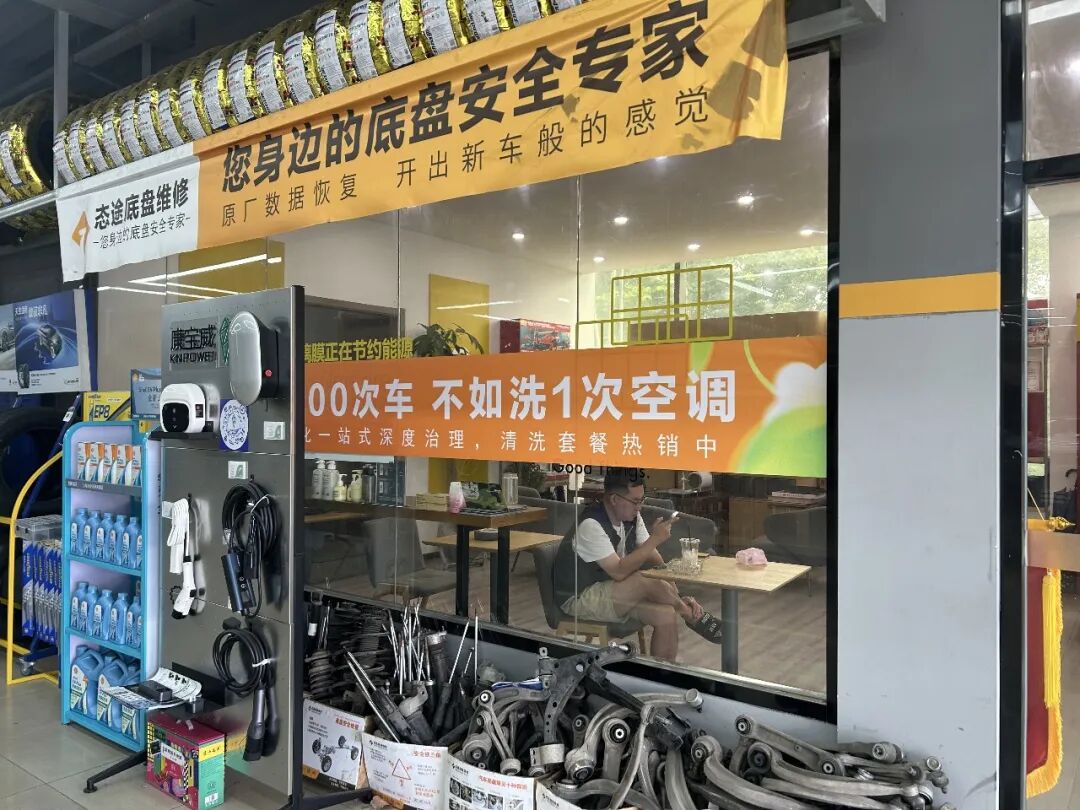
"This is actually a trust issue." Taitu Car Maintenance has now started to undertake a large - scale air - conditioning repair business for new - energy vehicles. After communicating with many car owners, Lü Yanqing found that after entering the new - energy era, many car owners' perception of "car repair" has undergone a fundamental change.
In the fuel - powered vehicle era, most vehicle malfunctions were mechanical problems. Finding the damaged parts, replacing or repairing them often solved the problem.
In the new - energy vehicle era, car owners increasingly recognize that they are driving a large - scale electronic device and are generous in paying for the car manufacturers' "statements":
New - energy vehicles are equipped with hundreds of ECUs (Electronic Control Units). The whole - vehicle system can be OTA - upgraded. Once there is illegal external access, it is very easy to cause firmware tampering, function failure, and even safety accidents.
Therefore, in many cases, when new - energy vehicle owners judge whether a car is truly repaired, it depends not only on the actual driving experience but also on whether the system approves the repair.
"To put it bluntly, many car owners don't believe that an old master who used to repair fuel - powered cars can repair new - energy vehicles 100%." Lü Yanqing said.
This may be the "most painful scar" of the traditional auto - repair industry in this new - energy wave -
In the past, the growth of this industry was based on the experience of old masters, the mentoring system, and car owners' trust in specific repairmen. But now, this trust is no longer based on specific individuals but on brand authorization, system certification, and the endorsement of manufacturers. And many old masters like Wang Fei can only let it happen.
"There are indeed many old masters in our industry with a relatively strong path - dependence," Wang Fei believes that old auto - repairmen like him are being abandoned by the era just like cobblers in the past. He and Lü Yanqing both mentioned:
If starting from scratch to learn to repair new - energy vehicles, some people who used to be engaged in computer and mobile - phone repair may learn faster than many old auto - repair masters because they are more familiar with circuits.
2. Do car manufacturers really want to monopolize the repair market?
"However, there are other subtleties in this." The example Wang Fei gave next revealed the delicate aspect of new - energy vehicle repair.
"For example, when replacing a car headlight, the 4S store will also tell you that you can replace it outside."
But the problem is that after the headlight is replaced, the fault code left in the vehicle system can often only be cleared by equipment authorized by the manufacturer. If the fault code is not cleared, the fault indicator light on the dashboard will keep flashing.
"How many drivers can stand this?"
When you go to the store, they may tell you that the light is okay, but the installation process does not meet the manufacturer's standards, and it needs to be reinstalled to clear the fault code.
As a result, an additional labor fee is generated.
"In the end, when the car owner calculates the cost, it's better to have it repaired at the 4S store from the beginning."
In the view of many third - party repair shops, the non - opening of permissions, limited parts channels, and high authorization thresholds are the biggest obstacles to their new - energy vehicle repair business.
Some even think that car manufacturers are "monopolizing" the repair market through the technology and authorization system.
But is this really the case? Perhaps it's far more complicated than imagined.
Whether car manufacturers intend to "monopolize" the market depends on a key question: Is the core positioning of after - sales repair for car manufacturers a profitable business or a part of building the user service system?
Most car manufacturers are tight - lipped about this question. We consulted four new - energy vehicle manufacturers respectively, but they all politely declined our request.
However, Lü Yanqing told us that the new - energy vehicle repair market itself may not be as profitable as the outside world imagines. Even authorized 4S stores or after - sales centers of vehicle manufacturers often can't make money from battery repair.
"Strictly speaking, only those who make batteries are truly qualified to repair them. When many vehicle manufacturers encounter battery problems, they still have to send the vehicles back to battery factories like CATL or designated authorized repair centers for handling."
"For now, there's not much profit. Even if you invest in an authorized battery repair point, many will end up in the red. Because there aren't that many vehicles that really need battery repair." Lü Yanqing said.
If the profitability hasn't been fully established, then another question is: Is the industry's capability mature?
In fact, Wang Fei went to Changzhou, known as the "New - Energy Capital", in 2022 to further his studies on new - energy vehicle repair skills.
When asked if he could repair new - energy vehicles, Wang Fei first firmly said "I can repair all of them". But when we further asked what knowledge he had learned at that time, he said that because he hadn't repaired new - energy vehicles for a long time, "he had almost forgotten it all".
Lü Yanqing is also facing a similar "chicken - and - egg" problem.
"We can recruit masters who can repair new - energy vehicles, but can you guarantee that they will have cars to repair after being recruited?" Lü Yanqing further explained the difficulties in cultivating new - energy vehicle repair capabilities. "Our industry has always been based on the mentoring system. Now it's hard to find masters, and it's too difficult to build an ecosystem for repairing new - energy vehicles from scratch."
Perhaps it can be said that the current closed - nature of the repair market may not be entirely due to car manufacturers deliberately setting up barriers, but also related to the immaturity of the entire new - energy vehicle repair system.
Currently, policies are promoting the development of the new - energy vehicle repair system from the demand side.
In April this year, the "Interim Measures for the Recycling and Comprehensive Utilization of Waste Power Batteries of New - Energy Vehicles" was officially implemented, requiring car manufacturers to open relevant technical information to qualified third - party repair enterprises.
Returning to the question of "do car manufacturers really want to monopolize the repair market", a more realistic answer may be that at this stage, new - energy vehicle manufacturers are more like prioritizing the construction of their own service systems rather than deliberately eliminating traditional auto - repair shops.
However, for old masters like Wang Fei, the difference between the two may not be that important. Because whether car manufacturers ultimately open the repair permissions for the three - electric system or not, they must first survive this "lack of cars to repair" winter.
3. Some are looking for a way out, some are waiting for retirement
Where will third - party auto - repair shops go in the future? Different people have different views.
"Looking at the entire after - sales market of new - energy vehicles, there are mainly four types of business that can be done." Lü Yanqing counted on his fingers: Tires and chassis, light modification, sheet - metal painting, and the three - electric system.
Among them, due to the still high technical and authorization thresholds, the three - electric system is unlikely to become an opportunity for most third - party repair shops in the short term. What is really worth competing for are the first three types of business.
This is also the direction of Taitu Car Maintenance's transformation in recent years.
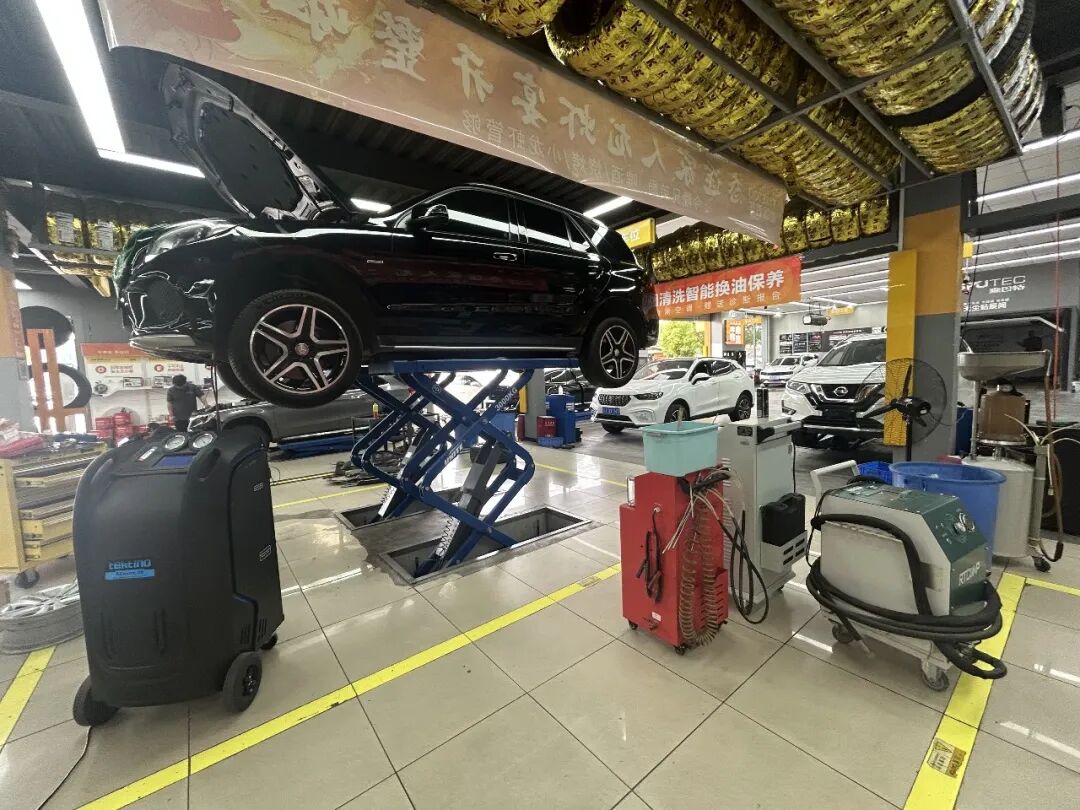
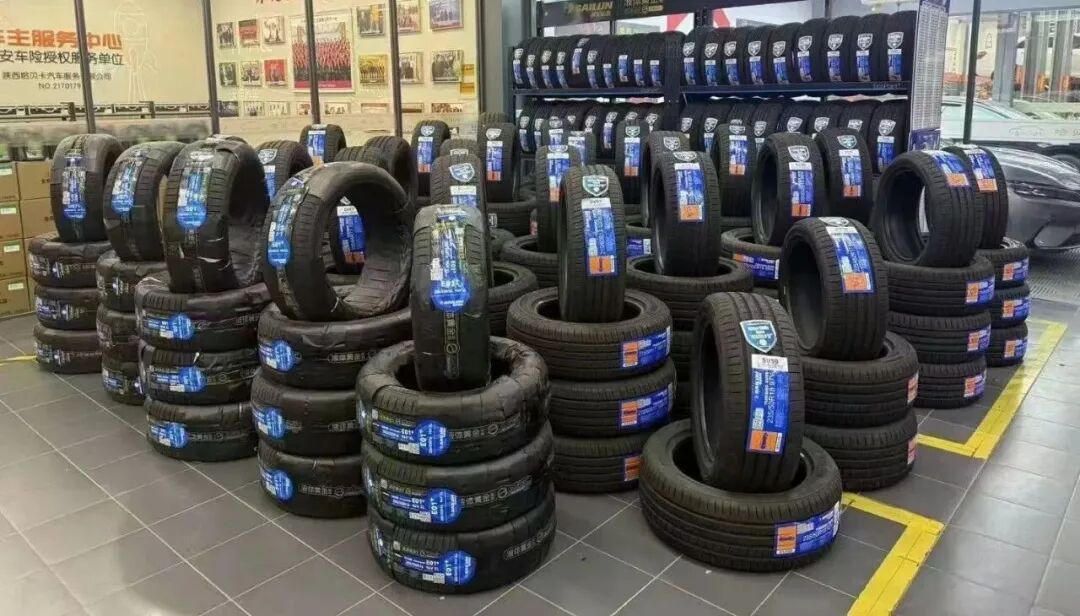
Lü Yanqing pointed to the Taitu Car Maintenance shop under his feet and said that he planned to invest another four or five hundred thousand to renovate the store, increase the tire inventory to 3,000, and turn it into a tire warehouse - style sales center.
In fact, tire sales is one of the businesses that Taitu Car Maintenance started with. In recent years, Lü Yanqing has further increased its proportion in the business layout. He took Tuhu Car Maintenance as an example. "Tuhu is also a tire - chain business. In our industry, as long as a listed company is born, it means the direction is right."
"However, don't think that just because listed companies are doing it