Old EVs that have fallen below the critical threshold are being forced to extend their lifespan with "power banks"
Previously, people thought that China was a desert for automotive culture, lacking an understanding of car customization and modification. As we fast - forward to the era of electric vehicles, there was even less of a foundation for modification, with car owners only doing window tinting.
No, no, no. You've got it all wrong. China's wildest and most absurd electric vehicle modification culture is actually hidden in those unassuming taxis and ride - hailing cars on the roadside; it's hidden in those seemingly harmless "chopped pepper fish head" - style cars.
1
The "Black Technology" for Prolonging the Life of Electric Vehicles
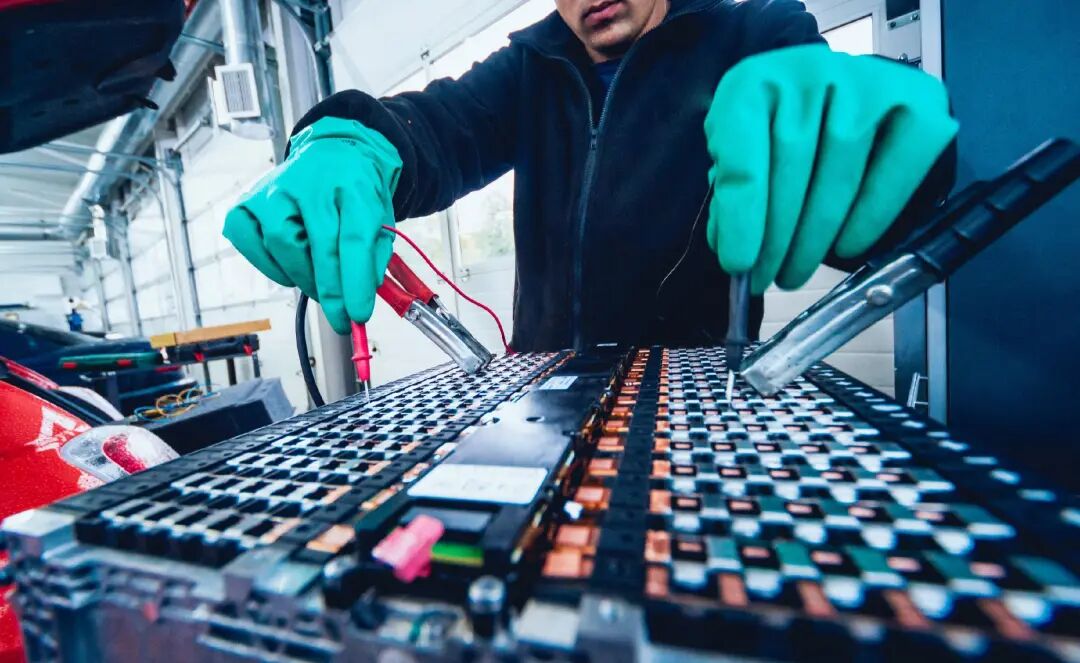
If you search online for "battery installation" and "range extension", you'll find a large number of modification shops and countless cases. Shop owners shout "Thank you, buddy, for your trust" in the videos while moving a small battery pack into the car, placing it in the trunk or the frunk. They simply fix it with a few screws and then start connecting the high - voltage lines, paralleling it with the original vehicle's power battery.
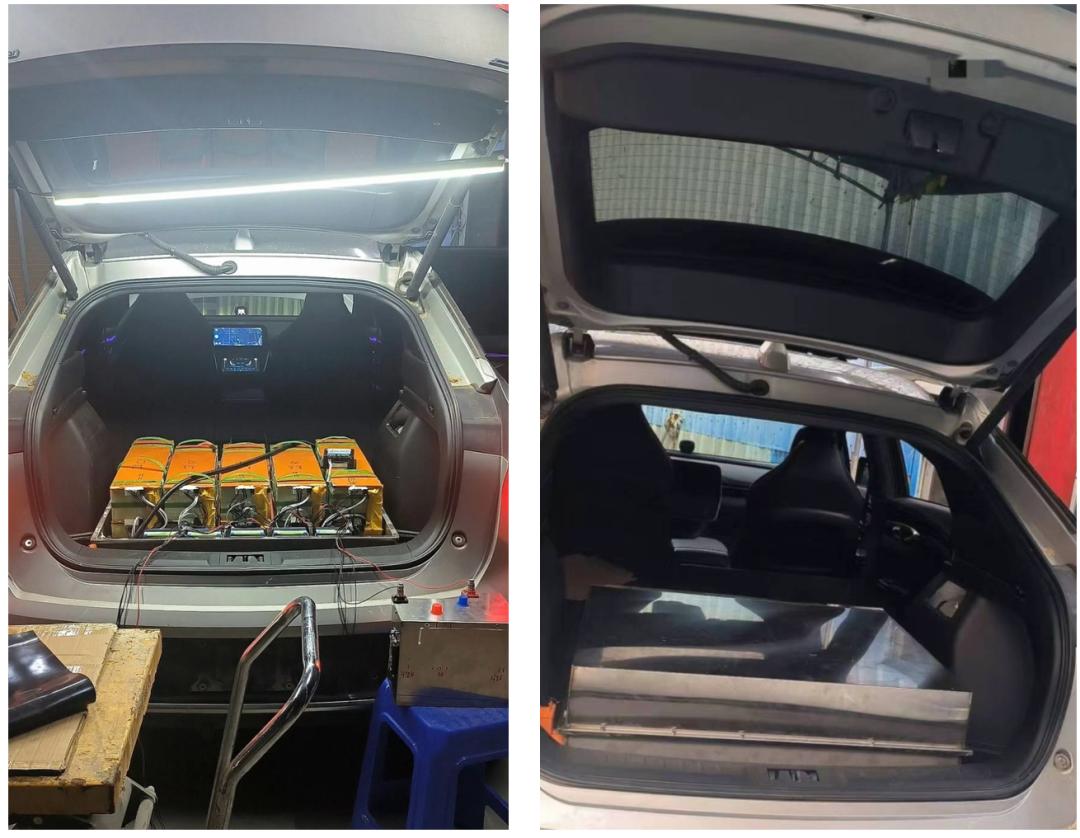
Yes, you heard it right. Now, modification shops have started to drastically modify the range of electric vehicles.
Here, the battery pack doesn't need any shell armor. It's just a thin metal box filled with battery cells. Here, there's no need for multi - cavity anti - collision beams or energy - absorbing structures to protect the battery. You can just throw it wherever there's space in the car. You can even put it under your butt. What technical verification and durability tests? None of them are needed. The boss only asks about "the length, width, and height of the trunk", as casual as ordering a floor mat.
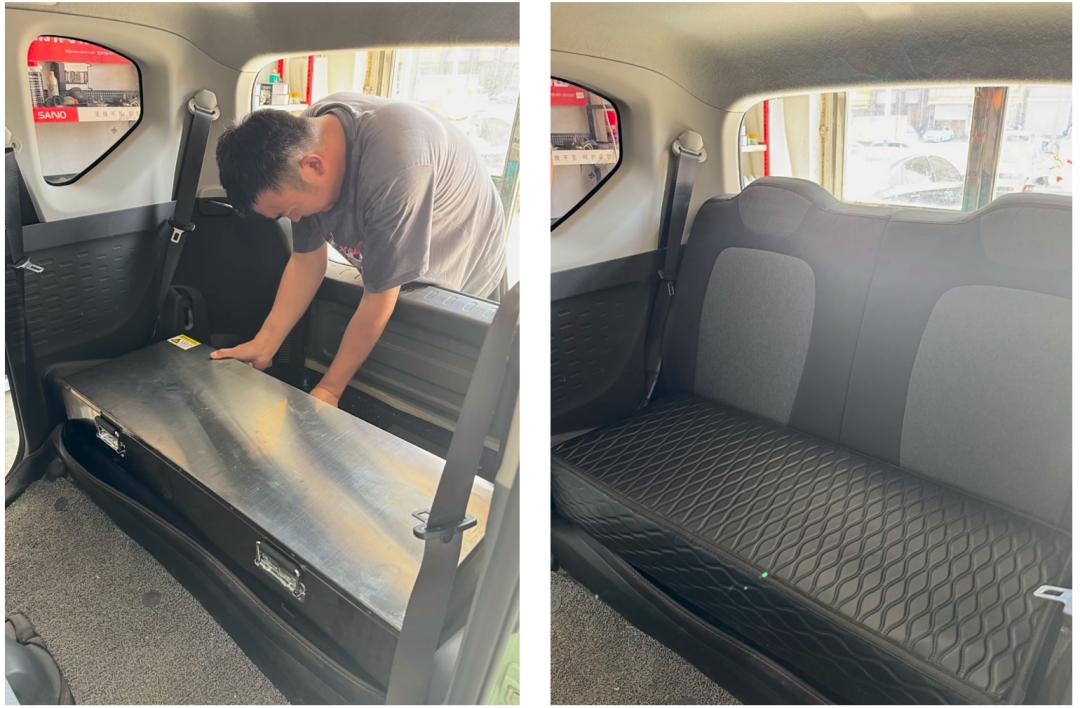
Casual, but very tempting. Let's take a look at some specific cases. A Wuling Hongguang Mini, the low - end version with an official range of 120 km, is basically afraid to go on the highway. After installing a battery in the trunk, it can run 250 to 300 km, instantly becoming more confident. The newly added battery even supports DC fast charging. A BYD Seagull, with an official range of 305 km, usually needs to be charged once a week for commuting. With the expanded battery, it can run 500 km, and now it's okay to charge it once every two weeks.

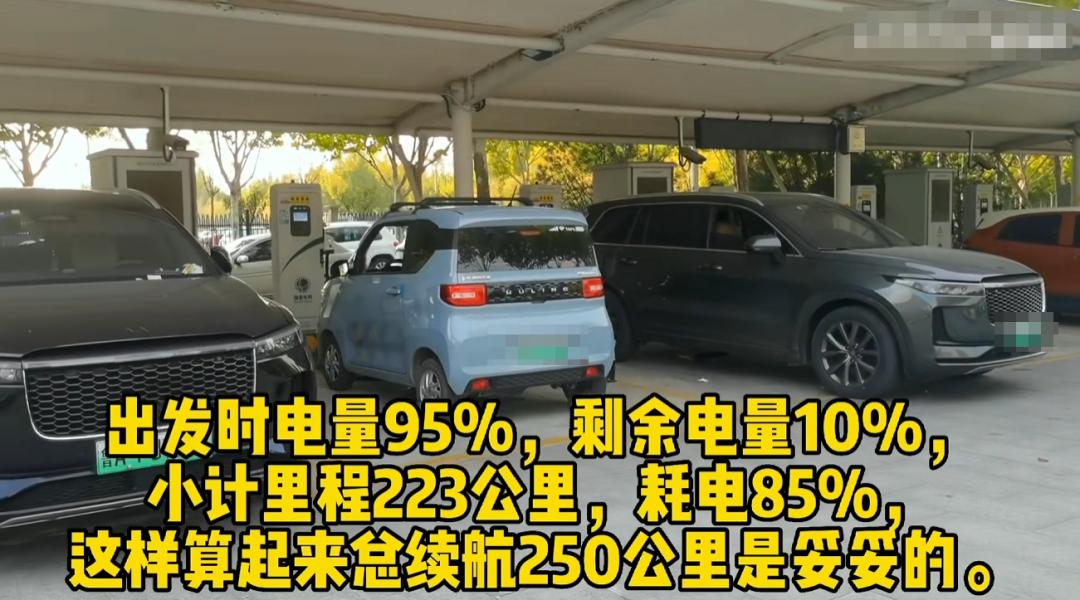
For older cars, these additional battery packs are truly life - saving devices. Some "chopped pepper fish head" cars, after years of battery degradation, can only run about 70 km in winter, comparable to an electric scooter, and are on the verge of being scrapped. After installing a new battery, they are fully revived.
Many operating vehicles have also become money - making tools with this method. A BYD Qin ride - hailing car shown by the modification shop owner had its range increased from 350 km to 470 km. It's more than enough to run in the city all day. The driver no longer has to stop to charge in the middle of a fare. It's truly remarkable.
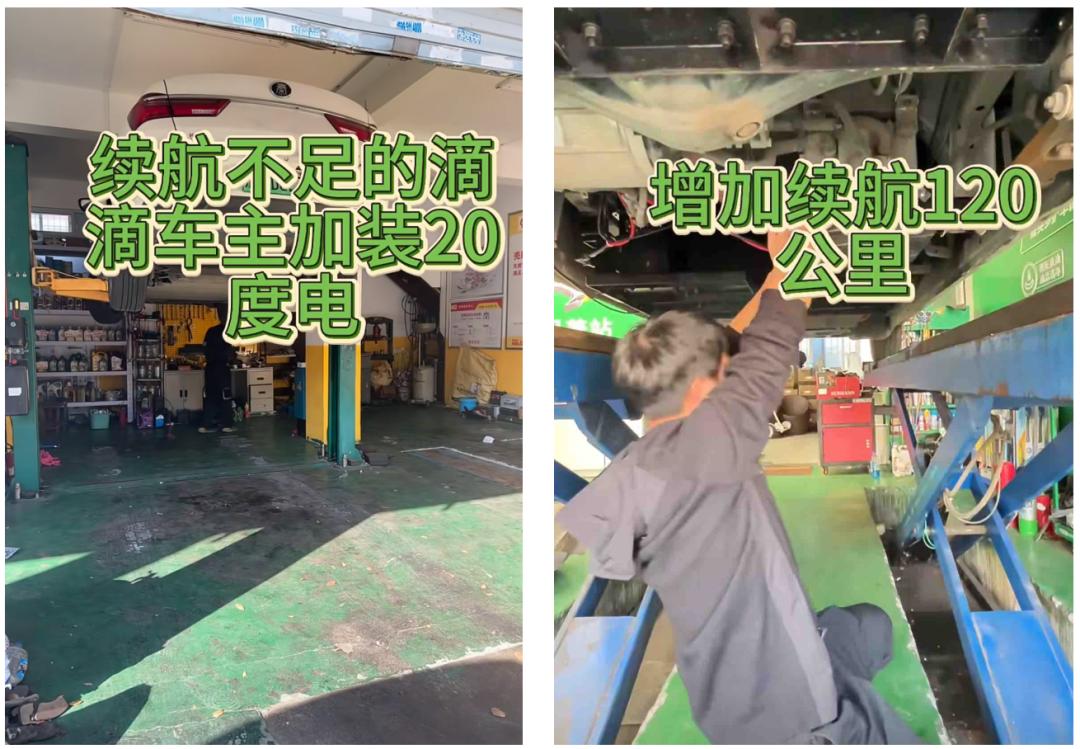
Those light trucks used for cargo - hauling are cheaper and have smaller batteries, only about 40 kWh. After degradation, they may not even be able to run 200 km. Here in the modification factory, a low starting point means greater modification potential. You can stuff a battery under the chassis, and if you're bold enough, stuff a few more in the cargo compartment. It's not a dream to increase the battery capacity to 100 kWh.
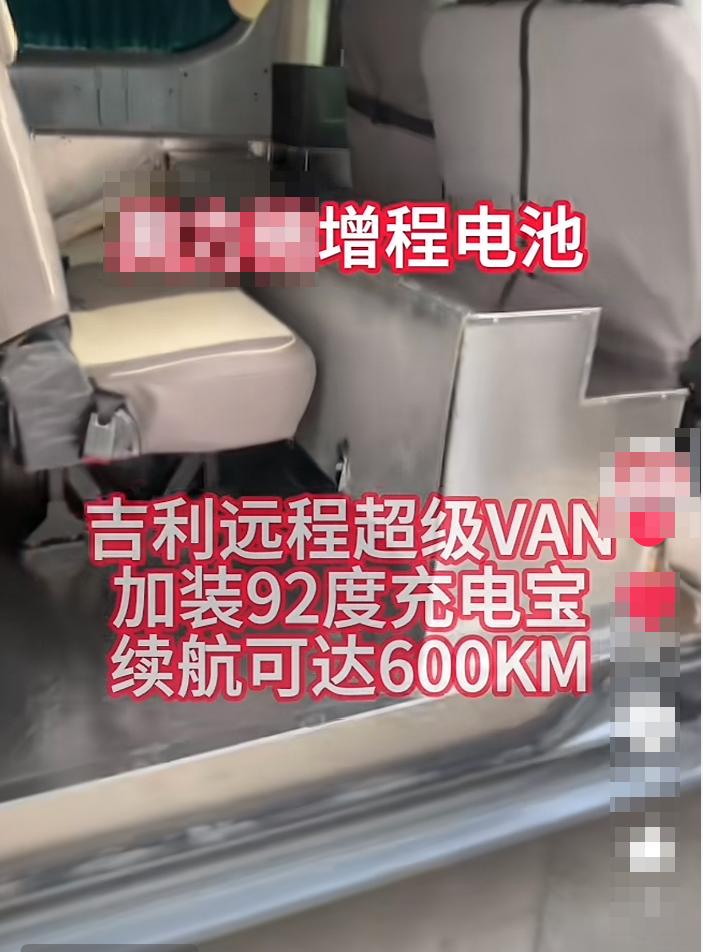
Hybrid vehicles can also be modified. Many entry - level plug - in hybrid models have small batteries, with a pure - electric range of only a little over 100 km. You either have to charge them every day or frequently start the engine in a power - deficit state. After installing an expanded battery in the trunk, models like the Buick Velite and Chery Fengyun SUV can have a pure - electric range of over 200 km. In an era of soaring oil prices, the engine can just sit idle.
It's not just domestic cars that are being modified. Foreign brands are also on the list. Elon Musk might not have expected that while Tesla has been stingy with increasing the range, only offering 600 km, Chinese car owners have taken matters into their own hands, turning the Model Y into a monster that can run over a thousand kilometers. The method is simple: just fill the frunk and the trunk with batteries, straightforward and crude.
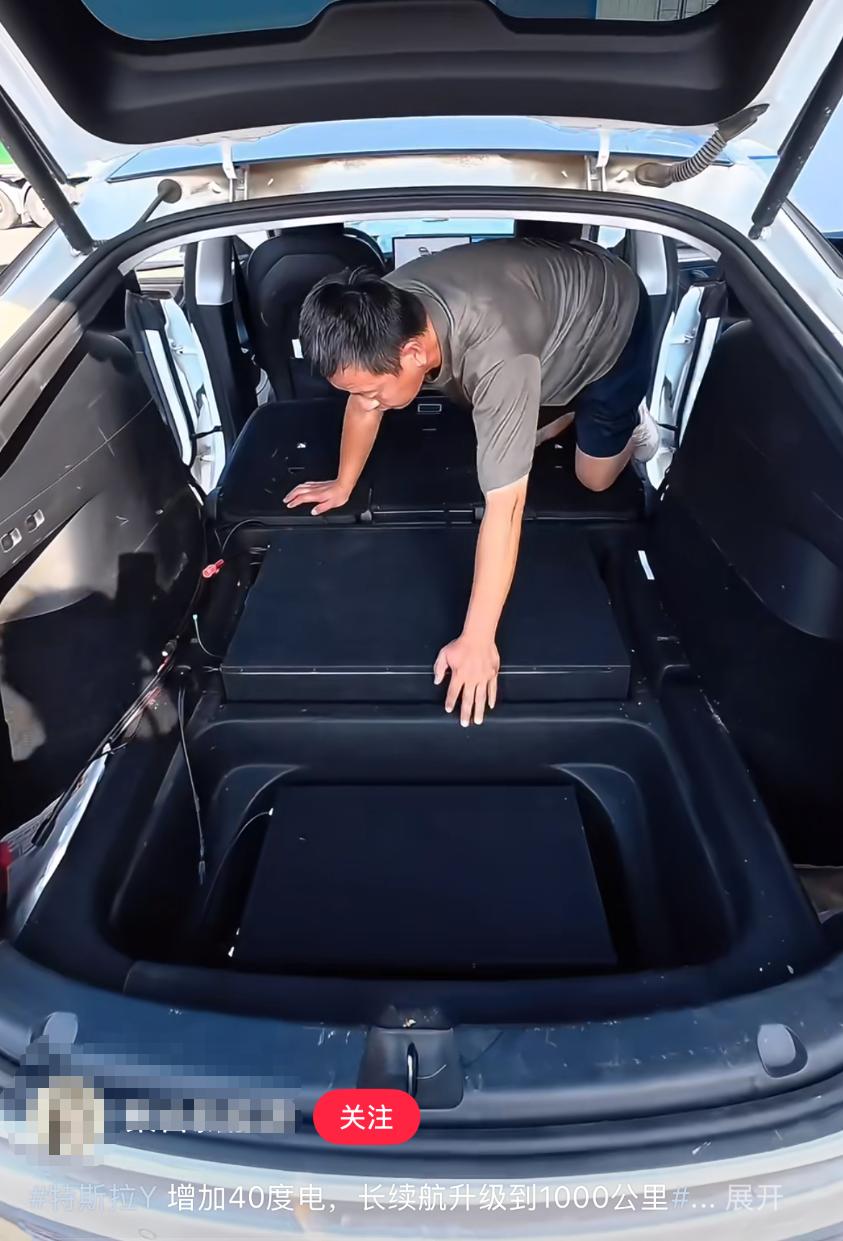
This kind of aftermarket battery installation costs about 500 to 800 yuan per kWh, mainly depending on the type of battery cells you use. You can buy mainstream brands like CATL and BYD. It's even cheaper if you choose unknown small brands. Installing a 20 - kWh battery pack on a car costs about 15,000 to 20,000 yuan in total, and the range can be directly increased by over a hundred kilometers. In contrast, the price difference between the high - end and low - end factory models for a 20 - kWh battery can reach 50,000 yuan. If you replace the entire battery pack after degradation, it often costs 70,000 or 80,000 yuan, which is really heart - wrenching.
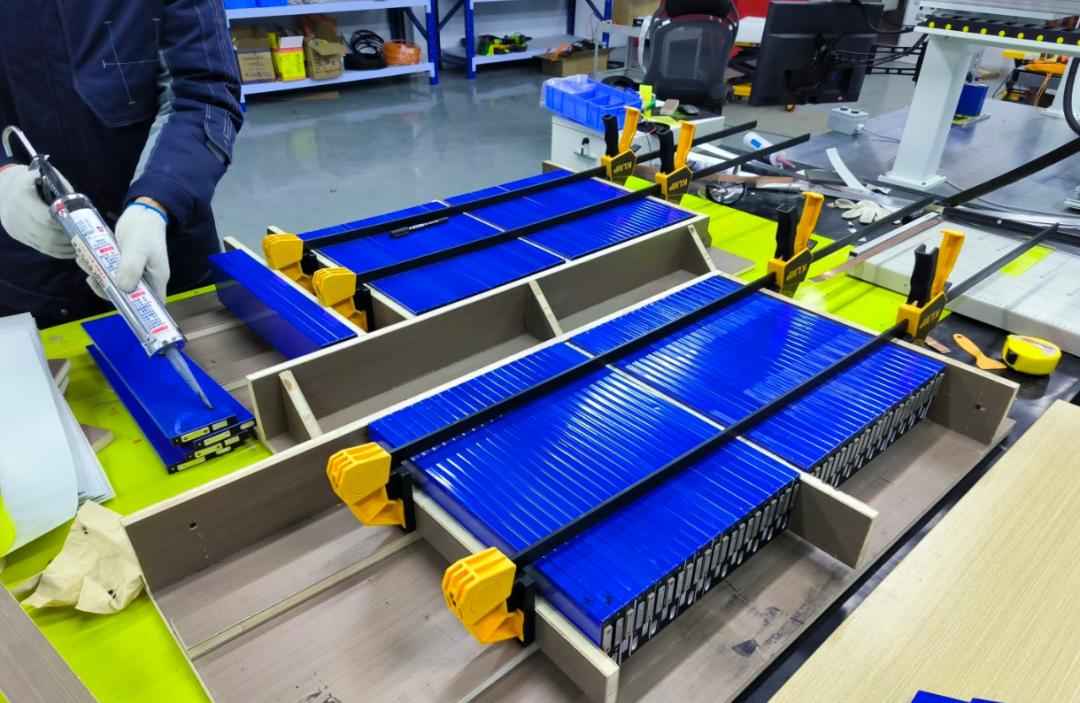
Modifying outside is a cost - effective way. Moreover, the shops offer a certain period of warranty, usually 3 years/100,000 km. Some owners even claim to be covered by a major insurance company, saying that they can get compensation if the battery catches fire. It seems quite reliable.
That's not all. If you want truly fast energy replenishment and infinite range, you have to go back to the old way of fossil fuels. So, a group of modification factories that privately install range extenders have emerged.