Is It a "Reverse" Joint Venture? European Automakers with Sluggish Sales Are Surviving by Manufacturing Vehicles for Chinese Brands
In October 1984, the foundation stone of Volkswagen's first joint - venture factory in China was laid. Looking at their ordinary Santana being regarded as a luxury and divine car in the East, German engineers must have been extremely proud, feeling that they could make easy money in this backward market forever.
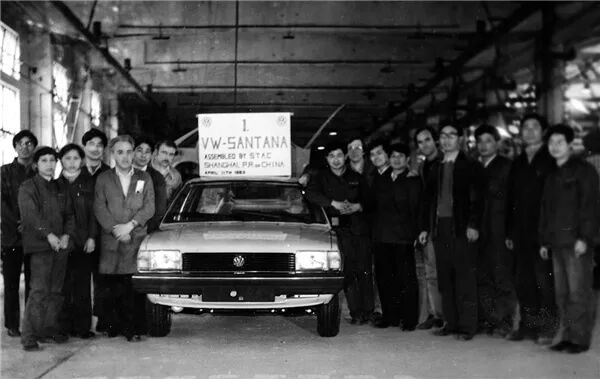
Who could have imagined that 32 years later, Chinese car companies had counter - attacked to their European hometown, and even regarded Volkswagen as a contract manufacturer.
I. The Dapeng Combination
In May, multiple media reported that XPeng Motors was in talks with the Volkswagen Group, hoping to acquire a factory in Europe to expand XPeng's production capacity in Europe.
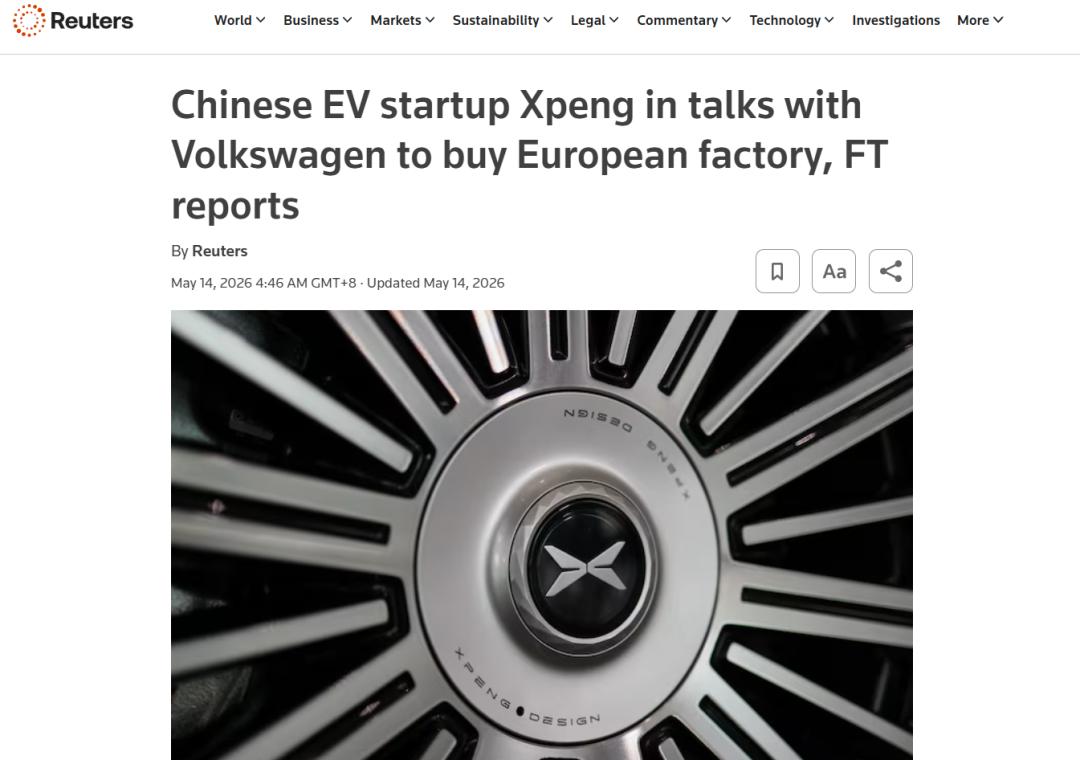
Reuters
There were actually early signs of this. Currently, some of XPeng's new cars sold in Europe are imported directly from China, and some are produced locally in Europe. XPeng G6, G9, and P7+ are produced by the professional contract manufacturer Magna Steyr in Austria. However, the production line scale is limited. After the production line was put into operation in the third quarter of 2025, it has been in a state of back - orders. Especially this year, due to the oil crisis, the number of consumers buying new energy vehicles has increased significantly. In the first quarter of 2026, XPeng delivered 6,968 vehicles in Europe, a year - on - year increase of 179%, further increasing the production capacity pressure.
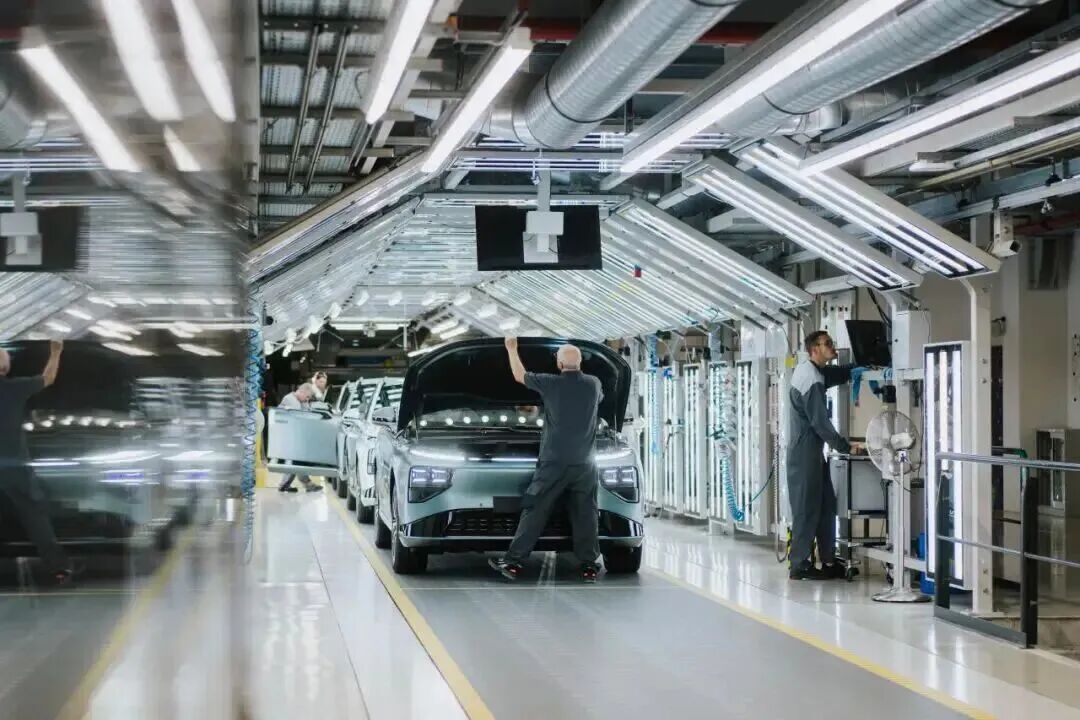
XPeng's senior management has repeatedly stated externally that since the number of new car orders in countries such as Germany and France far exceeds expectations, the production capacity of the Magna factory can no longer meet the demand. In order to undertake a large number of future orders and successfully launch more models in Europe, XPeng is looking for new factories. Contract manufacturing, acquisition, or self - building are all acceptable.
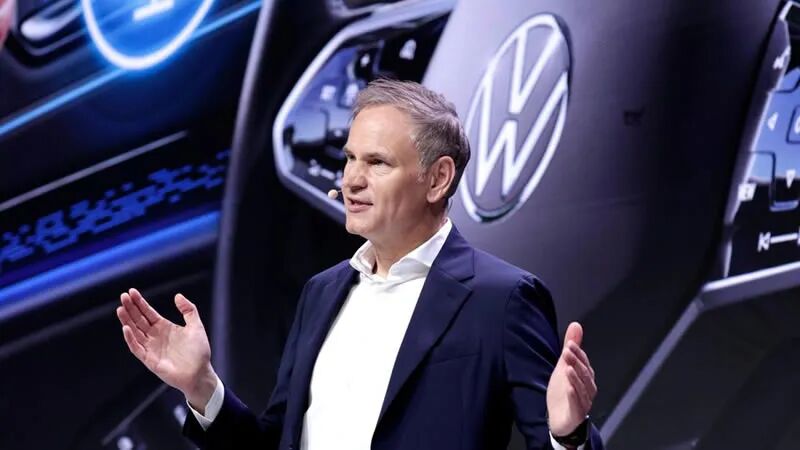
Oliver Blume, the CEO of the Volkswagen Group, also said at the end of April this year that in order to respond to the changing situation, Volkswagen needs to make large - scale adjustments to its production tasks. The group is looking for alternative uses for its factories in Europe, including producing Volkswagen models currently exclusive to the Chinese market, or allowing Chinese partners to use the idle production capacity to build cars.
Coincidentally, Volkswagen is exactly XPeng's shareholder. In 2023, Volkswagen invested $700 million to acquire a 5% stake in XPeng Motors. The two sides also have very in - depth technical cooperation. Some of Volkswagen's new cars clearly show the influence of XPeng. For example, Yuzhong 08 is related to XPeng G9.
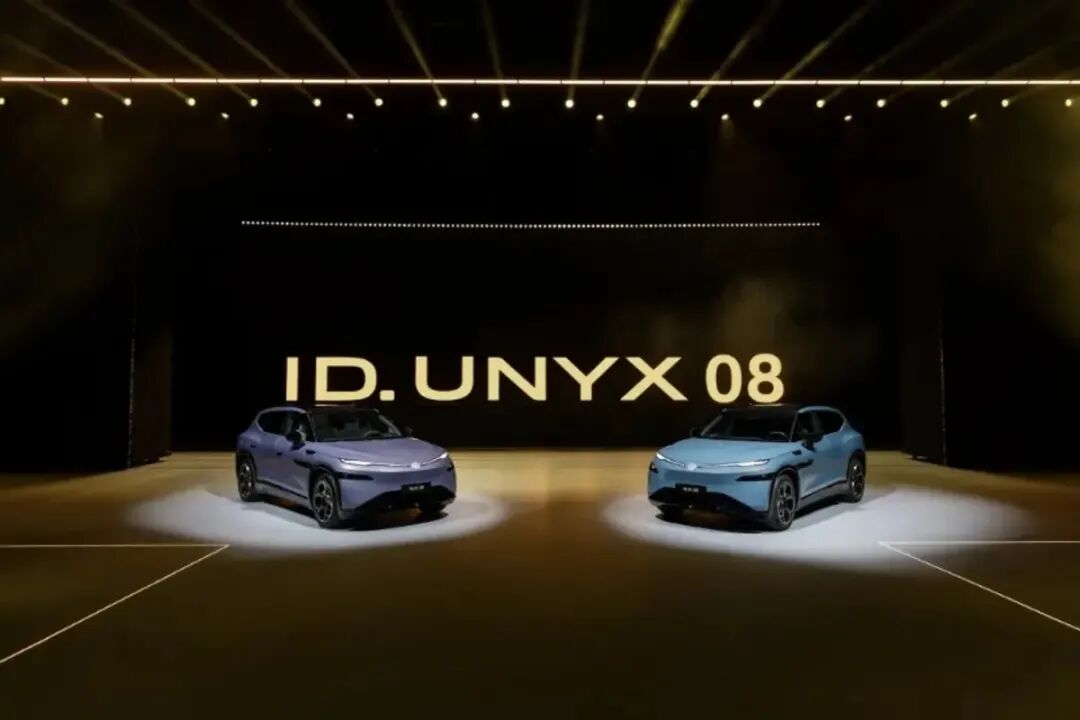
Anyway, they are like family, and it's easier to discuss business. But the problem is, as the largest automobile manufacturer in Europe, how did Volkswagen end up as a contract manufacturer?
Actually, it's all about one thing: the decline of fuel - powered cars and the poor sales of electric cars.
Around 2015, the Volkswagen Group was at its peak. With an annual sales volume of 10 million units, it became an undisputed benchmark in the automotive industry. After that, Volkswagen took two steps. First, continue to expand production capacity and product lines, with the total global factory scale reaching 12 million units per year; Second, vigorously transform into electric cars to seize the high - ground in this new energy trend. The plan was that by 2030, pure - electric models would account for 50% of the group's total sales. With the growth momentum at that time, such a plan seemed reasonable.
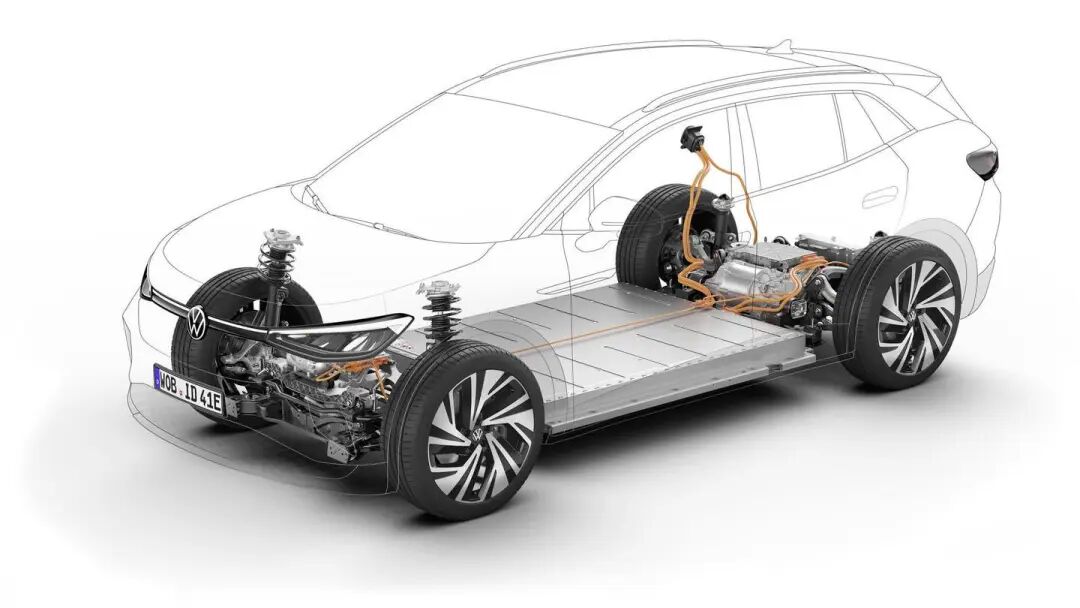
However, the actual situation is that in 2022, the Volkswagen Group only sold 8.26 million cars globally. If we consider the impact of the pandemic and the chip shortage, the performance in the past two years is not easy to excuse. In 2024, the sales volume was 9.02 million units, and in 2025, it was 8.98 million units. Obviously, Volkswagen is no longer as glorious as before and has entered a period of low sales. The development of pure - electric models is also far below expectations, currently accounting for only 11%, and only about 15% when including plug - in hybrids.
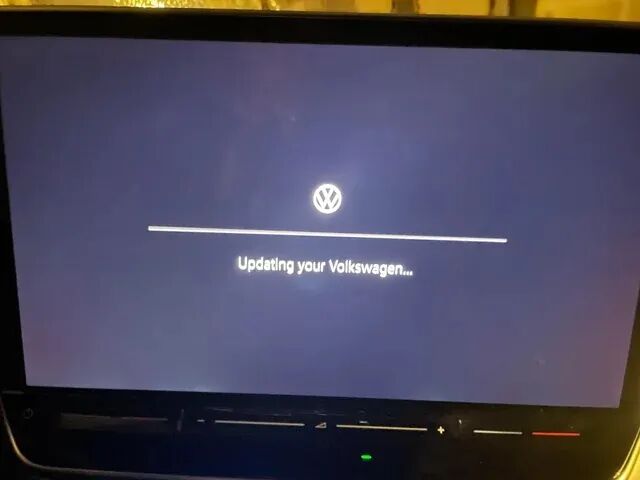
This is understandable. Building electric cars is different from building fuel - powered cars. The key lies in the three - electric systems and intelligence. Volkswagen doesn't have much accumulation in this area, and it's not the strength of the German R & D department. Just the car infotainment system was a headache. The ID series had a series of problems such as delayed delivery and frequent crashes at the beginning, which made Volkswagen disband and restructure its entire software department...
If you can't build good electric cars yourself, other people's electric cars will eat into your traditional fuel - powered products, and Volkswagen's sales will naturally decline.
These technical problems can be solved slowly, but the problem of idle production lines can't wait. Volkswagen has a production capacity of 12 million units, but the actual sales are less than 9 million units, which makes many production lines operate at a low load for a long time. But you still have to spend money to maintain them. In the third quarter of 2025, the group had its first quarterly loss in five years, with a post - tax loss of 1.072 billion euros. The annual operating return rate also dropped sharply from 5.9% in 2024 to 2.8%. Oliver Blume was appointed in a critical situation to downsize the group and prepare for a last - ditch effort.
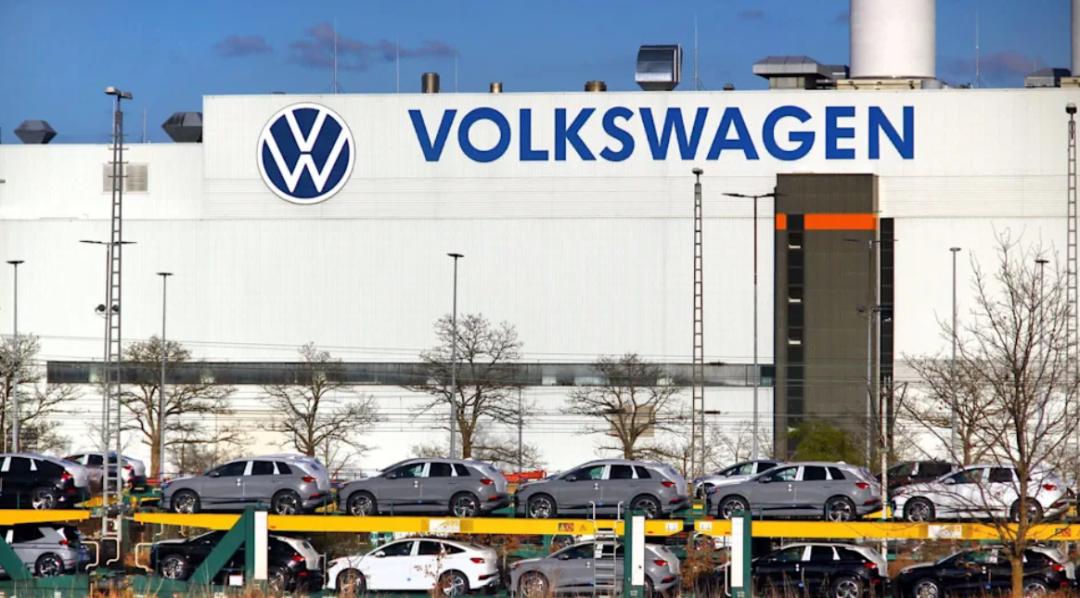
At this time, people found an anti - common - sense thing. Germany, the hometown of Volkswagen, is at the top of the list for cuts. The reason is simple. The production cost of German factories is really too high. There's no need to compare with China. Even countries like the UK, France, and Italy in Europe are far lower than Germany, and Japan's cost is less than half of Germany's. This is because the labor unions in Germany are very powerful, the employees' salaries are very high, the proportion of administrative staff in the factories is too high, the R & D teams are quite inefficient, and combined with the energy shortage problem in Europe, all these factors push up the cost.
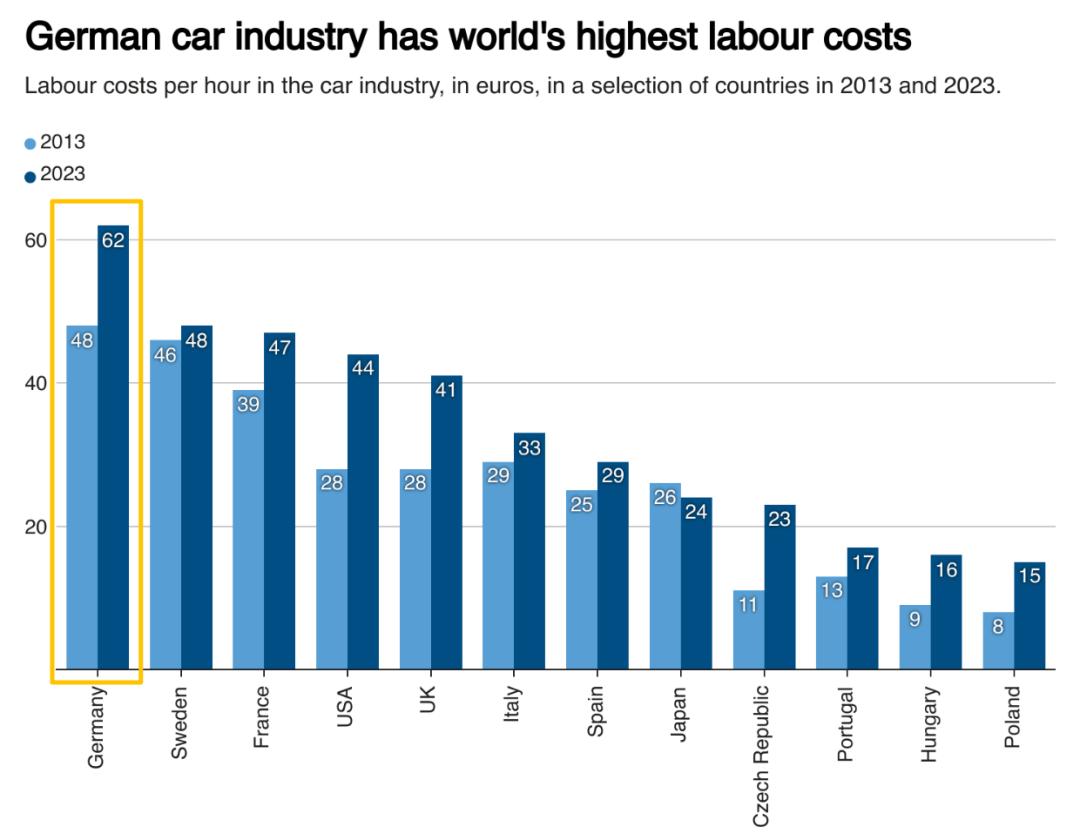
Reuters
So, Mr. Oliver Blume made a bold decision. He plans to reduce the production capacity of German factories by about 750,000 units by 2030 and lay off tens of thousands of jobs. In addition, he will further reduce the annual production capacity by 500,000 units in Europe.
On December 16, 2025, the Transparent Factory in Dresden officially closed. It was once Volkswagen's most advanced factory and a tourist attraction for car enthusiasts. Volkswagen's flagship model Phaeton was assembled here. Now, it has become the first victim. This is the first time in 88 years that Volkswagen has closed a factory in Germany.
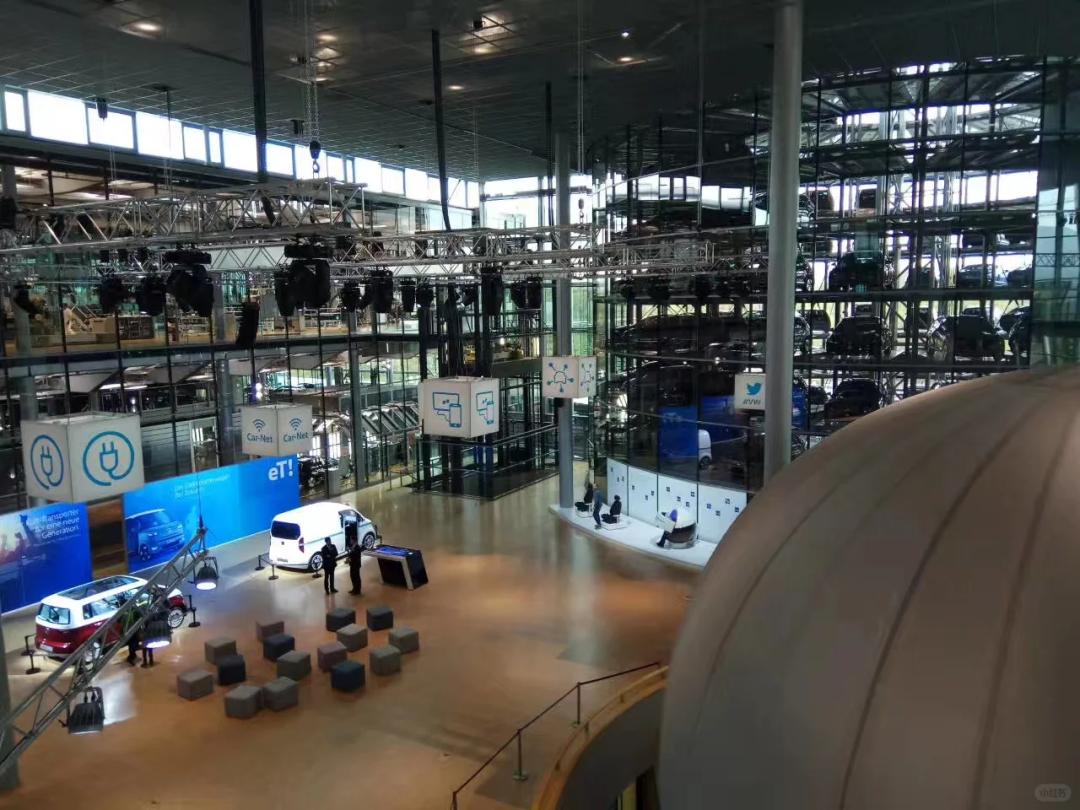
Volkswagen's Osnabrück factory, which employs 2,300 workers, has also announced that it will stop production in 2027. The headquarters factory in Wolfsburg has significantly cut administrative positions, reducing the number of employees by 10%. The Emden factory, Hanover factory, and Brunswick factory are reducing night shifts and encouraging employees to leave voluntarily.
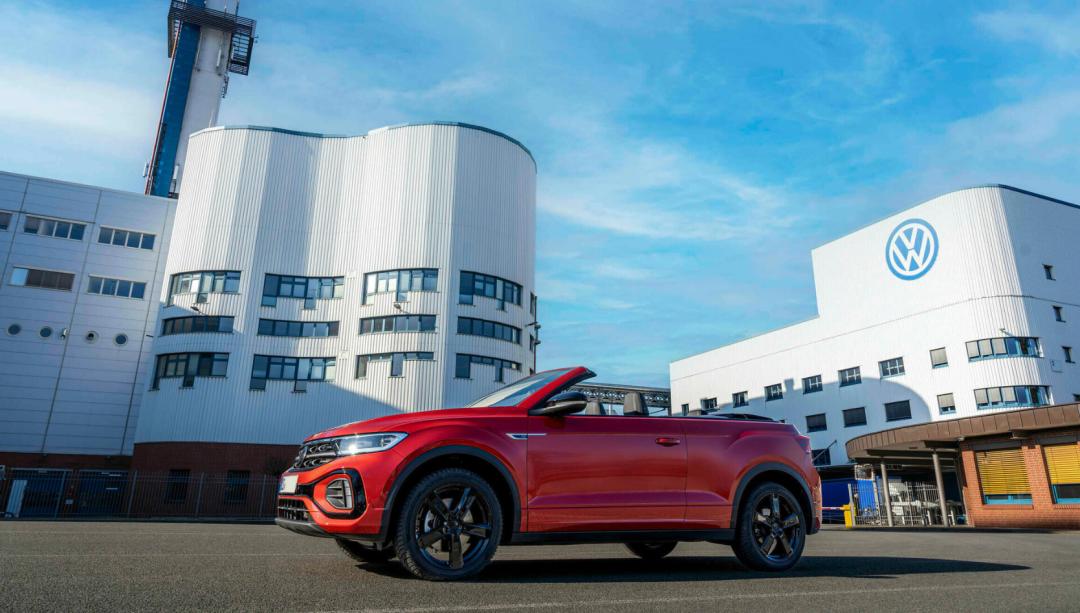
It really hurts for Volkswagen to cut its own flesh. Closing the factories will inevitably involve lay - off compensation, and the equipment can only be sold at a low price. They also have to fight with the German labor unions for a long time, which is very troublesome. Contract manufacturing for other companies can actually solve the problem. They don't have to lay off employees and can earn some contract manufacturing fees. At this time, XPeng came to them, which is exactly what the Volkswagen Group wants.
However, whether this deal can be finalized depends on XPeng because they seem to be a bit picky... Cheng Xiaoguang, the person in charge of XPeng's Northeast Europe region, directly said at a media conference: "We believe that not all factories can meet the requirements of our latest or future products. Volkswagen's factories are a bit old."
Damn it! When has German craftsmanship ever suffered such humiliation?

II. Who Really Has "Excess Production Capacity"?
We are in China and are bombarded with exciting press conferences every day. Few people pay attention to the global layout of these car companies. If you read more overseas news, you will find that XPeng's reverse joint - venture is not an isolated case.
BYD built a commercial vehicle factory in Hungary as early as 2016 to produce electric buses and heavy - duty trucks. Its passenger car factory will be put into production in the fourth quarter of 2026, with an annual production capacity of 150,000 units and a long - term goal of 300,000 units. However, BYD thinks this is not enough and is in talks with the European multinational car company Stellantis to acquire some of the group's idle production capacity factories in Italy.
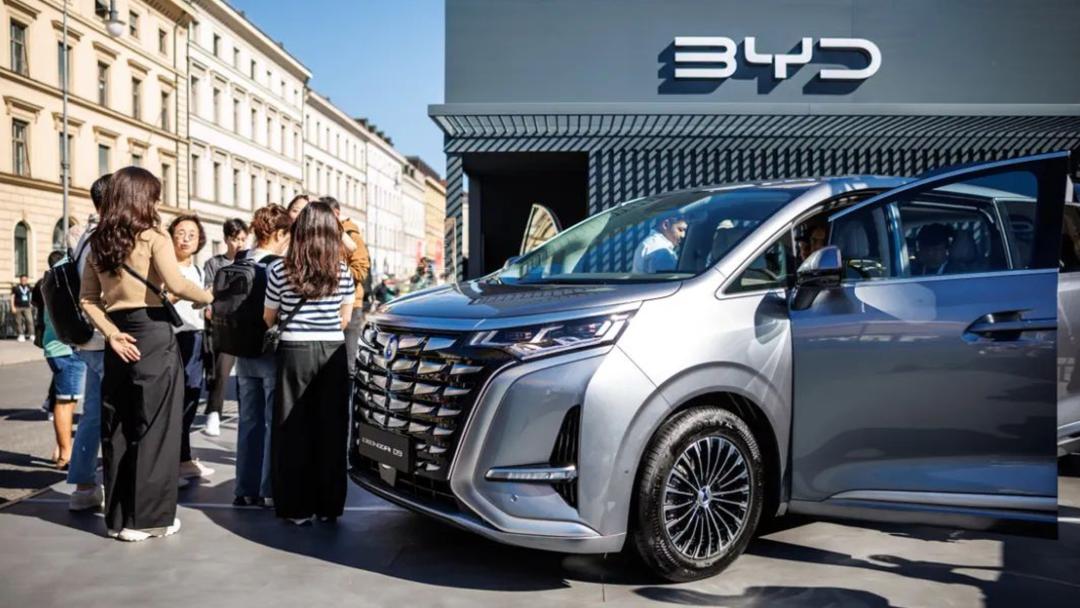
Leapmotor has an even deeper cooperation with Stellantis. The latter invested in Leapmotor early on. In 2024, it started local production at the Tychy factory in Poland. In 2026, Stellantis opened its Zaragoza factory in Spain to Leapmotor and set up a dedicated mass - production line for the Leapmotor B10. Moreover, the two sides are currently discussing directly transferring the ownership of a factory in Madrid, Spain, to the joint - venture company "Leapmotor International".
