Insta360 is aggressively poaching DJI's core market, and DJI can't take it anymore.
One wave subsides only to be followed by another. Three months later, two giants in the consumer imaging industry from Shenzhen are at odds again.
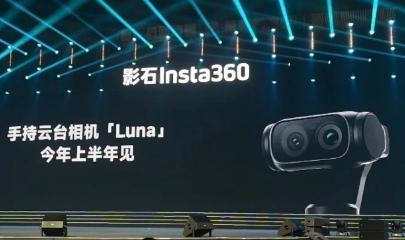
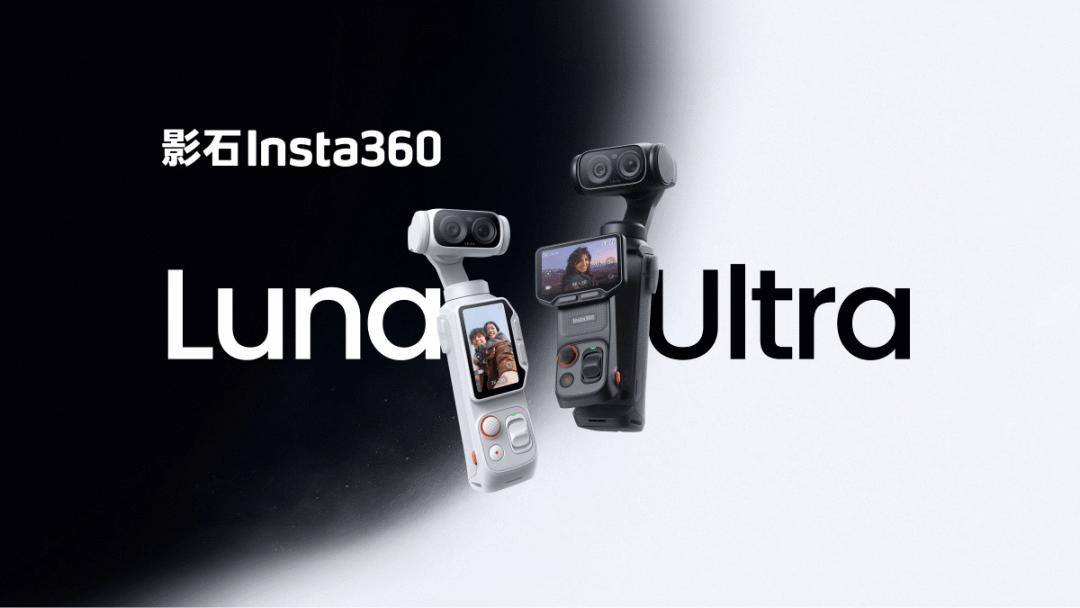
On June 9th, Insta360 launched the Luna Ultra gimbal camera in the United States, which had been in preparation for six years, aiming directly at DJI's ace Osmo Pocket series.
Just one day later, DJI filed a lawsuit in the Eastern District Court of Texas, USA, accusing Insta360 of infringing six of its core patents.
Not only applying judicial pressure, DJI also officially announced that it would launch the competing new product Osmo Pocket 4P on June 15th, priced at 3,799 yuan in China, deliberately 200 yuan cheaper than the same - level Luna Ultra to block Insta360's new product.
Many people are wondering why DJI reacted so violently?
DJI was founded in 2006, nine years earlier than Insta360. It is an established leader in the consumer - grade imaging field. Relying on its mature flight control technology and overall machine manufacturing capabilities, it has long monopolized the high - end market.
In contrast, Insta360 is a rising star, focusing on the panoramic camera market and maintaining the top position in the global panoramic camera market share.
Originally, the two companies each held their own ground. In July 2025, Insta360 took the lead in breaking the pattern by launching the first panoramic drone, Yingling A1, and boldly entered the core drone territory that DJI had dominated for more than a decade. Within 48 hours, DJI quickly announced the panoramic camera Osmo 360, counter - attacking into Insta360's home turf.
Since then, cross - border incursions have become the norm, and the two companies have officially fallen out.

Targeting Insta360's Weakness
The direct trigger for DJI's lawsuit this time is the newly released handheld gimbal camera, Luna Ultra, by Insta360.
Shortly after Insta360 launched this new model overseas, DJI quickly filed a lawsuit in the Eastern District Court of Texas, USA.
In the lawsuit, DJI's wording was extremely harsh, directly accusing Insta360 of "blatantly and completely plagiarizing technology and design."
The core functions of the Luna Ultra, such as the body shape, screen layout, gimbal structure, mode switching, and target tracking, all fall within the scope of DJI's patent protection accumulated over the past decade.
As early as March this year, DJI sued Insta360 in China over a dispute regarding the ownership of drone - related patents, and there is no follow - up yet.
Why did DJI choose to sue Insta360 in the United States this time?
Public information shows that the Eastern District Court of Texas is recognized as a "high - odds battlefield."
This court is known for its fast trial speed, extremely high compensation awards, easy approval of injunctions, and juries generally favoring patent holders. The winning rate of patent holders is as high as about 88% (far exceeding the national average of 68%).
Moreover, it can impose triple punitive damages for "intentional infringement." If DJI wins a complete victory in its core lawsuit in the United States, the consequences for Insta360 will be far more than just a compensation figure.
Currently, Insta360's cash flow is already very tight.
The financial report for the first quarter of 2026 shows that the net cash flow from its operating activities has plummeted to - 1.471 billion yuan, a significant deterioration compared to the same period last year. At the same time, inventory is high, and the turnover pressure is significant.
Launching a lawsuit under such a fragile capital chain is like adding insult to injury.
Once the US court approves a permanent injunction, the Luna series will be completely kicked out of the core overseas market in the United States, directly cutting off Insta360's growth engine.
Meanwhile, DJI's competing product, Pocket 4P, has also been launched. Launching an attack at this time can pave the way for its new product and seize the market opportunity.
So, DJI's move is really very smart, launching a comprehensive attack on Insta360 from multiple dimensions such as capital and market.
Moreover, regardless of whether there is plagiarism, for DJI, if it allows such imitation, not only will its monopoly foundation be shaken, but more players will be attracted to enter the market in the future.
Why is DJI in a hurry?
Although DJI's litigation method is smart, this almost "table - turning" defensive posture actually confirms a fact from the side.
DJI's absolute monopoly position in the consumer - grade imaging field is being undermined.
For a long time, DJI has almost been in a "dominant" position in the handheld gimbal camera market. It has long maintained high prices with a high premium and rarely takes the initiative to significantly reduce prices.
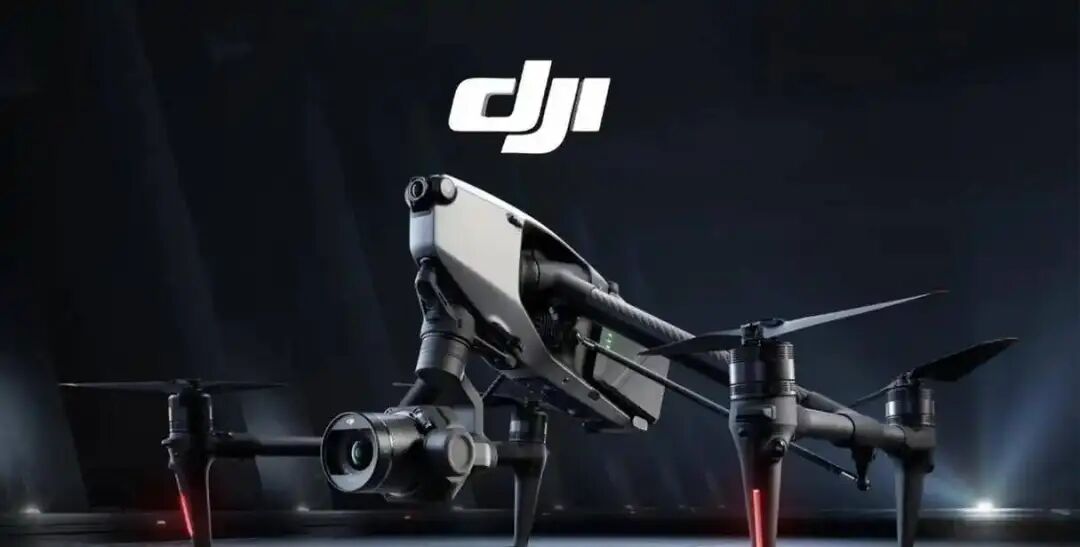
However, Insta360's strong rise and cross - border offensive are causing cracks in this monopoly barrier.
This has forced DJI, which rarely significantly reduces prices, to be involved in a price war. Some netizens previously said that both companies had their new products ready, and the one that launched later would definitely lower the price.
Although this is just a joke among netizens, when it actually happened, netizens joked that "DJI is really in a hurry."
What makes DJI even more headache is that Insta360's "cross - border incursions" are not just a trial in a single field but a comprehensive penetration.
In addition to gimbal cameras, Insta360 previously launched the Yingling A1 drone to directly compete with DJI. At the same time, its thumb - sized camera maintains an absolute advantage, and the panoramic camera market has changed from being monopolized by DJI to being evenly divided between the two companies.
This multi - front attack has put DJI in a passive "two - front war" situation. It has to defend its core markets in drones and gimbal cameras while also diverting forces to counter - attack in the panoramic camera market.
Previously, the consumer imaging market was in a period of rapid growth, and the two companies expanded separately without interference. They had minor skirmishes, or rather, DJI didn't take Insta360 seriously at all.
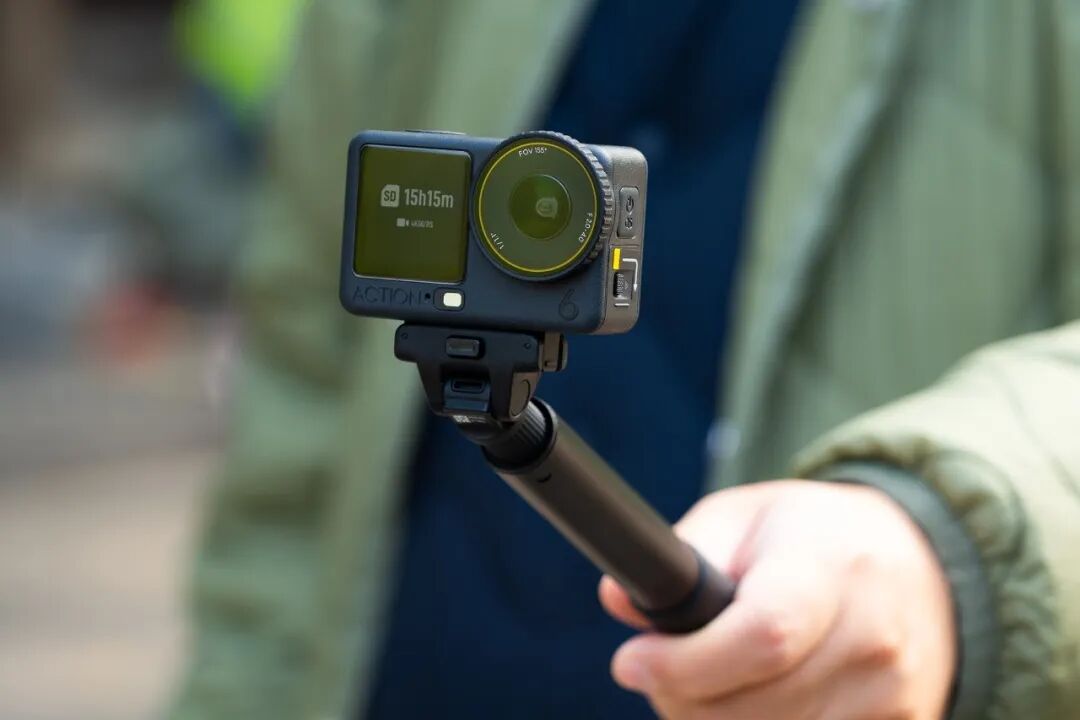
However, in 2025, as the market growth rate slowed down, competition inevitably entered the stage of stock game, and cross - border incursions became an inevitable choice.
IDC data shows that in the global handheld smart camera market in 2025, DJI's market share was 62.4%, and Insta360's was 20.4%, initially forming a duopoly pattern.
It's no wonder that DJI is in a hurry when Insta360, which was previously not taken seriously by DJI, has taken a large share of the "cake."
Can the "fisherman" benefit?
When giants fight, the ultimate beneficiaries are undoubtedly ordinary consumers.
To capture the huge entry - level consumer market, the most direct competitive means for DJI and Insta360 are straightforward price cuts and the transfer of core functions.
Three years ago, with a budget of 1,999 yuan, it was almost impossible to buy a consumer - grade drone with both obstacle - avoidance ability and good imaging quality. Now, this has become the norm in the industry.
In addition, the two companies are in fierce competition in supporting fields such as accessory ecosystems, software functions, and membership subscriptions. This has directly brought a large number of high - quality products with high cost - performance to the entire imaging market.
Currently, during the 618 promotion, the standard version of DJI's Osmo Pocket 3 has a direct price cut of 700 yuan, and the all - in - one set has a price cut of up to 900 yuan. The price - cut models cover all categories of gimbals, action cameras, and drones.

Facing DJI's strong price cuts, Insta360 quickly followed suit.
The price of the X5 panoramic camera has been directly reduced by 1,370 yuan, the Yingling A1 panoramic drone by 1,540 yuan, and the Ace Pro 2 action camera by 1,000 yuan.
The price cuts of thousands of yuan by both companies have made early - batch users regret their purchases, but it has also completely lowered the entry threshold for imaging equipment, allowing more ordinary people to experience professional - grade imaging products at a low cost.
However, when the entire market is firmly monopolized by these two domestic oligarchs and they are busy fighting each other, will we, as consumers, really get long - term benefits?
Will the technological innovation in the consumer imaging field become a gentle "incremental improvement"? Can the product quality be guaranteed with continuous price cuts?
In the past two years, the new product iteration rhythm of both companies in the high - end product lines has mostly focused on routine aspects such as minor adjustments in image quality, battery life upgrades, and parameter optimization. There are almost no breakthrough technologies and product forms that can subvert the industry and shock the market.
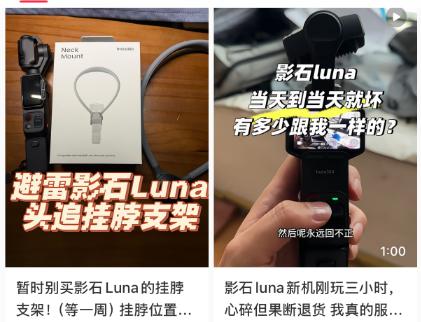
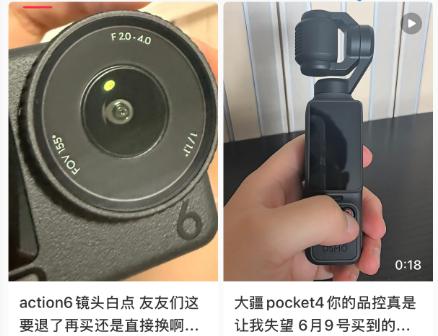
Meanwhile, many consumers have complained on social platforms that some of the new entry - level products of the two brands have problems such as declining quality control, frequent minor malfunctions, and rough workmanship details.
However, objectively speaking, the potential product quality problems at this stage are still within a controllable range.
But where will this endless and high - intensity patent war ultimately lead the consumer imaging industry?
Will it follow the development path of the smartphone industry, using patent barriers to force underlying technological innovation? Or will it become a common problem in traditional manufacturing, with patent litigation becoming a tool to suppress new players and solidify the oligopoly pattern?
This article is from the WeChat official account "Shenshui Finance Society", author: Han Jun. Republished by 36Kr with permission.