Do Japanese convenience stores end up selling fresh produce too?
Why Can Convenience Stores Still Make Money Despite the Decline in Customer Flow?
In the convenience store industry in 2025, the data is quite contradictory.
According to the "2026 China Convenience Store Development Report" released by CCFA in May 2026, the average daily revenue per store in 2025 was 4,453 yuan, a 3.9% decrease from 4,634 yuan in 2024. The average daily number of customers per store decreased by 8.7% year-on-year.
In addition, at the beginning of this year, CCFA conducted a survey on the operating conditions of 56 convenience store enterprises in 2025, covering 159,000 stores. The survey showed that in 2025, the industry had a net increase of 7,572 stores, a significant slowdown compared to 9,570 stores in 2024.
With a decrease in customer flow, an increase in the number of stores, and a decline in revenue per store, logically, profits should also decline. However, in 2025, the gross profit margin of the sample enterprises increased by 0.3 percentage points year-on-year, and the net profit margin increased by 0.2 percentage points, reaching 2.7%.
The fact that profits have increased despite the decrease in customer flow indicates a change in the structure of the convenience store industry.
First of all, where has the customer flow gone? Peng Jianzhen, the president of the China Chain Store & Franchise Association, emphasized that what convenience stores are facing today is not a crisis of out-of-control costs, but a crisis of revenue scale after the customer flow entrance has been diverted.
The market of convenience stores is not diverted by a single format, but by many formats including instant retail, flash warehouses, snack discount stores, community group buying, coffee chains, freshly made tea drinks, live e-commerce, etc. Each format only takes away a small part of the demand, but when combined, the frequency of consumers' visits to convenience stores has continuously declined.
Consumers go to mass merchandisers to stock up on snacks. Their three meals are intercepted by takeaways and pre-packaged meals. Emergency needs are covered by minute-level delivery services. There is Luckin for coffee, and there are specialized chain stores for milk tea... Consumers have not stopped consuming, but they no longer need to visit convenience stores frequently.
Secondly, a deeper problem is that the concept of "convenience" itself has been redefined. In the past, convenience stores sold distance monopoly - there was a store downstairs, and you could go down and buy things. Now, instant retail sells time monopoly - you click on your phone, and the goods will be delivered to your home in 15 minutes or half an hour, and you don't even need to go downstairs.
When "staying at home" is more convenient than "going downstairs", "being close to you" is no longer an advantage, but just an option.
The essence of convenience store operations is not to make money from high premiums on a single purchase, but to build daily consumption habits through frequent store visits. Once the consumption frequency declines, consumers tend to concentrate their originally scattered multiple purchases into one, and they will not return to convenience stores.
This situation is not unique to China.
According to the latest fiscal year data of the three major Japanese convenience stores as of February 2026, on the surface, their revenues are all increasing. The total revenue of the 7-Eleven group is 5.4693 trillion yen (+1.9%), that of FamilyMart is 3.3002 trillion yen (+4.5%), and that of Lawson is 3.0223 trillion yen.
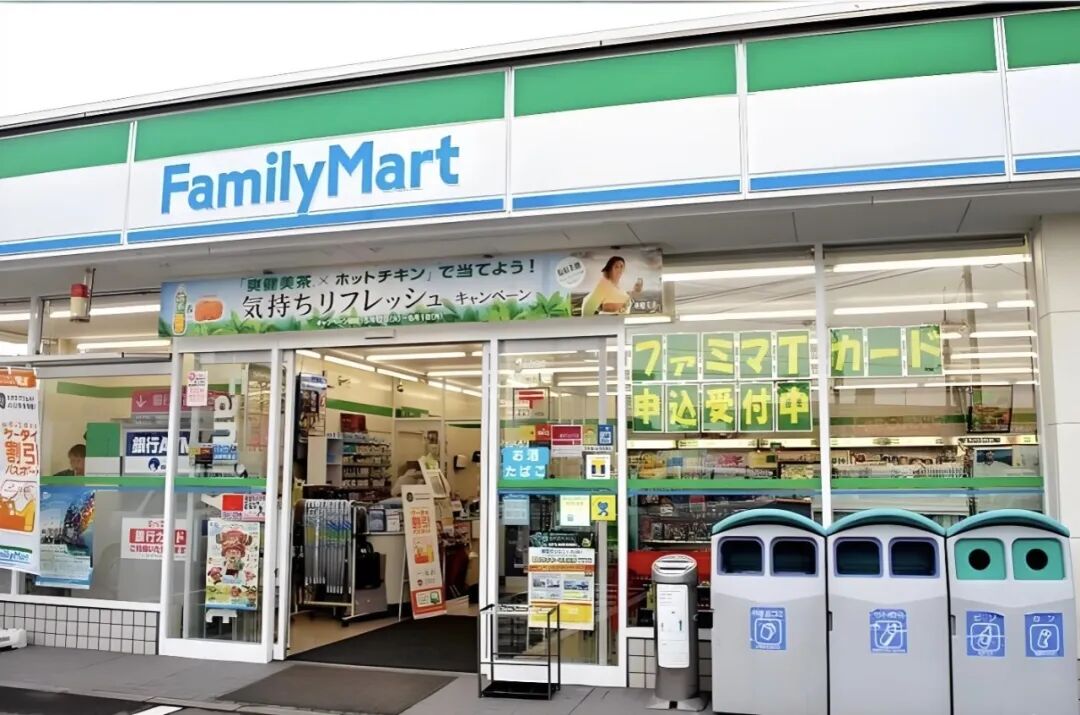
However, when it comes to existing stores, the number of customers at 7-Eleven and FamilyMart is declining. The sales of FamilyMart's existing stores decreased by 1.2% year-on-year, while the average customer spending increased by 4.3% - a typical case of "compensating for the decline in frequency with higher prices". Among the three, Lawson is the only one with a positive growth in the number of customers, but it is only 0.8%.
Many people can't help but wonder why the profits can still increase.
The key to the turnaround lies in the category structure. The proportion of instant retail sales has soared from 18.6% to 39.1% in two years, and online orders have made up for the shortfall in in-store customer flow. In addition, the proportion of fresh food products has continuously increased by 1.1 percentage points. It is the fastest-growing category and the main force driving up the gross profit.
Convenience stores are shifting from being "driven by customer flow" to being "driven by category efficiency and single-customer value". The Chinese market is coping with the diversion by increasing the proportion of instant retail and fresh food, while the Japanese market is taking more radical actions by directly changing the store format and adding fresh food categories.
The Progress of Foreign Convenience Stores in the Fresh Food Sector
Lawson has gone the farthest. It has directly crossed over to open supermarkets.
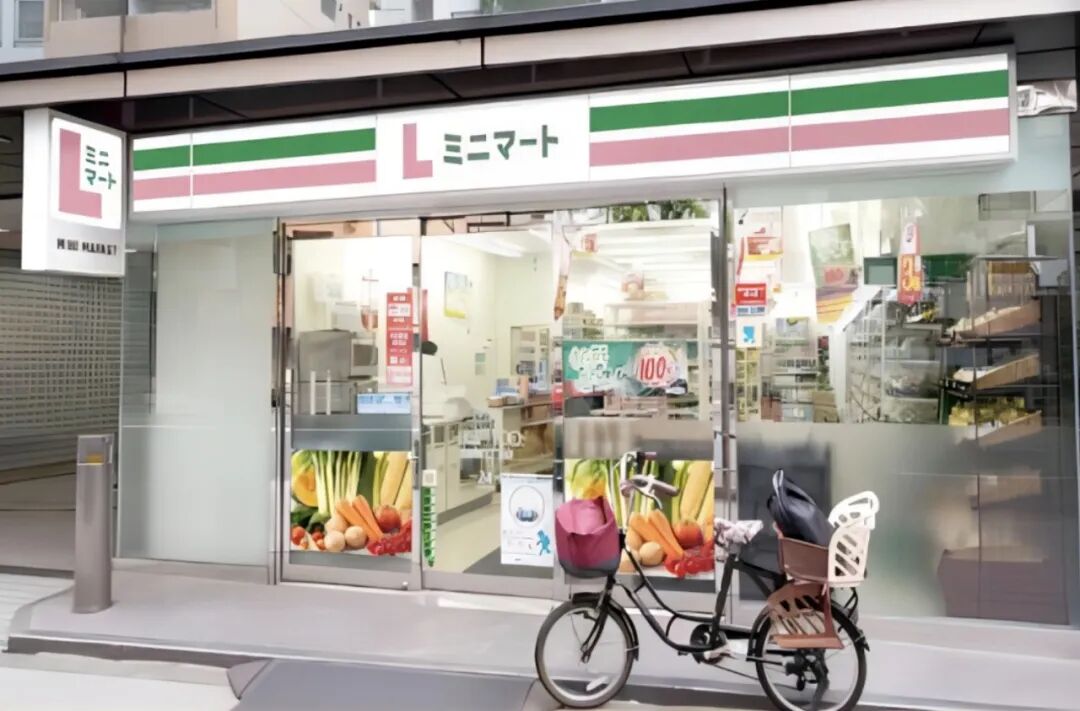
Last month, a new format, "L MiniMart", opened in Kodaira City, Tokyo. It covers an area of 250 square meters and has about 2,800 SKUs, covering fruits, vegetables, fresh meat, frozen food, and ready-to-eat meals. The fresh food area has been expanded by 1.3 times, the fresh meat area has been tripled, and the frozen food area has also been tripled. The pricing is directly comparable to that of the community supermarket My Basket.
Why does Lawson cross over into the fresh food market?
Lawson's daily sales per store in Japan have long been at the bottom among the three. Its franchisees are under the greatest profit pressure. It doesn't have the supply chain of Ito-Yokado to rely on, nor does it have FamilyMart's 3% loss control system. In terms of fresh food capabilities, 7-Eleven is better at on-site preparation, and FamilyMart is more efficient.
If Lawson continues to compete in the convenience store market, its franchise system may be the first to collapse. If it jumps out and opens up a new battlefield with supermarket categories and pricing, and differentiates itself with convenience store capabilities, it may be a way out.
However, since fresh food itself doesn't make much profit, it uses high-frequency and low-price products to attract customers. The real profit contributors are freshly made cooked food and ready-to-eat products.
Consumers come in for a bunch of scallions priced at 96 yen, and leave with a box of fried chicken and two bags of frozen meat patties. The former is the traffic entrance, and the latter is the profit pool. In addition, the skewers, fried chicken, and croquettes in the cooked food area can be used as a full meal, which is a differentiated advantage that My Basket doesn't have.
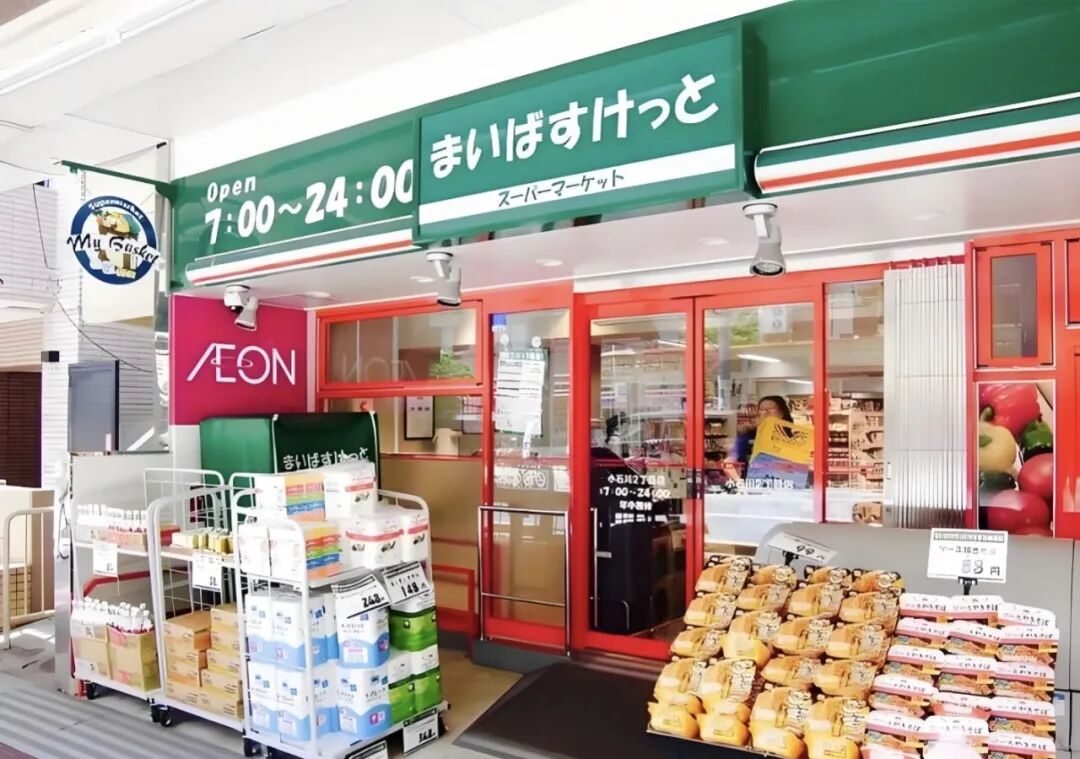
Of course, this is Lawson's second attempt at opening a supermarket in 12 years. It is starting with a single directly-operated store because the lessons from the previous failure are still fresh in memory.
Lawson is also the only one among the three with a positive growth in the number of customers. After focusing on the basics and stabilizing its business in the past year, it dared to take this step.
7-Eleven has taken a half-step forward. It hasn't changed the market, but has expanded its boundaries.
Since the second half of 2024, the SIP store format has been launched in the Tokyo metropolitan area. Its area has been expanded to 100 - 150 square meters, the number of SKUs has increased from 1,500 to 5,000, and the proportion of the fresh food area has reached 40%. It relies on Ito-Yokado's procurement and cold chain at the back end, and combines the front end of the convenience store with the back end of the supermarket.
The supply chain is already in place, so there's no need to build it from scratch.
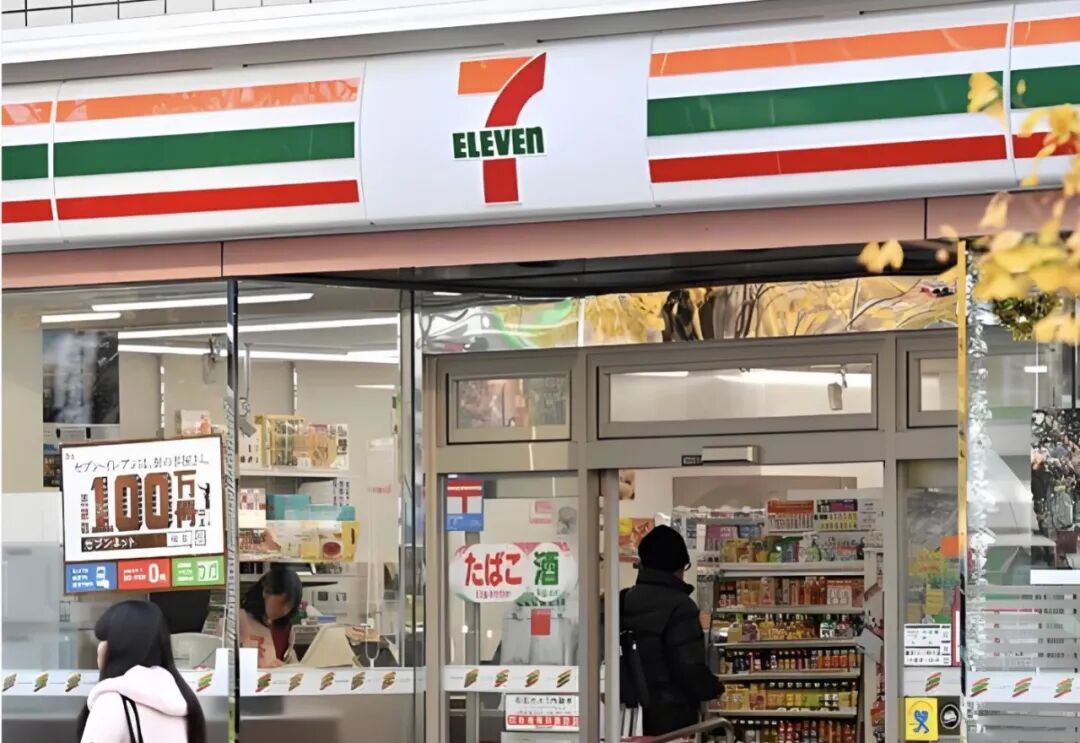
7-Eleven's strategy is not about supply chain efficiency, but about emphasizing the on-site experience. Freshly baked bread is available at different times, and freshly fried chicken cutlets are prepared behind the glass counter, which consumers can see throughout the process.
What it creates is not "freshness" itself, but the "perception of freshness" that large domestic stores are currently pursuing.
It makes consumers intuitively judge from their vision and smell that "this is just made", so they are willing to pay a 20% - 30% premium. This is a profit space that traditional supermarkets and convenience stores didn't have in the past.
The real value of the on-site experience is not just the premium, but exclusivity. When consumers form the perception that "only this store's freshly baked bread has this taste", the convenience store changes from a "replaceable channel" to an "irreplaceable destination". In an era when all standard products can be delivered to home, this may be the only barrier that convenience stores can build.
Finally, FamilyMart has chosen not to deal in fresh food.
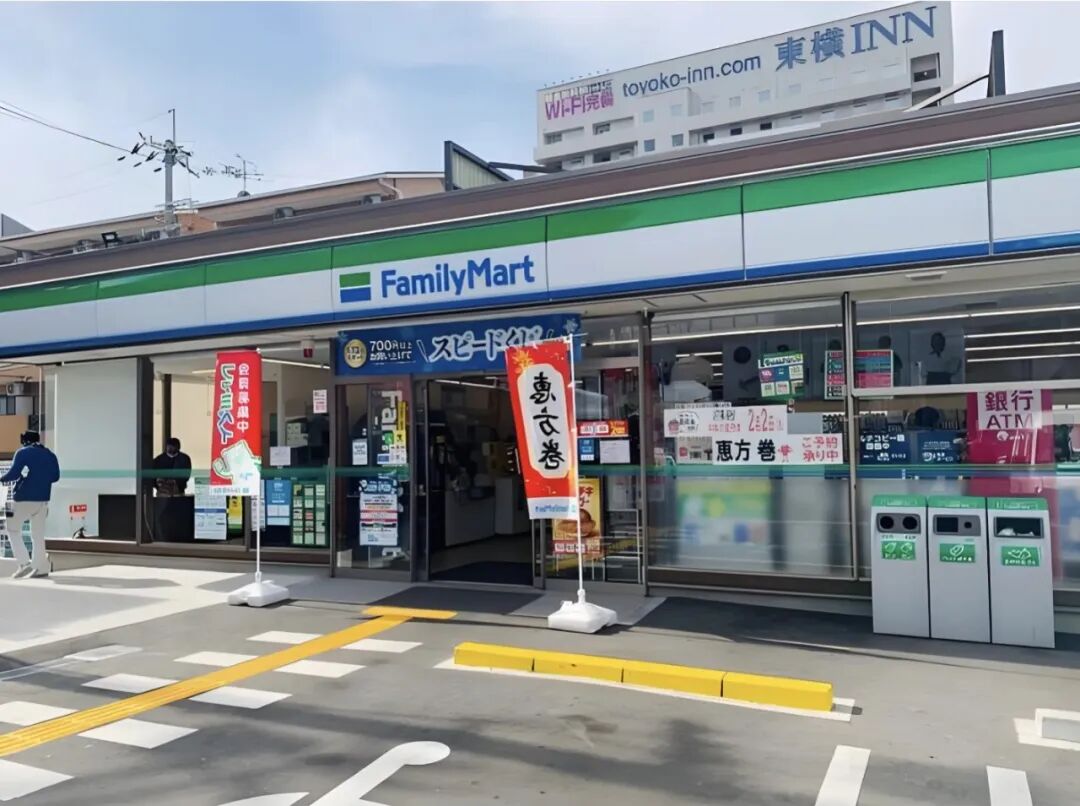
It doesn't expand the store area, but only pushes the density of fresh food to the limit. It is reported that the proportion of the fresh food area in the sixth-generation stores has increased from 30% to 45%. The "five meals a day" concept covers all time periods, and fresh food accounts for 40% of sales.
FamilyMart's advantage lies not in the product category, but in loss control. Its loss rate is 3%, while the industry average is 6% - 8%. When others throw away 8%, it only throws away 3%. That 5 percentage points is profit.
This 3% is calculated by a data model. The sales volume of each fresh food product at different times and its correlation with the weather are all input into the ordering system, which is automatically adjusted every day. This is more cost-effective than price cuts because price cuts use profits to exchange for customer flow, while controlling losses turns the products that would otherwise be thrown away into profits.
If we look at the three major Japanese convenience store brands, they have three different profit-making logics.
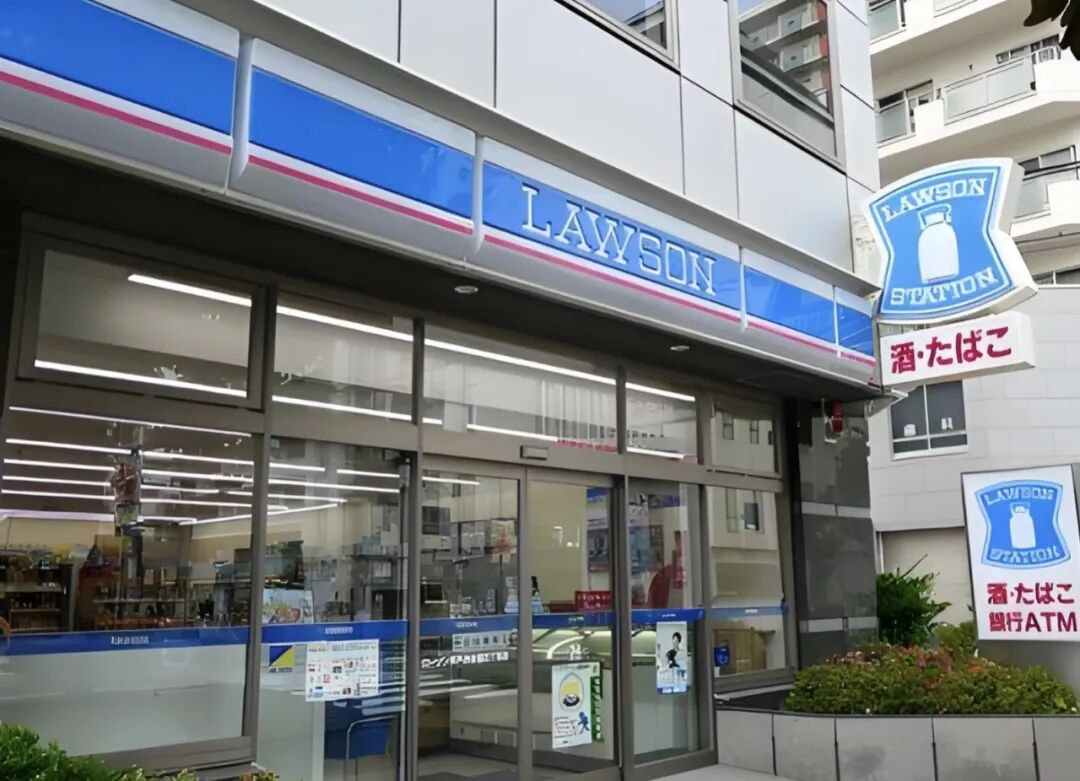
Lawson uses high-frequency and low-price products to attract customers and makes profits from high-margin cooked food. Its front end is a supermarket, and its back end is a convenience store.
7-Eleven creates a perceived premium through the on-site experience, making consumers pay more for "visibly freshly made" products. Its front end is about the experience, and its back end is a supermarket supply chain.
Finally, FamilyMart controls losses through data and makes money by "throwing away less". Its front end is a convenience store, and its back end is an algorithm.
Costs and Hidden Dangers
It seems reasonable for convenience stores to sell vegetables - they are close to consumers, have a basic cold chain, and have brand recognition. However, the underlying logics of the two businesses are different and even contradictory in many aspects.
This means doing a business with lower profit margins at a higher cost.
The profit structure of convenience stores is based on "lightness", with standardized products, low staffing, and high turnover.
Fresh food is naturally "heavy". It involves sorting and grading fruits and vegetables, temperature control and cutting of fresh meat, real-time price adjustment for near-expiry products, and daily settlement of losses. A 80-square-meter convenience store can be operated by three people, but if fresh food is added, it may require 5 - 6 people. The labor cost doubles, but the gross profit margin is only half of that of fresh food.
Convenience stores belong to a high-cost model. A small area means a high requirement for floor efficiency, a high labor density means a high requirement for labor efficiency, and a small number of SKUs means that each category has to be profitable. This model is naturally not suitable for price wars. However, fresh food is a category that is particularly price-sensitive. Consumers will switch to another store to buy vegetables for a difference of two yuan. Using the most expensive operating model to serve the most price-conscious demand is a structural mismatch.
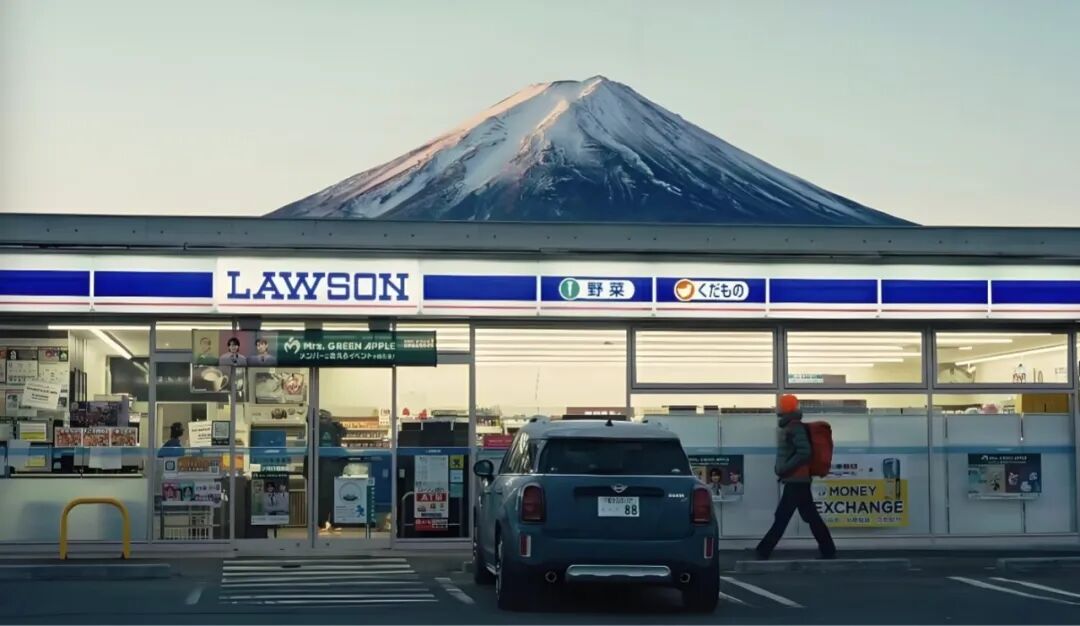
How to calculate this account? 7-Eleven relies on Ito-Yokado's supply chain to share the cost; Lawson's answer is to cut all non-core expenses.
On the contrary, the heavier the franchise system, the more difficult it is to deal in fresh food.
More than 90% of convenience store outlets are franchised stores. Franchisees are good at following standard procedures, such as purchasing, displaying, and cashiering, just by following the manual. However, dealing in fresh food requires