80% of car companies may disappear, BYD will survive, Li Bin and Yu Chengdong warn that the knockout round will be extremely fierce
"Be prepared for a year-on-year decline of 15% to 20% in the annual domestic automobile retail volume."
On June 13th, at an automobile forum held in Chongqing, a statement by Li Bin, the founder of NIO, sent a chill through the entire industry.

Before this, Yu Chengdong also straightforwardly stated that a major reshuffle in the automobile industry has fully arrived. As the era of electrification moves towards intelligence, the investment scale is extremely large. If the investment intensity is insufficient, it won't be able to sustain.
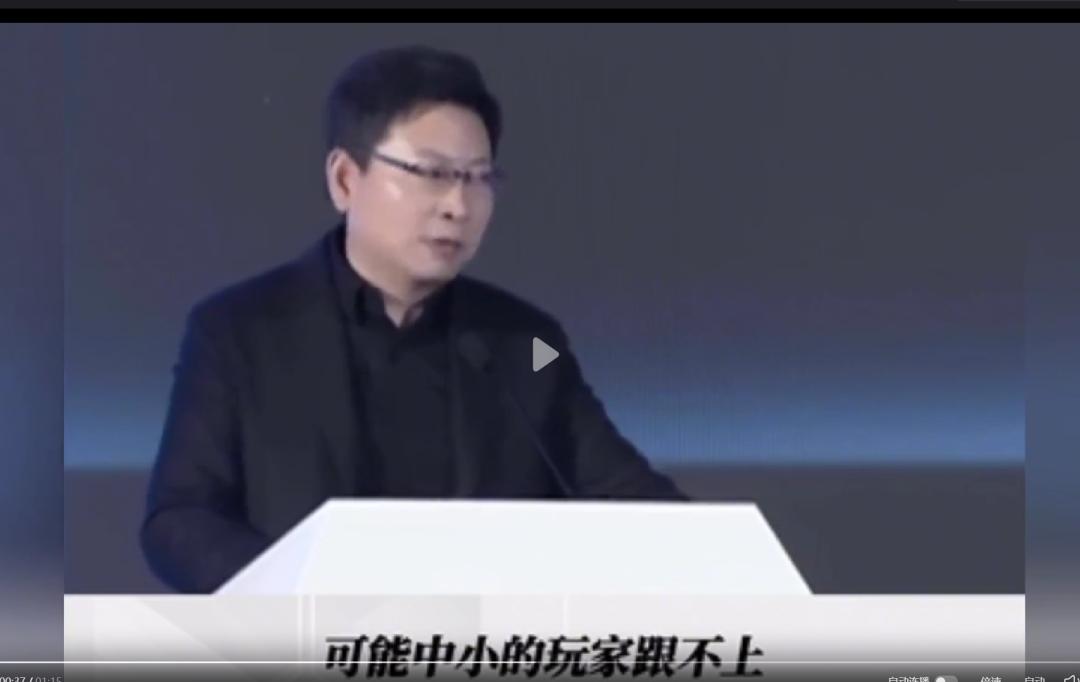
In his view, in this era supported by heavy investment, small and medium-sized players may not be able to keep up. Only industry giants can sustain. In the future, the vast majority of automobile manufacturers will inevitably face elimination, and BYD has the greatest hope of becoming the ultimate surviving industry giant.
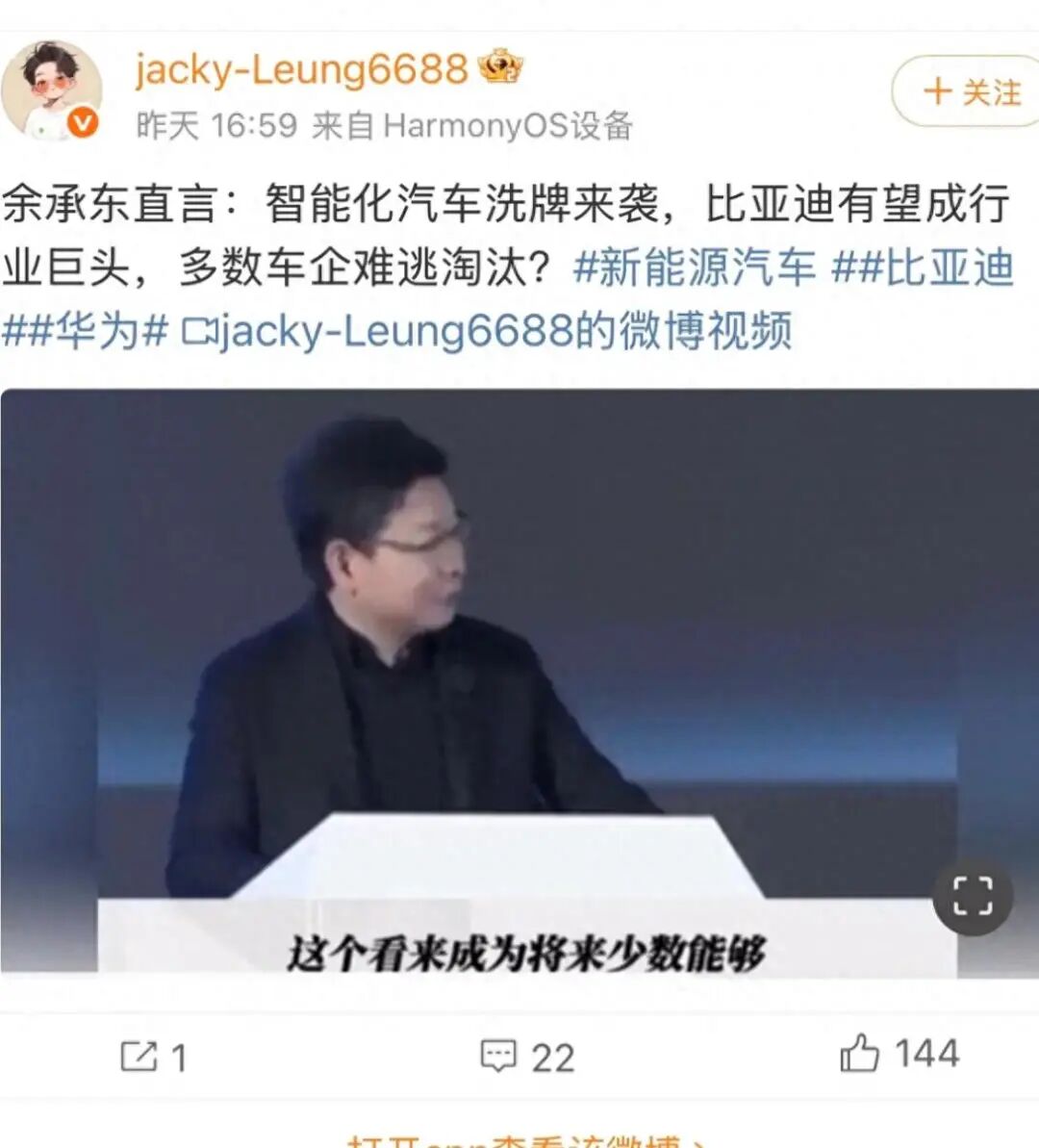
At a stage where the penetration rate of new energy vehicles has exceeded 63% and the automobile export volume ranks first in the world, from Li Bin of NIO to Yu Chengdong, they have all issued industry warning signals. On the one hand, they may have seen that the price war has severely damaged the industry and eroded profits.
Currently, dozens or even hundreds of new car models are launched in the domestic automobile market at every turn. The prices keep dropping, but the more the prices drop, the harder it is to sell. The leading automobile manufacturers have set record sales, but few have actually made money.
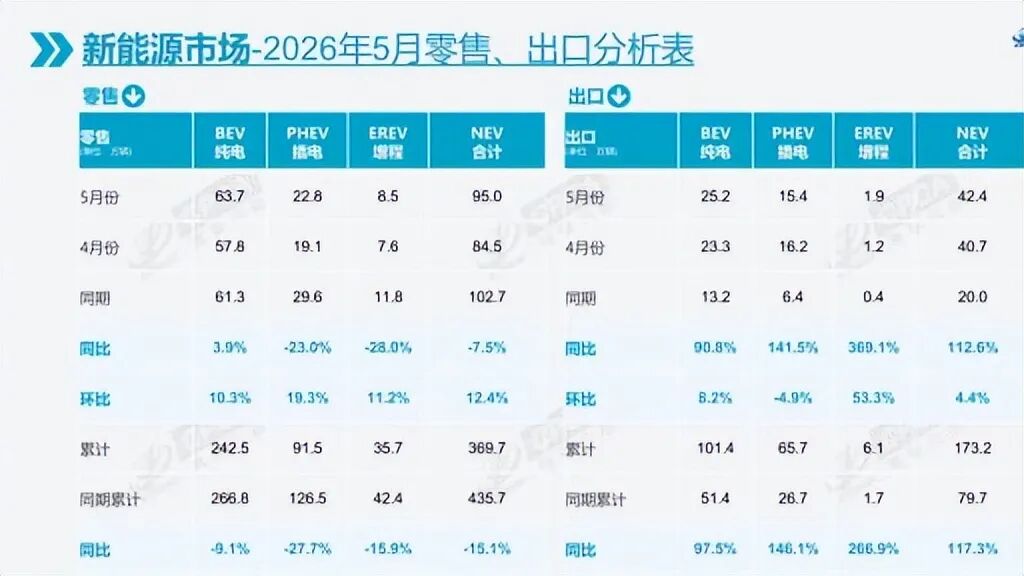
Data from the Passenger Car Association shows that in the first five months of 2026, hundreds of new car models were launched, but the retail volume decreased by nearly 20%.
The data in the first ten days of June decreased by 23% year-on-year, and the industry-wide profit margin directly dropped to 3.2%. This is less than 40% of the average level five years ago.
Li Bin's prediction of a 15% - 20% decline is not the worst-case scenario but a conservative estimate.
Recently, Wang Xia, the president of the China Council for the Promotion of International Trade Automobile Industry Branch, straightforwardly stated that "sales without profit are essentially just a numbers game". This statement may sound harsh, but it is the most accurate portrayal of the current automobile industry.
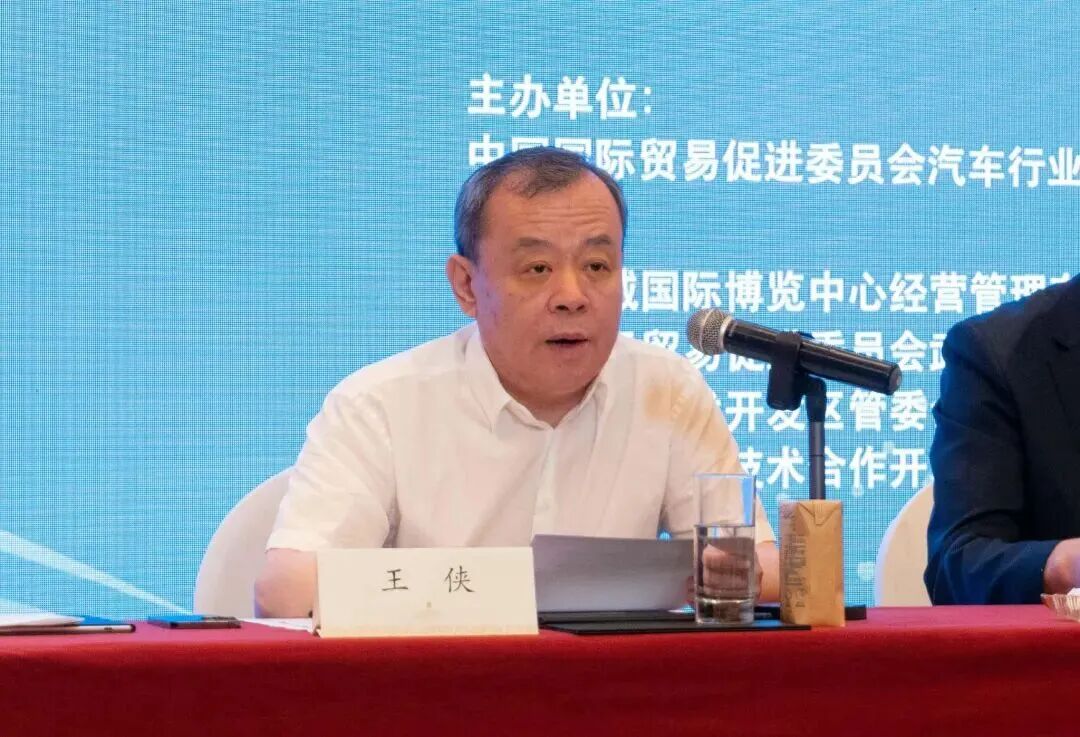
"The simultaneous decline in sales, revenue, and profit is extremely rare in history." The data presented by Wang Xia reflects a harsh reality:
The marginal effect of the price war is accelerating its decline. Sales without profit support are just an empty numbers game, and profits maintained by subsidies are ultimately like a tower built on sand.
A cruel elimination race is coming.
Behind the elimination race, there are three inescapable constraints
Firstly, the vehicle ownership is approaching saturation, and the consumption mentality under the replacement logic is different.
Li Bin mentioned a key piece of data at the forum: The national automobile ownership has reached 370 million. On average, there is one car for every four Chinese people, and many families have more than one car.
In the past, the growth of the automobile market relied on the rigid demand of first-time car buyers. Now that the market has become more saturated, the main market force has shifted to car replacement.
The logic of car replacement is different from that of first-time car buying: First-time car buying is a rigid demand, while car replacement is an optional consumption. If the car can still be used, people can wait. In a bad economic environment, they can use the car for a few more years.
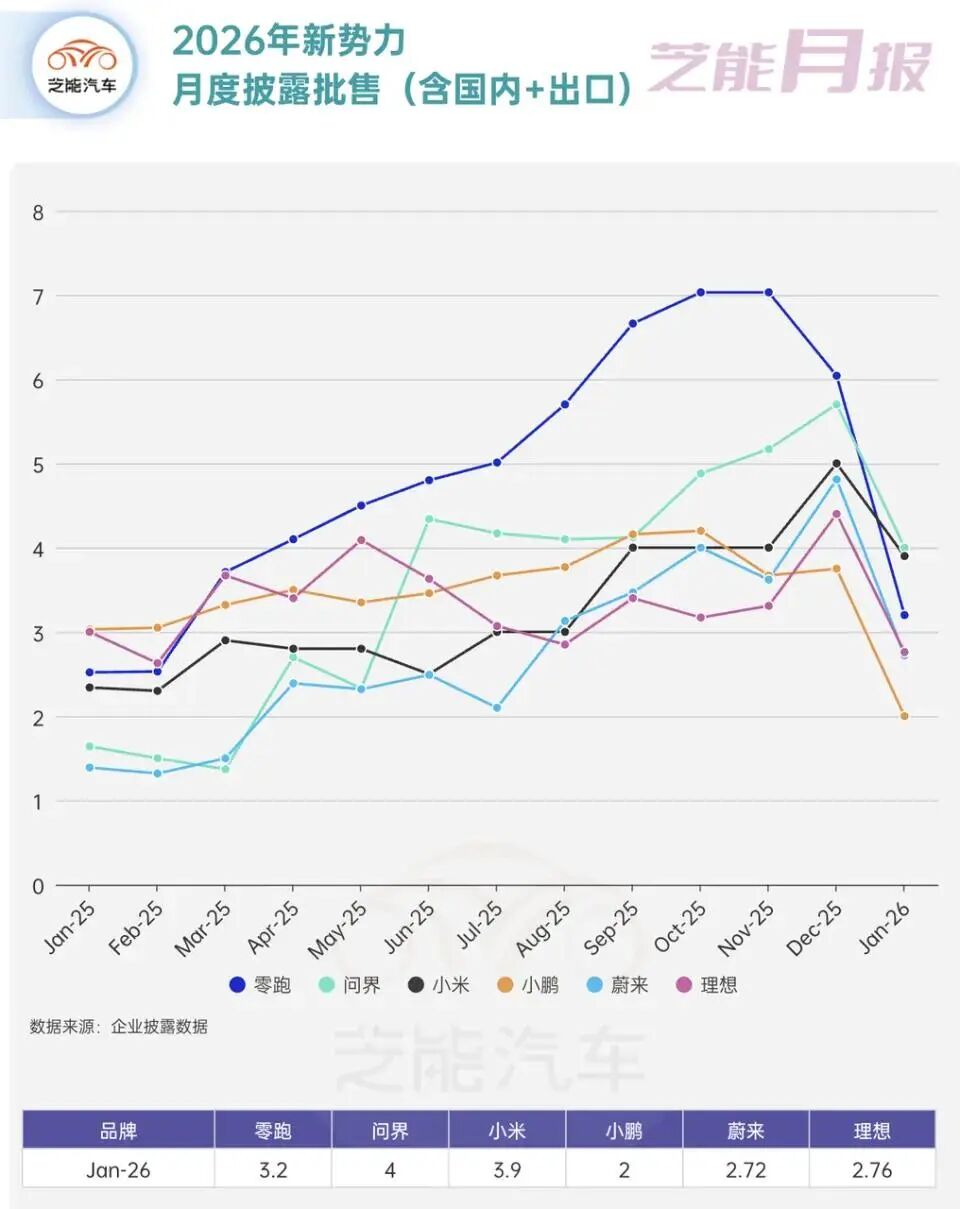
In addition, in the past few years, new energy vehicle subsidies and purchase tax exemptions have overdrawn a large amount of demand. Many people who originally planned to replace their cars in 2026 and 2027 have made their purchases earlier.
Now that the policies are phasing out, the demand has entered a vacuum period, so it's naturally difficult to sell cars.
Secondly, overcapacity is the root cause of the intense competition.
In the past few years, when the new energy vehicle trend emerged, capital rushed into the market crazily. In just a few years, more than 120 new energy vehicle brands emerged across the country, and the production capacity has doubled.
Currently, the total industry production capacity has exceeded 50 million vehicles per year, while the real domestic market demand is less than 30 million vehicles per year at most. With an annual export volume of 10 million vehicles, the total demand is only 40 million vehicles.
That means tens of millions of production capacities are idle all year round, which is equivalent to the entire production capacity of the German automobile industry running idle and burning money.
Data from the National Bureau of Statistics shows that in the first quarter of this year, the capacity utilization rate of the automobile manufacturing industry was only 70.3%, hitting a new low in recent years.
Among them, the capacity utilization rate of fuel-powered vehicles was only 58%, and nearly half of the production lines were idle.
With excessive production capacity, the most direct way is to engage in a price war to grab market share, thus falling into a vicious circle where the entire industry can't make money.
Thirdly, the cost-side backlash further erodes the manufacturers' profits and living space.
Zhang Xinghai of SERES recently calculated an account: The unit price of automotive-grade storage chips has risen from 20 yuan to nearly 100 yuan, a five-fold increase; the price of lithium carbonate has risen from 80,000 yuan per ton last year to 180,000 yuan now, more than doubling. Just these two items have increased the cost of each Wenjie vehicle by 15,000 to 20,000 yuan.
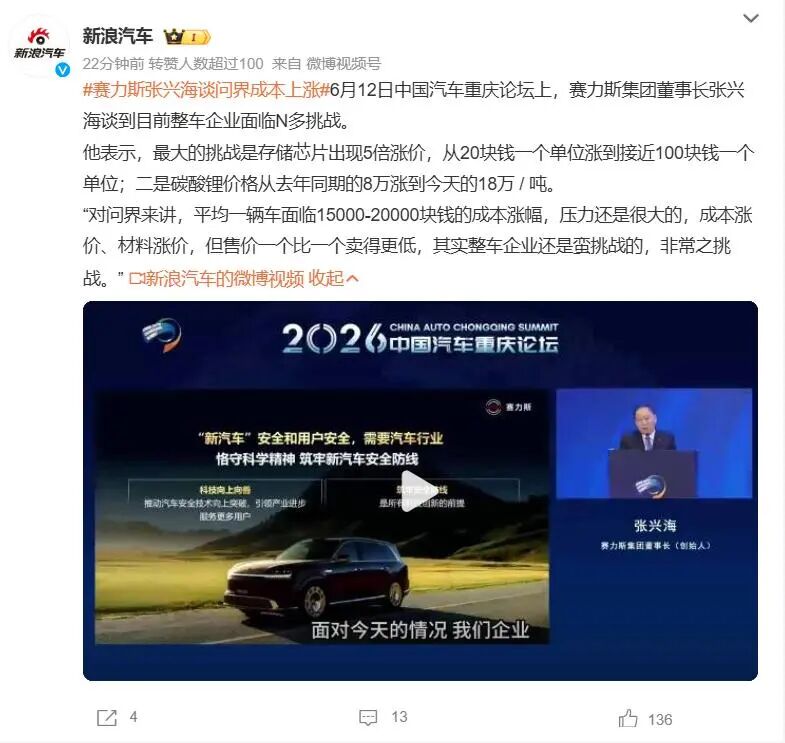
Although more cars are being sold, the profit is actually decreasing. Zhang Xinghai also mentioned another phenomenon at the forum: "The cost is rising, and the material prices are increasing, but the selling prices are getting lower and lower."
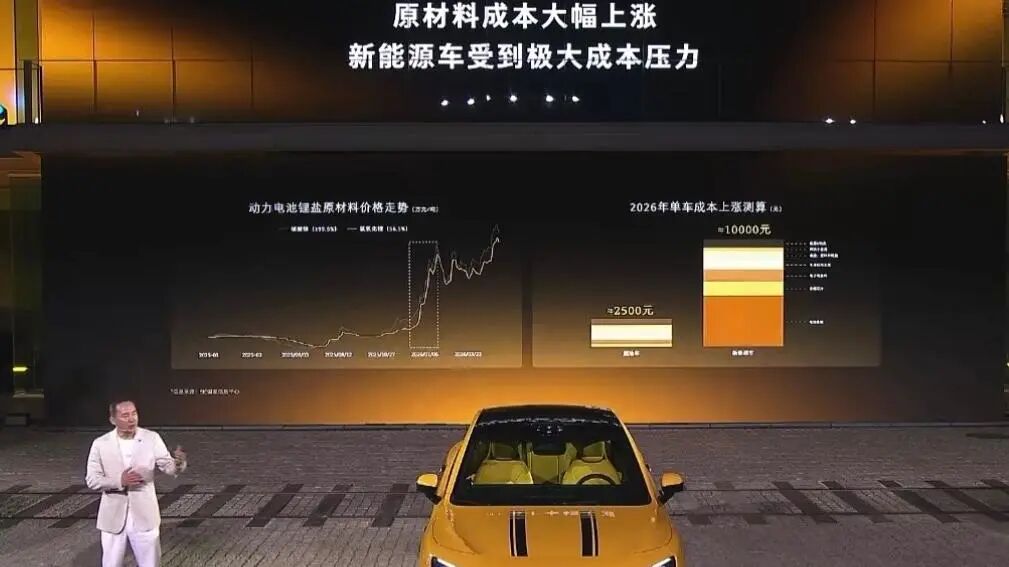
Moreover, consumers are now afraid of being "stabbed in the back" by price cuts. The more the prices drop, the more they wait and see. As a result, a vicious circle is formed in the market: automobile manufacturers cut prices, consumers wait and see, and then the manufacturers cut prices again.
The automobile industry is a complex system ecosystem. From chips, computing power, software, intelligent driving hardware, lidar to AI, etc., all require a large amount of investment.
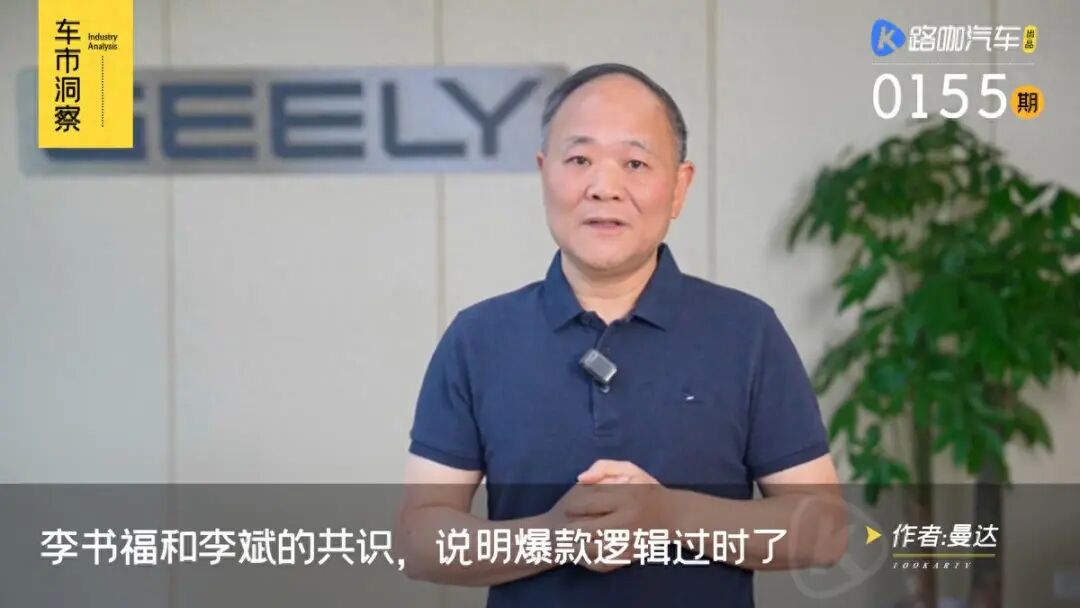
As Yu Chengdong said, small and medium-sized players simply can't bear such a large amount of capital investment. Li Shufu, the chairman of Geely, pointed out that the future competition is no longer just a simple product war. It is a comprehensive system competition in terms of organizational efficiency, operational precision, strategic choices, etc.
Now that the price war is almost at its bottom, further price cuts will lead to systemic risks, and the tail-end enterprises can no longer hold on.
Brands with monthly sales of less than a thousand units are basically surviving on financing now, and their capital chains may break at any time.
If they cut prices further, their cash flow will collapse faster. If they don't cut prices, they won't get orders, and their production capacity will be idle, which also means death.
Therefore, in the next two or three years, a large number of small brands will directly exit the market - it's not that they don't want to engage in the price war, but they don't have the capital to do so.
The core reason why Yu Chengdong is optimistic about BYD is that BYD has self-developed and self-produced almost the entire industrial chain, from batteries, motors, and electronic controls to chips and body parts. Its cost control ability is unparalleled in the industry. It can sell cars that other automobile manufacturers sell for 200,000 yuan for 150,000 yuan and still make a profit.
Now, BYD has lowered the threshold of plug-in hybrid models to the 70,000-yuan level and pure electric models to the 50,000-yuan range.
Even for mid - to large-sized SUVs, BYD can sell them for less than 200,000 yuan. No brand can compete with such a price.
Li Bin said that this year is "the most difficult year". This is not just complaining. He is issuing an alarm to the entire industry that the real major elimination is about to begin.
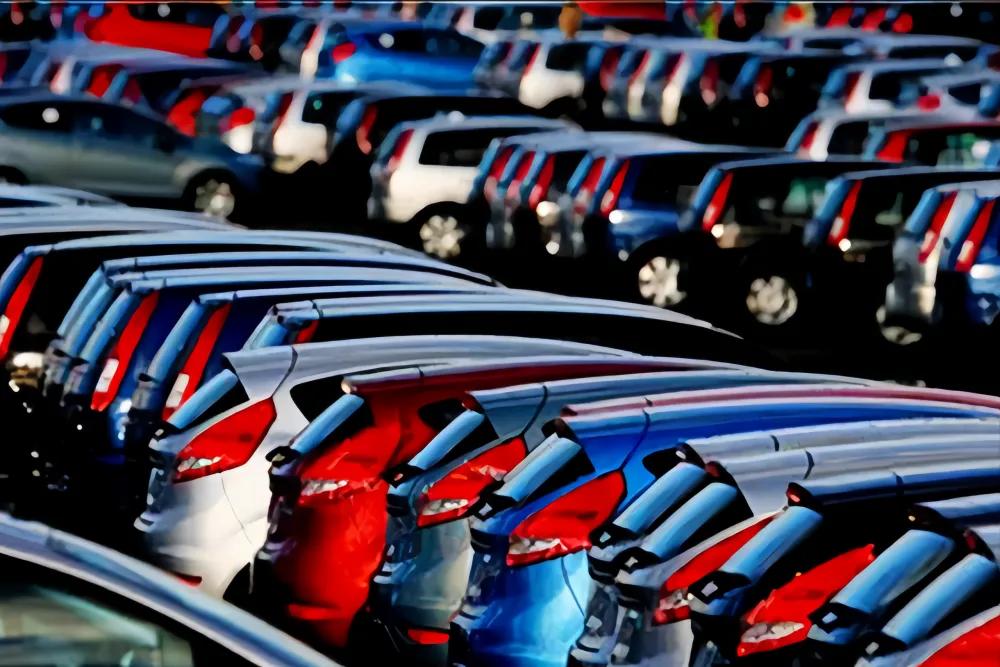
The elimination race will be extremely fierce. We need to avoid the debt problems of automobile manufacturers from affecting the supply chain in advance
In the past decade, the new energy vehicle market was an incremental market, so many people flocked to build cars. As long as the products didn't have major flaws, they could survive.
However, in any industry, when it moves from a stage of wild growth to a mature and stable stage and enters the stage of stock competition, it has to go through such a fierce reshuffle.
Without the home appliance price war in the past, there wouldn't be Gree, Midea, and Haier later, and there wouldn't be Chinese home appliances dominating the world. Without the major reshuffle in the mobile phone industry in the past, there wouldn't be Huawei, Xiaomi, OPPO, VIVO, Honor, and Apple leading the market.
The current automobile industry is following the same path. However, the chain reactions brought about by the automobile elimination race, such as employment problems, the structure of local industrial chains, the collapse of suppliers, and after - sales maintenance for consumers, are much greater and more severe.
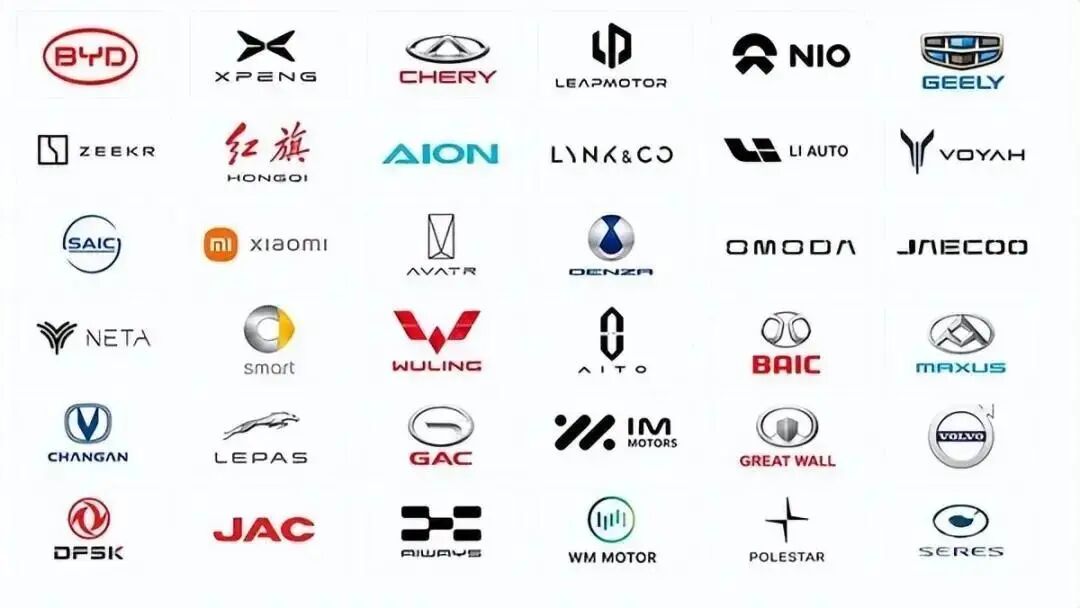
There are 126 Chinese automobile brands. Previously, foreign media reported that most of them won't survive beyond 2030. The number of truly surviving brands will not exceed 15, or even less. Conservatively estimated, more than 80% of the brands will go bankrupt.
If only 10 to 15 brands remain, it means that more than a hundred automobile manufacturers will go bankrupt. Now, many automobile manufacturers lose money on each car sold. If one or two companies go bankrupt, the impact is small. If a dozen or dozens of companies go bankrupt, the amount of debt involved will be extremely large.
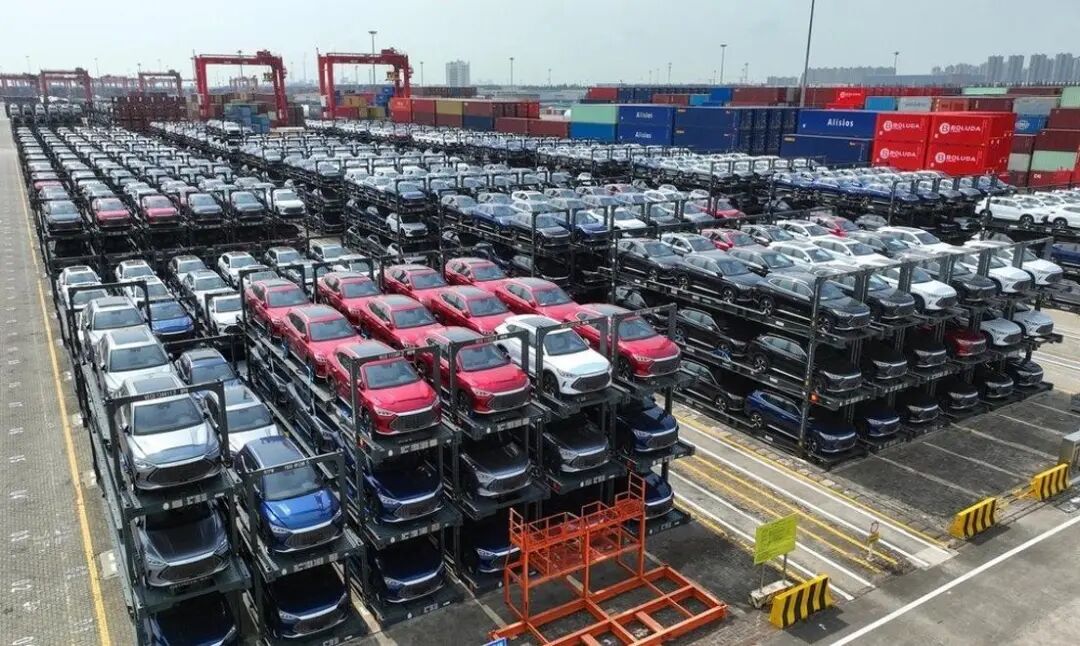
In the past few years, in order to compete for automobile manufacturing projects, many local governments have heavily invested using models such as "state - owned capital guarantee, factory construction on behalf of others, per - vehicle subsidies, and land price discounts".
For example, after Nezha Automobile faced a crisis, it burned through 18.3 billion yuan in three years. The state - owned capital investments in many places ended up with nothing, leaving behind idle factories, unfinished industrial parks, and hidden debts.