Humans have been replacing their own "parts" for 3,000 years, and this finally became a formal scientific discipline in 2026.
Around 1000 BC in ancient Egypt, Tabaket - en - Mut, the daughter of a priest, perhaps never imagined that the wooden prosthetic she wore after losing her big toe would become a witness to medical history 3000 years later.
According to archaeologists' speculation, she most likely lost her toe due to diabetic complications. At that time, there was no modern medicine, so she had a prosthetic made. The main body of this prosthetic was composed of three wooden toe joints spliced together and wrapped in leather. It was both sturdy and comfortable, perfectly fitting the shape of her damaged foot. This prosthetic, later known as the "Cairo Big Toe," is now stored in the National Museum of Egyptian Civilization (NMEC) and is one of the oldest functional prosthetics in human history.
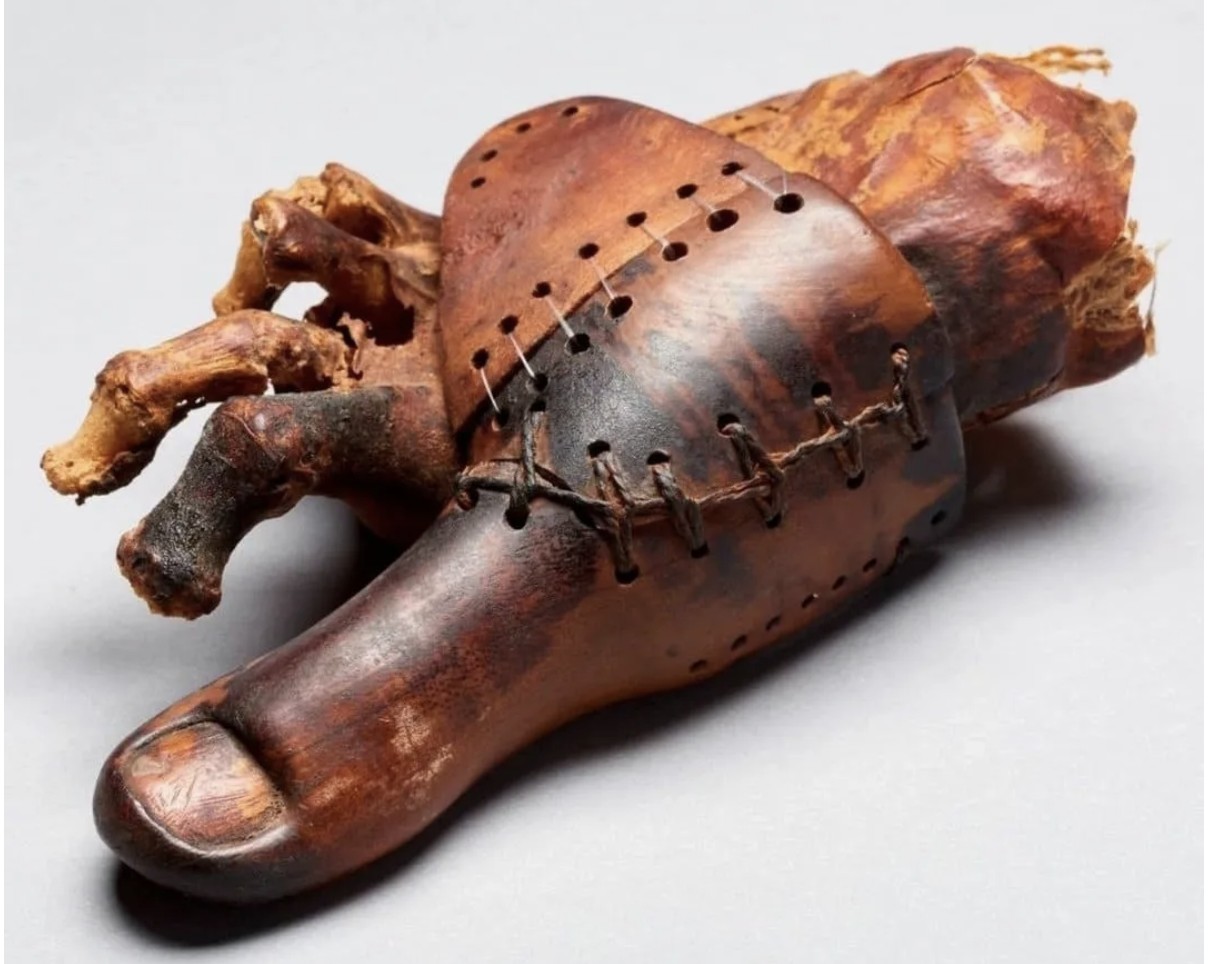
Image source: Official website of the National Museum of Egyptian Civilization (NMEC)
It was a simple beginning: replacing a missing part to restore a certain function to some extent, or simply making the body look more decent.
Today, this kind of "replacement" has gone beyond surface repair and delved into the core of life. On May 15, 2026, the 10 - gene - edited pig heart UHeart of the American biotech company United Therapeutics officially obtained FDA clinical trial approval and initiated human trials aiming for commercial launch. The "xenotransplantation" stories such as "pig heart transplantation" and "pig liver transplantation," once regarded as novelty news by the public, have finally started to be in line with the review and approval of regular medical products and are expected to become a registerable standard therapy.
Looking back at human medical exploration in the past 3000 years, from simple appearance repair to precise replacement at the molecular level, it has always been the same thing: replacing the "parts" that are not working well, broken, or aged with those that are in good condition, young, and functioning properly.
This simple - sounding logic runs through the entire context of surgical history, transplantation history, and modern regenerative medicine. That is, removing the ineffective modules and connecting them with biological or synthetic substitutes to make the body function again.
This is the common core of "replacement - based interventions." In May 2025, the review article "Replacement as an Aging Intervention" was published in Nature Aging. The corresponding author is Eric Verdin, the director of the Buck Institute for Research on Aging. Together with top aging scientists such as George Church and Vadim Gladyshev, they systematically sorted out various replacement strategies such as cell therapy, tissue engineering, xenotransplantation, and synthetic replacement devices, and for the first time constructed a unified framework for aging intervention centered on "replacement."
In April 2026, the supporting discussion article "Replacement - Based Ageing Interventions for Systemic Rejuvenation" was published in Aging Cell. The authors include Vadim N. Gladyshev, a professor at Brigham and Women's Hospital of Harvard Medical School, and Morten Scheibye - Knudsen from the University of Copenhagen. The Chinese author Bohan Zhang (Harvard Medical School) also participated. The article further proposed a roadmap for the collaborative integration of replacement therapy and a new generation of damage - clearing technology, clearly defining the conceptual framework of "replacement - based aging interventions" and systematizing and clarifying this idea.
This sends a clear signal to the academic and industrial circles: "Replacement" is not the exclusive domain of surgeons, but a theoretically supported medical path on a par with drugs and medical devices. Overseas, there are human clinical trials of "pig hearts" by the FDA; in China, the National Healthcare Security Administration stated at the beginning of this year that it would set up a project for charging for the auxiliary operation of biological 3D printing (tissues/vessels/organs). Subsequently, the Hunan Provincial Healthcare Security Administration was the first to clarify the government - guided price range from 1200 yuan to 1600 yuan. These cases are actually the implementation of this research framework.
So, where has this thing that humans have been doing for 3000 years reached in 2026?
What is "Replacement Technology"
To understand "replacement technology," let's first ask a question: When a machine has been used for a long time and its parts are broken, what should we do? Most likely, we don't repair it but replace it. Then why do we always try to repair the human body, a delicate "machine" - by taking medicine, getting injections, or having surgeries - instead of directly replacing the broken "parts"?
The answer is simple: In the past, we couldn't replace them. For example, there were no suitable materials, no anti - rejection drugs, and no methods to cultivate living tissues. However, in the past few decades, these obstacles have been gradually overcome.
The aforementioned Aging Cell study once defined the "replacement strategy": It should cover multiple age - related damages simultaneously, rather than targeting only one biochemical pathway; it should achieve more systematic and long - lasting functional recovery, rather than just short - term improvement; and it should move the timing of intervention forward from "treating when sick" to "replacing before getting sick."
In other words, "replacement" is no longer a last - ditch effort like the "Cairo Big Toe," but an active and systematic means of health maintenance.
In essence, the breakthrough in medical technology has completely expanded the boundaries of replacement, and the 20th century was the real turning point. In 1954, the first kidney transplant made it possible to replace a failing organ with another; in 1958, the first cardiac pacemaker was implanted in the human body, proving that electronic devices can regulate the rhythm of life; in the 1990s, hematopoietic stem cell transplantation became mature, extending the survival period of some leukemia patients and even offering a chance of cure...
In the past, people could only perform "major repairs" on organs. Now, the levels that can be replaced have gradually covered cells (such as stem cell transplantation, CAR - T), tissues and organs (such as organs cultivated from autologous cells, 3D tissue printing engineering), the circulatory system (such as therapeutic plasma exchange - TPE -), and even synthetic replacements represented by high - value equipment and consumables (such as cardiac pacemakers) and brain - computer interfaces.
The Singapore - based longevity technology fund Immortal Dragons told 36Kr that among these many levels, "the replacement at the tissue and organ level is more relevant to the daily lives of the general public, has a clearer commercialization path, and best reflects the maturity of this technology from the laboratory to the real world".
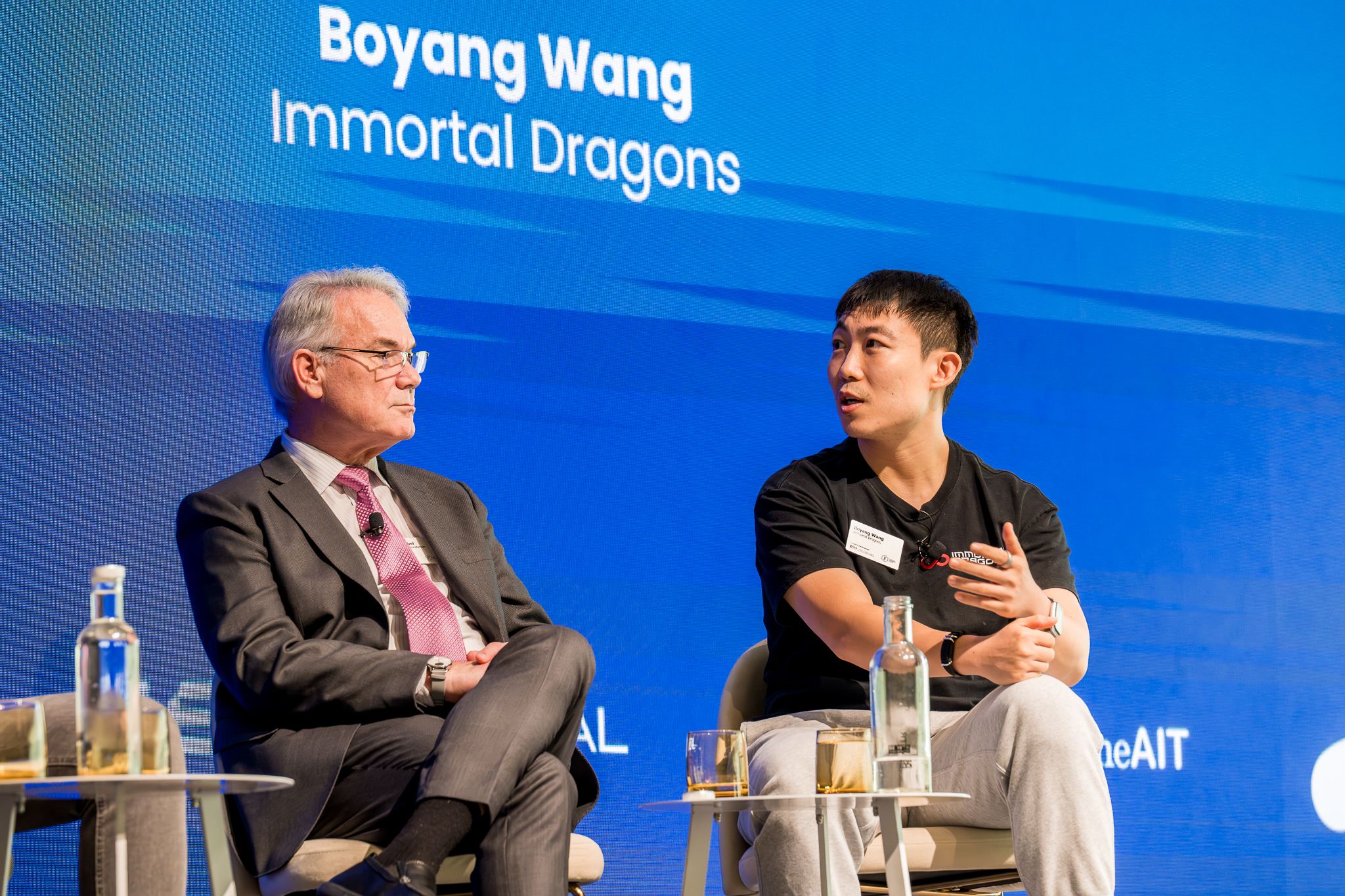
Boyang, the founder of Immortal Dragons
Currently, a clear and mature echelon has been formed in this field.
The first echelon consists of the replacement of thin - layer tissues such as skin, cartilage, and cornea, which have already been commercialized. Their structures are simple. For example, the skin is a "two - dimensional sheet" composed of several layers of cells, cartilage consists of only one type of cell and extracellular matrix, and the corneal epithelium has no blood vessels. They don't need to solve the problem of vascularization in tissue engineering, so they are safer and less risky, and their commercialization progress is relatively faster.
Cell - banked skin products such as Apligraf and Epicel in the United States have been approved by the FDA and have been used clinically for more than 20 years; in the field of cartilage repair, Vericel's MACI technology (matrix - induced autologous chondrocyte implantation technology) has also been approved by the FDA for clinical use. The existence of these products shows that the simplest replacement "parts" have been industrialized.
The second echelon mainly refers to hollow organs that have entered human clinical trials but are not yet commercialized, such as the bladder, urethra, and vagina. They are more complex than thin - layer tissues but simpler than solid organs. They only need three - layer structures: the inner epithelium, the middle smooth muscle, and the outer connective tissue. And because their walls are thin, oxygen and nutrients can still reach the cells through diffusion, so the problem of vascularization can be temporarily bypassed.
As early as 1999, the team of Anthony Atala (Boston Children's Hospital, Harvard) took urothelial cells and muscle cells from the bladders of 7 children with bladder dysfunction caused by spina bifida (myelomeningocele), expanded them in vitro, and then seeded them on a degradable scaffold to construct new bladders and transplant them back into the patients. This research was published in The Lancet in 2006: After 2 - 5 years of follow - up, these bladders were still functioning; since the patients' autologous cells were used, there was no need for immunosuppression and no obvious rejection was observed, and the bladder function and quality of life were improved.
The third echelon targets solid organs such as the kidneys, liver, and heart. These organs usually require dozens of types of cells, a precise vascular network, and complex metabolic functions, and they are the "ultimate challenge" in tissue engineering. Most of the truly transplantable engineered solid organs currently under research in the academic community are still in the experimental stage.
It is not difficult to see that the maturity of "replacement technology" follows a very regular pattern. The simpler, thinner, and more hollow the structure, the easier it is to be implemented; the more complex and the more it requires a precise vascular network, the longer the R & D cycle. This echelon is not only a technical route but also represents the investment timeline for capital. That is, it is advisable to prioritize the layout of mature and commercializable thin - layer tissues and then gradually advance to hollow and solid organs. The difficulty is directly proportional to the return, clearly guiding the industrial direction.
Capital Enters the Game, China Leads: The Industrial Wave of "Replacement Technology"
The industrial layout pursues a step - by - step approach. The development of "replacement technology" also depends on short - term clinical implementation and long - term anti - aging vision. Therefore, the current "replacement technology" is not about mass "organ replacement" as in science - fiction scenarios. Instead, it first needs to meet the clinical needs and maintain the survival foundation of enterprises.
For example, as the technology matures, more and more people can choose to replace artificial joints when their joints are slightly worn, replace small - diameter grafts in the early stage of vascular hardening, or replace and repair damaged parts when their immune systems start to decline to optimize physical functions and supplement youthful immune cells. The essence of these interventions is to shift from "passive repair" to "active maintenance."
When a technology moves from the laboratory to the clinic, capital is the most sensitive indicator. "Replacement technology" has been regarded as a serious medical field in the past few decades. After all, although organ transplantation and joint replacement are effective, their scale is limited and the growth is slow. However, with two top - tier journals defining it as a new "aging intervention paradigm," the perspective of venture capital has also changed fundamentally: Replacement is no longer just about "treating diseases," but a systematic health maintenance strategy.
In this wave, Immortal Dragons is one of the early institutions that systematically focused on and bet on the "replacement strategy," that is, "replacing the damaged parts of the body with new and well - functioning parts." Its core principle is that the commercialization of all cutting - edge technologies must first rely on clear and urgent disease treatment needs for clinical verification to ensure safety and effectiveness and achieve compliant product sales. After the technology matures and the policy system is improved, the application scenarios can be gradually expanded, and ultimately, the ultimate value of systematic anti - aging can be realized, unlocking a broader market.
Their core judgment is also straightforward: The essence of human aging is the systematic aging of hardware. Repairing is like patching up a broken boat and is difficult to keep up with the aging speed. Directly replacing the aging parts may be a more efficient way to extend lifespan.
Based on this judgment, Immortal Dragons has focused its management of the $40 million "Longevity Fund" on four core directions: replacement - based aging intervention, gene therapy, reversal of neural aging, and accelerating the transformation and implementation of innovative therapies. Currently, Immortal Dragons has invested in more than 20 global cutting - edge start - up companies and is deeply involved in the entire process of transformation from the laboratory to the clinic.

Immortal Dragons explained that the optimal intervention strategy varies at different stages of a disease. "For example, in the early stage of reversible damage, repair is often more effective because it has low cost, low risk, and does not require a donor. In repair therapies, gene therapy, regenerative medicine, and cell therapy are all making exciting progress. However, when organ damage enters an irreversible stage, the marginal benefit of repair will decline sharply, and replacement may become the only option. It can be divided into methods such as organs voluntarily donated by human donors, animal organs, 3D bioprinted organs, or cultivating human organs in animals according to different donor sources."
In the short term, most of Immortal Dragons' investment projects focus on treatment scenarios with unmet clinical needs, aiming to overcome the pain points of traditional medicine and complete commercial verification. Take its representative investment case, Frontier Bio, for example. It solves the problem of small - diameter vascular grafts. The global vascular graft market exceeds $1.2 billion, but the failure rate of existing synthetic products in small - diameter (diameter less than 6 mm) scenarios is as high as 65%. This is because there is no endothelial layer, and when blood directly contacts artificial materials, thrombi will form. Moreover, traditional tissue - engineered blood vessels require taking cells from patients and culturing them in the laboratory for weeks or even months before implantation, and many patients can't wait.
Frontier Bio's breakthrough lies in the "single - surgery graft." At the beginning of the surgery, a small amount of tissue is taken from the patient's abdominal subcutaneous fat, adipose - derived stem cells are isolated, and they are immediately inoculated onto a degradable polymer scaffold made by electrospinning. The whole process can be completed on the operating table. Animal experiments show that after 14 days, the graft has formed a continuous endothelial layer and begins to fuse with the host blood vessels.
"This means that you can use an autologous, living - cell, ready - to - use blood vessel substitute, bypassing thrombi and long - term in vitro culture. Moreover, since the patient's autologous cells are used, there is no risk of rejection, and there is no need for donor matching, which to some extent avoids many problems in immune matching of allogeneic cell products," Immortal Dragons said.
Another invested company, the American biotech company Immune Bridge, has targeted another crucial issue in allogeneic cell therapy. Currently, the quality of immune cells from different adult donors varies, and the functions of immune cells derived from iPSCs are limited and often require additional gene editing for repair.
Immune Bridge's solution is to go back to the youngest source: neonatal umbilical cord blood. It is reported that the small molecule IBR403 they developed can highly expand hematopoietic stem cells in umbilical cord blood while maintaining their stemness and pluripotency during the expansion process. The expanded cells can differentiate into various immune cells such as NK, T, and B cells, which is equivalent to establishing a "warehouse of young immune cells."
These cutting - edge projects have attracted the attention of the industrial community because they represent a trend: "Replacement technology" is changing from individual cases to a replicable and scalable technology platform.
In this process, China's performance is particularly prominent, "especially in key areas such as xenotransplantation, biological 3D printing, and cell therapy," according to Immortal Dragons. This prominence is not just due to one or two star products, but the entire ecosystem is accelerating its maturity. From early - stage R & D to production processes, from regulatory reforms to payment systems, an infrastructure that can support long - term innovation is gradually taking shape.
