Even idol chat services adopt "paid unlocking" – what are global fan apps selling?
Is the episode that sasaeng fans like the most here?
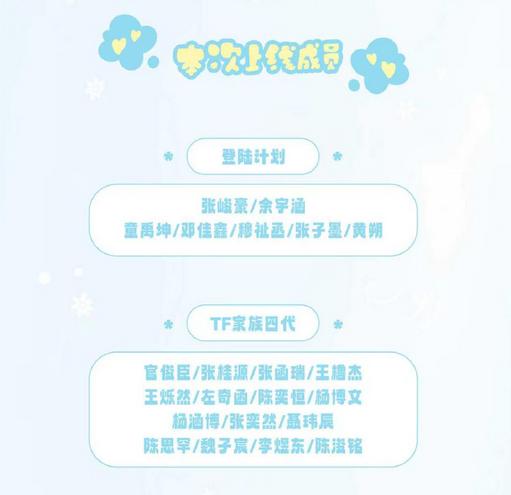
Recently, T-FAMILY, the official fan club platform of Times Fengjun, has added a new member interaction feature called "Bubble" as an additional benefit for official high-level members. Currently, the login plan and all members of the fourth-generation trainees of the TF Family have been launched, and other families and members will be gradually opened.
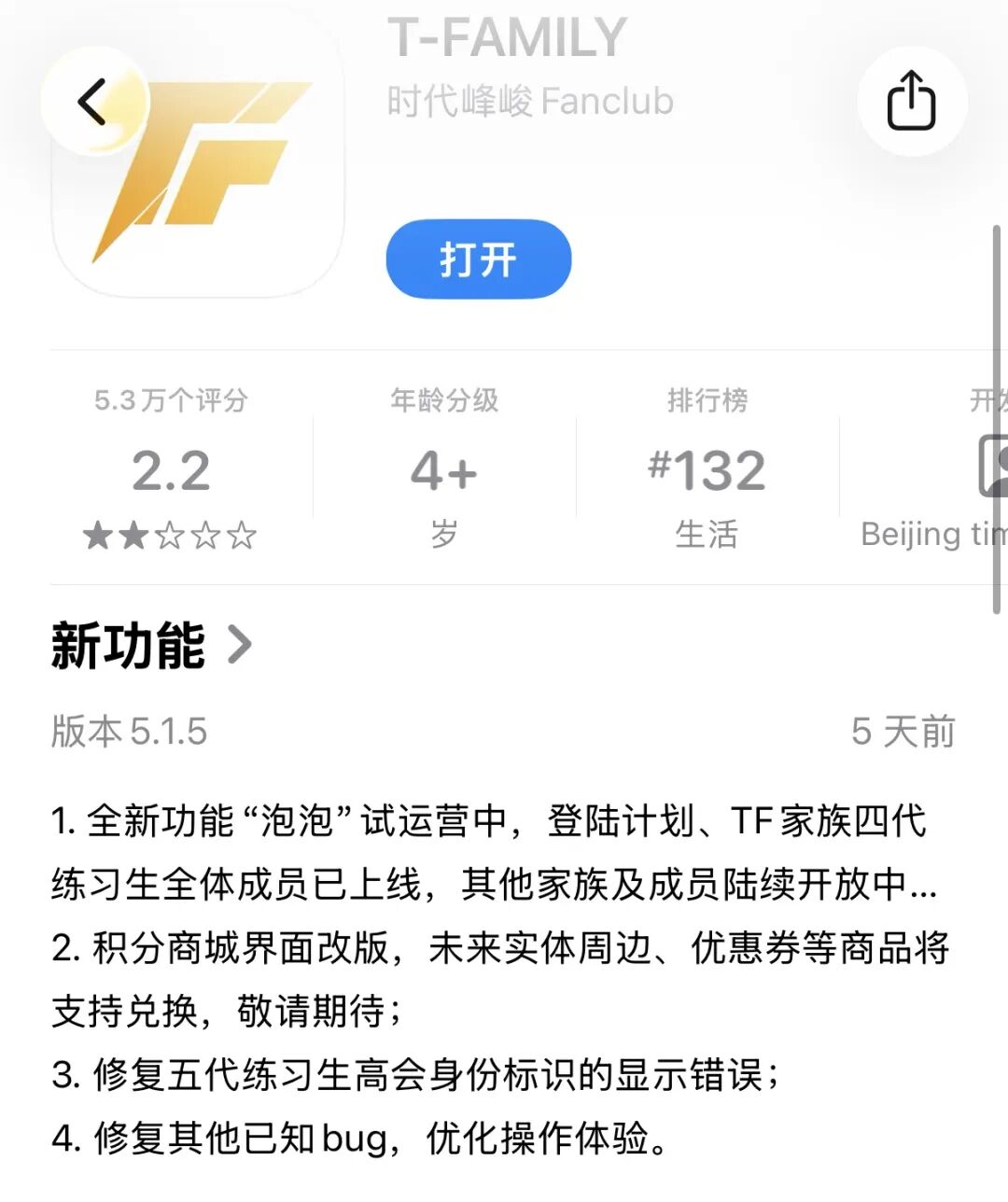
However, controversies emerged almost simultaneously. Even some fans of the TNT Boys have publicly stated that they reject the Bubble feature, worried that the so-called "private interaction" will further amplify the risk of sasaeng fans.
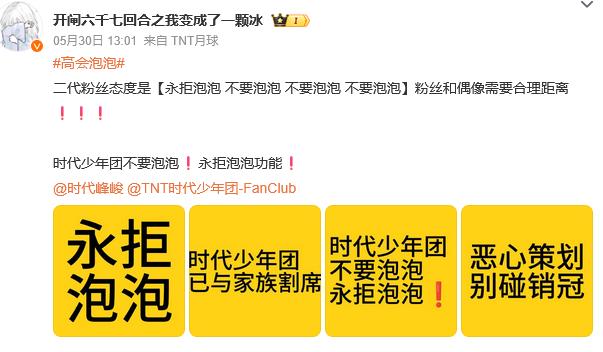
So, when global fan apps are trying to strengthen the intimacy between idols and fans, what exactly is the platform selling?
Bubble: Creating an Illusion of Intimacy
Currently, fans no longer seem to be satisfied with just seeing their idols but have started to expect to be noticed by them. Against this background, the "Bubble" feature recently launched by Times Fengjun is particularly representative.
This feature allows fans to send messages to specific artists, but there are also restrictions: fans can only send a maximum of 3 messages at a time and must wait for the artist to reply or post new content before they can continue to send messages.
On the one hand, this set of rules can be interpreted as protecting the artists, preventing fans from spamming and reducing the pressure on the system and the artists caused by the message peak. On the other hand, it also shows that Bubble is not a one-on-one private communication tool between fans and idols as one might assume. The so-called "private chat" selling point should be more understood as the waiting mechanism itself.
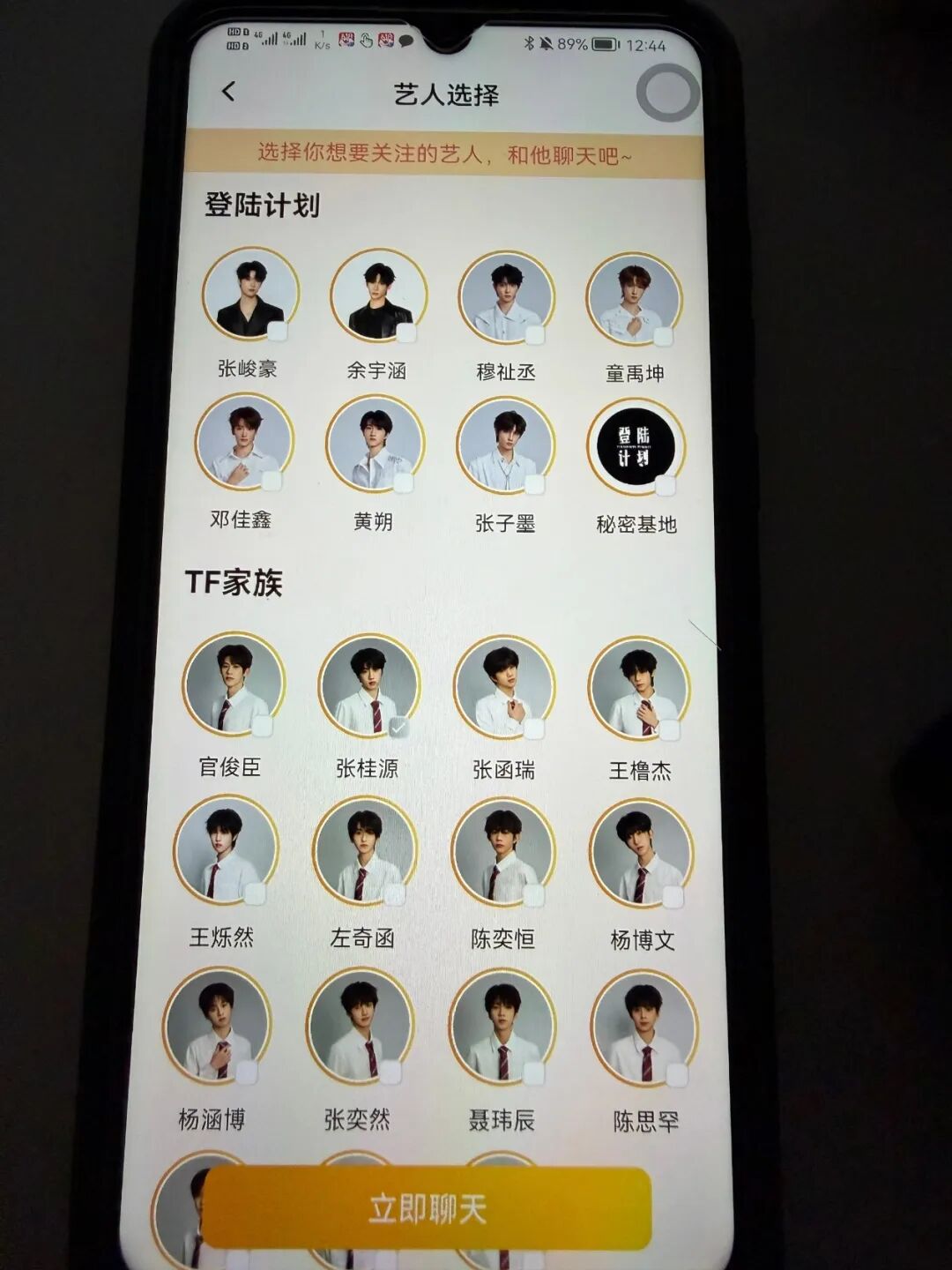
From the information display mechanism, referring to the public mechanism of the original Korean Bubble and users' long-term usage experience, the communication on the artist side is usually not a point-to-point exchange like an ordinary WeChat private chat. The more common mode is that fans' messages are presented in an aggregated form on the artist side. Artists can browse a large number of fans' feedback and continue to send content based on these feedbacks. On the fan side, the artists' messages are presented in a separate chat window, creating a visual effect of "sent only to me".
In terms of functions, the original Korean Bubble has extended to more complete interactive scenarios such as live broadcasts and translations. From the current "Bubble" launched on T-FAMILY, a basic interactive framework for member message push, voice content, and fan feedback has been established, and related functions still need to be further opened and improved.
Regardless of the functional differences, the core logic of such products is similar, which is to keep both fans and artists in the same system but not share the same imagination of the relationship.
The Korean Women's Studies Association interprets the "Bubble" feature as an "illusion of intimacy", emphasizing the complex psychological process in which fans can still enjoy it even though they know it is false. What users consume in Bubble is a carefully constructed "sense of privacy". Although idols will share details to create a sense of intimacy, this is essentially "privatized" content produced for paying users, rather than real privacy.
However, when the platform turns "intimacy" into a product, it must bear the consequences of the abuse of the intimate relationship and the amplification of technical loopholes. Especially in the context of T-FAMILY, what "Bubble" connects is not only mature artists and fans but also underage trainees, fans of the cultivation system, and high-emotion fan circle interactions. Even though the platform has set up a sensitive word shielding mechanism, how to prevent this "sense of intimacy" from being over-consumed still tests the product's governance ability.
Judging from the fans' feedback after the launch, the controversies also broke out intensively in these aspects.
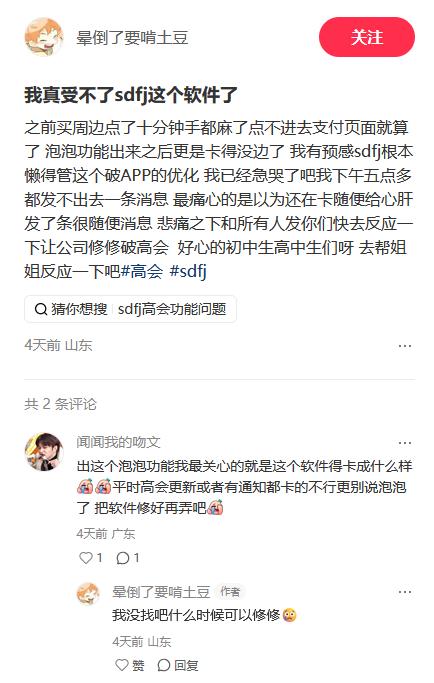
Firstly, it is content review. A large number of users reported that many common words, daily greetings, emotional expressions, animal names, joking phrases, and even common words in the fan circle may fail to be sent, be intercepted, or be prompted as violations. Secondly, it is product stability. Problems such as freezing, loading failures, unstable message sending, and abnormal pages indicate that Bubble still faces the pressure of high concurrency and complex interactive scenarios during the trial operation stage.
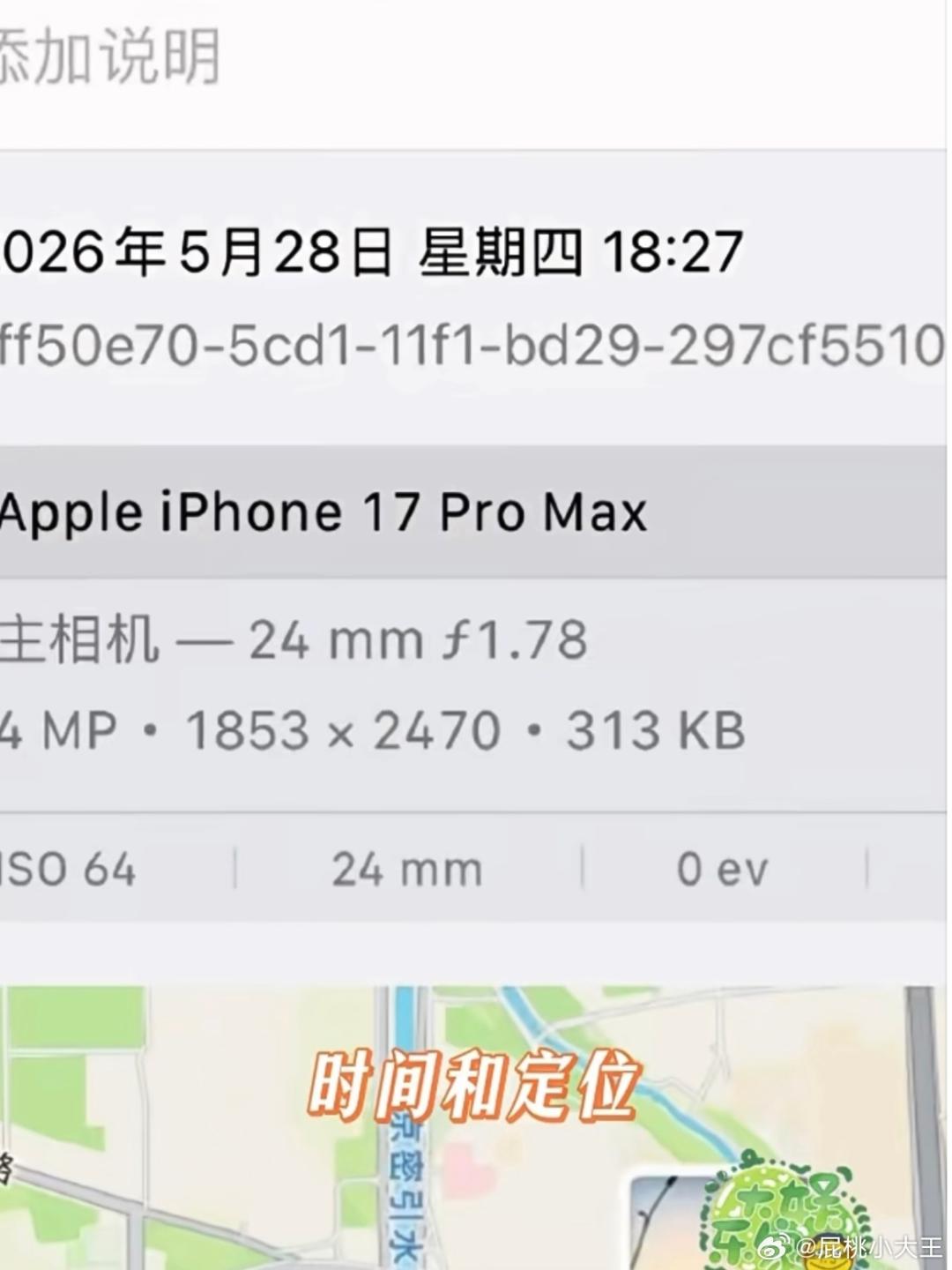
What's more serious is the security risk. Some fans pointed out that Yu Yuhan forgot to preview and casually posted a picture during the test, and fans were able to directly extract the location data after saving it. Imagine if an artist takes a casual photo with a private mobile phone, their address, school, temporary hotel, used device, and time will all be accurately locked, which is undoubtedly like "handing a knife" to sasaeng fans.
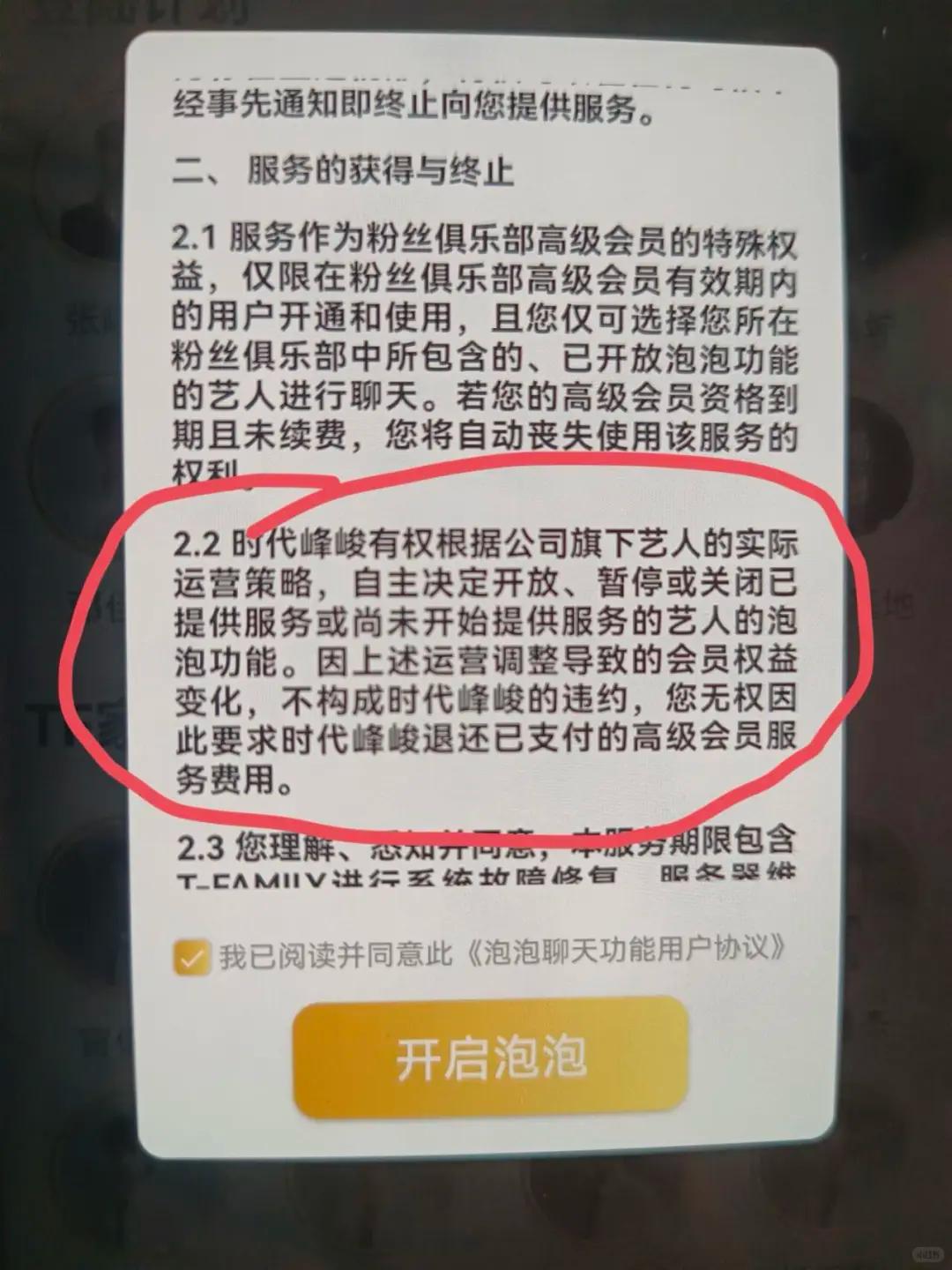
In addition, another point of controversy comes from the charging model. Referring to the Korean version of Bubble, which is an independent subscription service, relatively clear refund terms are usually set around the subscription period and the situation of not receiving messages from artists. However, as an additional benefit for high-level members, it is difficult for users of T-FAMILY Bubble to request a single-item refund just because of a poor Bubble experience. The platform can explain it as part of the membership benefits rather than an independent paid service.
It can be seen that Bubble is essentially more like a persona operation product, which subscribes and operates the idol's daily content, personality charm, and sense of companionship in the long term, rather than a strict one-on-one instant private chat. In the end, what T-FAMILY Bubble really exposes is not the success or failure of a single function but that the fan club is entering a new stage.
Global Fan Apps:
What Are They Selling Today?
Globally, experiments on the distance between fans and idols have been repeatedly carried out in different cultural contexts.
Among them, South Korea has built the most mature and complete super fan model in the world, represented by Weverse under HYBE and Bubble launched by DearU. Weverse was initially launched in 2019 as the official fan community for BTS and has gradually expanded to live broadcasts, membership, e-commerce, digital content, and concert services, developing into a super fan platform integrating community, content, and consumption.
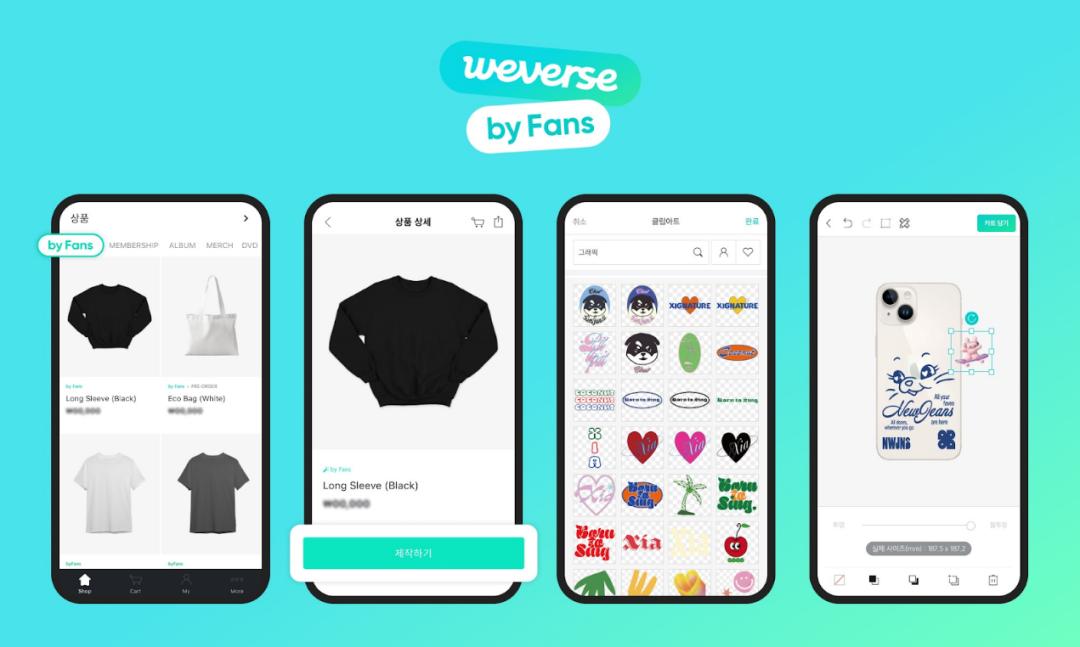
Commercially, Weverse is no longer just a fan communication community. According to the public data of HYBE and Weverse, the monthly active users of the platform reached 13.37 million in the first quarter of 2026, setting a new historical high. In 2025, users spent an average of 263 minutes on Weverse per month, and Weverse Shop sold 25.2 million items throughout the year, with the purchase volume of digital products more than doubling year-on-year.
Compared with Weverse, Bubble's business model is more focused on paid private chat services. As the operator of Bubble, DearU has become one of the representative companies in the commercialization of South Korean fan platforms. According to the official information of DearU, as of September 30, 2025, Bubble has covered 114 agencies, 254 teams, and 570 artists/stars.
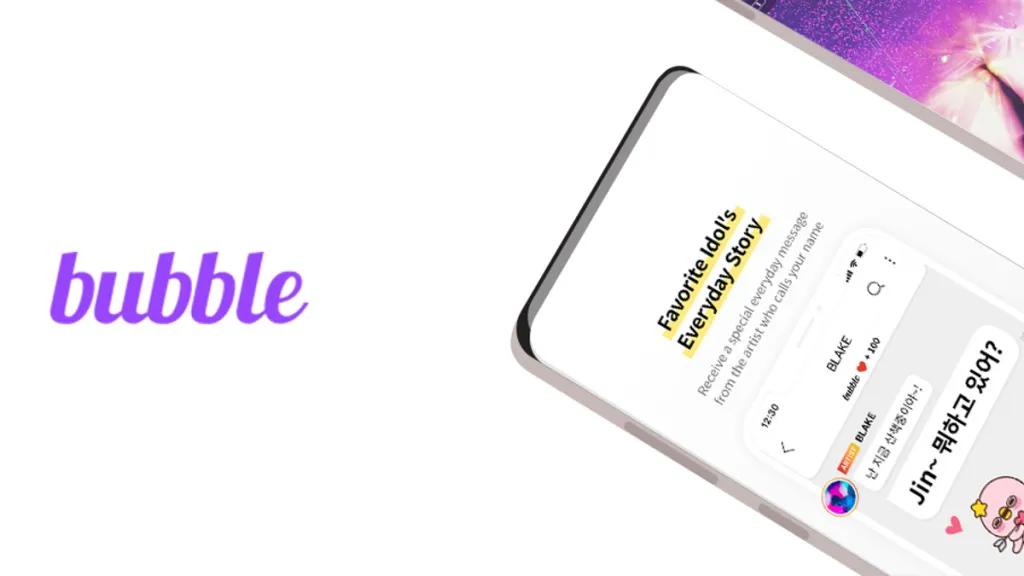
It is worth noting that these two monetization routes are gradually converging. In recent years, Bubble has started to add live broadcasts and content services, while Weverse has also launched a paid private message function called Weverse DM. Although they seem to start from different directions, they ultimately point to the same thing: beyond content consumption, they continue to amplify fans' imagination of "getting closer to idols".
Different from South Korea's development path of continuously strengthening the "sense of intimacy", Japanese fan platforms are more like the digital extension of traditional fan clubs. For example, the Johnny's system (J-web) has long emphasized membership qualifications, concert lottery, and exclusive content rather than high-frequency interaction.
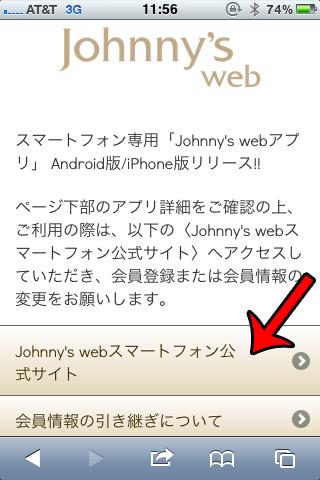
Therefore, Japanese mainstream fan platforms have deliberately avoided the "private chat" operation like Bubble for a long time. Fans are more buying a sense of identity and participation. However, with the success of the South Korean model, there have also been changes in the Japanese market in recent years.
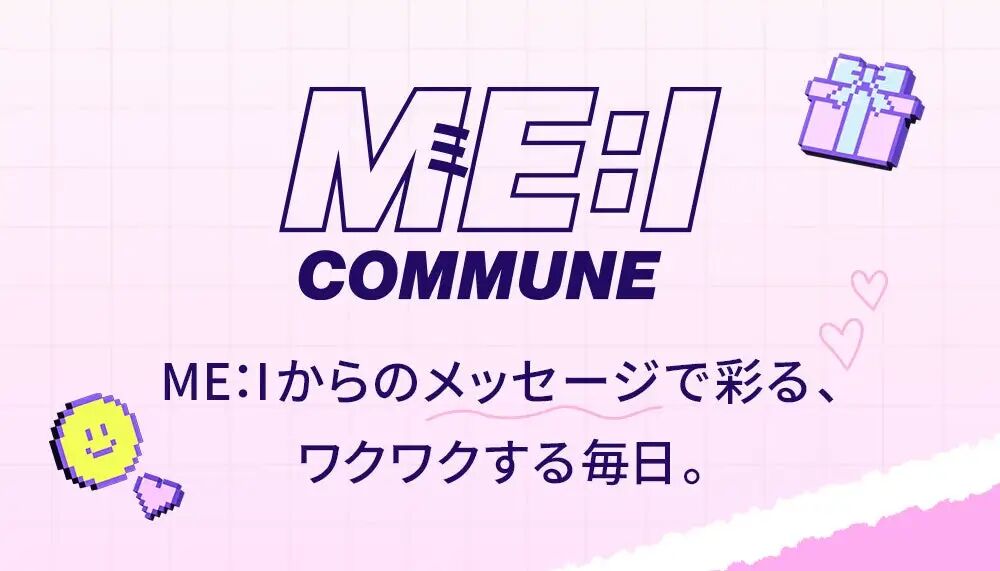
Since the 2020s, comprehensive fan platforms such as Bitfan and Tixplus/Fanplus, or official apps of popular groups such as ME OFFICIAL APP, have also started to introduce interactive functions such as chatting, leaving messages, Q&A, and private messages from members. Some of these functions appear as membership benefits of fan clubs, while others are in the form of individual subscriptions for each member or artist. Some voice actors and idol groups have even directly accessed the Japanese version of the South Korean Bubble service.
However, even in the process of evolution, the underlying logic of the Japanese fan economy is still rooted in the unique "oshi-katsu" culture. Different from the more common practices of boosting sales, brushing data, and collective mobilization in South Korean fan culture, Japanese "oshi-katsu" emphasizes more personalized support methods, offline participation in a companion way, and ritualistic consumption around fan support. If South Korean platforms try to continuously shorten the distance between idols and fans, Japanese platforms tend to increase interaction while maintaining a sense of distance.
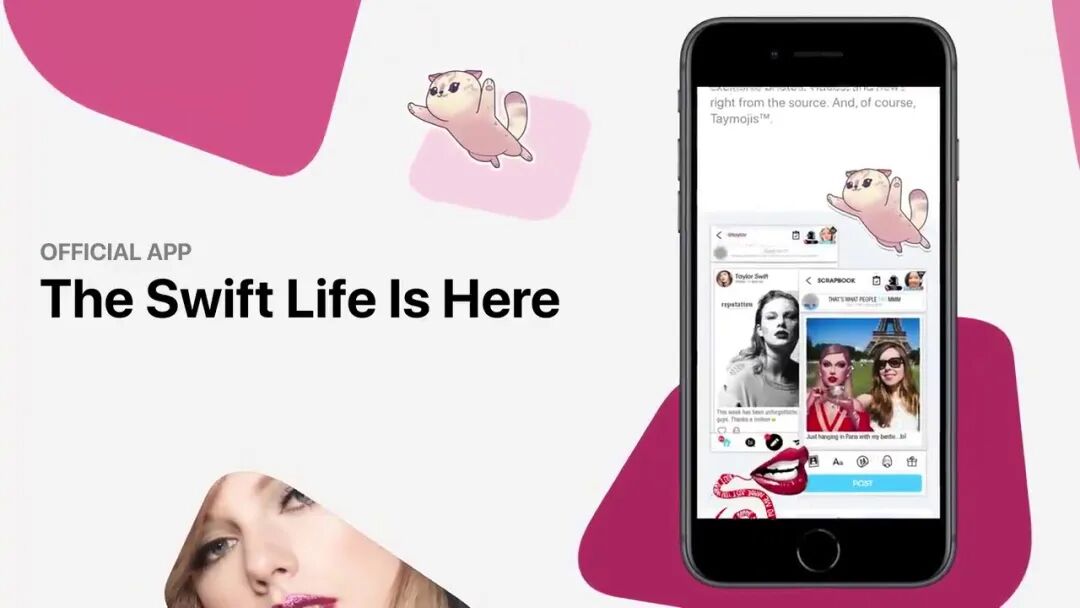
The United States is more like a reverse example. In the 2010s, during the golden age of social media, the American entertainment industry launched a wave of fan app entrepreneurship, but almost all of them failed. The most iconic case is "Taylor Swift: The Swift Life", which was launched in 2017. It faced the dual dilemmas of poor data and a damaged reputation in less than a year. According to the estimation of a third-party monitoring platform, its daily active users shrank by more than 90% rapidly after reaching the peak.
Now, the United States has taken a different path from the early "star-exclusive apps".
Platforms such as OnlyFans, Patreon, and Substack have jointly built a unique "super fan + creator economy" ecosystem in the United States. In essence, this is similar to the models of South Korean Bubble and Weverse, and it also coincides with the spiritual core of individual fan support in Japanese "oshi-katsu". It just removes the filter of the idol industry, becomes more direct and adult-oriented, emphasizes the individual subjectivity of creators, and is more in line with local culture.
Different from South Korea's complete ecosystem, Japan's