The large consumer sector on the A-share market has fallen beyond all expectations, and leading food and beverage enterprises are in need of a narrative restart.
The decline of China's food and beverage sector depends on which year you start counting from.
In 2025, the annual index of the A-share food and beverage sector fell by about 9.7%, significantly underperforming the CSI 300 by about 27 percentage points. However, looking back over a longer period, from the peak in February 2021 to September 2024, it had cumulatively declined by nearly 60%.
The more it falls, the more ghost stories there are.
Some investors who have been hallucinated by the decline have put forward a systematic explanation: The popularization of GLP - 1 weight - loss drugs (such as semaglutide) is having a long - term structural impact on the food and beverage industry.
In this narrative, the drugs can significantly reduce the willingness to consume high - calorie, ultra - processed foods through central appetite regulation and delayed gastric emptying mechanisms, thereby affecting the demand for snacks, carbonated drinks, traditional dairy products, and some condiments.
Funny enough, Chinese investors even copy ghost stories from the United States:
In 2023, some sugar - containing consumer stocks in the U.S. stock market experienced a phased valuation adjustment due to the sales pressure or downward revision of growth expectations caused by GLP - 1 drugs:
McDonald's stock price fell by about 17% from June to October 2023 (with a market value evaporation of nearly $38 billion), partly due to concerns that GLP - 1 would reduce dining out and consumption of high - calorie fast food.
The core business of Coca - Cola's carbonated drinks saw a significant correction in its stock price during the same period (with a maximum single - day decline of over 4%), which was regarded as a representative of the potential pressure on the demand for high - sugar drinks.
U.S. investors were very worried at that time that weight - loss drugs would change the game rules, and the number of overweight Americans with a sweet tooth would permanently decrease.
Although the number of people using semaglutide has indeed increased significantly (about 12% of American adults reported having used GLP - 1 drugs for weight loss), because the penetration rate of weight - loss drugs has been growing very slowly, it has had little impact on the trend of high - calorie consumption in the United States.
In hindsight, the three lines of defense in U.S. consumption have overcome the impact of semaglutide:
First, among the total U.S. population, users are still in the minority. Even if they significantly reduce their high - calorie intake, the consumption habits of non - users (accounting for over 88%) dominate the overall trend.
Second, the consumption of high - calorie foods is also driven by other factors such as price, economic environment, marketing, and season, diluting the impact of the drugs.
Finally and most importantly, many users use the drugs intermittently (about one - third stop taking the drugs within six months), and the rebound in consumption also partially offsets the impact.
Even with an optimistic estimate, by 2030, when the scale of GLP - 1 users expands, the reduction in the total national calorie intake will only be about 1 - 2%, and the early estimate was even only 0.6%.
For the overall sales trend of the U.S. food and beverage industry, this is within the manageable range, rather than a collapse.
In fact, the impact of weight - loss drugs in China is even more minor.
China's weight - loss drug penetration rate: The real picture behind the data
Let's take a look at China's data:
According to the Global Burden of Disease Study, in 2021, about 402 million adults in China were overweight or obese, and it is estimated that this number will reach 627 million by 2050. The prevalence of pre - diabetes had reached 38.1% in 2018, and the prevalence of non - alcoholic fatty liver disease (NAFLD) was in the range of 28% - 37% in multiple studies, even as high as 79% among the obese population.
These figures mean that most Chinese adults are facing metabolic health pressure, and there is theoretically a huge potential demand.
However, different from the United States, the penetration rate of GLP - 1 drugs in China is even lower.
Today, GLP - 1 drugs (represented by semaglutide) are still in the early commercialization stage in China. The estimated market size of related products in 2026 is about $1.25 billion, accounting for only about 3% of the global market.
In contrast, in the U.S. market, the drugs are more accessible, and public awareness is also stronger. A recent poll showed that about 12% of adults had used GLP - 1 drugs for weight loss, and the public awareness rate had exceeded 80%.
There are still significant gaps in China in terms of awareness rate, doctors' prescribing habits, payment ability (especially the reimbursement for weight - loss indications), and long - term usage compliance:
A harsh fact is that many Chinese people still don't think that obesity is a disease.
In fact, the recent hot debate about the "carb face" stems from this.
"Carb face" is a popular internet buzzword that went viral on social media in May. It is used to describe the characteristics such as facial swelling, large face, blurred facial contour, unclear jawline, dull skin, and sagging after long - term or excessive intake of refined carbohydrates (such as staple foods like rice, steamed buns, noodles, and sweets).
Some content creators directly attribute these to "eating too many carbs" and associate them with "cheapness," "lack of self - discipline," and "inferiority."
A live - streamer pinched the flesh on their cheeks and said, "This is the carb face from eating steamed buns every day." Some people showed their clear jawlines after "quitting carbs" with the caption "Finally getting rid of the cheap look." There were even associations with regions and social classes: Eating staple foods like rice and noodles was implied as the "face of ordinary people/the poor," while a high - protein, low - carb diet was packaged as "high - end/refined."
The subsequent regional attacks, social class divisions, and the intervention of regulators have made this issue even more complicated.
Such a big social controversy can arise over a simple issue like diet. Obviously, this social awareness of metabolic health cannot be reversed in the short term.
At the current stage, mainly attributing the adjustment of China's food and beverage sector to the systematic subversion of weight - loss drugs may confuse long - term imagination with short - term reality.
China's food and beverage consumption is still in the 1.0 version of taste + convenience
Upon careful observation, the dominant logic of China's food and beverage consumption today still revolves around the three core elements of taste, convenience, and price, which is basically the food and beverage version of the previous era.
This is clearly visible in daily life.
Whether it's ready - to - drink beverages in street convenience stores, puffed snacks on supermarket shelves, fast food combos on food delivery platforms, or the so - called new consumption at Haidilao and Xiabu Xiabu, consumers often prioritize "whether it tastes good," "whether it's convenient," and "what the cost - performance ratio is" when making decisions.

This consumption model is rooted in the context of rapid urbanization and income growth in the past few decades: The increasing time cost drives the demand for convenience, taste pleasure becomes an emotional compensation, and price sensitivity is particularly prominent during economic fluctuations.
However, when we look at the long term, this consumption framework centered on "instant gratification" is quietly facing structural challenges.
The continuous increase in the personal and social costs of chronic diseases, the policy guidance of the "Healthy China" strategy, the internal motivation for the consumption upgrade of the middle class, and the information dissemination of social media and opinion leaders are jointly brewing a deeper transformation:
"Pursuing metabolic health and long - term wellness" is expected to gradually evolve from the practice of a few avant - garde people into a more widespread social and cultural phenomenon.
It is an undeniable fact that for too many Chinese families, multiple studies have shown that the economic burden of chronic diseases such as diabetes in China is rising rapidly.
It is estimated that by 2025, the total cost related to diabetes in China may reach about $355.2 billion, with the treatment of complications accounting for the majority of the expenses. The economic impact related to overweight and obesity had reached $259.5 billion in 2019, accounting for 1.8% of the GDP, and this figure may rise significantly by 2060.
At the individual level, suffering from chronic diseases will significantly increase medical expenses, reduce labor participation, and bring hidden care costs; at the social level, it will put long - term pressure on the medical insurance system and productivity.
When the cost of "treating existing diseases" is getting higher and higher, the value of "preventing diseases before they occur" naturally becomes prominent. This is the soil for the awakening of health awareness. Consumers are beginning to realize that simply relying on drugs or late - stage treatment cannot fundamentally solve the problem, and optimizing daily diet and lifestyle is a more sustainable path.
Information dissemination and opinion leaders: The reshaping of cultural narratives
In addition, the rise of social media, short - video platforms, and professional opinion leaders has further amplified the dissemination efficiency of health awareness. Fitness bloggers, nutrition experts, and longevity practitioners transform the abstract concept of metabolic health into actionable daily choices through vivid content.
In the United States, this cultural phenomenon has formed a clear reference system.
Bryan Johnson's Blueprint project is well - known for its extreme data - driven anti - aging practice. Although it is a niche project, its concept has been widely spread through social media;
AG1 (Athletic Greens), as a comprehensive nutritional powder, has grown from a niche supplement into a brand with an annual revenue of hundreds of millions of dollars thanks to its high - end positioning and celebrity endorsements;
Peter Attia, a doctor, deeply explains preventive medicine, nutritional optimization, and exercise intervention through his podcast "The Drive," and his audience includes both professionals and ordinary consumers;
The MAHA (Make America Healthy Again) movement combines personal health with public discussions, promoting more extensive policy and cultural attention.
These cases jointly point to a trend: Extreme optimization practices are penetrating into mainstream preventive nutrition.
In the United States, the markets for functional foods and high - protein snacks/supplements have maintained strong compound growth in the past 5 - 10 years. The annualized growth rates of sub - sectors such as protein bars, functional drinks, and immune - enhancing products far exceed those of traditional foods.
In China, a similar path is emerging.
On the Xiaohongshu platform, the discussion popularity about "metabolic health," "gut microbiota," and "blood sugar management" has been continuously rising. Middle - class consumers quickly convert knowledge into purchasing behavior through recommended notes, live - streaming sales on Douyin, and community sharing. This bottom - up information dissemination, combined with policy guidance, accelerates the cultural shift.
China's potential path: From treatment - oriented to optimization - oriented
Actually, it's not difficult for us to judge that the evolution path of China's health consumption may present distinct features: It will gradually shift from treatment - oriented represented by weight - loss drugs to optimization - oriented centered on the reconstruction of daily diet.
At the current stage, GLP - 1 drugs mainly serve people with diabetes and some obese people, and the penetration rate is still low. They mainly play the role of a "tool."
However, as health awareness increases, consumers will not stop at "controlling with drugs" but will pursue an active state of "maintaining a good metabolic state without relying on drugs."
This means that the food and beverage industry represented by Yili and Haitian Flavoring & Food needs to start from the "first principle" and rethink product design: Instead of simply pursuing taste and convenience, it should place core importance on indicators such as nutritional density, blood sugar stability, inflammation control, gut health, etc.
Smart investors can easily see that this transformation will give rise to a large number of incremental opportunities.
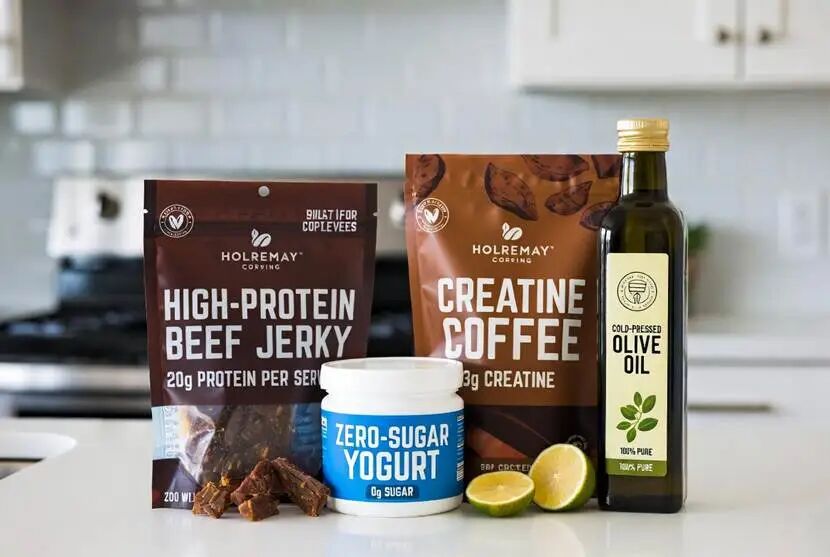
High - protein convenient foods, zero - sugar/low - GI products, functional drinks, healthy oils rich in omega - 3 or plant polyphenols, personalized nutrition combinations, etc., may all move from the periphery to the mainstream. Referring to the U.S. experience, the functional food market is expanding at a significant compound growth rate. Asia, especially China, is expected to contribute more increments due to its large population base and the awakening of awareness.
Of course, this transformation will not happen overnight.
It requires the joint support of supply chain technology progress (low processing to retain nutrients), regulatory support (standardization of functional claims), consumer education, and corporate innovation ability.
However, the trend is clearly visible: When the costs of chronic diseases, social policies, middle - class demand, and information dissemination resonate, the pursuit of long - term wellness will no longer be a niche label but the background color of a new generation of consumer culture.
We believe that today's Chinese food and beverage enterprises should more boldly start exploring the reconstruction and opportunities of the health - native product architecture. This will form a huge wave, with a force comparable to that of AI.
Traditional food and beverages often prioritize "tasting better, being cheaper, and being more convenient." In the context of increasing health awareness, products need to answer from the source: How can this product help consumers stabilize blood sugar, control inflammation, support muscle maintenance, improve gut health, or enhance overall energy?
This transformation emphasizes "health - native," that is, from the formula, raw material selection to the processing technology, the product starts with the long - term metabolic optimization of the human body, rather than adding functional ingredients later.
Today's U.S. market provides a clear verification path.
In the past 5 - 10 years, the sectors of functional foods and high - protein snacks/supplements have maintained significant compound growth.
AG1 (Athletic Greens) started as a niche nutritional powder and grew into a brand with an annual revenue of hundreds of millions of dollars through the endorsement of opinion leaders and the subscription model;
The Blueprint project of Bryan Johnson and the preventive medicine concept of Peter Attia are penetrating into the mainstream, promoting high - protein and precision nutrition products to move from the fitness circle to a wider range of middle - class families. This path from niche to scale lies in the fact that the products can provide perceptible long - term value and form a cultural consensus through social communication.
Specific opportunities in the Chinese market
According to data, the size of China's healthy food market was about $127.25 billion in 2025 and is expected to reach $209.07 billion in 2035, with a compound annual growth rate of about 5.09%. The size of the healthy snack sub - sector was about $12.32 billion in 2024 and is expected to reach $19.28 billion in 2032, with a CAGR of 5.76%. The global market for high - protein foods is also expanding rapidly, providing a solid foundation for local innovation.
High - protein convenient snacks: Beef crisps/jerky are a typical example. The global beef jerky market is growing at a CAGR of 4 - 6%. Chinese consumers' demand for high - protein, portable snacks is increasing, which is especially suitable for fitness enthusiasts and busy white - collar workers. Currently, protein bars and high - protein meat products in China's healthy snacks are leading in terms of growth rate. The entry barriers include the raw material supply chain (source of high - quality beef) and flavor adaptation (Chinese - style taste).
Whey protein combines the advantages of dairy products with functional requirements, and its low - sugar, high - protein version has great potential in the snack scenario.