Rolls-Royce's newly launched Spectre has once again been heavily criticized by Chinese netizens.
Early this morning (the 3rd), Rolls-Royce unveiled the new Spectre - Spectre Series II.
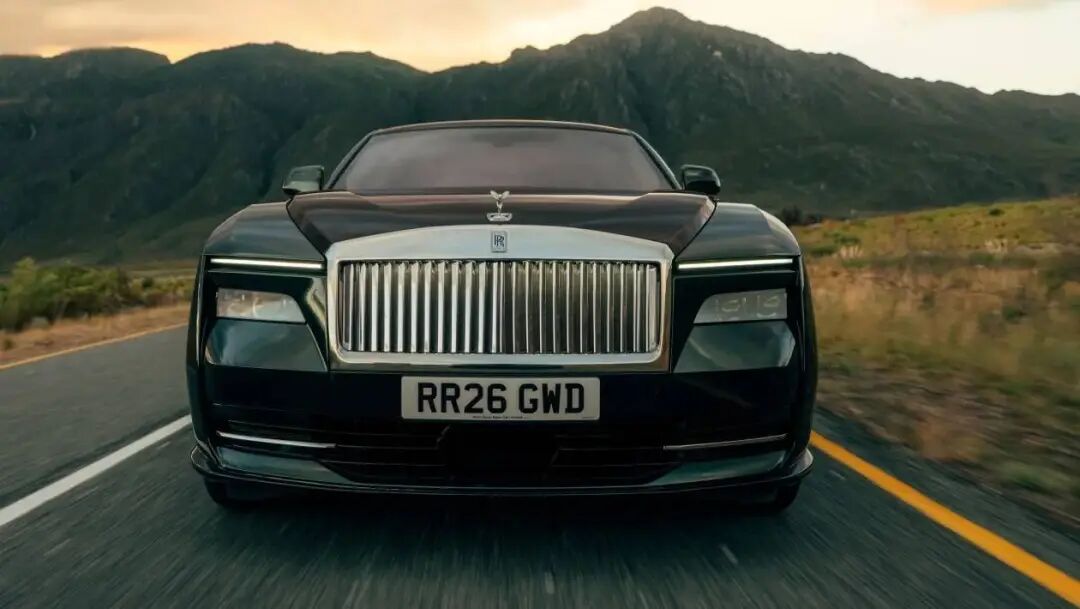
This all-electric sports car, with an overseas starting price of over $420,000 and a domestic price close to 5 million yuan, has proven over the past three years in the market that it is not a short-lived experiment.
At the beginning of its launch, the Spectre triggered a buying spree among the global elite. The delivery cycle of over 15 months once pushed the orders back two years, and helped Rolls-Royce achieve a record high sales volume of 6,032 vehicles in 2023.
Although in the past year or so, with the completion of the first batch of user purchases and the overall adjustment of the global ultra-luxury market, the orders for the Spectre have decreased, it still ranks second on Rolls-Royce's sales list, only after the ever-popular Cullinan.
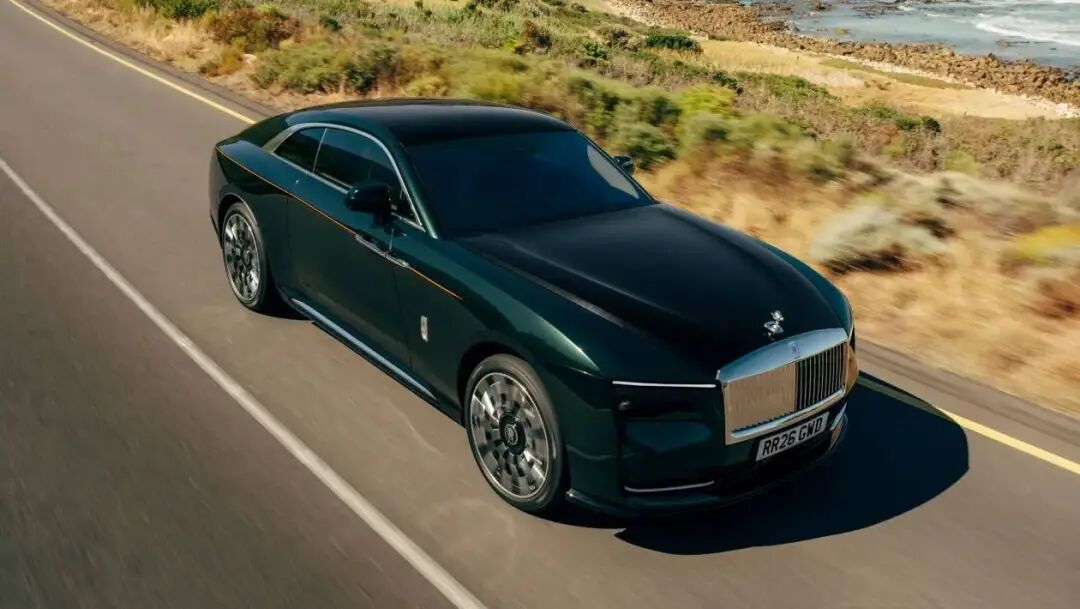
It is precisely because of such a large customer base that the arrival of the Spectre Series II is of great significance.
However, on domestic social platforms, the reception for this new car is quite different. The most-liked comments in the comment section are often full of ridicule.
After the electrification of these luxury brands and supercars, all that's left are the sentimental value and the premium gimmick of so-called handcrafted production. In fact, they have no chance against our domestic self-owned brands.
The era of electric vehicles has stripped these ultra-luxury brands bare.
It can be seen that in the past few years, many domestic consumers have received in-depth market education from models like the Hongqi S800, NIO ET9, and many domestic new energy vehicles in the mainstream price range. People are used to measuring the value of a car by self-developed chip computing power, wire-controlled active chassis, and high-level assisted driving based on integrated perception. The emblems and handcrafted production lines that ultra-luxury brands are proud of have become a so-called "IQ tax" in the eyes of many.
When the new energy wave impacts the original automobile evaluation standards, have those ultra-luxury brands that once stood at the top of the pyramid really reached the verge of unsustainability?
Electrification will make Ferrari face criticism, but it won't shake Rolls-Royce's position
Although it seems that Rolls-Royce's shift to all-electric is a major change today, in fact, this brand has a certain connection with electric vehicles.
In 1900, Charles Rolls, one of the founders of Rolls-Royce, experienced an early electric vehicle called Columbia. Then, in a piece of text that has been preserved to this day, he wrote his evaluation of this form of drive:
Electric vehicles are perfect. They are quiet, clean, and free from the stench and violent vibrations of fuel vehicles. If the problem of building fixed charging stations can be solved, they will become very practical.
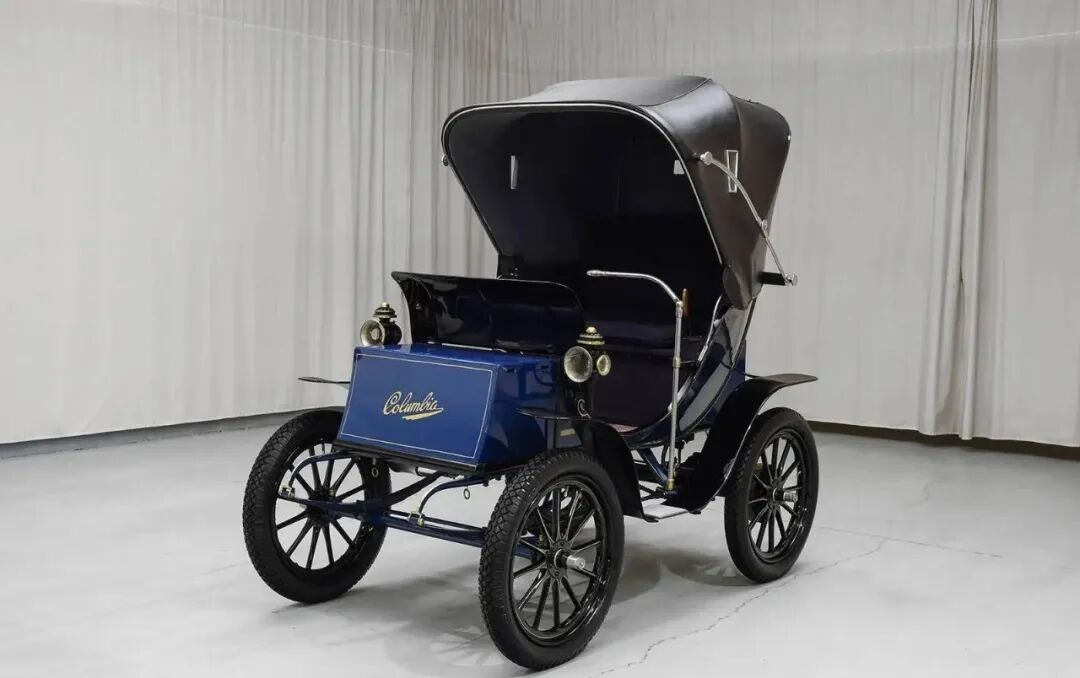
Columbia
In the following more than a hundred years, Rolls-Royce spent a high cost, using complex V12 engines, air suspension, and hundreds of kilograms of sound insulation materials to barely maintain this silent and vibration-free "magic carpet" feeling in the internal combustion engine era.
This is the difference between Rolls-Royce and other ultra-luxury brands.
For supercar brands, electrification strips away the emotional value provided by engine sound and mechanical pulling. Therefore, the newly released Ferrari Luce has attracted criticism from its fans. However, Rolls-Royce doesn't need the roar of the internal combustion engine. All-electric drive eliminates the presence of the internal combustion engine, which is actually closer to the original essence of this brand.
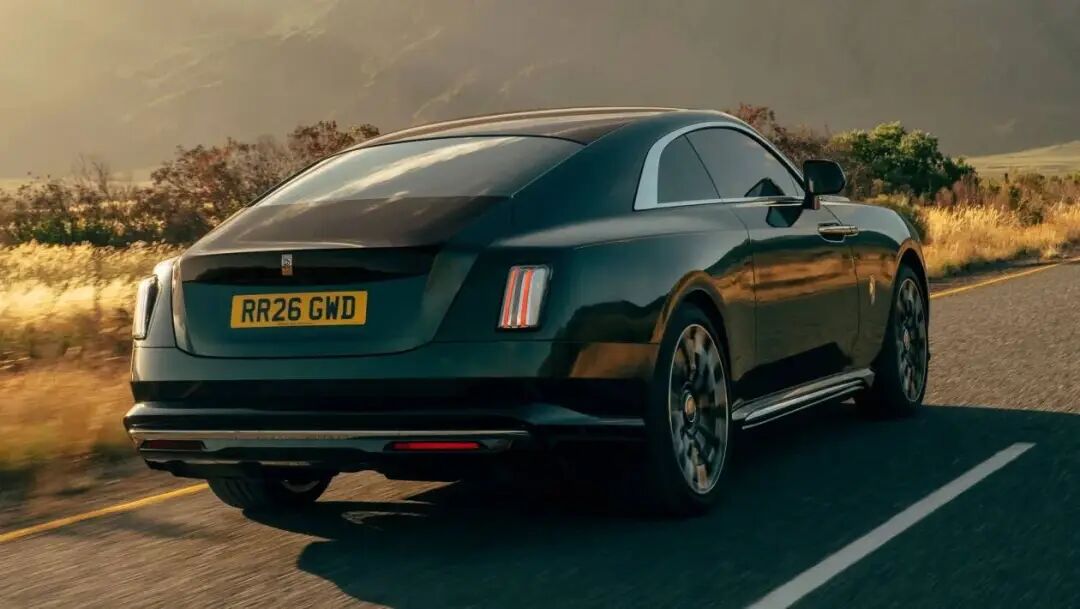
However, the fit in experience cannot cover up the commercial problems: the Spectre has experienced a sales decline of more than 40% in the past year or so.
The emergence of this situation is largely due to the "depreciation rate anxiety" caused by the all-electric label in the second-hand market.
In the traditional ultra-luxury market, V12 fuel vehicles usually have relatively stable financial attributes. Even though new cars also face depreciation, their core value is supported by both internal combustion engine technology and the brand totem. They can always maintain a price bottom line in the second-hand market that won't be broken. All-electric models are completely different. Due to the rapid iteration of underlying technology, they naturally have a serious consumer electronics depreciation attribute.
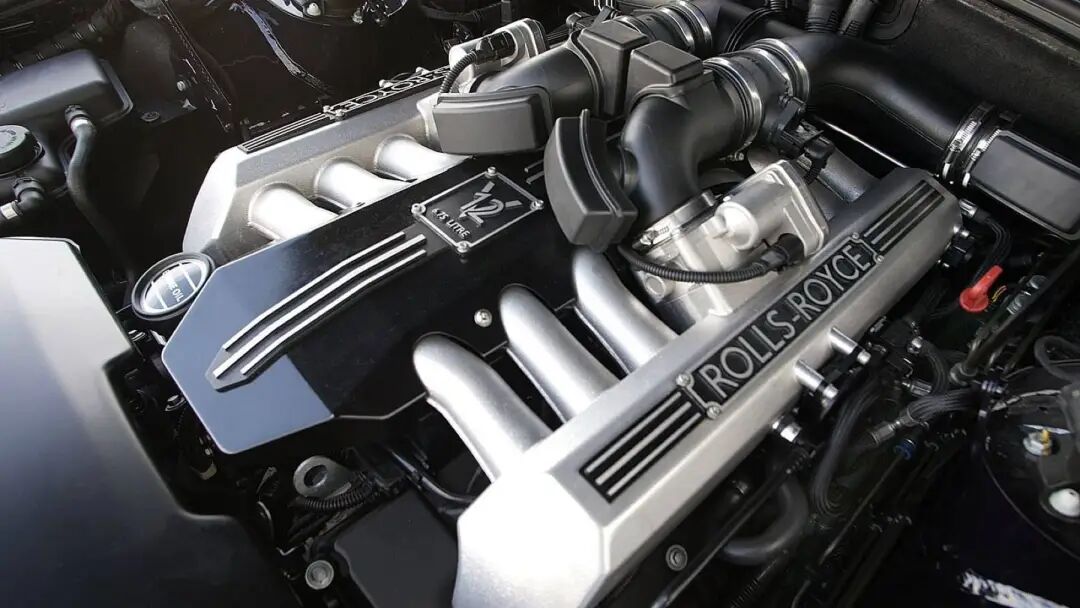
Five years later, the V12 engine of a Cullinan will still be a symbol of the peak of industry; but five years later, the battery pack, chips, and electric powertrain architecture of the Spectre are very likely to be easily surpassed by the mainstream domestic electric vehicles in terms of technology.
Who would be willing to spend millions on an "old model" that will soon fall behind in terms of range and power?
Therefore, Rolls-Royce first weakened consumers' concerns about the model upgrade in terms of parameters.
Rolls-Royce replaced the Spectre Series II with a newly developed battery pack. The WLTP range has been significantly increased from the previous 329 miles to 390 miles (about 627 kilometers). And in the more performance-oriented Black Badge version, the output power of the dual motors has been increased to 671 horsepower and 1,100 N·m.
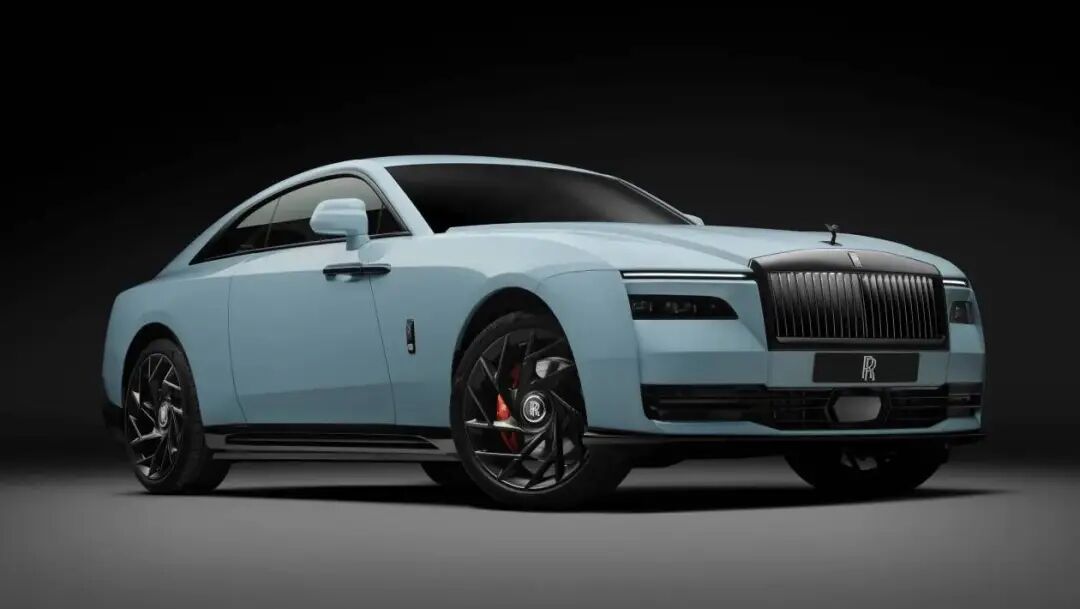
Spectre Series II Black Badge
Along with the changes in performance, there are also details in the cabin.
The Spectre Series II is standard with a new "clock display cabinet" in front of the passenger seat. A mechanical-looking analog clock and a miniature of the Spirit of Ecstasy in stainless steel are enclosed in a three-dimensional glass display cabinet.
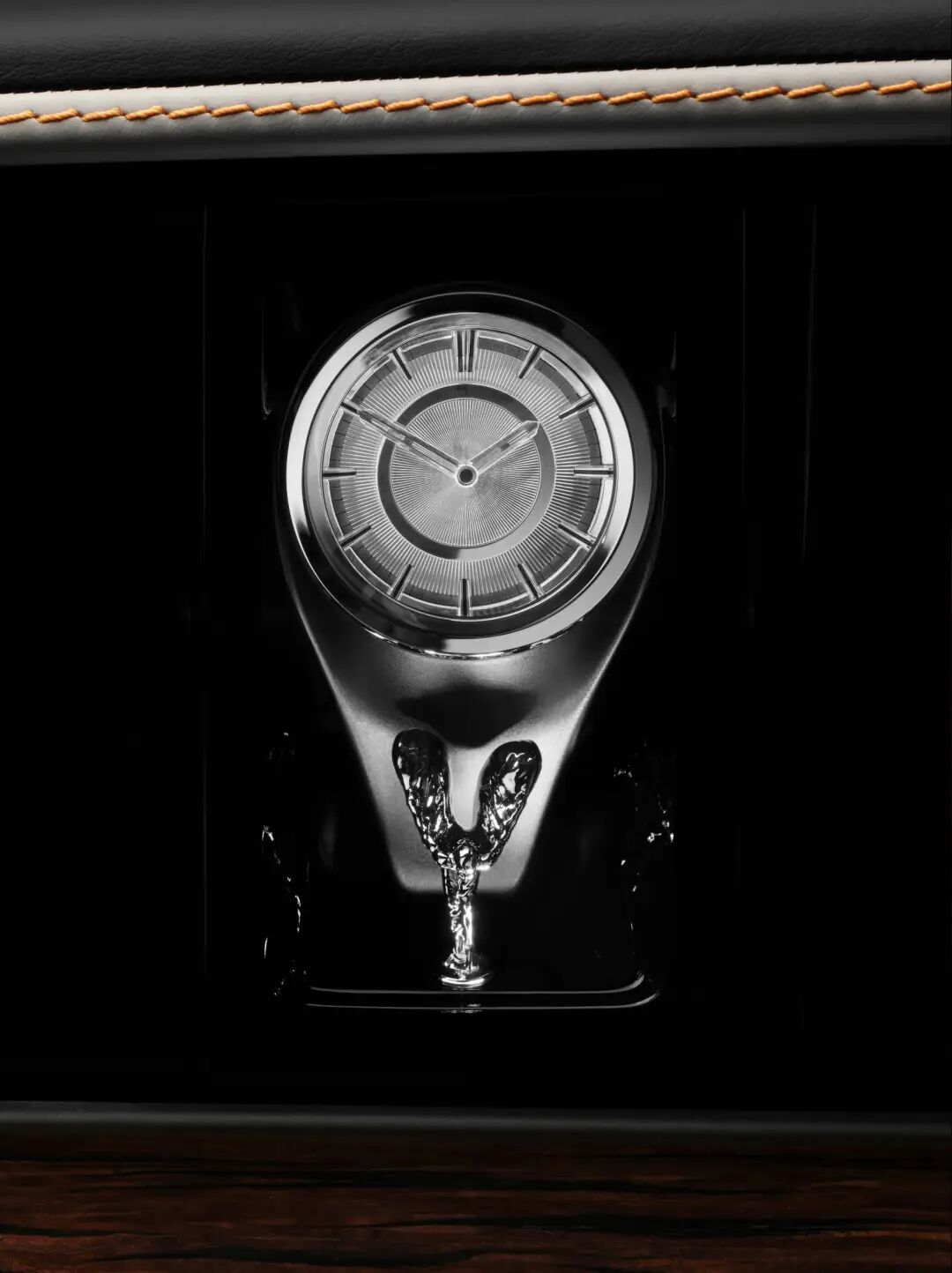
The more delicate backlight and dial engraving have successfully shifted the visual focus inside the car from the screen back to the traditional mechanical totem.
But these are all regular upgrades. Rolls-Royce is well aware that no matter how the center console is modified or the parameters are improved, all-electric vehicles will still depreciate over time. To counter this "consumer electronics fate" and restore the investment confidence of the wealthy, it is necessary to create a premium that cannot be easily erased by technological iteration outside of the motor and screen.
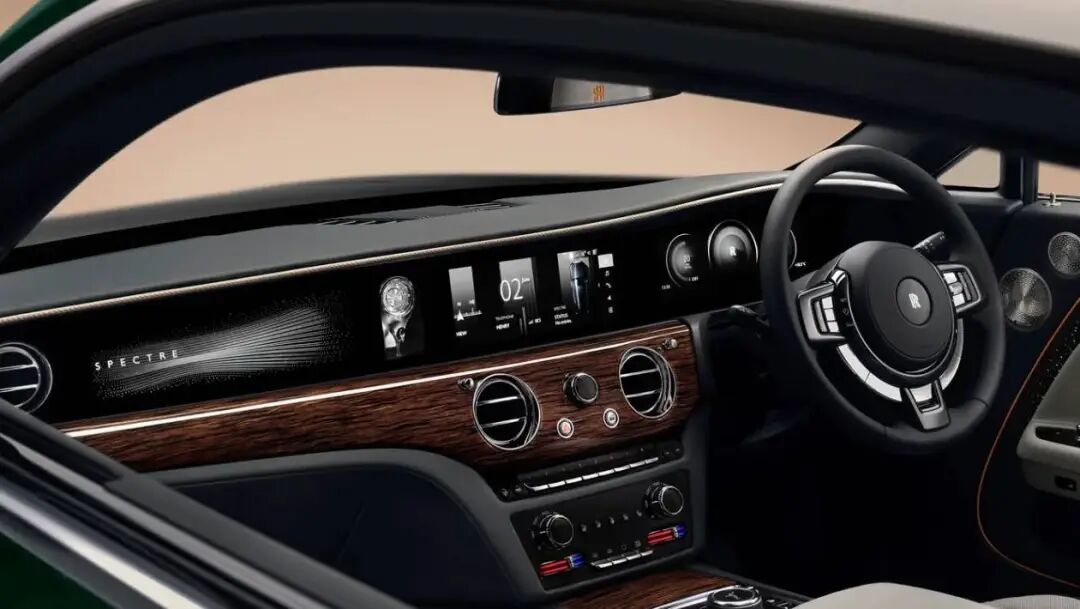
Therefore, Rolls-Royce chose to tilt the focus of improvement towards Bespoke personalization.
A prominent detail lies in the seats and trim panels. Rolls-Royce introduced a new bamboo fiber twill fabric called "Duality Twill" for this new car.
At the same time, in order to present a perfect texture inside the car, there are up to 2.6 million stitches in the embroidery of the entire interior, and the total length of the stitches exceeds 16 kilometers. Just the embroidery process alone requires craftsmen to work continuously by hand for 25 hours.
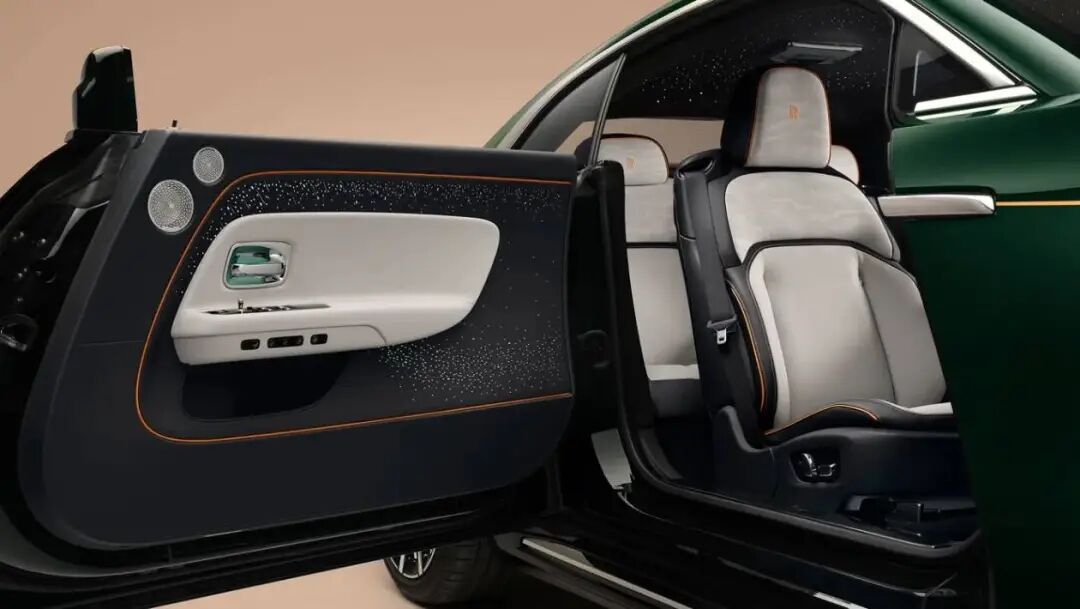
In an era when industrial assembly lines can mass-produce computing power, screens, and chips at extremely low cost, this labor-intensive manual work forms a high wall that divides industrial products from handicrafts.
Domestic luxury brands need to learn the "luxury goods" lesson
Facing the negative comments in the comment section, there are also some sober voices on the Internet. A netizen commented:
No matter how advanced your electric vehicle's three-electric system is, it's just like an ordinary computer, mobile phone, or smart watch, a mass consumer product. It's completely on a different level from ultra-luxury cars. The latter is like a private yacht or airplane.
Indeed, just as the Airbus A350 is much more advanced than the Gulfstream G700, in the social context, the Gulfstream, as a private plane, appears more affluent and luxurious than an Airbus.
Undoubtedly, the rapid progress of domestic new forces in dimensions such as computing power, chips, and intelligent chassis is a great victory for China's automobile supply chain. However, this "technology"-centered storyline naturally has the fate of consumer electronic products - rapid rise and fall.
The original technologies that the entire industry focuses on today may become the standard configuration of ordinary family cars in three to five years. When a car highly depends on rapidly iterating electronic components, its asset attribute will inevitably be discounted.
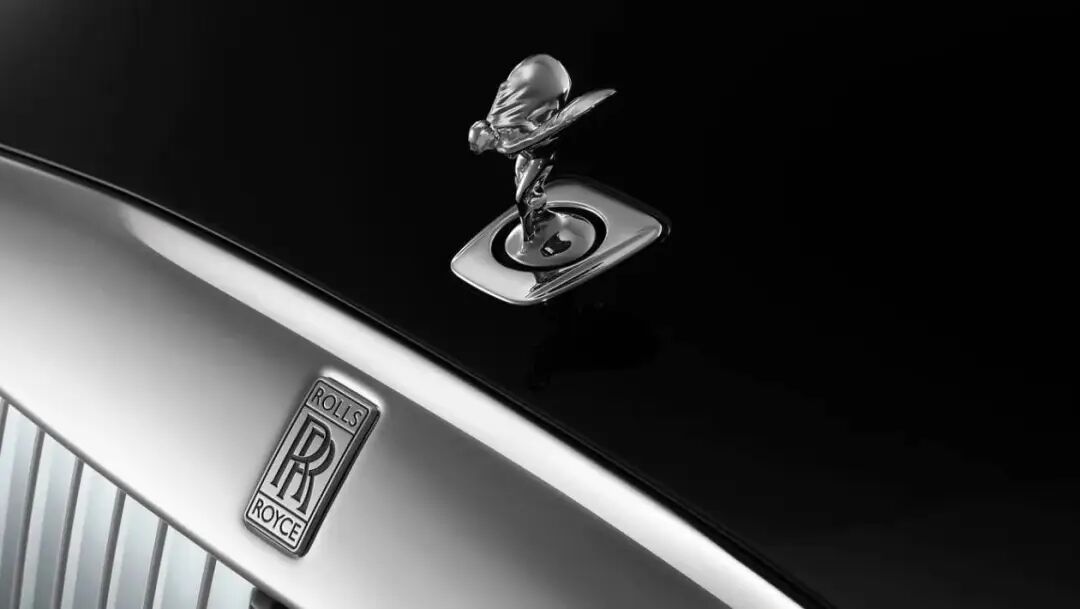
The reason why the Rolls-Royce "emblem" can be sold at a high price is precisely because it is not afraid of the passage of time.
When the wealthy buy the Spectre, they are actually buying a hard-to-replicate social consensus and an unspoken sense of identity.
And these are exactly what domestic brands generally lack when trying to break through the million-yuan price ceiling. To truly achieve brand upgrading, domestic automakers need to learn from the "luxury goods logic" from the "industrial product thinking".
There is an iron law in the operation of the modern luxury industry: maintain a sense of distance and even reject customers.
Luxury giants such as Chanel and Hermès often maintain the purity of their core customers through continuous class screening and quota mechanisms. Even in the automotive circle, ultra-luxury brands such as Ferrari and Lamborghini are the same.
If self-owned luxury brands want to break through to a higher level, they must achieve complete isolation in terms of channels, services, and the perception of the parent brand, rather than using the same blue backlit buttons as the 150,000-yuan models of the parent brand.
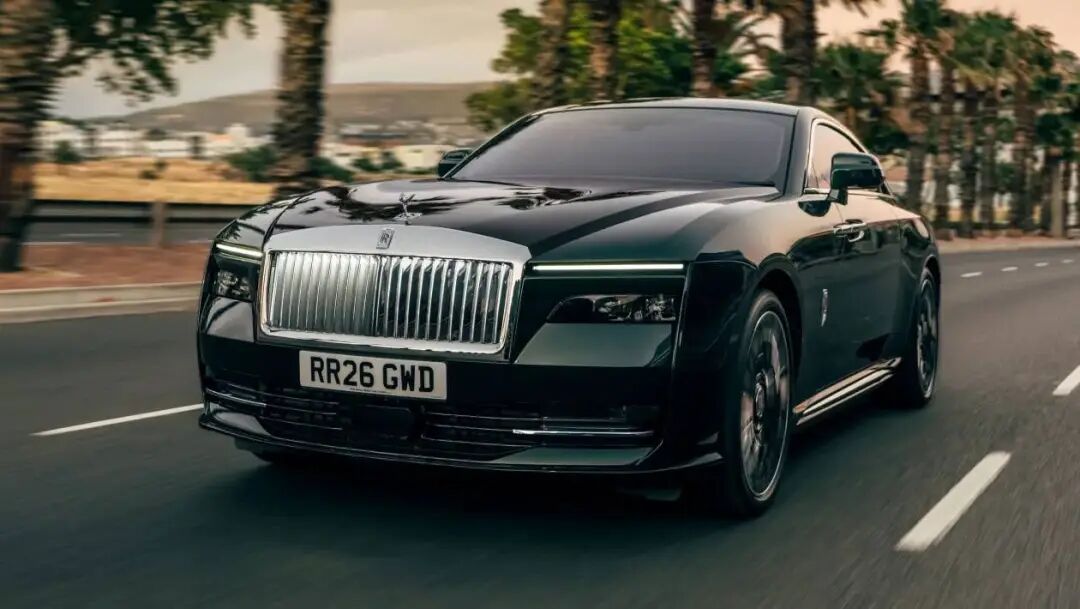
Another thing that needs to be broken is the excessive catering to Internet traffic.
The luxury industry has always been an "aesthetic dictatorship" industry. It is used to enlightening and educating the market from a high position, rather than pleasing the public. Domestic new forces have grown up in a fierce public opinion field. Their founders often need to interact with netizens on social platforms frequently, respond to doubts, and even personally participate in public relations battles.
This down-to-earth style can bring high-frequency exposure and sales in the early stage of establishment, but when building an ultra-luxury brand, frequent exposure will also erode the dignity that the brand needs to maintain.
What the wealthy need is not a brand that is constantly in the hot search arguing with keyboard warriors, but a symbol that can represent their lifestyle and dignity.
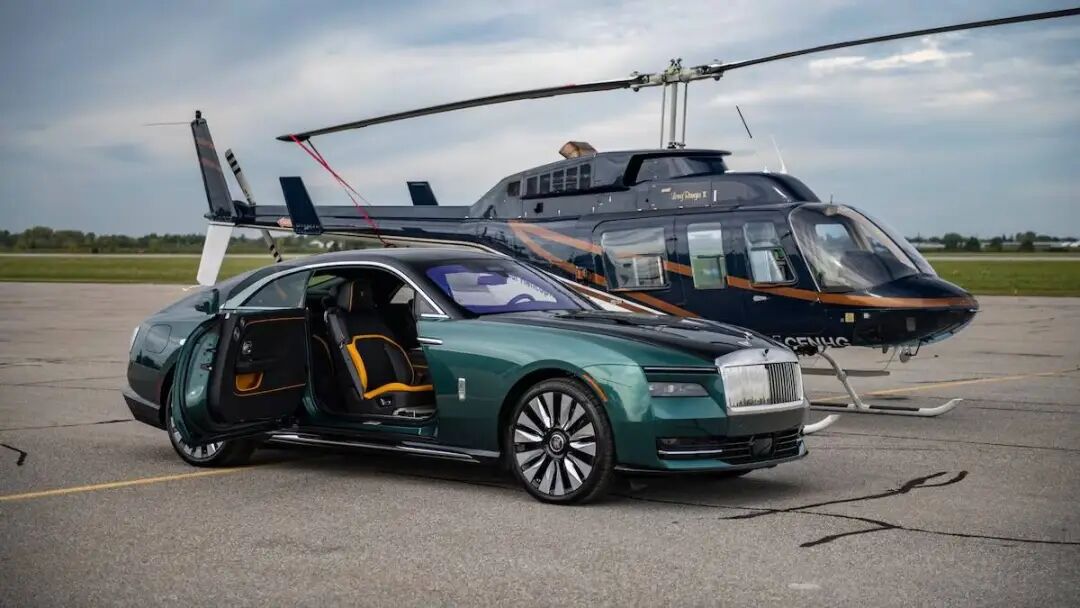
The dividend of technological equality has allowed Chinese automobiles to win the first half of the intelligent era and completed the "change of dynasty" from the Western fuel vehicle monopoly.
But when large screens, computing power, and assisted driving are popularized in every price range, the outcome of the second half will completely depend on the shaping of aesthetics, culture, and class consensus.
When our ultra-high-end brands can stop using cost-effectiveness and redundant parameters to please everyone, and instead learn to use unique Eastern aesthetics to attract and screen that small group of new elites of the era, our own totem will truly be born.
The Rolls-Royce Spectre Series II still stands on the altar. Its "