Just as Elon Musk abandoned building a factory, Japanese car companies rushed in. India has caught a big fish. Chinese enterprises need to be vigilant about technology "hitching a ride" to go global.
Some time ago, Elon Musk just abandoned plans to build a factory in India, and Japanese carmakers immediately rushed into the country. Toyota, Honda, and Suzuki, three Japanese automakers, have invested $11 billion in India. How desperate are they?
The reason for Japanese carmakers to heavily bet on the Indian market is simple: their presence in the Chinese market will gradually fade away.
In the fiscal year 2025, Nissan incurred a loss of 533.1 billion yen. Honda reported a net loss of 423.9 billion yen, marking its first annual loss since its listing in 1957.
In 2025, the total sales volume of Toyota, Honda, and Nissan in China was approximately 3.08 million vehicles. Their market share in China dropped from a peak of 23.1% to 9.8%.
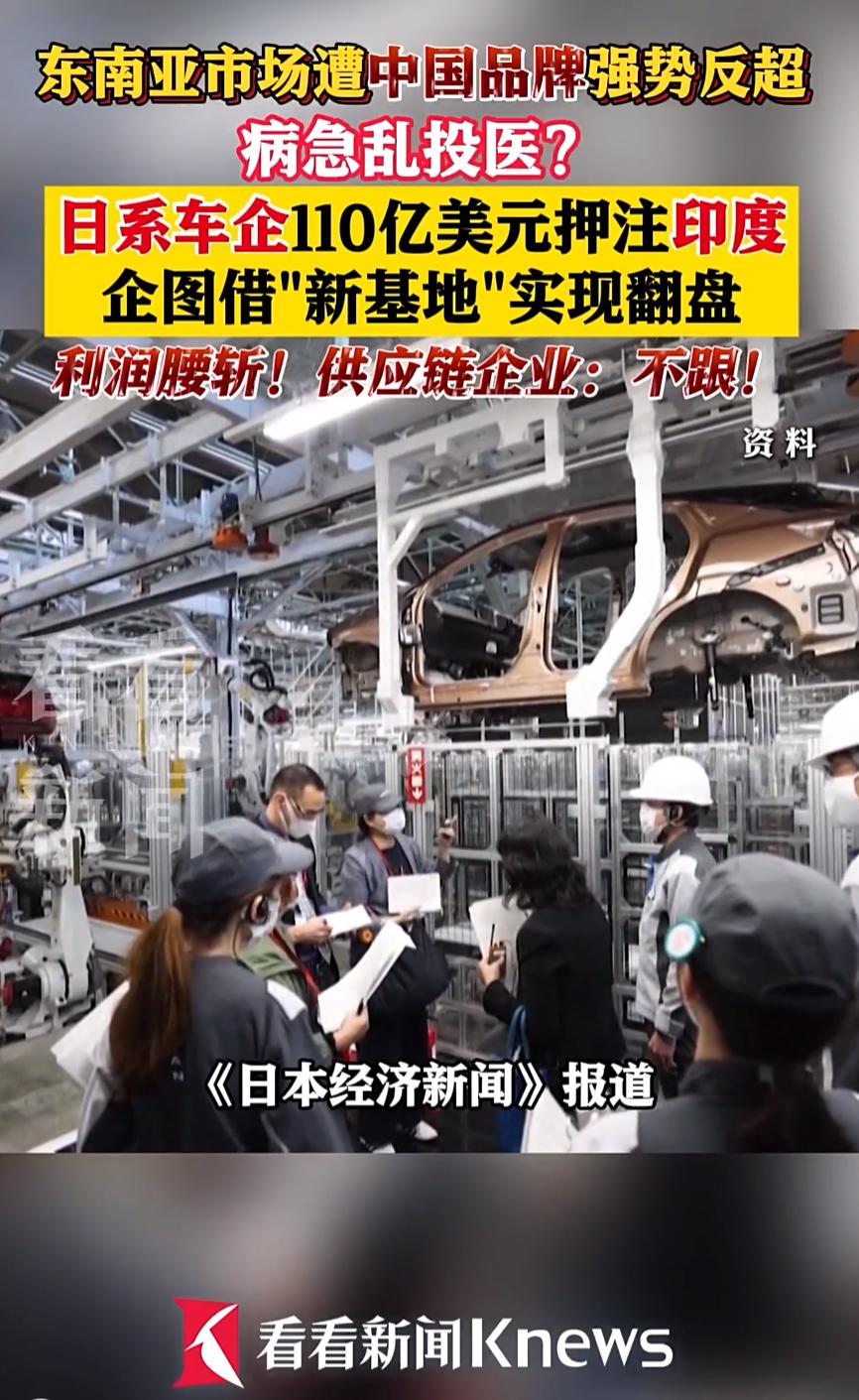
Previously, the Chinese and American markets were the two largest growth engines for Japanese carmakers. Now, the Chinese market has lost its momentum.
Last year, Honda's sales volume was nearly 1 million vehicles less than its peak in 2020, a decline of 24%. Nissan's sales have been declining for seven consecutive years. Only Toyota managed to maintain a sales volume of 1.78 million vehicles with a slight increase of 0.2% by relying on hybrid vehicles and significant price cuts.
Japanese carmakers are seeking a new growth engine to replace the Chinese market. Globally, no other market can match the scale of the Indian market.
Japanese carmakers' strength lies in fuel-powered vehicles. Currently, the penetration rate of new energy vehicles in China has reached 60%. In terms of electrified driving experience, smart large screens, features like "refrigerator, color TV, and big sofa", smart voice systems, smart cockpits, and intelligent driving, Japanese carmakers find it difficult to compete with Chinese carmakers.
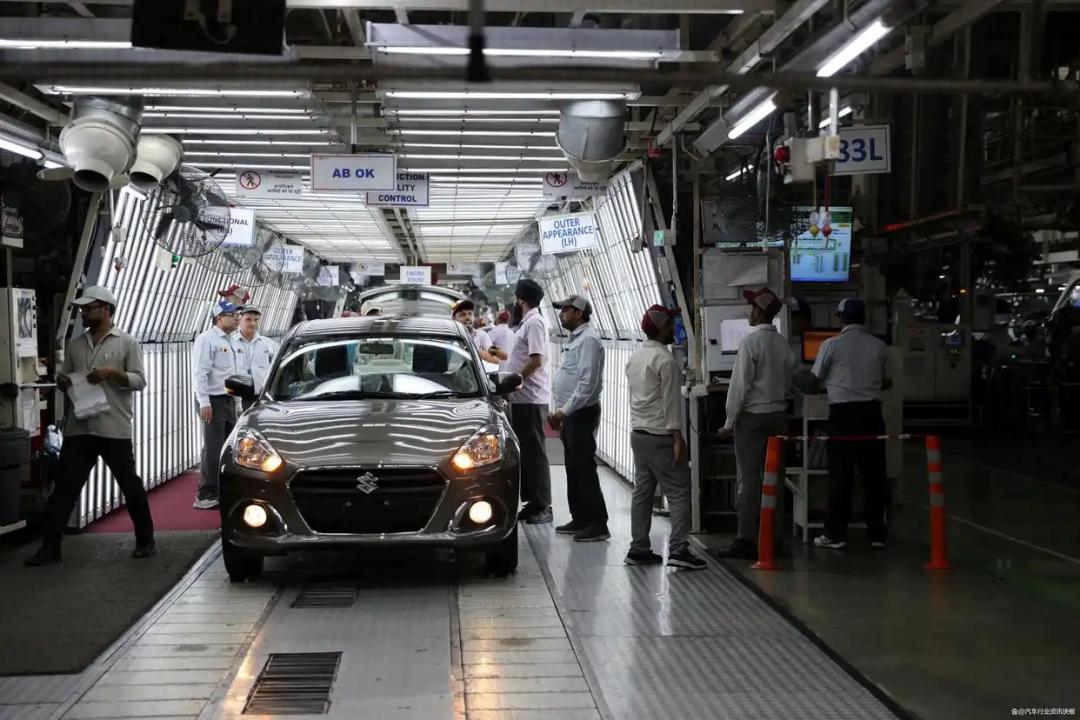
Going to India to Develop Electric Vehicles: Japanese Carmakers Aim to Recover in the Indian Market After Setbacks in China
Industry insiders intuitively believe that Japanese carmakers are flocking to the Indian market to sell fuel-powered vehicles.
However, Japanese carmakers have been selling fuel-powered vehicles in India for a long time. This large-scale shift to the Indian market is not solely about selling fuel-powered vehicles. One of their goals might be to sell electric or hybrid vehicles.
For India, the development of electric vehicles is both urgent and necessary. After all, India highly depends on overseas oil imports. If the electric vehicle industry develops, the pressure on oil imports will be greatly relieved.
India has long aspired to become an alternative to Chinese electric vehicles in the new energy vehicle field. It dreams of obtaining China's battery, motor, and electronic control technologies.
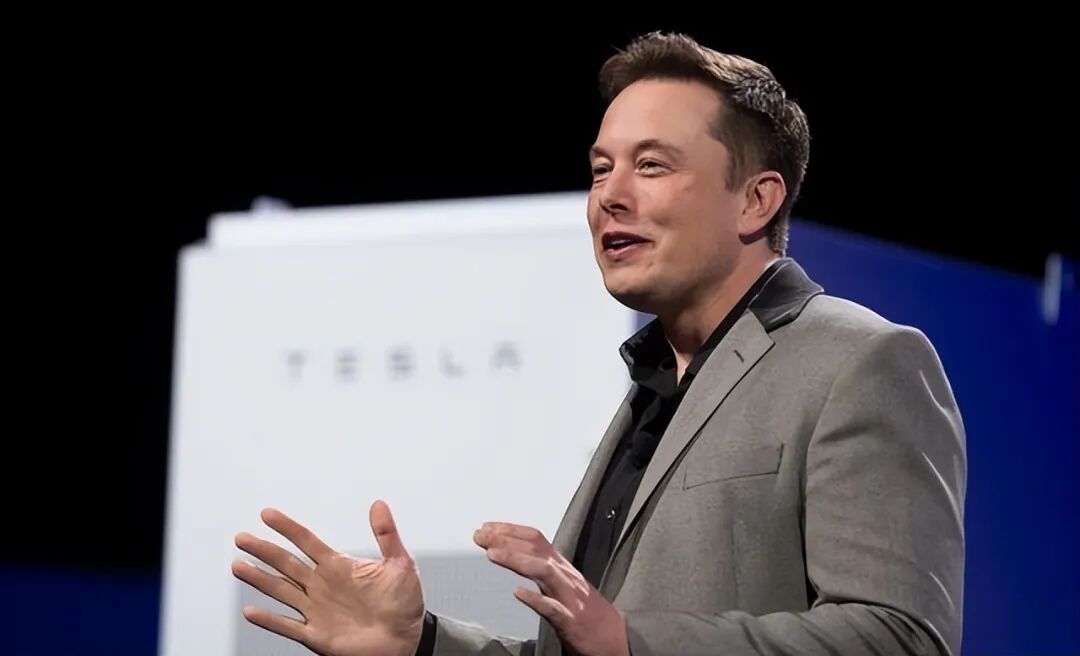
After Tesla abandoned its plan to build a factory in India, The Indian Express accused Tesla of playing with India's feelings and claimed that the Modi government regarded Tesla as a "flagship project of Make in India." Now, the "dream is shattered," which has dealt a blow to the confidence of the domestic electric vehicle industry.
Why did India react so strongly to Tesla's decision? Most of Tesla's core suppliers are located in China. Key components such as batteries, motors, and electronic controls highly rely on China's mature supply chain system.
Originally, India thought that if Tesla came, it would bring an entire Chinese industrial chain to India, thus kickstarting India's electrification strategy. However, this hope has now been dashed.
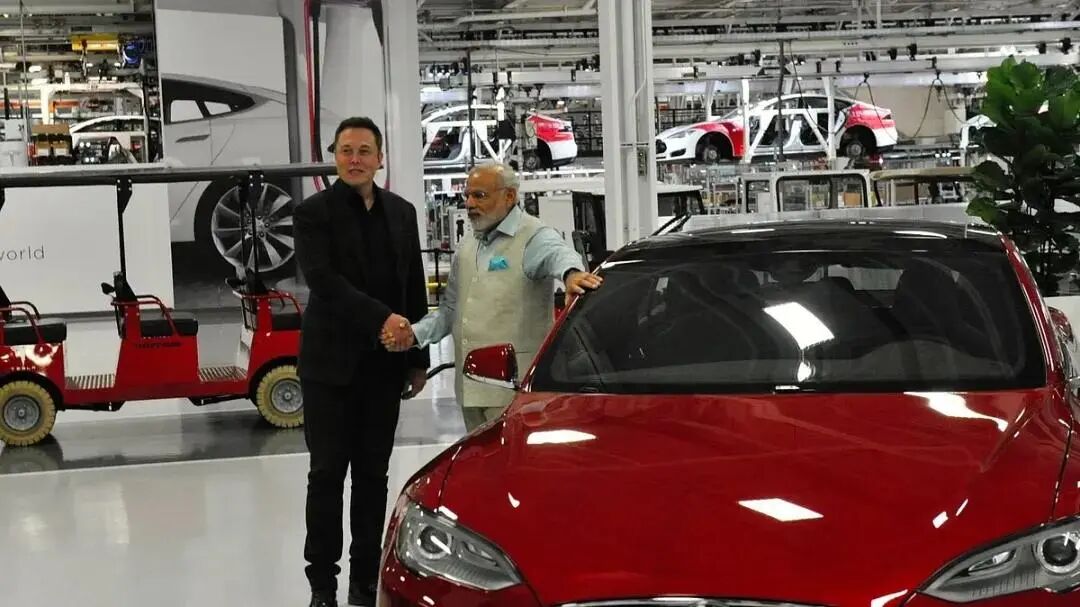
Therefore, if Japanese carmakers go to India to produce fuel-powered vehicles, they may not be particularly welcome. This high - profile move is not just about following the old path but also about seizing India's urgent demand for electrification.
The penetration rate of electric vehicles in India is only 2.5%. If Japanese carmakers invest in fuel - powered vehicle production capacity now, it will become a burden when India fully embraces electrification in three to five years.
Now, Japanese carmakers have come up with an idea: they can't compete with Chinese electric vehicles in the Chinese market because Chinese electric vehicles are the most advanced in the world. However, in the Indian market, they can gain an advantage.
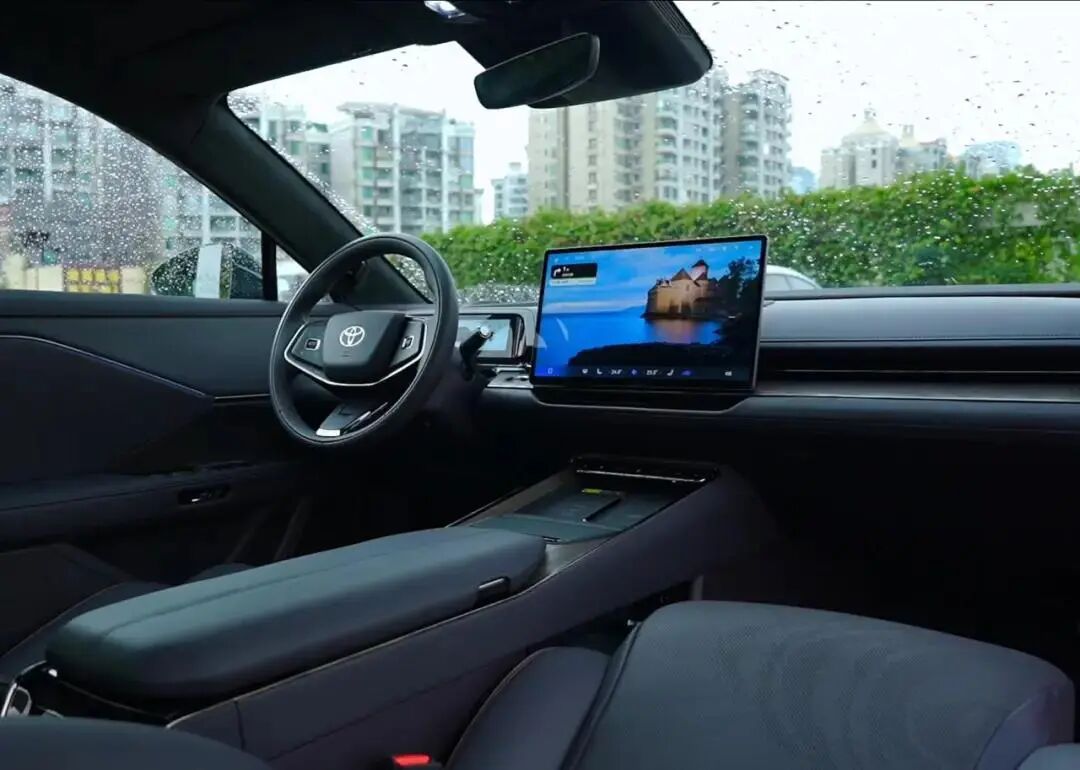
It's worth noting that Japanese carmakers, including Toyota, are fully embracing Chinese electrified components. Toyota has implemented the RCE (China Chief Engineer) system. The exterior design is entrusted to domestic design teams, and most of the main components are sourced from domestic suppliers.
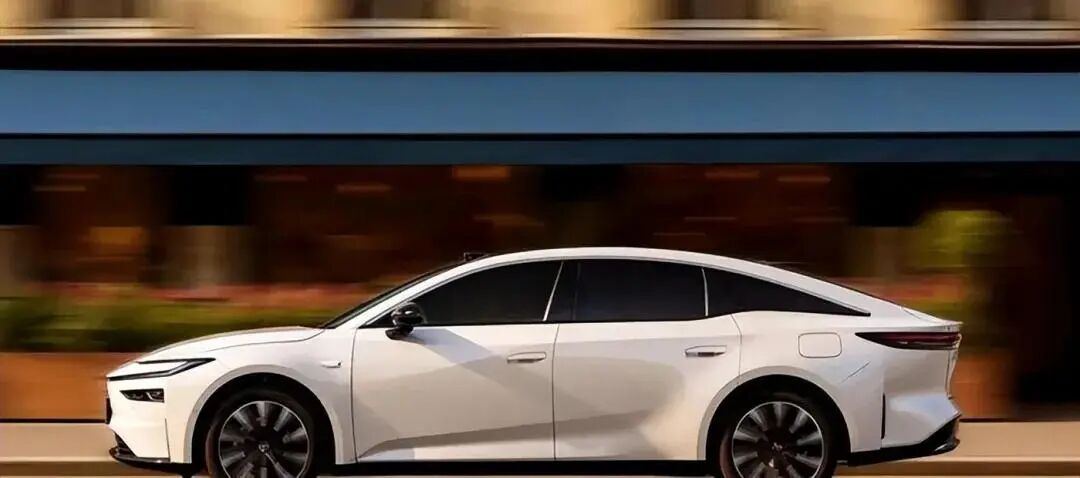
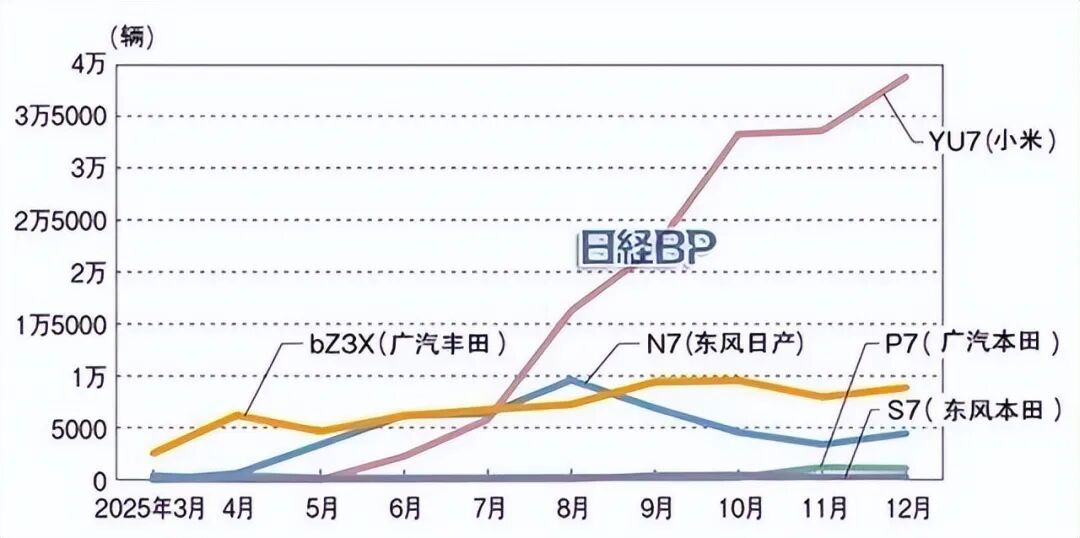
In March 2025, Toyota launched the all - electric SUV bZ3X in China, which sold well. This vehicle was jointly developed by GAC Toyota, and nearly 90% of its components come from Chinese suppliers.
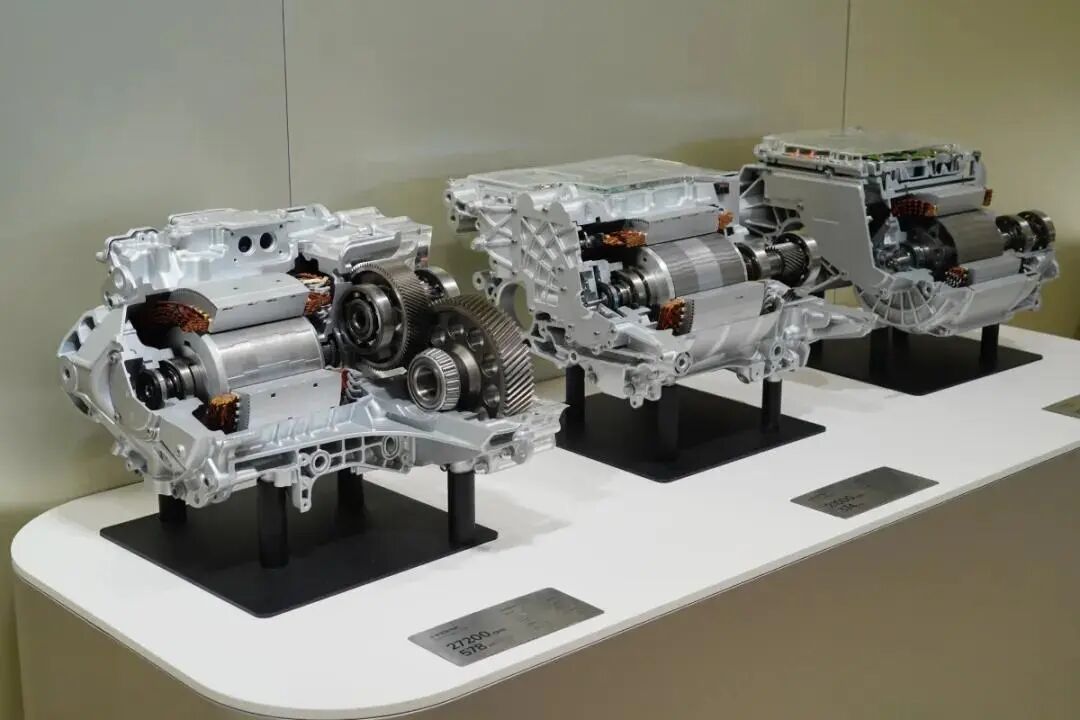
Most of the components in Toyota's bZ5 and bZ7 are also sourced from China. In Nissan's all - electric sedan N7, the battery is supplied by CATL, the intelligent driving system is from Momenta, and the core three - electric systems are almost entirely sourced from the Chinese supply chain.
Currently, Toyota plans to invest $3 billion with the goal of increasing its market share in India from 8% to 10%.
Honda aims to turn India into a production and export center for electric vehicles. Suzuki plans to invest $8 billion to increase its annual production capacity in India from 2 million to 4 million vehicles.
Japanese carmakers want to turn India into a production and export center for electric vehicles. Where will they get the production capacity and technology? It will undoubtedly come from China.
By heavily investing in India, Japanese companies may leverage China's electric vehicle component industrial chain to enter the Indian market and expand their business there.
What we need to be vigilant about is India's attempt to obtain Chinese technology and industrial chain through a roundabout way.
India Catches a Big Fish: China Needs to Plug the Loophole of Foreign Enterprises Using Chinese Technology to Expand Overseas
Previously, on May 25th, New Delhi Television (NDTV) reported that China's new export control regulations may further strengthen restrictions on the supply chain, triggering strong concerns in India's electronics and automotive industries.
It should be noted that since 2025, China's new export control regulations are not a ban on sales but a full - chain standardized management.
From key rare earths and high - performance magnets, with comprehensive export licenses required, to high - end lithium batteries and related materials (such as high - energy - density battery cells above 300Wh/kg, ternary/ lithium iron phosphate cathodes, artificial graphite anodes, and core lithium - battery materials), all are subject to approval systems.
Moreover, for key manufacturing equipment, including lithium - battery production, high - end electronic manufacturing, and precision component production equipment, technology transfer is strictly controlled.
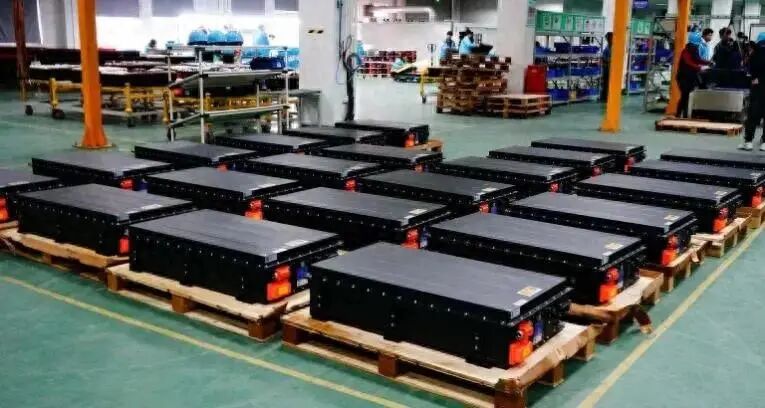
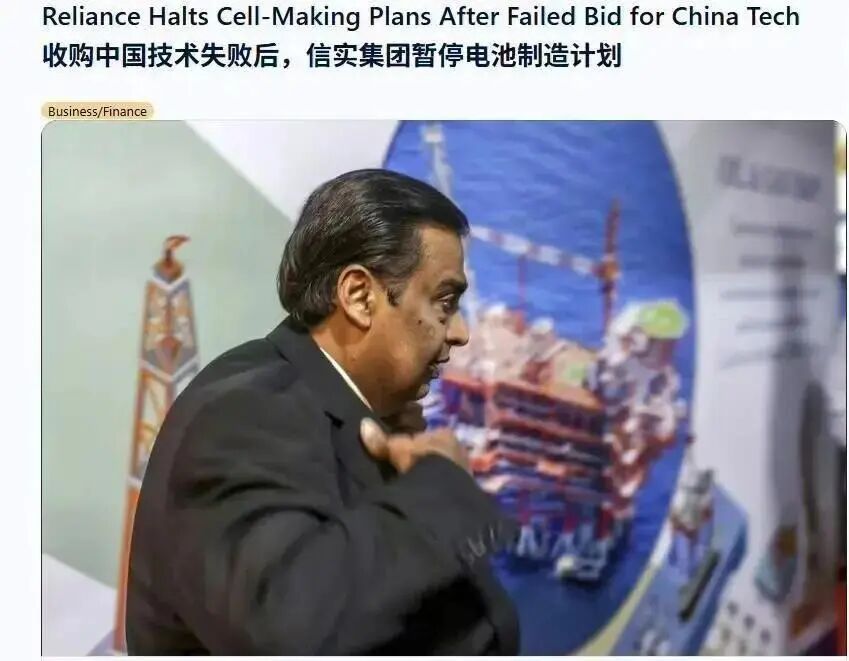
After China introduced new regulations to strengthen export control on key battery manufacturing technologies and equipment, the equipment purchased by Reliance for its advanced lithium - battery project worth hundreds of millions is now sitting idle in the factory.
Currently, Chinese enterprises have become immune to the Indian market. Although India has opened a priority approval channel for Chinese investment, Chinese investors remain cold - shouldered.
Previously, Chinese enterprises were eager to invest in India, but now they are reluctant to do so because they have been burned by India's "pump - and - dump" schemes. India is unhappy and blames Chinese capital for locking up supply - chain technologies and hindering the development of India's manufacturing industry. India realizes that it is becoming increasingly difficult to obtain technology from Chinese enterprises.
If Japanese carmakers bring a series of Chinese electric vehicle component technologies to India and establish joint - ventures, India can also obtain China's key manufacturing equipment and precision components and gradually build its own industrial chain.
Why is Tesla reluctant to go to India? It either has to build a supply chain from scratch at an extremely high cost; or it has to introduce Chinese suppliers, which may cross the red line of investment review.
However, have Japanese carmakers considered this issue? To reduce costs in Indian vehicle manufacturing, Japanese automakers cannot bypass China when it comes to components, molds, and production lines. Toyota has planned to fully adopt Chinese components in its Southeast Asian bases such as Thailand starting from 2028.
Japanese carmakers are lagging behind in the fields of smart cockpits and assisted driving. Most likely, they will still need to cooperate with Chinese technology companies.
Toyota's bZ7 has already adopted Huawei's motors and Hongmeng cockpit system. Toyota uses a complete set of Chinese equipment and technology. From batteries to motors, electronic controls, and chips, from operating systems to intelligent driving algorithms, Chinese local enterprises can provide complete and deployable solutions that have been proven at scale. This technological dependence will not disappear just because the factory is moved to India.
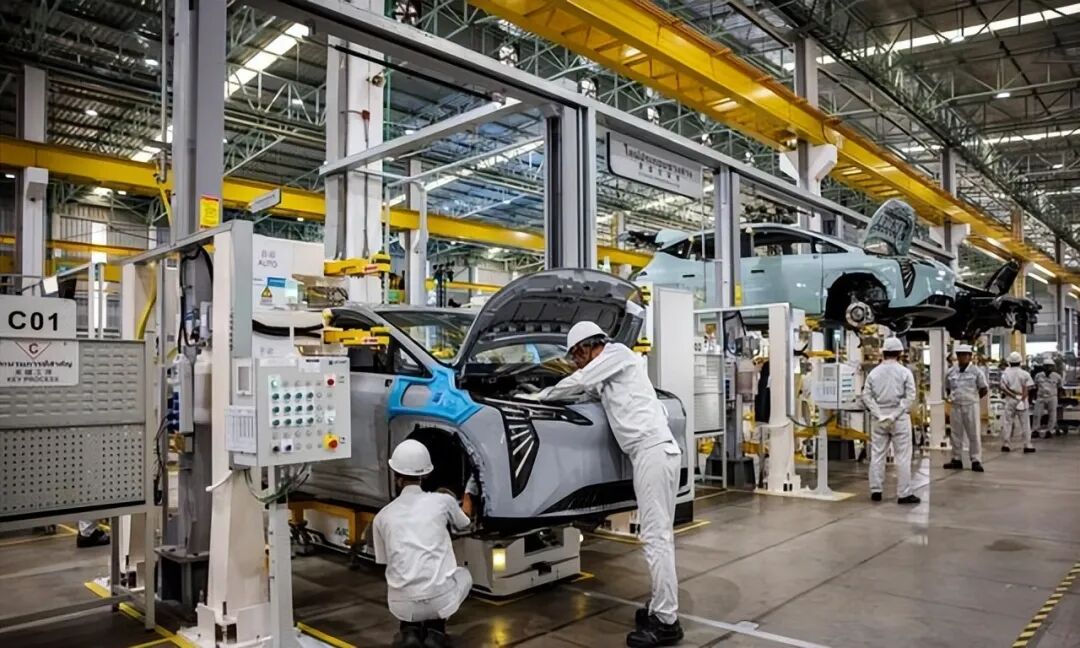
If Japanese carmakers focus on fuel - powered vehicles in India, China has no say. However, if they take China's key components, molds, production lines, and key production equipment to build an electric vehicle factory in India and support India's electric vehicle industry, China may need to be vigilant.
China should strictly control the export of relevant key technologies through foreign enterprises. The upstream and downstream of the industrial chain should also stay alert regarding Japanese carmakers' plan to develop the electric vehicle market in India.
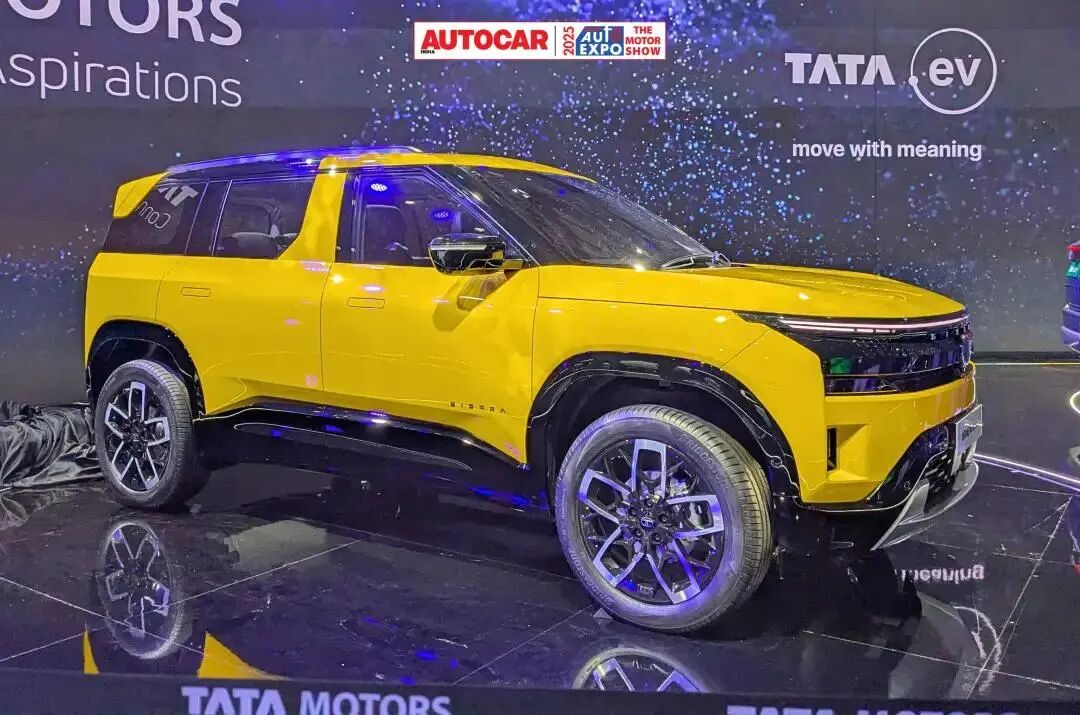
Obviously, the industry is well - aware that India's "pump - and - dump" scheme is waiting. India's goal of introducing foreign electric vehicle companies is to support the development of domestic giants such as Tata in the new energy vehicle industry.
Coupled with high tariffs, slow approval processes, numerous land disputes, and sky - high anti - monopoly fines based on 10% of global turnover in India, various pitfalls are already in place.
Why did Tesla abandon its plan? It's not only because of Apple's precedent of being fined $38 billion. Elon Musk also personally visited New Delhi last year and had several rounds of discussions. He found that India's rule of "skinning foreign investment first" remained unchanged.
Japan has now decided to take a gamble. If it doesn't go to India, it's waiting for death. If it goes to India and gets scammed, India may at least leave some scraps for it.
Therefore, entering the Indian market has become a necessary move for Japan. As a result, India's electrification strategy has caught another fearless big fish.
Tesla has left a gap, and Japanese carmakers want to fill it. However, if Japanese carmakers want to find a way out in India, it may be okay if they focus on fuel - powered vehicles. If they focus on electric vehicles, they may be directly restricted by China's export and transfer ban on core components and technologies. Japanese carmakers' attempt to rely on the Chinese supply chain to develop the electric vehicle market in India may be a dead - end.