It's already 2026. Why can auto-renewal of apps still deceive people?
If there is a question in the Internet circle that is "examined every year but always answered incorrectly", it might be none other than the automatic renewal of apps. You uninstall an app, but it keeps quietly deducting money. It's not until you accidentally see an abnormal deduction reminder in your payment app that you suddenly realize what's going on. Similar incidents have been reported by news media more than once.
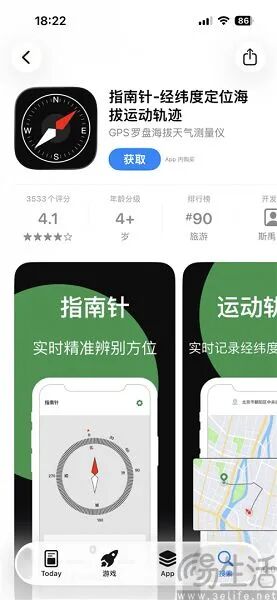
Recently, in a relevant report by Daxiang News, a 60-year-old aunt in Hangzhou downloaded an app called "Compass" from the Apple App Store to check the altitude when she went climbing in Tonglu last November. She uninstalled it right after use. She thought that was the end of it, but half a year later, she found that the app had been deducting 67 yuan from her account every week, with a total deduction of 1,608 yuan.
What's even more shocking is that this "Compass" app has accumulated more than 3,500 reviews on the App Store, almost all of which are one-star reviews. The content of the reviews is mostly about "stealthily deducting users' money", "random deductions and unclear refund policies", and "the app is free to download, but it starts secretly deducting money from the second week".
Now, if you search for news about "app automatic renewal" on search engines, you'll find a large number of them. There are also countless guides on how to avoid being scammed. But why do some people still fall victim to it?
When you look through the content about app automatic renewal scams, you'll find that the victims in recent years are mostly the elderly. This phenomenon is the result of a series of coincidences. Due to Apple's focus on user privacy protection and the convenience of iOS, many children choose iPhones for their elderly parents.
Actually, buying a mobile phone for the elderly is not an easy task. In the past, people thought feature phones were more suitable for them for the sake of convenience. But if you think about it, the elderly today were in their prime twenty years ago, so they are not isolated from the Internet. When the elderly also need smartphones to browse Weibo, watch Douyin, and play mobile games, if the budget allows, the iPhone, which is easy to use, is obviously a better choice.
After all, iOS has stricter permission management, and the App Store conducts thorough reviews, which can protect the elderly from rogue apps. However, while Apple can deal with the "rogues" that explicitly ask for permissions, it is helpless against the "gentleman thieves" who play word games. The "Compass" app exposed this time is no different from other apps with automatic deduction problems. It still uses the old trick of "free trial + automatic renewal".

Many users often think that they'll take advantage of the free trial first and cancel the subscription after the trial period. In this way, they can experience the service without spending money. The problem is that subscription services are often demand-driven and immediate actions, and users tend to forget about them over time. For example, the aunt in the news report downloaded the "Compass" app to check the altitude during her mountain climb and then uninstalled it.
Moreover, even if users remember to cancel the subscriptions they don't need, Internet companies will create obstacles in the cancellation process. For example, they may hide the cancellation button, making it difficult for users to find the relevant item after several steps. In addition, they don't remind users of the cancellation steps and don't send notifications when the subscription is about to expire, which makes it even harder for users to get out of the "trap".
Unscrupulous developers actually take advantage of the loophole in iOS subscription services, that is, Apple allows free trials to be bundled with paid subscriptions. When users agree to the free trial, they also agree to the subsequent automatic renewal service. That's why the authorization window still shows the amount after clicking "Free Trial".
