Ferrari's first all-electric car: Collaborating with the designer of the iPhone, but looking eerily similar to the Li Auto L6?
In November last year, Benjamin Baum, the senior design director of Li Auto, made a rather bizarre statement during a media interview.
Just wait and see the exterior design of Ferrari's pure - electric vehicle. Its form is actually very similar to our i - series because they understand that an electric vehicle has to be in this shape.
At that time, the Internet was filled with mockery of this statement. In most people's existing perception, Ferrari is always associated with a low - slung stance and the roar of the engine. Discussing the proud Italian super - car and a family car focusing on space and comfort in the same context sounds somewhat absurd.
Time has given the answer.
Early this morning, Ferrari officially launched their first pure - electric model, Luce, in Rome. This word means "light" in Italian, symbolizing illuminating the way forward. The starting price of Luce in Italy is as high as 550,000 euros, approximately 4.35 million RMB.
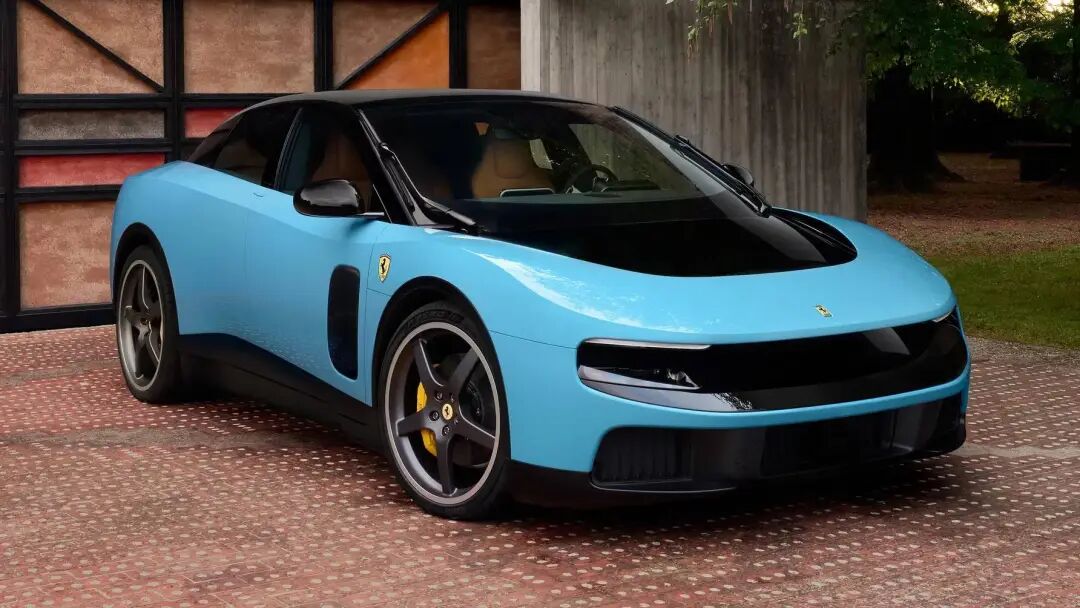
When Luce removed its disguise at the press conference, Benjamin's prediction was verified. This 5 - meter - long pure - electric vehicle adopts a one - box structure similar to Li Auto's i - series. It is Ferrari's first 5 - seat model ever and also the Italian super - car brand's quietest response to the era of electrification.
The Prancing Horse Arriving with Light is Mechanical Art, Not an Electronic Product
Ferrari made an unusual decision when creating such an outstanding car.
This extremely important project for the first pure - electric model was not entrusted to Ferrari's in - house design studio led by Flavio Manzoni. Instead, they joined hands with a design studio called LoveFrom. The founders of this team are Sir Jonathan Ive and Marc Newson, who created the golden age of Apple's industrial design.
Ferrari hopes to open up a new perspective with LoveFrom's accumulation in the luxury and technology industries.
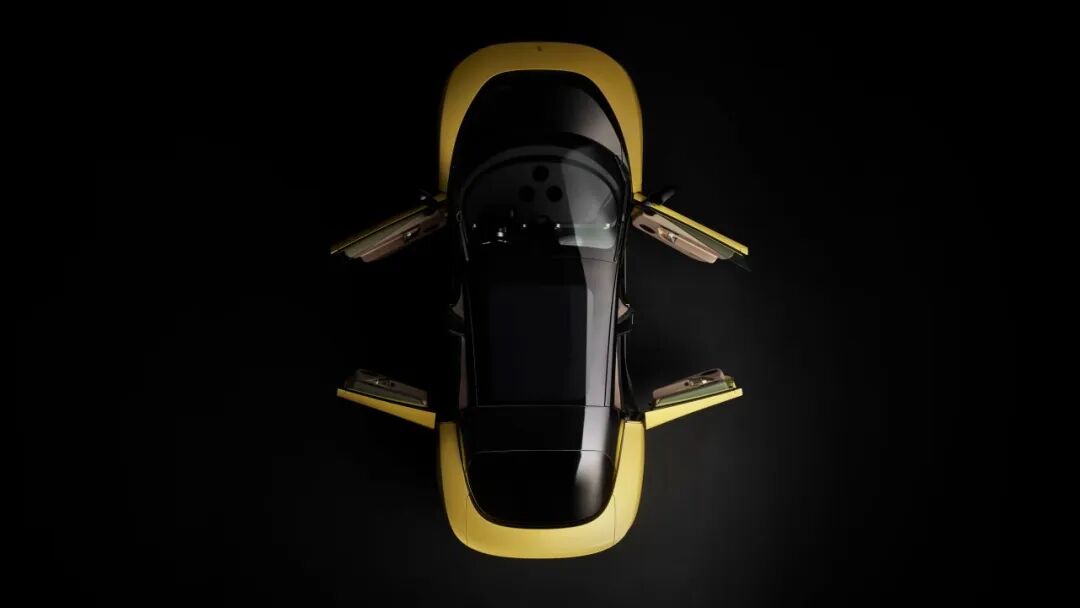
Inspired by the minimalist aesthetics of smart devices, Luce adopts a design concept called the "glass house". Corning's Gorilla Glass is widely used on the upper part of the car body, the windshield, and the center console. To pursue the ultimate sense of craftsmanship, the joint precision between the rear edge of the engine hood and the windshield reaches the millimeter level. The windshield wipers are not hidden in the middle like in regular vehicles but stay on both sides of the windshield respectively.
This is a very delicate approach, reminiscent of the classic racing elements of Ferrari's early days.
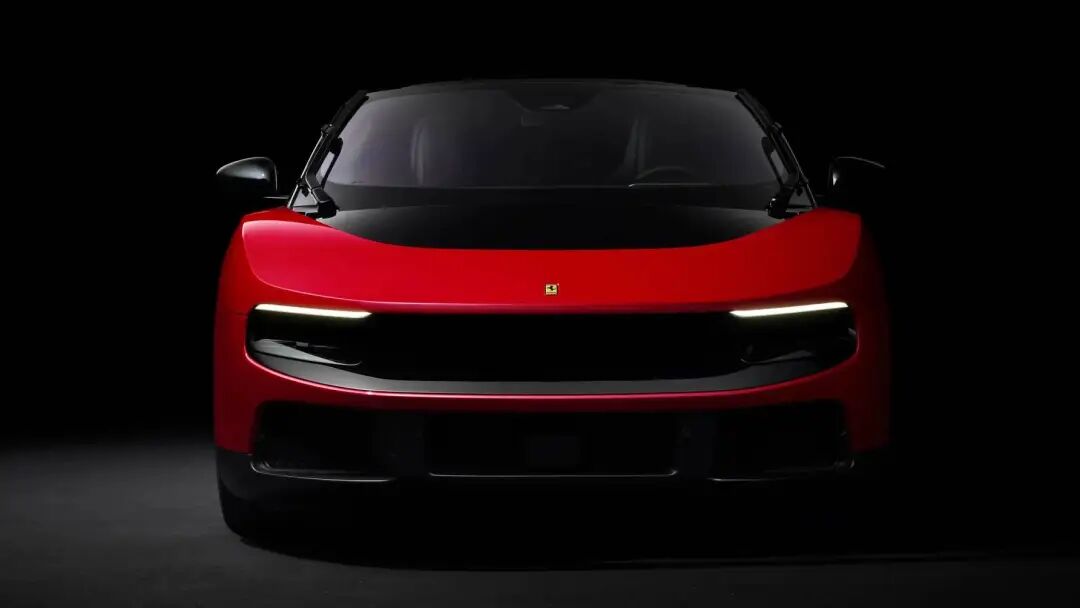
The space allocation also breaks the convention of sports cars.
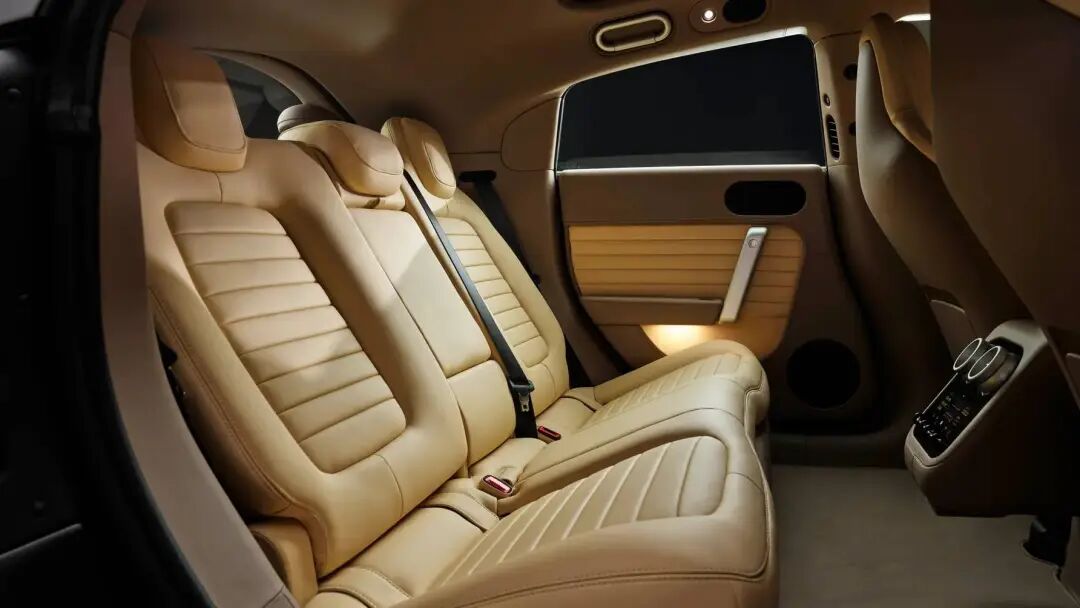
The removal of the transmission and exhaust systems has greatly liberated the passenger compartment of Luce. It features a hatchback design with rear - hinged double doors on both sides that have a very sculptural shape. When all four doors are opened simultaneously, you will see a rear - seat space spacious enough for three adults to sit side by side.
Of course, what supports this avant - garde shell is still a powerful chassis.
Luce is equipped with four motors. These motors can increase the rotational speed to 30,000 revolutions per minute in one second, bursting out a maximum power of 1050 horsepower and a peak torque of 7750 N·m. For a pure - electric vehicle with a curb weight of only 2260 kilograms, this data is very impressive. It can accelerate from 0 to 100 km/h in just 2.5 seconds and has a top speed of 310 km/h.
Its chassis is laid with a 122 kWh battery pack, using an 800V electrical architecture. The WLTP range when fully charged is 530 km.
To control this wild power, Ferrari has developed a new vehicle control unit.
This system can update data at a frequency of 200 times per second. In combination with the virtual differential, four - wheel torque vectoring, and the latest version of the sideslip control system, it can precisely control each wheel in the lateral, longitudinal, and vertical axes.
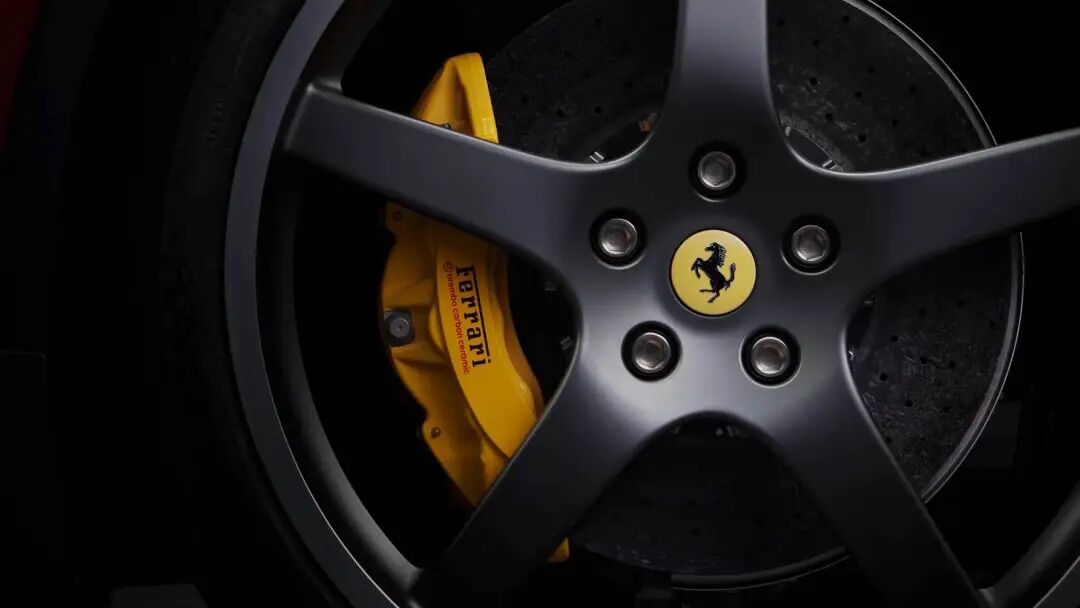
When you get into the car, Jonathan Ive has polished the details very well.
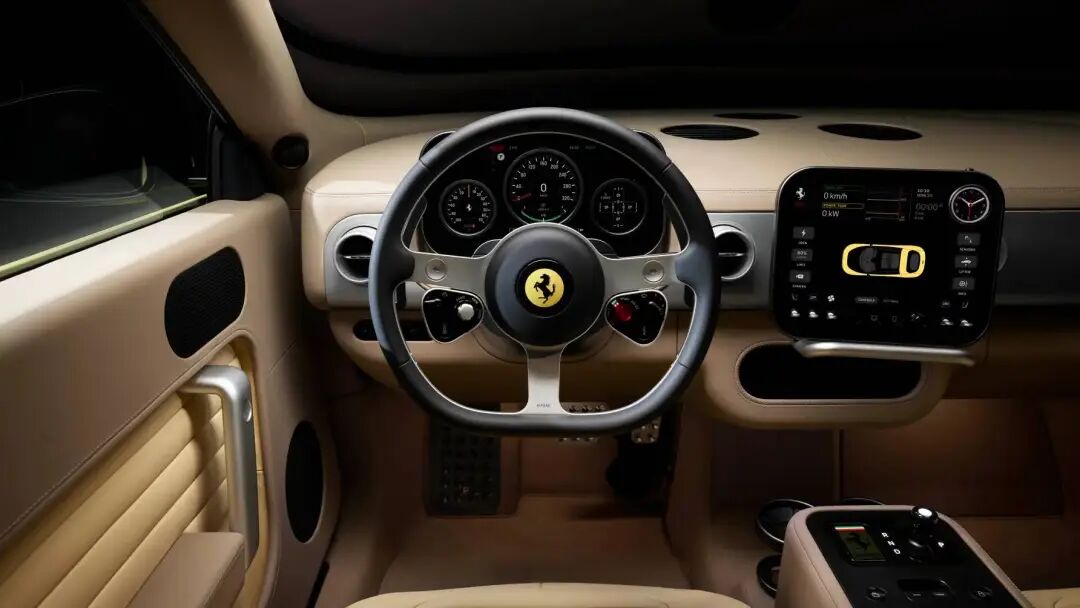
In an era flooded with large screens, the interior of Luce unexpectedly retains a large number of mechanical structures. The three - spoke steering wheel is made of recycled aluminum and consists of 19 parts precisely machined by CNC. When you flip the aluminum baffle of the air - conditioning vent, you can hear a crisp mechanical feedback.
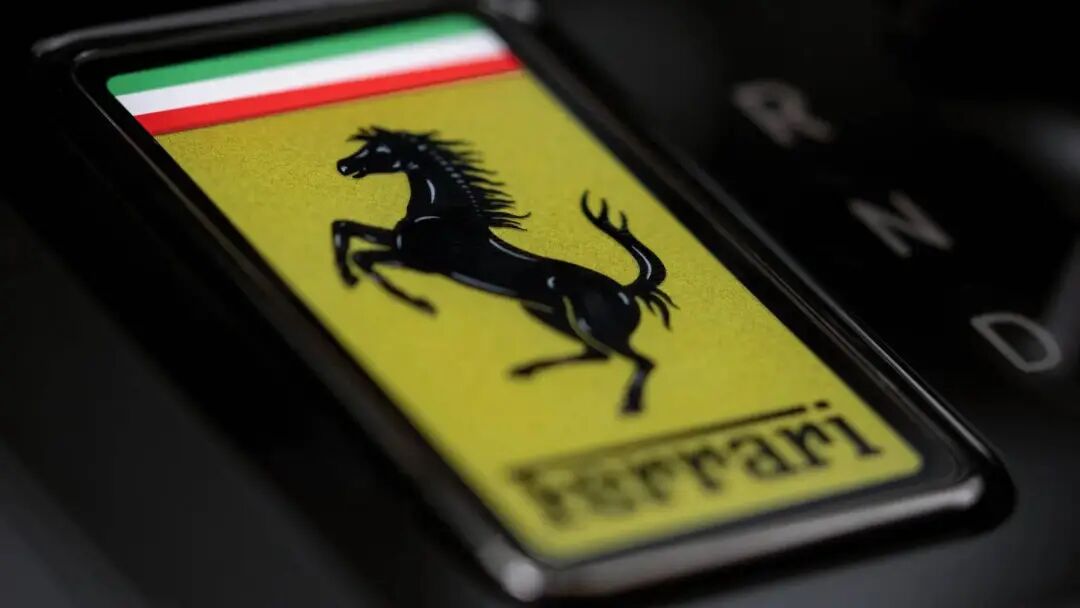
The interaction with the car key is also full of a sense of ritual. It uses E - ink electronic ink technology. The moment it is inserted into the groove of the center console, the prancing horse yellow on the Ferrari logo will flow down like a liquid, lighting up the gear selector below.
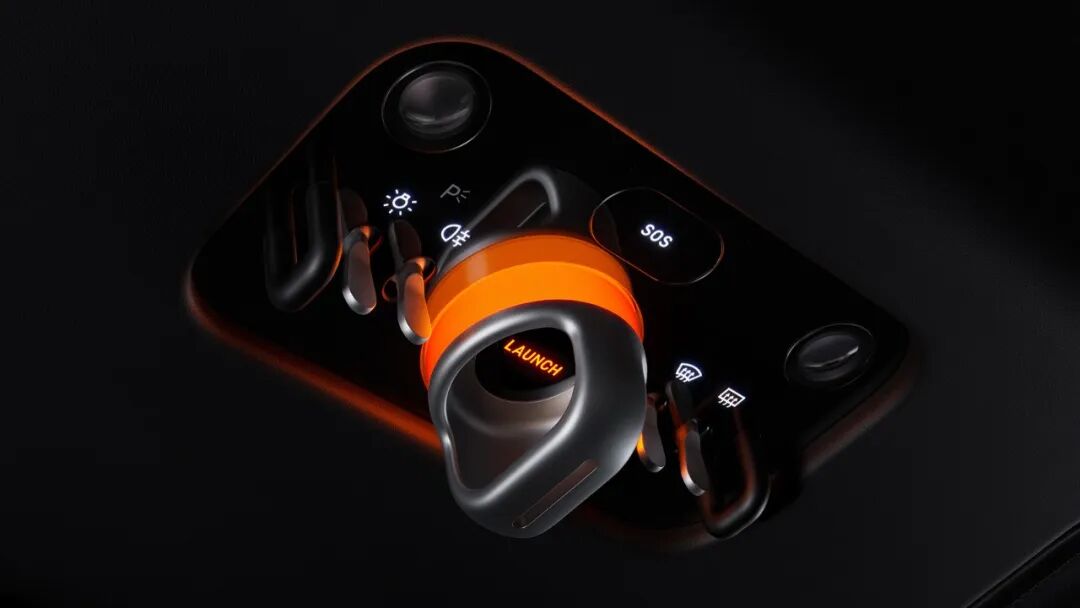
The OLED instrument in front of the driver uses convex - lens parallax technology, and the physical pointers made of aluminum alloy and polycarbonate are backlit. The starting control lever on the ceiling is inspired by the helicopter control panel.
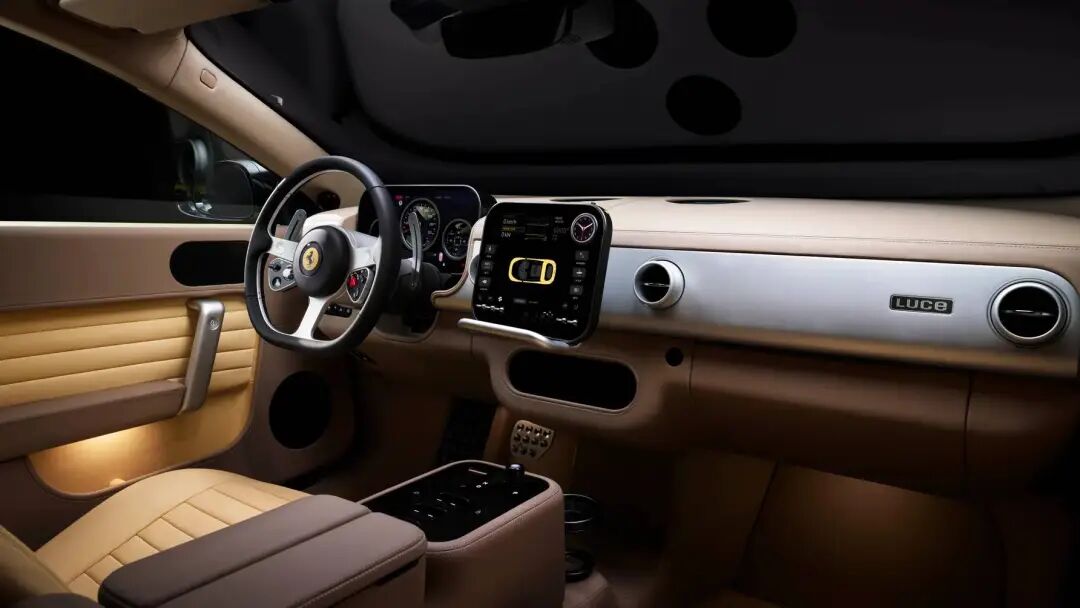
Regarding the sound wave issue that people care about the most, Ferrari does not use the audio system to play the recording of the V12 engine. The engineers have installed an acceleration sensor at the center of the rear axle of Luce to capture the vibration frequency of components such as the motor in real - time. Then, the system will equalize and amplify these real mechanical vibrations, just like processing an electric guitar signal, and then release them to the street through the external speakers.
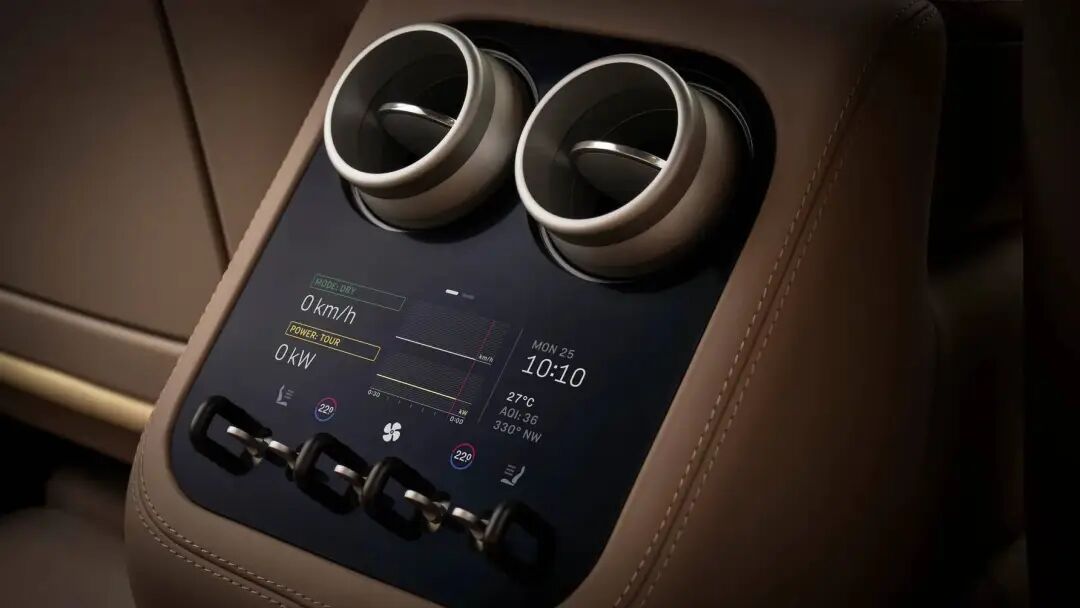
If you switch to the performance mode, the sound from the motor will also flood into the cockpit. Coupled with the anti - trend interior style and the interaction of physical buttons, you can feel that Ferrari is trying its best to prevent Luce from becoming a boring electronic product.
Take Control of the Definition of Ultra - Luxury Pure - Electric Vehicles
Looking at the current ultra - luxury car circle, the electrification process is experiencing a cold snap.
Lamborghini has stopped its pure - electric vehicle plan. CEO Stephan Winkelmann said in an interview with the media that the interest of super - car buyers in electric vehicles is "almost zero". At the same time, the executives of McLaren have an ambiguous attitude towards the pure - electric route, and Aston Martin has postponed the release timeline of its first electric vehicle by three years.
The conclusion from the market is that consumers at the top of the pyramid still have a passion for the smell of burning gasoline.
In such an industry downturn, Ferrari's launch of Luce against the trend seems like a reckless adventure. They could have continued to enjoy the generous profits brought by internal combustion engines like other brands and postponed the electrification task to the next decade.
However, Ferrari has its own considerations, aiming for the right to define "ultra - luxury pure - electric vehicles".
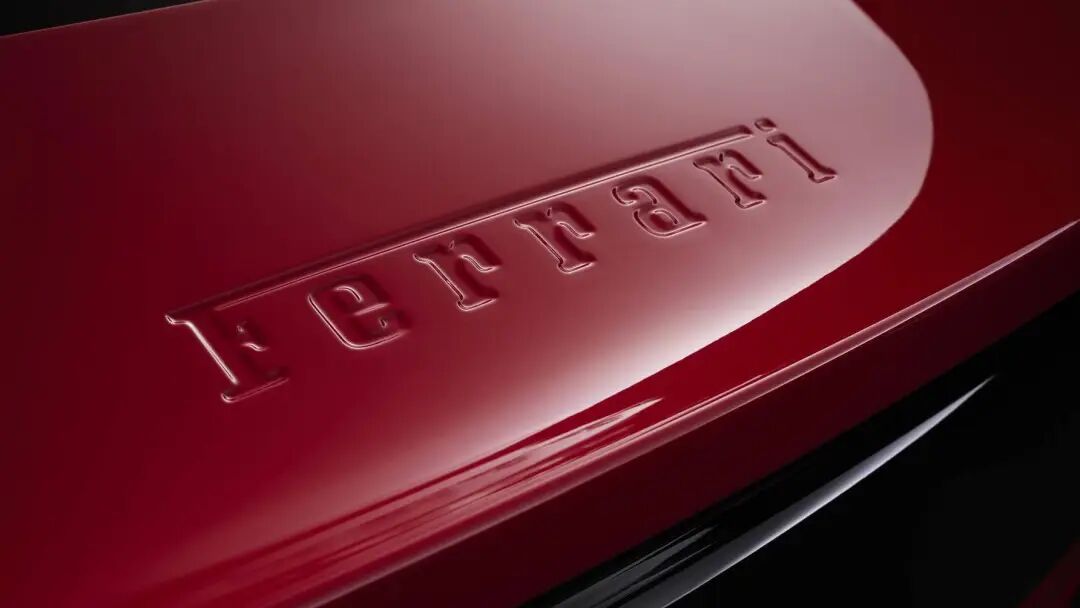
Now, this track is no longer just about the Porsche Taycan. The emerging luxury brands from China are also eyeing it covetously. Ferrari hopes to prove to the industry through Luce that a thrilling car can be made without a V12 engine.
This is related to the dignity of this "European car company with the highest market value", and of course, also related to its stock price.
So far, the first reaction of the capital market has been quite positive.
During the trading days around the press conference, Ferrari's stock price showed an upward trend, closing at 310.00 euros, with a daily increase of 2.80%. For investors who only focus on commercial returns, real - money purchases are a clear signal of optimism.
The capital is betting on Ferrari's commercial future, but for ordinary car enthusiasts and market public opinion, the most intuitive impact still comes from the visual aspect.
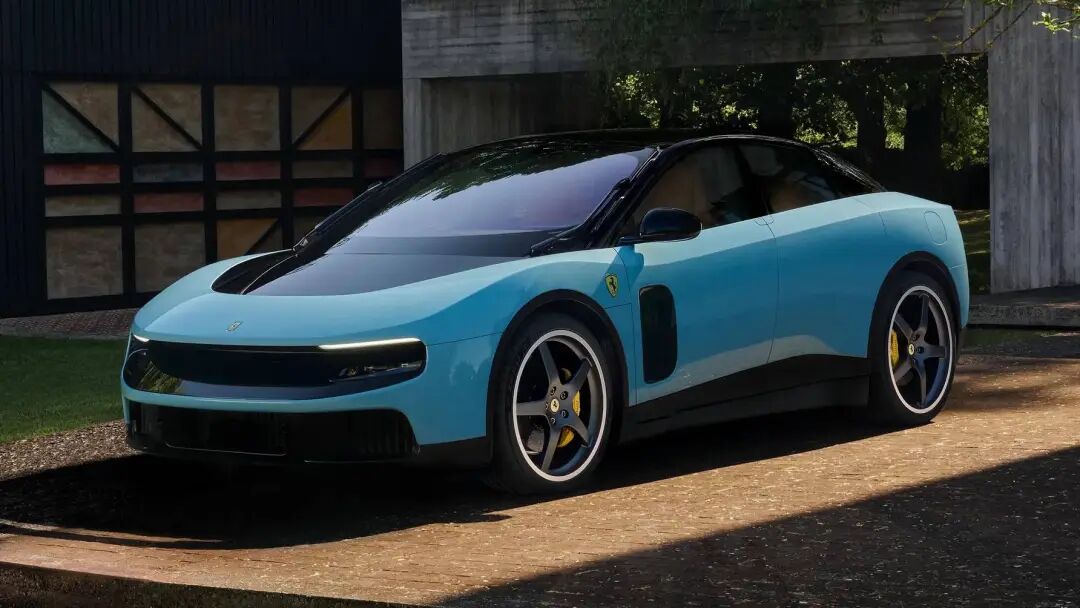
The reason why this new car carrying the brand's ambition finally takes on a contour similar to Li Auto's i - series is, of course, the laws of physics.
In the era of fuel - powered cars, designers had great freedom. If you wanted more aggressive lines, a higher drag coefficient didn't matter. But in the era of pure - electric vehicles, the drag coefficient directly affects the range. Every bit of airflow is strictly related to the mileage, and designers can no longer be arbitrary.
Making Luce into a streamlined one - box structure similar to a water drop has become the optimal solution in terms of aerodynamics.
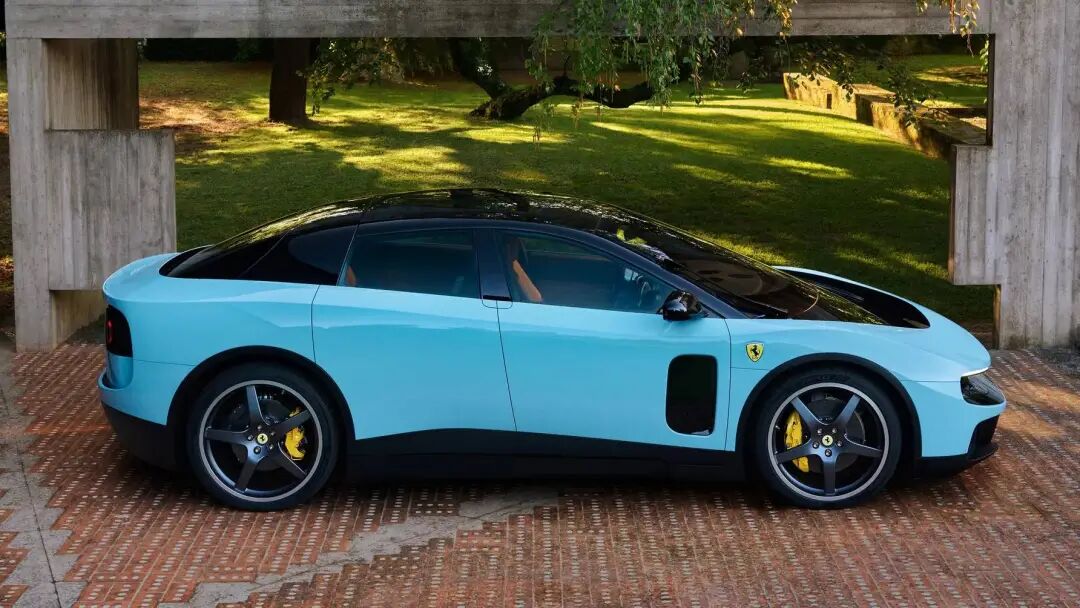
The evolution of the chassis architecture has also promoted the emergence of this shape. The pure - electric skateboard chassis no longer requires a large front - or mid - mounted engine. Therefore, it is logical for designers to move the cockpit forward and allocate as much of the chassis area as possible to passengers.
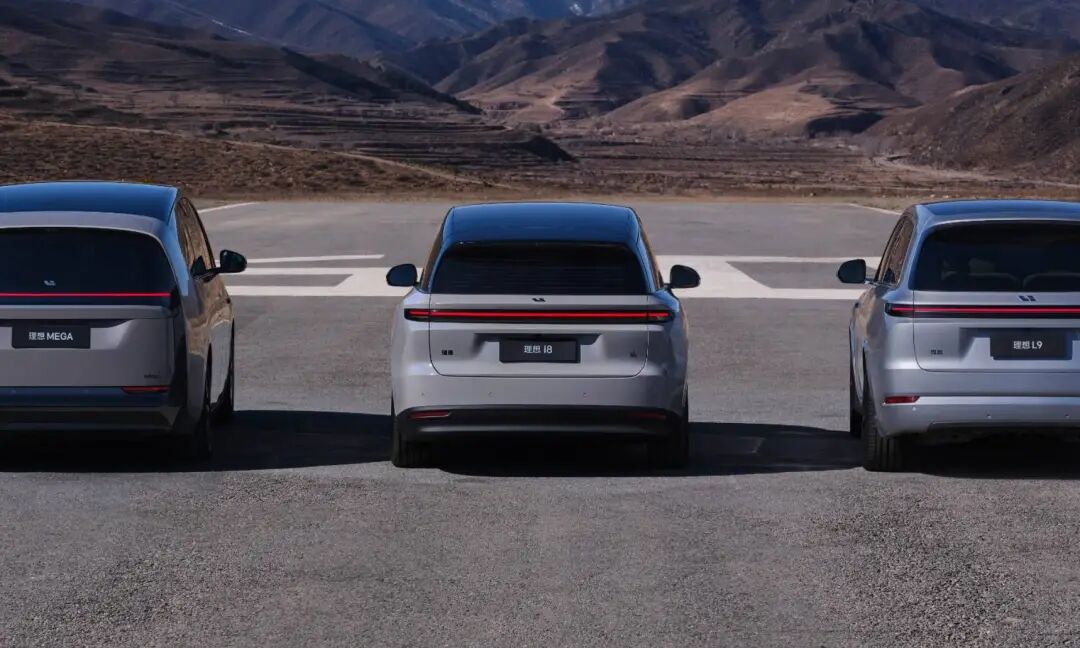
Jonathan and some domestic new - force car companies have derived similar geometric contours when facing the same set of physical problems regarding space, drag, and weight.
However, they have ultimately gone in different directions.
Ferrari is obviously ready to face the public opinion caused by its radical appearance. For this super - car brand, being maverick is part of the premium. New - force car companies burdened with sales pressure still have to consider how to sell cars to more mainstream consumers.
For example, in the actual i - series that was launched later, Li Auto chose to yield to the market and changed the rear of the car back to the traditional SUV shape that the public is more accustomed to.
Ferrari Doesn't Need to Yield to the Market for Now
Raymond Loewy, a pioneer of American industrial design, once proposed the famous MAYA principle, which means "Most Advanced, Yet Acceptable".
He observed a common consumer psychology. People both long to embrace novel technologies and are full of fear of things that are completely out of the existing cognitive framework. A successful industrial product must find a balance between these two emotions. Either use future technologies to package a familiar appearance or gradually inject the future into a familiar appearance.
There are already control groups in the market now.
One type of product chooses to conform to the public aesthetic. They retain a long L113, which is the distance between the front - wheel axle and the driving pedal.
