Gaze as Computation: A Decade of Turmoil in the AI Glasses Market, and the Endgame of the Next-Generation Interface is Approaching
It took humanity 30 years to complete the first migration of computing devices from the desktop to the palm;
We've been on the journey from the palm to the front of our eyes for a full decade.
In 2013, Google Glass made its debut,
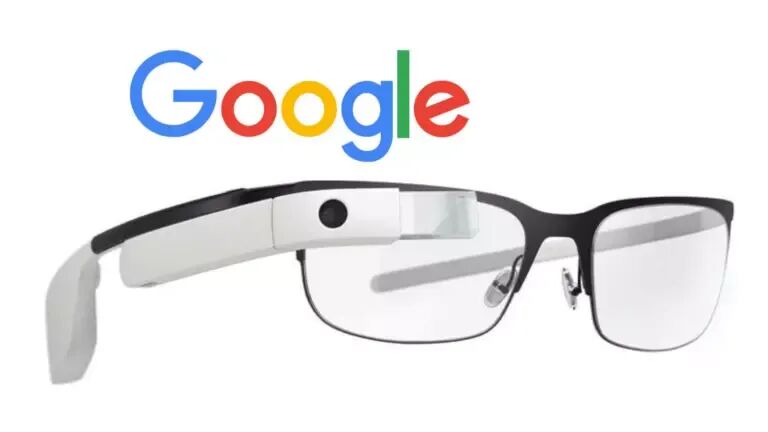
The prediction by Kevin Kelly that "AR glasses will become the next - generation computing platform after mobile phones" ignited the enthusiasm of the entire tech circle.

Capital flocked in, and entrepreneurs rushed forward. A battle for the "next - generation entry" has begun.
Over the past decade, we've witnessed the failure of Google Glass and the collapse of the Magic Leap myth. We've also experienced the hype and bubbles of the "hundred - glasses war."
Countless manufacturers tried to replicate the scenario of smartphones replacing feature phones by cramming all mobile phone functions into glasses, but all of them were met with a cold shoulder from the market.
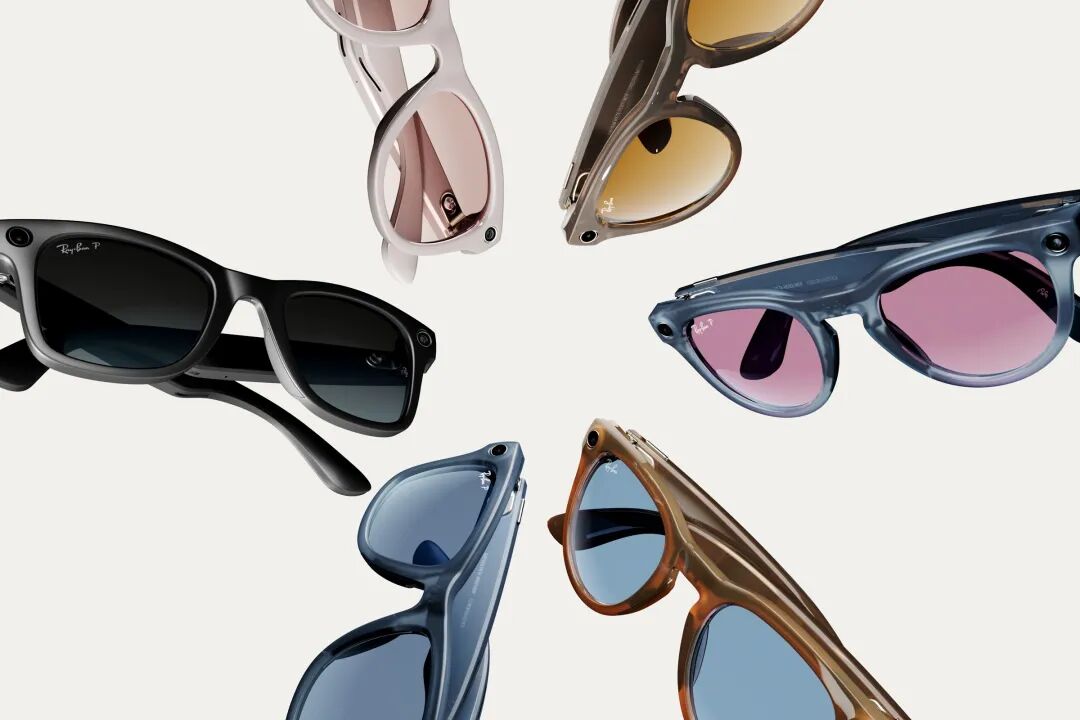
It wasn't until 2025 that Meta Ray - Ban, with a shipment of 7.4 million units and a global market share of 85.2%, delivered the first real consumer - grade answer.
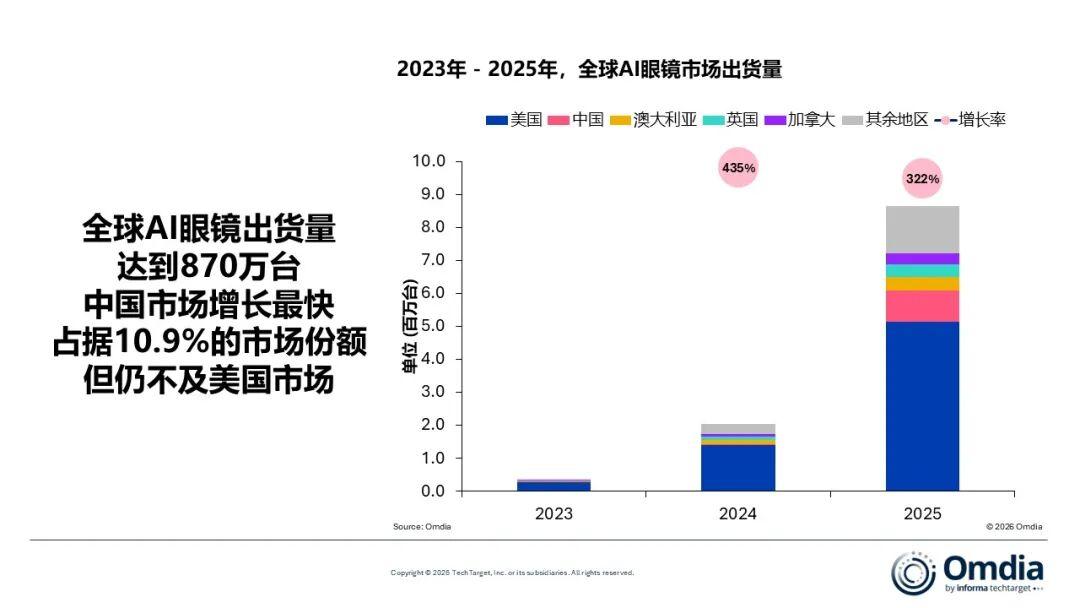
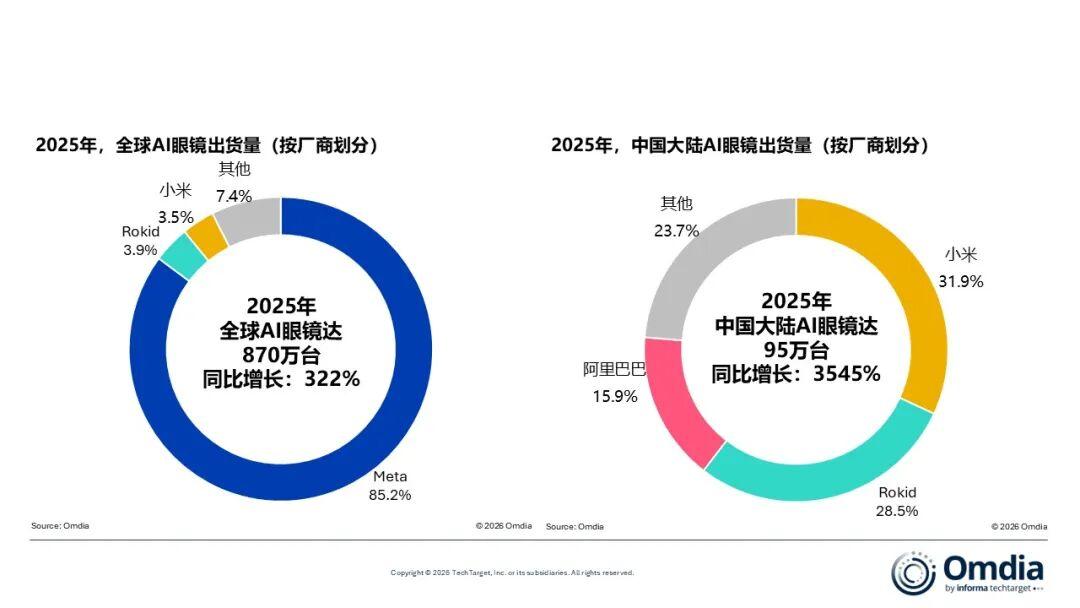
Only then did people suddenly realize that the ultimate form of AI glasses has never been a "phone on the face," but a brand - new computing form —— accompanying computing.
Today, the strategies of tech giants are set, technological bottlenecks are gradually being broken, and an industry consensus has been formed. The critical point that everyone has been waiting for is approaching at an accelerating pace.
This article will conduct an in - depth review of the ten - year development of AI glasses, analyze the core pain points of the industry, examine the interest pattern of the industrial chain, and predict the industry's trend in the next three years.
Don't be deceived by the "next - generation phone"
Kevin Kelly made a judgment a decade ago: AR glasses will become the next - generation computing platform after mobile phones, and in the future, everyone will go out wearing AR glasses.
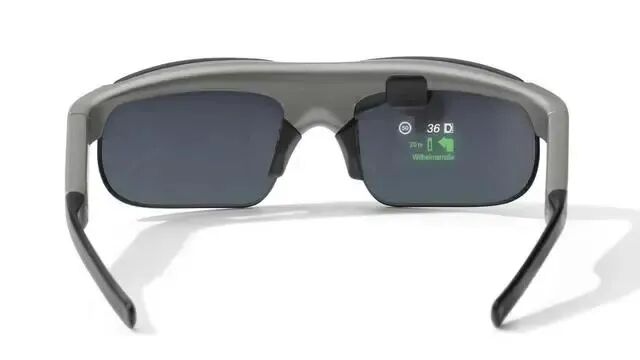
This prediction has influenced an entire generation of entrepreneurs and investors.
Many people believe that AI glasses will replicate the scenario of smartphones replacing feature phones and will take over as the primary device in just a few years.
However, the history of the digital industry has long told us that even after more than a decade of smartphone popularization, computers still haven't been eliminated. Professional tasks such as video editing, programming, CAD drawing, 3D modeling, and large - scale engineering calculations still have to be done on the desktop.
Even though it's becoming more convenient to edit videos, write simple code, or draw sketches on mobile phones, it's only sufficient for ordinary people to post on social media, edit short videos, or record code snippets.
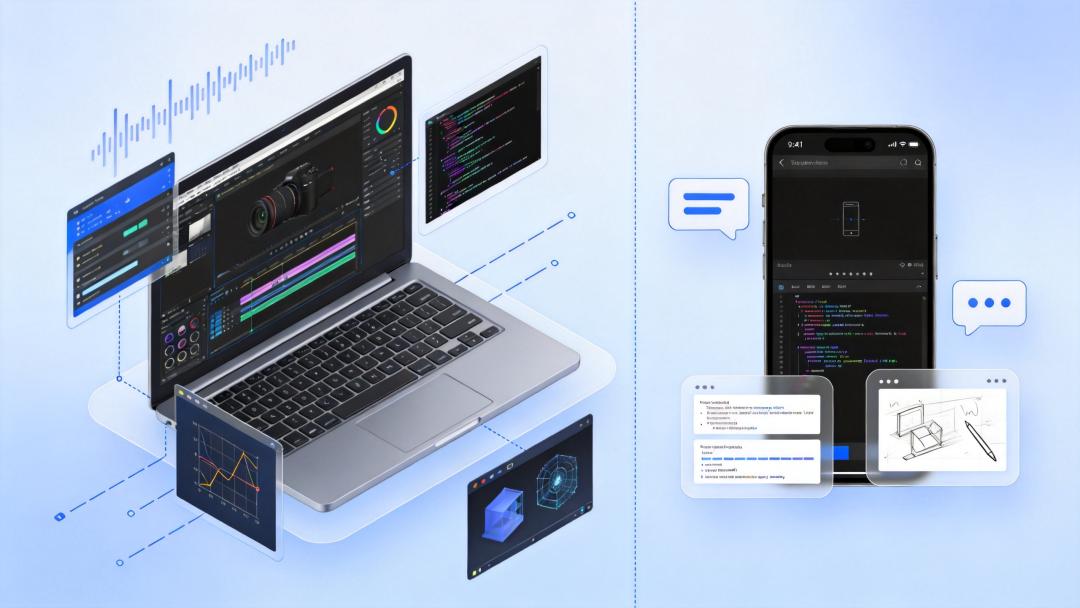
But programmers, designers, and engineers who rely on these tasks for a living still can't do without computers.
The workflow of multi - screen collaboration, a complete compilation environment, precise parameter adjustment, and engineering files that can be dozens of gigabytes in size are all things that mobile phones can't provide.
Convenience can never replace professionalism, and lightweight devices can't handle high - intensity production.
This truth is even more poignant when it comes to AI glasses.
With a limited size and a small screen, there are ceilings for power consumption, heat dissipation, and computing power. AI glasses are inherently unsuitable for heavy tasks such as video editing, high - definition rendering, and in - depth graphic and text production.
These tasks require both high performance and high - quality display, and also need to be finely adjusted manually. Glasses simply can't handle them.
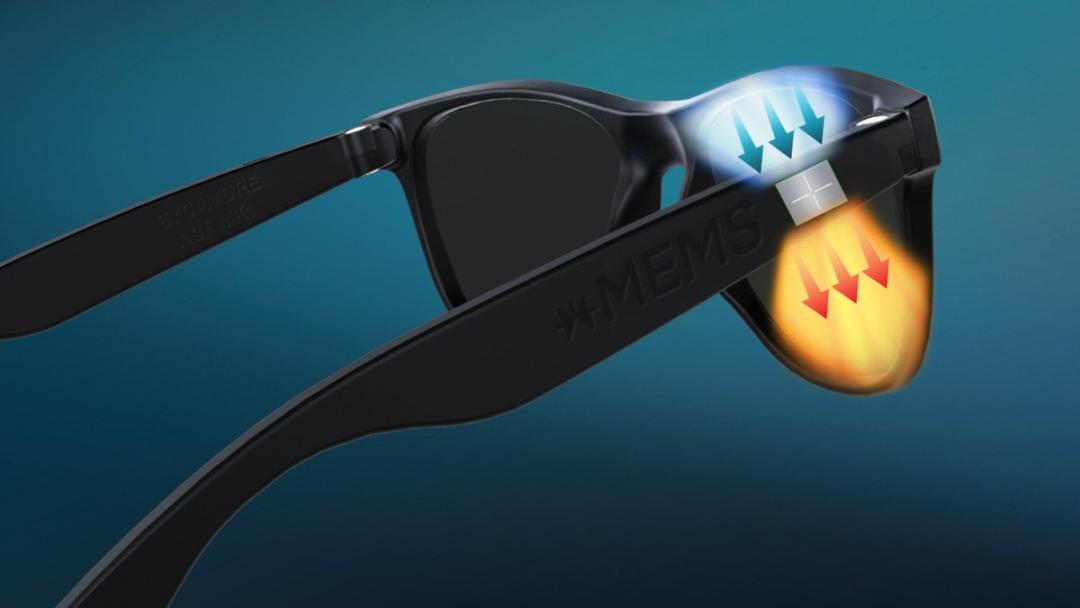
Even if AI can automatically generate videos, adjust colors intelligently, and edit materials with one click in the future, it will only change the lightweight processes such as shooting materials, quick rough editing, and on - site preview. It will only make it easier to get started and more convenient to interact, but it will never shake the position of professional equipment and software.
Ultimately, it's not here to replace mobile phones but rather a new carrier to complement the existing interaction shortcomings.
In the past decade, all manufacturers that tried to make AI glasses into "phones on the face" took the wrong path.
From the earliest Google Glass to Magic Leap later, and then to a bunch of domestic "all - around AR glasses" with sky - high parameters, almost none of them could escape the cold shoulder of the market.
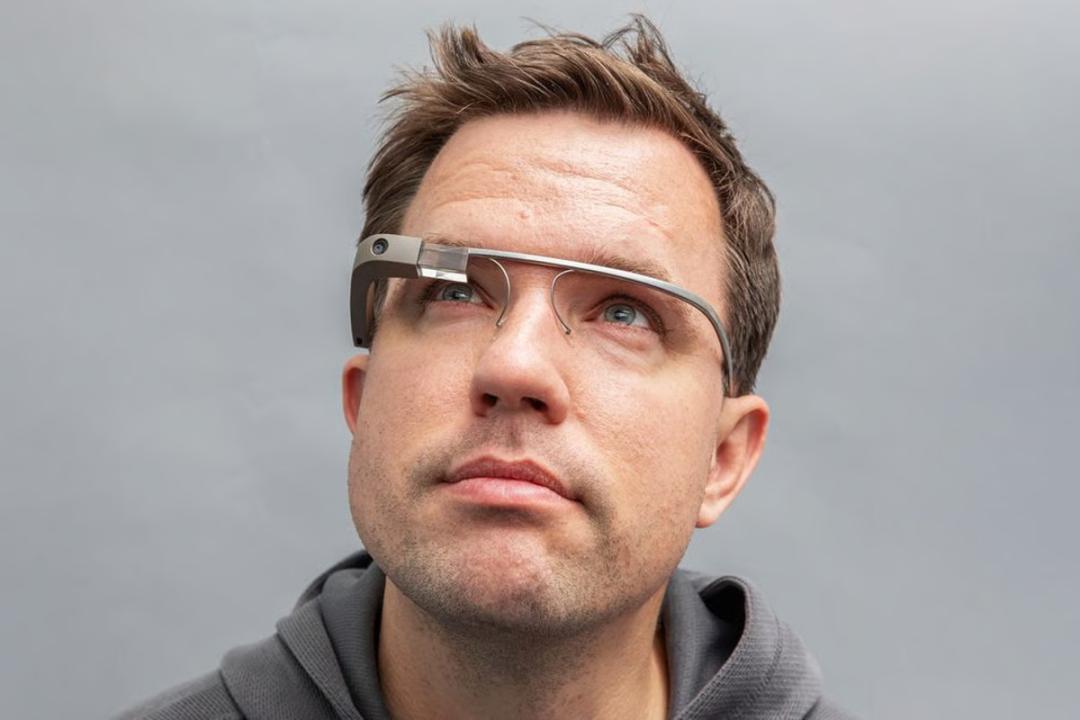
They made the same fatal mistake: thinking that replicating mobile phone functions on glasses would create the next - generation computing platform. So they desperately increased the screen size, resolution, and field of view, and stuffed short - video apps, games, and social apps into the glasses, believing that the stronger the parameters, the more users would buy.
So, what was the result?
Users voted with their feet. The return rate remained high, inventory piled up, and they had to clear the stock at a reduced price in the end.
Why?
Because they didn't understand that the three generations of computing devices solve completely different problems.
In the PC era, we were confined to our desks.
We had to be plugged in, sitting, and typing on the keyboard to work, surf the Internet, or entertain ourselves. It solved the problem of "information digitization," liberating us from pen and paper, but at the cost of being locked in a fixed space and completely detached from reality.
In the mobile phone era, we put computing in our pockets.
We can access the Internet, chat, and make payments anytime and anywhere. It solved the problem of "mobile computing," liberating us from our desks.
But what's the cost? It's having to look down at the screen, taking our eyes off reality; it's having to use both hands, leaving us unable to do other things; it's having our attention fragmented, and every time the screen lights up, it's a disconnection from the real world.
What AI glasses need to do is solve the problems that mobile phones can't solve.
Its ultimate mission is not to make you stare at the lens but to make you forget its existence. Your eyes should never leave reality, your hands should always be free, and information should quietly appear where you need it.
Put simply, it needs to reduce four major costs: the time cost of looking up words, translating, and navigating, which can be done in 0.5 seconds with just a glance; the physical cost of direct interaction through voice and eye movement without raising your hand or touching the screen; the attention cost of information being superimposed on reality without interruption or fragmentation; and most importantly, the habit cost of wearing it like ordinary glasses without others noticing it's a smart device.
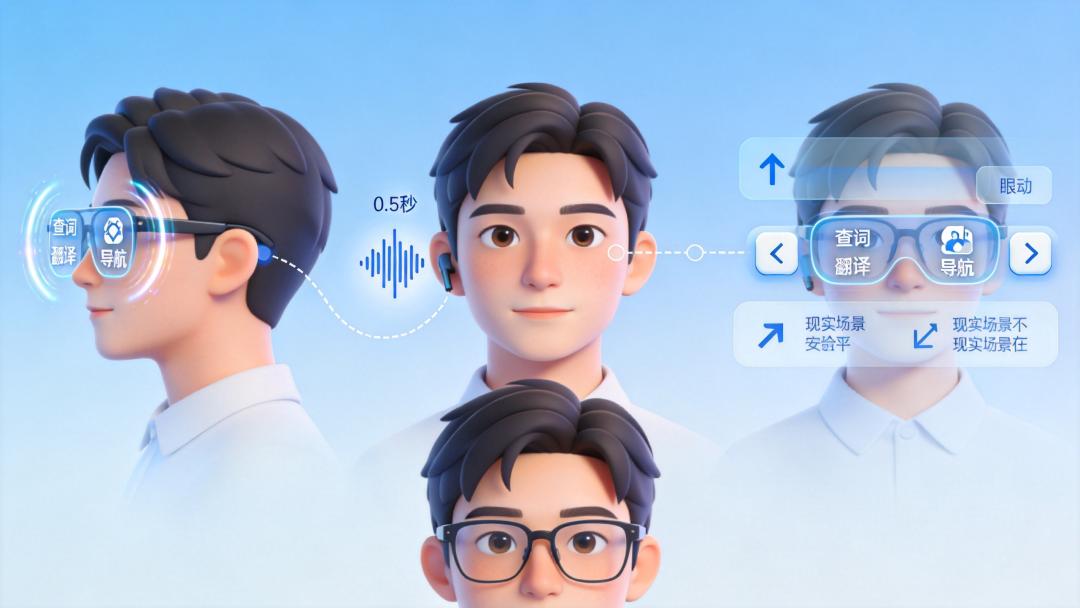
For the vast majority of non - myopic users, this last point is particularly crucial.
Mobile phones can be easily put in your pocket or bag and are completely unnoticeable when not in use; but glasses are worn on the face, and even a few grams of weight is a continuous physical presence.
Changing the decades - long habit of not wearing glasses is much more difficult than learning to use a new app. This requires the entire industry to spend years or even decades educating the market.
PCs represent "fixed computing," mobile phones represent "mobile computing," and AI glasses represent "accompanying computing."
They are never in a replacement relationship but a complementary one.
In the future, the norm will definitely be the collaboration of three terminals: "computer + mobile phone + AI glasses". Computers handle professional heavy tasks, mobile phones handle daily comprehensive tasks, and glasses handle lightweight accompanying tasks.
Those who don't understand this are destined to take the wrong path in the AI glasses market.
Three pain points have held back the industry for a decade
AI glasses have been popular for a decade, so why are they still "well - received but poorly sold" today?
After chatting with product managers and supply - chain managers who have been in the industry for many years and collecting a large amount of real feedback from ordinary users, the answer we got is surprisingly simple: too heavy, short battery life, and unattractive appearance.
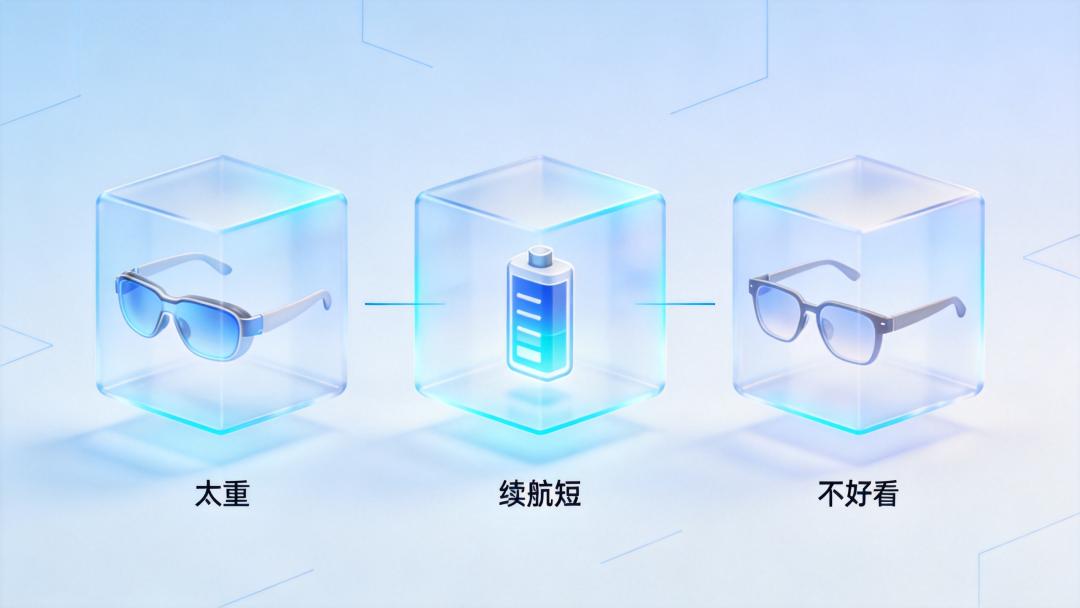
There's nothing else; it's just that straightforward and simple.
There are no profound technological barriers. It's just these three most basic problems that have held back the entire industry for a decade.
Weight: The critical line of 30 grams
The human face is far more sensitive to weight than anyone can imagine. 30 grams is a critical line, and even 1 gram more is considered too heavy.
Between 20 - 30 grams, wearing them is no different from wearing ordinary optical glasses, and you can wear them all day without noticing. Between 30 - 40 grams, you can clearly feel the pressure on your nose bridge, and you have to take them off and rub your nose after two hours. Above 40 grams, your temples will start to throb after an hour, and the marks on your nose bridge can last until the next day after half a day of wearing.
Most AI glasses on the market currently weigh between 35 - 50 grams. It's just at the level of "uncomfortable but tolerable."
This is what users complain about the most: "After wearing them for two hours, my nose bridge feels like it's about to break," "After wearing them out for half a day, taking them off makes me feel like the world has become lighter," "I'd rather take out my phone than suffer this."
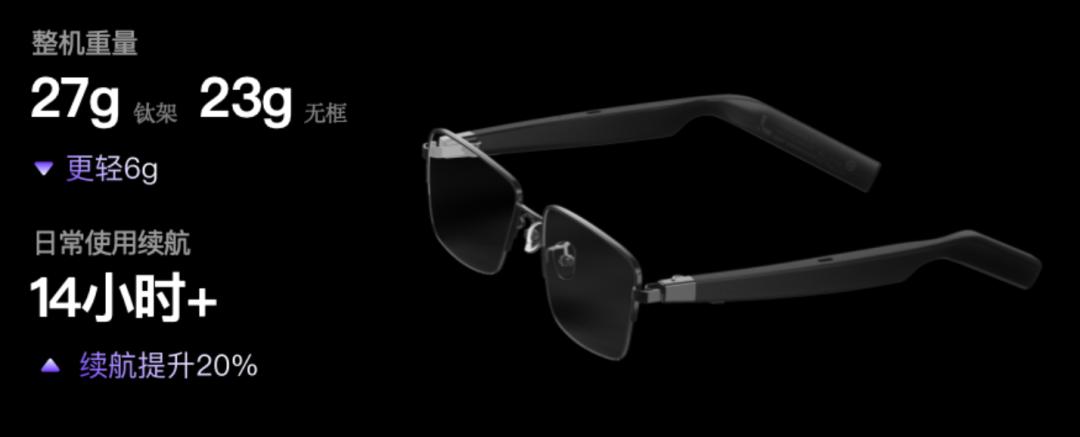
Engineers are almost driven crazy.
The temple of the glasses is only 6 millimeters thick, and they have to fit a motherboard, battery, speakers, microphone, antenna, and sensors into it, with a tolerance of 0.01 millimeters —— which is the diameter of a human hair.
To reduce the weight by 1 gram, they can modify the design 10 times, grind the logo on the temple 0.2 millimeters thinner, replace the screws with lighter titanium alloy, and even shave the plastic shell to only 0.5 millimeters thick.
But even so, it's still difficult to break through the 30 - gram mark.