Joining hands with the former Red Bull team principal to take on Mercedes? Where has BYD's entry into F1 reached?
All signs indicate that BYD's interest in F1 has moved from the discussion stage of "whether to do it" to the practical evaluation of "how to enter".
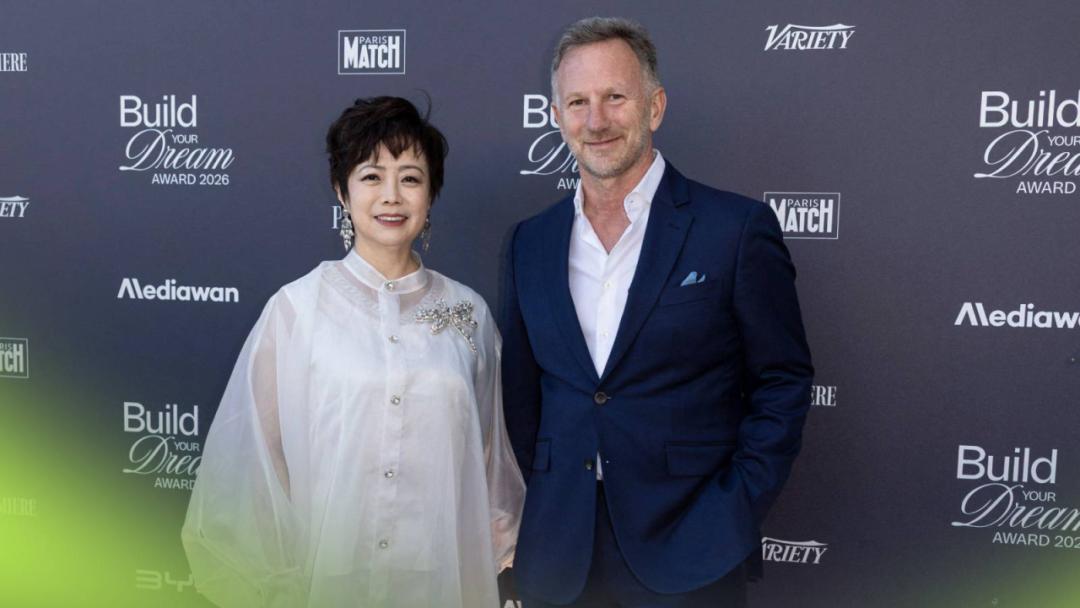
While people were still skeptical and hotly discussing through various rumors whether BYD aimed to enter F1 and how it would knock on the F1 door, recently this Chinese electric vehicle manufacturer invited Christian Horner, the former head of the Red Bull F1 team, for a meeting during the Cannes Film Festival. In this seemingly casual way, a new direction was given to this topic.
It is reported that Horner met with Executive Vice President Li Ke, and the two sides held a two - day "substantial meeting" on building the 12th F1 team. During the Chinese Grand Prix weekend, she also had a discussion with Stefano Domenicali, the President and Chairman of F1, about the company's entry into F1 as a newly - established full - works team. After this meeting in Cannes, relevant contacts have been further promoted. BYD is accelerating the substantial negotiations on entering F1, and an important direction in the outside rumors is to acquire 24% of the shares of the Alpine team. All signs show that BYD's interest in F1 is no longer at the discussion stage of "whether to do it", but at the practical evaluation of "how to enter".
For new capital hoping to enter F1, this part of the Alpine's equity is a rare "ready - made ticket". During the Chinese F1 Grand Prix, Flavio Briatore, the executive advisor of the Alpine team, listed potential buyers for this equity transaction, including the Mercedes - AMG team and a consortium led by Horner. Later, media reported that Steve Cohen, the American hedge fund tycoon and the owner of the MLB New York Mets, was also interested in joining the bid. If BYD finally chooses to join hands with the consortium behind Horner, there will undoubtedly be new variables in the competition pattern around the minority equity of Alpine. How far BYD is from F1 is becoming a common concern both inside and outside the paddock.
The "Stealth Battle in the Paddock" Among Three Giants
Renault won the F1 annual championship consecutively in 2005 and 2006. However, after leaving the paddock for six years and returning to F1 in 2016, it has never returned to its former glory. In 2021, Renault renamed the team Alpine and set the goal of returning to the championship - contending ranks within a cycle of 100 races. In the following years, this new team still failed to achieve convincing results and influence. Against this background, Renault sold 24% of the shares of the Alpine team in 2023. At that time, the overall valuation of the team was about $900 million, and this part of the shares was priced at 200 million euros. Finally, under the leadership of a consortium composed of Otro Capital, RedBird Capital, and Maximum Efforts Investment, the share transaction with Alpine was completed.
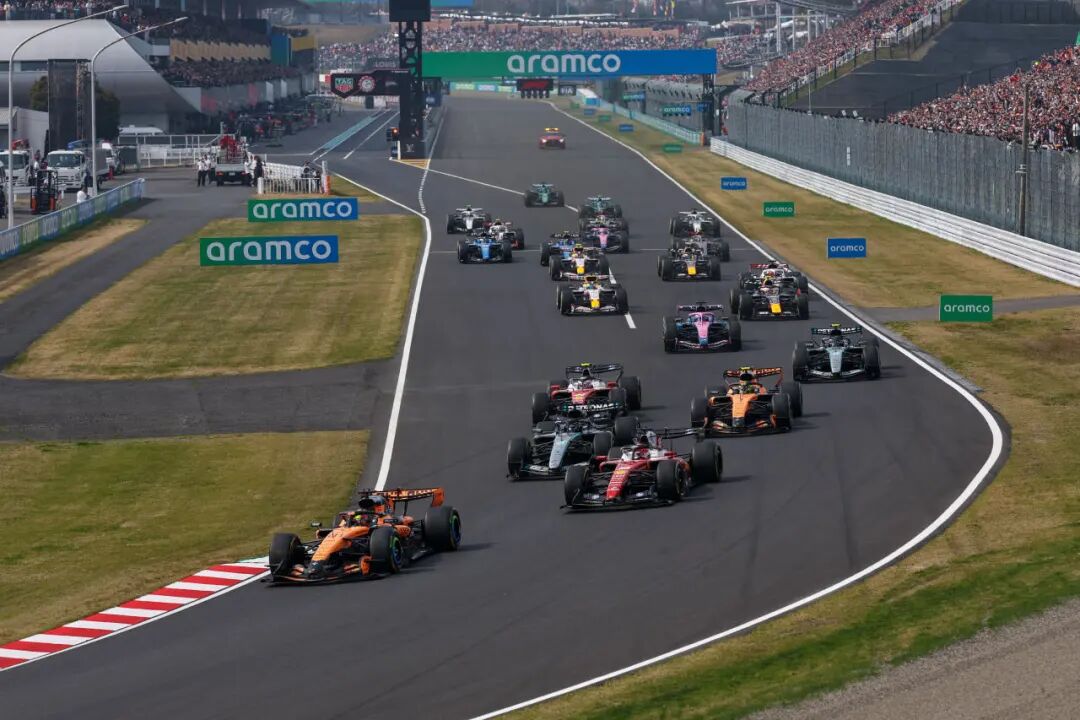
Thanks to a series of commercial operations by the Liberty Media Group, the market value of F1 teams has been rising in the past three years. According to Forbes' valuation of each team in November 2025, the valuation of Alpine in the paddock has soared to $2.45 billion. Calculated in this way, the market value of the 24% minority equity at that time was close to $600 million, achieving a book return of nearly 200% compared with the initial investment price of 200 million euros. According to the relevant shareholding arrangement, this part of the shares can be transferred only after three years. The lock - up period will expire in September 2026, and then the relevant equity will enter the tradable window.
The Race pointed out that Mercedes is currently the "preferred bidder" favored by the Renault Group. Since the Alpine team has decided to completely abandon self - developed power units from the 2026 season and become a customer team of Mercedes for power units. Although Mercedes team principal Toto Wolff insists that they don't want to have a "junior team" or satellite team, the outside world generally believes that if this minority equity acquisition is achieved, the relationship between Mercedes and Alpine will extend from simple commercial supply to strategic alliance.
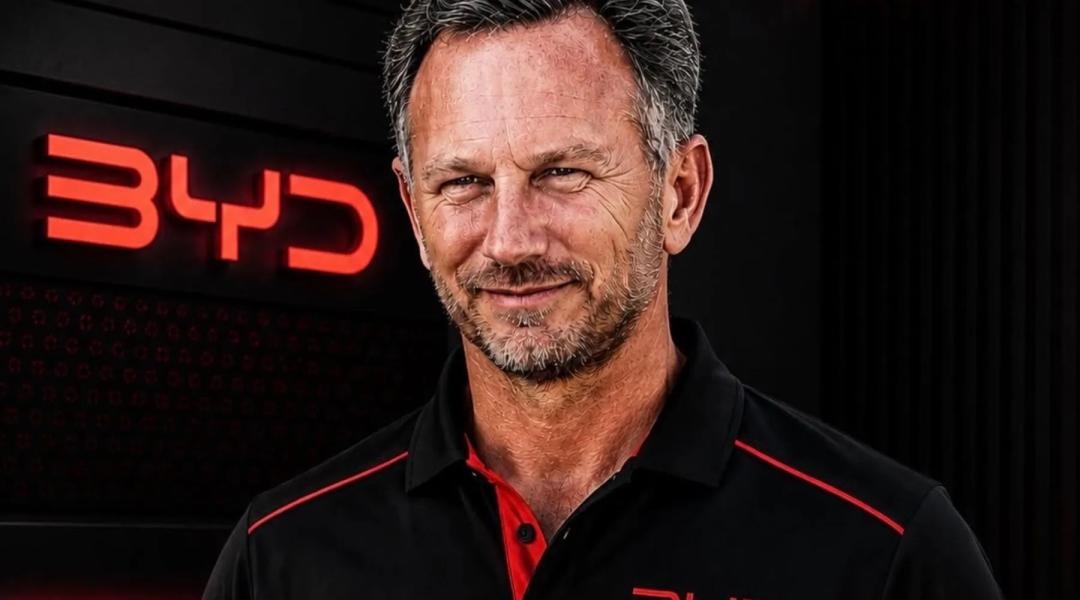
In addition, former Red Bull team principal Christian Horner is also regarded as a key variable in this competition. After leaving Red Bull in mid - 2025, his non - compete clause has now expired. Foreign media reported that Horner is leading a private consortium to actively participate in the bid for the minority equity of Alpine. For him, buying this part of the shares is not only a way to return to the F1 paddock, but may also mean an upgrade from a professional manager to a team shareholder and even the boss. Now, with the fermentation of the rumor of BYD's entry and its direct contact with Horner, there is a new trend in the rumor about BYD's entry into F1.
On May 21st, according to ESPN, Horner and Li Ke have started discussions on potential F1 cooperation models. Although the relevant plan is still in the early stage, sources told ESPN that both sides believe that this cooperation has the possibility of further promotion.
On the other hand, with the fermentation of the rumor of Mercedes - Benz's investment in Alpine, concerns about the "multi - team control" issue in the F1 paddock have resurfaced. McLaren CEO Zak Brown has publicly called on the FIA to tighten relevant rules to reduce potential conflicts of interest caused by excessive alliances or joint control between teams. The relationship between Red Bull and its sister team has long been controversial. If Mercedes operates its own works team while investing in the Alpine team that uses its power units, doubts about the flow of technical information, voting independence, and competition fairness will only be further magnified.
In contrast, the entry of Chinese manufacturers is at least easier to be packaged as part of F1's globalization in political narrative. FIA President Mohammed Ben Sulayem has publicly expressed his hope that Chinese manufacturers will enter F1, and regarded it as the next step for F1 to expand its global automotive industry map after Cadillac.
Build from Scratch or Acquire an Existing Team?
According to Yicai Global, more market news indicates that BYD is more inclined to build the 12th F1 team from scratch rather than acquire an existing team. However, in today's situation where the market value of F1 is continuously rising and the competition for expansion seats is becoming increasingly fierce, one has to pay a higher and higher price to enter.
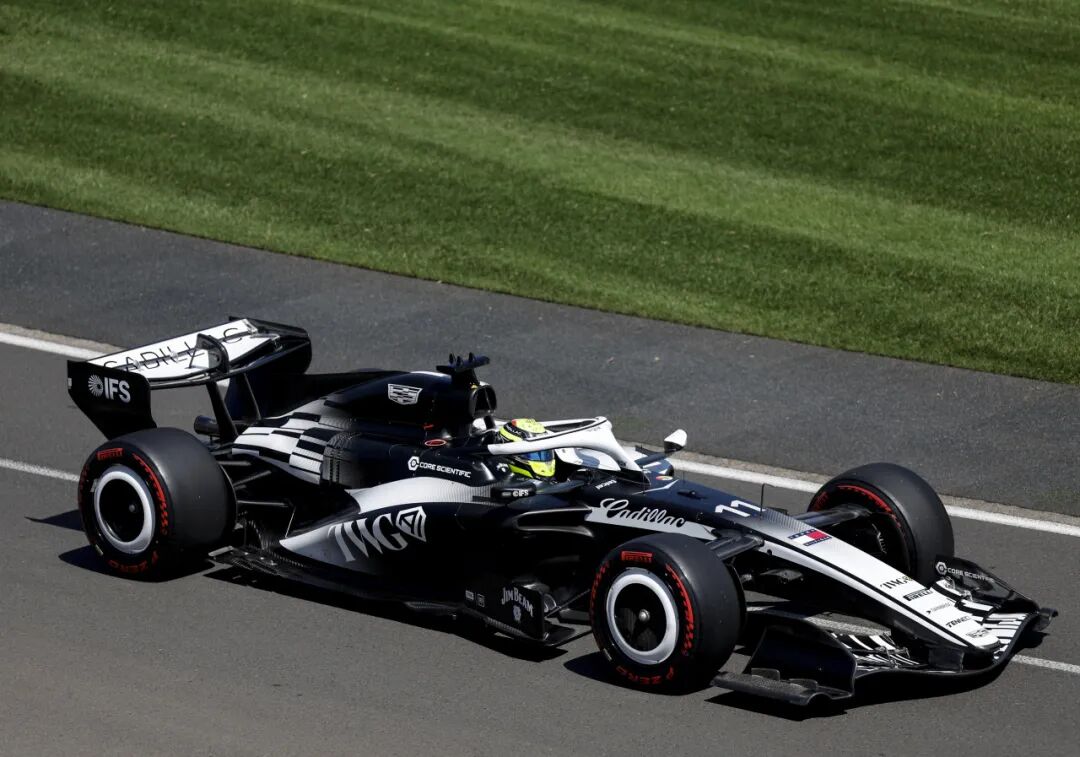
This season, Cadillac, which joined F1, paid a dilution compensation of $450 million just to obtain the entry qualification - this is the highest amount in F1 history, more than twice the initial requirement. For reference, Haas almost fully utilized the F1 budget cap for the first time in the 2025 season, and the budget cap in 2025 was $135 million. That is to say, the total "knock - on money" that Cadillac spent is almost equivalent to the operating cost of a small team like Haas for about three years. According to F1 commentator Will Buxton, the dilution compensation is not even the biggest expense item. By the time the starting lights of the Melbourne race at the opening round of this year were on, General Motors had already spent more than $1 billion on this team that had not yet scored any points.
Therefore, acquiring an existing team and inheriting a series of properties of the team, including the factory, technical team, management, as well as the on - track team, racing cars, and drivers, is undoubtedly a more realistic shortcut. For BYD, compared with building a supply chain and talent system from scratch, acquiring an existing team is indeed a relatively easier method.
However, this form of "ease" is only relative. In recent years, the value of F1 teams has risen along with the value of the entire F1 event, and there have been countless investors pouring in, even for small teams.
The situation of big teams is the most stable. Toto Wolff, the CEO of the Mercedes team, sold 5% of the team's shares in November 2025, pushing the team's valuation to a new high of $6 billion. There will basically be no changes in the ownership of the two Red Bull teams and Ferrari. The situation of McLaren is also stable. The Bahrain sovereign wealth fund Mumtalakat and the Abu Dhabi investment institution CYVN Holdings provide more stable capital support for this veteran team. As the team has returned to the championship - contending ranks in the past two years, the sponsorship resources and commercial value have recovered simultaneously, and McLaren has emerged from the previous financial crisis.
Among the mid - field teams, behind Aston Martin is Canadian billionaire Lawrence Stroll. In recent years, he has not only continuously injected capital but also spent a lot of money to build a new headquarters. The team also started a power unit cooperation with Honda in the 2026 season and is in a long - term investment cycle. Audi has completed the 100% acquisition of Sauber. After the veteran team Williams was acquired by the American private equity firm Dorilton Capital in 2020, its financial situation has significantly improved and it is currently in a period of restructuring and revival.
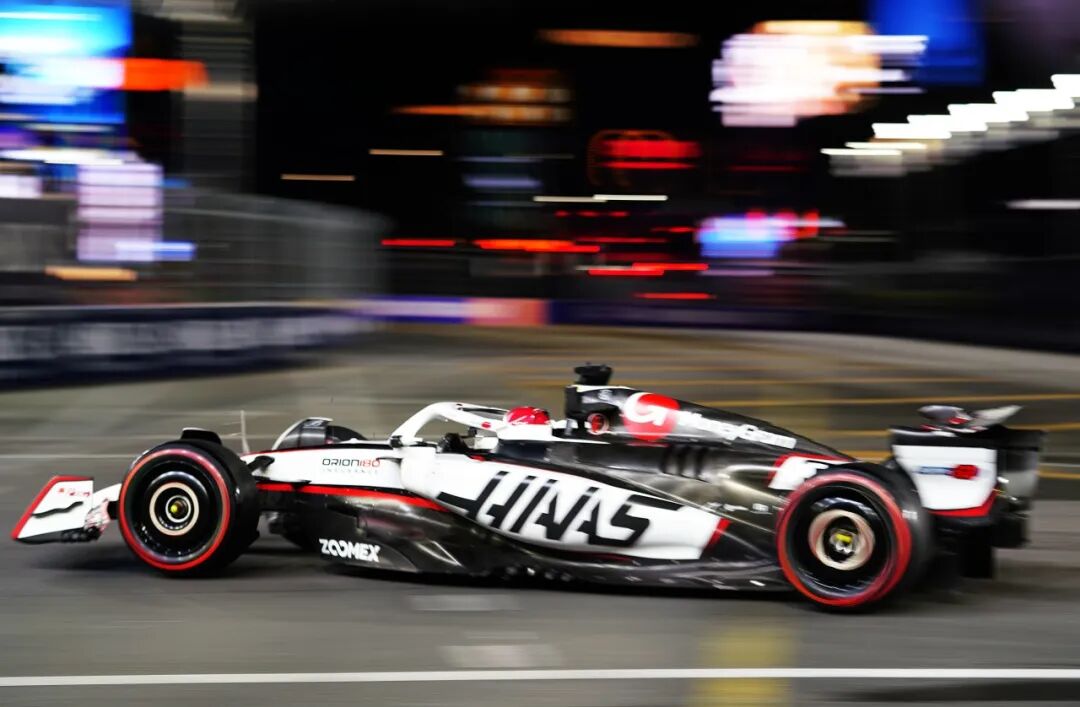
Although Haas is a relatively small team in the F1 paddock and has long been regarded as a potential acquisition target, team principal Toshihiro Kanei revealed in an interview last year that team owner Gene Haas has rejected external offers several times in the past 18 months and currently has no intention of selling.
The remaining option naturally points to the Alpine team.
According to the racing column of UOL Sports, a Brazilian media, BYD's interest may not be limited to the equity of the Alpine team, but also include Renault's F1 engine factory in Viry - Chatillon, France. This factory was once the R & D base for Renault's F1 power units. As Renault completely abandons self - developed F1 engines from 2026, this engine factory in Viry - Chatillon, a southern suburb of Paris, has become an "idle asset". For BYD, the racing power R & D resources accumulated by the Alpine team are obviously more operable than building a team from scratch.
However, BYD's approach to F1 also coincides with a moment when the technical route of this event is wavering. Originally, the increase in the electrification ratio in the 2026 F1 new regulations was regarded as a technical window for electric vehicle companies like BYD to enter the paddock, but the recent trend has changed. The new power unit rules have caused controversy due to energy management and race viewing experience issues. The FIA has confirmed that it will make major modifications to the current power units in 2027, which also casts a new layer of uncertainty over BYD's prospects of approaching F1 at this time.
It's a Long Way for Chinese Brands to Enter F1
The reason why the rumor between BYD and F1 has attracted attention is the reality that Chinese brands have been absent from the core stage of F1 for a long time. Two years ago, Geely was reported to be interested in acquiring the Alpine F1 team, and the FIA President also publicly expressed his hope that Chinese manufacturers would enter F1, but that rumor finally ended without result. Now, BYD's name appears in the paddock rumors again, which also brings up an old question: When will Chinese brands truly sit at the main table of F1?
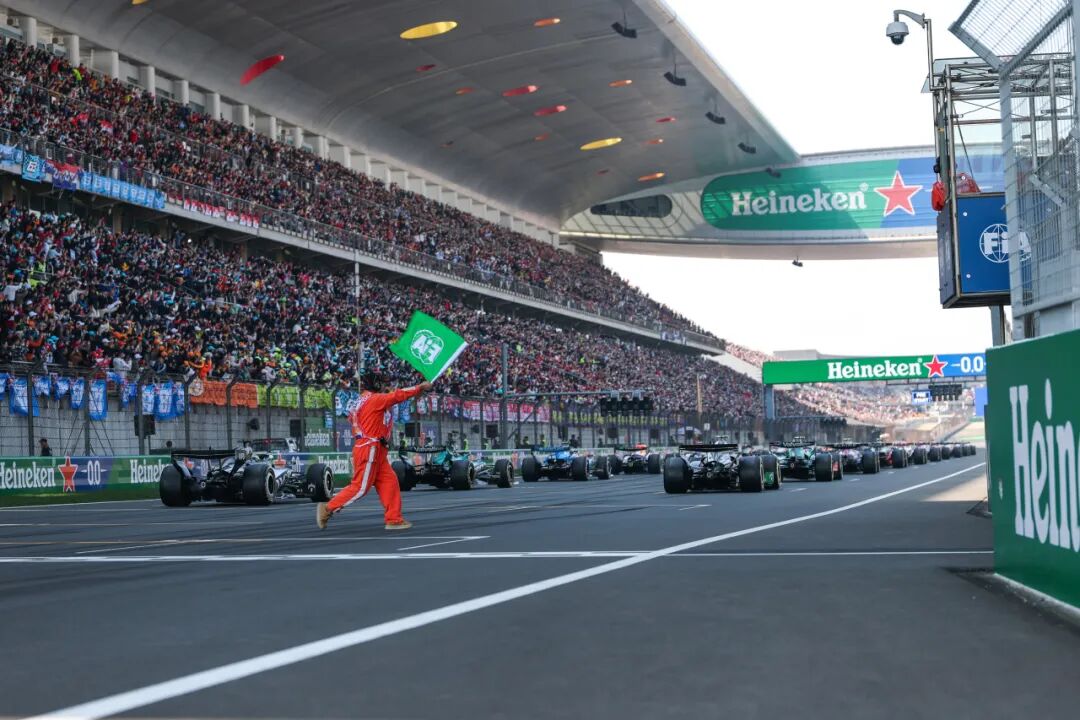
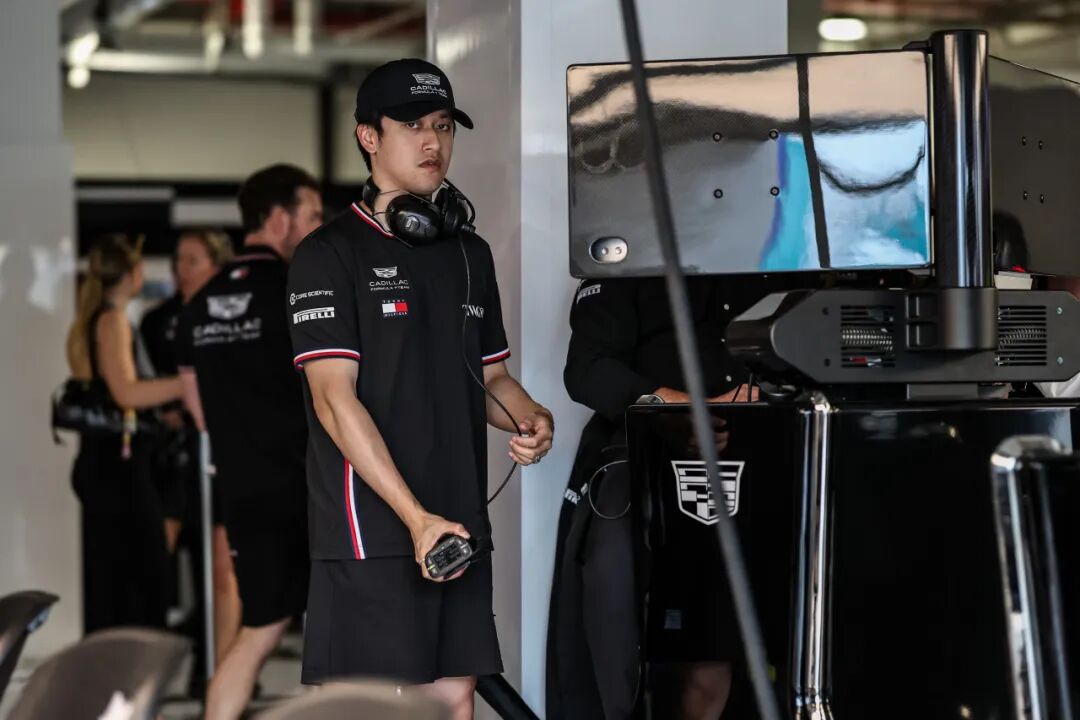
F1 has been in China for many years. The Chinese market has contributed audiences, traffic, and huge commercial returns, but its presence in terms of teams, drivers, and technical systems is still limited. For many years in the past, Chinese fans could wave flags for Ferrari, Mercedes, and Red Bull. They also cheered for a Chinese driver for the first time in an F1 Grand Prix when Zhou Guanyu appeared. However, after leaving the Sauber race seat, Zhou Guanyu became a reserve driver for Ferrari in the 2025 season and joined the new F1 team Cadillac in early 2026, continuing to compete with the team as a reserve driver.
When the Chinese Grand Prix is still bustling, Zhou Guanyu, who is in his home - ground Shanghai, can only watch from the sidelines. This gap also reflects the cruelty of the F1 seat competition.
Beyond competitive performance, commercial value and capital endorsement also determine the retention of drivers. Before the next Chinese driver with stable competitiveness appears, the entry of Chinese manufacturers may become a more realistic external driving force.
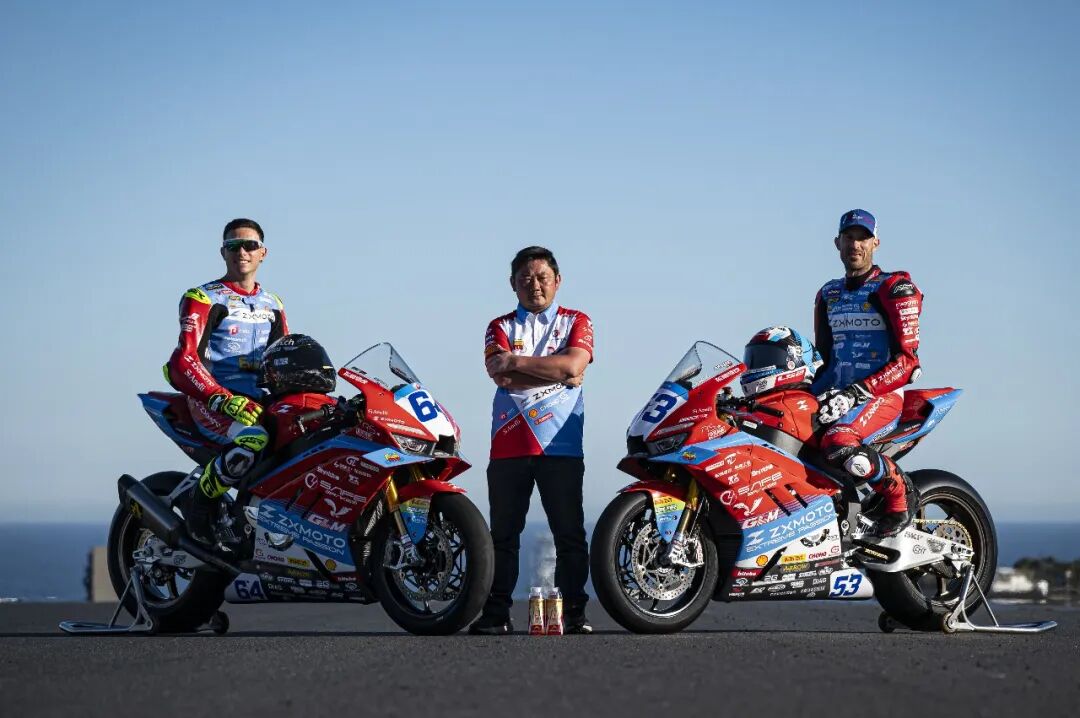
In recent years, from the Formula E to the World Powerboat Championship known as the "Water F1" and then to the Dakar Rally, Chinese teams, Chinese brands, and Chinese technologies are increasingly appearing on the international stage. The victory of "Zhangxue Motorcycle" on the international stage once again proves the strength of Chinese manufacturing in high - performance competitive scenarios. The chain reaction brought by the championship can not only bring real commercial returns to enterprises but also attract more young people to pay attention to and engage in related industries such as racing, manufacturing, and engineering R & D.
F1 racing is a closed - league sport. It tests not only financial strength but also long - term R & D investment, top - notch engineering talent reserves, a mature management team, as well as the connections, reputation, and understanding of rules accumulated in the racing circle over the years. The annual R & D and operating expenses of nearly $100 million are only part of the threshold. The real difficulty lies in how to convert funds into technical capabilities, organizational efficiency, and track results. For Chinese brands, it still requires a very high price to truly sit at the F1 table.
There is an old saying in the racing circle: "Win the race on Sunday, sell the cars on