New energy ride-hailing cars are great, except that they made me vomit all the way.
It's unclear when it started, but our daily taxi - hailing has turned into a blind - box - style gamble.
When opening a ride - hailing platform, we can choose the vehicle model, select the car, make an appointment time, filter high - quality cars, and even check options like silent mode, no phone calls, and priority for experienced drivers. The platform has filled the page with details of "user - friendly services", seemingly considering the user experience in every aspect.
However, there is a crucial function that millions of users urgently need, but it has been collectively ignored by all mainstream platforms: on the order - placing page for ordinary users, there is no self - selection entry for fuel - powered cars or new - energy electric vehicles.
Currently, most ride - hailing platforms such as Didi, Gaode, T3, and Caocao Chuxing have not set "fuel - electric vehicle model screening" as a public, obvious, and general basic function. (Gaode allows users to choose only new - energy vehicles.)
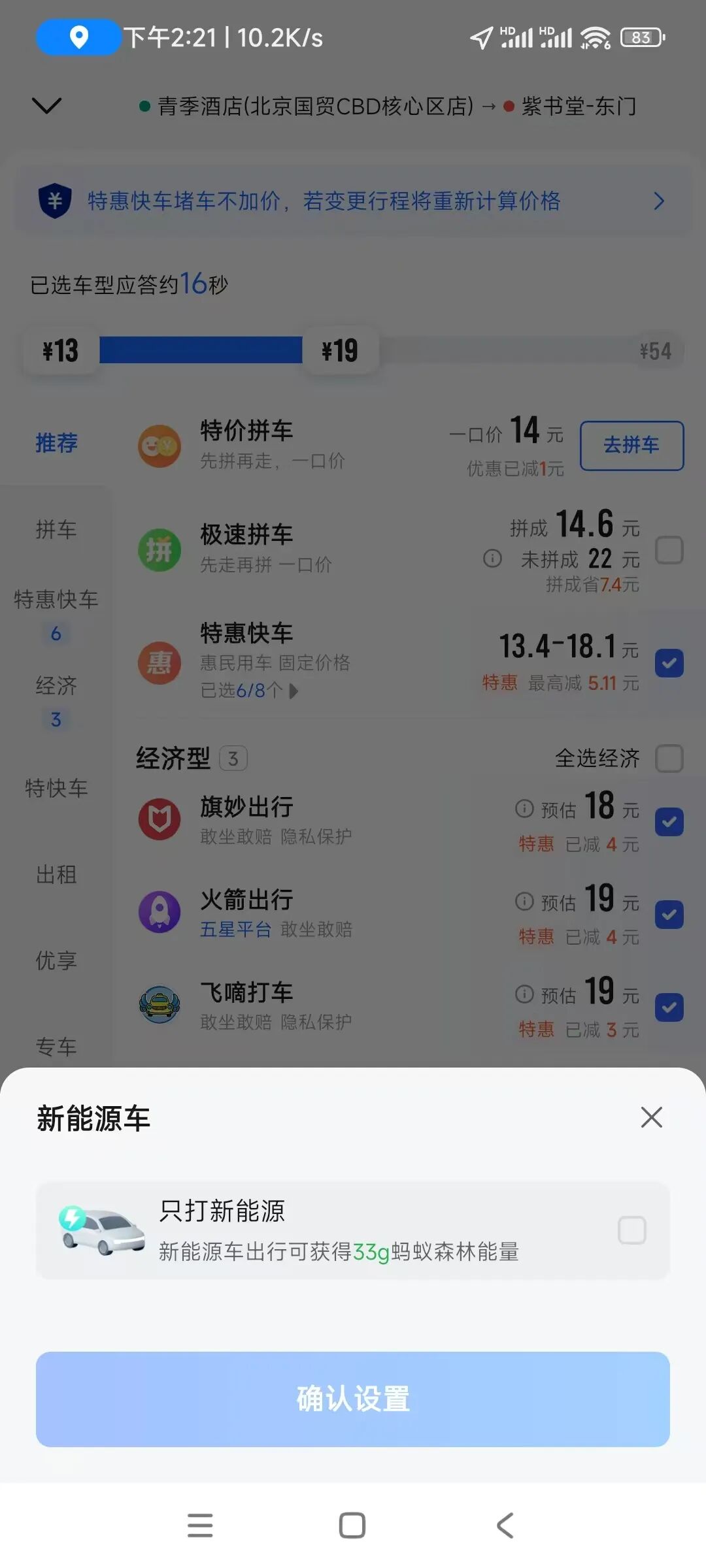
Gaode
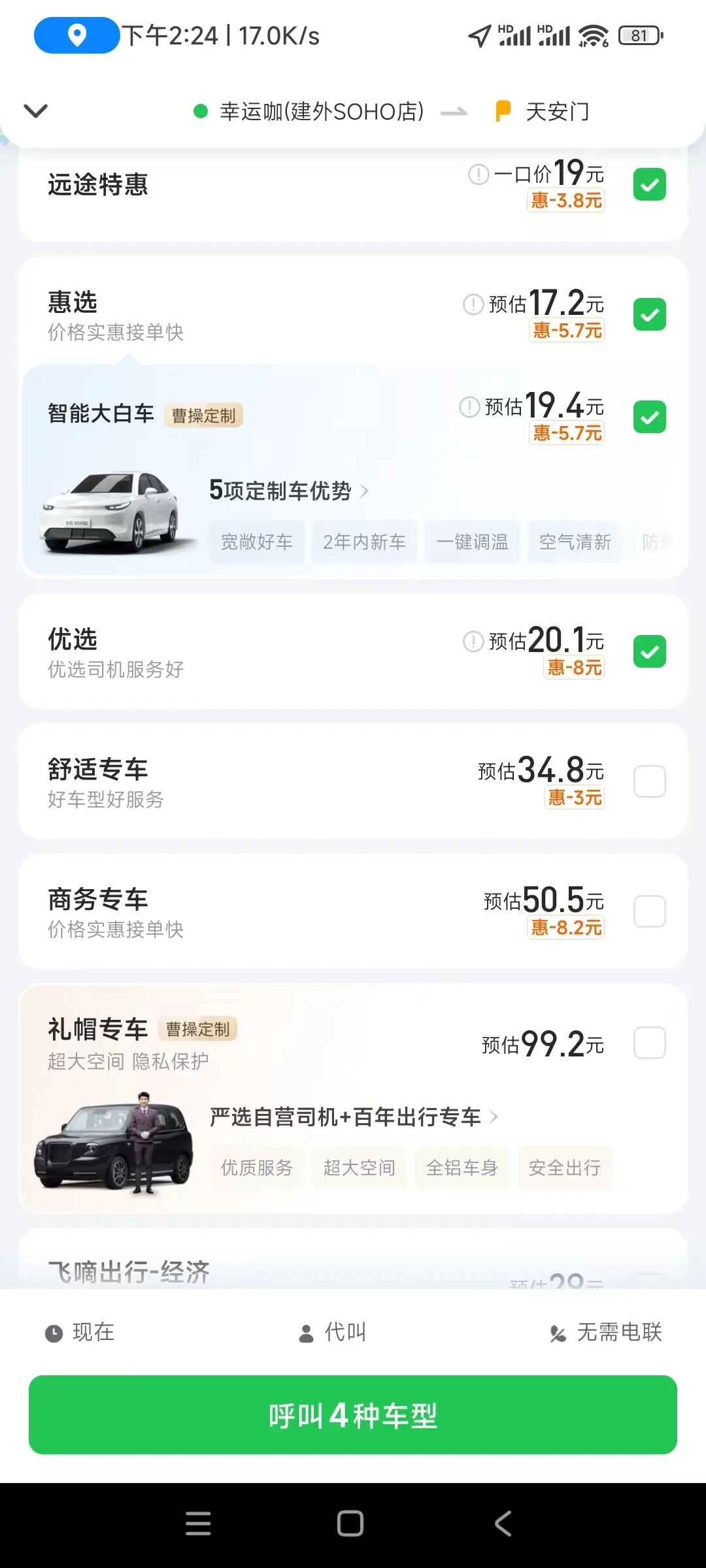
Caocao Chuxing
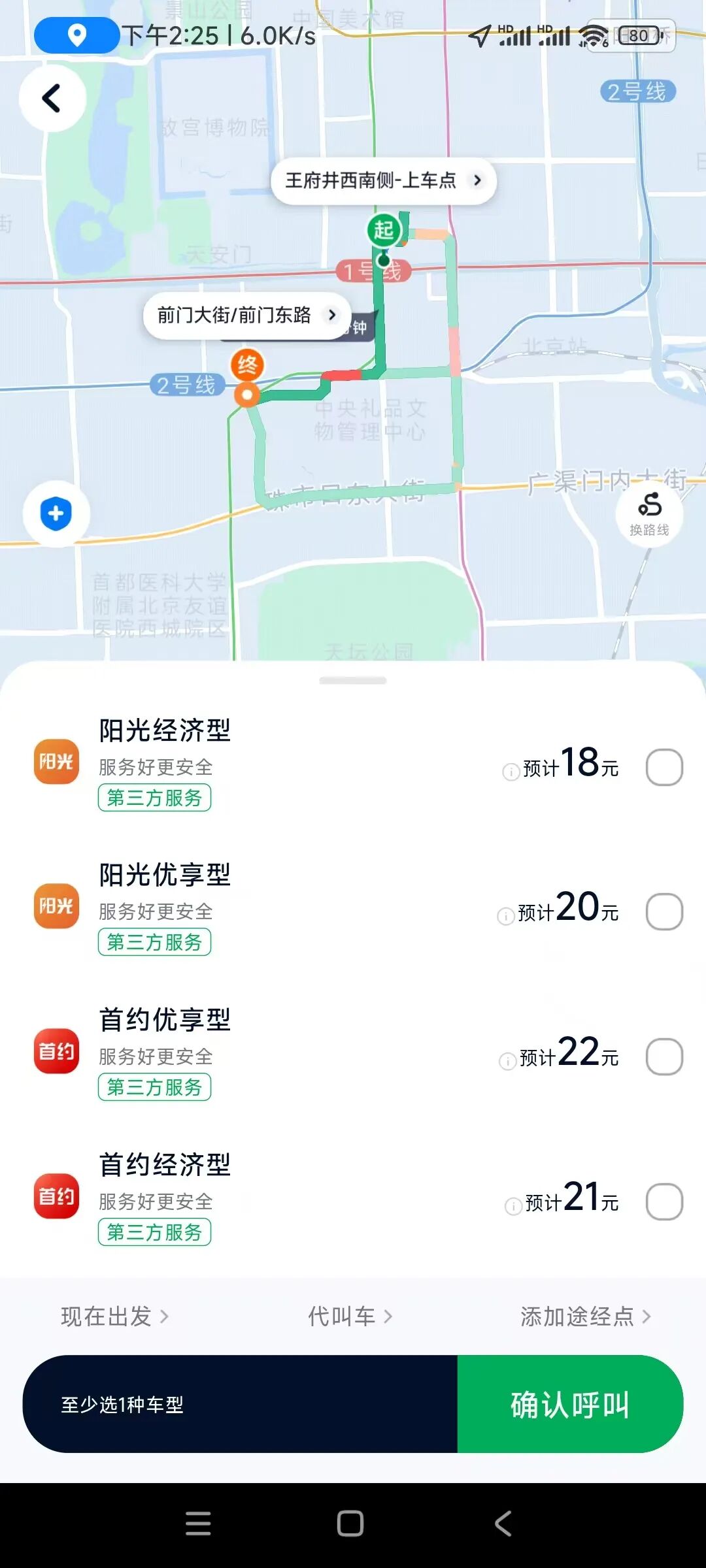
T3 Chuxing
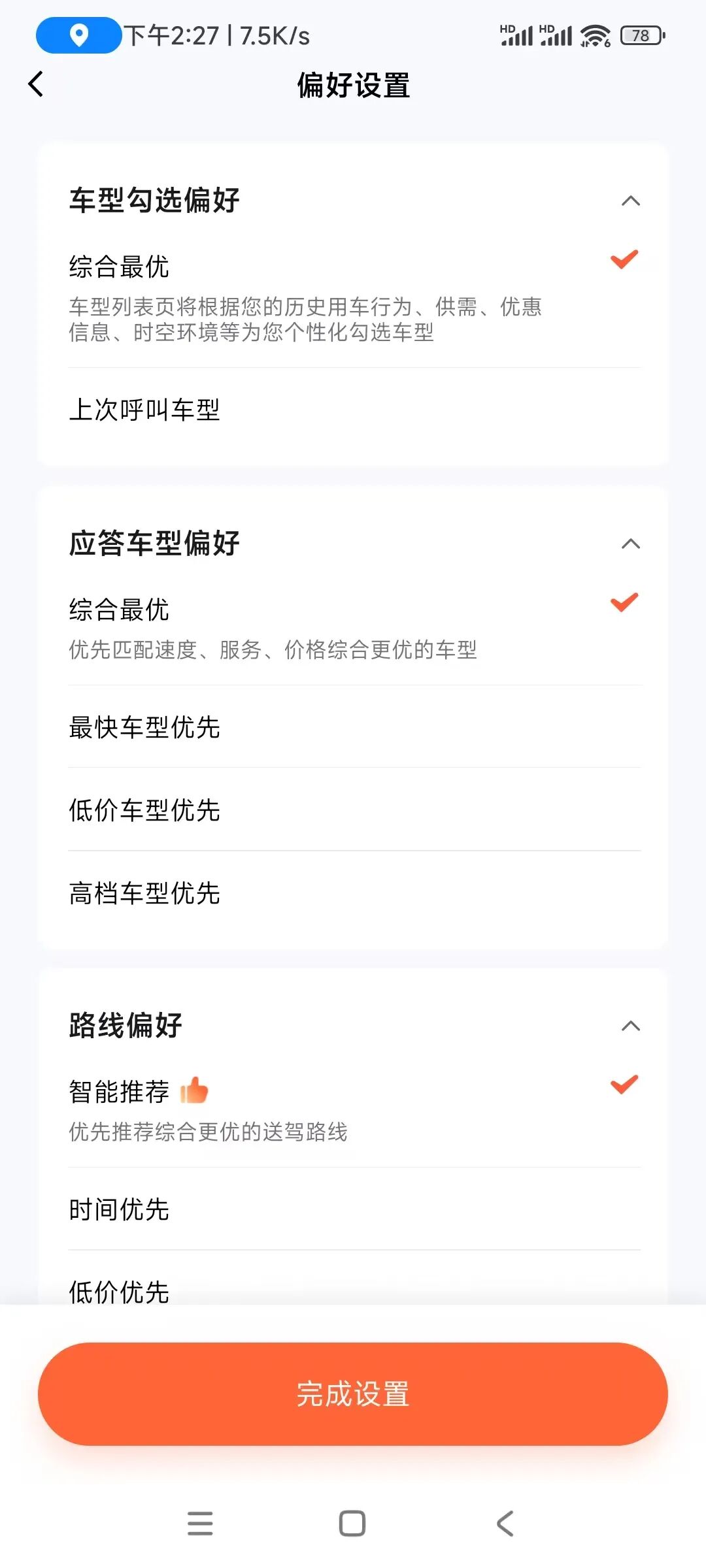
Didi
This means that even if you can't stand riding in electric cars by nature and feel nauseous and dizzy as soon as you get in a new - energy vehicle, or even if you strongly dislike the jerks and sudden acceleration of electric cars, you can only passively accept the system's dispatch every time you hail a taxi. Whether the car is fuel - powered or electric depends entirely on luck, and users have no choice at all.
Today, we won't talk about industry involution or price differences. We'll only discuss a core issue that the platforms have deliberately ignored but is crucial to the travel experience of countless people: on the way to the full electrification of the ride - hailing era, can ordinary users be given a basic right of choice?
01 It's not being fussy; it's really "unable to ride in electric cars"
Many people who don't get carsick may wonder: Isn't it just taking a ride? What's the difference between fuel - powered cars and electric cars? Is it really necessary to be so picky?
However, only those who are deeply troubled know that after the popularization of electric ride - hailing cars, daily taxi - hailing has become a torture.
Why do people get carsick? It has to do with the driving logic of new - energy electric cars and traditional fuel - powered cars. Fuel - powered cars have a linear power output with weak jerks. The feedback of the accelerator and brake fits human perception, and the driving rhythm is smooth and gentle. In contrast, new - energy electric cars have extremely strong torque output. They reach full power instantly at the start and accelerate rapidly and abruptly (a domestic model can reach 100 km/h in 1.98 seconds). At the same time, the standard kinetic energy recovery function of electric cars makes the vehicle automatically decelerate and drag when the accelerator is released, resulting in a strong sense of jerk.
This frequent "jerk - drag" rhythm is the core culprit of carsickness.
For ordinary passengers, they may just feel that the riding experience is average and there is a little bumping. But for people with sensitive vestibular systems, those who are prone to carsickness, and those with weak constitutions, this physical sensation can be fatal. In mild cases, they may feel dizzy and nauseous and uncomfortable all over. In severe cases, they may vomit throughout the journey. A short - distance trip can ruin their state for the whole day. As a heavy carsickness sufferer, the author needs to rest for a whole day to recover after a journey of more than 30 minutes.
More importantly, nowadays, young people mostly like to use their phones, handle work, or watch short videos while taking a ride. Measured data shows that the probability of getting carsick while looking down at the phone in an electric car with jerky driving is more than three times that in a fuel - powered car.
We must clarify a perception: wanting to choose a fuel - powered car is never the user's fussiness; it's a real physiological need. Just like some people are allergic, some are afraid of heights, and some can't tolerate strange odors, it's a physical reaction that can't be overcome by endurance.
However, the current ride - hailing industry completely assumes that "everyone can accept electric cars", forcing the normal needs of some users into niche demands with nowhere to appeal.
02 Why do platforms firmly refuse to offer the "fuel - electric selection"?
As of May 2026, most ride - hailing platforms (including Didi's ordinary car - hailing, Gaode, T3, Caocao, etc.) do not have an obvious "power type" screening option.
However, in order to improve the user experience, each ride - hailing platform has launched a variety of personalized services: silent mode, contactless rides, priority for familiar drivers, accommodation for large luggage, rides for children, rides for the elderly, and even allowing pets on board. Even niche demands like "no air - conditioning" and "open the window for ventilation" can be noted online.
The refined services cover all aspects, which shows that the platforms have strong function - development and segmented - service capabilities. However, it's puzzling that in the face of the carsickness needs of millions of people, all platforms have chosen to remain silent and absent.
A simple screening button is technically easy and has a very low cost. Why have all ride - hailing platforms unanimously refused to launch it?
The answer is never a technical problem but a trade - off between commercial interests and user experience.
Let's analyze the relevant issues today.
First of all, the core assessment indicators of the platform are always order - receiving efficiency, matching speed, complaint rate, and vehicle - utilization turnover rate.
For ride - hailing platforms, the shorter the user's waiting time, the faster the order matching, and the higher the driver's order - receiving rate, the better the platform's operational data will be, and the user retention and word - of - mouth data will also improve accordingly. Adding a fuel - electric screening function will directly reduce the order - matching pool. After users check the option for a fuel - powered car, the system can only match a small number of fuel - powered car drivers, which will lead to slower matching, longer waiting times, a higher rate of unfilled orders, and even problems such as users urging the order and complaining about delays.
In general, adding one more screening option will shrink the vehicle - matching pool, lengthen the user's waiting time, and increase the number of complaints. Platforms are reluctant to bear this cost and risk.
Secondly, under the general trend of the industry's new - energy electrification, fuel - powered ride - hailing cars are withdrawing from the market at an accelerating pace.
Nowadays, major cities across the country are implementing policies to electrify ride - hailing cars. 100% of newly added ride - hailing cars are new - energy electric vehicles, and the number of existing fuel - powered ride - hailing cars is decreasing year by year. For platforms and drivers, electric cars have lower operating costs, their battery life is suitable for the order - taking scenarios, and they have a greater profit margin. This is an inevitable trend in the industry's development.
All the rules, algorithms, and order - dispatch logics of the platforms are tilted towards new - energy drivers to fully adapt to the electrification transformation. In this context, users' preference for fuel - powered cars has naturally become an "unnecessary demand" that hinders the platform's efficiency and does not conform to the industry trend, and is directly ignored.
The AI technology self - media "Houchangcun" believes that the carsickness discomfort of most users is a mild and non - fatal experience. Very few people will completely give up using ride - hailing services because of occasional carsickness. Without large - scale complaints, no public - opinion pressure, and no core losses to the platform, the platform naturally won't actively invest resources to optimize this "thankless" function.
03 We don't oppose electrification; we just want the most basic right of choice
Here, we must clarify a core point: As users, we never oppose the electrification of ride - hailing cars. We fully support the industry's development trend of green travel and low - carbon environmental protection.
As a heavy carsickness sufferer, the author doesn't expect the platform to reverse the electrification process or provide an unlimited supply of fuel - powered cars. We just hope to have the most basic right of choice.
We just hope that on the ordinary order - placing homepage, there will be a public, obvious, and permanently existing vehicle - power screening option: priority for fuel - powered cars, priority for electric cars, and no vehicle - type limitation, with three levels for free switching.
If a match can be made, give priority to matching. If not, clearly prompt "There are currently no fuel - powered cars. Do you want to continue waiting / switch to an electric car?" Don't operate in the dark.
04 Conclusion
The essence of travel has never been simply "getting people to their destinations". It's about arriving safely, comfortably, and with dignity. If a convenient trip comes at the cost of physical discomfort and mental suffering for some people, then this upgrade in intelligence and electrification is itself an incomplete progress.
A small fuel - electric screening button carries the travel dignity of millions of users. It doesn't affect the normal travel of most people and doesn't hinder the industry's electrification process, but it can solve the daily troubles of countless people.
Don't let taxi - hailing become a blind - box of luck anymore. Don't let users with physical discomfort endure passively and suffer silently every time they travel.
This article is from the WeChat official account "Houchangcun". Author: Houchangcun. Republished by 36Kr with authorization.