Nadella dismantles Microsoft's old throne, and Sulaiman launches an all-out attack on superintelligence.
The old senior leadership team at Microsoft is gone.
In just the past few months, Nadella personally dismantled the top - level structure that had governed Microsoft for decades.
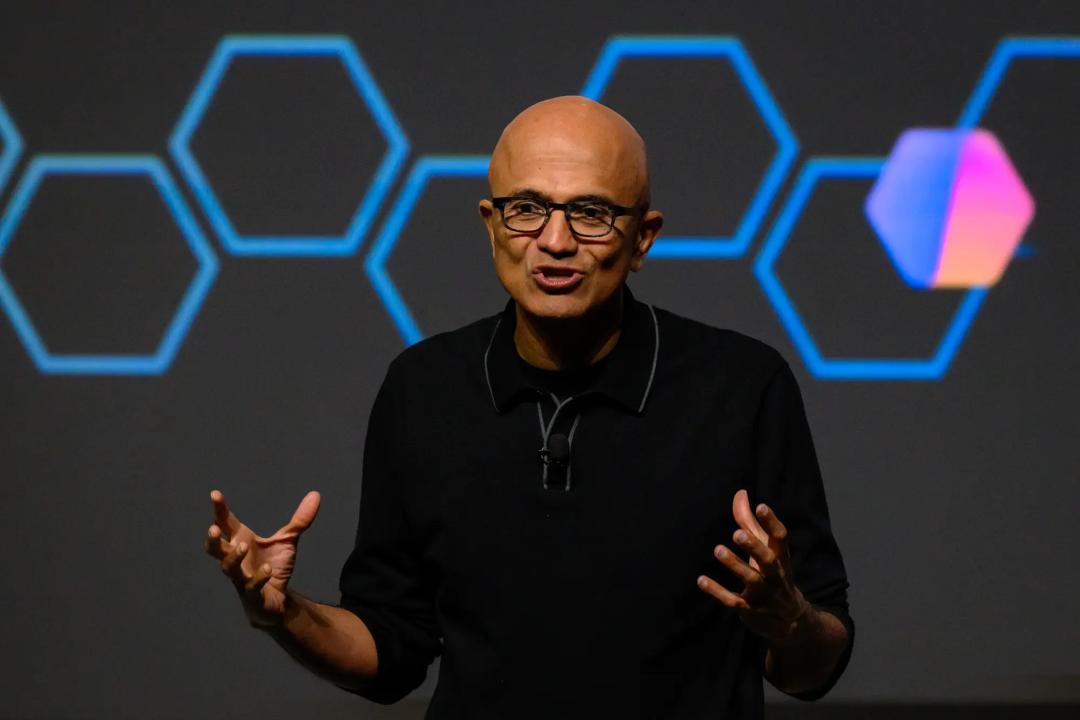
Satya Nadella, CEO of Microsoft
According to Business Insider, Nadella has "quietly abolished" the decades - old Senior Leadership Team (SLT).
In its place, there is a new core circle called corporate leadership with only 5 people who meet weekly, plus an engineering leadership group of about 35 people. Nadella also personally reviews AI metrics every week.
For decades, the SLT consisted of several heavy - weight executives who reported directly to the CEO. Each managed a large business area and was the power center of Microsoft.
A person close to Nadella explained the reason for this major top - level restructuring: The speed of the AI platform migration is faster than any change Microsoft has seen in the past.
In the AI era, this giant ship with 228,000 employees has instead become a burden that Microsoft can't shake off.
Nadella said bluntly that Microsoft's large size has become a "huge disadvantage" in the AI era. For this reason, he spends his weekends studying startups to figure out where this giant should change in the future.
More than twenty years ago, Bezos used Microsoft as a negative example. In his words, Microsoft was a country club where employees could "retire in peace".
Now, the owner of this country club can't sit still anymore.
Suleyman Focuses on Superintelligence
In this round of restructuring, the leader of Microsoft's AI department has also adjusted the direction.
Mustafa Suleyman, CEO of Microsoft AI, will shift his focus to superintelligence in the next step.
Officially, Microsoft still refers to him as the Executive Vice President and CEO of Microsoft AI.
In the Copilot restructuring announcement on March 17, in the letter Suleyman sent to employees, he stated that in the next stage, he will devote all his energy to superintelligence, and hand over the daily responsibility for the Copilot experience to Jacob Andreou.

Mustafa Suleyman, Executive Vice President of Microsoft and CEO of Microsoft AI. After the Copilot restructuring in March 2026, he will shift more energy to superintelligence.
The organizational chart seen by Business Insider shows that Suleyman now directly manages about 650 people, a smaller scope than the original MAI organization.
In the official context, this is a focus: Suleyman will step out of the details of the product experience and focus on the most difficult task - delivering a world - class cutting - edge model for Microsoft within the next five years.
Three Groups
Redrawing Microsoft's Power Map
According to Business Insider, what replaces the SLT is not a new large leadership, but several small teams, each in charge of a specific area.
The first is the corporate leadership, with 5 people: Nadella himself, President Brad Smith, CFO Amy Hood, Chief Human Resources Officer Amy Coleman, and Business CEO Judson Althoff. They meet at least once a week, focusing on the company - level operations and governance.
The second is the engineering leadership group, about 35 people, consisting of engineers, researchers, product leaders, and designers. It operates in a flat and collaborative way like a startup, which Nadella has publicly praised many times.
The third is the Copilot leadership group, specifically in charge of Microsoft's AI assistant: Charles Lamanna is in charge of the platform, Jacob Andreou is in charge of the user experience, and Ryan Roslansky is in charge of the application layer. The three have a separate standing meeting with Nadella every week.
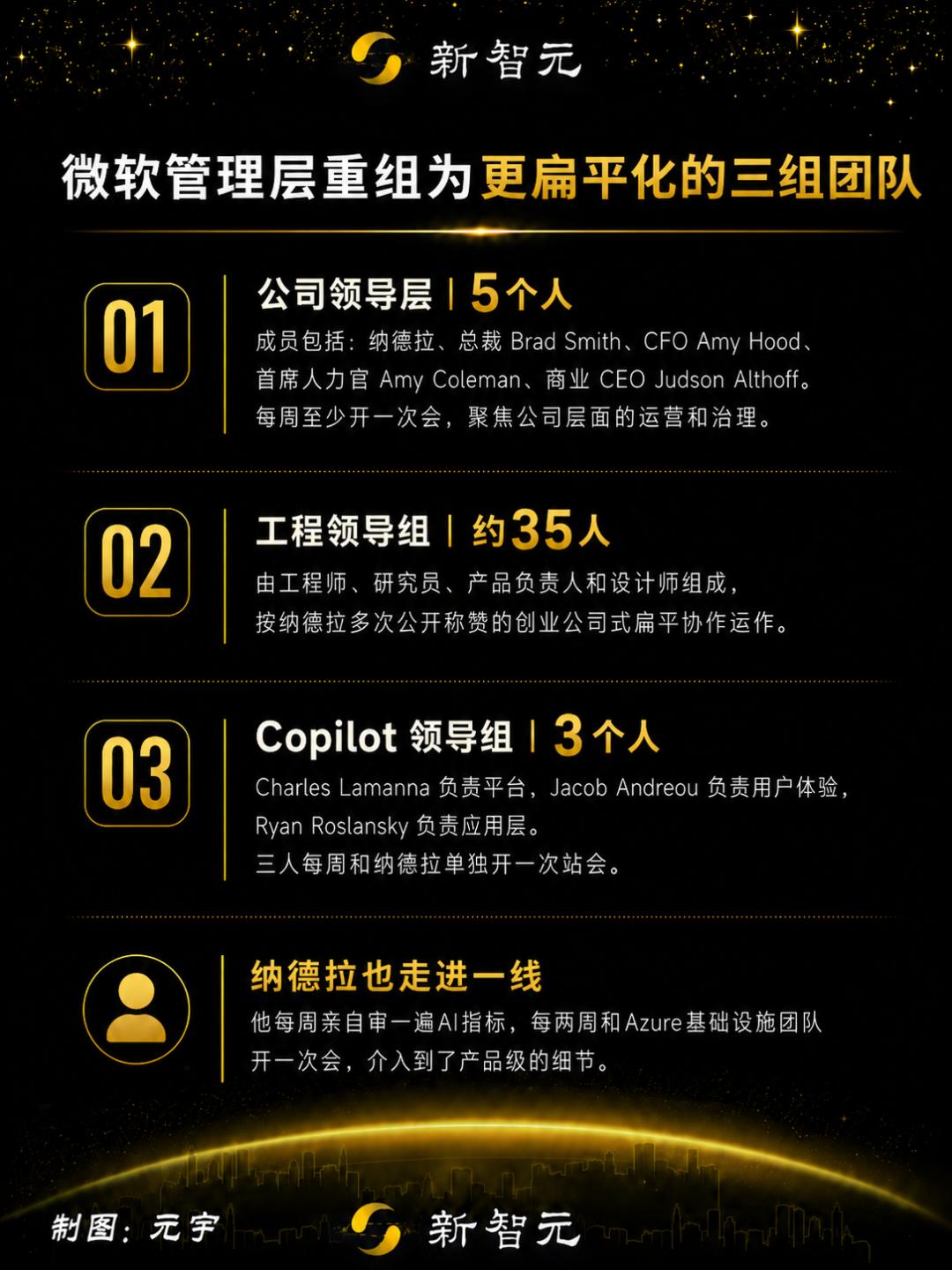
The structure of the old SLT, where one person managed a large business area, has been replaced by a group of smaller, flatter teams closer to the front - line.
Nadella himself has also gone to the front - line. He personally reviews AI metrics every week and has a meeting with the Azure infrastructure team every two weeks. A CEO has intervened in the product - level details.
Jason Schloetzer, an associate professor at the McDonough School of Business at Georgetown University, said when evaluating Microsoft's restructuring that to beat more agile competitors, the company must improve the information flow so that the right people get the right information at the right time.
Long - serving Employees Exit Collectively
Microsoft Veterans with Over 30 Years of Service Are Out
Along with the SLT, a group of Microsoft veterans with over 30 years of service have stepped out of the spotlight.
Rajesh Jha, 35 years of service.
One of Microsoft's most influential product leaders, he officially announced his retirement on July 1, 2026 on March 12 and will serve as a consultant.
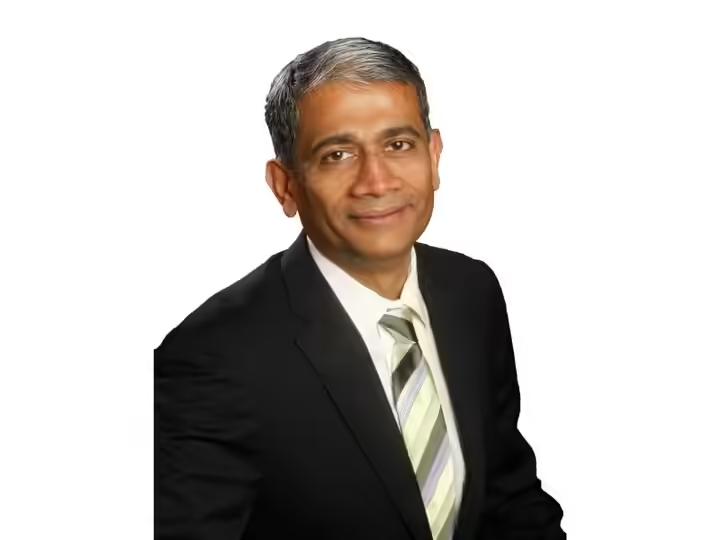
Rajesh Jha, former Executive Vice President of Experiences + Devices at Microsoft.
His original position will be taken over by Perry Clarke, Charles Lamanna, Pavan Davuluri, and Ryan Roslansky. All of them have been promoted to EVP (Executive Vice President) and report directly to Nadella.
Nadella wrote in an internal farewell letter that Jha was a "constant" throughout his entire Microsoft career. Now, this "constant" is starting to step back from the power stage.
Yusuf Mehdi, 35 years of service.
The CMO of Microsoft's consumer business will stay on for a transition period in the next fiscal year. Before leaving officially, he will help Microsoft "reimagine Windows for the agentic era".

Yusuf Mehdi, Executive Vice President of Microsoft and Chief Marketing Officer of the consumer business, will leave after the end of the next fiscal year.
Phil Spencer, 38 years of service, and has been in charge of the Gaming business for 12 years.
He proposed to Nadella to step down last fall. In February 2026, Microsoft announced that Asha Sharma would succeed him as the CEO of Microsoft Gaming. Spencer is in the process of hand - over and will stay on as a consultant until summer.
In these 12 years, he tripled the size of the Gaming business, led the acquisitions of Activision Blizzard, ZeniMax, and Minecraft. Among them, the acquisition of Activision Blizzard was the most significant deal in the 25 - year history of Xbox.
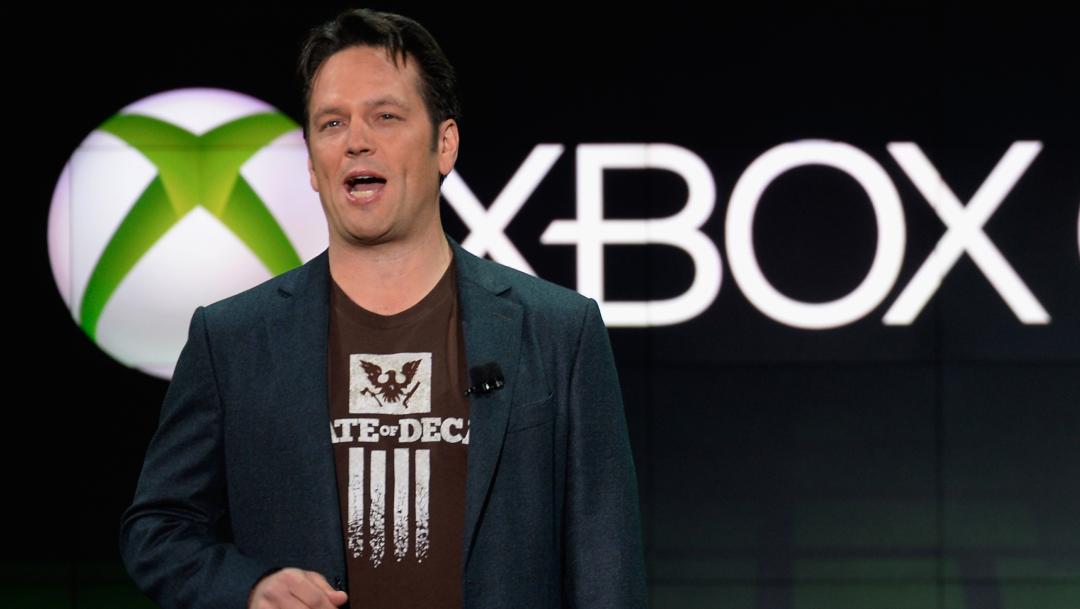
Phil Spencer, former head of Microsoft Gaming, retired after 38 years of service at Microsoft.
The most dramatic case is Charlie Bell.
He joined Microsoft from AWS in 2021 and was widely regarded as one of the core architects at AWS. He came to Microsoft to lead a security organization of 10,000 people. The latest internal organizational chart seen by Business Insider shows that his current position is marked as an engineer, and he has no subordinates.
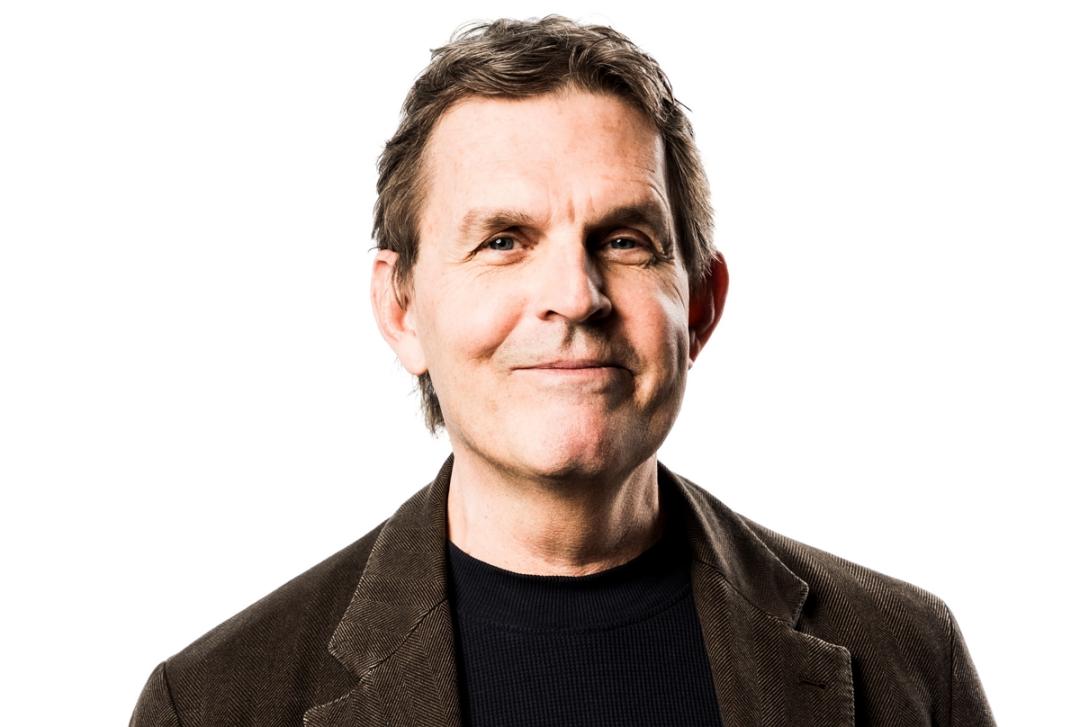
Charlie Bell, former Executive Vice President of Security at Microsoft, joined Microsoft from AWS in 2021.
Officially, Charlie voluntarily wanted to return to the front - line engineer status from an organizational manager, and Nadella's announcement in February also confirmed this.
Microsoft's first cut in this round of top - level personnel change was made on the most senior group.
External Recruits and Internal Promotions
Someone Reached Executive Vice President in One Year
The positions vacated by the long - serving employees are being filled by a group of external executives and young engineering talents.
Hayete Gallot returned to Microsoft in February this year as the Executive Vice President in charge of the security business, reporting directly to Nadella.
She worked at Microsoft for 15 years. She left a few years ago to become the President of Customer Experience at Google Cloud and is now back to take over the entire security business.
Nadella evaluated her in an internal announcement as "combining product building and customer value realization". Business Insider said that Gallot has entered Nadella's core circle.
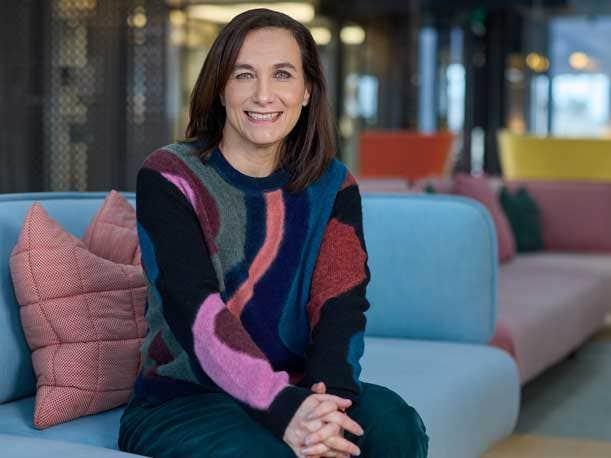
Hayete Gallot, Executive Vice President of Microsoft and Head of the security business.
Asha Sharma was promoted to CEO of Microsoft Gaming in February.
Before joining Microsoft, she was the COO of Instacart and earlier a vice - president at Meta. She joined Microsoft's Core AI in 2024 and now takes over Xbox across different businesses.
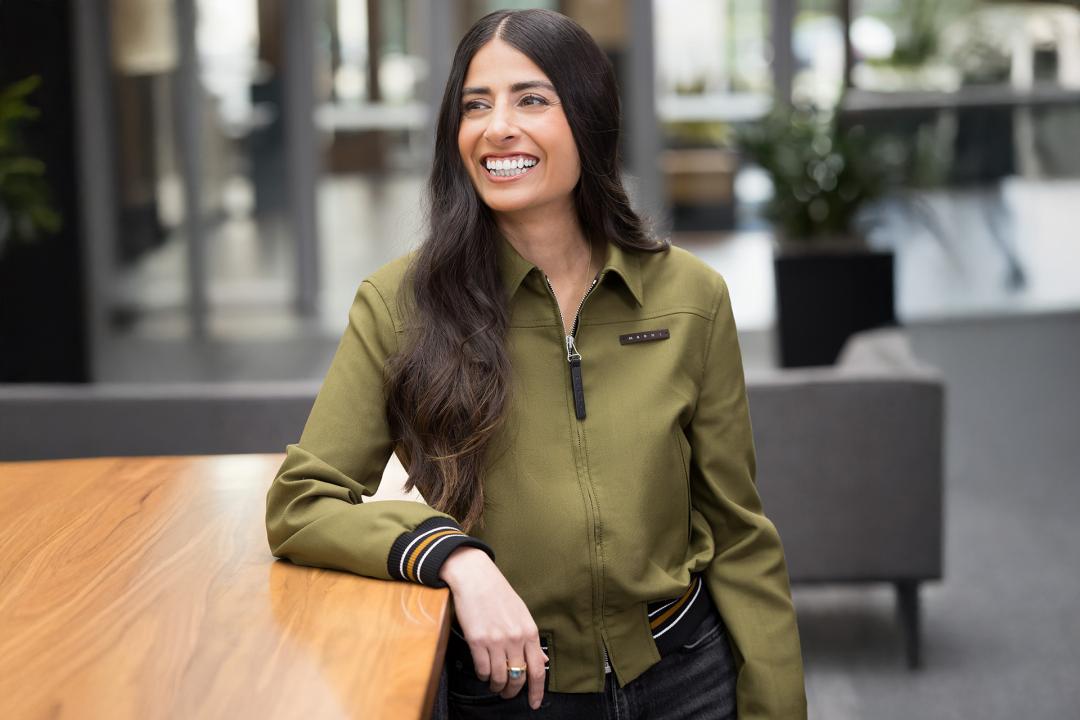
Asha Sharma, former COO of Instacart and Vice - President of Meta, was promoted to CEO of Microsoft Gaming in February 2026.
Jacob Andreou, the former senior vice - president at Snap, joined Microsoft as a CVP last year. He was promoted to Executive Vice President in March this year and takes over all product lines of the Copilot experience across consumer and business. It only took him about a year from joining the company to entering the Copilot trio.
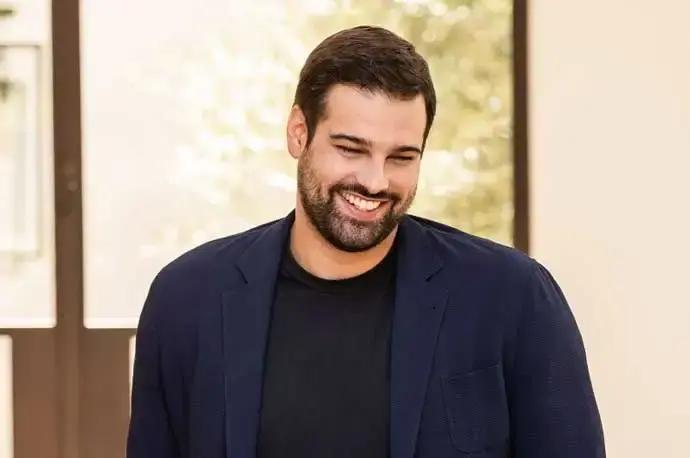
Jacob Andreou, Executive Vice President of Microsoft and Head of Copilot.
After the external talents are recruited, internal promotions are also carried out simultaneously.
Charles Lamanna is a Microsoft veteran and was originally in the Copilot system. Now he is in charge of the Copilot platform.
Ryan Roslansky was transferred from the position of CEO of LinkedIn and is now in charge of most of the Office business and the Copilot application layer.
Pavan Davuluri is a 25 - year Microsoft veteran from the Surface team. He took over the Windows and device group in March.
Arun Ulag was promoted to Executive Vice President in April this year. His business scope has expanded from the Fabric data platform to a larger strategic role. Nominally, he reports to Scott Guthrie, the boss of the cloud business, but Nadella "treats him as a direct report".
This Restructuring
Nadella Prepared for a Whole Year
There are three main reasons why Nadella had to make changes.
The first is the pressure from investors. In 2025, Microsoft's stock price experienced its worst quarter since the 2008 financial crisis. Investors want to see the returns from the hundreds of billions of dollars invested in AI.
The second is the scale. Nadella himself has publicly said that Microsoft's large size "has become a huge disadvantage in the AI era". The efficiency of an organization with more than 220,000 people is difficult to compete with those AI startups in Silicon Valley.
The third is that the AI business is growing too fast for the organization to keep up. In the third quarter of fiscal year 2026, the annualized revenue run - rate of Microsoft's AI business has exceeded $37 billion, a year - on - year increase of 123%. The growth of the AI business requires the organization to be aligned with it.
This also explains why Nadella has been studying startups in the past year.
In October 2025, he first handed over the position of CEO of the business business to Judson Althoff to free himself up for technical work.
In November, he invited a consultant who had helped Microsoft with a cloud restructuring to recalculate the "economic accounts in the AI era".
Subsequently, Nadella disbanded the SLT