Li Bin staged a comeback against the odds. NIO continued to make profits in Q1, and even its battery swapping service started to generate revenue.
Whoa... Is this NIO's financial report?
A year ago, it had a loss of 6 billion yuan.
A year later, it made a profit of 66.8 million yuan.
The gross profit margin of the whole vehicle reached 18.8%, a four - year high.
The cash reserve is 48.2 billion yuan, with positive cash flow for three consecutive quarters.

In Q1 2026, NIO didn't "turn a profit after losses" like other new - force automakers. Instead, it achieved unprecedented and continuous profitability.
A year ago, hardly anyone would have believed that NIO would be the only new - force automaker to continue its profit - making momentum and have the best business quality.
Mr. Li Bin really pulled off an amazing comeback.
NIO is profitable again
In the first quarter of 2026, NIO's total revenue was 25.53 billion yuan, a year - on - year increase of 112.2%:
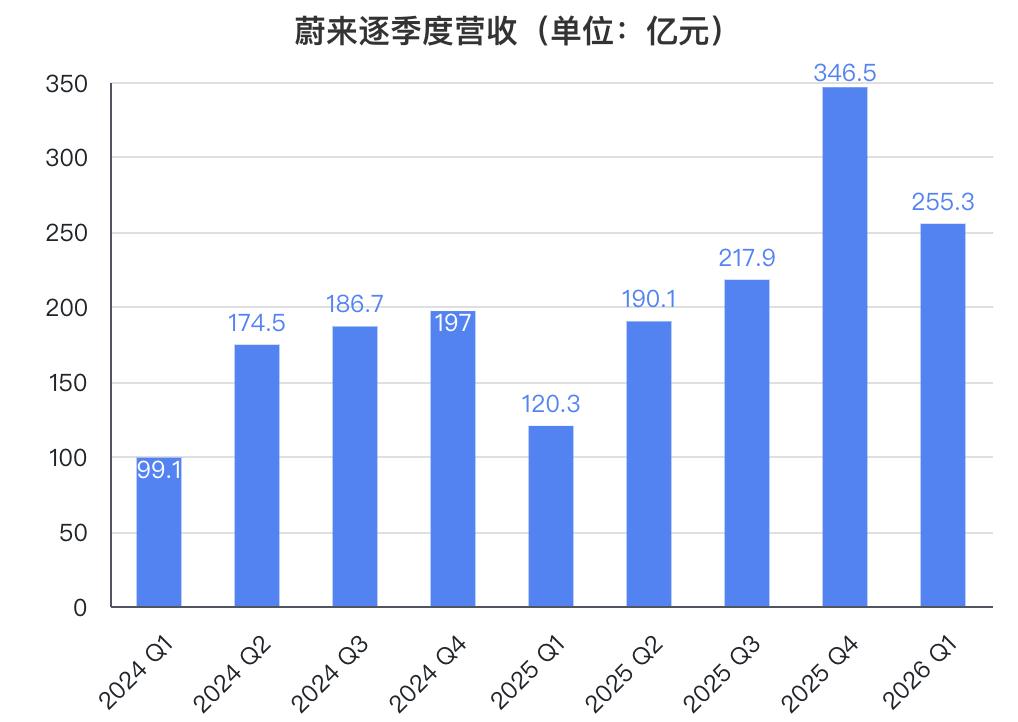
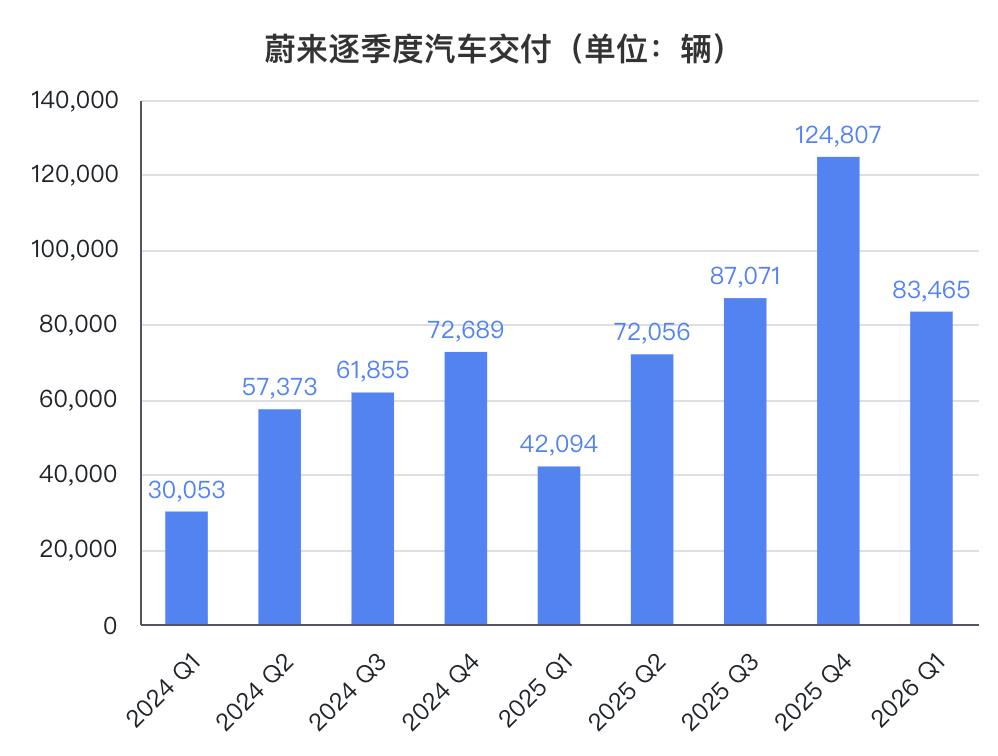
This figure itself isn't surprising - after all, the delivery volume doubled from 42,000 vehicles in the same period last year to 83,000 vehicles.
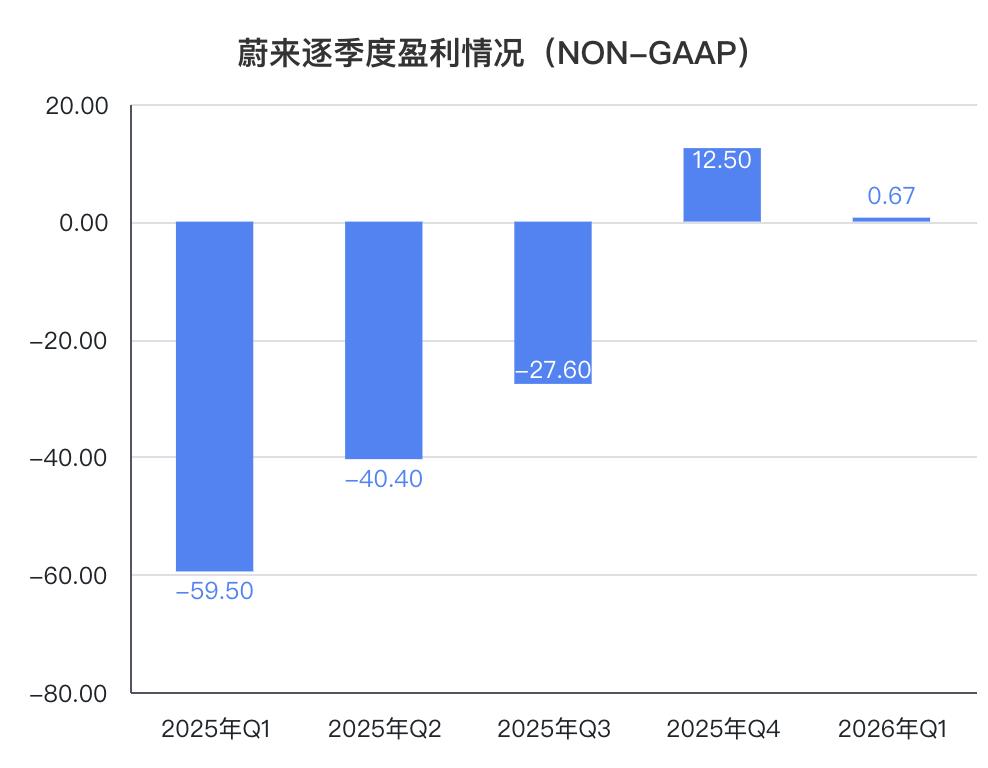
What's really surprising is the income statement.
The non - GAAP operating profit was 66.8 million yuan, positive for two consecutive quarters. 66.8 million yuan isn't a huge amount in the automotive industry, but you should know that this figure was a negative 5.947 billion yuan in the same period last year.
It's like coming back from the ICU to the race track. Mr. Li Bin can even breathe more steadily.
In addition, the gross profit margin of the whole vehicle was 18.8%, increasing quarter - on - quarter for four consecutive quarters. It was only 10.2% in Q1 2025, a rise of 8.6 percentage points in a year:
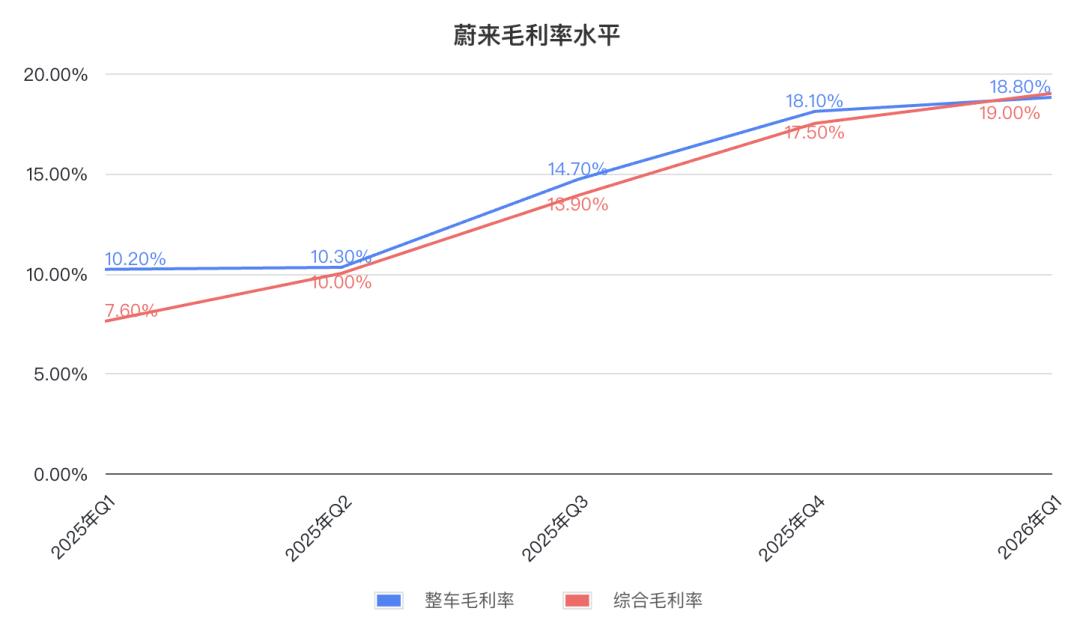
That means the gross profit per vehicle sold more than doubled. And this isn't due to price increases - NIO's average transaction price is 390,000 yuan, as stable as last year. It's simply because the product mix has improved: more high - gross - profit ES8s are sold, and the sales of low - gross - profit entry - level models are well - controlled.
But what's most surprising is that the "other businesses" have suddenly become profitable.
Businesses including battery - swapping services, after - sales maintenance, NIO Life, the car mall, and finance... These sectors, which were previously considered "money - burning for brand reputation", had a gross profit margin of 20.6% in Q1, exceeding the gross profit margin of the whole vehicle for the first time.
That is to say, the battery - swapping stations, user communities, and peripheral products that NIO has built over the past decade have started to make money on their own.
Looking at the expense side, R & D expenses decreased by 40.7% year - on - year, and sales and administrative expenses decreased by 20.5% year - on - year. This isn't about cutting R & D to maintain profits - NIO repeatedly emphasized in the earnings call that R & D efficiency has improved.
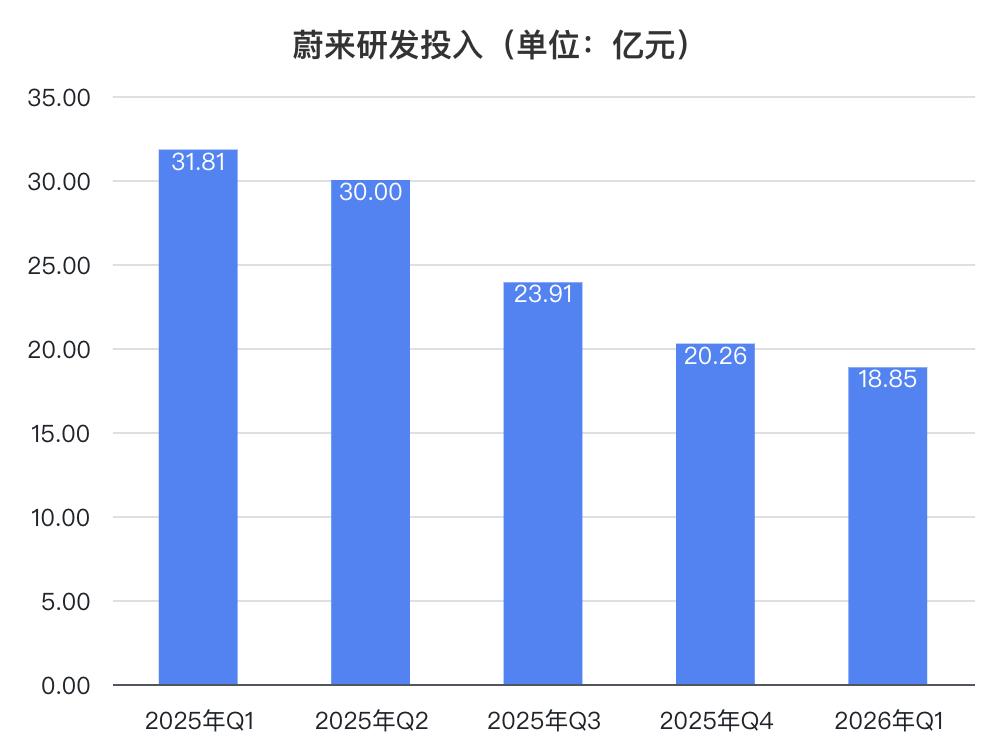
All the data and facts point to a clear conclusion: This profit isn't just saved in one quarter. It's the result of the vehicle model structure, brand matrix, and service ecosystem working together.
Why can Li Bin keep making money?
Most analyses believe that NIO "caught up with the new - car cycle of the ES8", which is true, but it's not the whole picture.
During the earnings call, Li Bin revealed three core factors that jointly contributed to NIO's continuous profitability.
First, the ES8 has been developed into a "long - selling model" rather than a "trendy model".
There's a cruel rule in the automotive industry called the "new - car death valley". It means that for most new cars, the popularity is highest in the first few months after the launch. A large number of orders are accumulated during the pre - sale period, and the delivery data looks good in those months.
But after the existing orders are delivered, the new orders drop off a cliff, and then there's no more business.
In the past three years, countless models of new - force automakers have died in this valley.
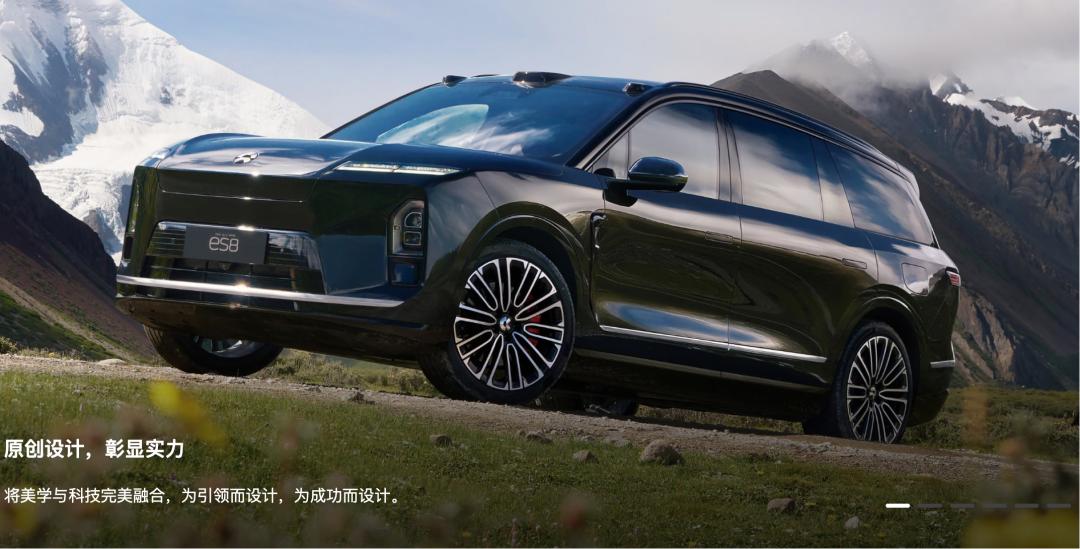
The ES8 is different. The all - new ES8, which started delivery at the end of September last year, has been on the market for 8 months as of May this year. But Li Bin presented a figure during the earnings call: "In the first 20 days of May, the ES8 orders reached a new high since November last year."
More than half a year after its launch, the new ES8 isn't losing popularity; instead, it's selling better and better.
Objectively analyzed, the all - new ES8 can cross the "new - car effect death valley" not by a single trick but through a systematic battle:
It's priced from 406,800 yuan, a significant reduction compared to the old model, directly targeting the core segment of BBA's fuel - powered SUVs; the flagship technologies of the ET9, such as the full - domain 900V architecture and self - developed intelligent driving chips, are applied, giving it a generational lead in product strength; combined with the expansion of the battery - swapping network to relieve charging anxiety, as well as the weakness of competitors and the structural opportunity in the pure - electric three - row SUV market.
Li Bin mentioned an interesting thing during the earnings call: A user came to the store to look at the ES9, but then tried the ES8 and found it more suitable - so they placed an order.
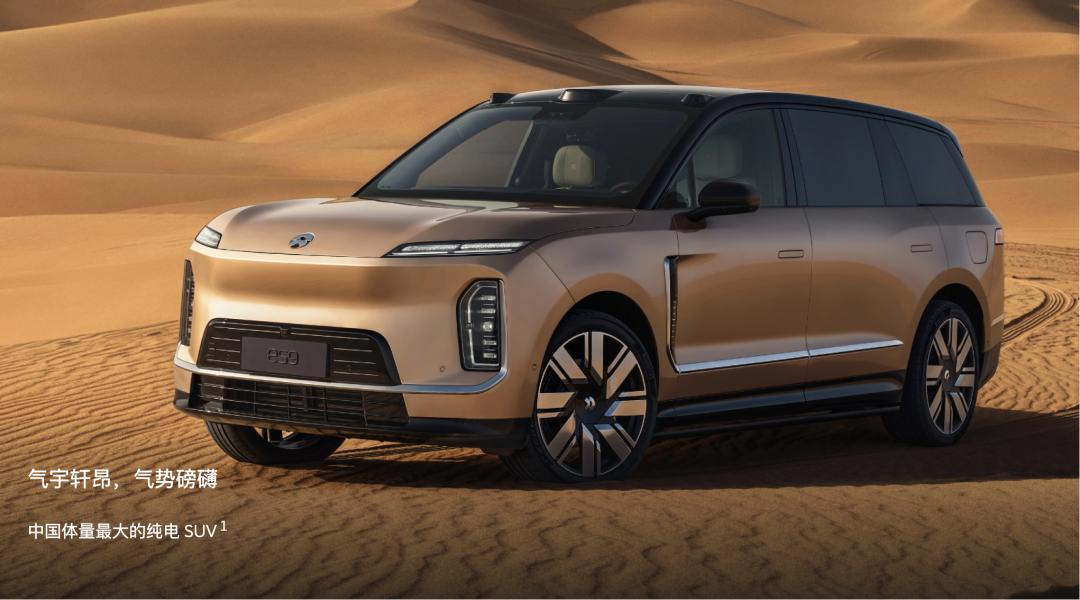
The two models are positioned completely differently. The ES9 is a technological and administrative flagship, suitable for business and personal use; the ES8 is a full - scenario SUV flagship, suitable for both business and family use, with a larger size and wider applications.
They're complementary rather than competitive.
This strategy of closely arranging vehicle models in terms of size, positioning, and price to attract every customer in the store was actually a strategy that XPeng used in the past, which pulled XPeng out of the trough of the first - generation G9.
We don't know if Mr. Li Bin learned from He Xiaopeng... But unfortunately, XPeng in 2026 has returned to the "chaotic era" of vehicle models and pricing.
The second factor is that the three - brand matrix has truly formed a synergy.
NIO now has three brands: NIO, LeDao, and Firefly. Many people were worried that multiple brands would lead to internal competition and blurred positioning. But judging from the Q1 data, each brand is performing well.
The main NIO brand delivered 58,543 vehicles in Q1, with an average transaction price of 390,000 yuan.
What's the level of this average price? The average transaction price of BMW in the Chinese market is about 340,000 yuan, and that of Audi is about 260,000 yuan. That means the NIO brand is 50,000 yuan more expensive than BMW and 1.5 times that of Audi. And this isn't an average pulled up by one or two high - priced models - the sales of high - end models like the ES8, ES9, and ET7 do account for a high proportion, but the entry - level ET5 is also selling well.
Li Bin revealed that in Shanghai, the Yangtze River Delta, and first - tier cities, the NIO brand has exceeded the market share of traditional luxury brands.
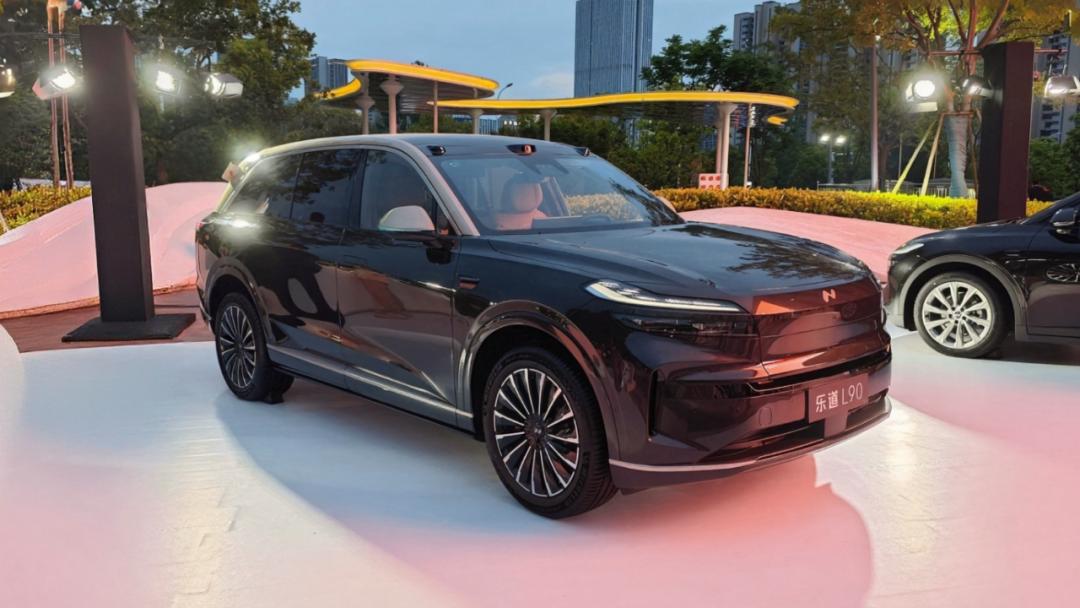
The LeDao brand focuses on high - quality family SUVs priced between 200,000 and 300,000 yuan. It delivered 13,339 vehicles in Q1. The absolute number isn't large, but the new product L80 has just started delivery. This "intelligent large five - seat SUV" has a key statistic: the size of the large five - seat SUV segment where it belongs is three times that of the three - row SUV market where the L90 is.
The Firefly brand focuses on high - end intelligent small cars. It delivered 11,583 vehicles in Q1. This was achieved with an average selling price 50% higher than its competitors, and it captured more than two - thirds of the market share.
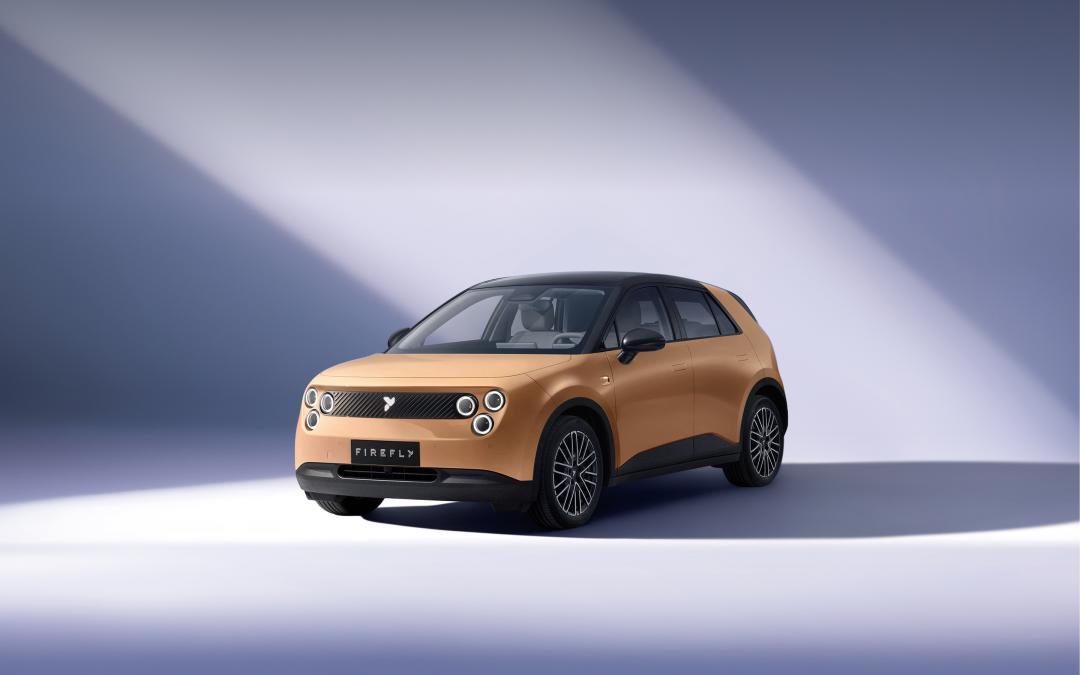
This shows that users are willing to pay for the brand premium of Firefly rather than just focusing on cost - effectiveness.
The three brands together have a Q2 delivery guidance of 110,000 - 115,000 vehicles, a year - on - year increase of 52% - 59%. This growth rate isn't achieved through price wars - NIO has clearly stated that it won't cut prices. It's the recognition gained through positioning, product strength, and the service ecosystem.
Of course, there's also a crucial last point - saving money.
Has Li Bin become "stingy"?
Yes. Compared with the early days of NIO's founding when it was "simply nice to users", Mr. Li Bin is now extremely cost - conscious.
NIO was once criticized for "spending money recklessly" - building NIO Houses, setting up battery - swapping stations, and running NIO Life, all of which are big money - burners.
But this financial report shows that R & D expenses decreased by 40.7% year - on - year, and sales and administrative expenses decreased by 20.5% year - on - year.
Here, we need to look at it from three aspects. First is battery - swapping.
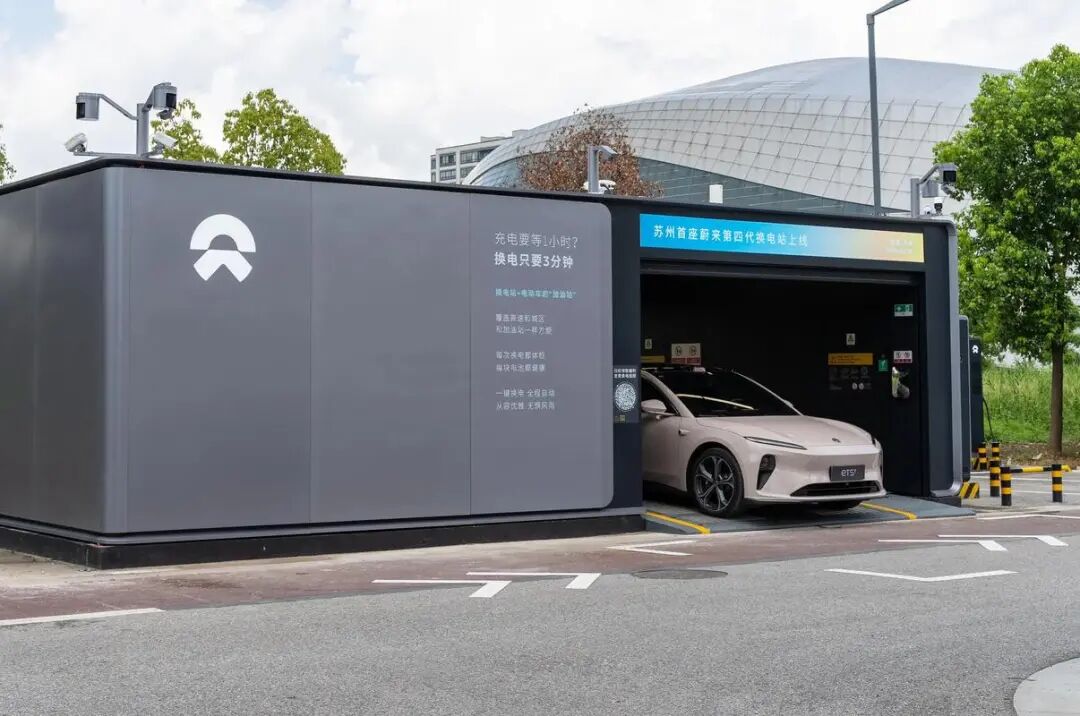
You can't find a separate item named "battery - swapping revenue" in NIO's financial report. It's mainly included in the "other sales" item, including battery - swapping service fees, BaaS (Battery as a Service) monthly rent, and battery upgrade fees.
The entire service and community business (i.e., "other sales") including battery - swapping achieved annual profitability for the first time in 2025. By the first quarter of 2026, the gross profit margin of this business increased to 20.6%, a four - year high.
Why did it turn from a money - burner to a money - maker? There are mainly four reasons:
The growth of the user scale improves the efficiency of each station. The average daily service volume is approaching the break - even point, spreading the fixed costs;
The three brands share the battery - swapping network, spreading the infrastructure costs;
The open battery - swapping alliance brings in external revenue from companies like Geely and GAC;
New models such as power trading and battery cascade utilization are explored.
The second aspect is cost reduction in user services - from the perspective of NIO car owners, it means the dilution of exclusive rights and a reduction in service experience.
On a macro level, the physical network of NIO Houses has shrunk, some stores have been closed, and the operation teams of each store have been significantly downsized.
On a micro level, free haircuts have been stopped, the frequency of activities has been reduced, green plants have been replaced, and free snacks and pastries have started to be charged, etc.
