I've been waiting for the Ultra for so long. Why did Xiaomi come up with the YU7 GT?
Guys, I'm sure you all watched Xiaomi's press conference tonight. Apart from the Xiaomi 17 MAX, which still offers great value for money, the star of the show tonight is undoubtedly the YU7 GT, the flagship model of the YU7 series, priced at 389,900 yuan and comes with a bunch of additional features.
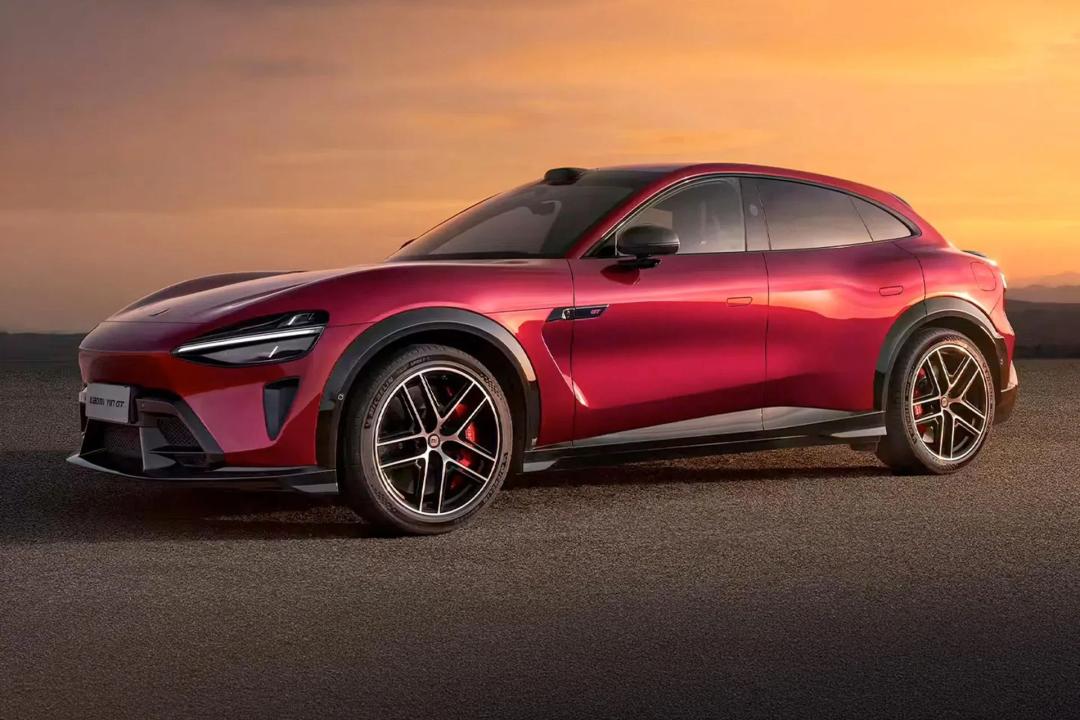
Just like the SU7 Ultra back then, the YU7 GT not only sets a new benchmark for the YU7 series in terms of hardware and software configurations, bringing over 1000 horsepower within the 400,000 yuan price range. It also returned to the Nürburgring and became the fastest SUV on the Nürburgring, outperforming many German high - performance vehicles.
Moreover, its lead is a significant one.
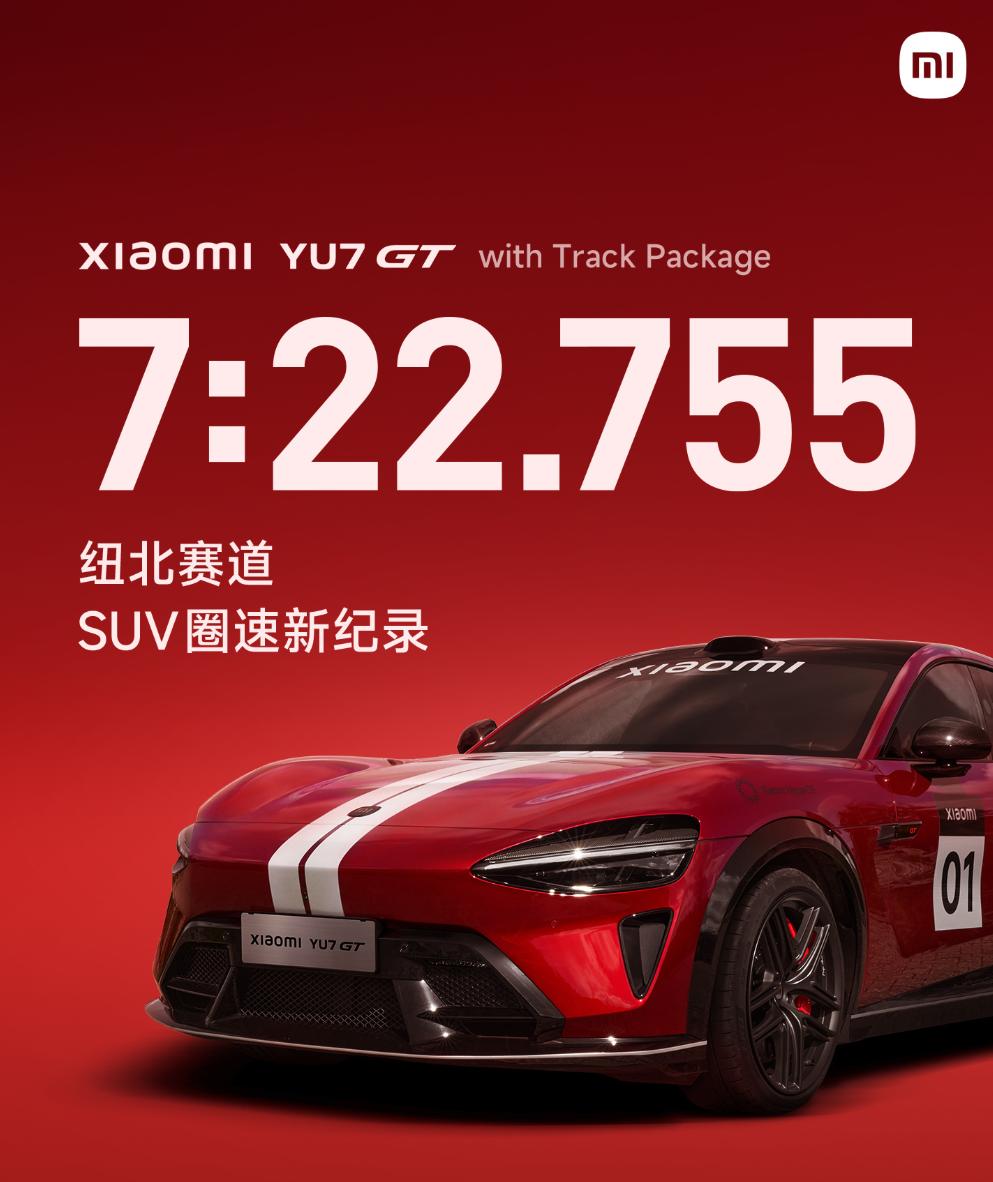
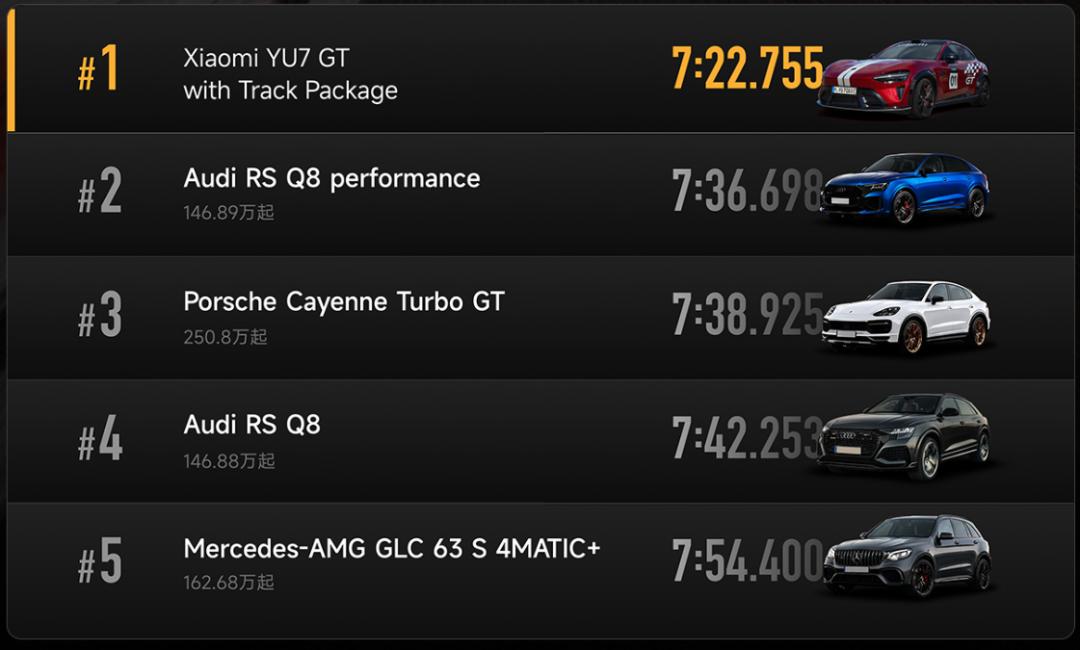
There's also an interesting story here. Ren Zhoucan, Xiaomi's regular race driver, also took the YU7 GT for a lap around the Nürburgring. Although his time wasn't as astonishing as "local Nürburgring expert" Vincent, he still beat the Audi QS Q8 Performance by nearly 2 seconds.
This is the first Nürburgring - certified result achieved by a Chinese driver. Ren Zhoucan is really amazing!

Regarding the car itself, I believe you've already read a lot about its configuration. I won't go into too much detail. Many of you are asking, and this is what I find more interesting: Why is the top - of - the - line model of the SU7 called Ultra, while the top - of - the - line model of the YU7 is called GT?
There are so many GT models on the market. What's the difference between the YU7 GT and them?
To answer this question, we need to take a little history lesson to understand what this GT everyone is talking about really is.
Counterintuitively, the term GT wasn't originally a specific car category.
Around the 17th century, some wealthy European families would embark on spontaneous trans - national trips, known as the Grand Tour. By the early 20th century, as the road networks between European countries became denser, cars became their preferred mode of transportation.
However, the infrastructure a hundred years ago was far from what it is today. The roads were in poor condition. So, a car that could handle long - distance and complex road conditions became the top choice.

In the 20th century, there were many long - distance open - road racing events in Italy. For example, the Mille Miglia was a 1600 - kilometer race from Brescia to Rome and back.
The requirements for long - distance performance and durability in these races are very similar to those of the Grand Tour. So, racing brands like Lancia, Ferrari, and Maserati applied their racing experience to civilian cars and defined the Gran Turismo (the Italian term for Grand Tour), which is the original GT car category.


What are the characteristics of these cars?
First of all, they need to have excellent performance, handling, and durability to meet the requirements of trans - national trips and long - distance races. They also need to be comfortable enough so that passengers won't feel tired even after driving 1000 kilometers. Most importantly, they have to be premium and elegant, neither too aggressive on the road nor too flashy on the track.
In short, GT cars are fast but not rough, luxurious but not bulky, and sporty but not just for the track. They are basically what people envision as the perfect car.
That's why for decades, European GT models have always been of poster - worthy quality.
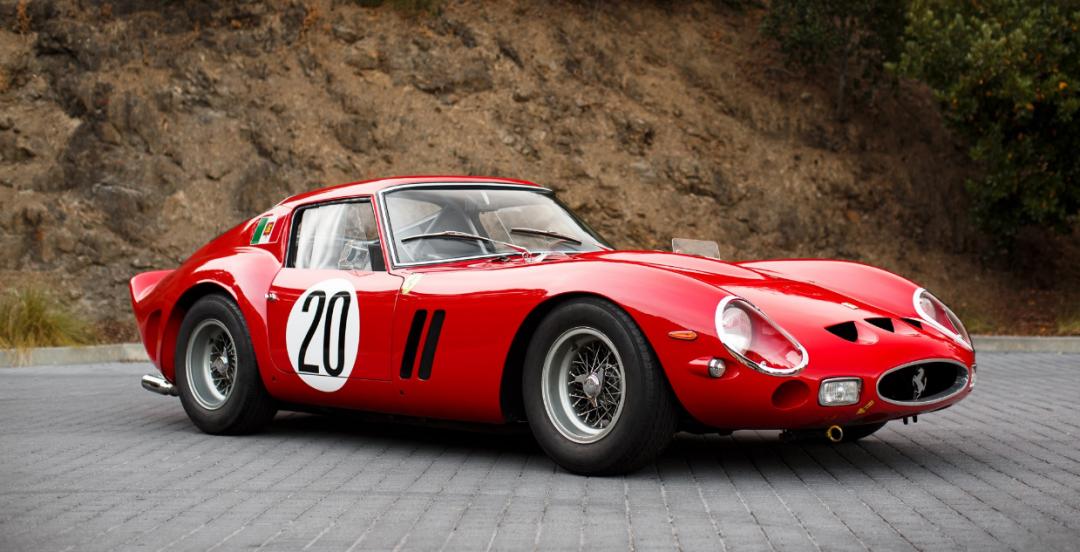

Ferrari 250 GTO and Aston Martin DBS GT Zagato
Now you should understand why the YU7 uses GT instead of Ultra.
In Xiaomi's view, Ultra represents ultimate handling and track performance. The SU7, a low - slung and wide four - door coupe, is well - suited for this. The YU7, being an SUV with a high center of gravity and heavy weight, although capable of performing on the track, its high ground clearance and comfort advantages are more in line with the requirements of a GT model.
So, as Lei Jun said, the YU7 GT is defined as a sports - car - level SUV suitable for long - distance travel.
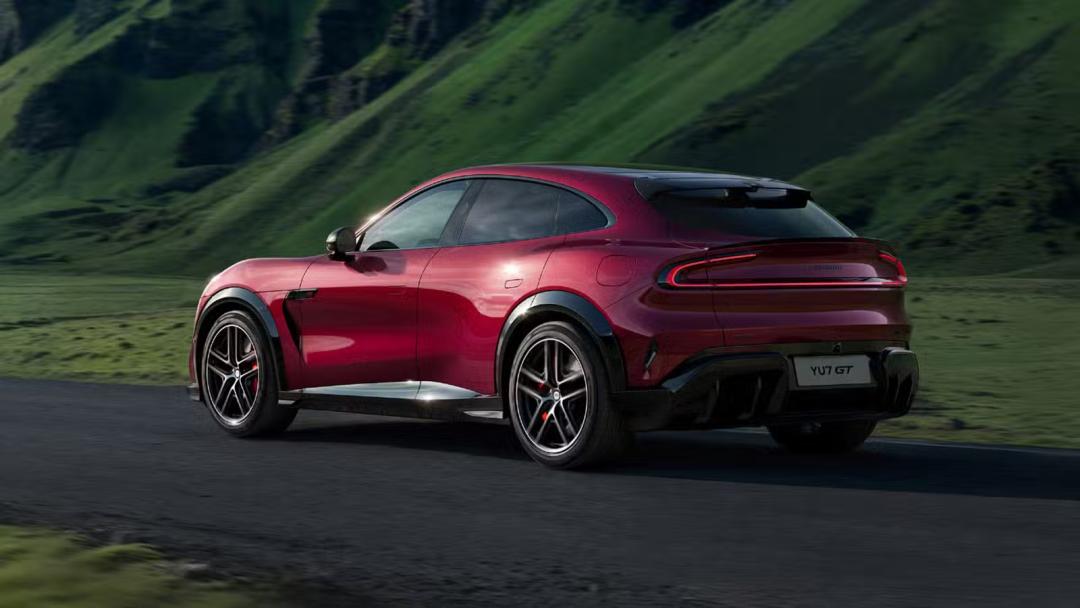
This is a reasonable and rational positioning.
Now, let's talk about the second question you're concerned about. There are so many GT models on the market, and Xiaomi isn't the first to make one. What's the difference between the YU7 GT and its competitors?
There is a difference, and it's quite significant. In my opinion, the Xiaomi YU7 GT might be the closest to the original GT in the entire category.
Let me clarify first. I'm not saying that the GT models of other brands are bad. On the contrary, many new - energy GT models, whether sedans, wagons, sports cars, or SUVs, have achieved a high level of balance in terms of handling, power, and comfort. The GT experience at the mechanical level is no longer exclusive to European car manufacturers, which is great.
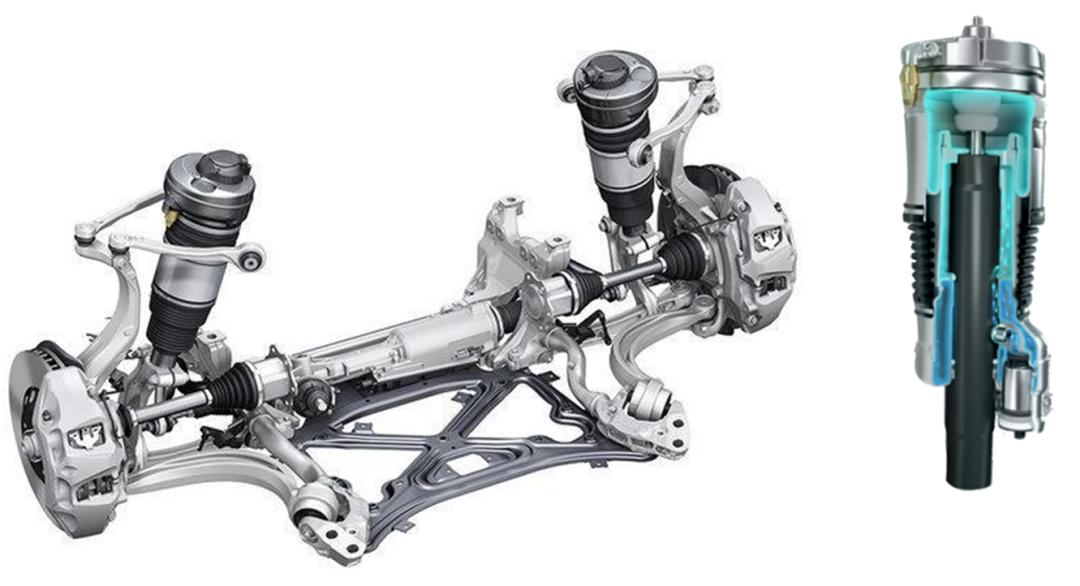
Konghui dual - chamber air spring
As we mentioned before, if we compare the characteristics behind GT to a hexagon composed of design, power, handling, comfort, practicality, and luxury, previous GT models usually only achieved 4 - 5 of these aspects.
There are many difficult trade - offs in automotive engineering. For example, a car with a large interior space is hard to have a compact proportion. A car that needs to balance handling and power may sacrifice ride comfort. Focusing on luxury and design often means sacrificing dynamic performance.
That's why it's really difficult to build a GT car. Higher product premiums are needed to support higher development costs. That's why most "pure - blood GT" models come from European luxury or even ultra - luxury brands.

Bentley Continental GT
Looking back at the Xiaomi YU7 GT, its "pure - blood" nature is reflected in these engineering challenges.
For example, how can a car have extremely powerful power while still maintaining interior space? Xiaomi's answer is to create a powerful and compact electric motor to free up interior space.
The rear axle of the YU7 GT doesn't use the same dual - motor setup as the SU7 Ultra. Instead, it uses a single but more powerful motor, the V8s EVO.
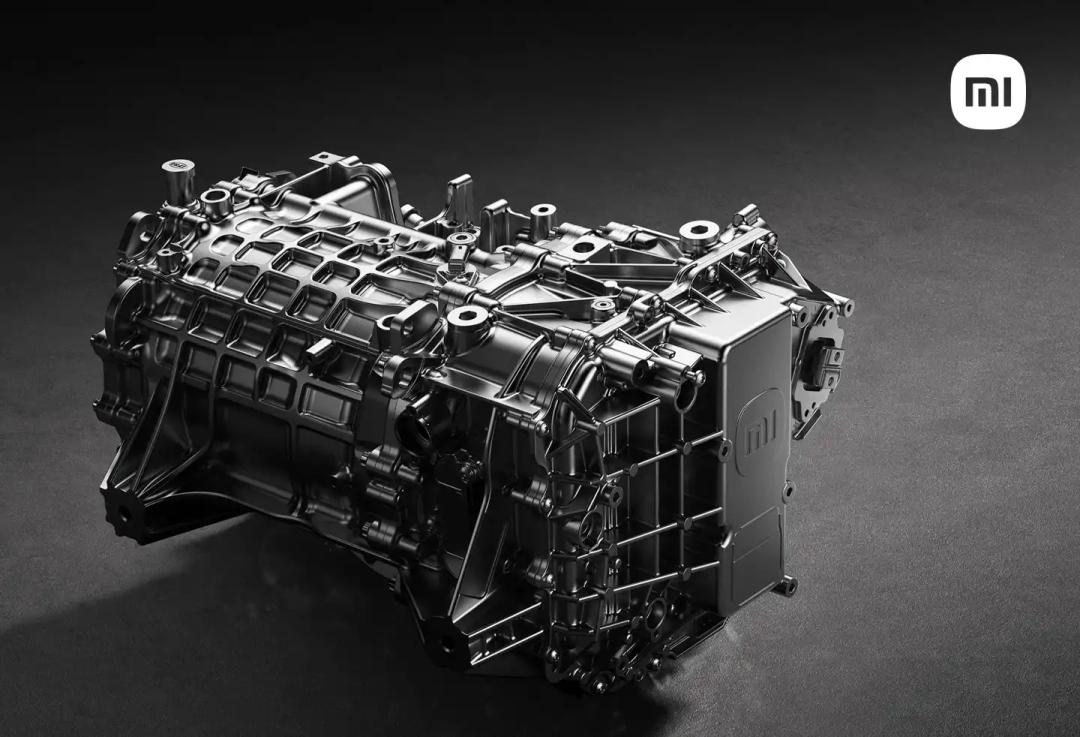
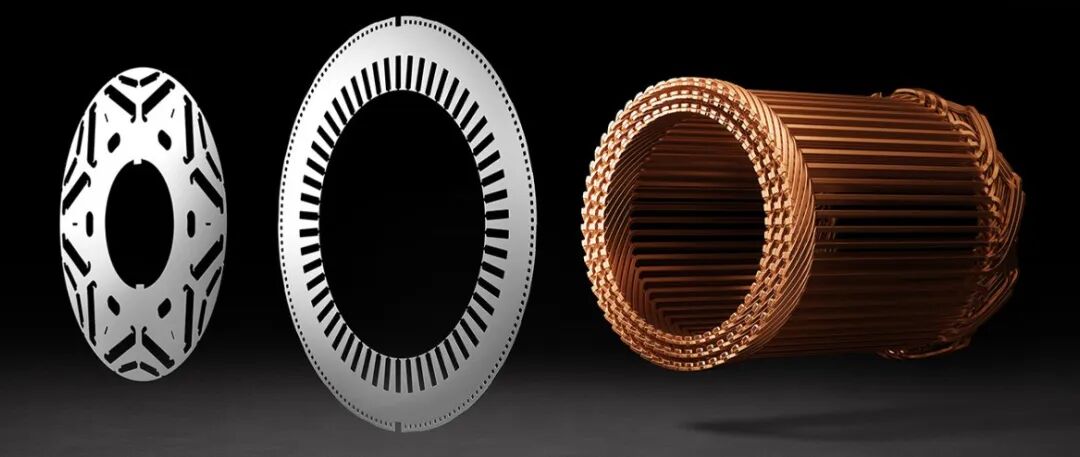
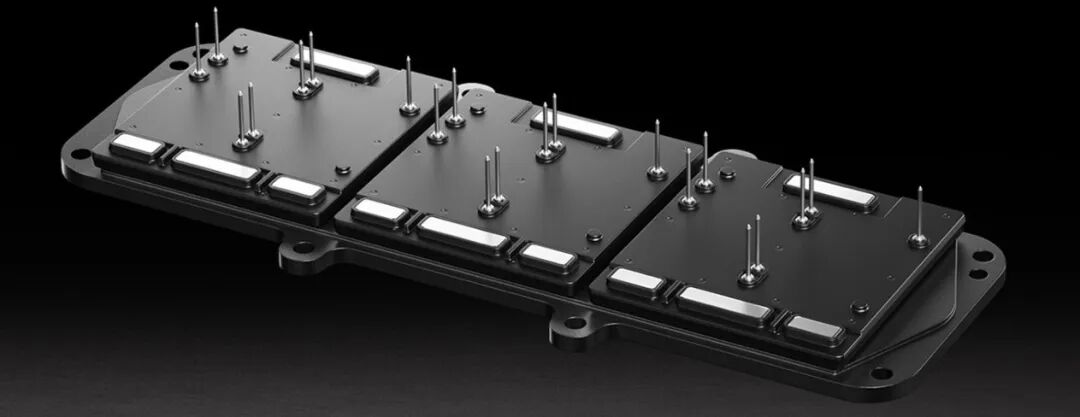
Compared to its predecessors, the V8s EVO has been upgraded in many aspects. For example, it uses thinner stator and rotor silicon steel sheets to reduce losses, Xiaomi's self - developed high - strength aluminum - silicon alloy to reduce the weight of the casing, and Xiaomi's self - developed SiC power module to improve power conversion efficiency. As a result, the maximum speed, peak power, and energy efficiency of the V8s EVO have all been improved.
Even with just a front - and - rear dual - motor setup, the peak output power of the YU7 GT reaches 1003 horsepower. It's extremely powerful, and at the same time, the interior space is almost the same as the standard YU7.
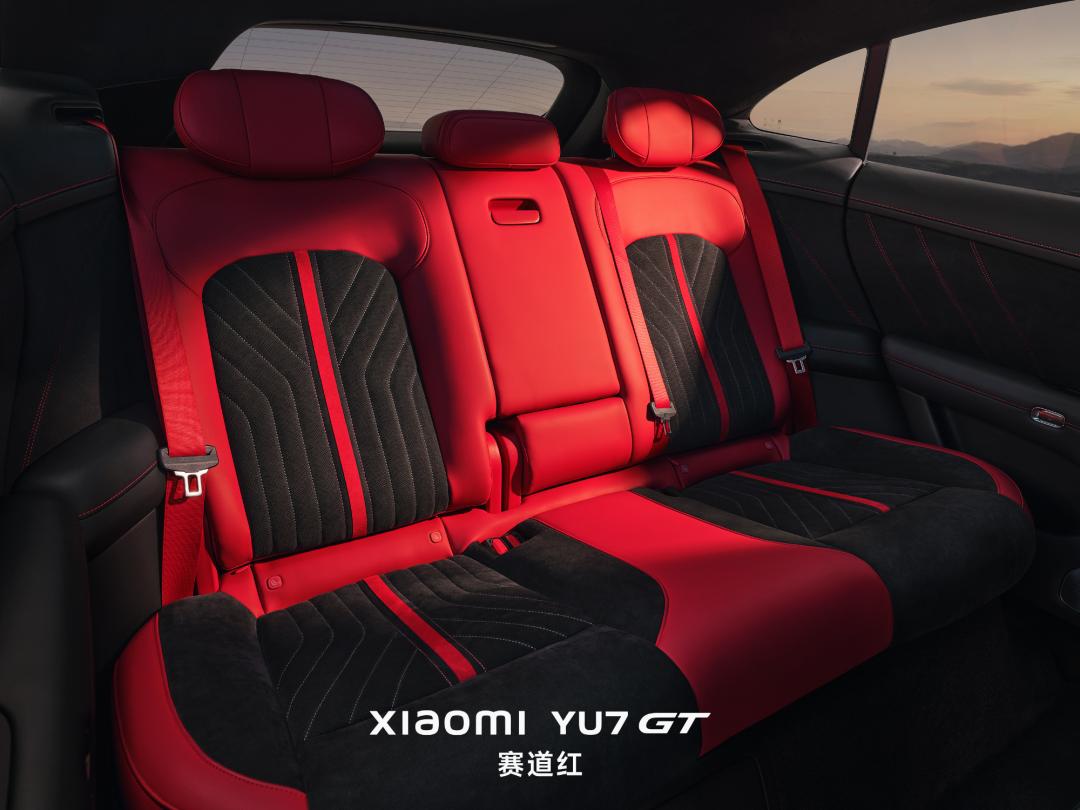
Another example is, how can a mid - to - large - sized luxury SUV weighing over 2 tons maintain a compact dynamic performance at high speeds?
Xiaomi's answer is to use better materials and more precise tuning to enhance the chassis performance of the YU7 GT.
We can see that the YU7 GT uses the Jiaolong Chassis Master Edition, which is a first in Xiaomi's car series. It not only upgrades the tire width to 265mm in the front and 295mm in the rear but also uses a dual - valve CDC and a dual - chamber air spring with more adjustable parameters, giving the YU7 GT a wide and solid base.