The supply chain has caused car prices to rise, but car manufacturers have borne all the costs.
Entering May, "15 car companies collectively raising prices" has become the hottest topic in the Chinese auto market. Since the start of the auto price war in 2023, this is the first time a "large-scale" price increase has occurred in the Chinese auto market. Most of the brands involved in the price increase are domestic new energy brands. Some products of brands such as BYD, Changan Qiyuan, GAC Aion, and Xiaomi have already raised their prices, and NIO, XPeng, etc. have signaled price adjustments in the second quarter. Among overseas brands, Tesla announced a price increase in the United States.
The market has reacted strongly to the recent trends in the auto market.
On May 18, Hong Kong-listed auto stocks fell collectively. As of the close, Li Auto fell more than 14%, Leapmotor fell more than 7%, Geely Auto fell more than 4%, and Chery Automobile, Great Wall Motor, NIO, Xixiangfeng Group, and BAIC Motor fell more than 3%. BYD Co., Ltd. and GAC Group fell more than 2%.
Tesla is facing a similar situation in the US stock market. On May 15, Tesla's stock price fell 4.75%, with a weekly decline of 1.4%. In the early trading on May 18, Tesla's stock price fell more than 1%. Industry analysts believe that Tesla's increase in the price of the Model Y in the US has caused its stock price to fall to a lower buying point.
However, looking closely at the models with price increases, at least in the Chinese market currently, auto companies are very cautious and restrained in raising prices. In fact, the scope of model versions with direct price increases is small, and the number of users affected is also small. And with the role of dealers, consumers may not directly bear the price increase. The price increase of popular models is usually accompanied by additional features, and the increase is relatively moderate.
Judging from the current situation, the real large-scale "price increase wave" has not actually arrived.
Few models have direct price increases, and popular models tend to increase prices with additional features
The sales volume of models with direct price increases is actually very limited.
Taking BYD as an example, it announced that since May 1, the price of the "Heavenly Eye B Auxiliary Driving Laser Edition" optional package for some models under its Dynasty Network, Ocean Network, and Fangchengbao has been raised from 9,900 yuan to 12,000 yuan, an increase of 2,100 yuan, about 21.2%. The models involved in the price adjustment policy include all or some versions of models such as Han EV Flash Charge Edition, Song Pro DM-i, Song Ultra EV, Seal 06GT, 2026 Seal 06DM-i Wagon Edition, Fangchengbao Titanium 3, and Titanium 7.
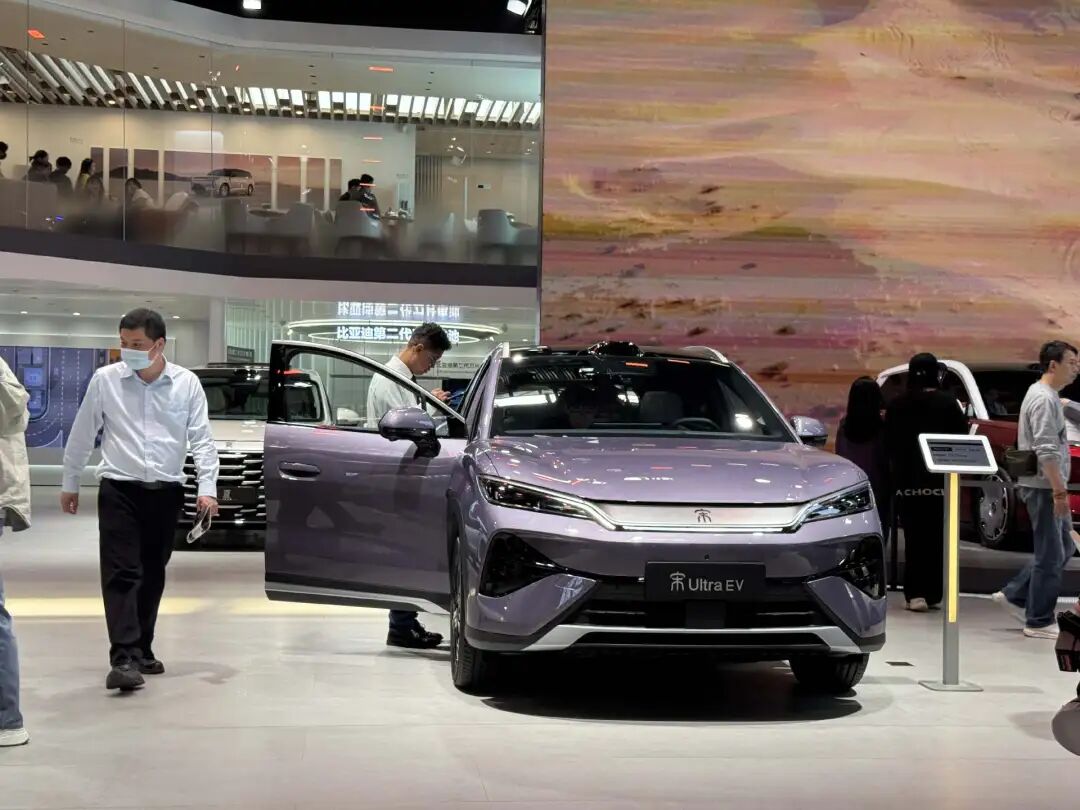
Source: Photo by reporter Zhai Fangxue
It is the optional package that has increased in price, not the price of the whole vehicle, and only a small number of users are affected. According to a report by "21st Century Business Herald - Yijian Auto", even for BYD's popular models equipped with the second-generation blade battery, the purchase intention of customers from the Dynasty Network and Ocean Network for the intelligent driving optional package is only about 50%.
In addition, although the number of models involved seems large, the user group of the affected model versions is not large. Among the models of BYD's Dynasty Network and Ocean Network, the Song Pro DM-i has the highest sales volume. Data from Autohome shows that its sales volume in April was 12,543 units, with a total of 10 versions, but only 2 versions can be equipped with the "Heavenly Eye B Auxiliary Driving Laser Edition", and the proportion is not high.
Among the remaining models, the Song Ultra EV ranked ninth in BYD's brand model sales list in April, with monthly sales of 5,940 units. The entry-level version cannot be equipped with the optional package. The Seal 06GT has monthly sales of 2,699 units, and only 1 out of 8 versions can be equipped with it. The 2026 Seal 06DM-i Wagon Edition has monthly sales of 1,695 units, and only 3 out of 7 versions can be equipped with it. Among the multiple versions of Fangchengbao Titanium 3 and Titanium 7 on sale, only 2 versions can be equipped with it.
Among other brand models involved, the official guide price of the Changan Qiyuan Q07 Tianshu Intelligent Laser Edition will be increased by 3,000 yuan. The sales volume of the entire Qiyuan Q07 series in April was 4,184 units. A salesperson told Dianchang that the Q07 is a clearance model, and there will be one less unit sold each time. The price of the high - end version of the Exeed ET5 has been increased by 5,000 yuan, but the monthly sales volume of the Exeed ET5 series had already slipped to three - digit numbers before the price increase. The prices of models such as GAC Aion's AION Y Younger and AION S Plus have increased by 3,000 - 6,000 yuan, but they are not popular models in terms of sales volume.
Tesla has indeed increased the prices of the popular versions of the Model Y, the all - wheel - drive Premium and rear - wheel - drive Premium, by $1,000 respectively, but such price adjustments are not implemented in the Chinese market.
In addition, the increase in the official guide price may not be felt by consumers when it comes to the actual purchase. Dealers still have some flexible measures. On May 19, Dianchang inquired about the price - increased model versions at multiple 4S stores of a certain brand. Some salespeople said that they could not offer discounts due to the national unified price increase. However, some salespeople in the southwest region mentioned that if customers apply for a car loan, the increased price could be waived. A salesperson of this brand in Beijing said that the local government subsidy was about to be issued, which could just offset the price increase, and the actual purchase price would remain the same as before.
There are also cases of price increases for popular models, but basically it is an increase in price with additional features, which makes consumers more psychologically accepting. The prices of the three models of the new - generation Xiaomi SU7 have all been increased by 4,000 yuan, in exchange for a significant upgrade in configuration, including the new Xiaomi HAD end - to - end auxiliary driving system, standard - equipped lidar across the board, a 700 TOPS flagship chip, 4D millimeter - wave radar, and a V6s Plus motor. The starting price of the new - model Wenjie M9 has increased by 10,000 yuan, but the lidar has been upgraded from 192 lines to Huawei's latest 896 - line lidar. Judging from the pre - sale results, the impact of the price increase is not significant.
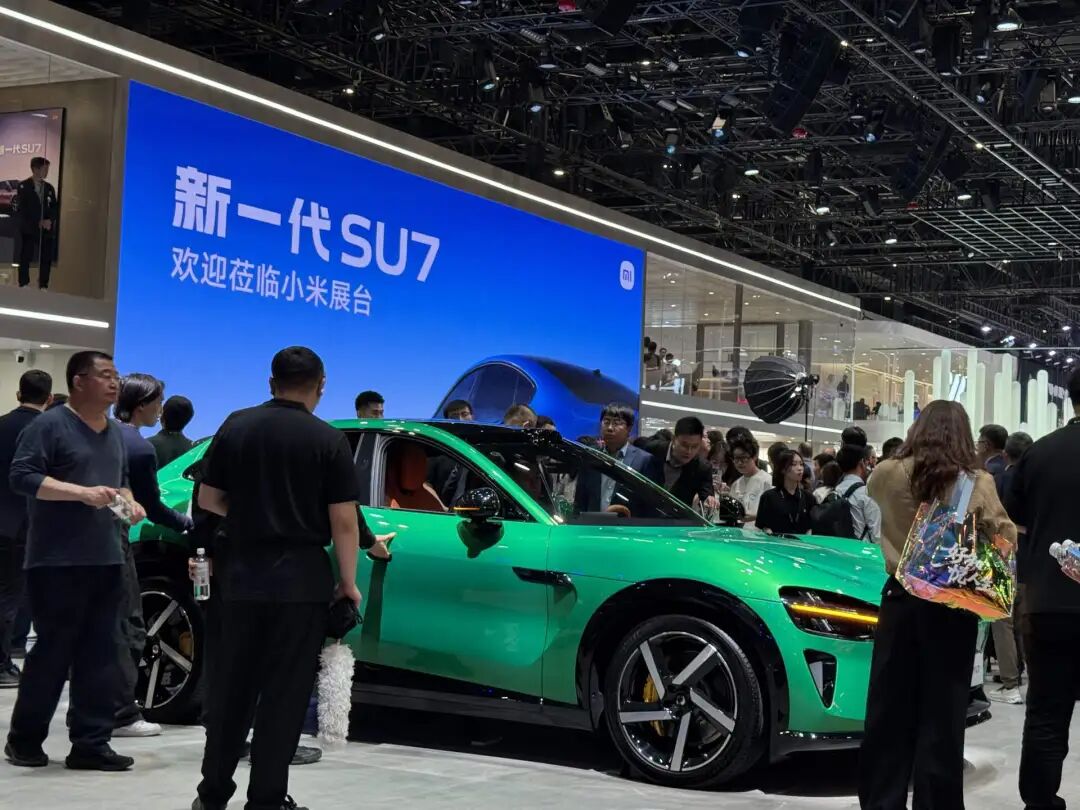
Source: Photo by reporter Zhai Fangxue
At present, it seems that Chinese auto companies will not directly and rudely increase the prices of popular models in the short term because the competitive pressure is still very high. In April, the penetration rate of new energy vehicles in China exceeded 60% for the first time. While giving confidence to new energy brands, it also forced fuel - vehicle dealers to cut prices on a large scale to survive.
Data from the China Passenger Car Association shows that in April, the average price of new conventional fuel - vehicles in China with price cuts was 131,000 yuan, and the arithmetic average price - cut amplitude reached 23,000 yuan, a price - cut amplitude of 17.2%, which is "rare in recent years". Many mainstream fuel - vehicle models have significantly cut prices for promotion, with the maximum price cut approaching 30%.
"2026 will be the decisive year for new energy vehicles and fuel - vehicles." Lu Fang, CEO of Voyah, made this judgment. At this critical juncture, any price - adjustment action by auto companies in the Chinese market must be extremely cautious.
The reason for the price increase points to the upstream of the supply chain
The reason for the auto price increase points to the rising cost, and the source of the cost increase points to the upstream of the auto supply chain.
The most obvious one is storage chips. Brands such as BYD and Changan Qiyuan clearly stated in their price - adjustment announcements that the price increase is "affected by the significant increase in the global storage hardware cost".
As the global AI computing power center enters an explosive period, the production capacity of automotive - grade storage chips is being squeezed like never before. Since the proportion of auto manufacturers in the total global storage chip procurement amount is less than 10%, their bargaining power in the supply chain is limited, and it is difficult for them to compete for production capacity from the AI industry.
According to the latest data from UBS, in the past three months, the cumulative increase in the price of automotive - grade DRAM has reached 180%. According to a research report by HSBC, only the storage chips alone increase the cost of a single vehicle by 1,000 yuan to 3,000 yuan.
The cost of power batteries is also rising. Not only have the prices of bulk metals such as lithium, aluminum, and copper been rising one after another, but the price of lithium carbonate, the core raw material of batteries, has also doubled. Wind data shows that the price of lithium carbonate has risen from a low of about 60,000 yuan per ton in June 2025 to over 180,000 yuan per ton in May 2026, an increase of about 200%. UBS estimates that only due to the increase in the price of metal raw materials, the cost of a single pure - electric vehicle has increased by about 5,600 yuan.
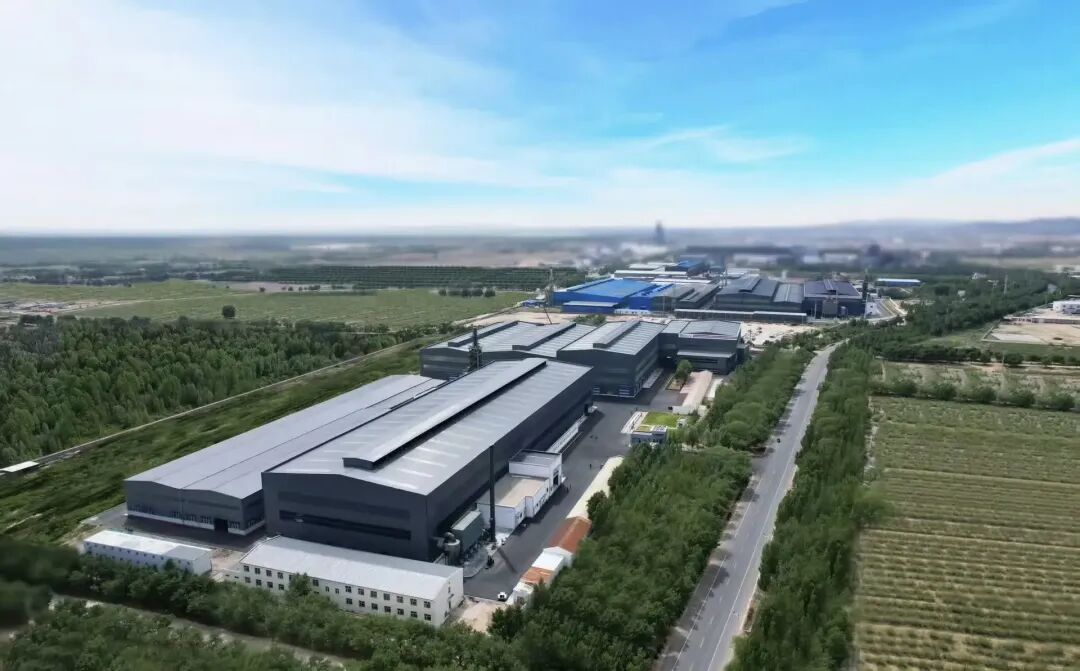
Source: Official Weibo of CATL
Even tires are increasing in price. According to a report by CCTV Finance, due to the rising price of synthetic rubber, since mid - April, many tire companies such as Michelin, Bridgestone, and Zhongce have successively issued price - increase notices, covering multiple categories such as passenger car tires and truck and bus tires. Among them, the price increase of passenger car tires is generally between 2% and 5%.
Different from storage chips, the reasons for the price increase of these parts and raw materials are more complex. On the one hand, the prices of bulk metals and synthetic rubber raw materials are subject to factors such as geopolitical turmoil, raw material extraction, ocean shipping, and tariff barriers, so price fluctuations are normal. However, the lithium carbonate market is in an overall state of oversupply. Many industry insiders, including Cui Dongshu, the secretary - general of the China Passenger Car Association, believe that the current sharp increase in the price of lithium carbonate is mainly the result of capital speculation caused by the expanding demand for new energy vehicles.
In the auto industry with thin profit margins, the continuous price increase in the upstream of the supply chain has brought huge cost pressure. "Now, looking at the rising prices of raw materials, including the prices of chips and memory, which are all growing rapidly. This has indeed caused relatively great troubles for the entire supply chain, and it is also a huge challenge for the cost control of vehicle manufacturers." Lu Fang told the media.
Data from the National Bureau of Statistics shows that the profit margin of the auto industry in 2025 was 4.1%, and it further dropped to 3.2% in the first quarter of this year, far lower than the average level of 6% of industrial enterprises above the national scale. According to data from the China Passenger Car Association, in the first quarter of this year, the cumulative revenue of the domestic auto industry was 2.4128 trillion yuan, a year - on - year decline of 0.2%. In the same period, the cost increased to 2.1406 trillion yuan, an increase of 0.7%. The growth rate of industry costs has far exceeded the growth rate of revenue.
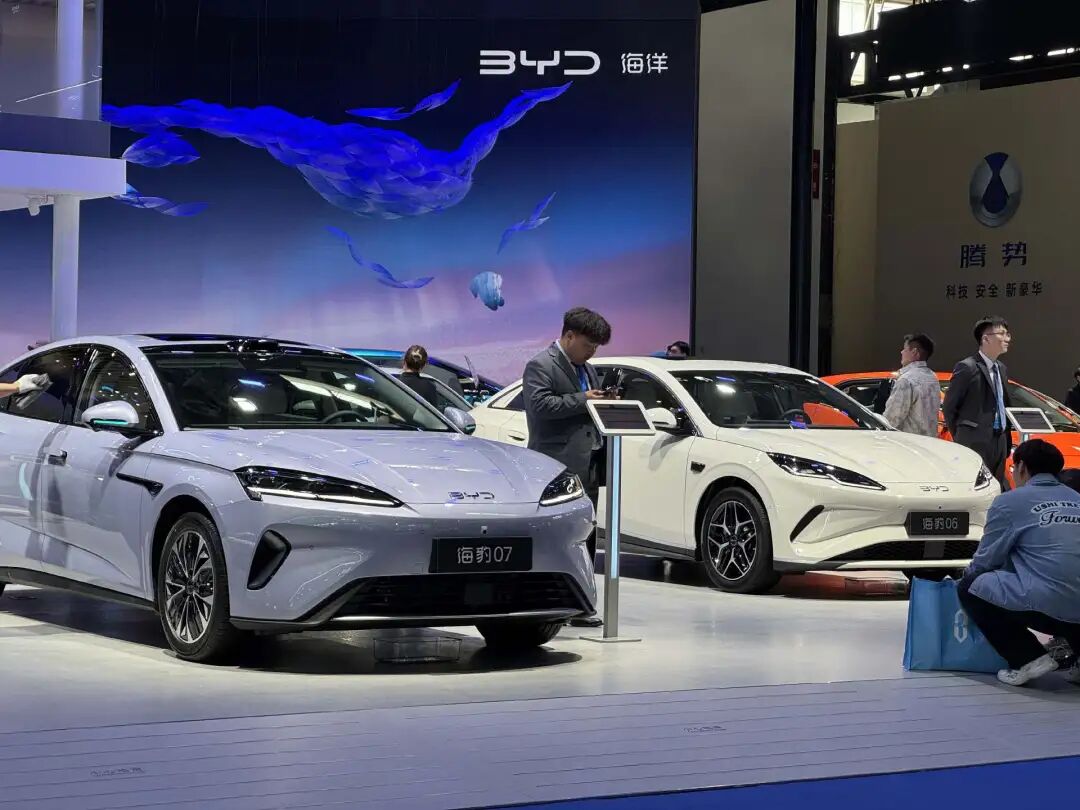
Source: Photo by reporter Zhai Fangxue
Since the profit margin has been compressed to the extreme by the price war in recent years, in order to maintain a relatively healthy profit for survival, some auto companies choose to pass on the cost increase of some products to the consumer end. Consumers have different reactions to this.
A Harris poll shows that 84% of Americans are worried that auto manufacturers will use the cost increase as an excuse to excessively raise car prices; 56% of Americans do not believe that auto manufacturers will truthfully explain the reasons for the increase in vehicle prices. In the current situation where economic pressure is intensifying again, this skeptical sentiment is growing; 87% of people hope that CEOs will stand up when policies significantly increase consumer costs.
Many Chinese consumers believe that as long as they don't buy, auto companies will lower the prices again. The "wait - and - see party" still has confidence. However, both the situation that Dianchang learned from multiple salespeople and the public statements of auto company executives and industry experts indicate that the possibility of the price dropping again after the short - term increase is extremely low.
The used - car market may see a recovery
Lu Fang pointed out that an auto price increase is a high - probability event. "When a certain point is reached and everyone can no longer bear it, the price may change."
And China's used - car market may benefit from this.
Due to the combined effects of subsidies, price wars, and technological iterations in the past, the new - car price system has continued to decline, directly compressing the cost - performance space of used cars, resulting in a continuous decline in the domestic used - car market. Data from the China Automobile Dealers Association shows that in 2023, the proportion of used - car dealers suffering losses had reached as high as 92%. In the first half of 2025, the loss ratio of used - car dealers was 73.6%, and the average industry profit was only about 4%. At the same time, the average transaction price continued to decline.
Whether it is a direct price increase or an increase in price with additional features, it indirectly leaves more room for the price of used cars, and will also improve the resale value of used cars, reducing the phenomenon of used - car dealers "losing thousands of yuan for each car sold".
Overseas, due to the increasing demand for new energy vehicles and the high pricing of local new energy brands, the used - electric - car market has been growing for several consecutive months. Data from Cox Automotive shows that from January to March this year, the sales volume of new pure - electric vehicles in the United States decreased by 27% year - on - year, while the sales volume of used pure - electric vehicles increased by 20% against the trend. Data provided by the European second - hand information platform Olx shows that recently, the number of customer inquiries about used electric cars has increased significantly in several countries such as France, Portugal, and Romania, with the maximum increase reaching 54%.
However, in the Chinese market with a more stable price system and a smaller increase in new - car prices, it will take a long time for the