Even after the sharp price drop, doing business with durians remains challenging.
Durian Price Drop
Last summer, durians were also hotly discussed due to price cuts.
According to the analysis by LingShou, the price cuts at that time were mainly related to quality. The weather in the producing areas was poor, with frequent rainy days, which postponed the harvest season. The overall quality of durians was worse than in previous years, and the logistics speed was slow, so the market situation couldn't improve.
This year, the price of durians has dropped again, but the reasons are different.
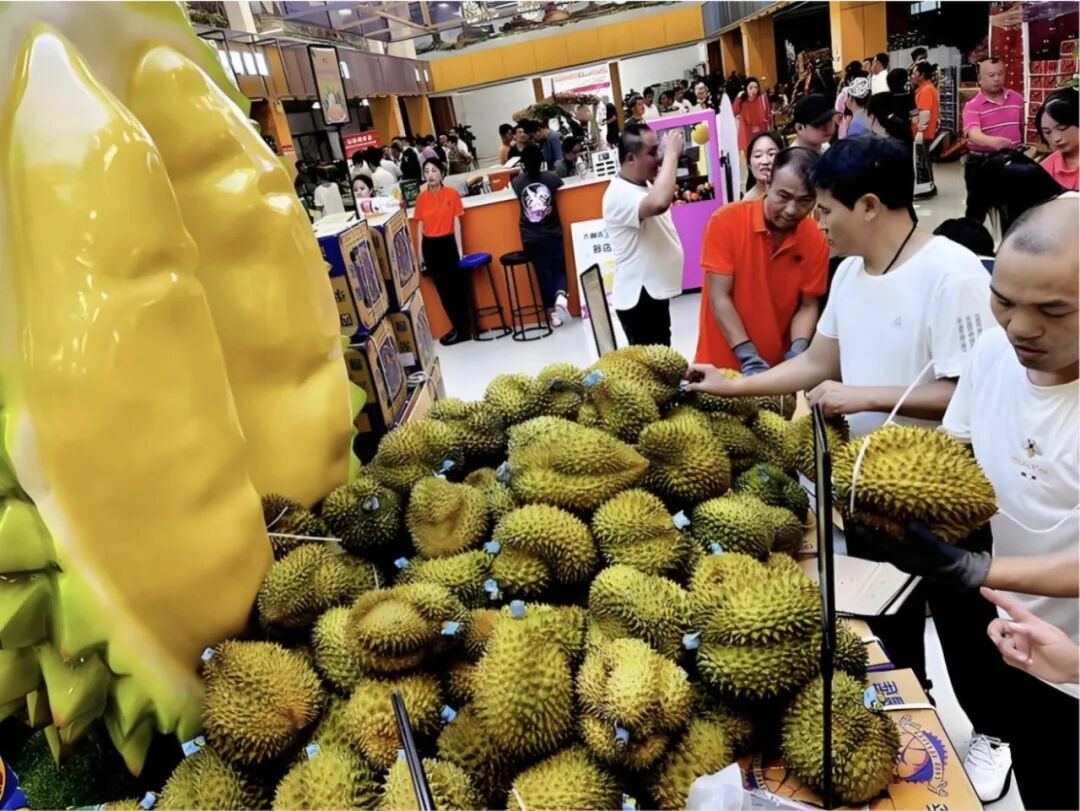
Data from Beijing Xinfadi in mid - May showed that the average wholesale price of Thai imported Monthong durians was 26.5 yuan per catty, a 11% drop compared to the same period in April; the average wholesale price of Vietnamese Monthong durians was about 19 yuan per catty, with a month - on - month decline of more than 40% and a year - on - year decline of more than 30%. In some wholesale markets in Guangzhou, the quoted price of Monthong durians has reached 13.8 yuan per catty.
When the market situation in the wholesale market is transmitted to the terminal, the differentiation will be very obvious.
For example, in Sam's Club, the single - fruit price of L - grade Thai Monthong durians generally ranges from 139 yuan to 200 yuan. Calculated, it is still more than 35 yuan per catty, which doesn't change much compared to the past. In high - end supermarkets such as Hema and 7Fresh, most Monthong durians are priced at 25 yuan to 30 yuan per catty, and the price will fluctuate slightly following the wholesale price. Community group - buying platforms and offline fruit stores have pushed the price down to about 20 yuan per catty. Some live - streaming rooms even offer them as low as 16.9 yuan per catty.
The owner of an imported fruit store told LingShou that the fundamental reason for the differentiation is still the difference in quality. Although the output is high and the overall price is low this year, the price of high - grade fresh fruits hasn't dropped significantly.
He gave an example. For his own purchases, the purchase price of Class A fruits is still more than 30 yuan per catty, and they are sold at 36.8 yuan. Although the price seems high, the profit is very thin. Some durians sold at 20 yuan per catty are of lower grades and qualities. The cost of normal fresh fruits can't support this price.
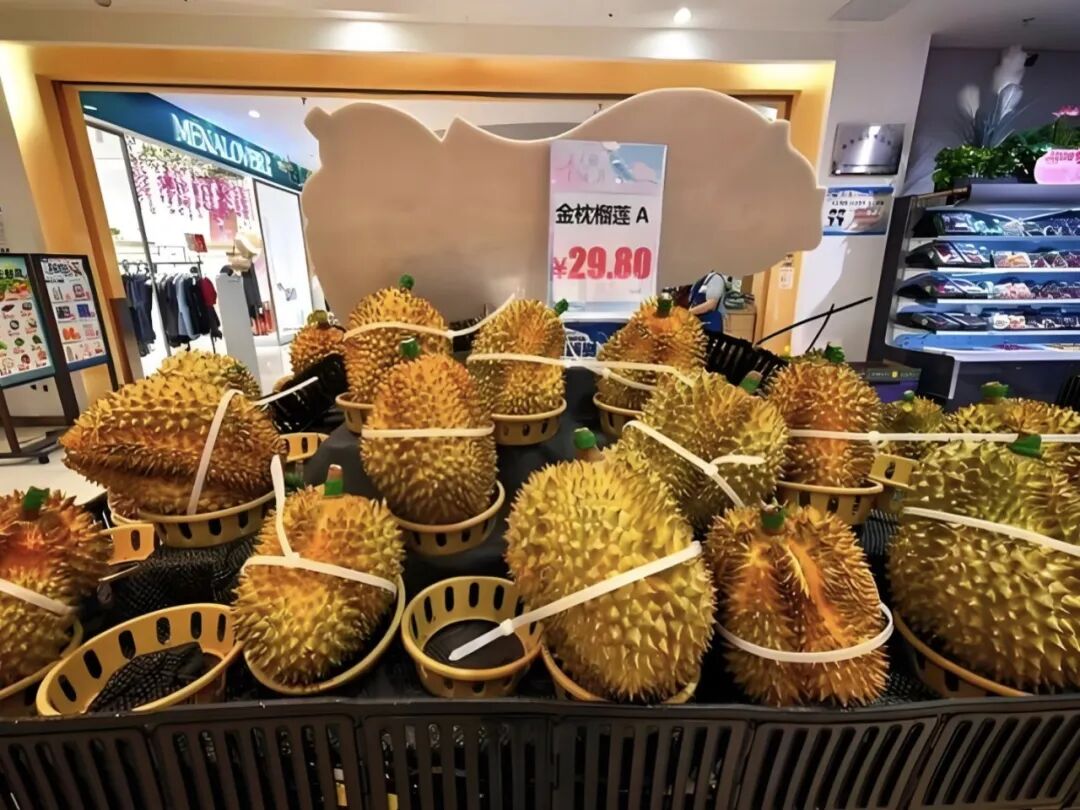
There is also a consensus among suppliers. "Good - quality fruits are generally taken away by high - end supermarkets and membership stores. They only purchase fruits above Class A, with strict standards for single - fruit weight, flesh - yield rate, number of segments, and sugar content." An imported fruit supplier said that community stores and some online platforms that use low - price strategies to attract customers generally take medium - and low - grade fresh fruits or frozen products.
Compared with previous years, the overall output of durians is relatively high this year. The nutrients of the fruit trees are dispersed, and the proportion of Class A fruits hasn't increased synchronously with the total output. The quality difference between different batches has been further widened. "In a batch of goods, the good ones are very good, and the bad ones are very bad."
"I dare not buy low - price, low - quality durians," said the above - mentioned store owner. "Although I can get the goods, the quality is really unstable. There are six or seven durians in a batch, and the cost is about 1,000 yuan. If one is bad, it's all in vain, and I might even lose money."
Therefore, for leading channels with strong quality control capabilities and stable supplier relationships, the procurement cost has decreased, and they have more room for pricing. However, for small and medium - sized businesses that purchase goods from secondary and tertiary wholesale markets, low - price goods are a hot potato. Although they are cheap, the risks of after - sales and losses also come with them.
Durians have become cheaper, but this business is still not easy to do.
Reasons for the Price Drop
"Last year, the price of durians dropped mainly because the goods were of poor quality, with a high proportion of unripe, dead, and watery fruits," said the above - mentioned fruit store owner.
This year, the price is also going down, but the reasons mentioned by practitioners are completely different from last year, such as faster logistics, the cancellation of tariffs, and an increase in the supply of goods.
For a long time, fresh durians in the Chinese market mainly came from Thailand. The goods left the origin, passed through collectors, cross - border logistics, domestic first - level wholesalers, and secondary distributors, and finally reached the stores. There were many intermediate links, long transportation times, and high losses. The price consumers paid included not only the cost of the fruit itself but also logistics, losses, and mark - ups at each level of the distribution channel.
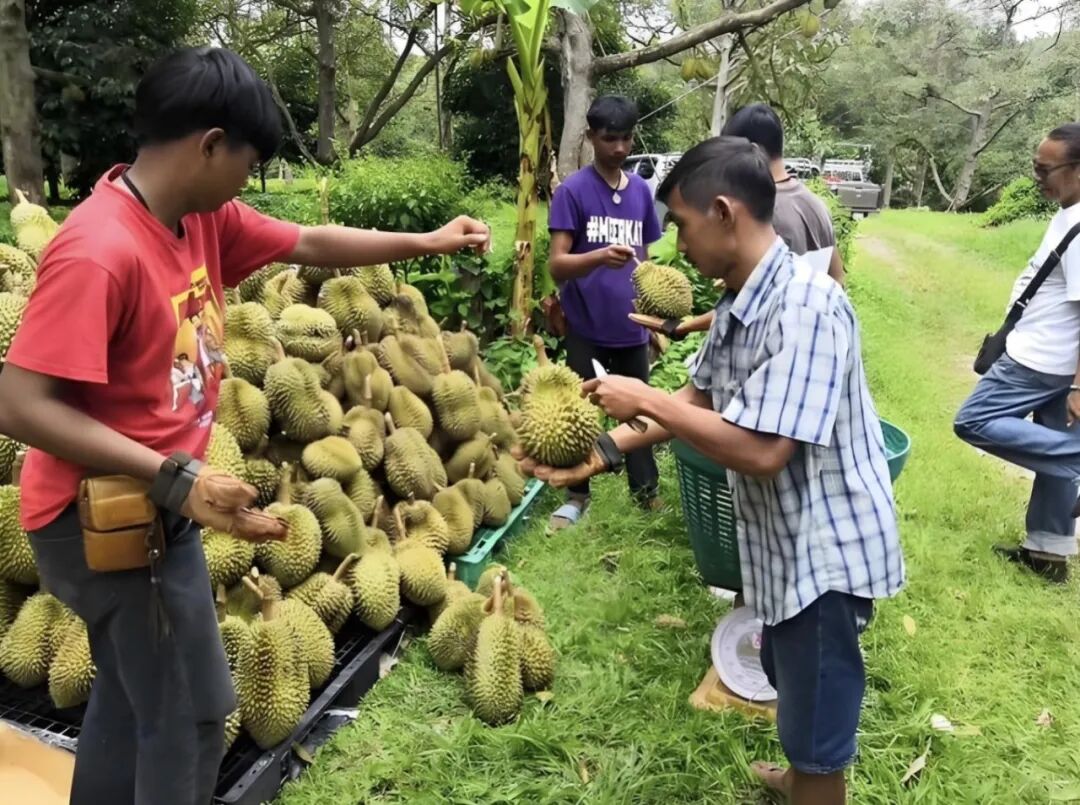
Now this supply chain has been shortened.
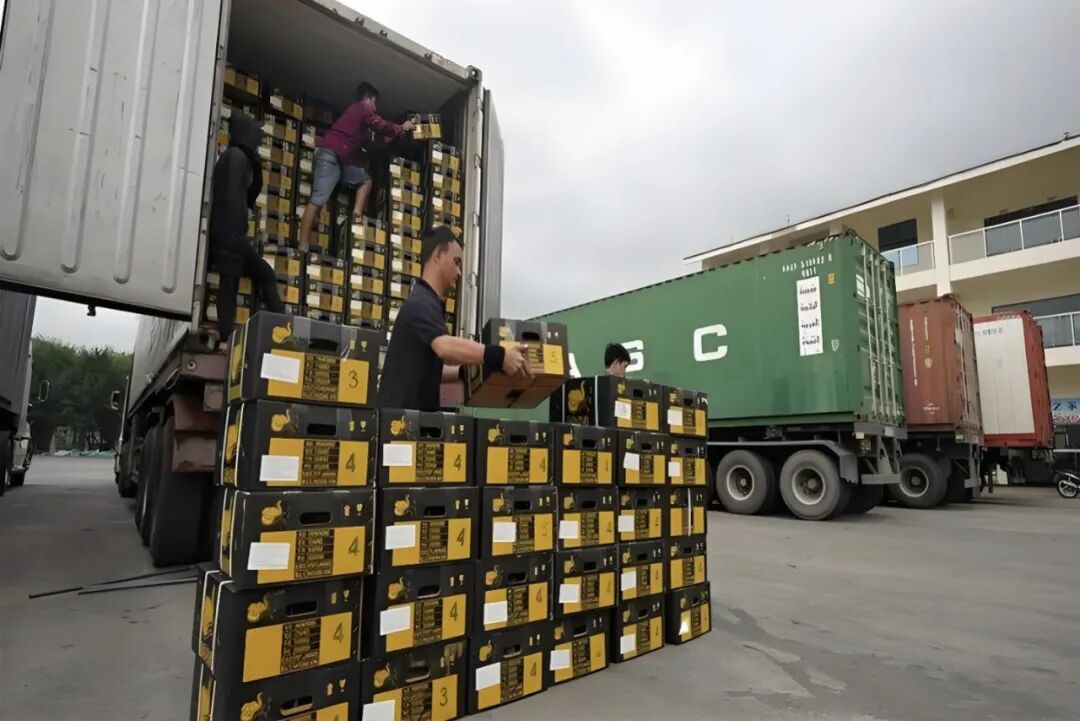
After the cold - chain special train of the "Lancang - Mekong Express" on the China - Laos Railway started operating, the speed of Thai durians entering China has increased significantly. According to CCTV News, imported Thai durians can reach Kunming, Yunnan in about 26 hours by taking this train and be delivered to major domestic cities in 3 to 5 days. The Mohan Railway Port on the China - Laos border has now become the largest railway import port for durians in the country.
With customs clearance measures such as "advance declaration", the average customs clearance time has been compressed from 4 to 5 hours in the past to 2 to 4 hours. During the peak durian season, the "Lancang - Mekong" trains run an average of 3 to 4 times a day. As of now, the import volume of durians has increased by 44.5% year - on - year.
The most direct impact of the shortened transportation time is the reduction of losses.
"In the past, when a container of goods arrived, many were bad due to the long logistics time. Now the situation has improved a lot," said a trader.
Durians are non - standard products with high losses. In the past, part of the terminal selling price was actually the cost that consumers paid for the "fruits that were damaged on the way". After the transportation efficiency improved, this part of the cost was squeezed out, and naturally, there was room for the price to go down.
The tariff policy has also changed. After the full implementation of the RCEP agreement, fresh durians from countries such as Thailand and Vietnam can enjoy zero - tariff treatment with a compliant certificate of origin. The previous tariff cost of 15% to 20% has been directly cancelled, which means real savings for importers.
However, the supply side has a greater impact.
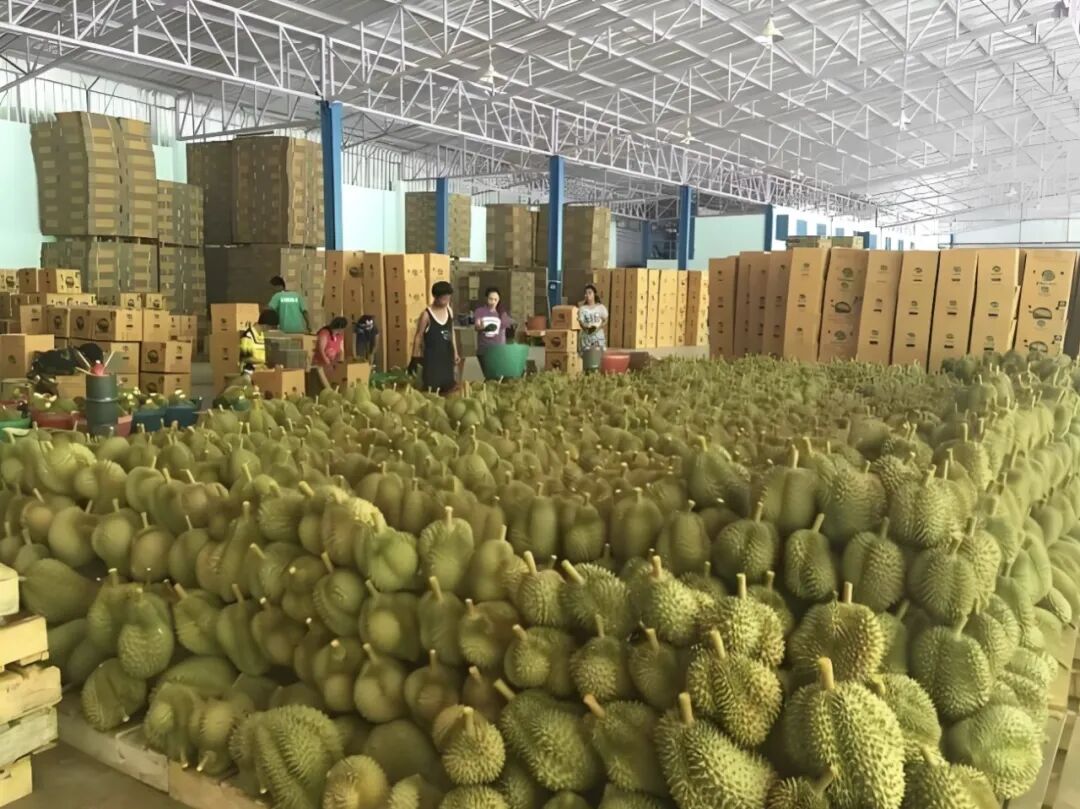
Currently, the main durian - producing areas in Southeast Asia are gradually entering the high - yield period. The Thai agricultural department predicts that the durian output in Thailand in 2026 will reach between 1.78 million tons and 1.89 million tons, a year - on - year increase of 30% to 40%, with a more obvious increase in the eastern main producing area.
In Vietnam, the durians planted in the past few years have started to bear fruit in large numbers. The planting area has increased from 2,500 hectares to 14,500 hectares in five years, and the output has exceeded 2 million tons.
China's supply sources are no longer limited to Thailand. Durians from Vietnam, the Philippines, Malaysia, Cambodia, Laos and other countries have successively been allowed to enter the Chinese market, and the number of importing countries has increased to 7.
Data from the General Administration of Customs shows that in the first quarter of 2026, China's import volume of fresh durians reached 156,000 tons, a 2.94 - fold increase compared with the same period last year. Among them, Vietnam has surpassed Thailand to become China's largest supplier of fresh durians, accounting for about 50.37%.
Once there is competition among the producing areas, it will ultimately be reflected in the wholesale price. The premium of Thai durians in the Chinese market in the past is being eroded. To maintain their market share, producers and importers need to re - price their products.
There is another change worth noting.
In the past, domestic purchasers often had to "wait for the goods" when buying durians. Many links such as grading, fruit selection, packaging, and transportation were in the hands of producers or middlemen in the producing areas. After the goods arrived at the domestic wholesale market, they would then examine the fruits, negotiate the price, and distribute them.
Now, more and more Chinese merchants go directly to the producing areas in Thailand and Vietnam to examine the fruits, grade them, pack them, and organize the shipment by themselves. The place of transaction has shifted from the domestic wholesale market to the areas around the orchards.
"Those who are closer to the producing areas naturally have a cost advantage," said the above - mentioned supplier. "The profit margin from information asymmetry and multi - level circulation is narrowing, and 'the pricing power is shifting forward'."
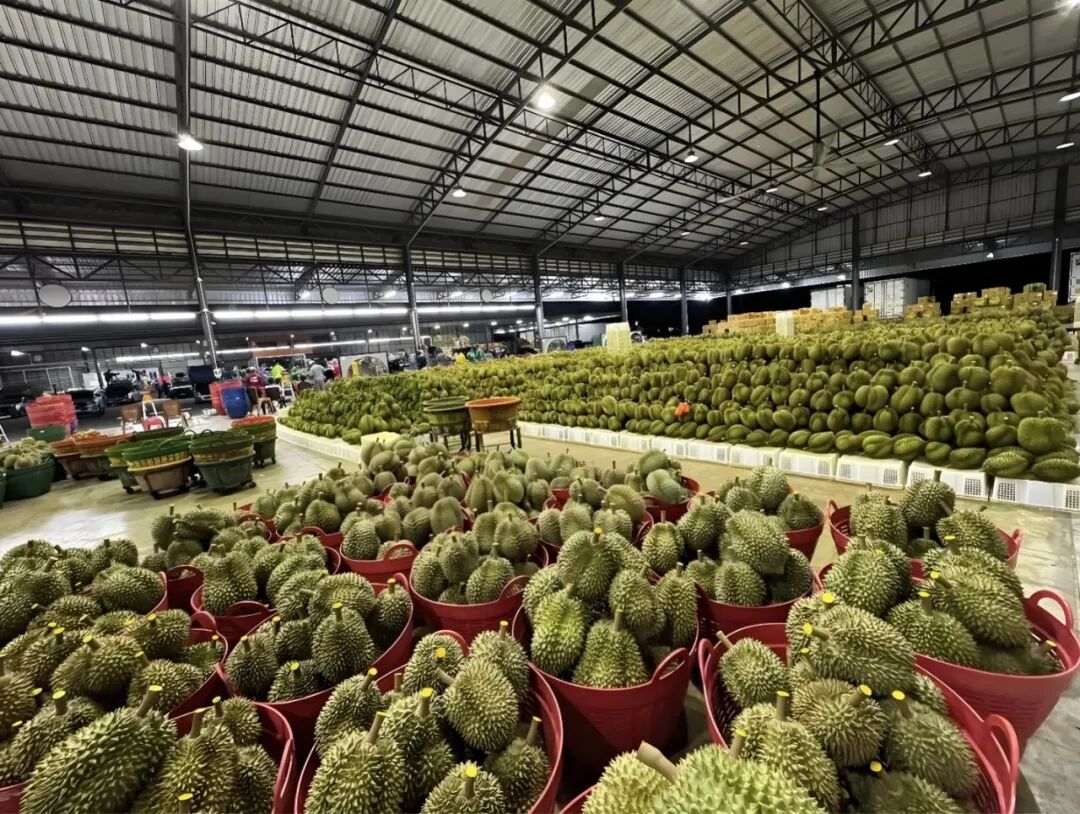
Several factors, including faster logistics, the cancellation of tariffs, an increase in the number of supplying countries, and the forward shift of the procurement link, have jointly pushed down the price of durians.
However, not all durians are seeing price drops.
Many practitioners say that the price cuts are more obvious mainly for medium - and low - grade fruits. It's difficult to reduce the cost of high - quality fruits too much. There are requirements from the planting stage, such as tree age, the number of fruits left on the tree, sugar content, and flesh - yield rate. In the circulation stage, it is also necessary to ensure stable cold - chain logistics, rapid turnover, and proper quality control. No link can save money.
"There are more cheap durians, but there are still few high - quality ones," said a fruit retailer.
Another way to digest the production capacity is the processing end. In recent years, the new tea - drinking, baking, and pre - made food industries have been increasing their procurement of durian raw materials. After the demand from the industrial end has expanded, some medium - and low - grade fruits can be absorbed, so the market won't collapse rapidly due to a sharp increase in supply.
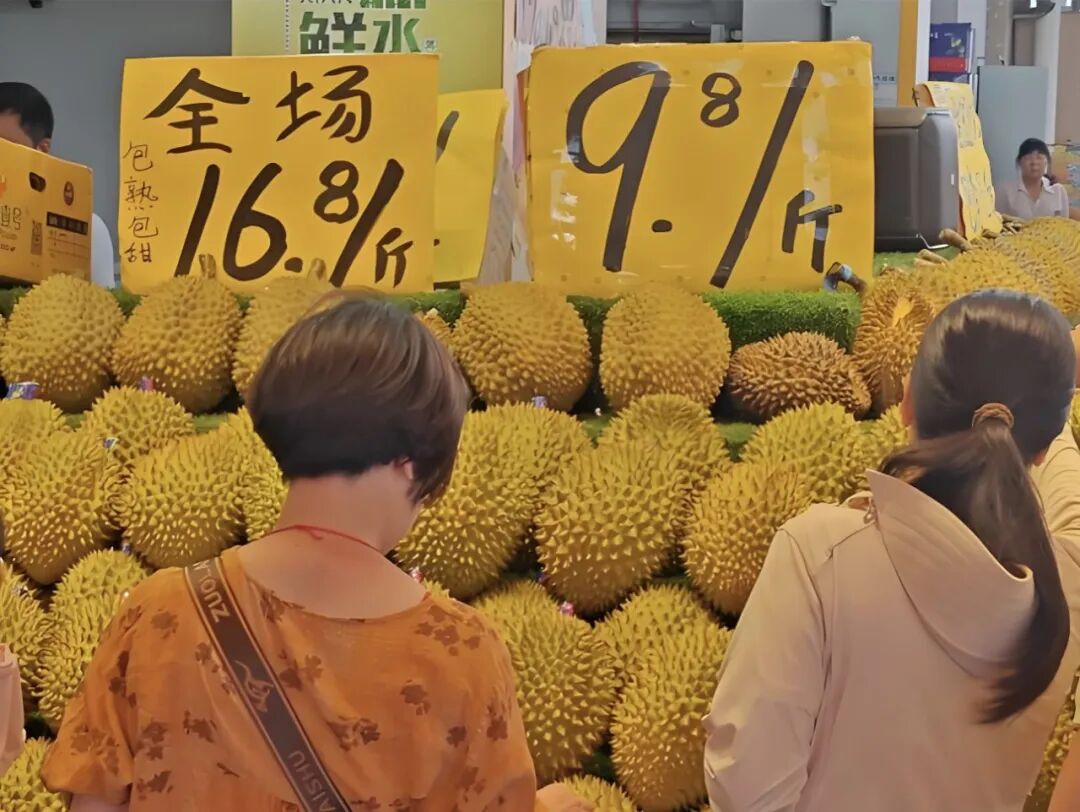
Regarding the subsequent price trend, Zhongxin Jingwei quoted Hou Yulu, an expert from the Chinese Academy of Agricultural Sciences, as saying that with the arrival of the traditional import peak season, China's import volume of durians will continue to increase, and the terminal price has a further downward trend, but there won't be a sharp drop.
This year, durians have indeed become cheaper, but the price cuts are not uniform. The prices of medium - and low - end durians are relatively easy to come down, while high - quality durians still hold their ground. The price differences between different producing areas, different grades, and different channels may continue to widen in the future.
Channel Stratification
In recent years, high - end fruits have had a hard time.
Take Shine Muscat grapes as an example. A few years ago, they could be sold for 60 to 70 yuan per catty, but now it's not easy to sell them at more than ten yuan per catty in supermarkets.
The same is true for cherries. In addition to those from Chile and Australia, fruits from new producing areas are constantly entering the market. During the Spring Festival, the price has been getting lower year by year. Even though the price has dropped this year, many supermarkets reported that cherries are not selling well.
In the past, these high - end fruits were the main source of profit for supermarkets. The profit from one durian was more than that from a box of apples. During festivals, cherries even carried the banner of the fruit area's floor efficiency. However, at present, these categories are no longer able to shoulder this responsibility.
Fundamentally, it's the changing consumer environment.
Durians, cherries, and Shine Muscat grapes are essentially improved - type consumption, not necessities. When consumers had good income expectations in the past, they were willing to spend money on "eating better". Now that the economy is under pressure, many people cut this part of their spending first.
The above - mentioned fruit store owner said: "In the past, customers bought durians whenever they wanted. Now it has become 'wait until the price is lower', and some people even told me 'I won't eat durians this year'."
Price cuts are also difficult to attract customers. Even if the price drops from 35 yuan to 28 yuan, consumers may still not buy. When the price drops to 20 yuan, they worry about the quality. Especially after there have been more quality issues this year, many consumers have formed a judgment that cheap durians are probably not delicious, and it's better not to buy them and avoid the disappointment.
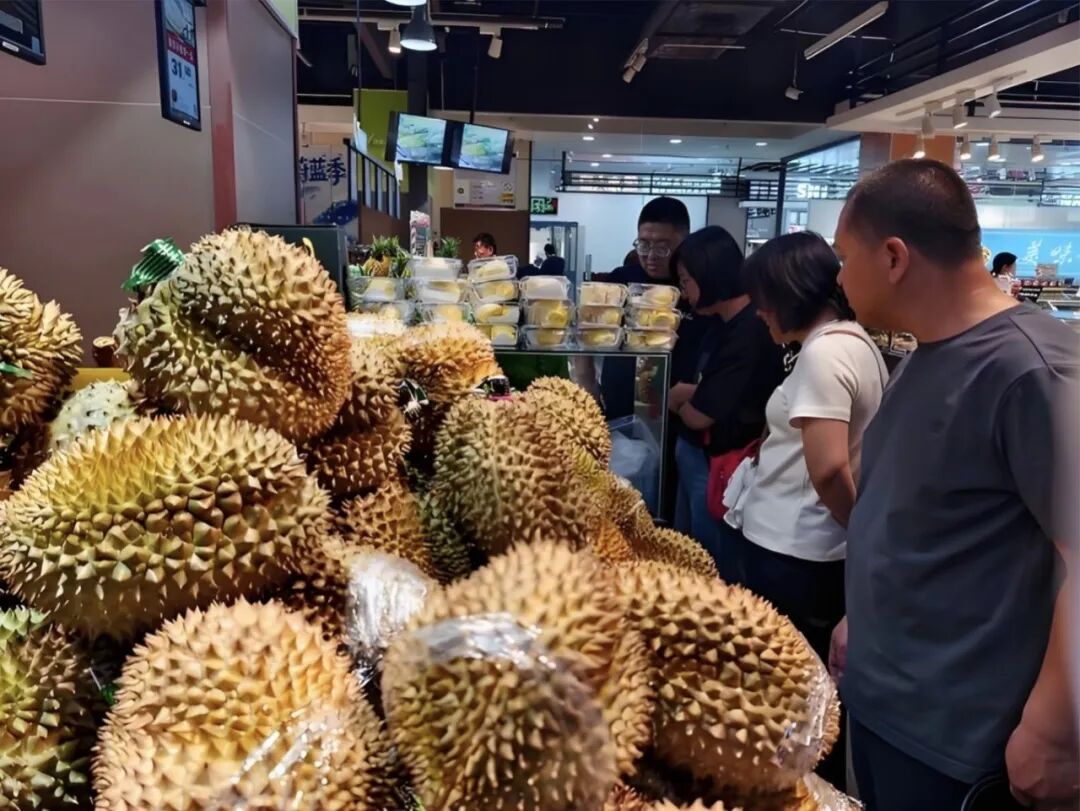
However, membership stores are still selling durians relatively quickly. In some stores, the durians are snapped up as soon as they arrive, and there are even periodic shortages. In fact, if you compare, the prices in membership stores are not cheap. The single - fruit price of L - grade durians ranges from 139 yuan to 200 yuan, which is more than 35 yuan per catty, almost half more expensive than outside. But consumers still buy them.