After all the effort, Sinopec only came up with No. 103 gasoline that you don't need?
I wonder if there are any guys among our readers who only prefer to fill their cars with the highest - grade gasoline.
If so, you should have seen this news.
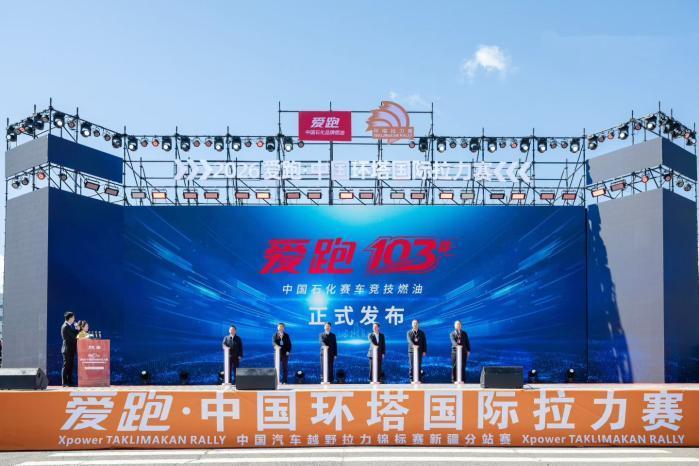
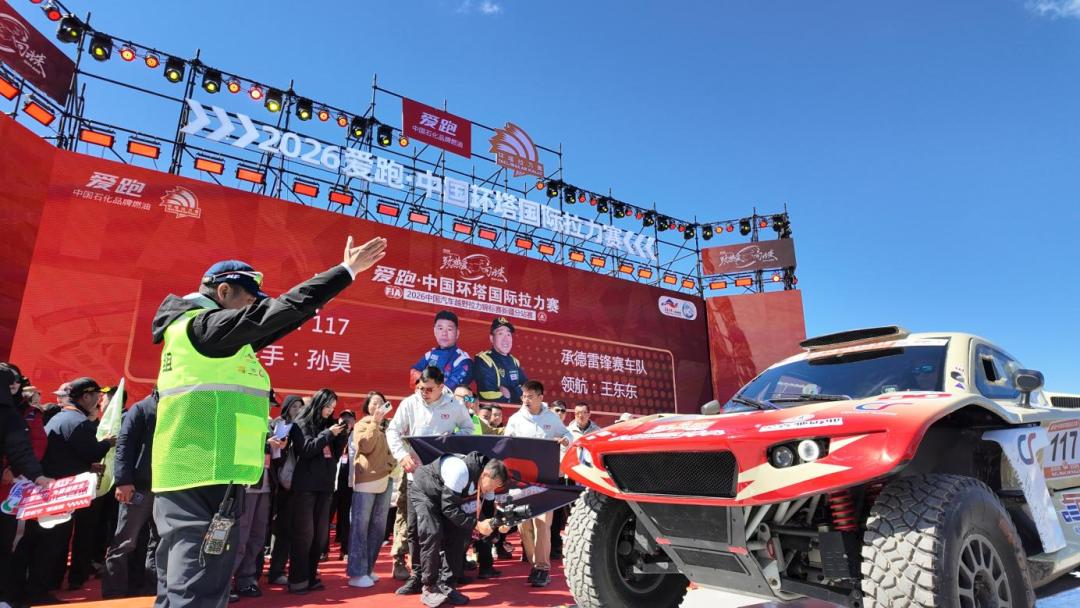
Just two days ago, Sinopec made a big splash at the opening ceremony of the 2026 Tour of Tarim Rally. It launched the “Love Run No. 103 Racing - Grade Fuel” it developed and has put it into use. It has become the official designated fuel for the Tour of Tarim Rally.
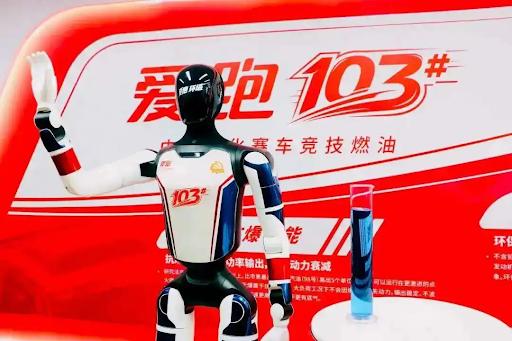
Obviously, compared with the common gasoline grades 92/95/98 in the market, the RON (Research Octane Number) of this fuel has reached three - digits, 103. It can not only make the gasoline burn more fully, make the car more powerful and the throttle more responsive. Since it has removed the metal anti - knock agent, it is also cleaner and safer. It belongs to the top - level gasoline.
Rich guys who usually only fill with “Love Run 98” must be extremely excited at this time - fill it up! Fill it up no matter how expensive it is! My car must have the best fuel!
But guys, you can sit down first, because in various news, Sinopec has clearly told everyone that this No. 103 racing - grade fuel is not intended for civilian vehicles at all. In the short term, it will only be supplied to professional automobile races like the Tour of Tarim and will not enter civilian gas stations.
Even if we can fill it one day, I don't recommend you do so.
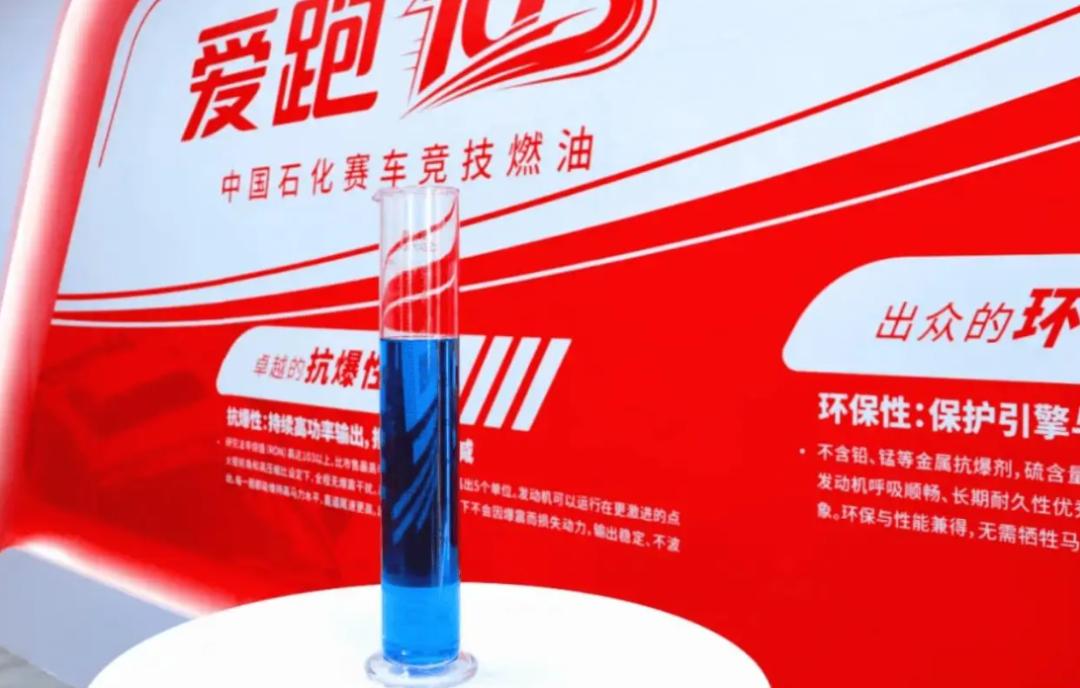
After all, this fuel is prepared for racing engines with ultra - high compression ratios (above 12:1). Except for some special cars like Mazda, the compression ratio of ordinary civilian vehicles is at most about 10:1. After filling with No. 103 gasoline, the vehicle cannot give full play to its performance. Instead, it may cause problems such as power decline and increased fuel consumption, which is far less practical than traditional grades.
Therefore, the significance of Sinopec's launch of No. 103 gasoline lies more in the act itself.
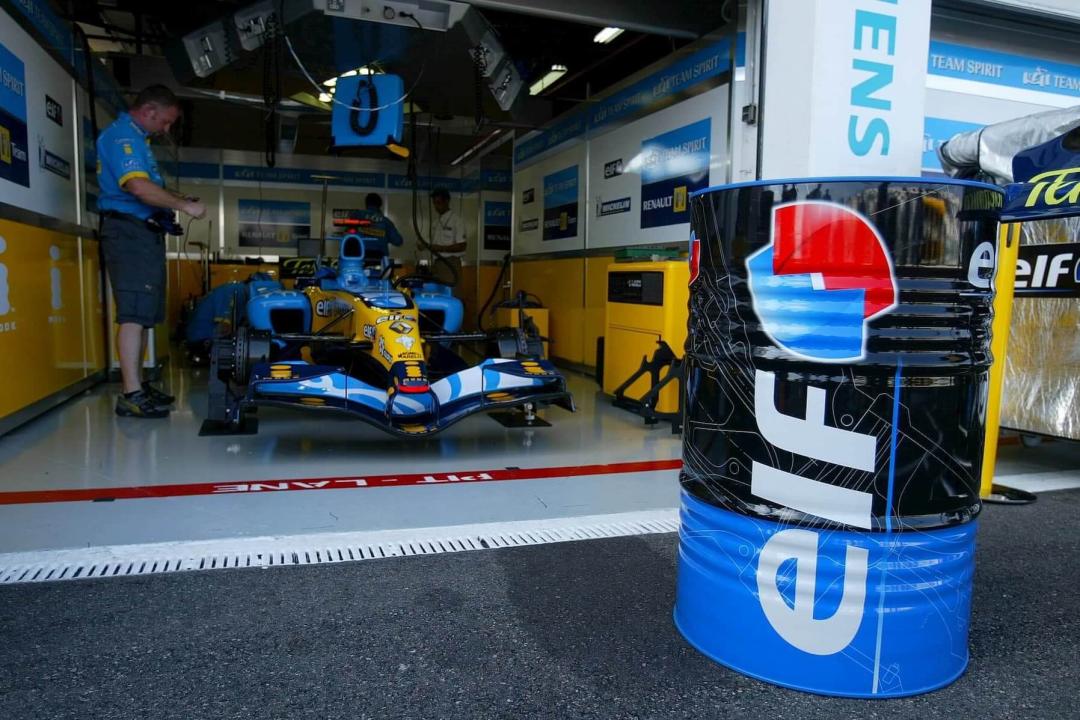
As I mentioned before, racing gasoline, in terms of both chemical properties and preparation processes, is at the top of the pyramid in the entire fuel category and can compete with aerospace fuel.
After all, in order to continuously perform at its best in long - term, high - load races without damaging the expensive racing engines, racing gasoline has extremely strict requirements for indicators such as anti - knock ability, instantaneous evaporation ability (burns fast), and conductivity (to prevent electrostatic ignition).
In addition, races held in different climatic environments and different track conditions also have different indicator thresholds for fuel. The difference in the difficulty of producing ordinary gasoline and racing gasoline is almost the gap between an office computer and a Mandel supercomputer, which is not in the same discussion dimension at all.
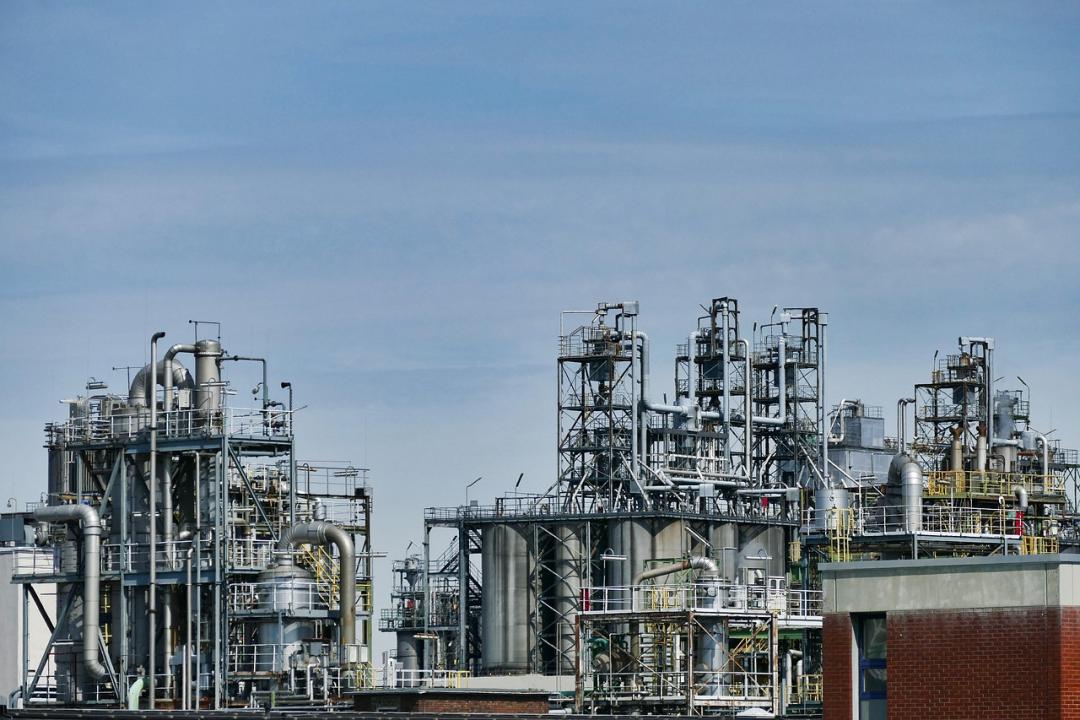
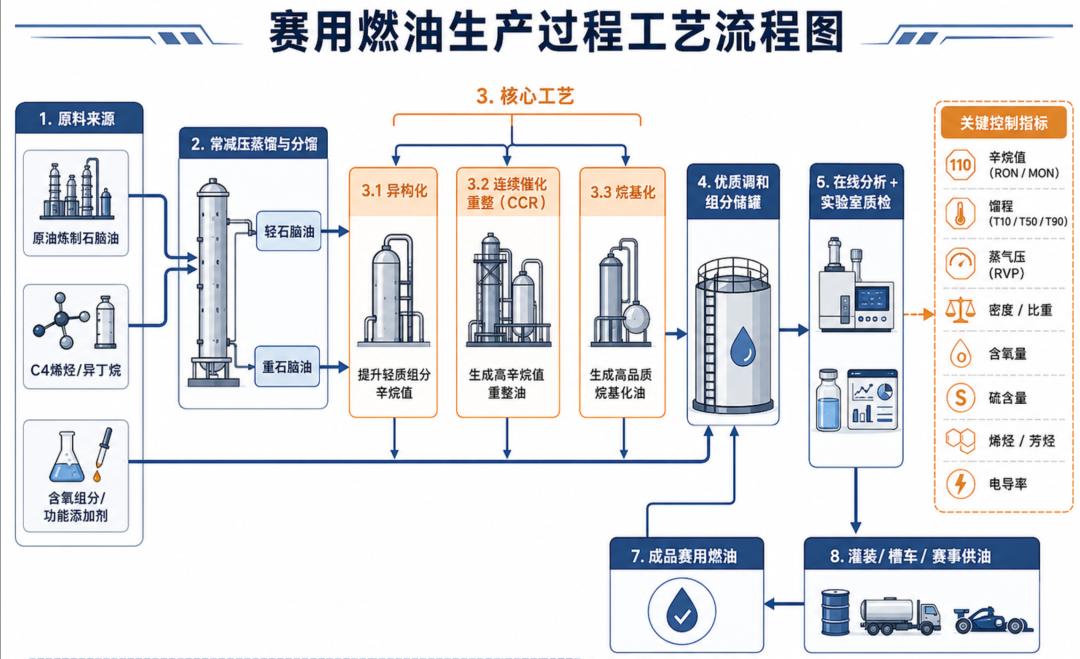
Adding metal agents to ordinary gasoline can increase the octane number. To reduce combustion deposits and meet environmental protection requirements, racing gasoline has to achieve this through processes like CCR (Continuous Catalytic Reforming) without adding metal agents;
Ordinary gasoline does not require a fast evaporation rate, but in order to achieve instantaneous power explosion, racing gasoline must provide low - boiling - point, high - response light components through processes like isomerization.
Even to balance the anti - knock performance under extreme conditions and let the mixture release the strongest chemical energy in a very narrow performance window, the preparation of racing fuel not only needs to consider the RON (Research Octane Number), but also the difference between RON and MON (Motor Octane Number), as well as the ratio of heavy components to light components in the gasoline composition.
It doesn't matter if you guys don't understand. Anyway, in the end, the retail price of racing gasoline at the user end will be several times or even more than ten times that of ordinary gasoline, which causes many racing teams to spend millions of RMB on fuel every year.
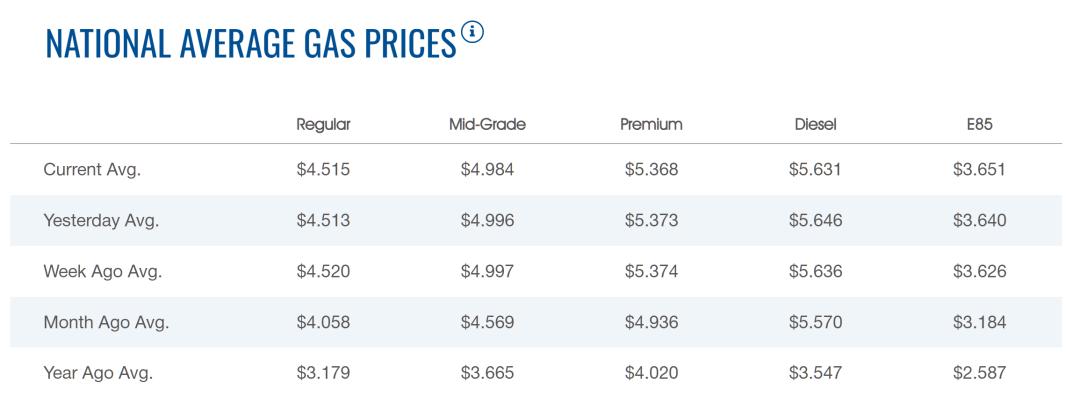
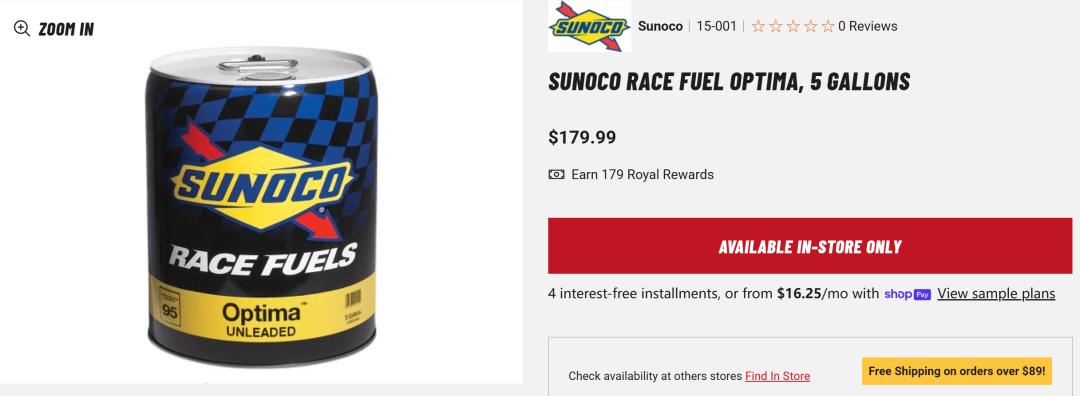
1 gallon of ordinary fuel in the United States (top) and 5 gallons of racing gasoline (bottom)
Like many complex and expensive things, for a long time from China's perspective, racing fuel has been monopolized by overseas companies. We can only import it if we want to use it.
Interestingly, this is not because we can't produce racing gasoline, but because there is no such demand.
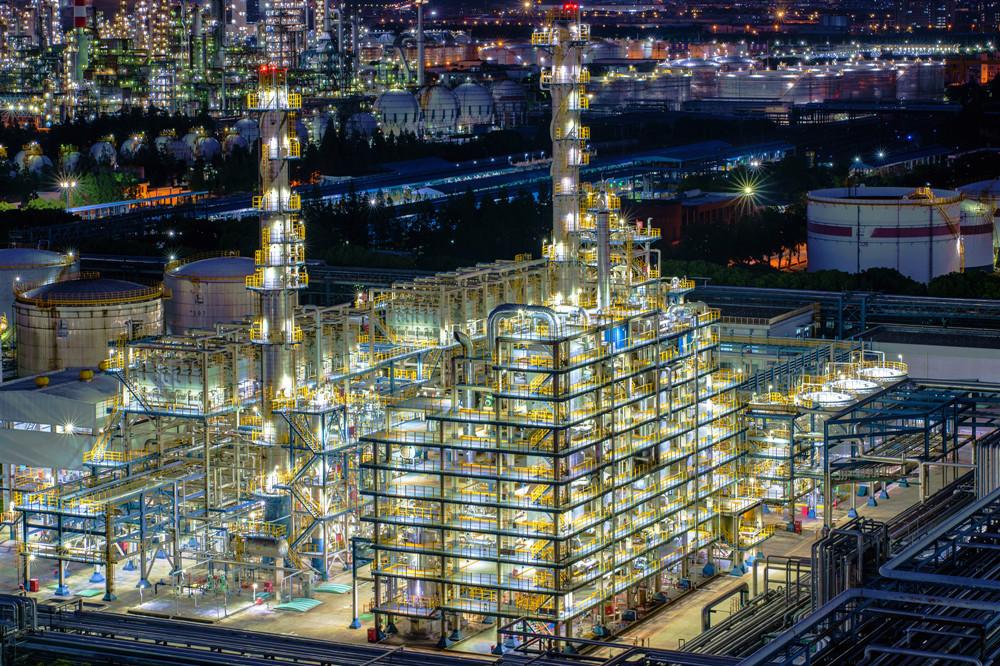
When Sinopec launched the No. 103 racing - grade gasoline, Li Zhongdan, the deputy dean of the New Materials Research Institute of Zhenhai Refining & Chemical Co., Ltd. (yes, it's the well - known “City That Never Sleeps” chemical plant), the main R & D force behind it, said in an interview:
“(The R & D team) relied on advanced technologies such as continuous reforming, isomerization, and alkylation independently developed in China to precisely control the molecular composition of gasoline and construct an ideal hydrocarbon structure. Thus, a significant increase in octane number was achieved without adding any metal anti - knock agents.”
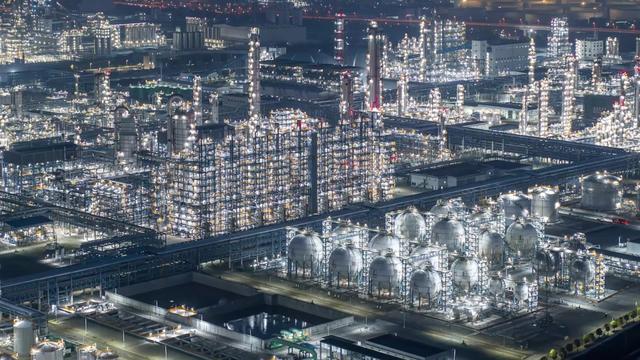
After seeing these technical terms that seem profound but may not be fully understood, you must be saying - I get it. This is another story of independent technological breakthrough and breaking the monopoly of foreign companies. Tell us how we achieved the breakthrough, quickly!
But in fact, continuous reforming, isomerization, and alkylation are all very mature and widely used technologies in the chemical industry. They are also the common preparation processes for almost all high - grade racing fuels today.
The commercialization of the alkylation process can even be traced back to nearly 100 years ago, when the demand for aviation fuel from the air force during World War II was high.
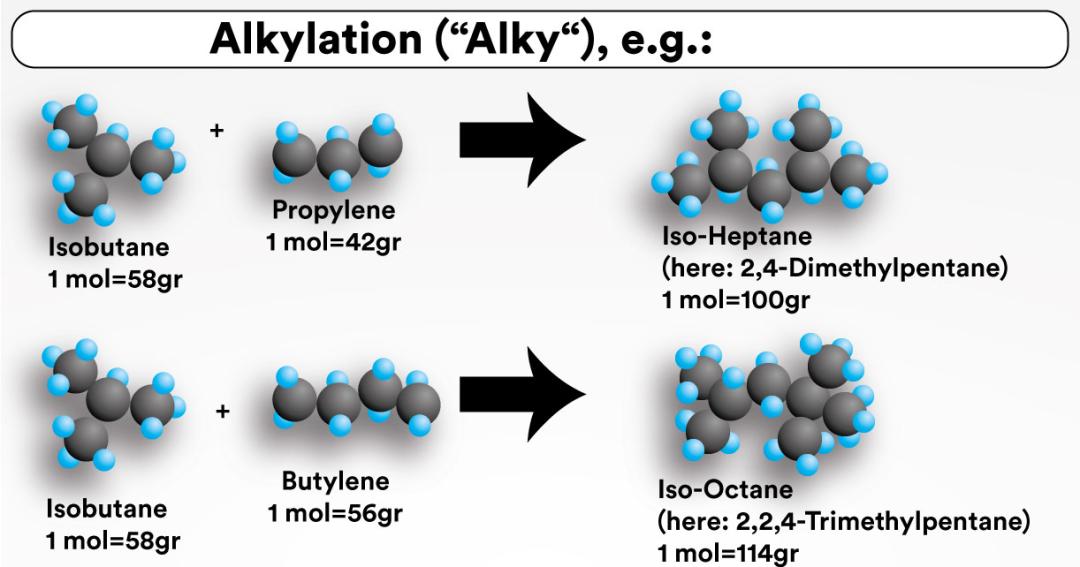
Then why didn't we do it in China before? It's very simple. The racing sport has not been popularized.
If you have some knowledge of the racing sport, you will know that in the European and American markets, racing gasoline is actually an extremely complex and mature industry. Moreover, the various indicators of racing gasoline are also very precise and transparent.
Racing fuel brands can usually offer countless product categories, corresponding to countless combustion indicators for racing teams to choose from. Racing teams can choose or adapt to different fuels according to the combustion speed they need, the fuel injection calibration of their racing cars, and the ignition window, maximizing the degree of customization.
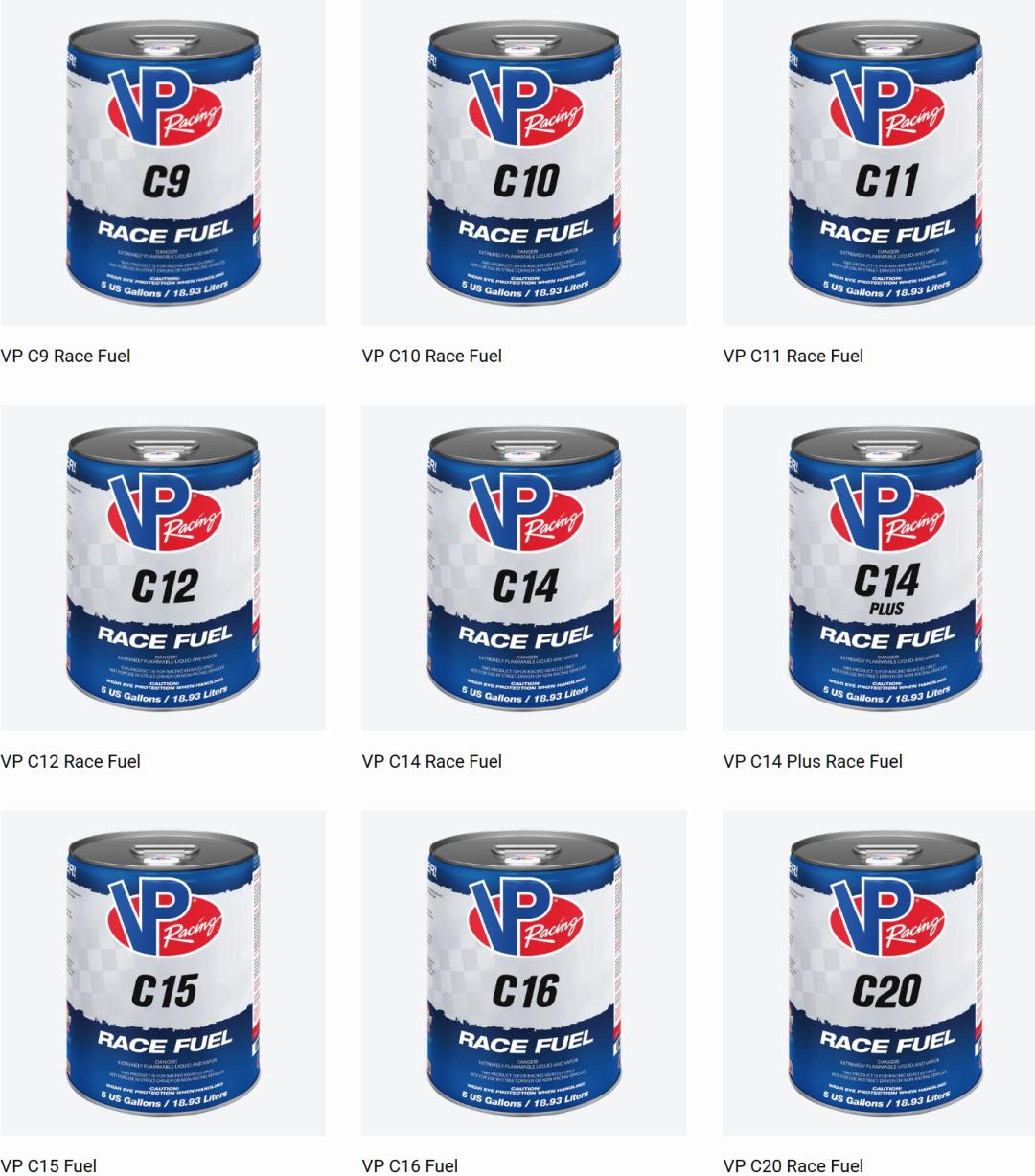
This very mature racing fuel market is actually gradually formed through the development of European and American racing cultures.
Take the United States for example. In addition to the well - known NASCAR and F1 races, there are also all kinds of small - scale races on the streets in the United States (such as drag races, monster truck races, and even illegal street races), which have a high demand for high - performance racing fuel.
VP Racing in the United States, the leading company in racing fuel today, initially started supplying fuel for local small - scale racing events around 1975. Due to the good reputation of its products, it gradually grew from a small workshop into a world - renowned large company.
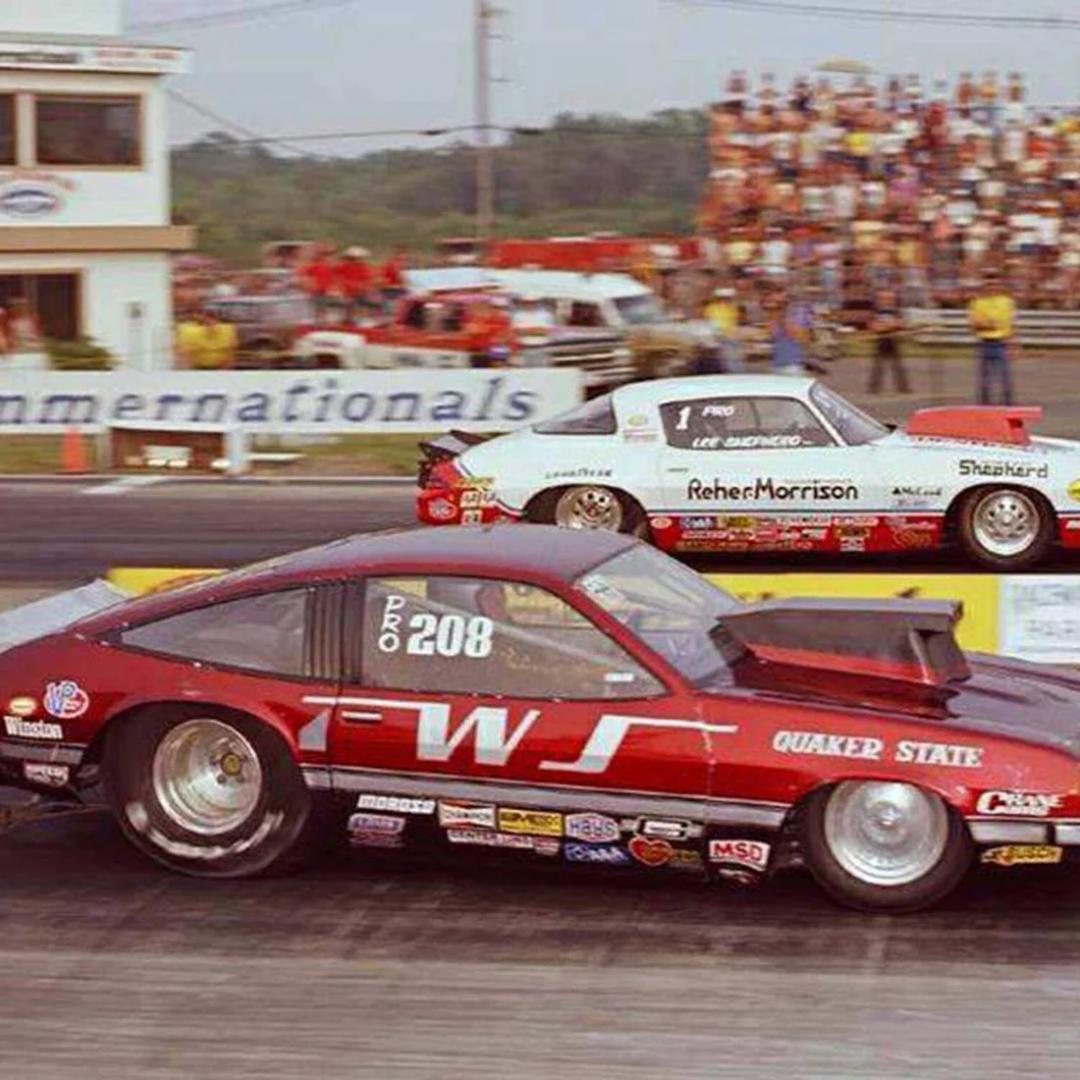
After decades of development, the racing fuel industry in Europe and America has become a system with extremely clear division of labor between the upstream and downstream:
The upstream large - scale refineries provide high - value blending components, that is, different basic components of fuel; the mid - stream enterprises like VP Racing are responsible for formulating different racing formulas according to market demand with these basic components; the downstream distribution network is responsible for packaging these products and selling them to various races and racing teams through channels.
Therefore, the overseas racing gasoline industry was born from civilian races and was developed by international races.
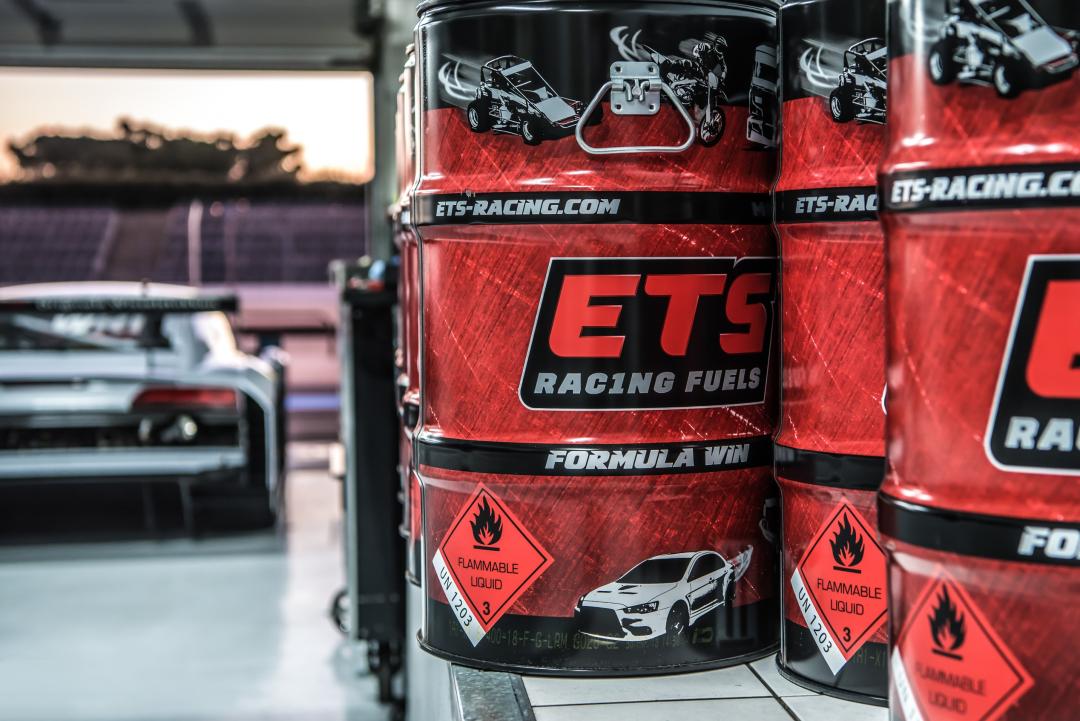
Obviously, it's not the case in China.
On the one hand, the domestic modification and racing market is too small to attract professional racing fuel companies. On the other hand, and more importantly, compared with providing high - performance fuel for racing cars, China's petrochemical system has actually been doing a much more important thing in the past few decades:
To enable hundreds of millions of family cars to use safe, cheap, and stably - supplied fuel, and to let the by - products of crude oil support the operation of this huge country.
Don't think this is a simple thing. Just providing fuel for the whole country is already extremely difficult.
Because this process not only requires rapid and centralized transformation of the hydro - desulfurization, isomerization, alkylation, reforming, blending, and testing systems to meet the increasingly strict environmental protection and emission regulations, but also needs to ensure the continuous supply of fuel across the country and throughout the seasons during the iteration process.
Moreover, it is also necessary to process crude oils with different sulfur, nitrogen, aromatic hydrocarbon, and distillate structures into as consistent gasoline and diesel products as possible.