Google Reinvents the Search Box, Transforming the Internet Habits of 5 Billion People
After tasting the "pre - event dessert" Android Show, the real highlight, the Google Developers Conference Google I/O 2026, officially kicked off.
As expected, in the nearly two - hour event, Gemini took the absolute center stage.
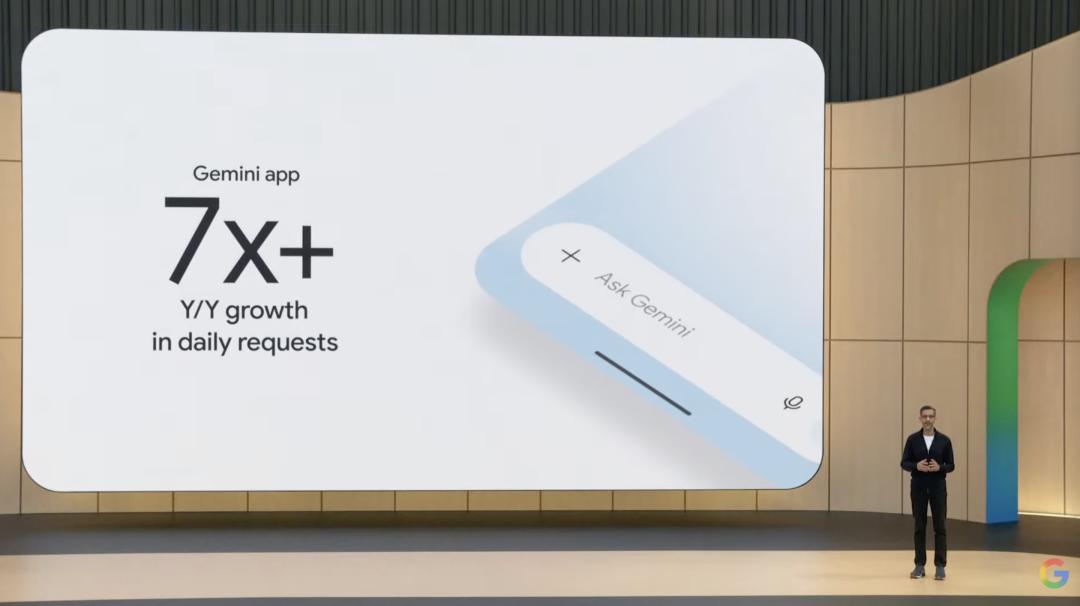
Image | Google
In addition to updating the basic model and peripheral capabilities, Gemini has also been more deeply integrated into the Google app suite, and even brought some updates to iOS and macOS.
It's a pity that Googlebook and Android 17, which were unveiled last week, were not mentioned at the opening event of this I/O.
The only hardware product we saw was the smart glasses jointly developed with Samsung:
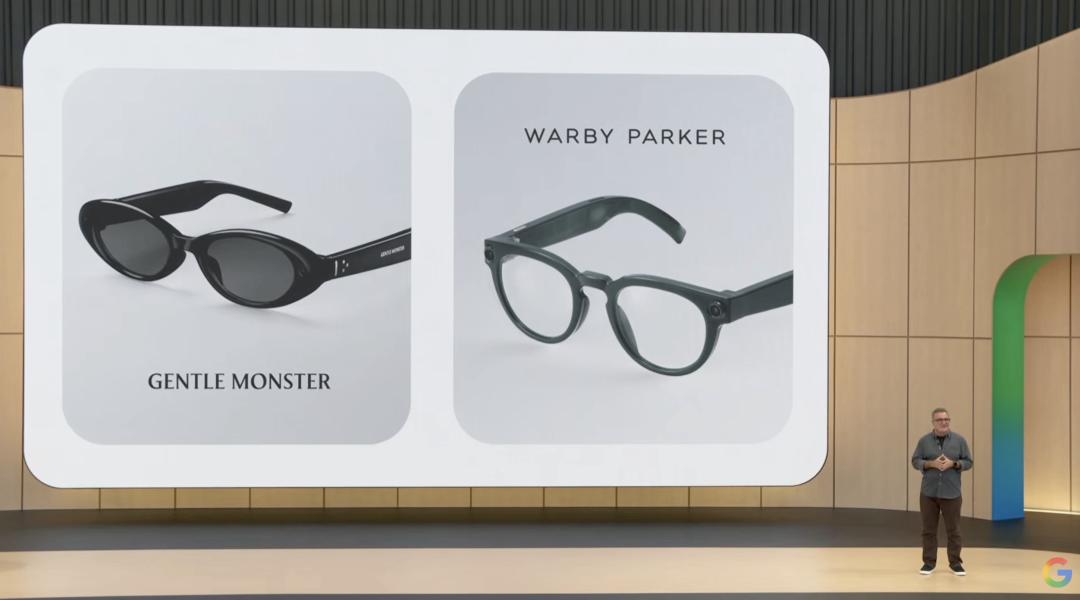
Image | Google
In short, the message Google conveyed through this I/O conference is very clear:
Gemini's capabilities will become stronger and stronger, its presence will become more and more prominent, and its integration with the "physical lives" of billions of Google product users around the world will also become closer and closer.
From an exaggerated perspective, it seems that Gemini is only one humanoid robot away from taking over most people's daily work.
Underlying Model Update
The most significant part of the whole event was the update of several underlying models around Gemini.
First, the official Gemini 3.5 version was released, and the version that users can experience first is Gemini 3.5 Flash.
It shows capabilities comparable to the previous 2.5 Pro in multiple dimensions and maintains the speed of the Flash series:
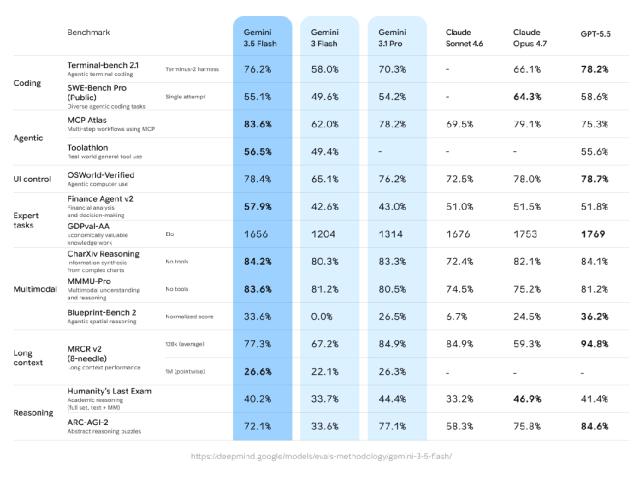
Image | Google
Thanks to the balance between speed and performance, one of the scenarios where Gemini 3.5 Flash excels is handling long - term and large - scale intelligent tasks while saving a large amount of token overhead.
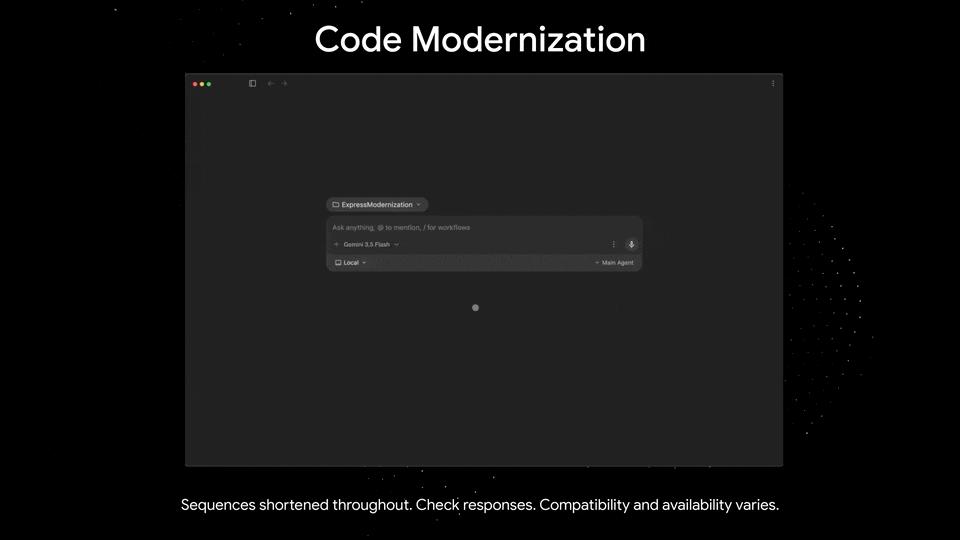
At the same time, the latest Antigravity integration also gives Gemini 3.5 Flash more diverse output forms -
Executing classification codes, writing games based on papers, converting ancient code libraries, building 3D scenes, interactive web interfaces, etc.
Converting a legacy code library to Next.js | Google
In addition, there is the largest "world model", Gemini Omni. To describe Gemini Omni in Google's grand vision:
It can output anything you want based on any input content (Generate any output with any input).
The first model product of Omni is Gemini Omni Flash. In addition to the Gemini app, it is also integrated into Google Flow and YouTube Shorts, supporting users to generate "the most realistic" videos using natural language.
Image | Google
Correspondingly, Google also adjusted its Google One subscription model, adding a new category of $100 per month to the original top - level AI Ultra plan.
This new subscription also belongs to the AI Ultra level, including priority access to Gemini 3.5 Flash, Antigravity 2.0, and other new features.
Of course, the traditional 20TB cloud space and YouTube Premium permissions are also included, mainly targeting groups such as developers and advanced creators.
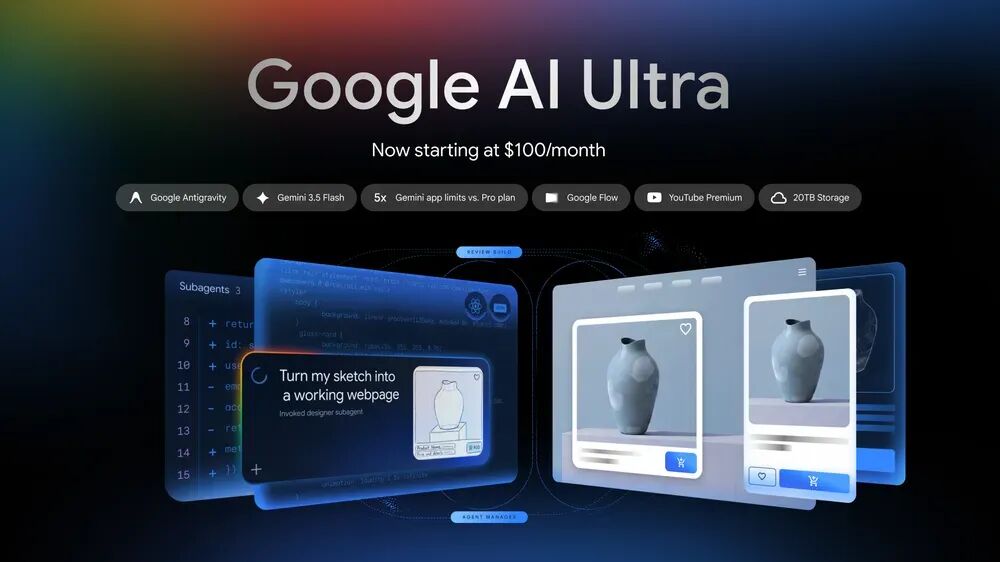
Image | Google
At the same time, the original top - level AI Ultra subscription of $250 has been reduced in price. Now you only need $200 per month to enjoy privileges such as up to 20 times the usage quota of AI Pro.
Another major change in the charging model is the Gemini app itself.
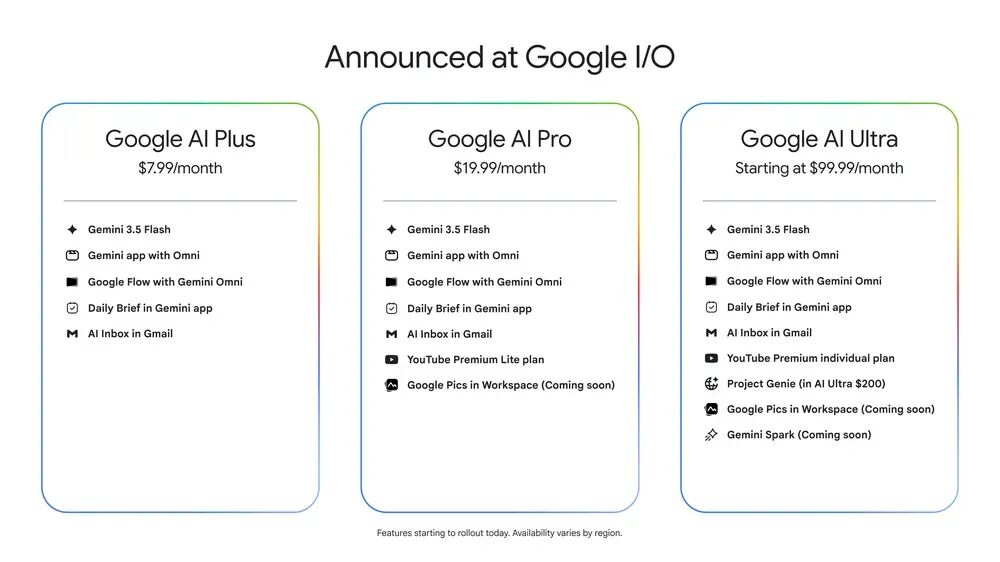
Image | Google I/O
In the press release, Google announced that it will change the daily limit of Gemini from "prompt word quota" to "usage calculation."
In this way, the consumption of pictures, videos, and codes increases, while the consumption of text tasks decreases. Overall, it is a more flexible computing power charging model.
Actual Business Implementation
Different from companies like OpenAI and Anthropic, Google's greatest feature is that it really has a product ecosystem that can reach billions of users around the world.
In addition to the above - mentioned basic models, the strategy Google demonstrated this time focuses on integrating these "abstract" AI model capabilities into the apps that the general public uses every day.

Image | SlashGear
This integration is generally divided into three steps: transformation of the traditional search business, intelligentization of the mobile phone system, and integration of visual intelligence.
As Google's founding business, the "search engine" has undergone a complete AI transformation at this year's I/O. Google calls it "a new era of AI search."
The logic behind this business transformation is very simple: Compared with 20 years ago, when people only entered words or phrases in the search box, people now are more accustomed to entering complex composite instructions.
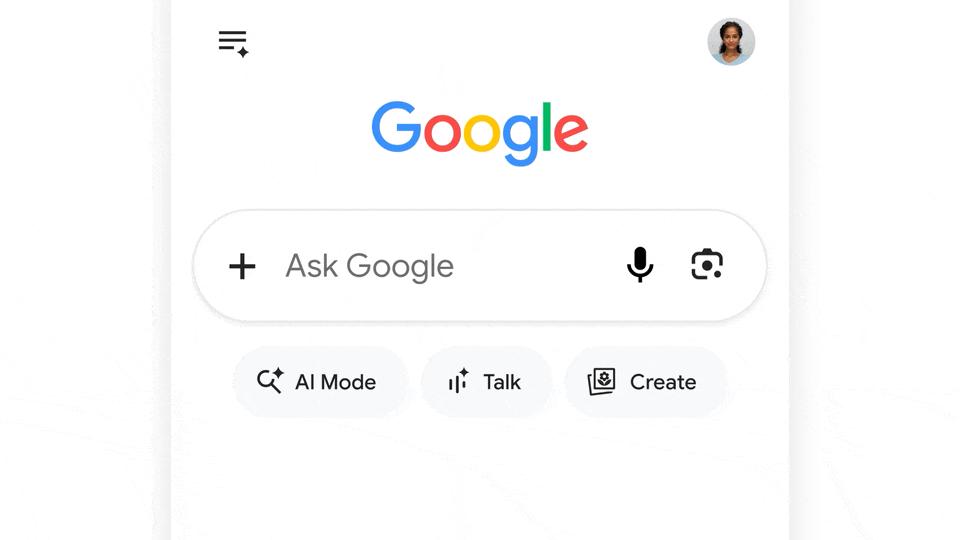
Image | Google
In other words, Google has turned the traditional search box (search box) into a general chat box (chatbox).
In addition to searching, users can request any form of content in it.
This is also the key update content of this I/O event - search with agent capabilities.
First, the basic model of AI Mode will be upgraded to Gemini 3.5. Your search box will automatically recommend and complete the input content, making your keywords more detailed or broader.
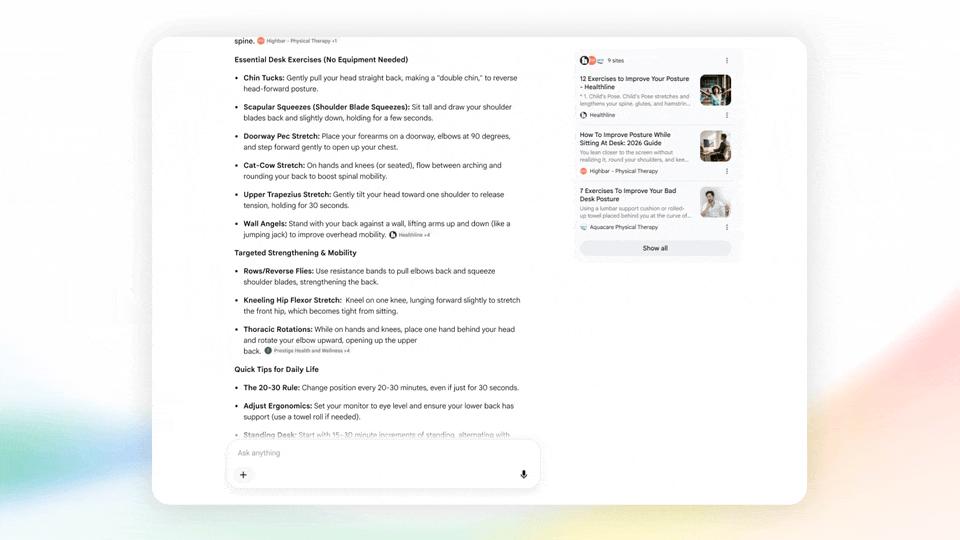
Image | Google
In addition, there is a new generative UI (Generative UI) response. Google will intelligently generate the most appropriate response form based on what you ask.
For example, when searching for stock trends, the response will not only include text but also generate a line chart; when asking for decoration inspiration, the response will generate pictures...
Even when you search for physical problems, it can call Antigravity to quickly write an interactive web demonstration:
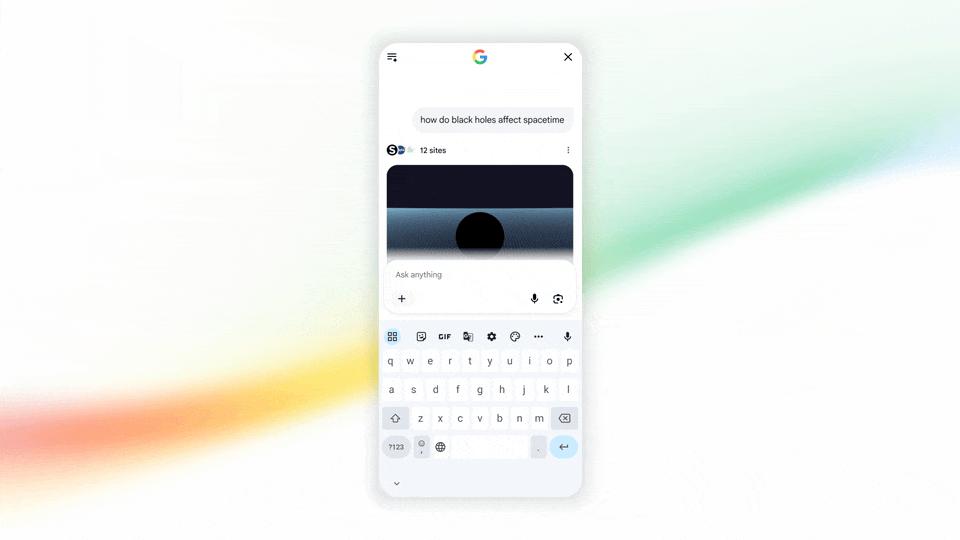
Image | Google
After using "multimodal search" for so many years, we have finally entered the era of "multimodal response."
The combination of Google Search and Antigravity's capabilities goes beyond this. It can go one step further and generate web - based dashboards or trackers in real - time based on the content you enter in the search box.
In plain language, the Google search box directly writes a dedicated app for your needs.
This multimodal ability is very powerful and may even completely change the way people retrieve information -
After all, when we search for things, most of the time we want to use the search results in other tasks, and the new Google Search can directly help you complete the next step.
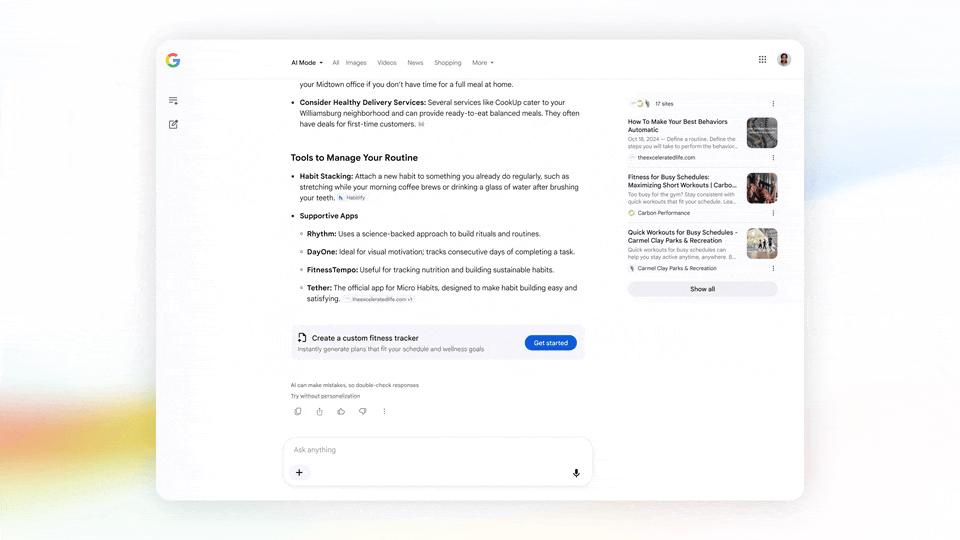
Image | Google
As for the specific way of this "errand - running," it is Gemini Spark.
To put it simply, Gemini Spark is essentially a "semantic understanding - automatic execution" function similar to OpenClaw, a Google Claw.
Among them, Gemini Spark is based on the latest Gemini 3.5 model and supports 24/7 continuous operation.
And since the operating carrier is Google Cloud, it can also perform cross - device proxy operations - arranging tasks on the mobile phone and checking the results on the computer.
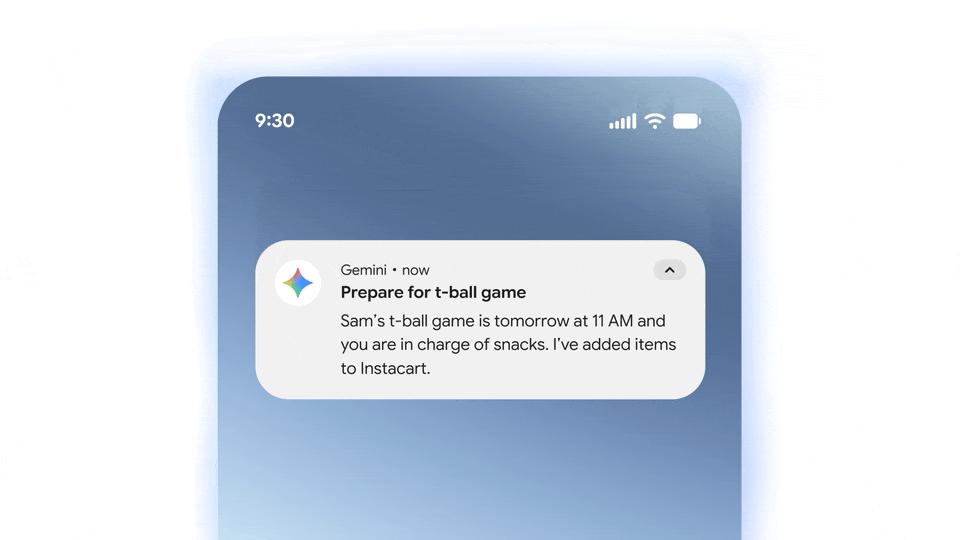
Image | Google
Currently, Gemini Spark supports all Google suite apps. In the future, it will expand the MCP platform to be compatible with the internal functions of third - party apps and support users to upload their own Skills.
Google also announced that Gemini Spark will be integrated into Chrome and Android Halo in the future, bringing the function of agent automatic operation to the browser and mobile phone.
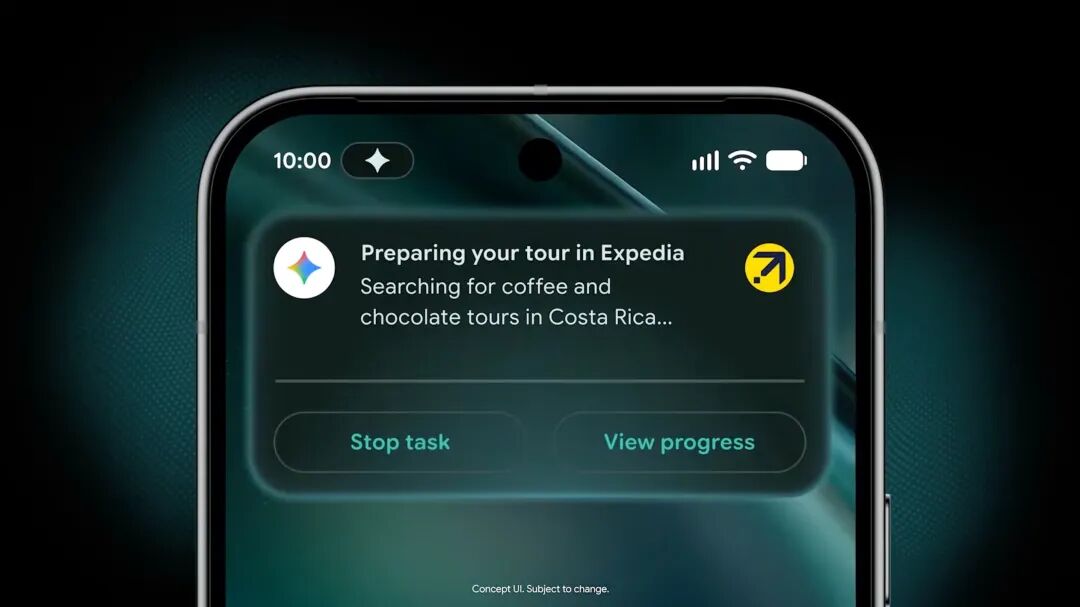
Android Halo | Google
The last move is the integration of Gemini and visual intelligence.
At this I/O event, Google released the first "pure - audio smart glasses" product jointly developed with Samsung, using Gentle Monster and Warby Parker frames respectively:
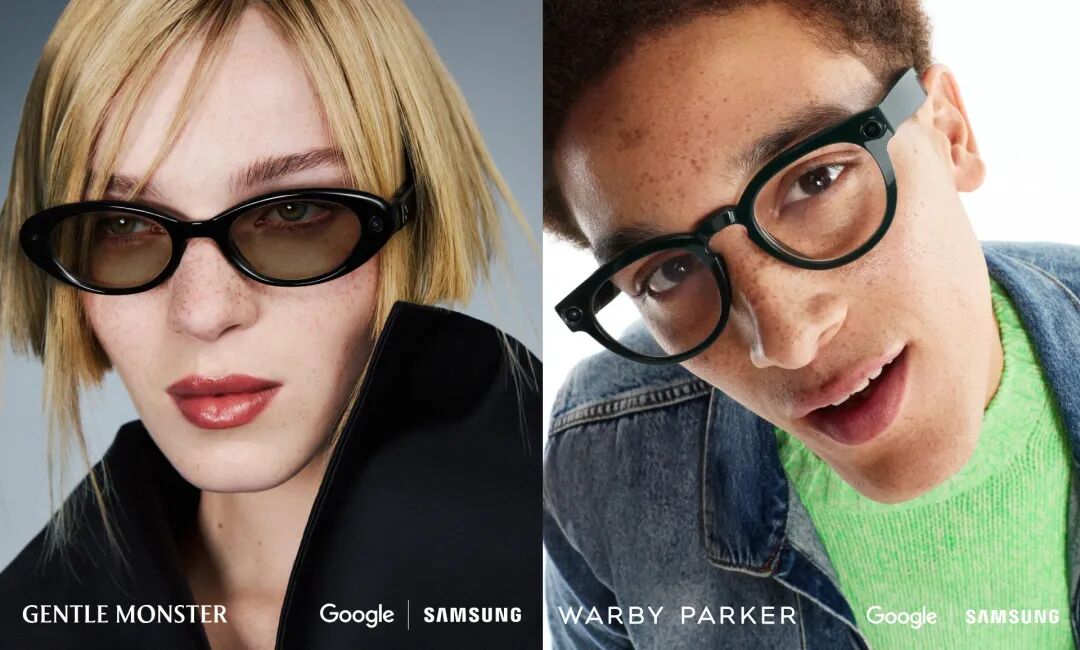
Image | Google
From a functional point of view, these pure - audio glasses are not very different from the existing smart glasses on the market. The main advantage is that they can directly call Gemini's multimodal functions to call other complex capabilities mentioned above.
On the other hand, the smart glasses with a screen, Project Aura, which was developed in cooperation between XREAL and Google, has been updated at this event.
According to the introduction, Project Aura is equipped with XREAL's self - developed X1S spatial computing chip and adopts a split - type design for comfortable wearing.
That is to say, the glasses part of Project Aura is only responsible for display, and the real processing chip, battery pack, and touchpad need to be connected to an external portable unit through a data cable:
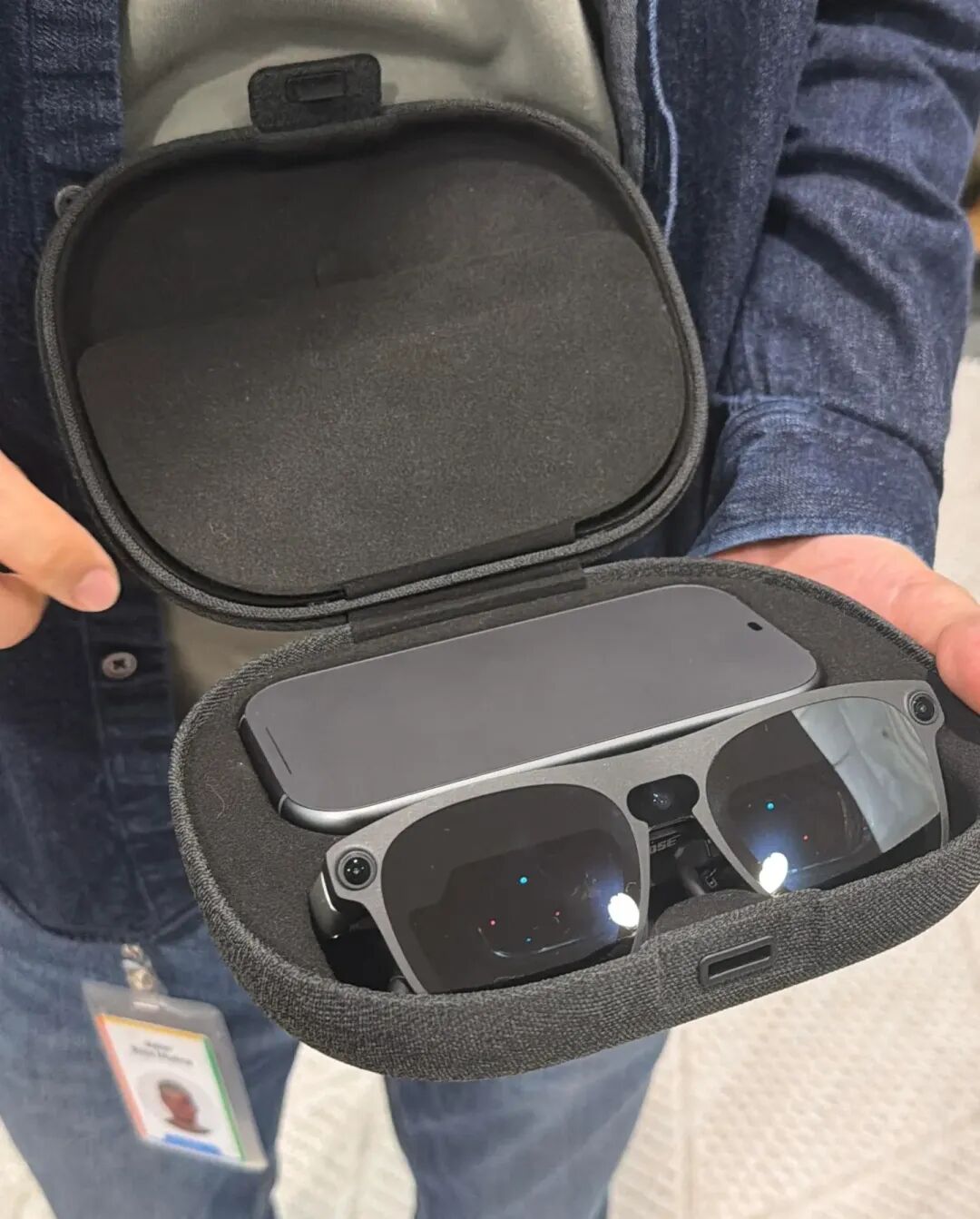
Image | TheVerge
In terms of actual life functions, Project Aura will support immersive navigation on Google Maps, large - screen/windowed video playback, YouTube VR videos, WebXR 3D painting, DP extended laptop screens, etc.
