Google and Microsoft Battle it Out in the AI PC Arena: Is Local Computing Power a Rip-Off? Are Cloud Computers the Ultimate Form?
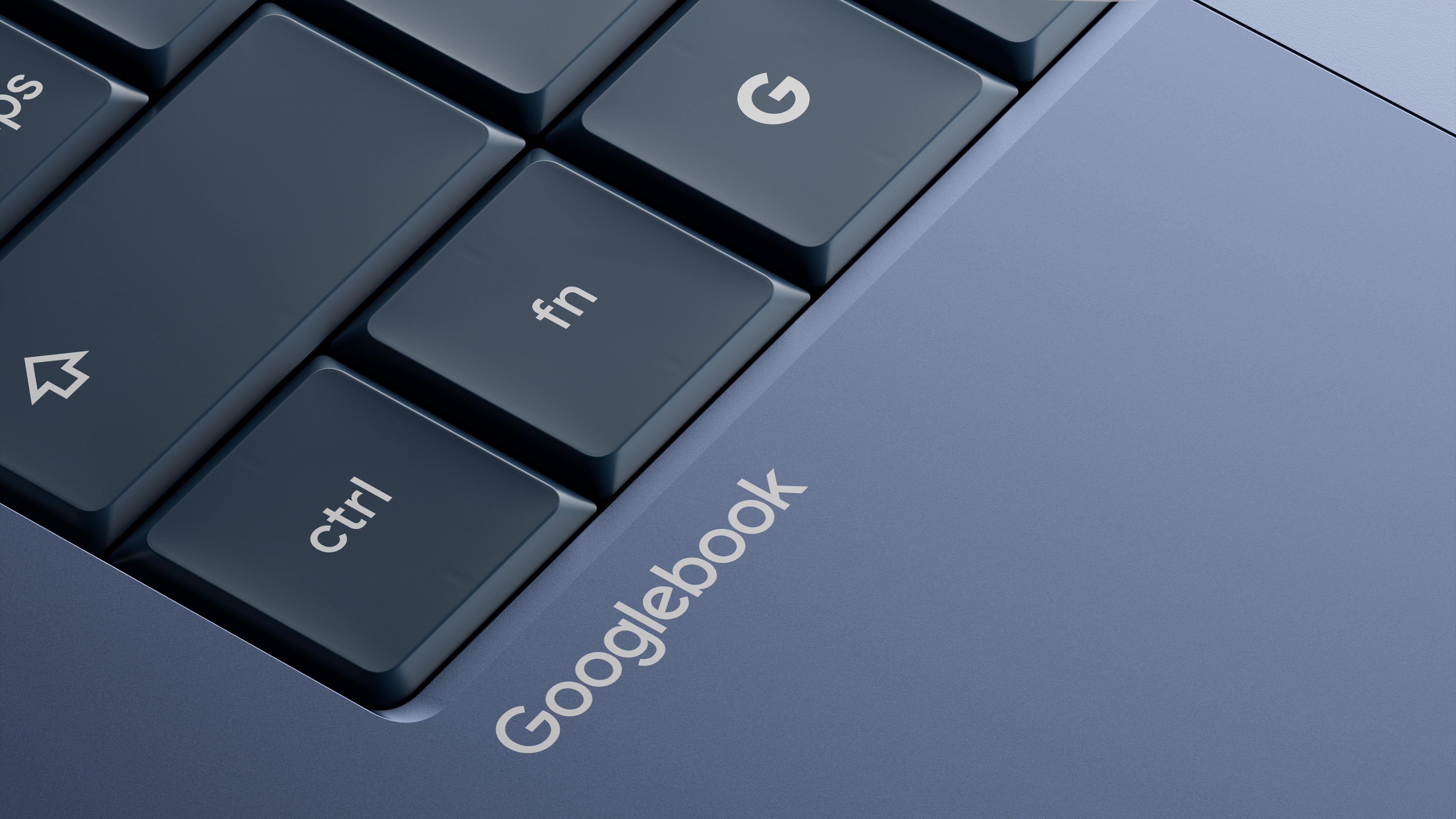
Just before the Google I/O Conference, Google held a pre - event for Android 17 in the early hours of May 13th. Unexpectedly, at this event, Google announced a brand - new product line out of the blue - Android computers. Different from Chromebooks, Android computers are positioned at the high - end market, with productivity as their core selling point. Google is no longer satisfied with the entry - level market and aims to seize more territory in the PC field beyond netbooks.
The concept of AI PCs has been very popular in recent years. Countless PC chip and terminal manufacturers have been emphasizing the AI features of their products, tirelessly promoting the new changes that AI brings to PC usage scenarios again and again. The emergence of Android computers presents a brand - new solution for AI PCs: no longer relying on traditional desktop systems, cloud - based AI is not an accessory but the core, from which all related functions are derived.
(Image source: Google)
If Android computers succeed, cloud computers are very likely to become the definitive answer in the AI era.
Current AI PCs are not "AI" enough
Currently, AI PCs in the PC industry are more like traditional PCs with an AI layer added. In terms of chips, both Intel and AMD have added independent AI computing units to PC processors to enhance their edge - side AI capabilities. In terms of systems and ecosystems, terminal manufacturers have been building their own AI applications in the system, including their own computer management software and intelligent agents, and have connected to external large - scale models.
However, these AI PCs are essentially still traditional Windows computers, and AI is more like an icing - on - the - cake feature. Moreover, most of the AI scenarios implemented on AI PCs are based on cloud - based AI, including document summarization and modification, image generation, and various "lobster" tools.
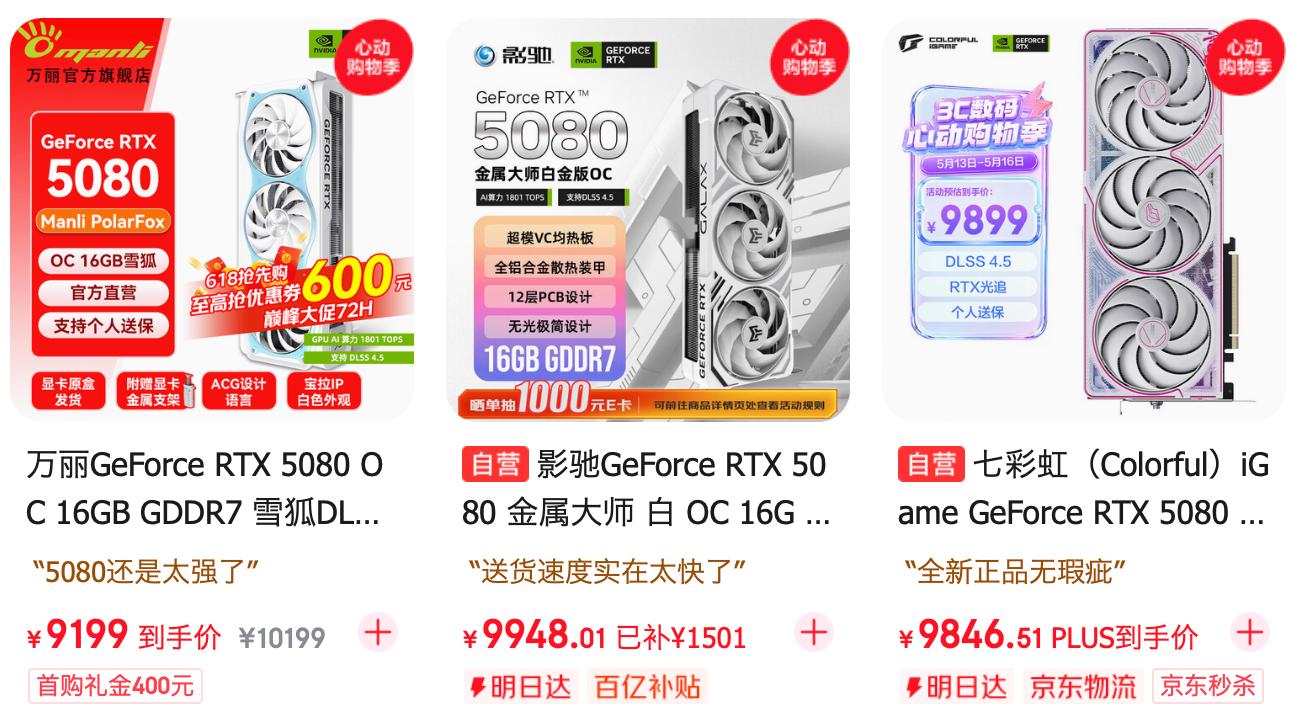
Although chip manufacturers have been promoting the local AI capabilities of their chips and emphasizing the scenarios of deploying open - source models through heterogeneous computing with CPU, GPU + NPU. In reality, the AI computing power that consumer - grade PC chips can provide is always limited. After all, not every consumer has a 5080 graphics card and at least 32GB of memory.
(Image source: JD.com)
In this situation, an ordinary consumer - grade PC can hardly run large - parameter local models, and thus cannot truly undertake more complex AI tasks.
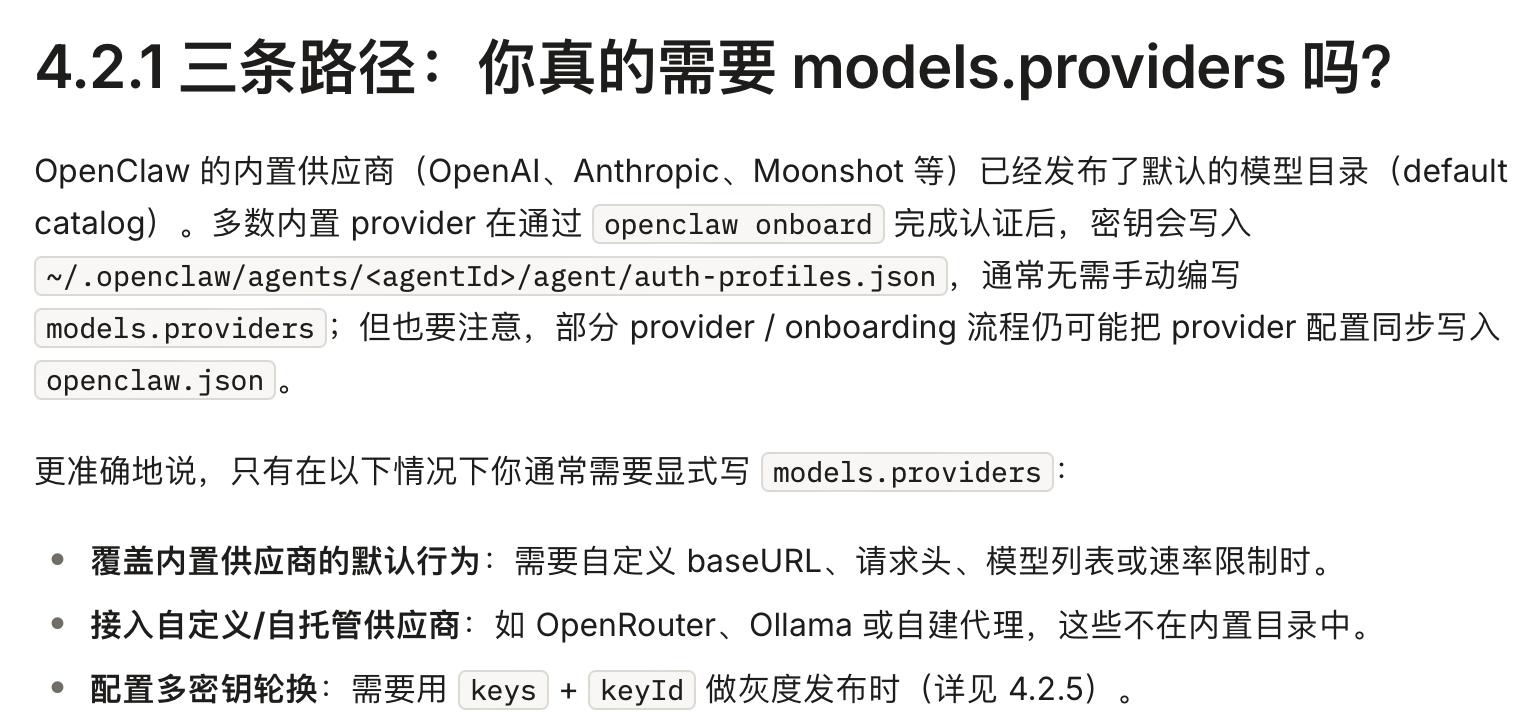
Recently, OpenClaw became extremely popular, directly causing Mac mini to be out of stock and increasing in price. However, most people are using cloud - based models to "raise lobsters". Various lobster deployment tutorials will mention which AI's tokens are cheaper and how to reduce token consumption.
(Image source: Gitbook)
As a result, a new problem arises: since AI PCs still rely on cloud - based AI to implement AI scenarios, what is the hardware value of AI PCs themselves?
After all, theoretically, a traditional PC without the premium of an AI chip can also transform into an AI PC as long as it can connect to the cloud - based AI via the Internet.
Moreover, we can be more radical. By significantly reducing the hardware configuration of a PC, as long as it has a screen, a keyboard, and Internet connectivity, it can become a cloud - based AI computer. The rapid development and popularization of AI seem to provide an opportunity for the not - so - new "cloud computer" to boom.
Is the combination of cloud computers and AI the future of AI PCs?
Cloud computers are not something new to us. The cloud gaming that was extremely popular a few years ago was essentially implemented in the form of cloud computers. At that time, with the full - scale popularization of 5G, the low - latency and high - throughput characteristics were regarded as the magic bullet for the popularization of cloud computers.
However, the reality is harsh. The concept of cloud gaming has never really taken off. Google's cloud gaming service Stadia, launched in 2019, was shut down in a hurry less than three years after its launch. According to the reviews of overseas media and user feedback, for Stadia to achieve a smooth experience close to that of a local game platform, it has extremely high requirements for network quality. For example, it requires a wired connection using a local high - speed broadband. Even using Wi - Fi for gaming will significantly reduce the experience, not to mention using the more volatile 5G mobile network.
(Image source: Google)
However, cloud gaming is highly sensitive to network latency, while online AI is much more forgiving. As ordinary users, we are already used to AI taking time to "think" when answering questions and processing tasks, and we are not as eager for the results of AI as we are for game responses.
Ultimately, the bottleneck in the reaction speed of AI lies not in the network speed but in the computing power. Even if you install a local large - scale model, it still requires sufficient inference time to generate an answer.
Therefore, we believe that the form of cloud computers is naturally suitable for AI PCs. Google's Android computers are creating AI PCs in a mode different from traditional PCs. On Android computers, AI is not an accessory but the core function. Google says that most current AI tools are independent apps, and users have to copy data to the AI interface to use AI functions. On the contrary, Android computers integrate AI into every aspect of the system. Most intuitively, wherever the mouse pointer moves, AI appears there. AI will capture information such as text, images, and code near the pointer and directly process and operate on it.
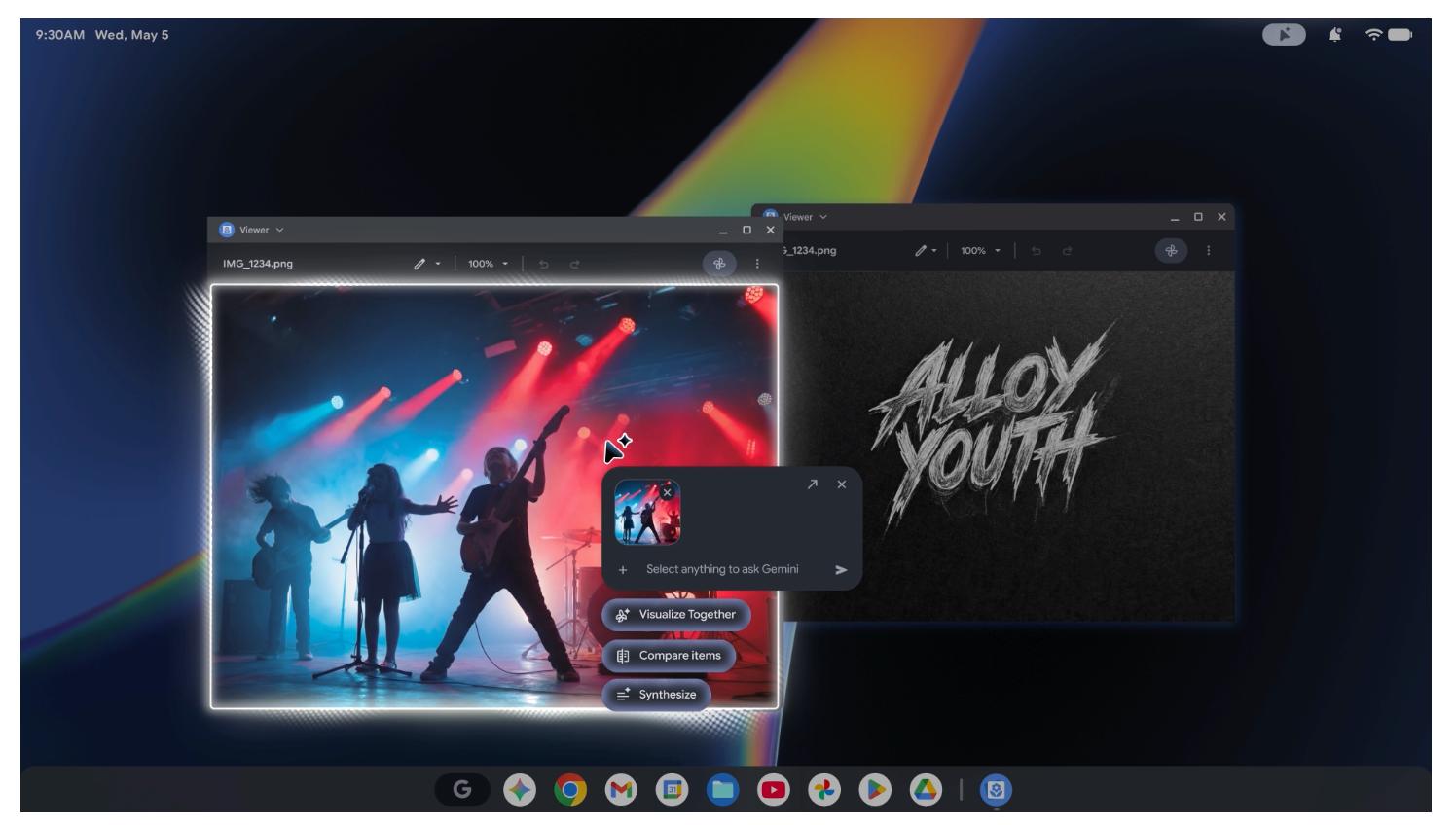
(Image source: Google)
In addition, the implementation solutions for Android computers are very diverse. For Android computers, Google mainly provides product ideas and implementation forms, and the hardware itself still needs to be built by partner manufacturers. According to the cooperation brands announced by Google, they are mainly divided into two categories: chips and terminals. The former includes Intel, Qualcomm, and MediaTek, and the latter includes HP, Lenovo, Acer, ASUS, and Dell.
Judging from the chip brands, it can be seen that Google doesn't care what kind of chip architecture is used in Android computers. Both X86 and ARM are acceptable. After all, at present, the implementation of AI scenarios on Android PCs still highly depends on the cloud - based Gemini, and the computing power of local hardware is relatively less important.
Moreover, Internet and cloud service providers have been offering cloud computer services and evolving towards AI PCs.
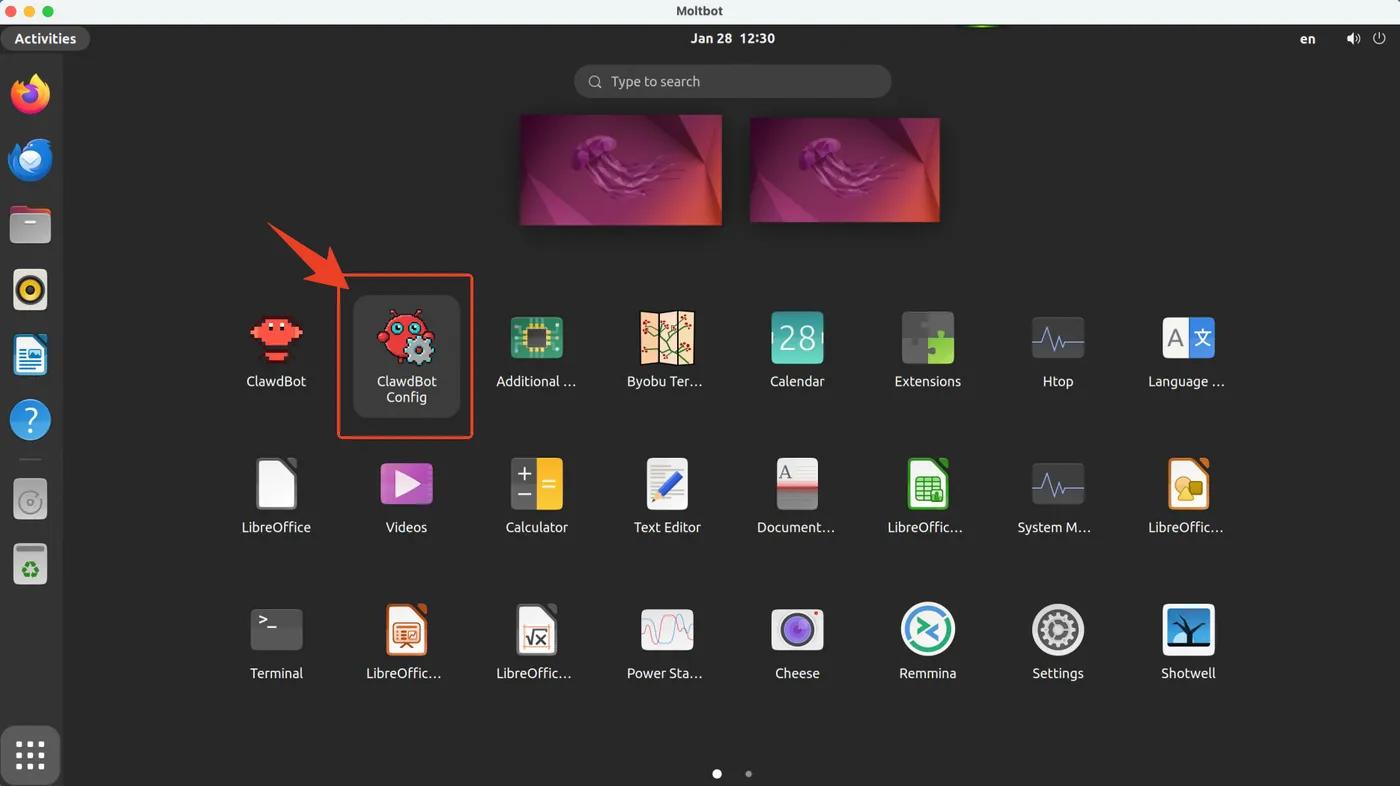
Take Alibaba as an example. In 2024, it launched the Wuying AI cloud computer, which not only has powerful cloud - based hardware configuration but also provides comprehensive support for large - scale models. By 2026, the Wuying AI cloud computer was further upgraded, providing full support for OpenClaw lobster - raising. It can be deployed with one click, directly connected to Qianwen, and can also be integrated with communication tools such as DingTalk, Feishu, and WeChat.
(Image source: Alibaba Cloud)
It's also worth noting that AI giants are in a crazy arms race in AI infrastructure construction, which is the "culprit" for the rising storage prices. Moreover, there is no sign of storage price reduction in the short term. As a result, the configuration upgrade of consumer - grade PCs will be further restricted. If we still use the traditional PC iteration model to build AI PCs, it will be extremely difficult. Instead of investing high - cost in local AI configurations with an obvious computing power ceiling, it's better to directly hand over AI tasks to the cloud.
How should PC manufacturers respond in this changing era?
The AI - transformation of PCs is an irreversible trend. Players in the entire PC industry chain are racking their brains to figure out how to board the AI PC bandwagon. Since they play different roles, the ways they promote AI PCs also vary.
First, chip manufacturers are still constantly emphasizing the AI computing power of consumer - grade chips and building AI scenarios around it. More importantly, both Intel and AMD are continuously making efforts in the server market, constantly competing for orders from AI giants.
After all, when AI manufacturers carry out AI infrastructure construction, they naturally need to purchase a large number of AI chips. Besides NVIDIA, the main players capable of fulfilling these orders are traditional CPU brands like Intel and AMD.
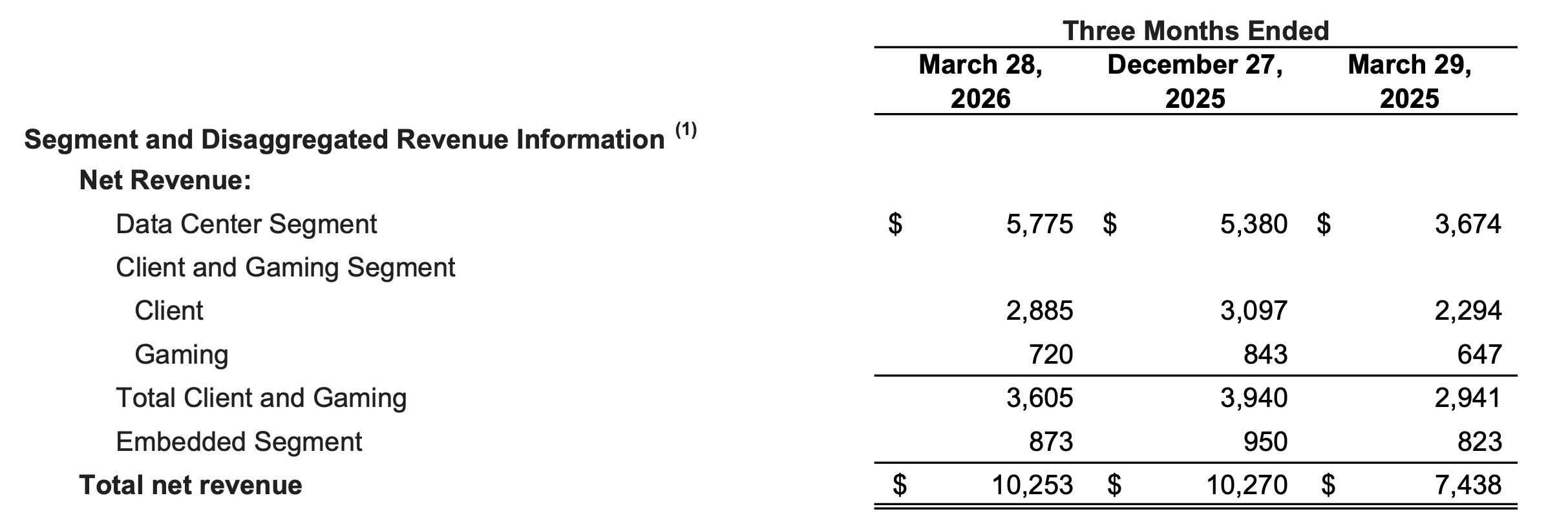
AMD's latest financial report shows that the revenue contributed by the "Data Center" business segment in the first fiscal quarter reached $5.8 billion, accounting for more than half of the total. Moreover, the production capacities of Intel and AMD cannot meet the order volume. AMD has been seeking assistance from other wafer foundries such as Samsung in addition to TSMC.
(Image source: AMD)
Second, terminal manufacturers include both traditional PC brands like Lenovo, ASUS, and HP, as well as emerging brands like Huawei, Xiaomi, and Honor. At present, their efforts in building AI PCs are mainly based on the traditional architecture of Intel/AMD chips + Windows system, enhancing the AI capabilities of PCs by implanting software such as computer management software and intelligent agents.
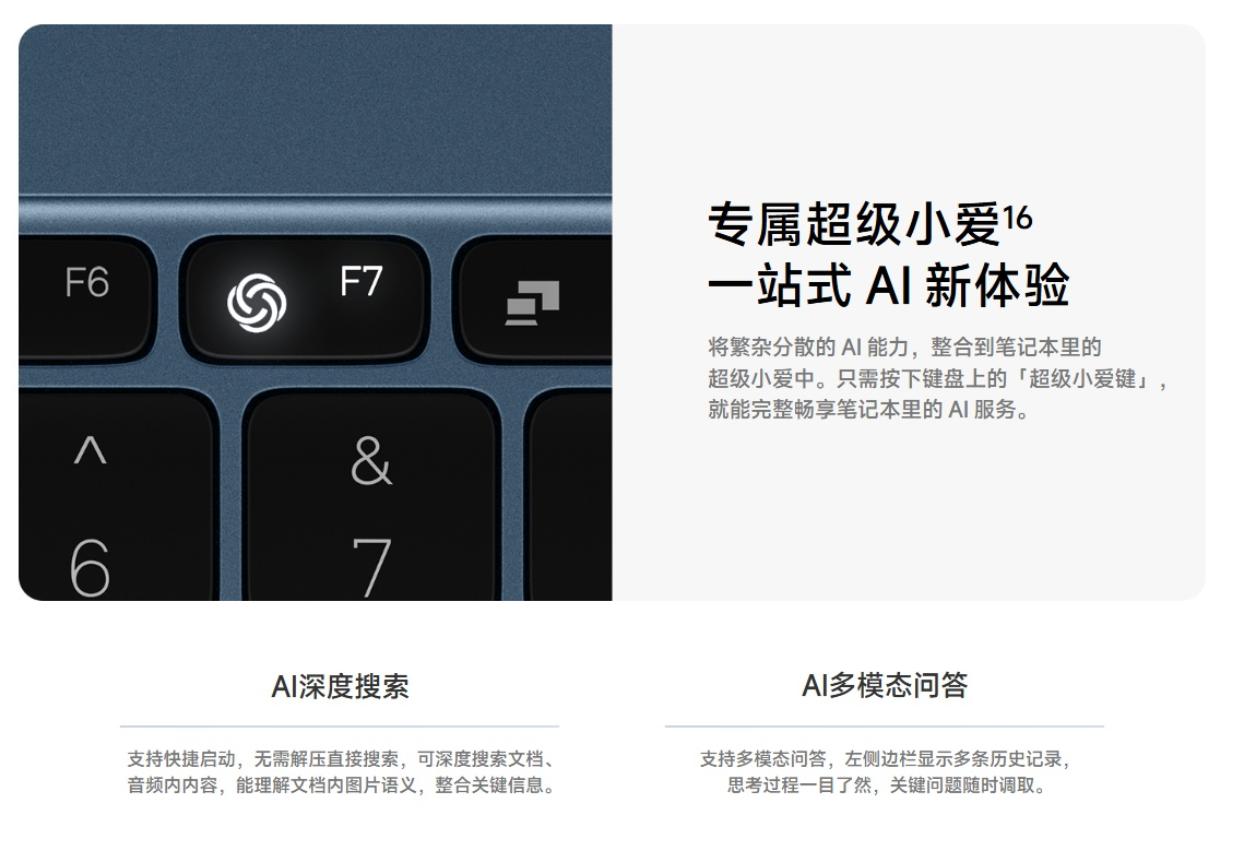
Meanwhile, mobile phone brands have an advantage in the field of AI PCs. They can connect PC products with various devices in their own hardware ecosystems, such as mobile phones, in - car systems, wearables, and smart home devices. AI capabilities can seamlessly transfer across devices. Take Xiaomi as an example. Super Xiaoai, a tool that combines multiple capabilities such as intelligent agents, AI assistants, and voice assistants, can appear on various devices in the Xiaomi ecosystem.
(Image source: Xiaomi)
In addition, Apple is a special case in the field of AI PCs. Apple Intelligence was announced a long time ago, but its implementation process has been disappointing, which has made the AI - transformation of Macs rather awkward. However, Apple still has an unparalleled advantage in the PC field: its ability to integrate software and hardware. It has absolute control over M - series chips and the macOS system.
Recently, Apple increased the production volume of the MacBook Neo from 5 million to 10 million units and spared no expense to maintain the production of the A18 Pro chip. Thanks to the success of this laptop, according to the Q1 online laptop market data released by LOTU, Apple has become the PC brand with the second - largest market share in the domestic market after Lenovo.
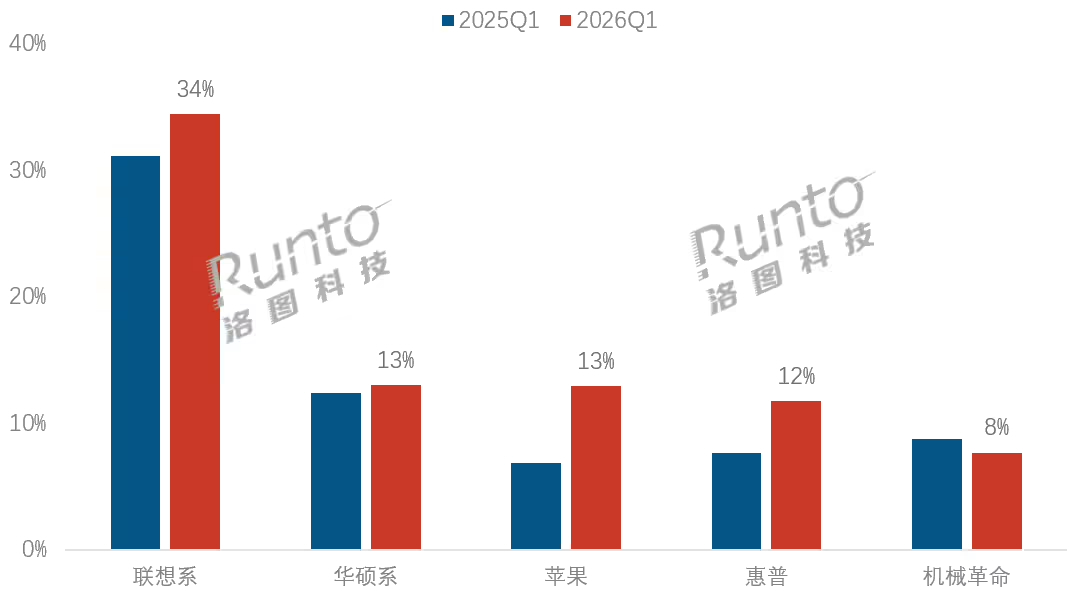
(Image source: LOTU)
Against the backdrop of soaring storage prices, the affordable MacBook Neo has shown amazing appeal. Frankly speaking, the MacBook Neo was not initially well - received and seemed more like a product to consume the inventory of the A18 Pro chip. This shows that Apple is capable of creating a successful and affordable PC. Once it has a solid user base, MacBooks powered by Apple Intelligence have the potential to catch up and lead in the AI PC era.
Finally, Microsoft, the dominant player in the PC system, cannot be ignored. Microsoft's actions regarding AI PCs mainly focus on three aspects: defining the hardware standards for AI PCs, system reconstruction, and diversifying the hardware architecture.
Microsoft requires that AI PCs must have a computing power of over 40 TOPS and a memory of over 16GB. It has introduced the Windows Copilot Runtime at the Windows core and integrated multiple small - scale models. At the same time, Windows provides AI functions such as real - time subtitles and recall.
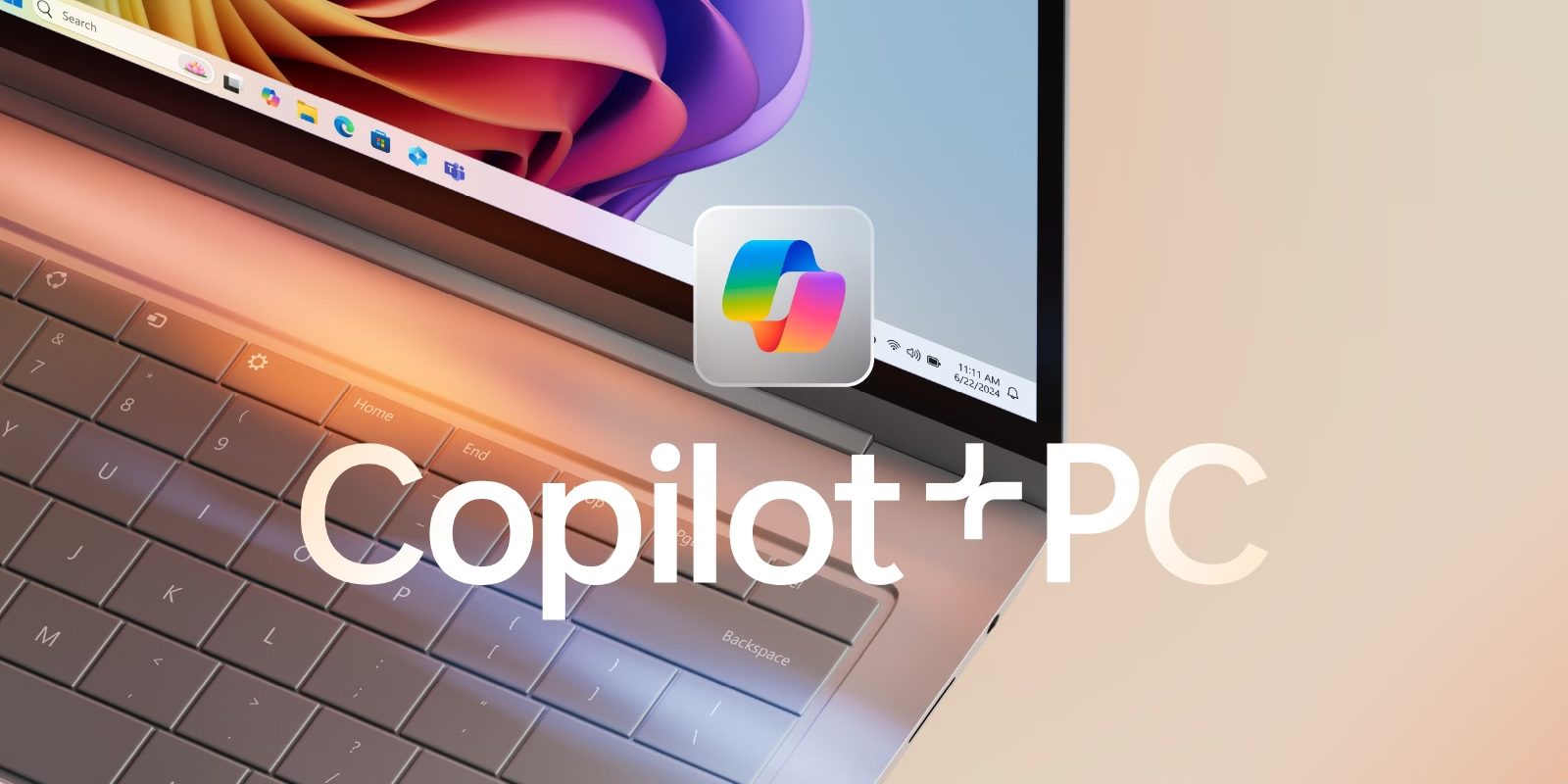
(Image source: Microsoft)
One crucial point is that Copilot uses GPT's large - scale model technology and Bing's Internet - connectivity capabilities and is deeply integrated into the Windows system, Edge browser, and Office 365, fully leveraging its ecological advantages. And this still mainly relies on cloud - based AI capabilities.
Conclusion
The emergence of Android computers challenges the traditional PC form that has remained unchanged for many years. It represents another product concept for PC development in the AI era: emphasizing the cloud while reducing reliance on local hardware.
In an