Google und Microsoft kämpfen um die AI-PC-Märkte: Ist lokale Rechenleistung eine Wucherpreispflicht, und ist der Cloud-Computer die ultimative Form?
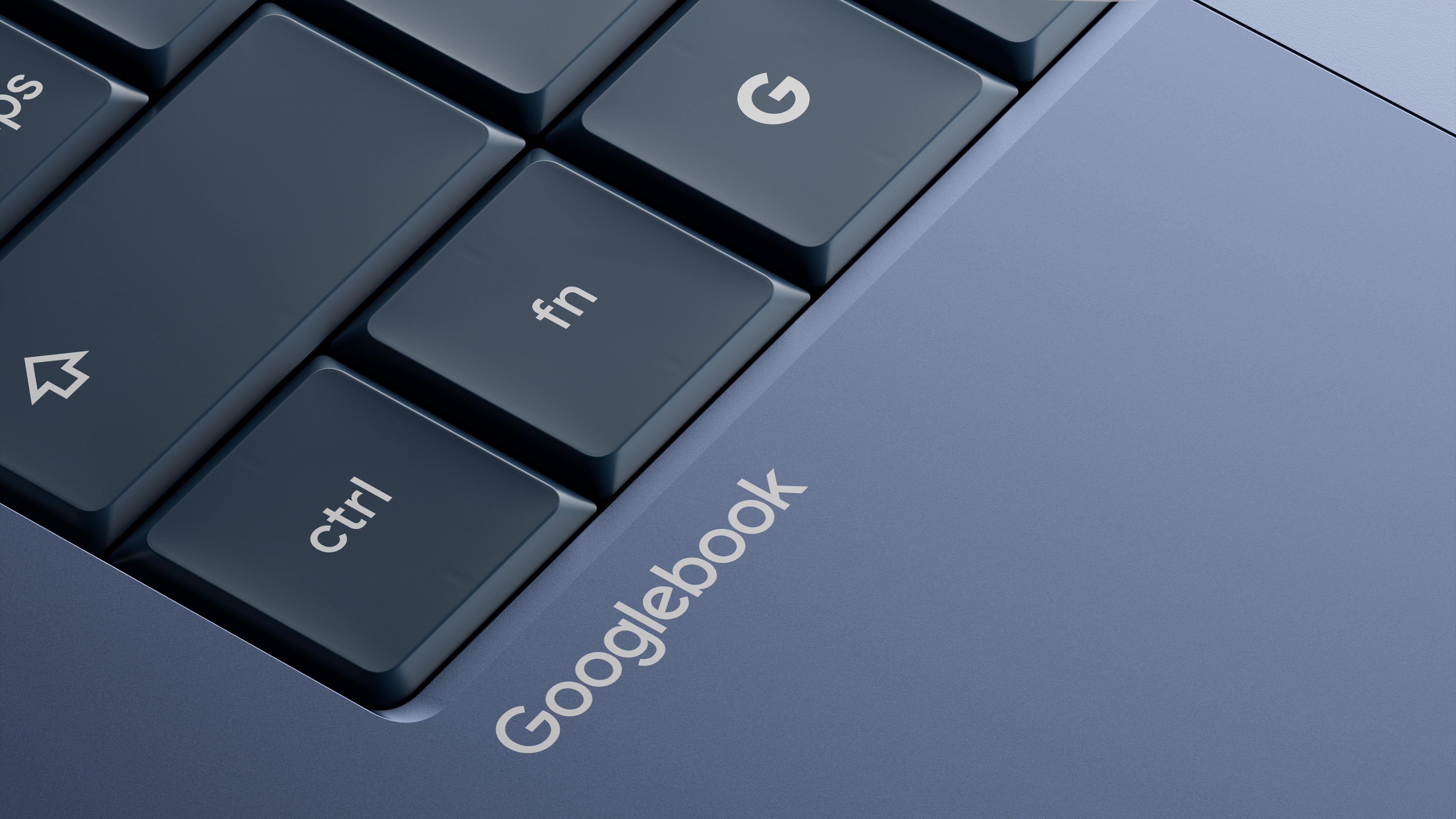
Before the Google I/O Conference, Google held a pre - event for Android 17 in the night of May 13th. Surprisingly, Google unexpectedly announced a new product series at this event: Android Computers. In contrast to Chromebooks, the Android Computer targets the high - end segment and focuses on productivity as its core advantage. Google is no longer satisfied with the entry - level market and wants to gain more market share in the PC industry outside of netbooks.
The concept of the AI - PC has become very popular in recent years. Countless PC chip and end - device manufacturers emphasize the AI functions of their products and rave about the new possibilities that AI offers for PC use - cases. The emergence of the Android Computer shows the outside world a new concept for AI - PCs: Instead of relying on traditional desktop systems, cloud - AI is no longer a side effect but the core from which all relevant functions originate.
(Source: Google)
If the Android Computer can be successful, the cloud - computer may become the solution for the AI era.
Current AI - PCs are not “AI” enough
Current AI - PCs in the PC industry seem more like traditional PCs with an AI interface. In terms of chips, Intel and AMD have added separate AI computing units to PC processors to improve their edge - AI capabilities. In terms of the system and ecosystem, end - device manufacturers have integrated their own AI applications into the system, including computer managers and intelligent agents, and connected external large language models.
However, these AI - PCs are essentially still traditional Windows computers, and the AI functions seem more like a decoration. Moreover, most AI use - cases are based on cloud - AI, including document summaries, image generation, and various “crab tools”.
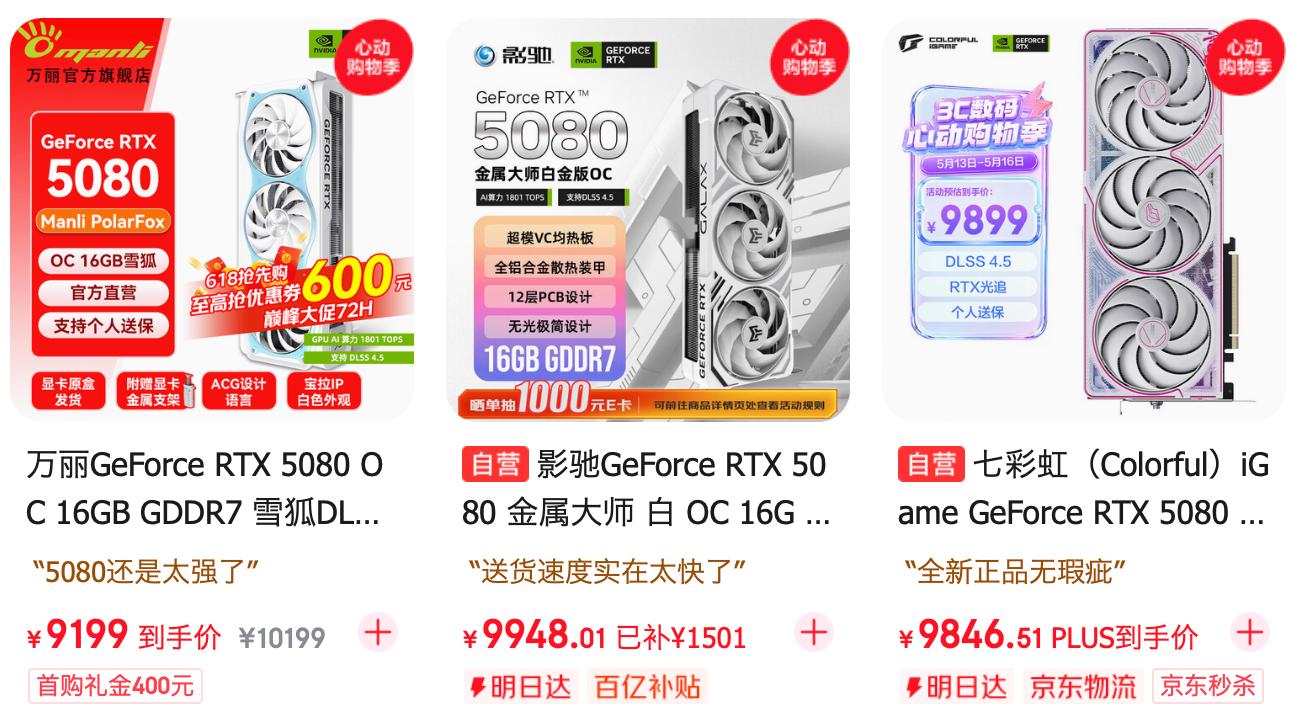
Although chip manufacturers often report on the local AI capabilities of their chips and talk about the possibility of heterogeneous computing with CPU, GPU + NPU for the implementation of open - source models, the AI computing power of consumer PC chips is still limited in reality. After all, not every consumer has a 5080 graphics card and a memory starting from 32GB.
(Source: JD.com)
In this situation, it is difficult for a normal consumer PC to run large language models locally and handle more complex AI tasks.
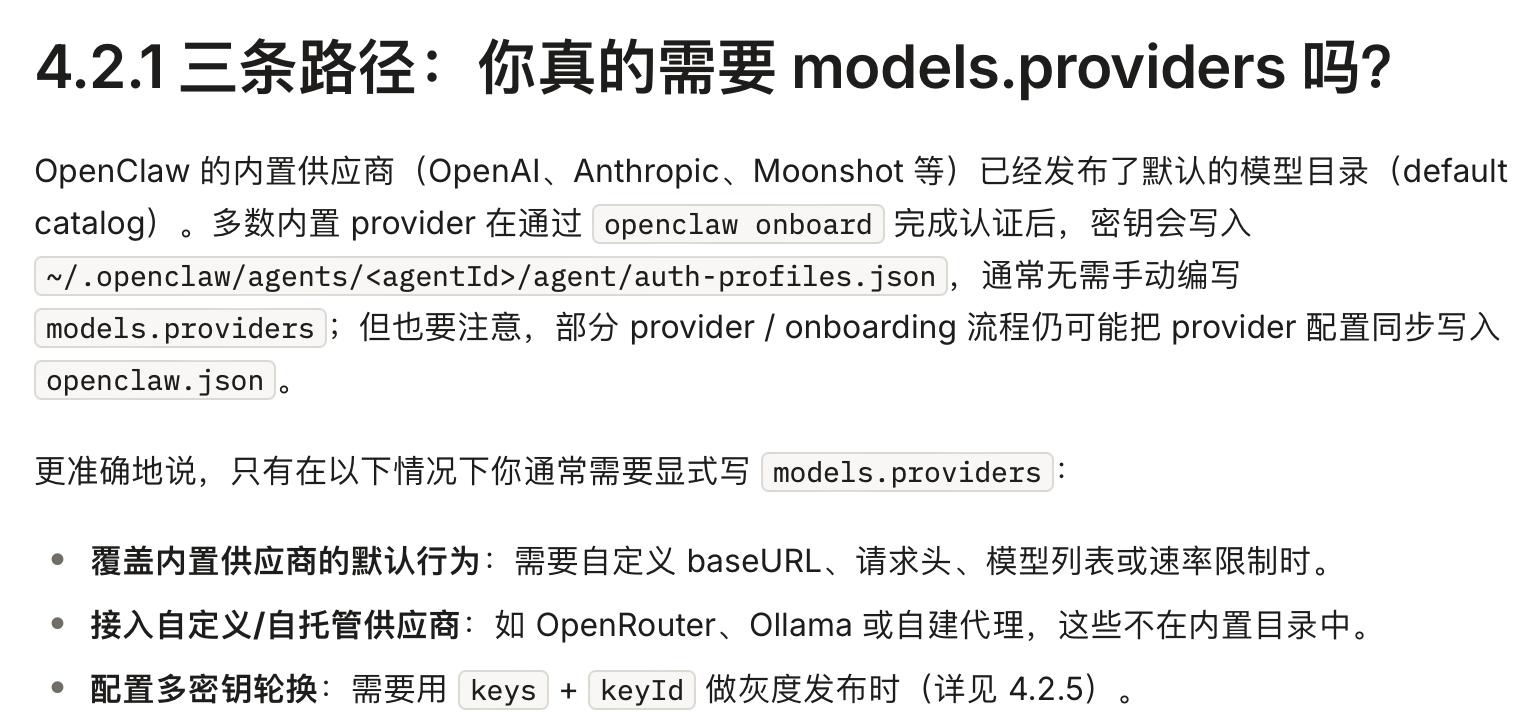
Recently, OpenClaw was very popular, which led to the Mac mini being out of stock and the price increasing. However, most people use cloud models to “raise crabs”. In various guides for crab setup, it is always emphasized which AI tokens are cost - effective and how to reduce token consumption.
(Source: Gitbook)
However, this gives rise to a new problem: If AI - PCs still rely on cloud - AI to realize AI use - cases, then what is the value of the hardware of an AI - PC?
Theoretically, a traditional PC without an AI chip premium can also become an AI - PC as long as it is connected to the Internet and can access cloud - AI.
We can even go more radically and drastically reduce the hardware configuration of a PC. As long as it has a screen, a keyboard, and Internet access, it can become a cloud - AI computer. The rapid development and spread of AI seem to enable the not - so - new concept of the cloud - computer to develop.
Cloud - computer + AI: The future of the AI - PC?
The cloud - computer is not new to us. The cloud - games that have been popular in recent years are essentially based on cloud - computers. At that time, the full spread of 5G was regarded as a panacea for the spread of cloud - computers because it offers low latency and high data rates.
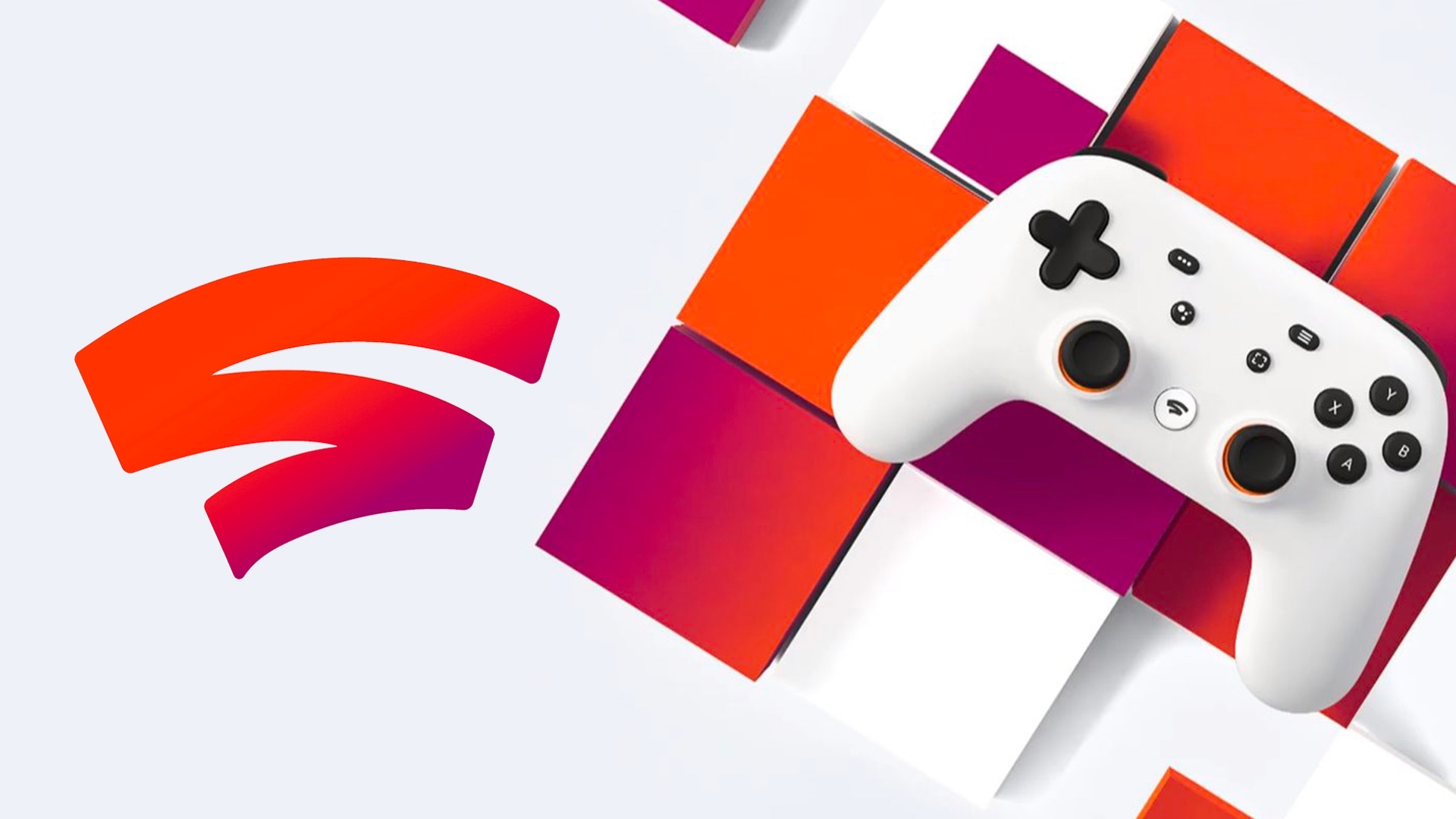
But the reality is harsh. The concept of cloud - games has never really taken off. The cloud - game service Stadia launched by Google in 2019 was shut down after less than three years. According to evaluations from foreign media and user feedback, Stadia requires very high network quality to provide a similarly smooth experience as on a local gaming system. For example, one has to use a local high - speed broadband cable network. Even using WiFi leads to a significant deterioration in game quality, not to mention using a mobile 5G network, which is subject to greater fluctuations.
(Source: Google)
However, cloud - games are very sensitive to network latency, while online AI has a much higher tolerance. As normal users, we are used to AI taking time to “think” when answering questions and processing tasks. We don't expect the results of AI as urgently as in games.
Ultimately, the weakness in the response speed of AI lies not in the network speed but in the computing power. Even if one installs a local large language model, it still takes enough time to generate answers.
Therefore, we believe that the cloud - computer is ideal for AI - PCs. Google's Android Computer builds AI - PCs in a different way from traditional PCs. On the Android Computer, AI is not a side effect but the core function. Google has explained that most current AI tools exist as separate apps, and users have to copy data into the AI interface to use the AI functions. The Android Computer integrates AI into every part of the system. Most obviously, AI appears where the mouse pointer is. AI captures texts, images, code, and other information near the pointer and processes and manipulates them directly.
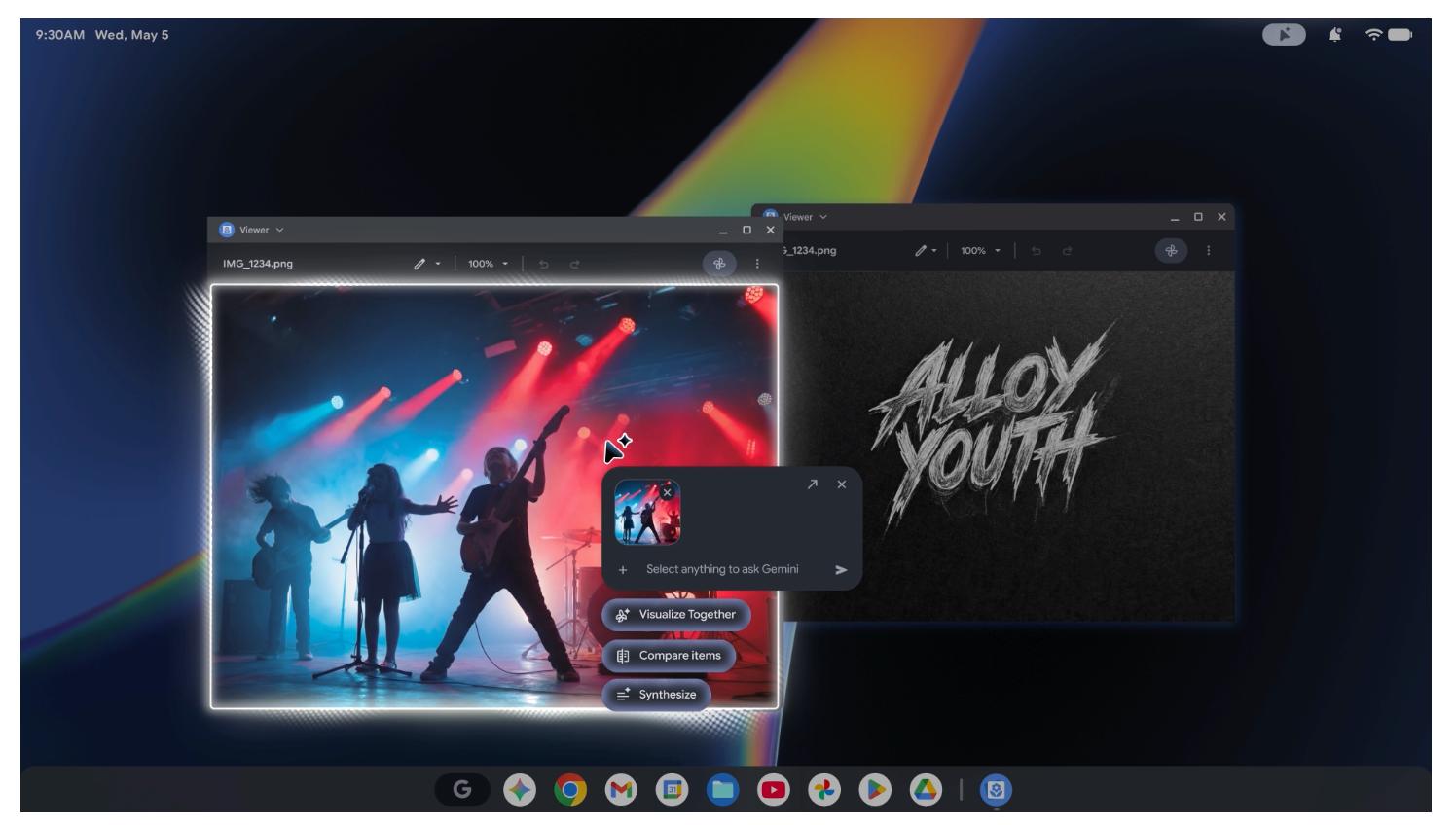
(Source: Google)
In addition, there are many different ways to implement Android Computers. Google mainly provides product ideas and implementation forms, while the hardware needs to be built by cooperation partners. According to the cooperation brands announced by Google, there are mainly two categories: chip manufacturers and end - device manufacturers. The former are Intel, Qualcomm, and MediaTek, and the latter are HP, Lenovo, Acer, Asus, and Dell.
Looking at the chip manufacturers, it is clear that Google doesn't care which chip architecture the Android Computer uses. Both X86 and ARM are okay. At present, the implementation of AI use - cases on Android Computers still depends heavily on cloud - Gemini, and the computing power of local hardware is relatively less important.
In addition, Internet and cloud service providers already offer cloud - computer services and are developing in the direction of AI - PCs.
For example, Alibaba launched the Wuying AI Cloud - Computer in 2024, which not only has a strong cloud hardware configuration but also provides comprehensive support for large language models. In 2026, the Wuying AI Cloud - Computer was further improved and now provides comprehensive support for OpenClaw crab setup. It can be installed with one click, directly access Qianwen, and be connected to communication tools such as DingTalk, Feishu, and WeChat.
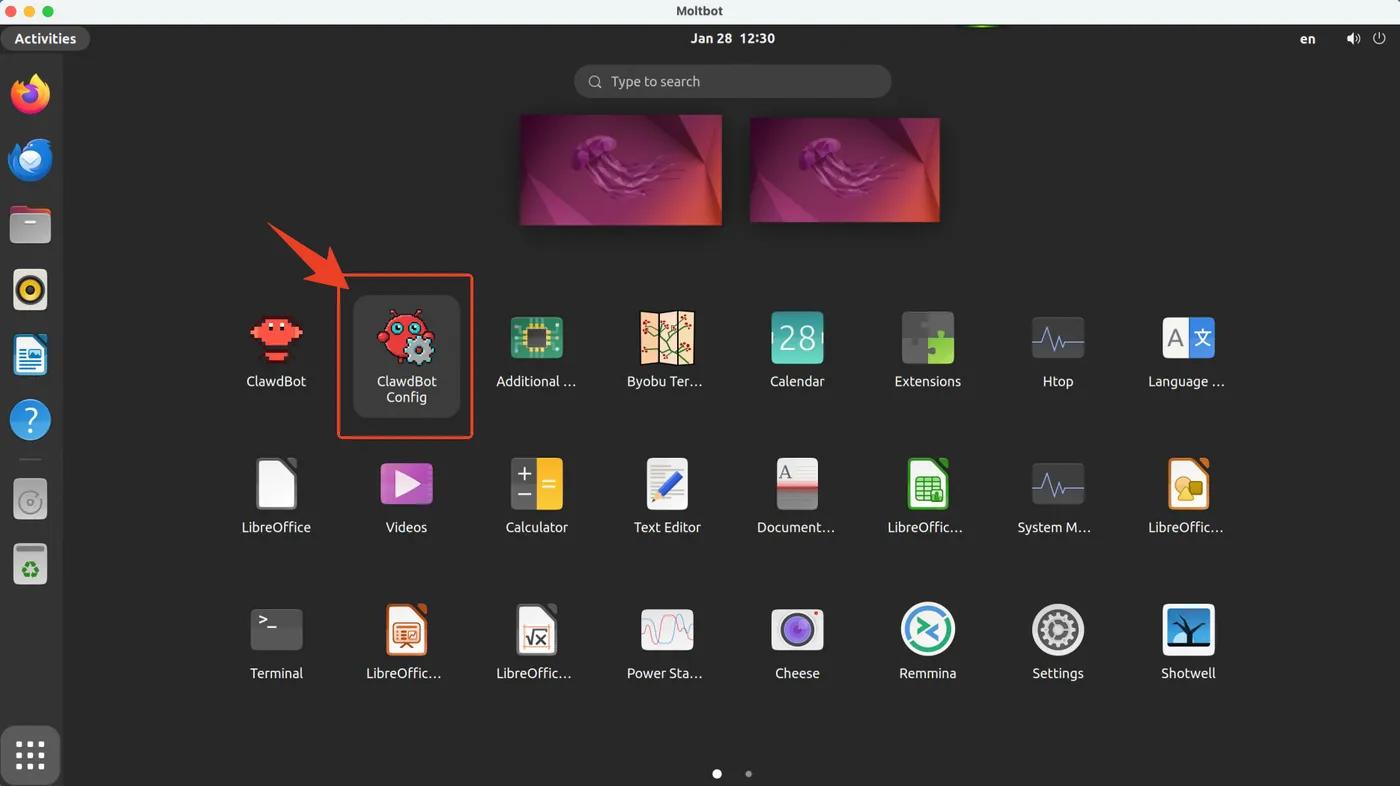
(Source: Alibaba Cloud)
It is also important to note that the AI giants have engaged in a fierce arms race in AI infrastructure development, which is the main reason for the price increase of storage media. And there is no price reduction in sight in the short term. This further hinders the upgrade of consumer PC configurations. If one still uses the traditional PC upgrade model to develop AI - PCs, it will be very difficult. Instead of building high - cost and limited - computing - power local AI configurations, it is better to directly transfer AI tasks to the cloud.
How should PC manufacturers respond to the changes?
The AI transformation of PCs is an irreversible trend. All players in the PC industry are thinking about how to get involved in the AI - PC movement. Depending on their role in the value chain, they pursue different strategies.
First, the chip manufacturers. They continue to emphasize the AI computing power of consumer chips and develop AI use - cases around it. Especially Intel and AMD are strongly targeting the server market and trying to get orders from AI giants.
After all, AI companies naturally need a large number of AI chips for AI infrastructure development. Besides NVIDIA, traditional CPU manufacturers like Intel and AMD are the main suppliers for these orders.
AMD's latest quarterly reports show that the “data center” business segment achieved a revenue of $5.8 billion in the first quarter, which accounts for more than half of the total revenue. Moreover, neither Intel nor AMD can meet the orders. AMD is already looking for other chip manufacturers like Samsung outside of TSMC.
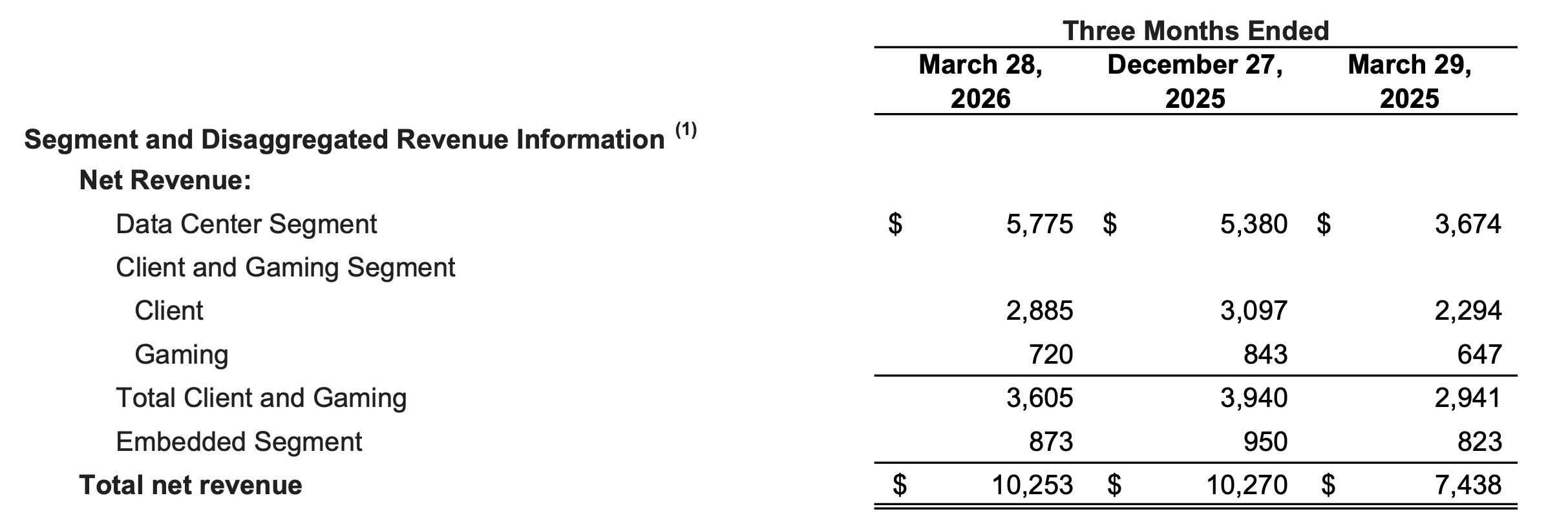
(Source: AMD)
Next, the end - device manufacturers. This includes both traditional PC brands like Lenovo, Asus, and HP and emerging brands like Huawei, Xiaomi, and Honor. Currently, their development of AI - PCs is mainly based on the traditional architecture of Intel/AMD chips and Windows systems. They improve the AI capabilities of PCs by integrating software such as computer managers and intelligent agents.
Moreover, mobile phone manufacturers have an advantage in the AI - PC industry: They can connect their PC products with other devices in their hardware ecosystem, such as mobile phones, car computers, wearables, and smart home devices. The AI capabilities can be seamlessly transferred between different devices. For example, Super Xiaoai, a tool that combines intelligent agents, AI assistants, and voice assistants, can appear on different devices in the Xiaomi ecosystem.
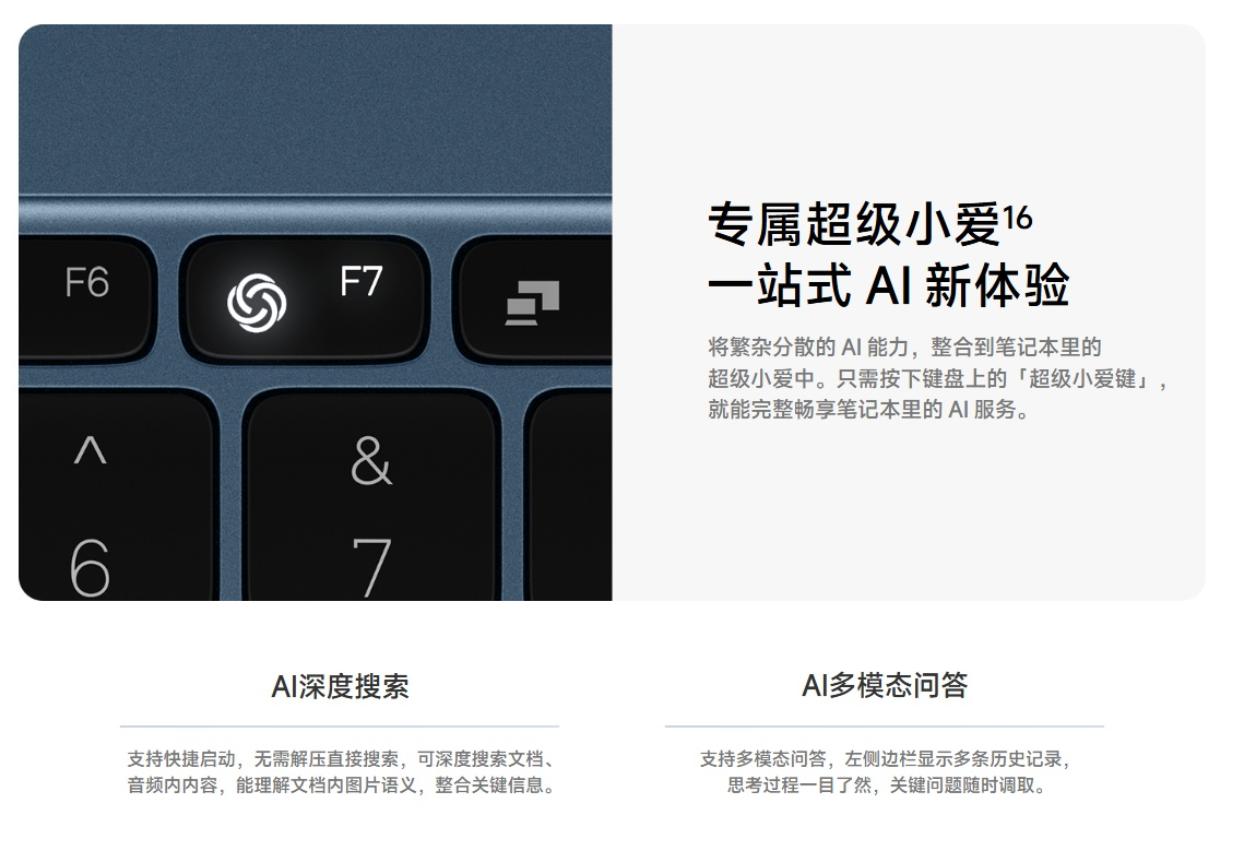
(Source: Xiaomi)
Apple is a special existence in the AI - PC industry. Apple Intelligence was announced early, but the implementation is very slow. This leads to a difficult situation in the AI transformation of Macs. However, Apple still has a unique advantage in the PC industry: the ability to integrate hardware and software. Apple has absolute control over the M - series chips and the macOS system.
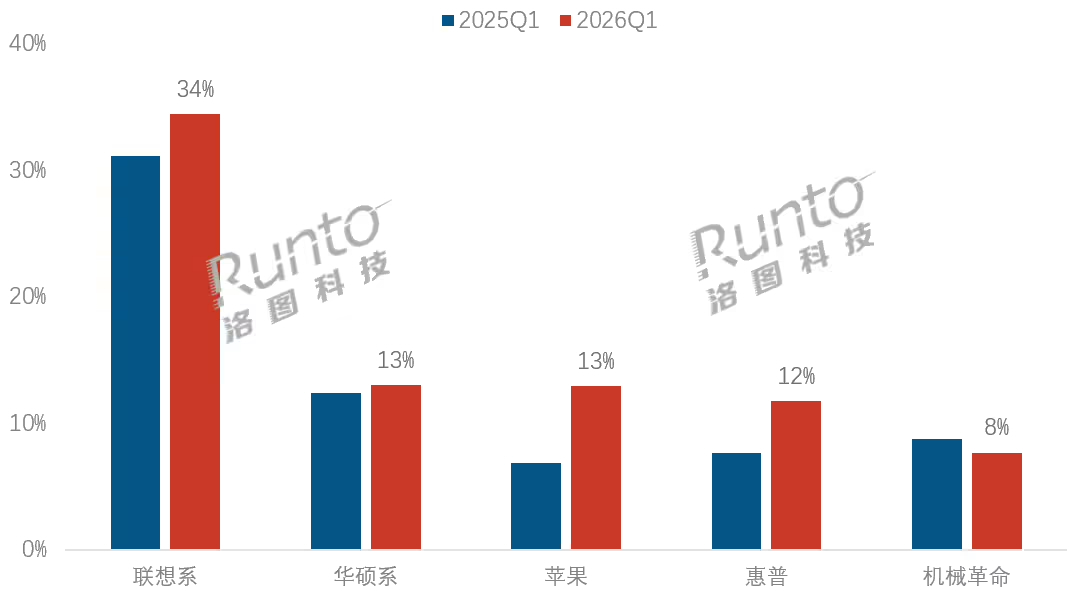
Recently, Apple has increased the production of the MacBook Neo from 5 million to 10 million units and has spent high costs to maintain the production of the A18 Pro chip. Thanks to the success of this notebook, Apple has achieved the second - largest market share in China after Lenovo in the data of the online notebook market in the first quarter released by LOTU.
(Source: Apple)